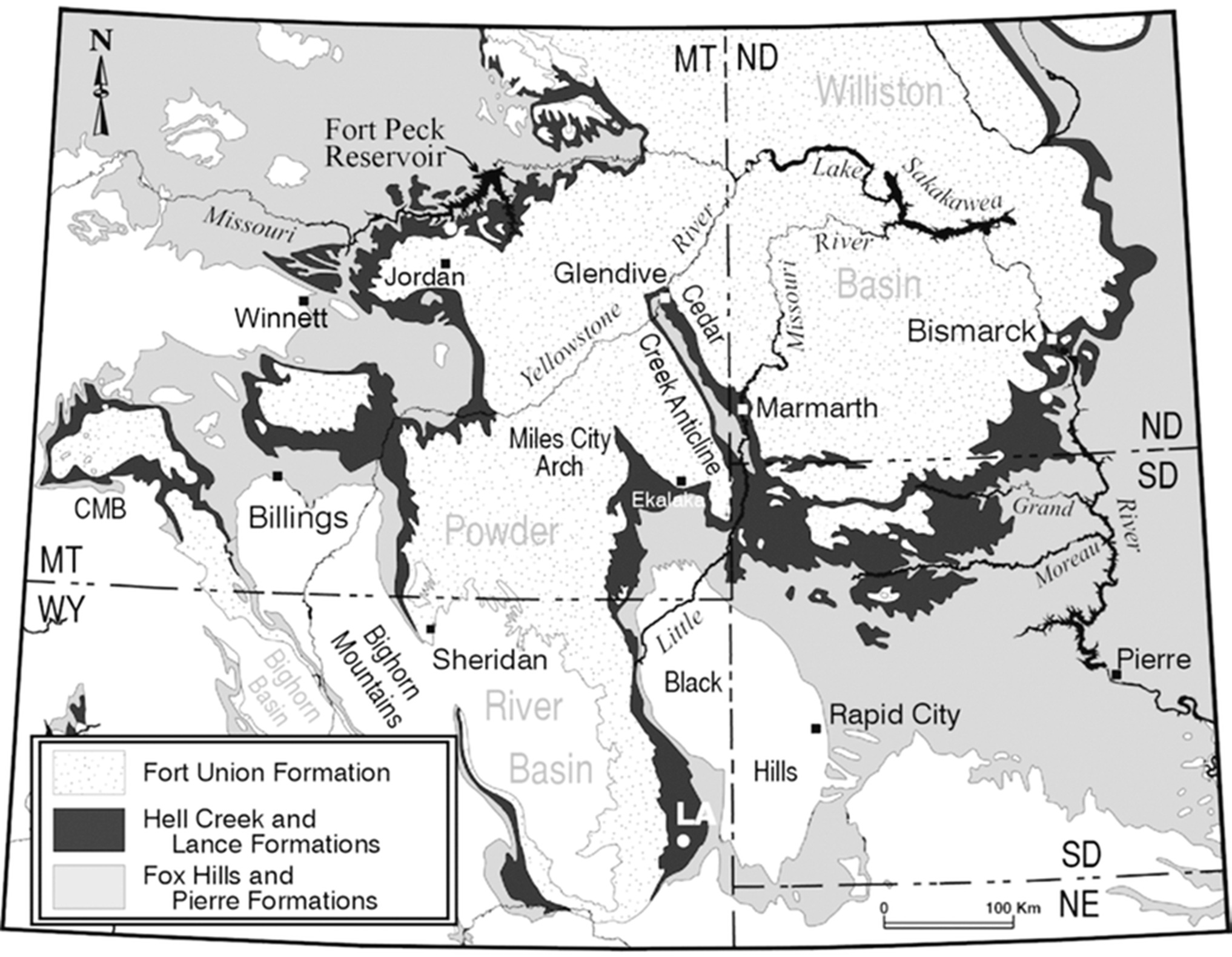
Die Hell Creek Formation ist die wohl bekannteste Fossillagerstätte aus dem Maastrichtiums der USA und gehört auch zu den am intensivsten erforschten auf der ganzen Welt. Zusammen mit der stratigraphisch identischen Lance Formation bietet sie die wohl besten Einblicke ins Ökosystem des westlichen Nordamerikas während der letzten beiden Jahrmillionen des Mesozoikums. Nicht zuletzt deshalb habe ich diese Gegend als Handlungsort für meine Romanreihe Die Weißen Steine ausgewählt. Hier wurden nicht nur viele der berühmtesten Dinosaurier gefunden, sondern auch eine Vielzahl weiterer interessanter Lebewesen aus der späten Kreidezeit. Aufgrund des schieren Umfangs der im Fossilbericht dieser Formationen belegten Arten sind sie hier in einem eigenen Artikel gelistet.

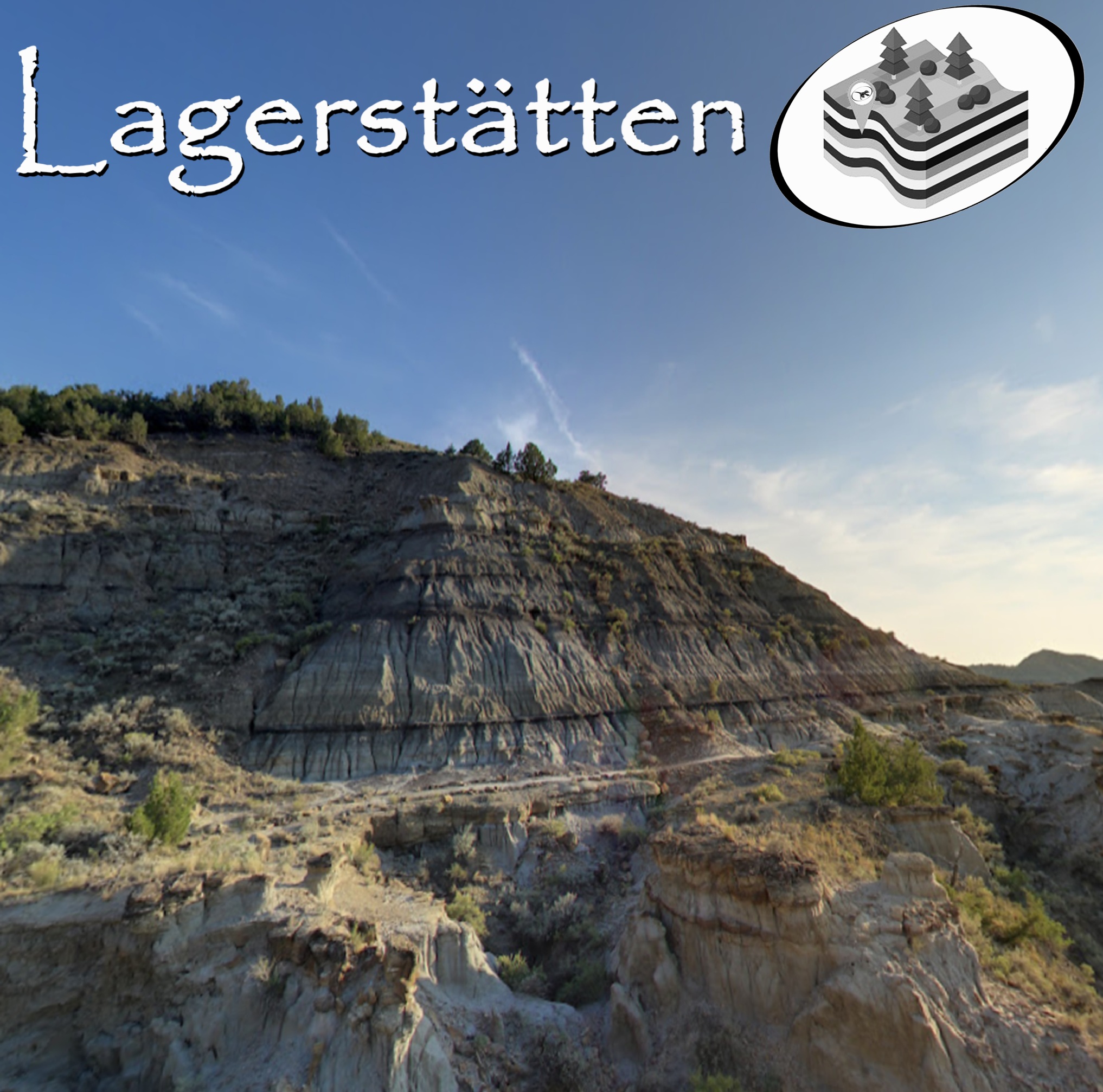 |
Die Hell Creek Formation liegt im nördlichen Westen der USA, genauer gesagt auf dem Gebiet der heutigen Bundesstaaten North Dakota, South Dakota und Montana. Sie wurde 1907 von dem Paläontologen Barnum Brown erstmals eingeführt. Brown benutzte den Namen in seiner Arbeit über geologische Aufschlüsse im Hell Creek Valley (zu deutsch: „Höllenschlucht-Tal“) nahe der Stadt Jordan in Montana, und an den darunterliegenden Nebenbächen des Missouri River. |
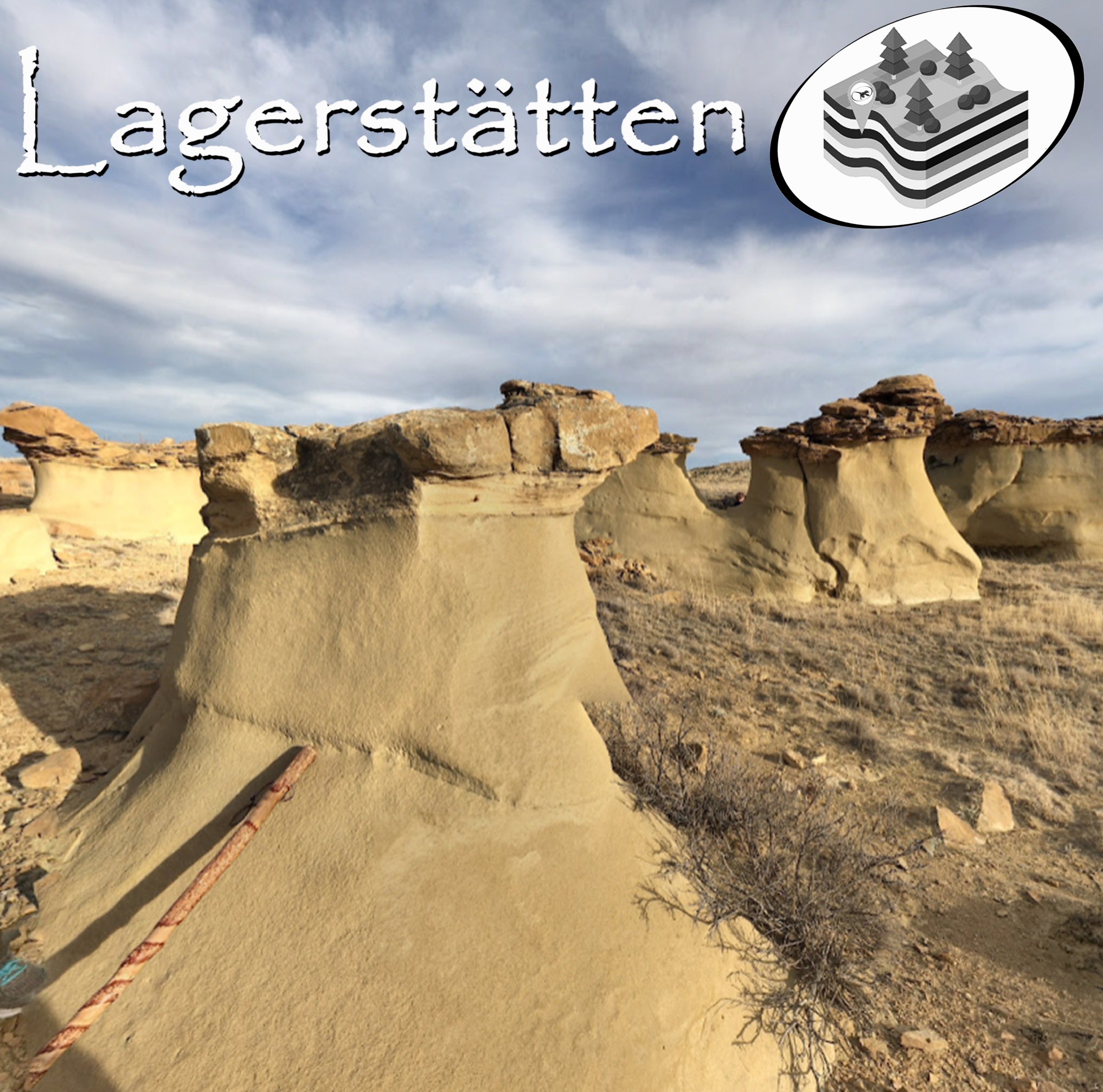 |
Die Lance Formation erstreckt sich über einen Großteil dieses Bundesstaates Wyoming und ist der nahegelegenen Hell Creek Formation sehr ähnlich. Auch sie lag einst in einem prähistroischen Küstengebiet. Sie wurde erstmals 1903 durch John Bell Hatcher benannt, der den Begriff Lance Creek beds prägte. Später wurde dieser durch den USGS zu Lance Formation vereinfacht. Der Name stammt von dem Bach Lance Creek in Converse County in Wyoming. |
Die Lancian Fauna
Die Tierfossilien, die in beiden Formationen gefunden wurden, werden in der Fachliteratur als Lancian Fauna bezeichnet. Dieser Begriff beschreibt die Tiergemeinschaft, die im letzten Abschnitt der Oberkreide Nordamerikas gemeinsam lebte, also zwischen 70,6 und 66 Millionen Jahren kurz vor dem Einschlag des Chicxulub-Meteoriten. Damals ereigneten sich tiefgreifende ökologische Umbrüche, ausgelöst durch den Rückzug des Western Interior Seaways und tektonische Hebungen im Westen des Kontinents. Beides führte zu einem klimatischen Wandel, und gleichzeitig auch zu einem Wandel in der Tierwelt des prähistorischen Nordamerikas, die große Ähnlichkeit mit zeitgleichen Faunengemeinschaften Ostasiens hatte. Wahrscheinlich befanden sich zwischen beiden Lebensräumen gelegentlich Landbrücken, die den Tieren Wanderbewegungen erlaubten.
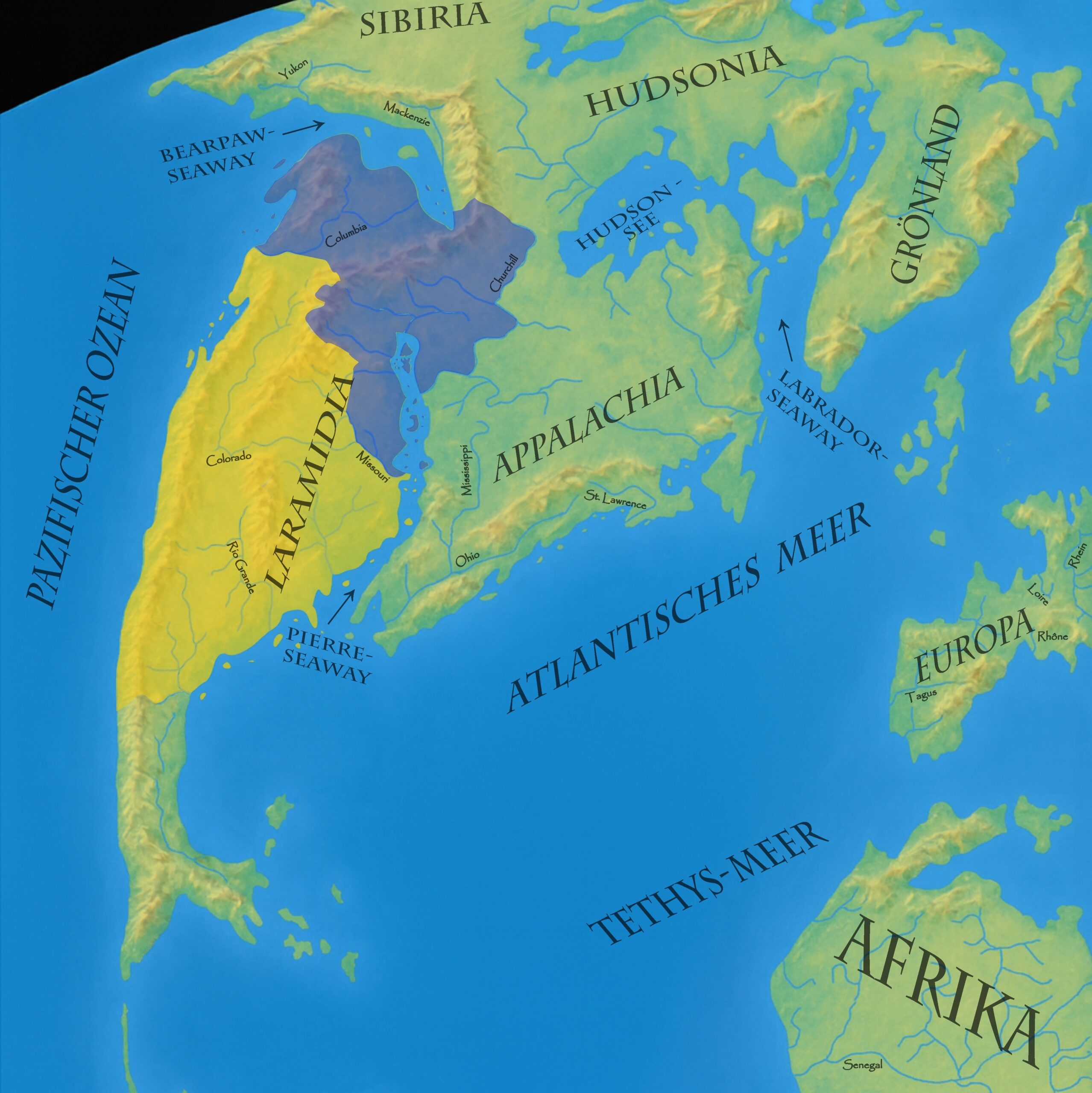
Charakteristisch für diese Zeit ist ein starker Artenrückgang bei den Dinosauriern: Statt vieler spezialisierter Formen, wie sie noch im Campanium zu finden waren, dominierten nun bloß wenige, weit verbreitete Großpflanzenfresser die Tierwelt. Im Norden (blau) prägten vor allem Triceratops und Edmontosaurus die Ökosysteme, im Süden (gelb) war der rieisge Alamosaurus der größte und dominante Pflanzenfresser. Hier trat außerdem auch der Riesenflugsaurier Quetzalcoatlus auf. Beide fehlen wiederum im Fossilbericht der nördlicheren Ökosysteme, also auch in Hell Creek und Lance. Insgesamt markiert die Lancian Fauna den letzten stabilen Zustand nordamerikanischer Dinosaurierökosysteme vor ihrem abrupten Aussterben am Ende der Kreidezeit.
Sowohl aus der Hell Creek- als auch aus der Lance Formation sind jedoch auch auch marine Fazies bekannt, also Meeresablagerungen, wie etwa das Cannonball Marine Member. Da es nicht die typische Fauna von Landlebewesen enthält, sondern vor allem marine Wirbellose, werden diese Abschnitte oft auch zum marinen Pierre Shale oder Fox Hills Formation gezählt.1Stanton, T. W. (1920). The fauna of the Cannonball marine member of the Lance formation. Professional Paper, U.S. Geological Survey, 128, 1–60. Die dort nachgewiesenen Arten sind hier nun ebenfalls mit aufgelistet. Sie gehören aber streng genommen nicht zur typischen Lancian Fauna.
Erklärungen zum Fossilbericht
Im nun folgenden Bericht werden alle überlieferten und wissenschaftlich beschriebenen Arten aufgeführt, die in der Hell Creek- und Lance Formation gefunden wurden. Dabei findest du folgende Informationen:
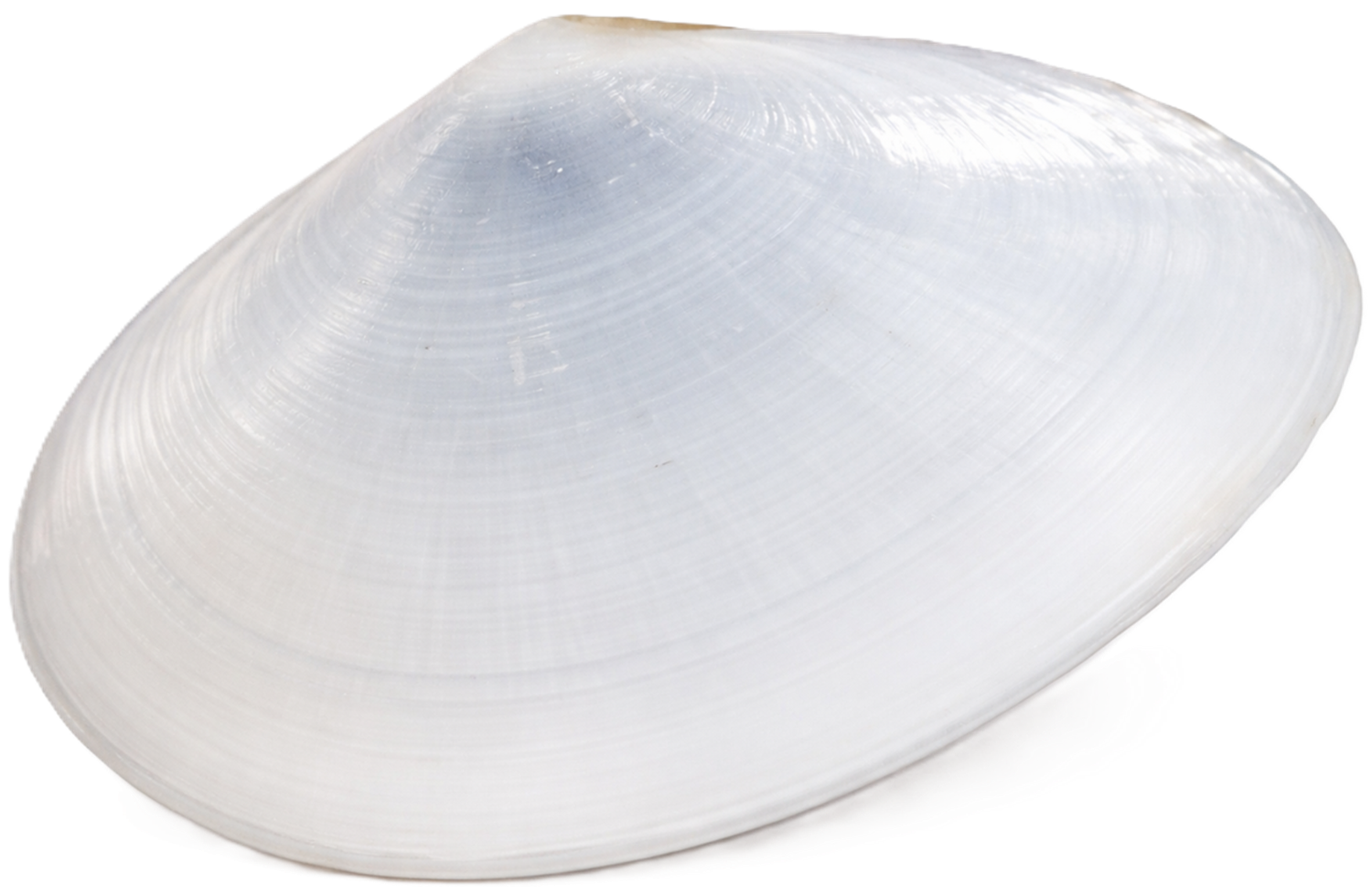
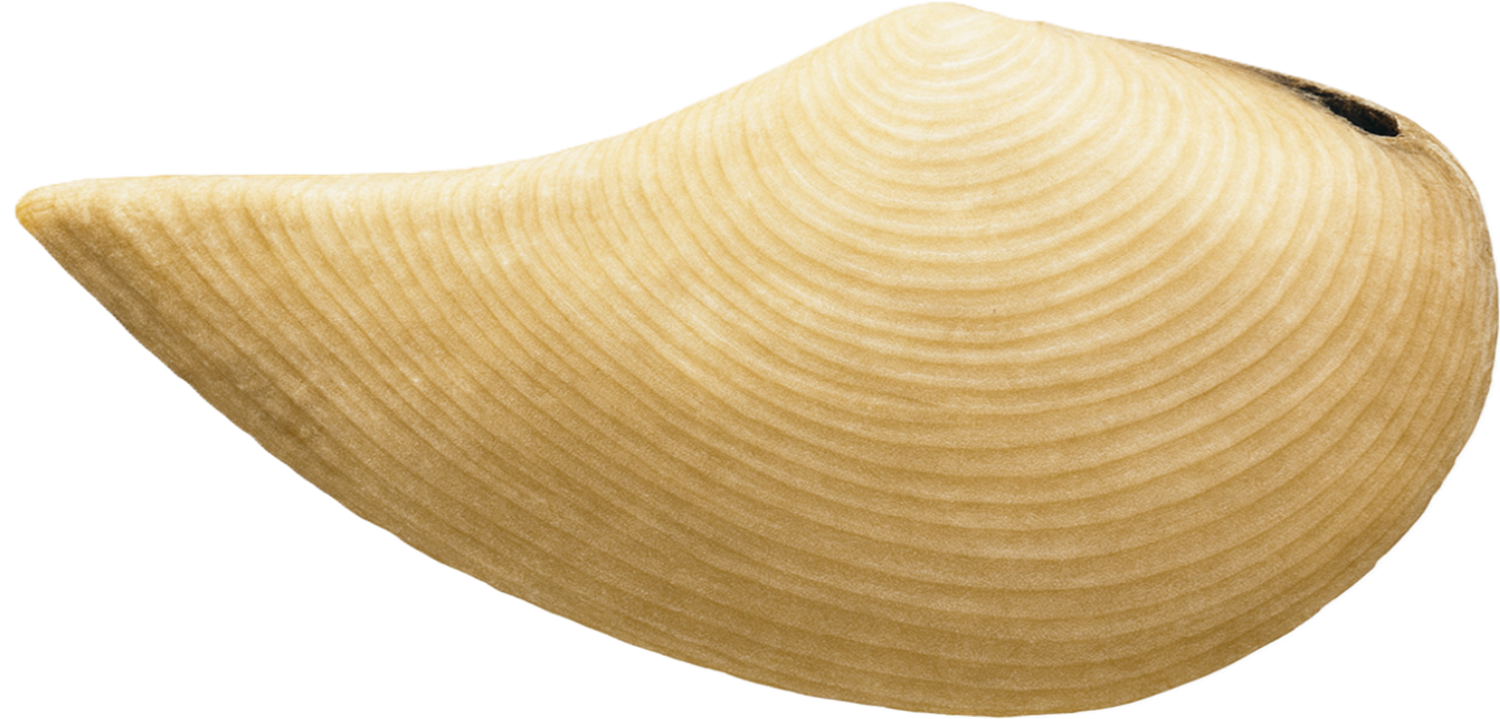
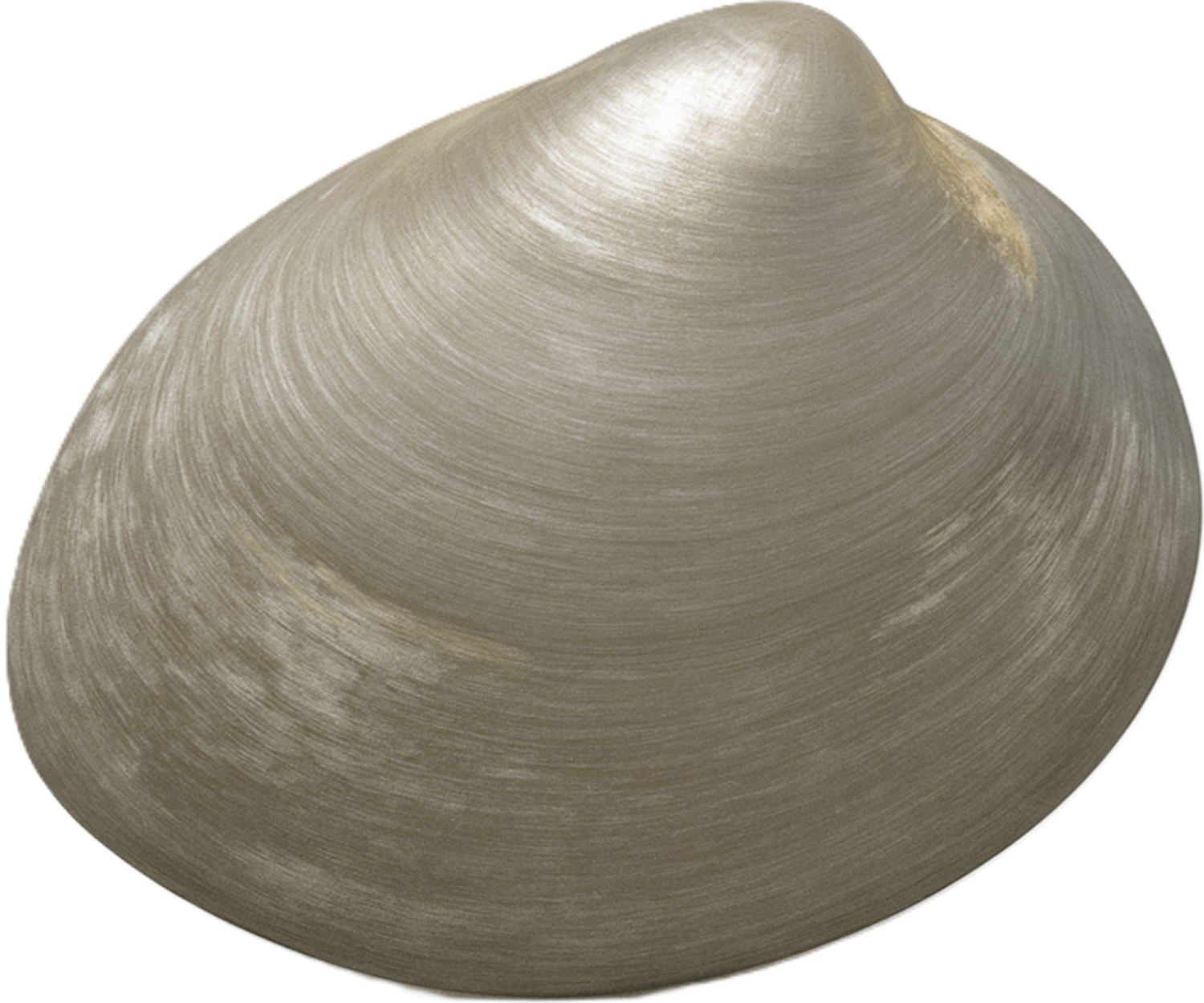
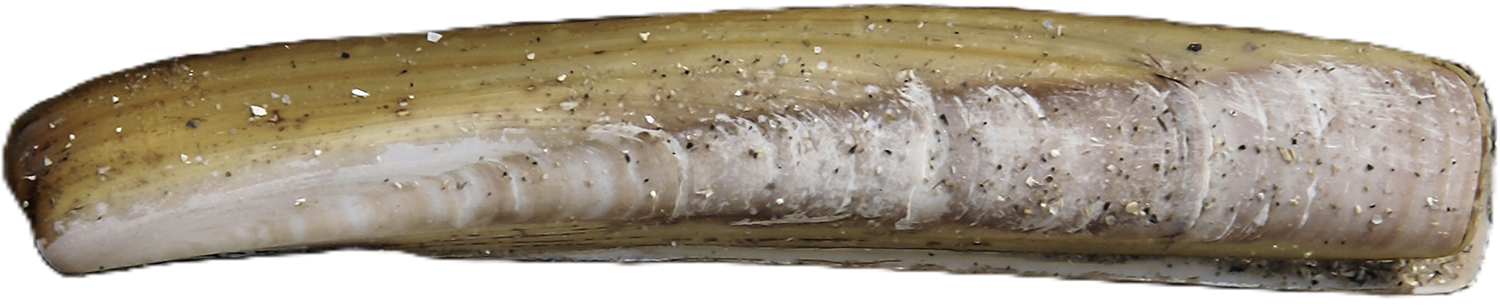
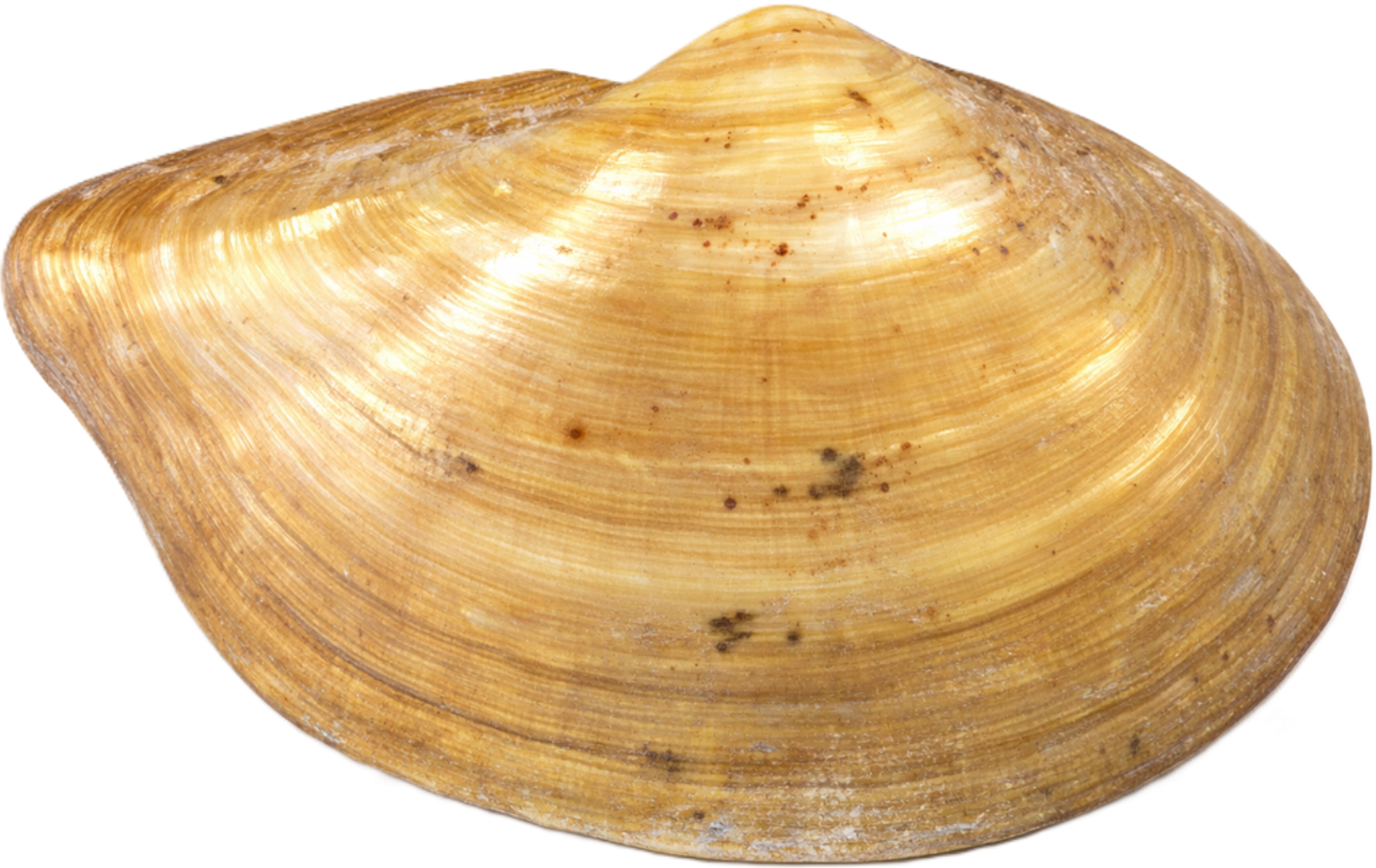
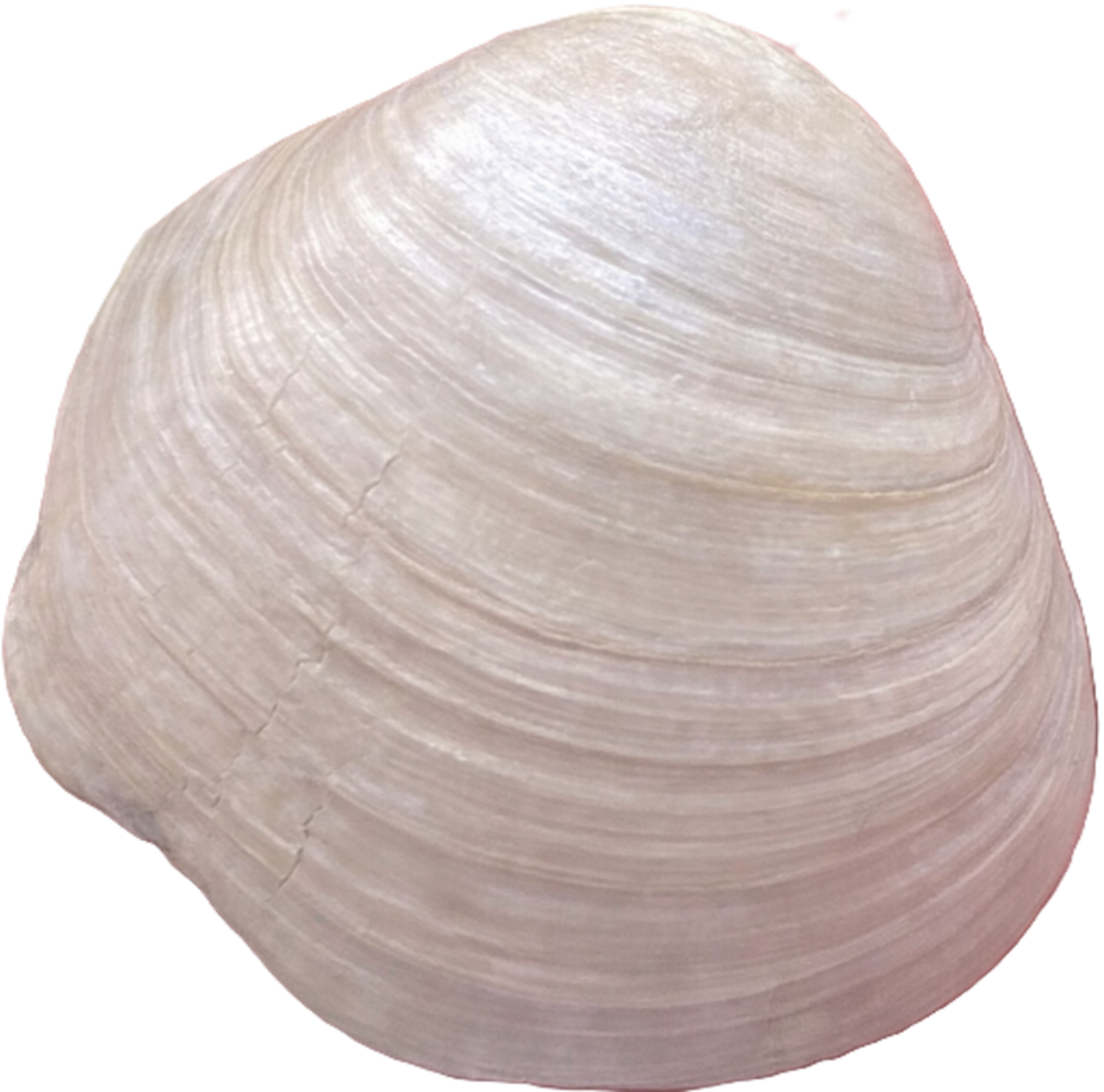
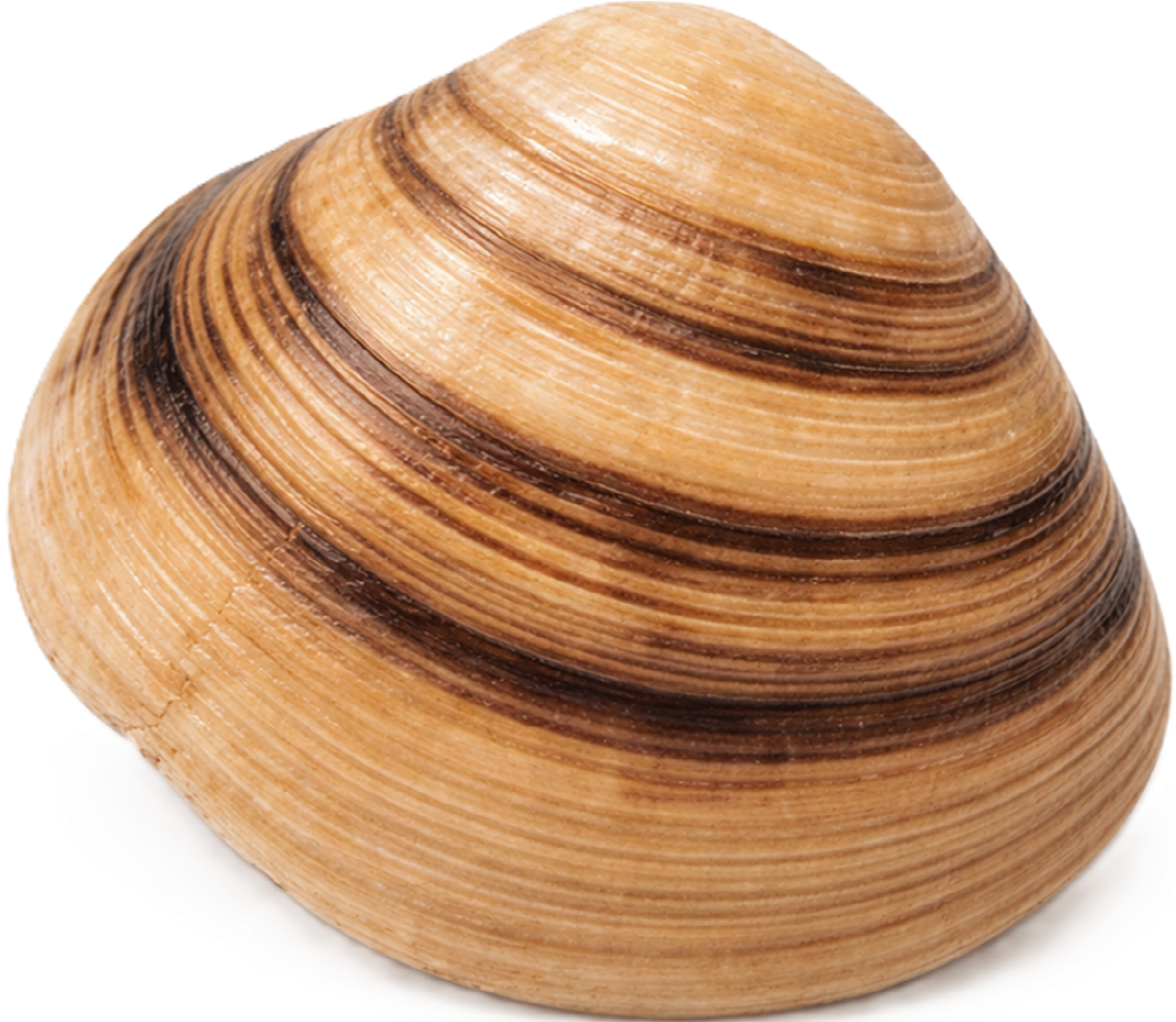
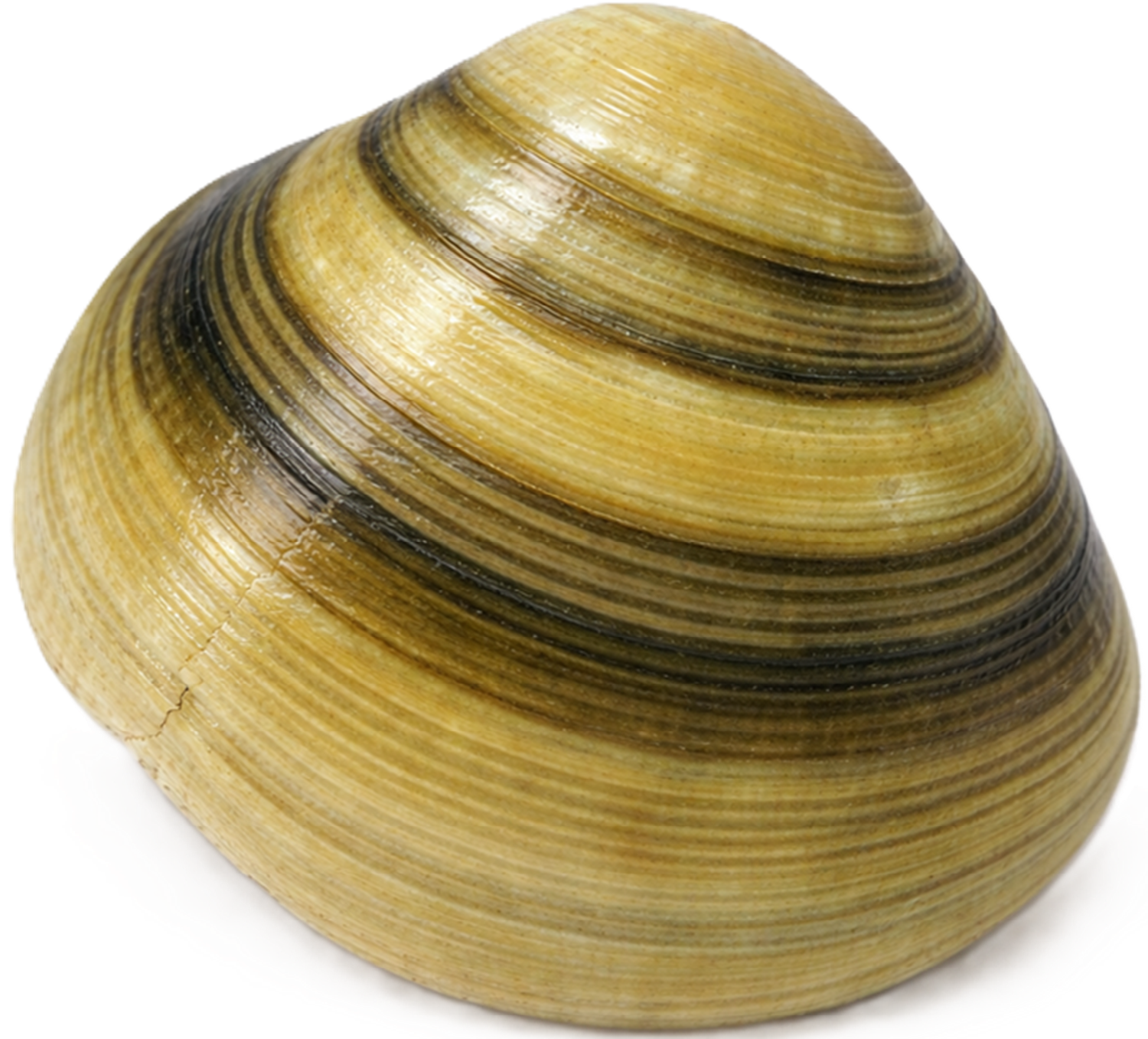
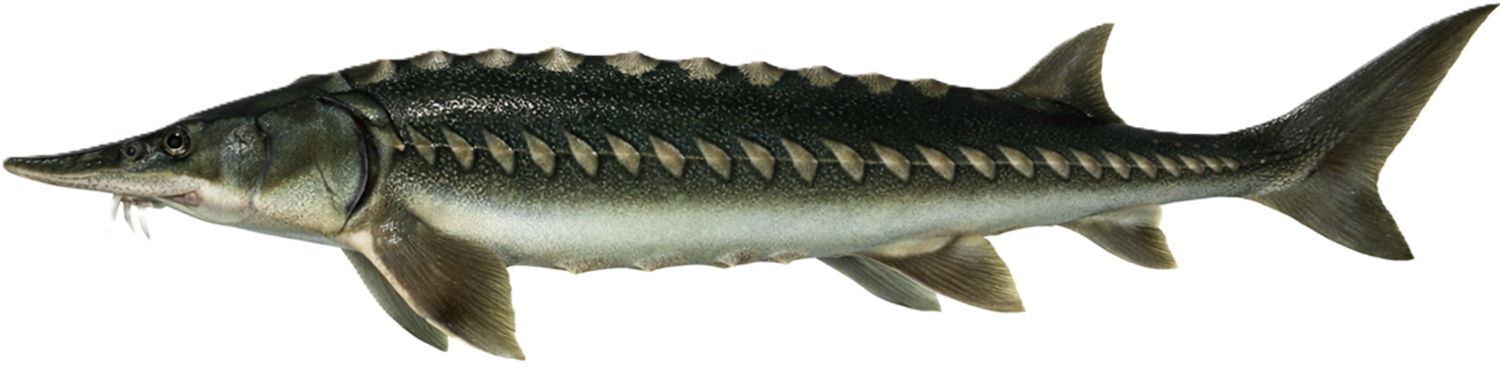
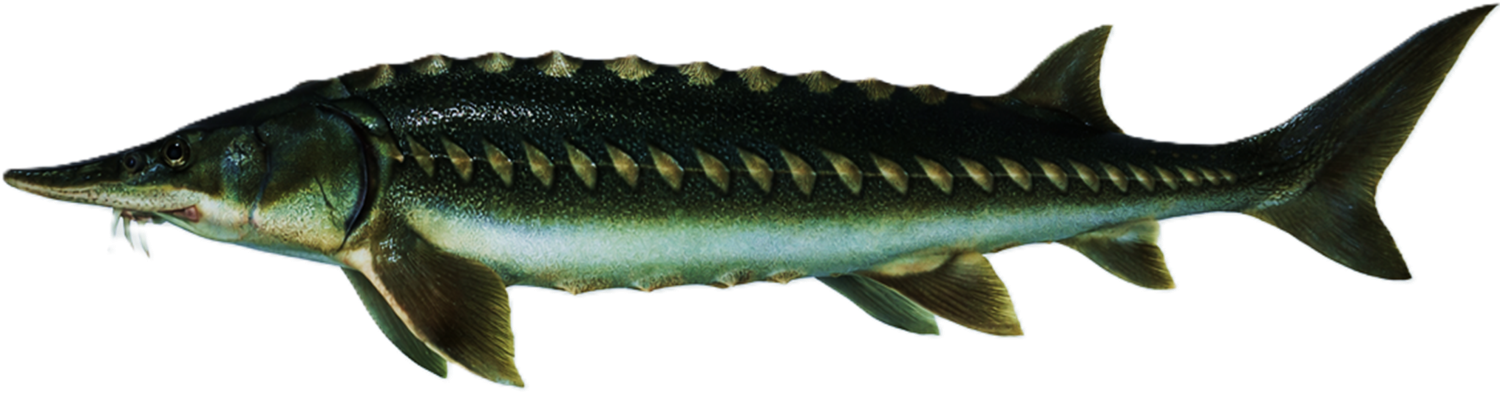
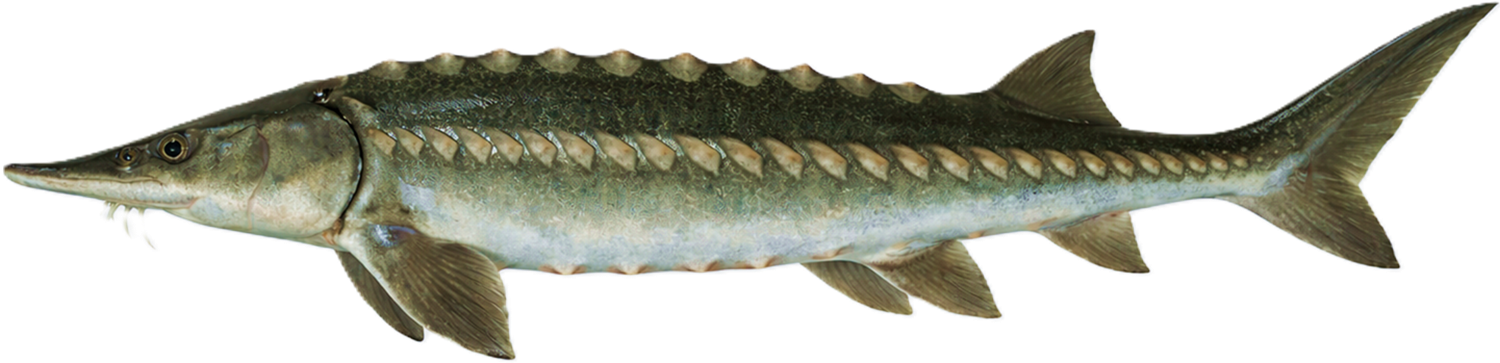
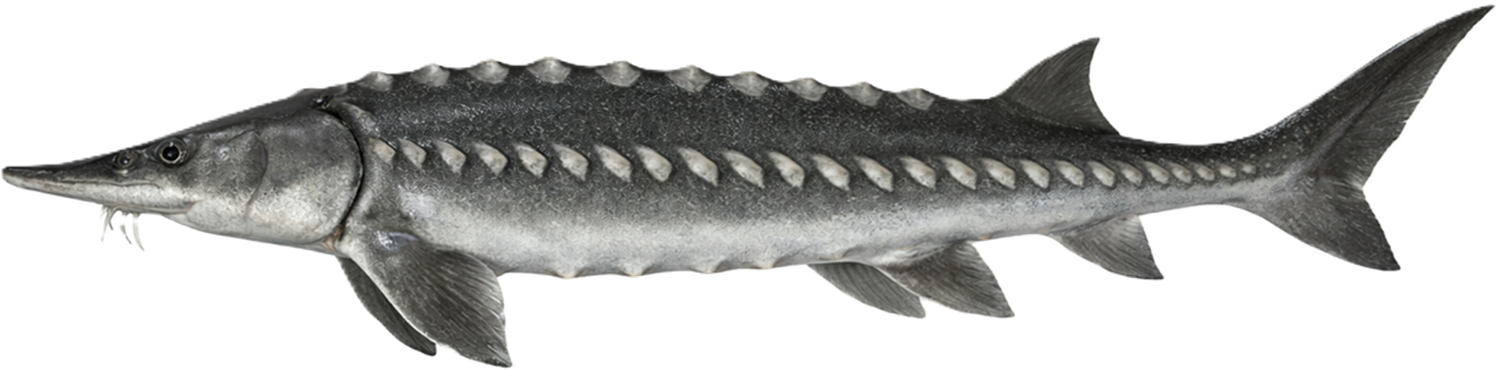
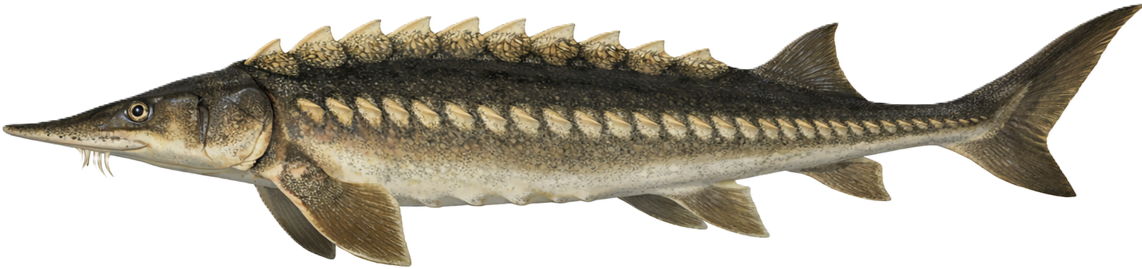
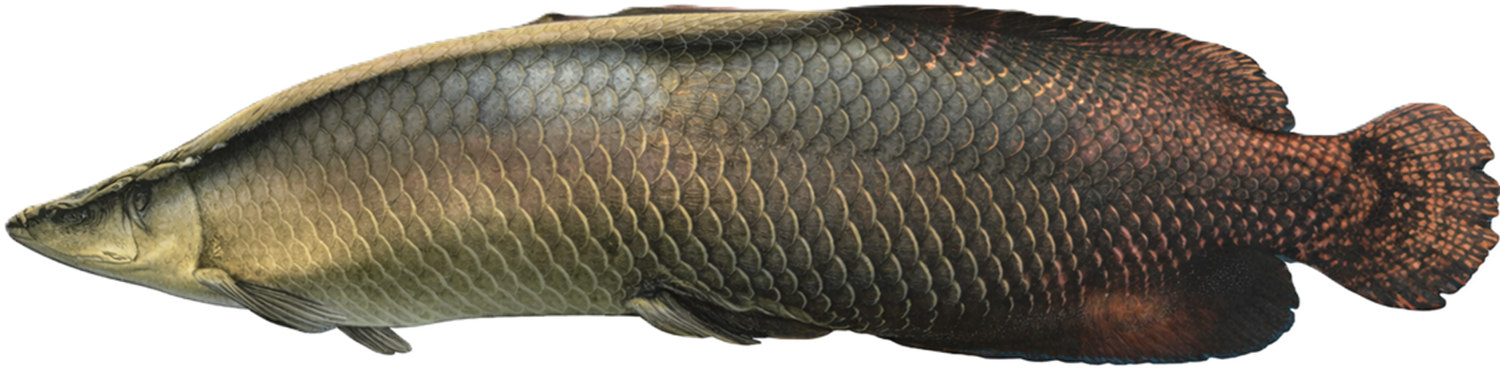
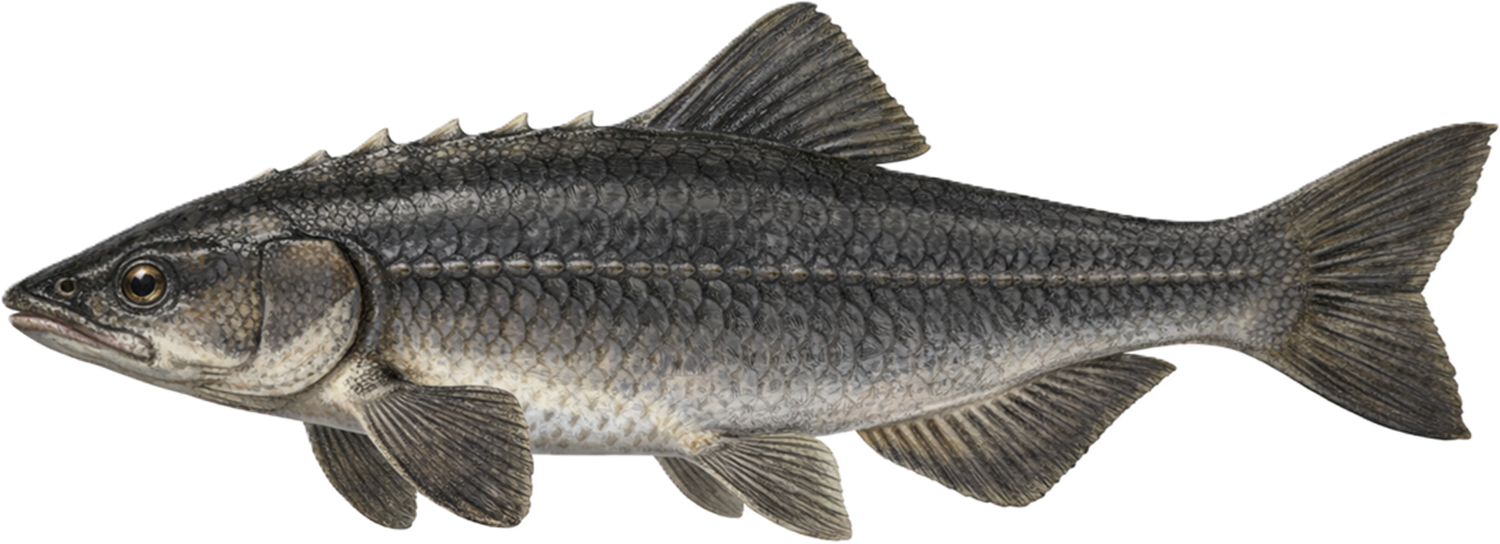
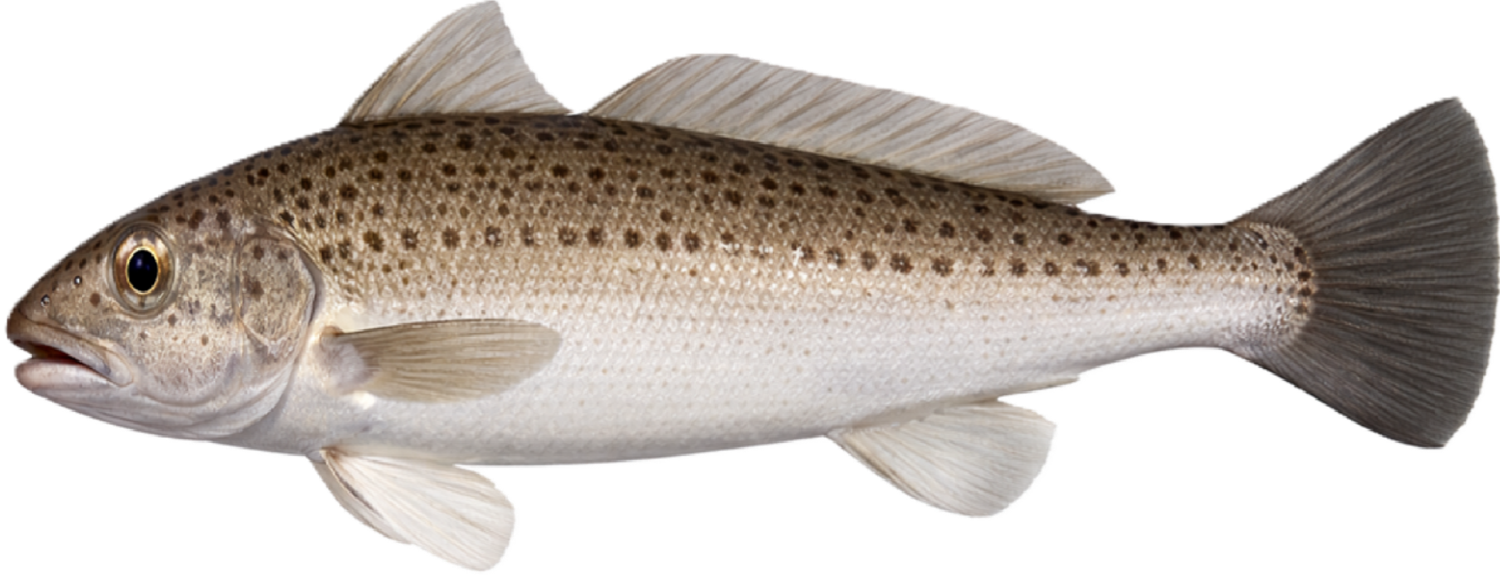
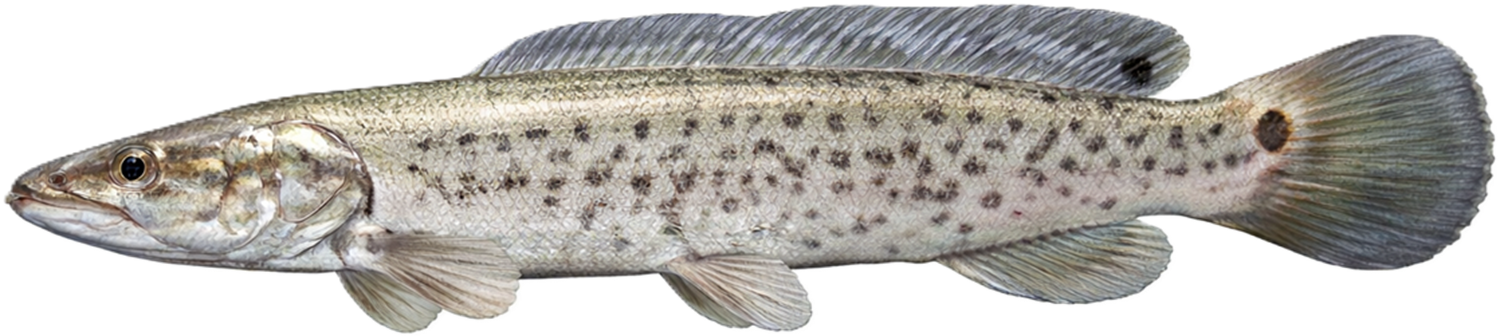
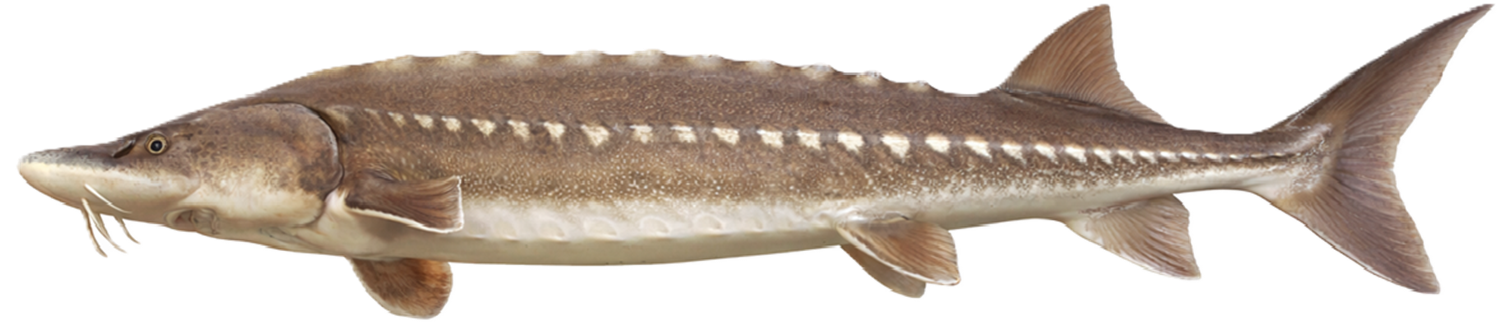
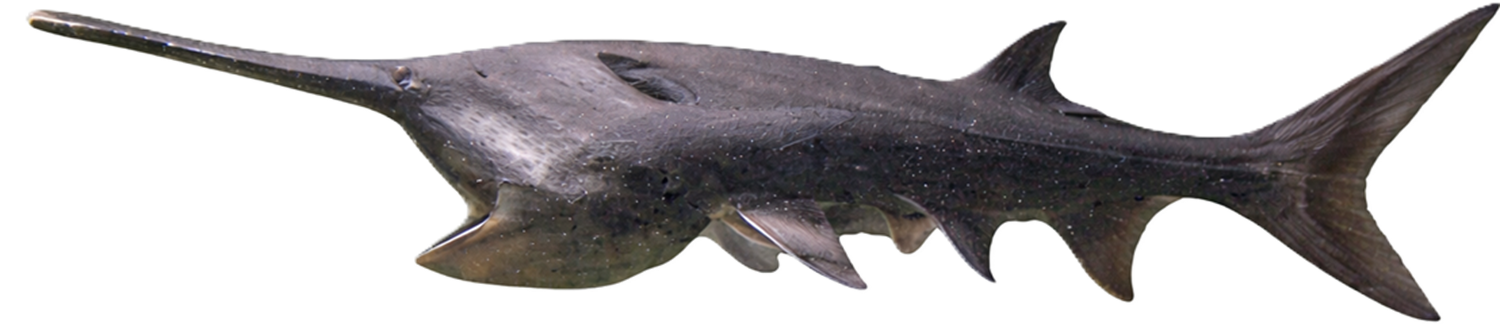
- Bild: Zuerst ein Bild der Art, wie sie zu Lebzeiten wahrscheinlich aussah. Alle Bilder habe ich auf Basis von Fotos der Originalfossilien, paläontologischen Zeichnungen und auch eigenen, also selbstgezeichneten Fossilien erstellt. Hierbei kam KI zum Einsatz, um die Lebewesen hyperrealistisch darzustellen. Es gilt dabei aber zu bedenken, dass es sich hier nur um meine eigene Interpretation bzw. die des KI-Bots handelt, allerdings mit dem Ziel, dem tatsächlichen Lebewesen dabei so ähnlich zu sein wie nur irgend möglich. Gibt es von der Art ein Tierprofil auf dieser Website, so gelangst du mit einem Klick aufs Bild direkt zum Artikel.
- Spezies: Hier der aktuelle wissenschaftliche Name der Spezies sowie die Quellenbelege zu wissenschaftlichen Fachpublikationen, welche die Anwesenheit des Lebewesens im Fossilbericht bestätigen. Ist der Name rot hervorgehoben, handelt es sich um eine Art, die höchstwahrscheinlich ungültig ist und daher eher nicht tatsächlich in Hell Creek oder Lance gelebt hat. Hellblau hervorgehobene Namen beschreiben Tiere, die zwar bereits wissenschaftlich bekannt sind und unzweifelhaft in Hell Creek und Lance gelebt haben, aber noch nicht formell beschrieben wurden. Gibt es von der Art ein Tierprofil auf dieser Website, ist der Name dunkelblau und unterstrichen. Mit einem Klick darauf gelangst du direkt zum Artikel.
- Fundort: Hier die Bundessstaaten, in welchen die Lebewesen konkret gefunden wurden.
- Stratigraphische Position: Hieraus kannst du das genaue Alter ablesen und aus welcher Zeit die Fossilien überliefert sind. Wenn dort z.B. „obere Hell Creek Formation“ steht, so ist damit die Zeit unmittelbar vor Chicxulub gemeint, also die letzten Jahrhunderttausende vor dem Einschlag. Die „untere Hell Creek Formation“ ist entsprechend älter. Bei einigen ist hier auch vermerkt, ob sie nur aus einer ganz bestimmten Fundstelle bekannt sind.
- Bekanntes Material: Soweit Informationen darüber verfügbar, kannst du hieraus ablesen, wie häufig die Fossilien dieser Art insgesamt sind. Die Daten stammen aus der PBDB (Paleobiology Database). Ich habe hier immer die Gesamtzahl der dort gemeldeten Fossilien vermerkt, nicht nur aus Hell Creek- und Lance, sondern aller überhaupt gefundenen. Dies soll dem Leser eine Übersicht über den Forschungsstand zur beschriebenen Kreatur geben.
- Bemerkungen: Hier findest du eine kurze Info zur Taxonomie, also der verwandtschaftlichen Zugehörigkeit des Fossils. Außerdem ist dort vermerkt, wenn noch andere (inzwischen aber veraltete!) Namen für das Fossil in der Fachliteratur kursieren, oder bei umstrittenen Arten, warum sie vielleicht doch nicht gültig sind.
WICHTIG: Diese Seite befindet sich in ständiger Überarbeitung. Neue wissenschaftliche Erkenntnisse werden hier sobald ich dafür Zeit finde eingearbeitet, was allerdings manchmal etwas Zeit braucht. Du kannst aber gerne mithelfen: wenn du eine Anmerkung oder eine mir noch fehlende Information hast, oder auch einen Fehler findest, schreib mir bitte gern eine Nachricht!
[contact-form][contact-field label=“Name“ type=“name“ required=“true“ /][contact-field label=“E-Mail“ type=“email“ required=“true“ /][contact-field label=“Website“ type=“url“ /][contact-field label=“Nachricht“ type=“textarea“ /][/contact-form]
Foraminifera:
| Bild: | Spezies: | Fundort: | Stratigraphische Position: | Bekanntes Material: | Bemerkungen: |
|---|---|---|---|---|---|
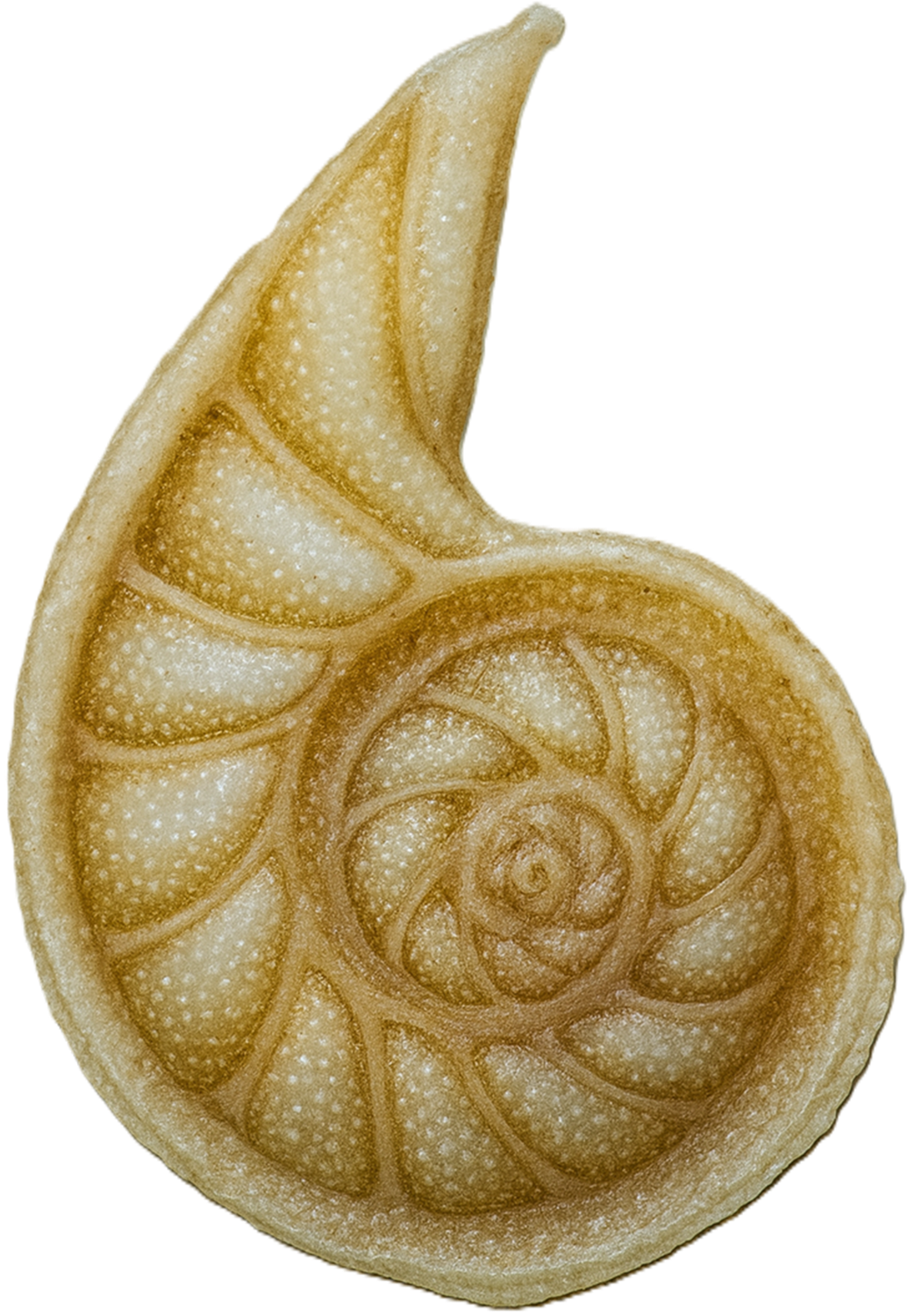 |
Cristellaria sp.2Stanton, T. W. (1920). The fauna of the Cannonball marine member of the Lance formation. Professional Paper, U.S. Geological Survey, 128, 1–60. | North Dakota, South Dakota | obere marine Fazies (Cannonball-Member) | 480 Exemplare | Foraminiferida |
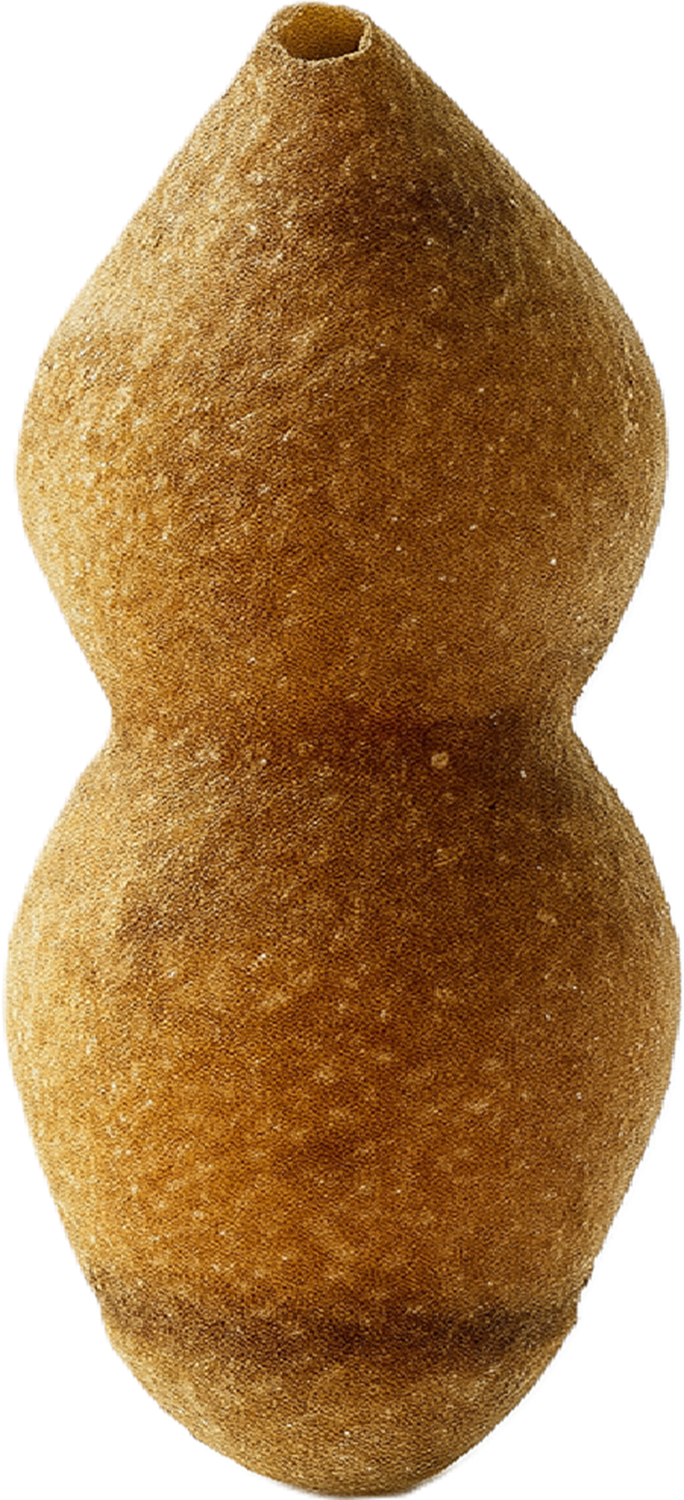 |
Nodosaria sp.3Stanton, T. W. (1920). The fauna of the Cannonball marine member of the Lance formation. Professional Paper, U.S. Geological Survey, 128, 1–60. | North Dakota, South Dakota | obere marine Fazies (Cannonball-Member) | 1454 Exemplare | Nodosariidae |
Korallen:
| Bild: | Spezies: | Fundort: | Stratigraphische Position: | Bekanntes Material: | Bemerkungen: |
|---|---|---|---|---|---|
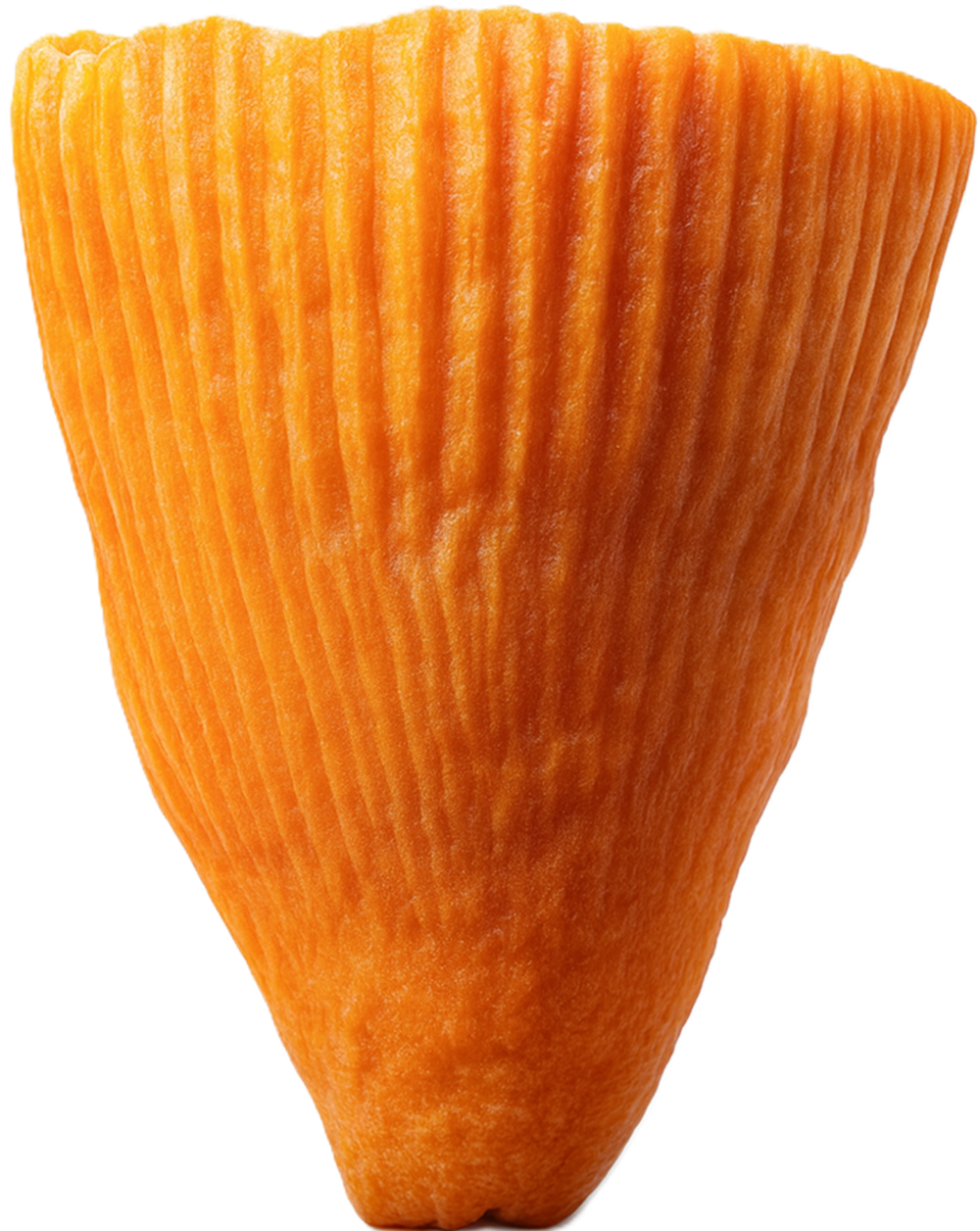 |
Paracyathus kayserensis4Stanton, T. W. (1920). The fauna of the Cannonball marine member of the Lance formation. Professional Paper, U.S. Geological Survey, 128, 1–60. | North Dakota, South Dakota | obere marine Fazies (Cannonball Member) | — | Steinkoralle (Caryophylliidae) |
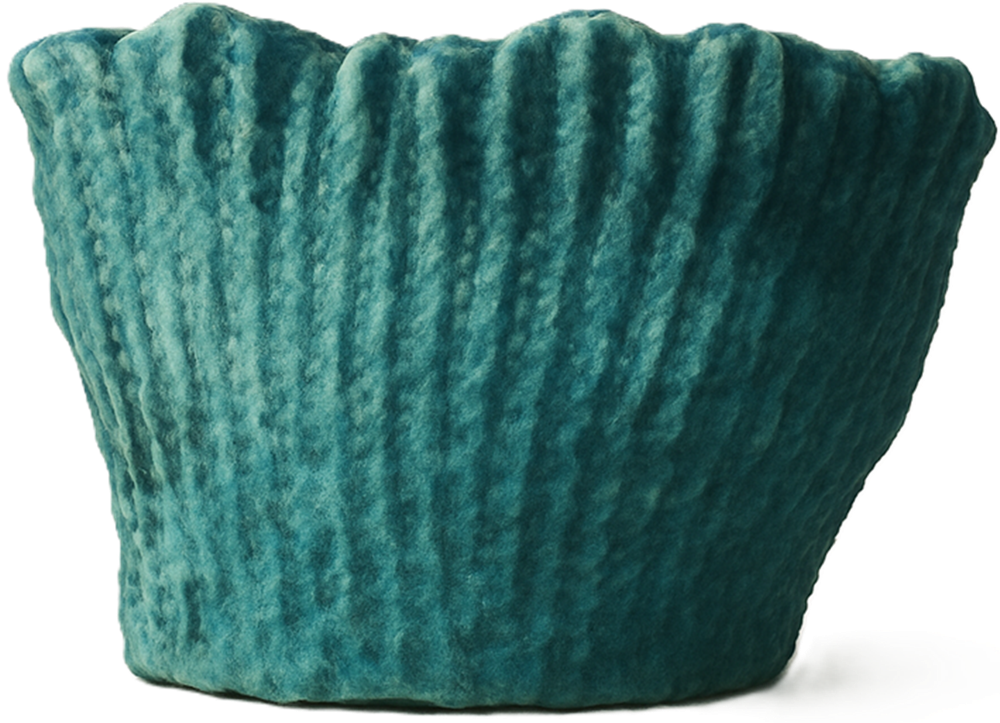 |
Paracyathus lloydi5Stanton, T. W. (1920). The fauna of the Cannonball marine member of the Lance formation. Professional Paper, U.S. Geological Survey, 128, 1–60. | North Dakota, South Dakota | obere marine Fazies (Cannonball Member) | — | Steinkoralle (Caryophylliidae) |
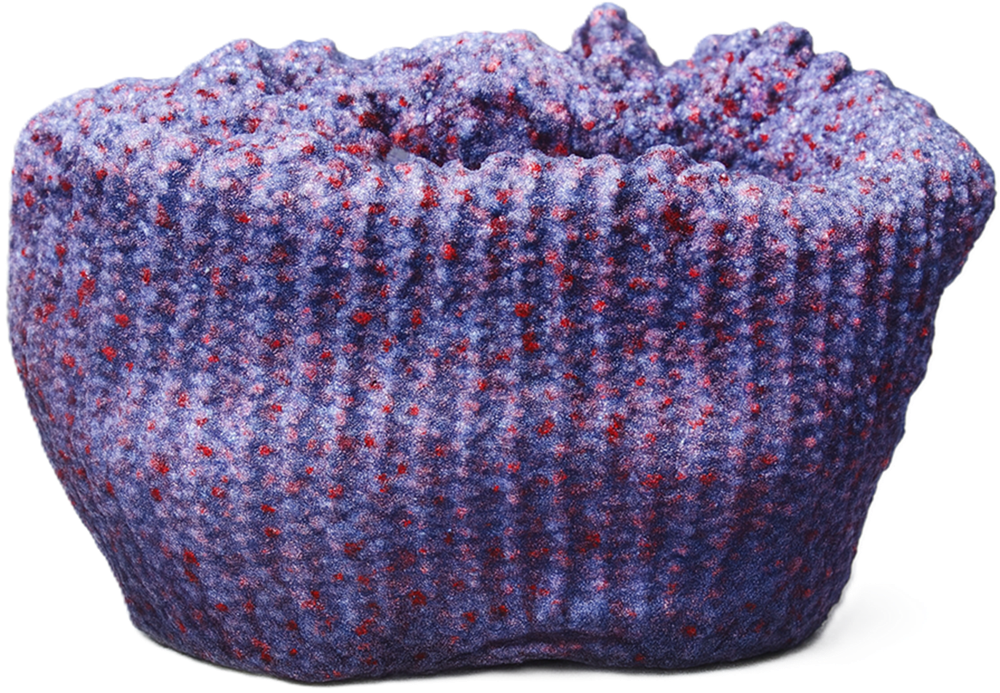 |
Paracyathus thomi6Stanton, T. W. (1920). The fauna of the Cannonball marine member of the Lance formation. Professional Paper, U.S. Geological Survey, 128, 1–60. | North Dakota, South Dakota | obere marine Fazies (Cannonball Member) | — | Steinkoralle (Caryophylliidae) |
 |
Steriphonotrochus leithensis7Stanton, T. W. (1920). The fauna of the Cannonball marine member of the Lance formation. Professional Paper, U.S. Geological Survey, 128, 1–60. | North Dakota, South Dakota | obere marine Fazies (Cannonball Member) | — | Hartkoralle (Guyniidae) |
 |
Trochocyathus dakotaensis8Stanton, T. W. (1920). The fauna of the Cannonball marine member of the Lance formation. Professional Paper, U.S. Geological Survey, 128, 1–60. | North Dakota, South Dakota | obere marine Fazies (Cannonball Member) | — | Steinkoralle (Caryophylliidae) |
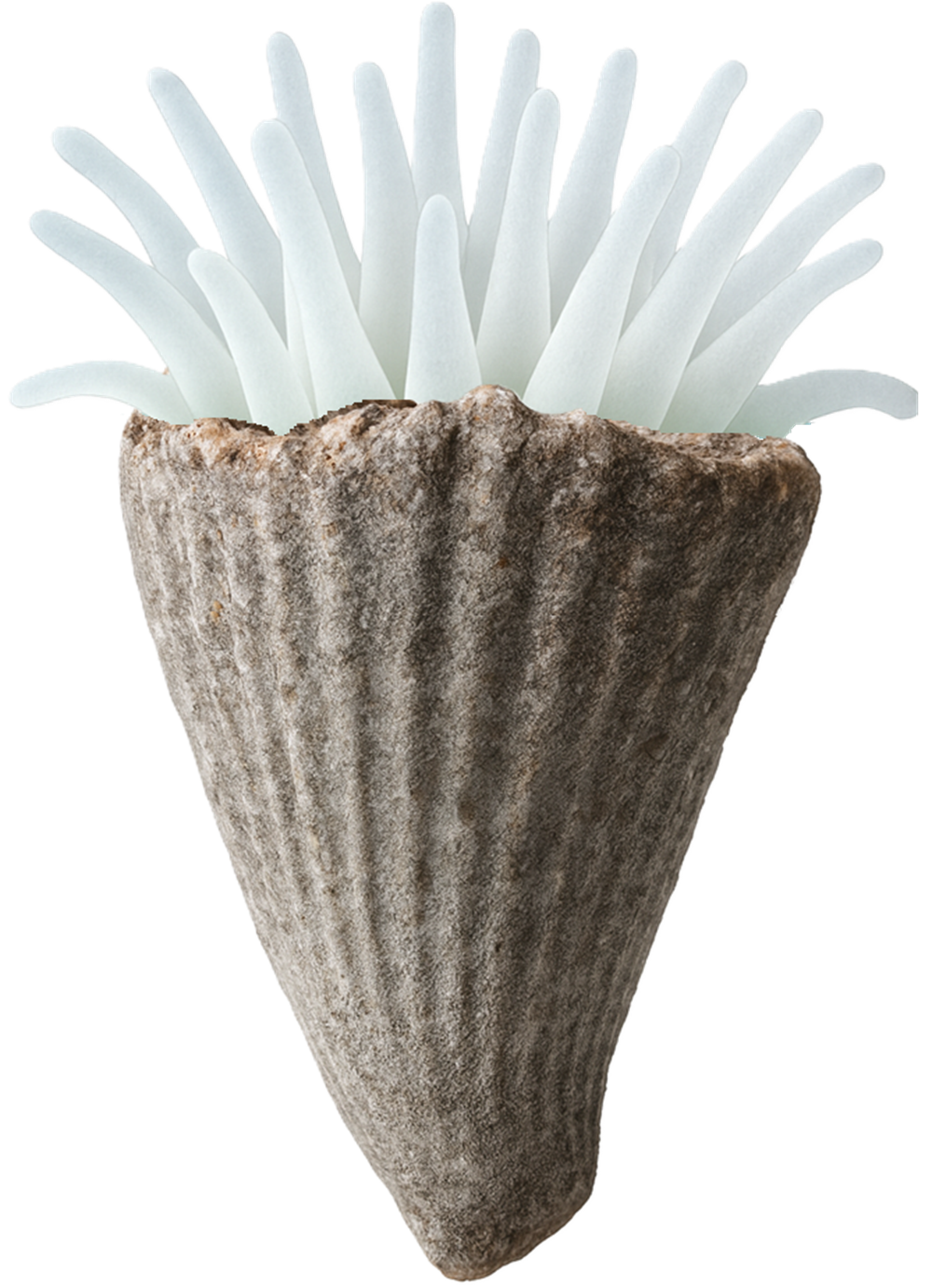 |
Trochocyathus neumani 9Stanton, T. W. (1920). The fauna of the Cannonball marine member of the Lance formation. Professional Paper, U.S. Geological Survey, 128, 1–60. | North Dakota, South Dakota | obere marine Fazies (Cannonball Member) | — | Steinkoralle (Caryophylliidae), gehört vielleicht nicht zu Trochocyathus |
Kopffüßer:
| Bild: | Spezies: | Fundort: | Stratigraphische Position: | Bekanntes Material: | Bemerkungen: |
|---|---|---|---|---|---|
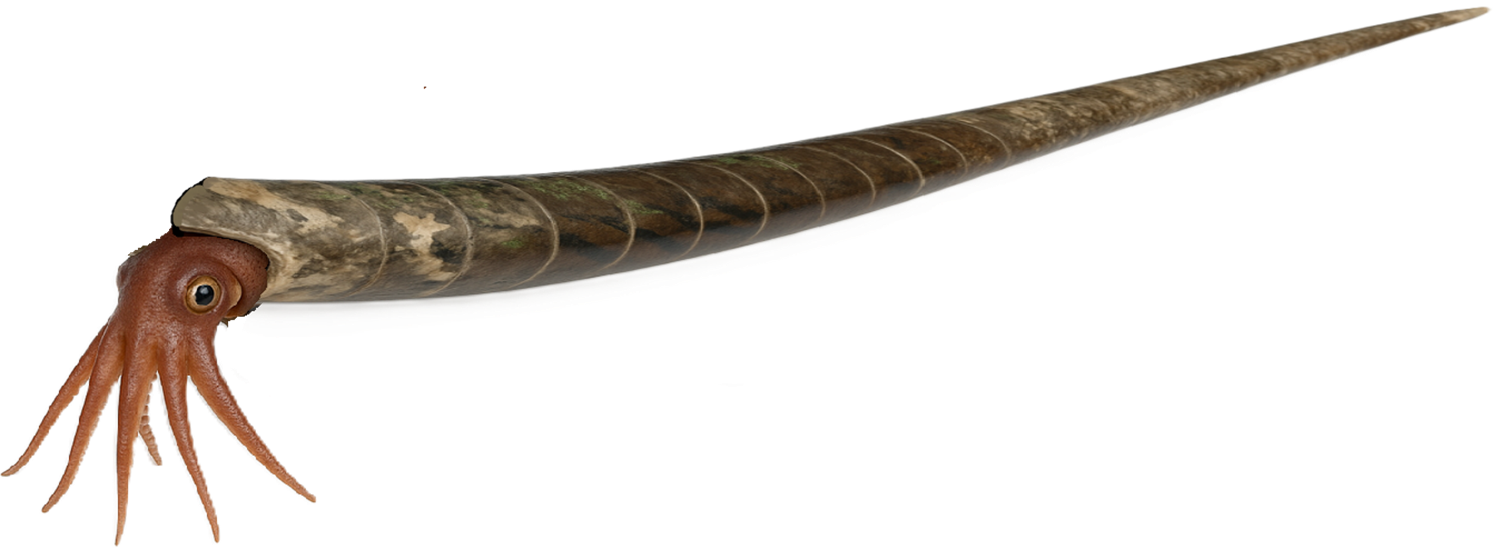 |
Baculites compressus10Stanton, T. W. (1920). The fauna of the Cannonball marine member of the Lance formation. Professional Paper, U.S. Geological Survey, 128, 1–60. | South Dakota, Wyoming | untere bis obere marine Fazies | 27 Exemplare | Ammonit (Baculitidae) |
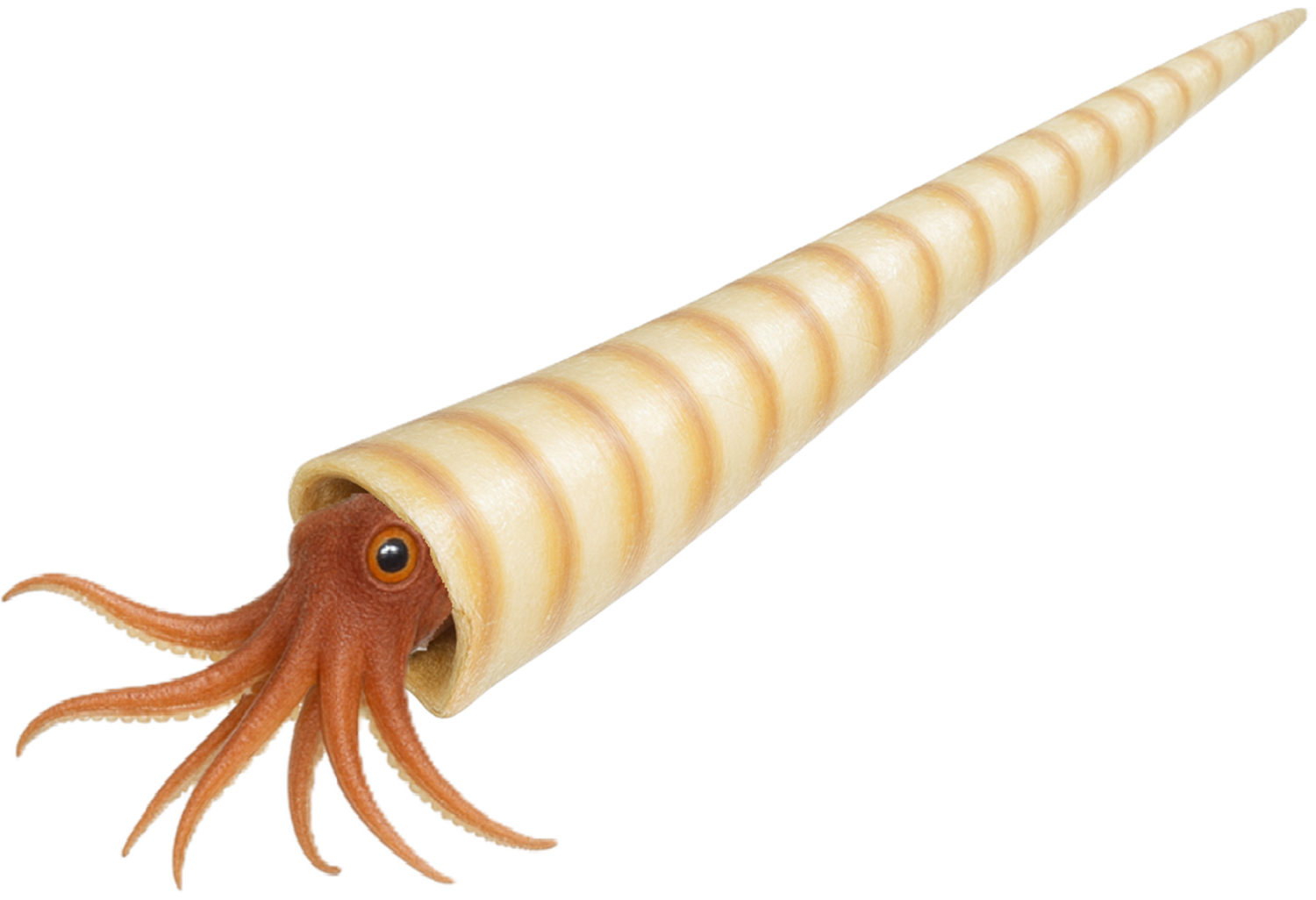 |
Baculites ovatus11Stanton, T. W. (1920). The fauna of the Cannonball marine member of the Lance formation. Professional Paper, U.S. Geological Survey, 128, 1–60. | South Dakota | untere bis obere marine Fazies | 50 Exemplare | Ammonit (Baculitidae) |
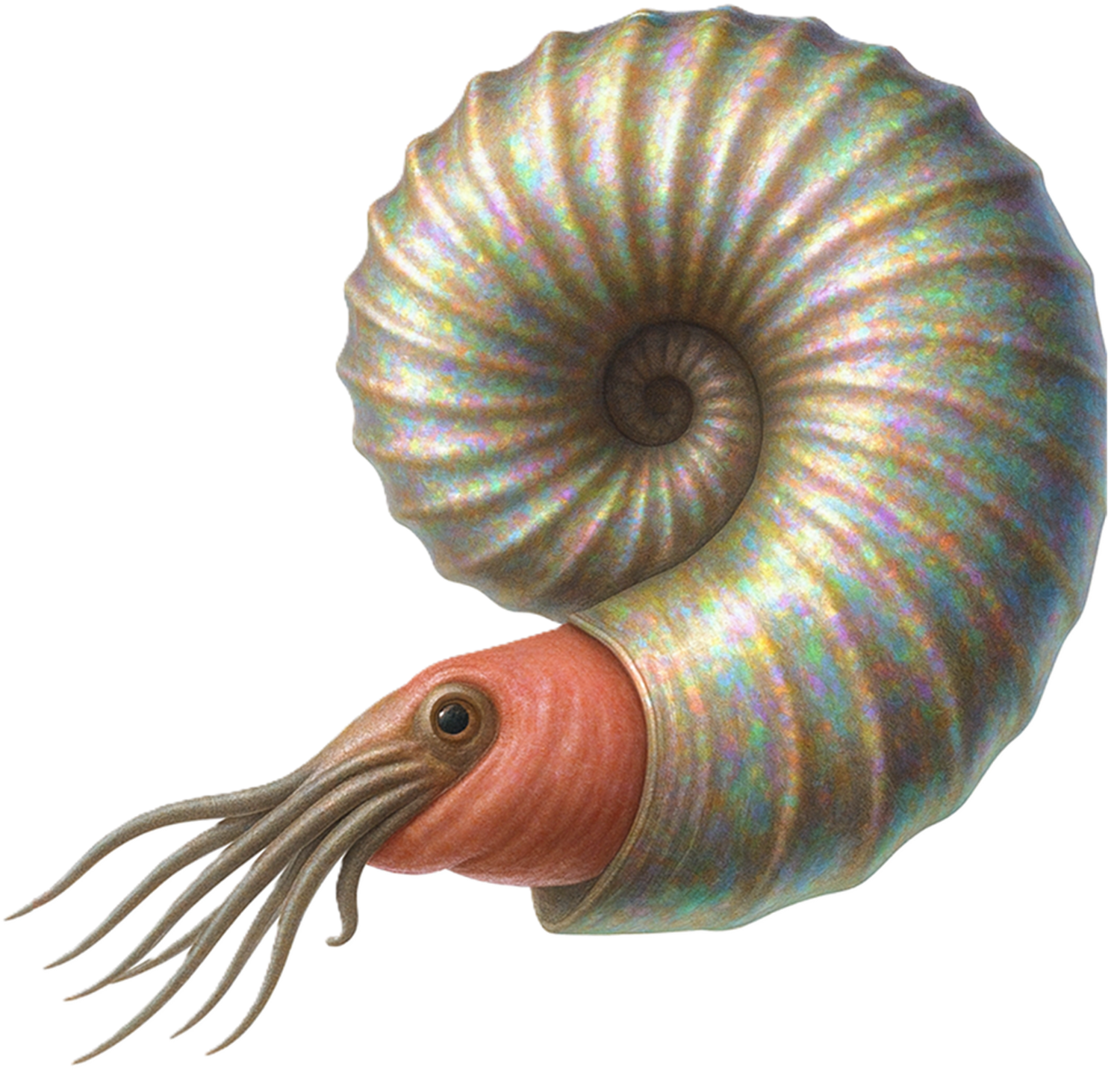 |
Discoscaphites conradi12Stanton, T. W. (1920). The fauna of the Cannonball marine member of the Lance formation. Professional Paper, U.S. Geological Survey, 128, 1–60. | South Dakota | untere bis obere marine Fazies | 75 Exemplare | Ammonit (Scaphitidae) |
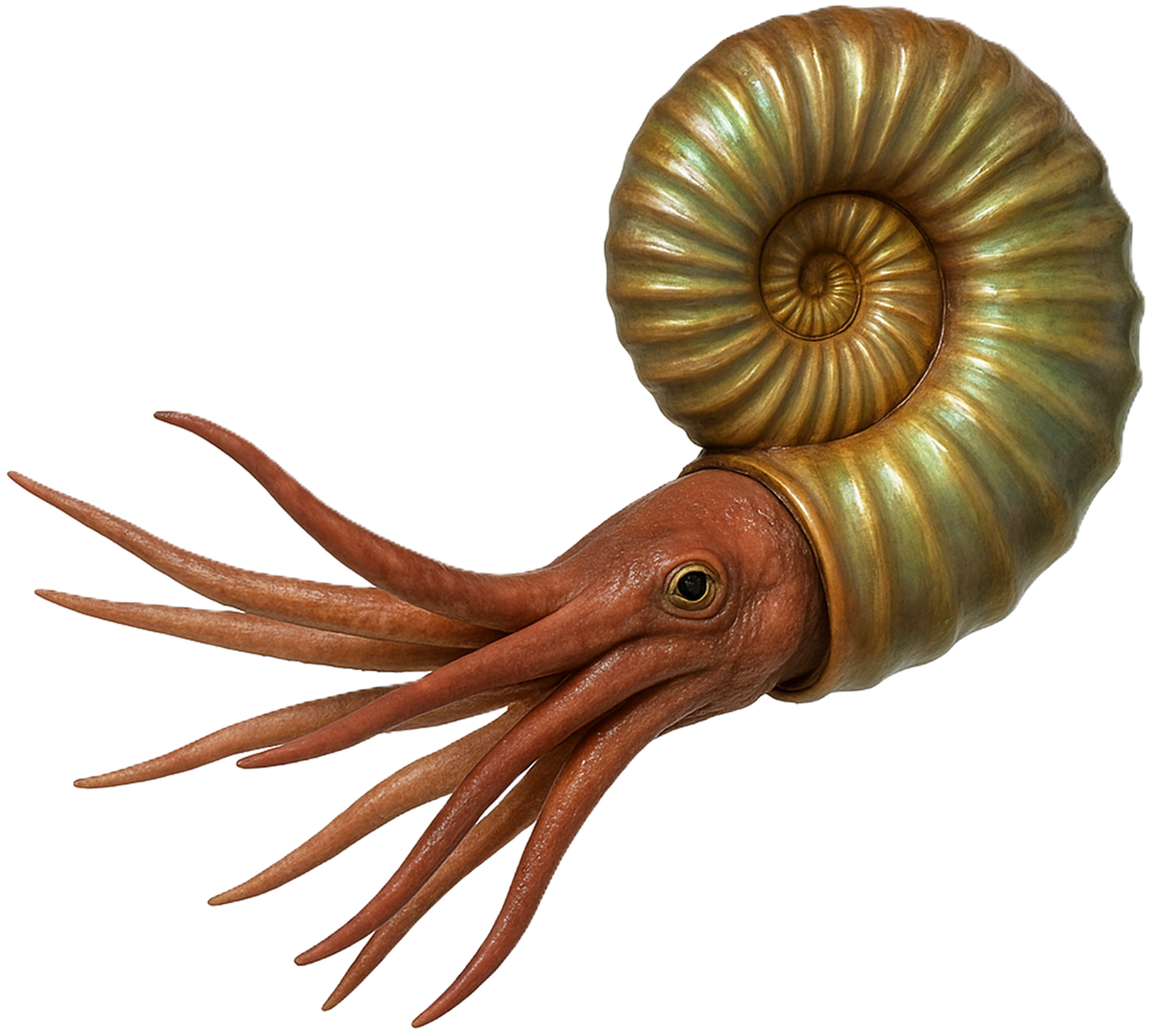 |
Discoscaphites rossi13Paleobiota of the Hell Creek Formation – Molluscs. Wikipedia, 21. Februar 2025. | South Dakota | Hell Creek Formation | 10 Exemplare | Ammonit (Scaphitidae) |
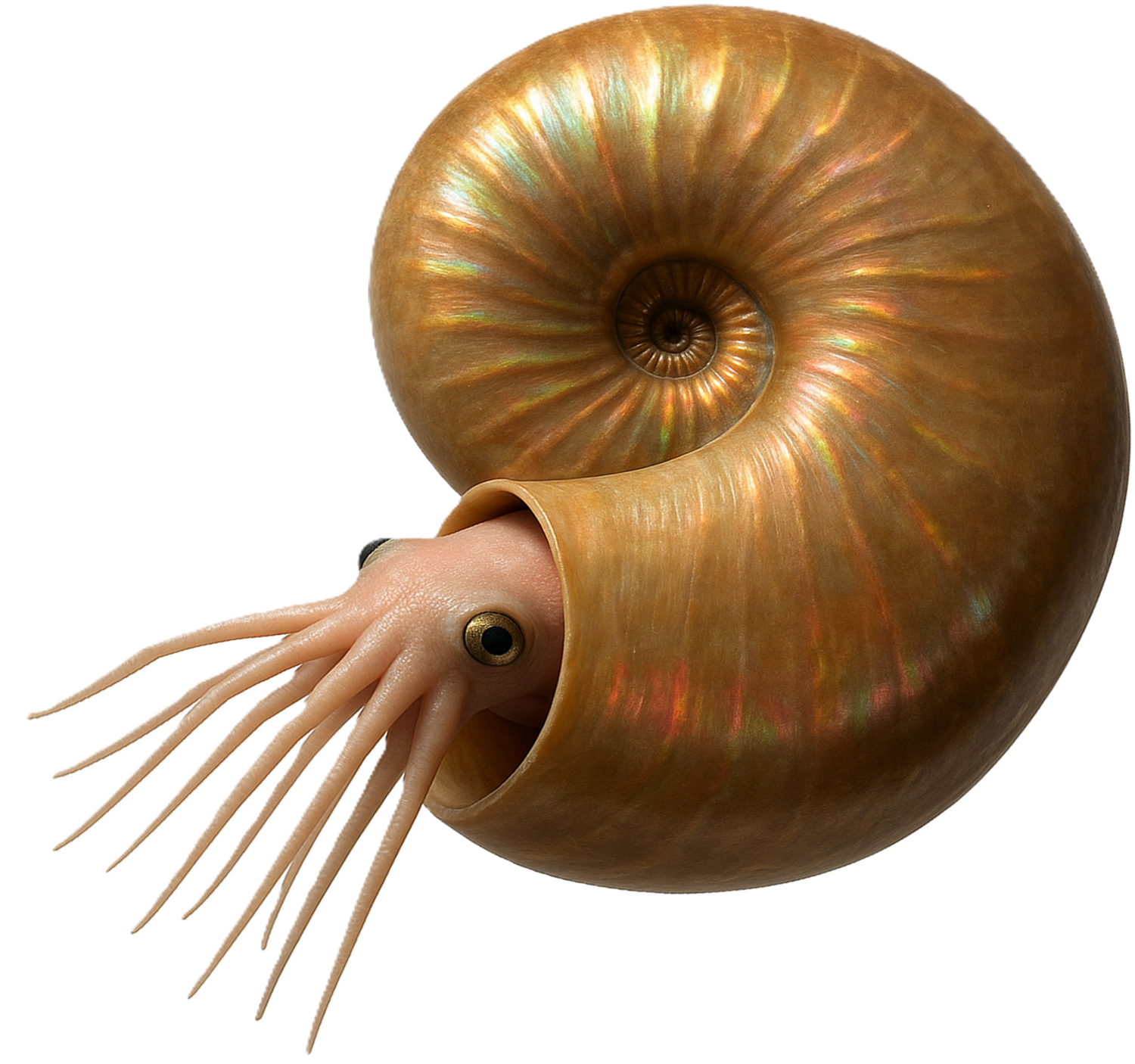 |
Hoploscaphites nicolletii14Stanton, T. W. (1920). The fauna of the Cannonball marine member of the Lance formation. Professional Paper, U.S. Geological Survey, 128, 1–60. | North Dakota, South Dakota | untere marine Fazies | 34 Exemplare | Ammonit (Scaphitidae); synonym zu Scaphites (Discoscaphites) abyssinus |
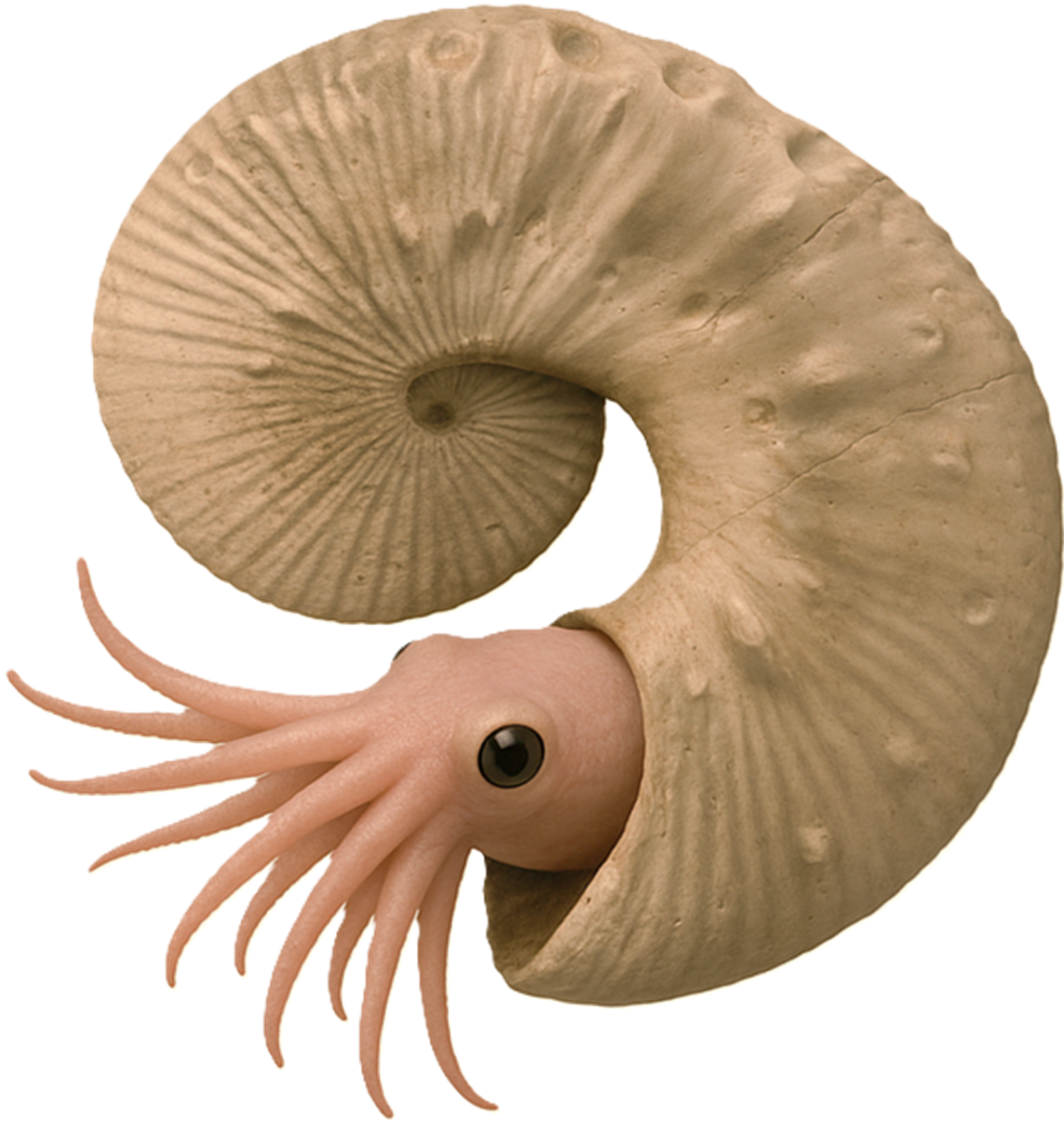 |
Hoploscaphites nodosus15Stanton, T. W. (1920). The fauna of the Cannonball marine member of the Lance formation. Professional Paper, U.S. Geological Survey, 128, 1–60. | Wyoming | untere bis obere marine Fazies | 15 Exemplare | Ammonit (Scaphitidae); synonym zu Scaphites (Discoscaphites) nodosus |
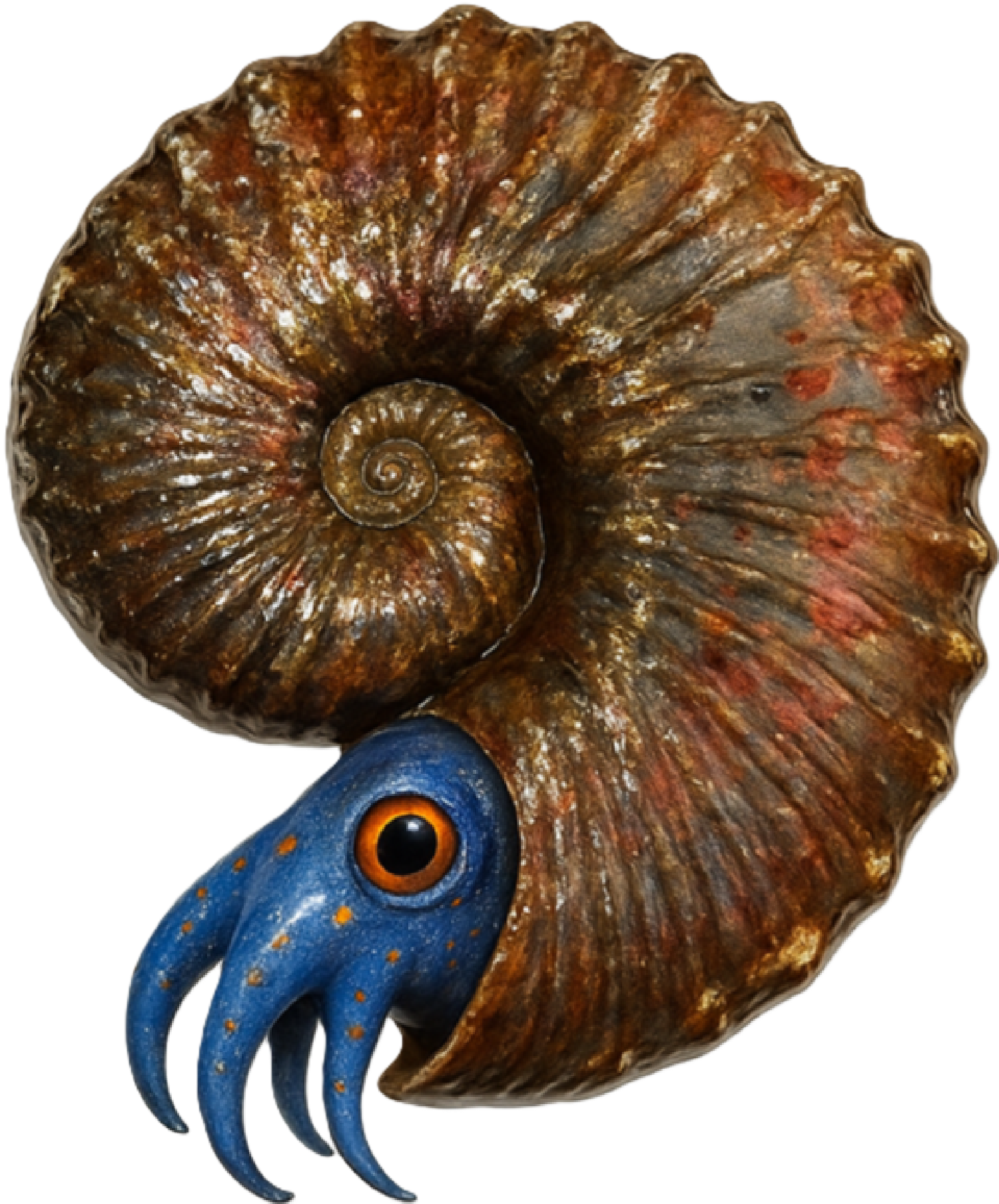 |
Jeletzkytes nebrascensis16Stanton, T. W. (1920). The fauna of the Cannonball marine member of the Lance formation. Professional Paper, U.S. Geological Survey, 128, 1–60. | South Dakota | untere marine Fazies Jeletzkytes nebrascensis |
24 Exemplare | Ammonit (Scaphitidae); synonym zu Scaphites (Discoscaphites) cheyennensis |
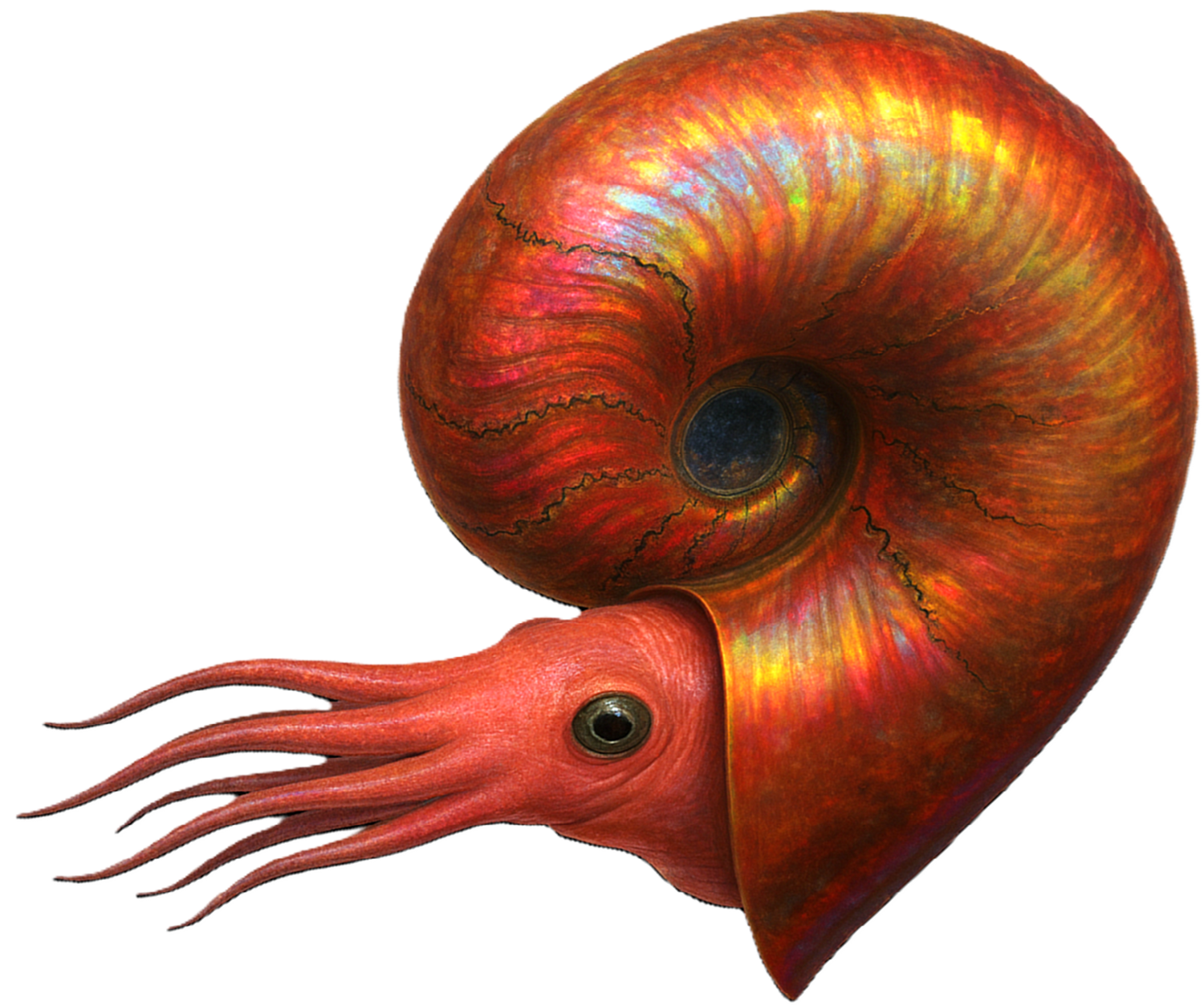 |
Placenticeras whitfieldi17Stanton, T. W. (1920). The fauna of the Cannonball marine member of the Lance formation. Professional Paper, U.S. Geological Survey, 128, 1–60. | South Dakota, Wyoming | untere bis obere marine Fazies | 240 Exemplare | Ammonit (Placenticeratidae) |
 |
Scaphitidae indet.18Stanton, T. W. (1920). The fauna of the Cannonball marine member of the Lance formation. Professional Paper, U.S. Geological Survey, 128, 1–60.19Paleobiota of the Hell Creek Formation – Molluscs. Wikipedia, 21. Februar 2025. | North Dakota, South Dakota, Wyoming | untere bis obere marine Fazies | Viele unbestimmte Exemplare | Ammonit (Scaphitidae) |
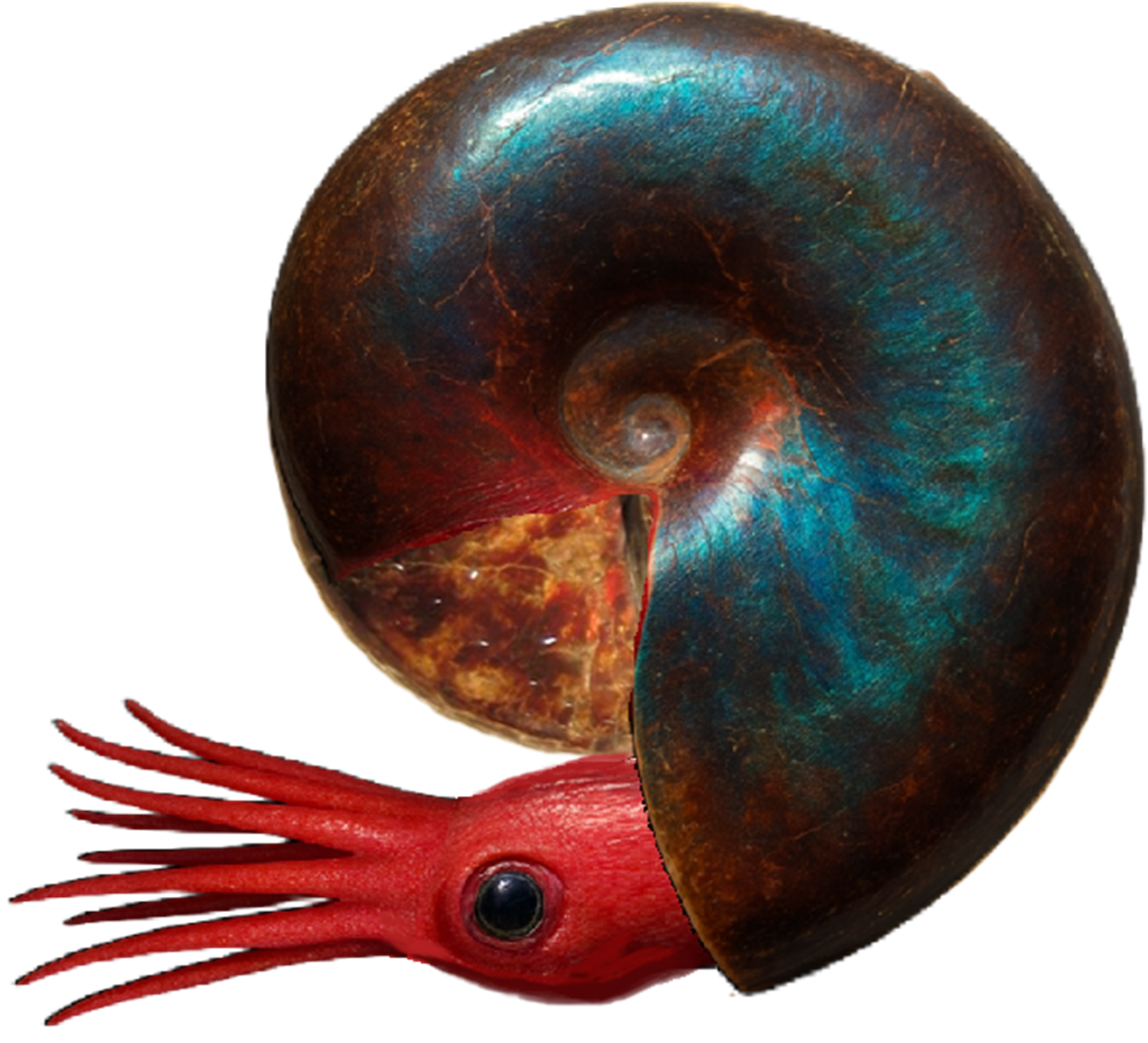 |
Sphenodiscus lenticularis20Stanton, T. W. (1920). The fauna of the Cannonball marine member of the Lance formation. Professional Paper, U.S. Geological Survey, 128, 1–60.21Paleobiota of the Hell Creek Formation – Molluscs. Wikipedia, 21. Februar 2025. | South Dakota, Wyoming | untere bis obere marine Fazies; Hell Creek Formation | 36 Exemplare | Ammonit (Sphenodiscidae) |

Muscheln:
| Bild: | Spezies: | Fundort: | Stratigraphische Position: | Bekanntes Material: | Bemerkungen: |
|---|---|---|---|---|---|
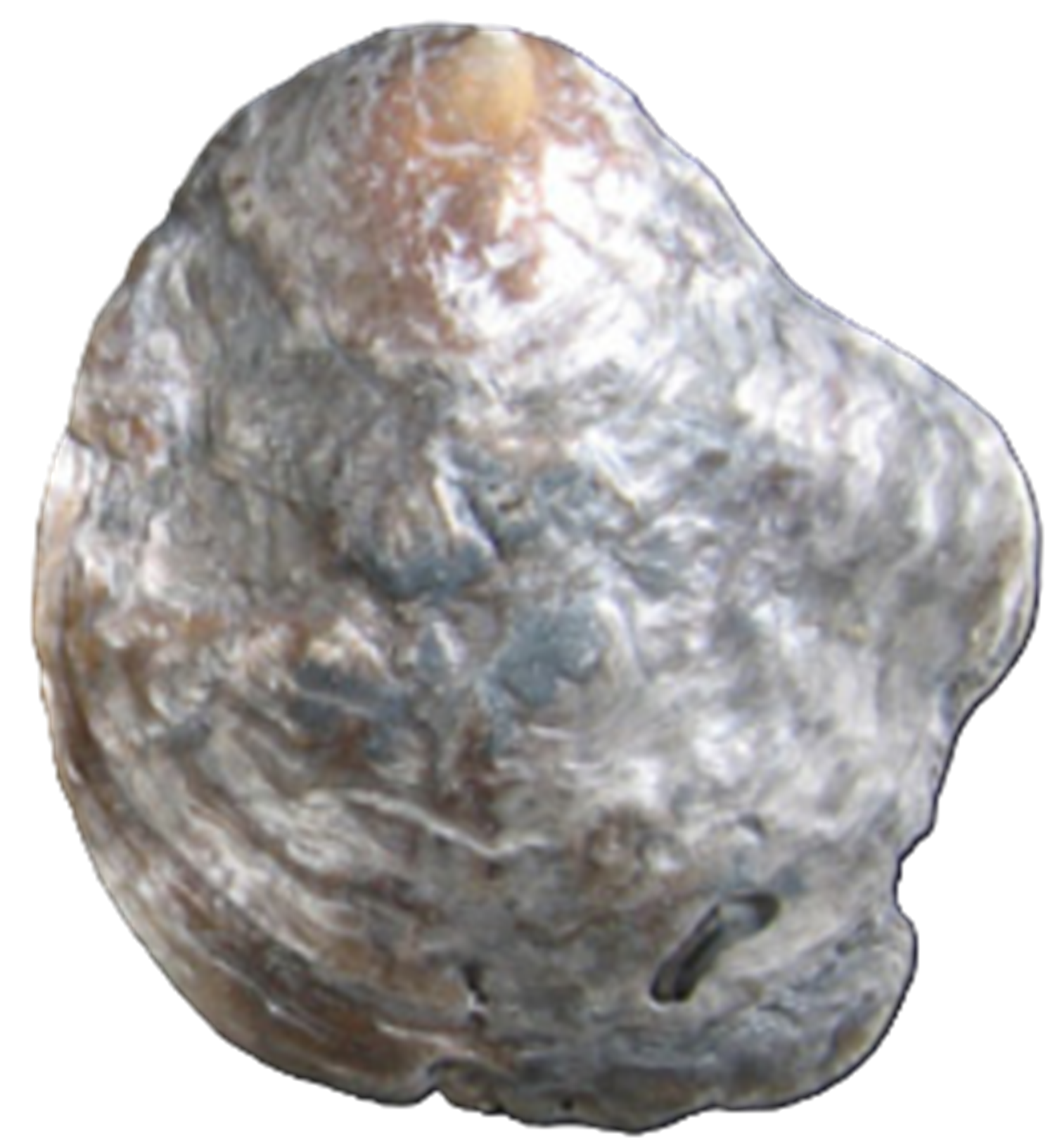 |
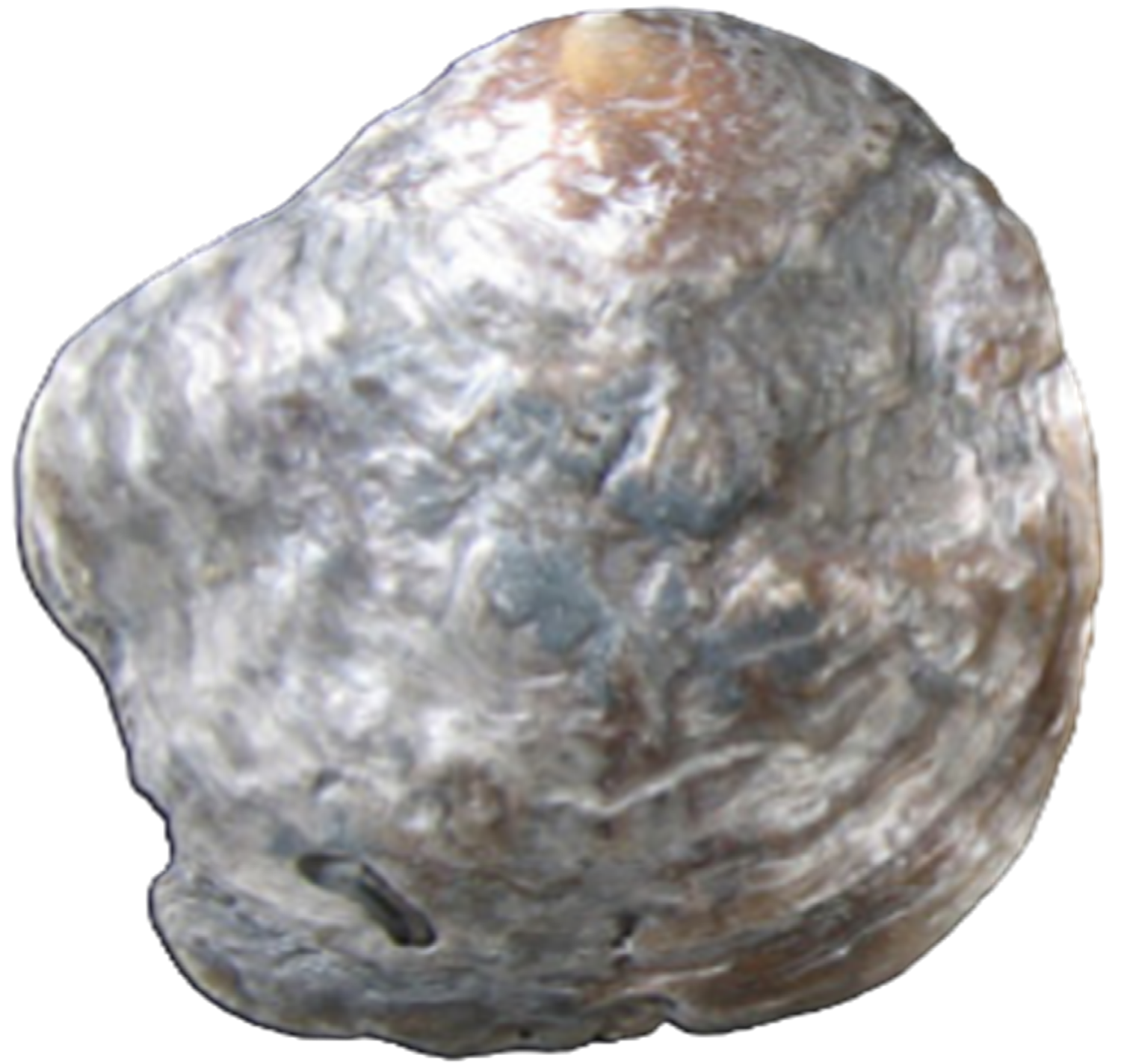
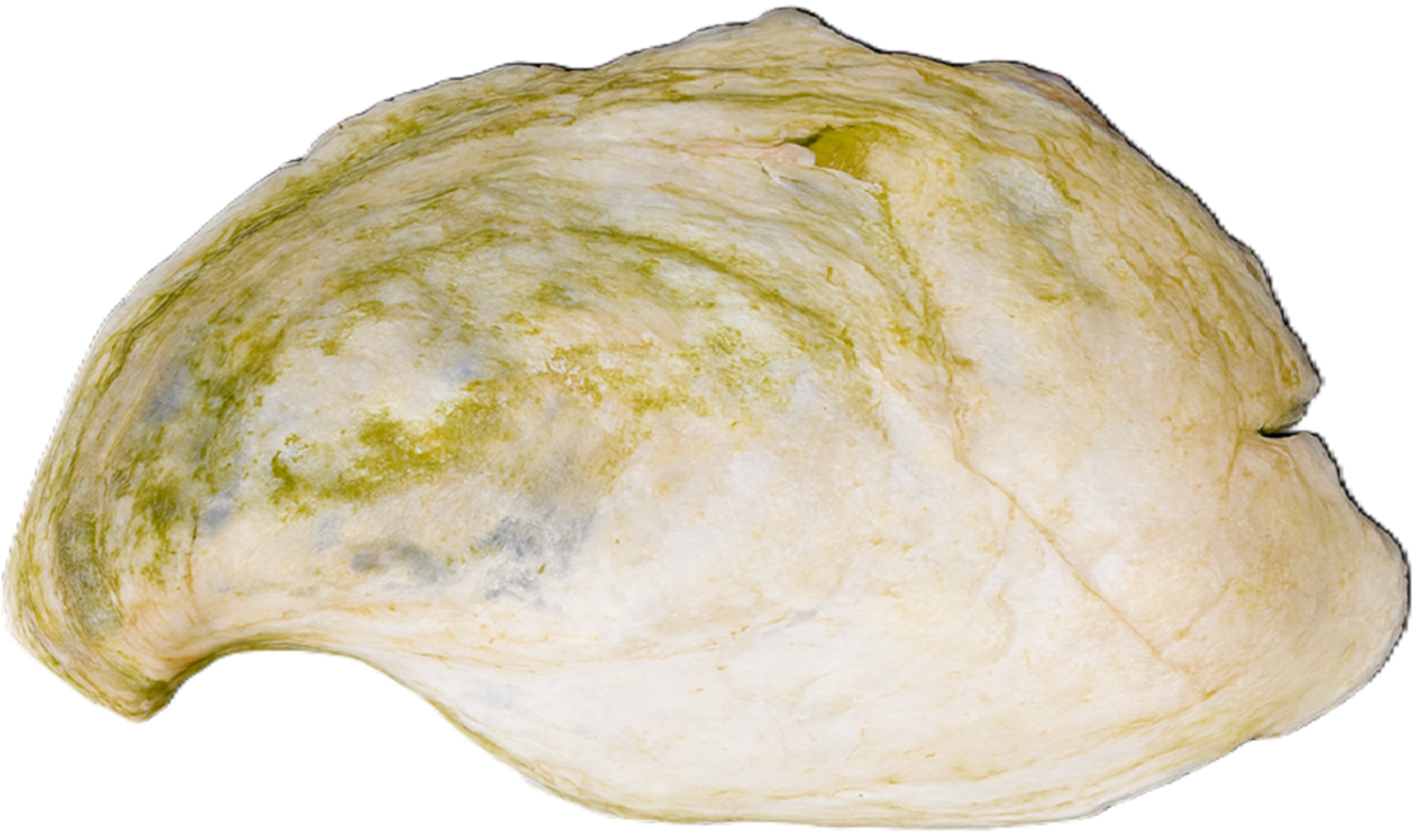
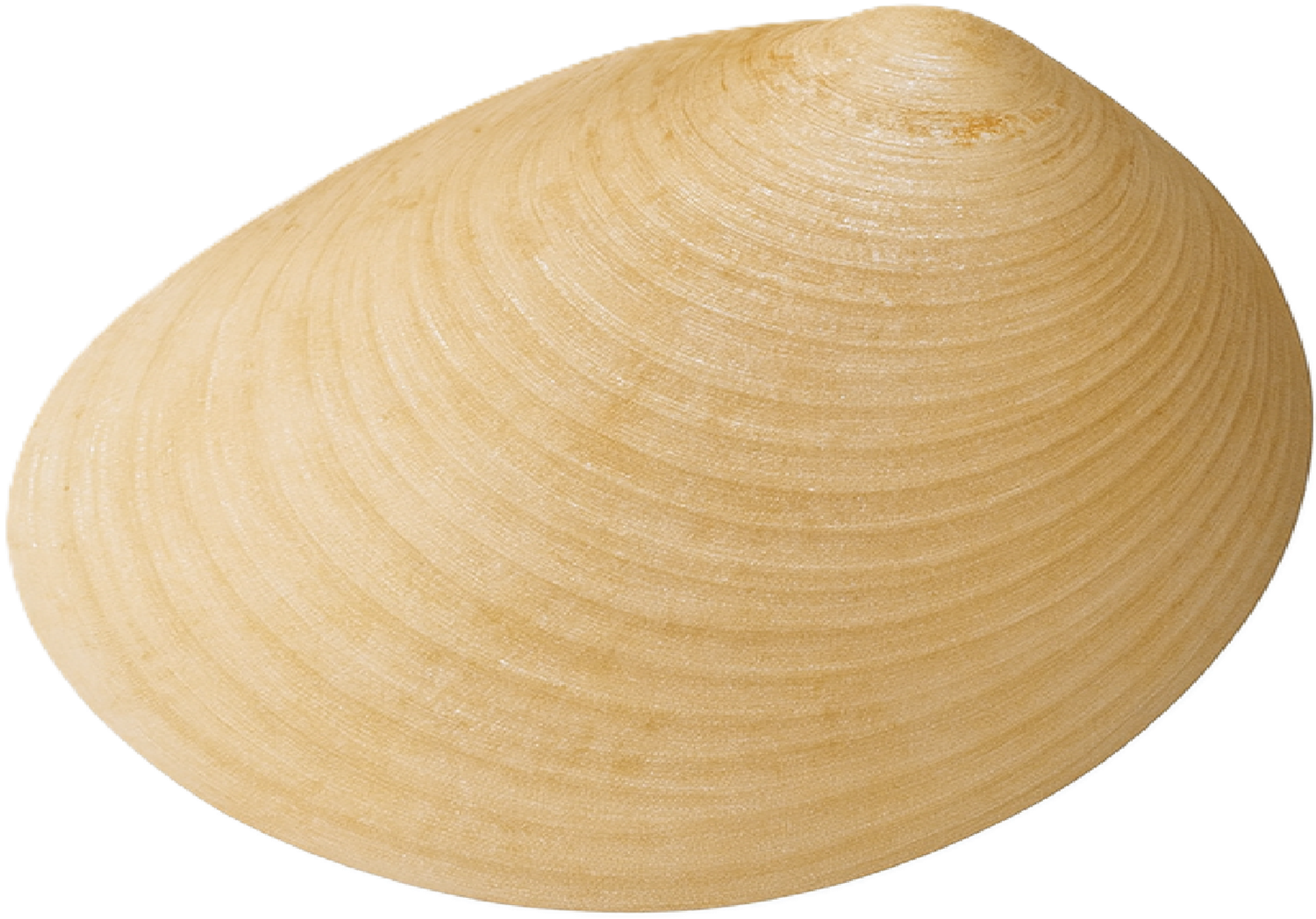
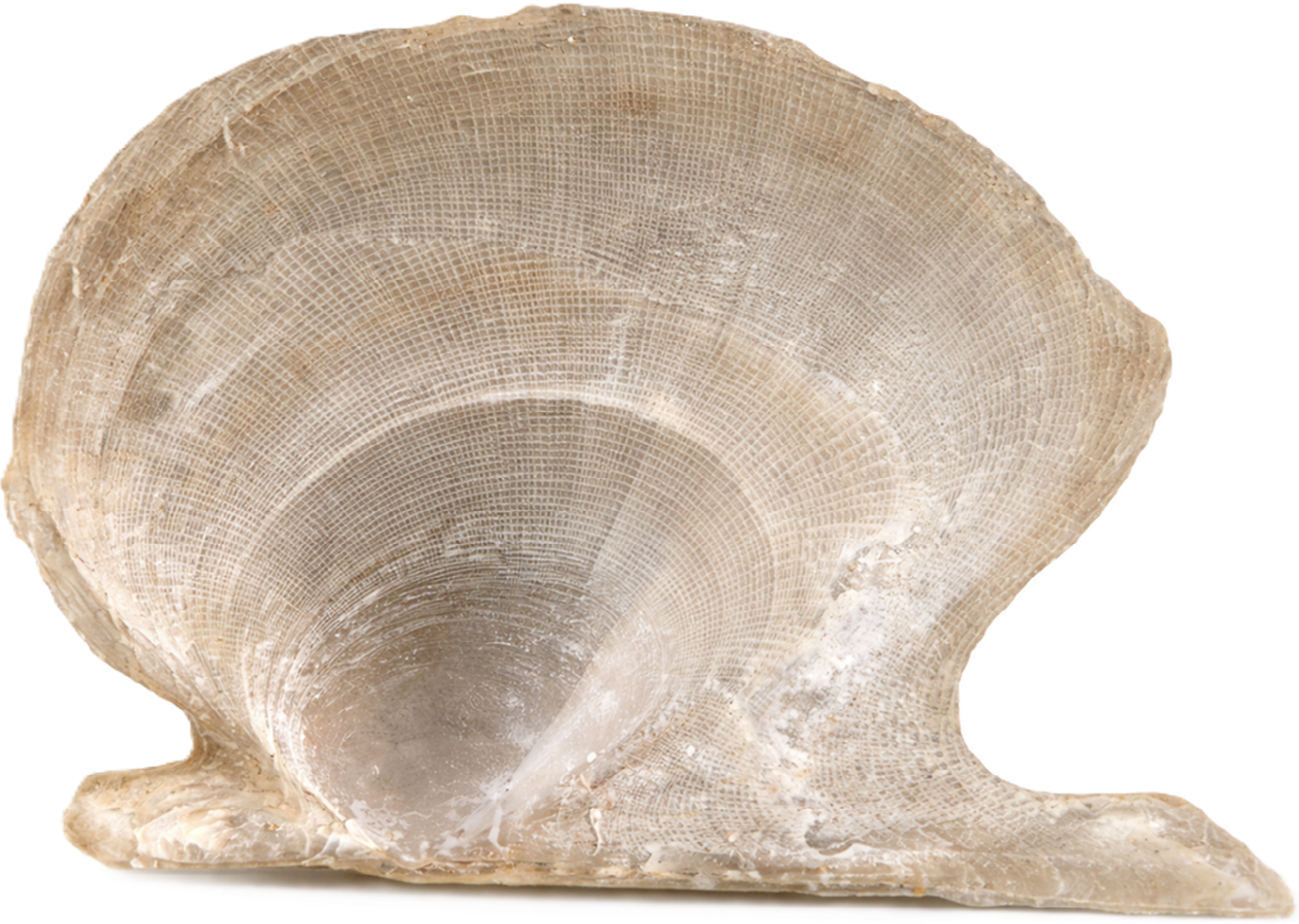
Anomia gryphorhyncha22Anomia gryphorhyncha, YPM IP 900432. Yale Peabody Museum, Invertebrate Paleontology Division. iDigBio. | North Dakota, South Dakota | Hell Creek Formation | 7 Exemplare | Sattelmuschel (Anomiidae) |
 |
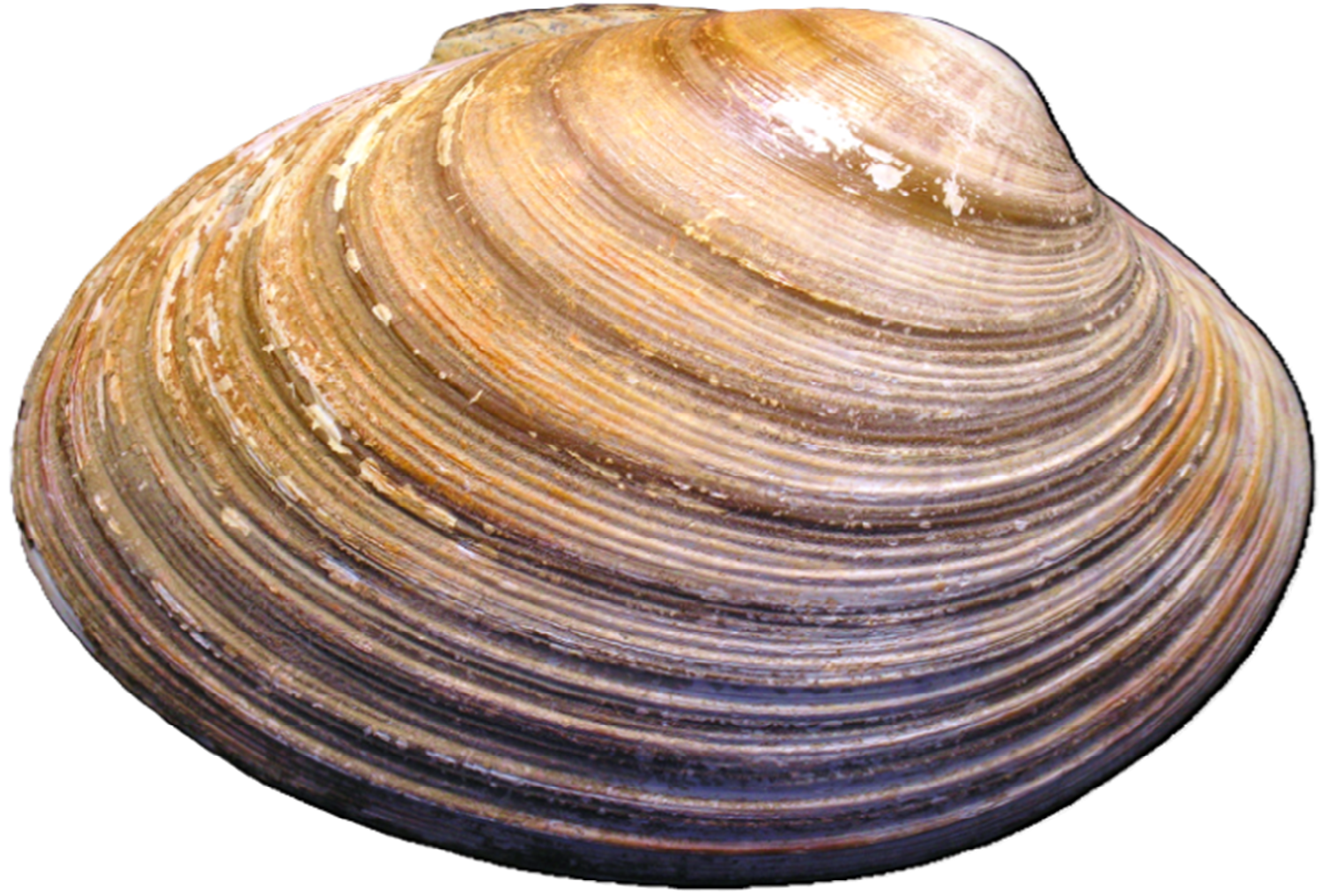
Anomia micronema23Stanton, T. W. (1920). The fauna of the Cannonball marine member of the Lance formation. Professional Paper, U.S. Geological Survey, 128, 1–60. | North Dakota, South Dakota | untere marine Fazies | 7 Exemplare | Sattelmuschel (Anomiidae) |
 |
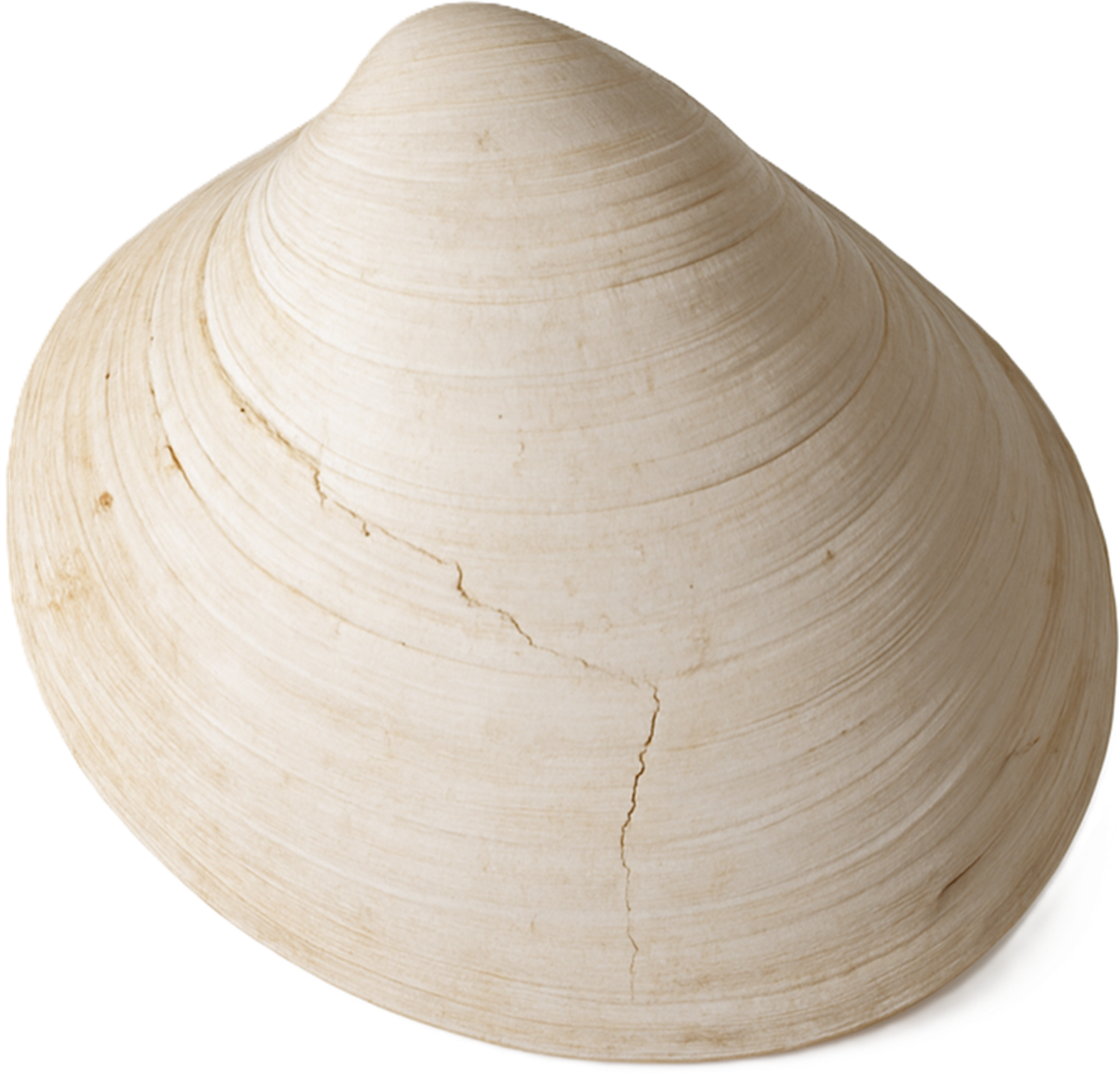
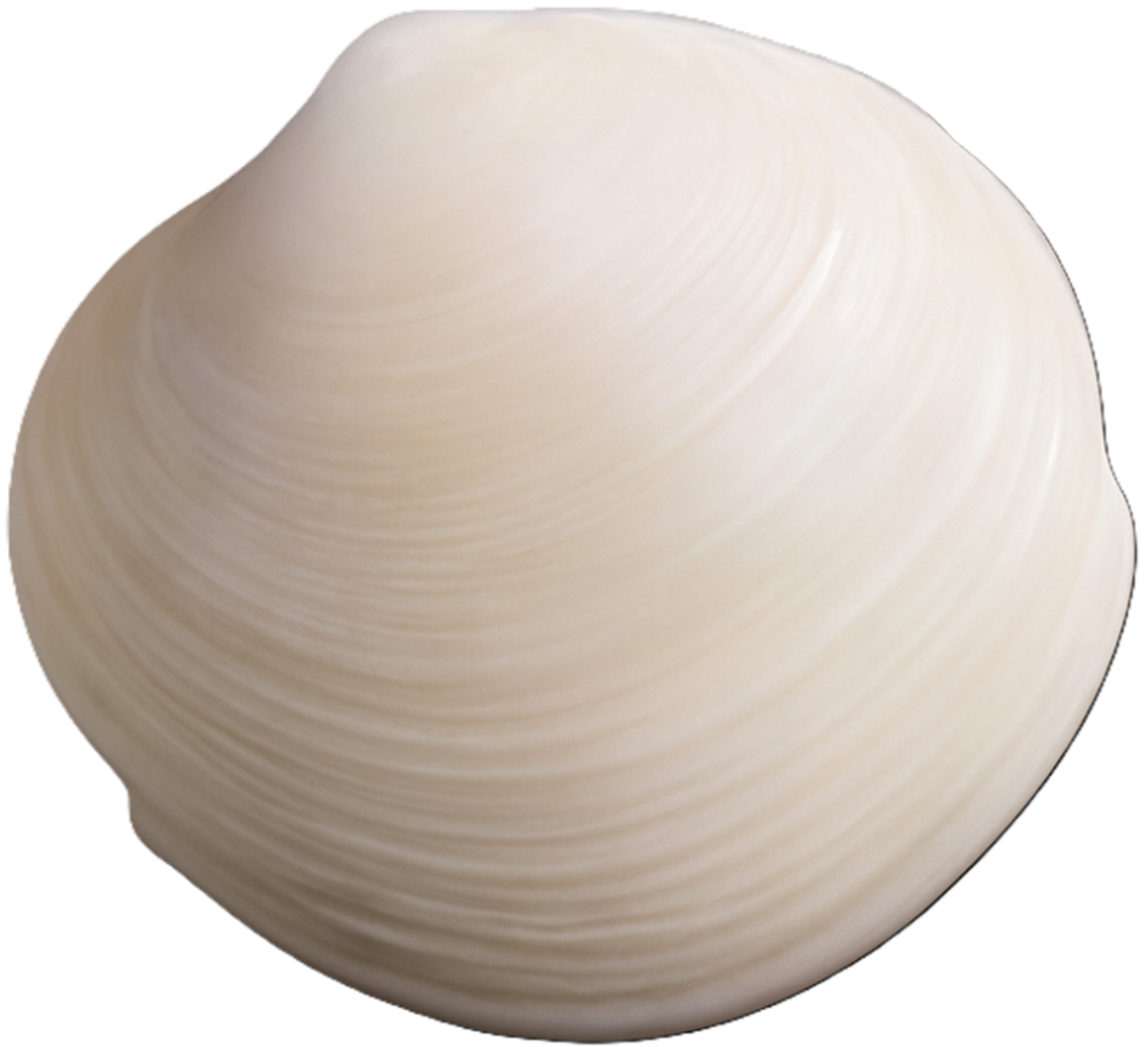
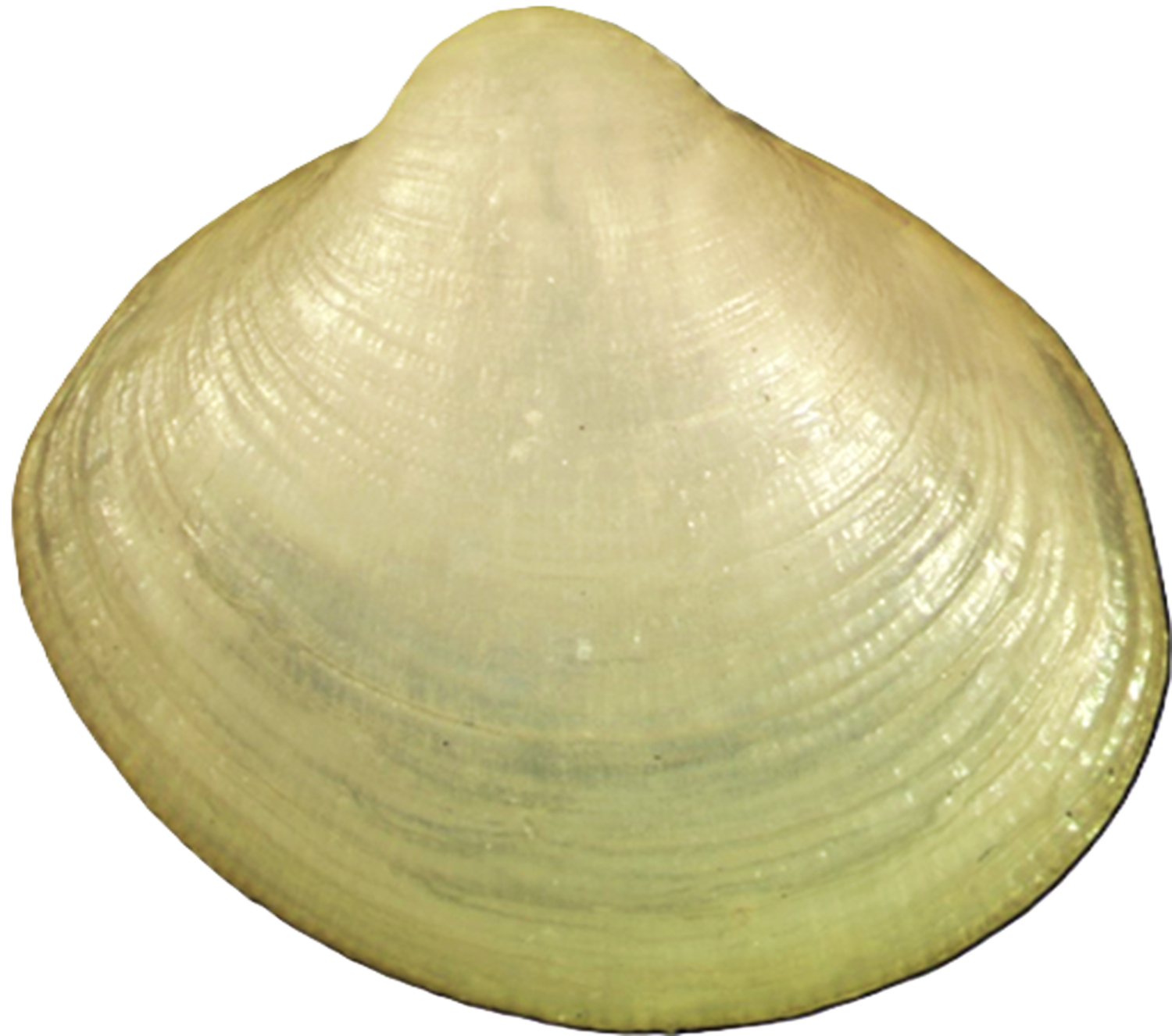
Callista deweyi24Stanton, T. W. (1920). The fauna of the Cannonball marine member of the Lance formation. Professional Paper, U.S. Geological Survey, 128, 1–60. | North Dakota, South Dakota, Wyoming | untere bis obere marine Fazies | 13 Exemplare | Venusmuschel (Veneridae); synonym zu Dosinopsis deweyi |
|
|
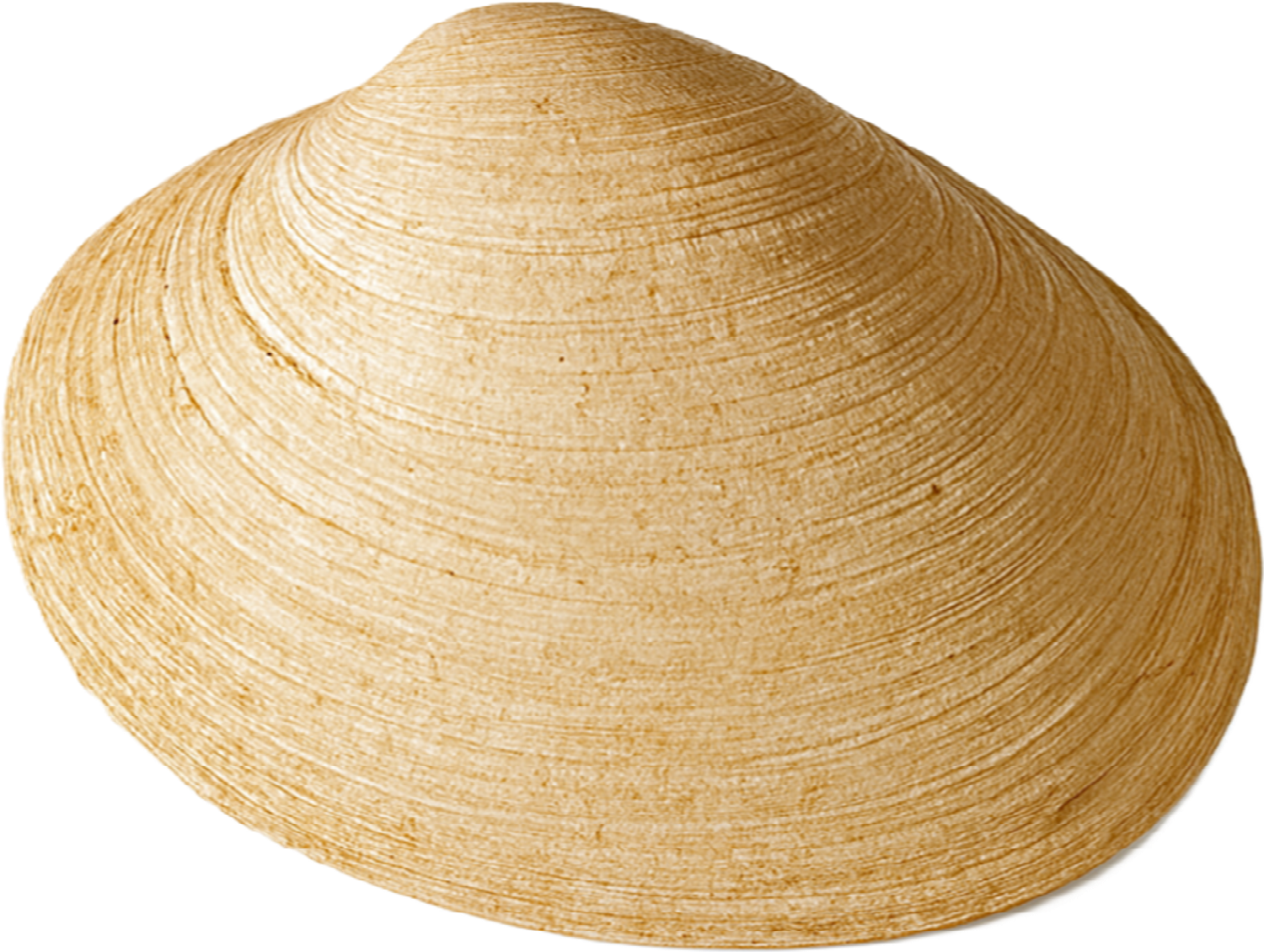
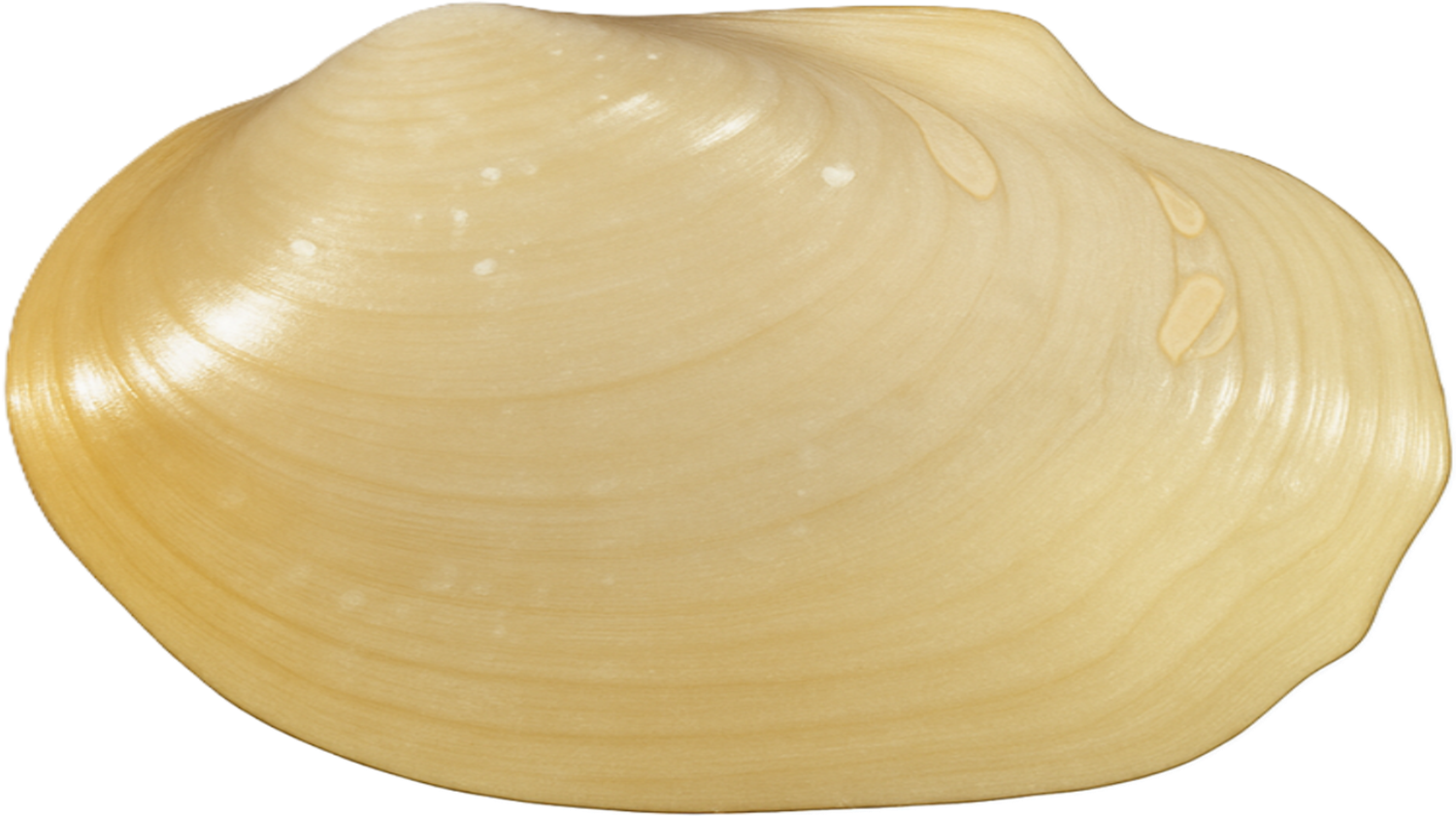
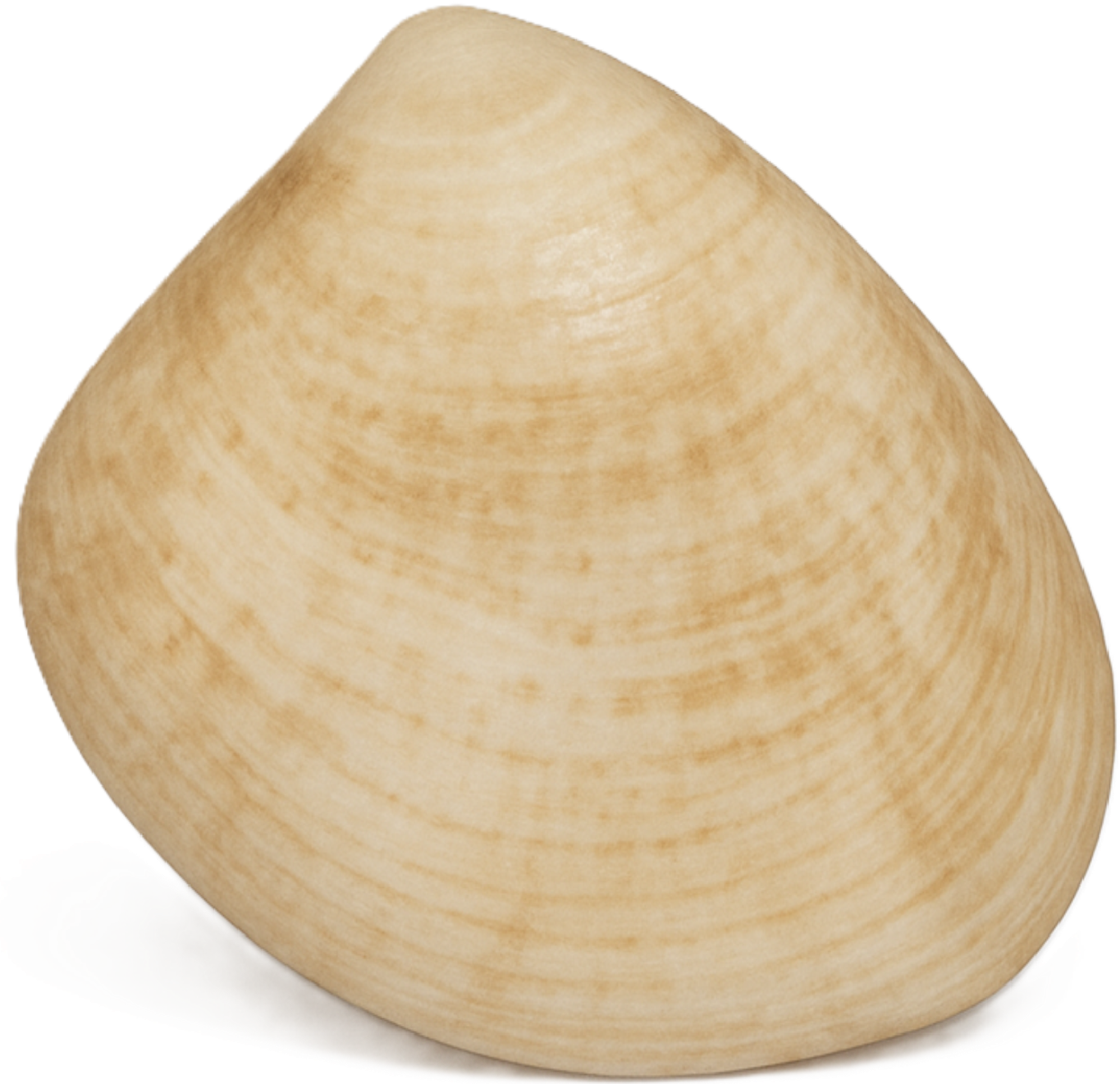
Corbicula intermedea25Stanton, T. W. (1920). The fauna of the Cannonball marine member of the Lance formation. Professional Paper, U.S. Geological Survey, 128, 1–60. | South Dakota | untere bis obere marine Fazies | — | Körbchenmuschel (Corbiculidae); synonym zu Corbicula nebrascensis |
|
|
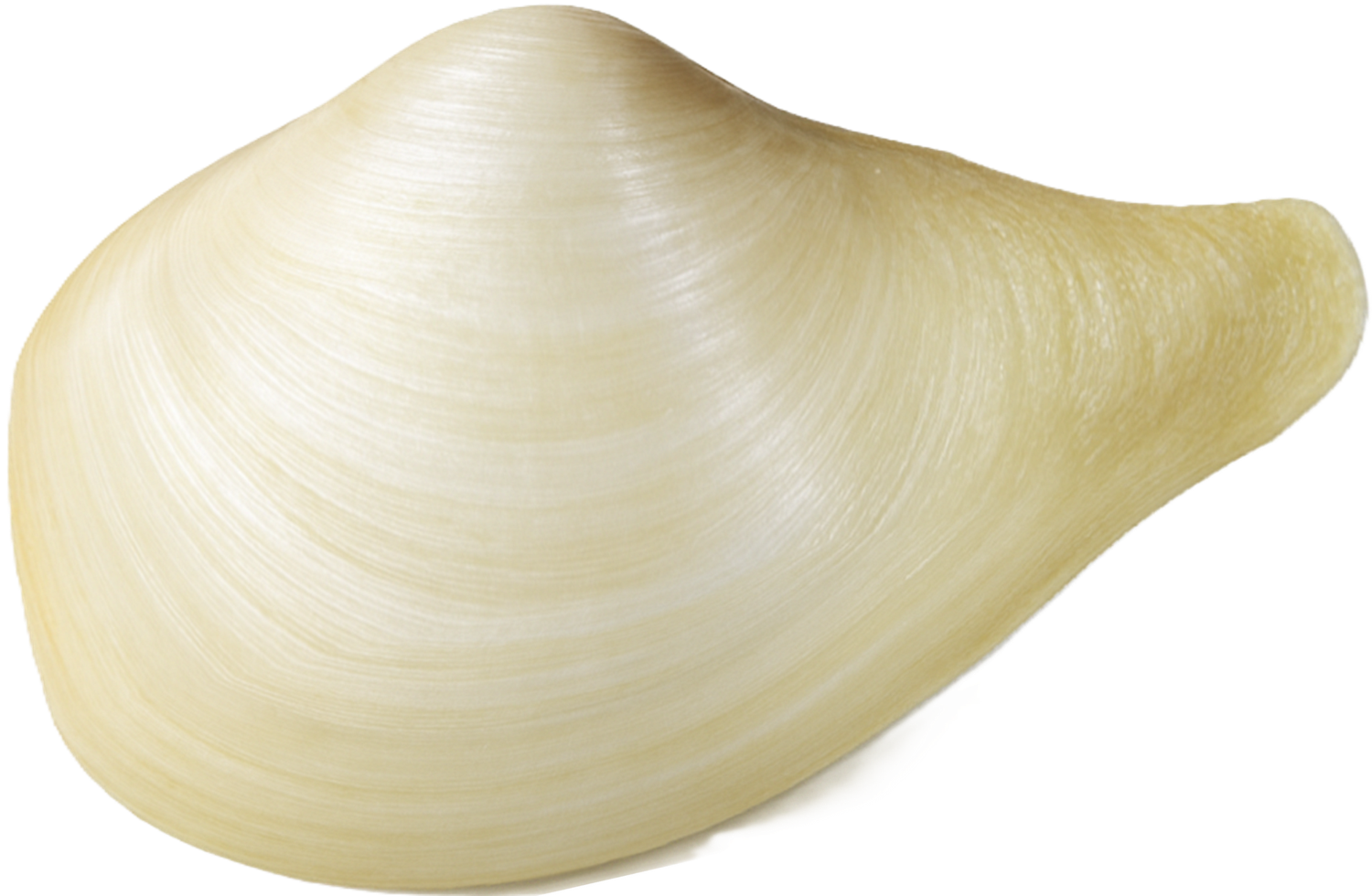
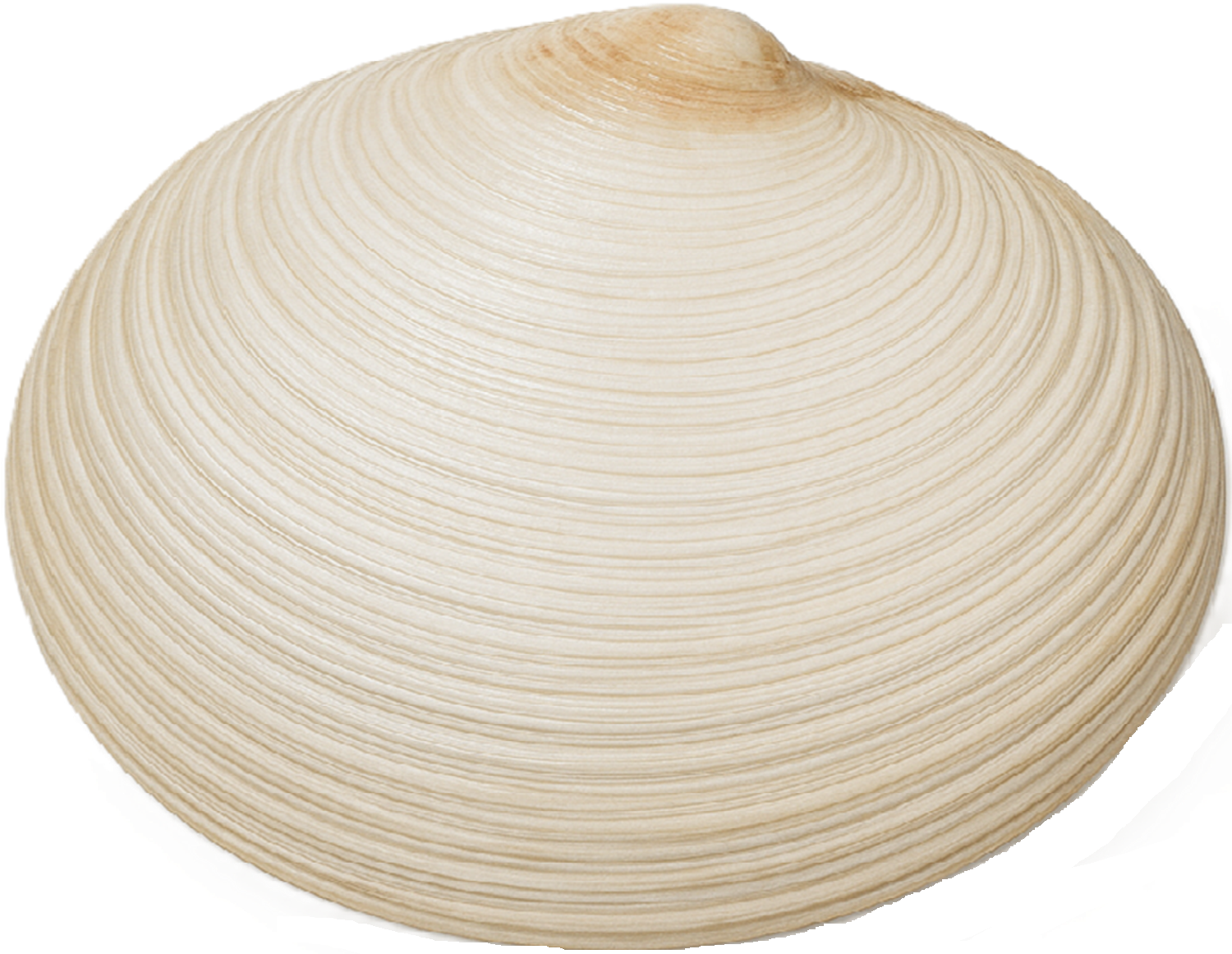
Corbicula subelliptica26Stanton, T. W. (1920). The fauna of the Cannonball marine member of the Lance formation. Professional Paper, U.S. Geological Survey, 128, 1–60.27Paleobiota of the Hell Creek Formation – Molluscs. Wikipedia, 21. Februar 2025. | South Dakota | untere marine Fazies; Hell Creek Formation | — | Körbchenmuschel (Corbiculidae) |
 |
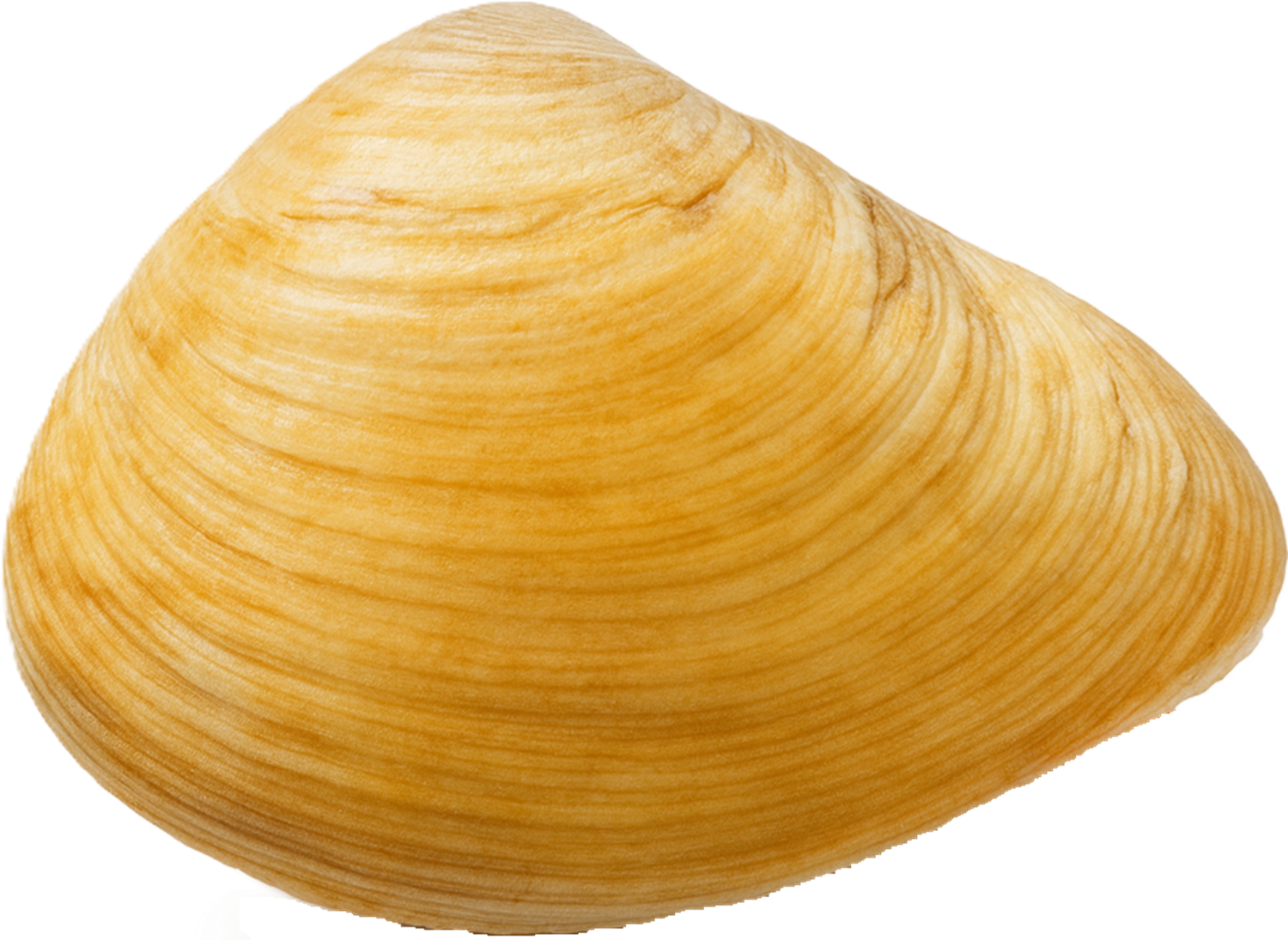
Corbiculidae indet.28Paleobiota of the Hell Creek Formation – Molluscs. Wikipedia, 21. Februar 2025. | South Dakota | Hell Creek Formation | Viele unbestimmte Exemplare | Körbchenmuschel (Corbiculidae) |
 |
Crassatella andrewsi
29Stanton, T. W. (1920). The fauna of the Cannonball marine member of the Lance formation. Professional Paper, U.S. Geological Survey, 128, 1–60. |
North Dakota, South Dakota | obere marine Fazies (Cannonball-Member) | — | Trapezmuschel (Crassatellidae); synonym zu Crassatellites evansi |
|
|
Crassostrea subtrigonalis30Stanton, T. W. (1920). The fauna of the Cannonball marine member of the Lance formation. Professional Paper, U.S. Geological Survey, 128, 1–60.31Paleobiota of the Hell Creek Formation – Molluscs. Wikipedia, 21. Februar 2025. | South Dakota, Wyoming | untere marine Fazies; Hell Creek Formation | — | Auster (Ostreidae) |
|
|
Cucullaea nebraskensis32Stanton, T. W. (1920). The fauna of the Cannonball marine member of the Lance formation. Professional Paper, U.S. Geological Survey, 128, 1–60. | North Dakota, South Dakota, Wyoming | untere bis obere marine Fazies | 9 Exemplare | Kapuzenmuschel (Cucullaeidae) |
|
|
Cucullaea solenensis33Stanton, T. W. (1920). The fauna of the Cannonball marine member of the Lance formation. Professional Paper, U.S. Geological Survey, 128, 1–60. | North Dakota, South Dakota | obere marine Fazies (Cannonball-Member) | — | Kapuzenmuschel (Cucullaeidae) |
|
|
Cuspidaria ventricosa34Stanton, T. W. (1920). The fauna of the Cannonball marine member of the Lance formation. Professional Paper, U.S. Geological Survey, 128, 1–60. | North Dakota, South Dakota | untere marine Fazies | 7 Exemplare | Keulenmuschel (Cuspidariidae) |
|
|
Cymbophora warrenana35Stanton, T. W. (1920). The fauna of the Cannonball marine member of the Lance formation. Professional Paper, U.S. Geological Survey, 128, 1–60. | North Dakota, South Dakota, Wyoming | untere marine Fazies | 21 Exemplare | Trogmuschel (Mactridae) |
|
|
Dentalium pauperculum36Stanton, T. W. (1920). The fauna of the Cannonball marine member of the Lance formation. Professional Paper, U.S. Geological Survey, 128, 1–60. | North Dakota, South Dakota | obere marine Fazies (Cannonball Member) | — | Elefantenzahnmuschel (Dentaliidae) |
|
|
Eriphyla mandanensis37Stanton, T. W. (1920). The fauna of the Cannonball marine member of the Lance formation. Professional Paper, U.S. Geological Survey, 128, 1–60. | North Dakota, South Dakota | obere marine Fazies (Cannonball Member) | — | Astarte (Astartidae) |
|
|
Flexopecten glaber38Stanton, T. W. (1920). The fauna of the Cannonball marine member of the Lance formation. Professional Paper, U.S. Geological Survey, 128, 1–60. | South Dakota, Wyoming | untere marine Fazies | 3 Exemplare | Pectinidae (Kammmuschel); synonym zu Ostrea glabra |
|
|
Glycymeris subimbricata39Stanton, T. W. (1920). The fauna of the Cannonball marine member of the Lance formation. Professional Paper, U.S. Geological Survey, 128, 1–60. | North Dakota, South Dakota | obere marine Fazies (Cannonball Member) | — | Samtmuschel (Glycymerididae) |
|
|
Granocardium sp.40Paleobiota of the Hell Creek Formation – Molluscs. Wikipedia, 21. Februar 2025. | South Dakota | Hell Creek Formation | — | Herzmuschel (Cardiidae) |
|
|
Hiatella sp. (?)41Paleobiota of the Hell Creek Formation – Molluscs. Wikipedia, 21. Februar 2025. | South Dakota | Hell Creek Formation | — | Felsenbohrer (Hiatellidae) |
|
|
Idonearca shumardi42Stanton, T. W. (1920). The fauna of the Cannonball marine member of the Lance formation. Professional Paper, U.S. Geological Survey, 128, 1–60. | North Dakota, South Dakota | obere marine Fazies (Cannonball Member) | — | Archenmuschel (Arcidae); synonym zu Cucullaea shumardi |
|
|
Inoceramus barabini43Stanton, T. W. (1920). The fauna of the Cannonball marine member of the Lance formation. Professional Paper, U.S. Geological Survey, 128, 1–60. | Wyoming | untere marine Fazies | — | Inocerame (Inoceramidae), gehört vielleicht nicht zu Inoceramus. |
|
|
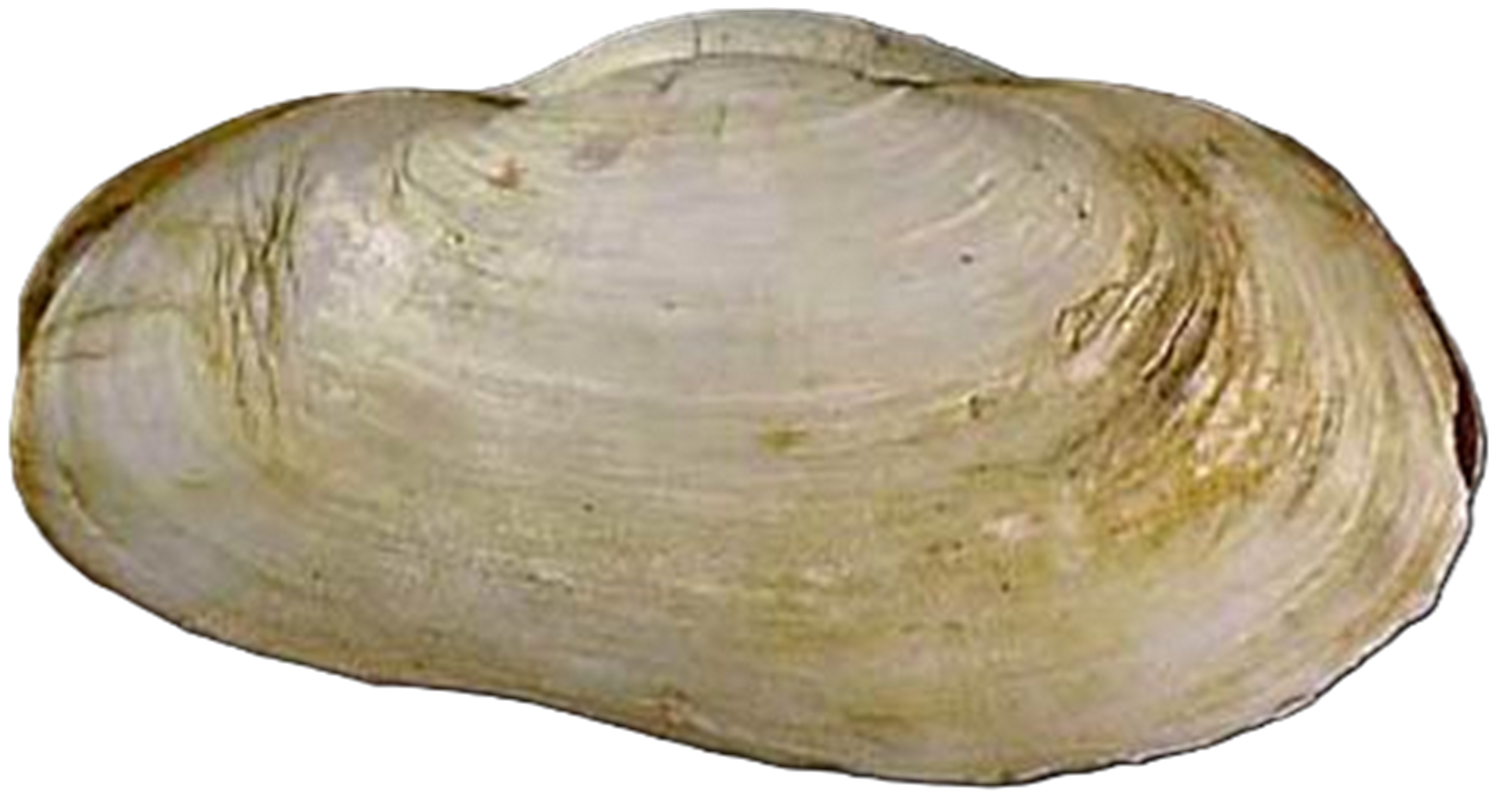
Jitlada arsinoensis44Stanton, T. W. (1920). The fauna of the Cannonball marine member of the Lance formation. Professional Paper, U.S. Geological Survey, 128, 1–60. | North Dakota, South Dakota | untere marine Fazies | 4 Exemplare | Plattmuschel (Tellinidae); synonym zu Tellina scitula |
 |
Laternula subgracilis45Stanton, T. W. (1920). The fauna of the Cannonball marine member of the Lance formation. Professional Paper, U.S. Geological Survey, 128, 1–60. | North Dakota, South Dakota | obere marine Fazies (Cannonball Member) | 4 Exemplare | Löffelmuschel (Periplomatidae); synonym zu Anatina subgracilis |
|
|
Leda mansfieldi46Stanton, T. W. (1920). The fauna of the Cannonball marine member of the Lance formation. Professional Paper, U.S. Geological Survey, 128, 1–60. | North Dakota, South Dakota | obere marine Fazies (Cannonball Member) | — | Schnabelmuschel (Nuculanidae) |
|
|
Leionucula suboblonga47Stanton, T. W. (1920). The fauna of the Cannonball marine member of the Lance formation. Professional Paper, U.S. Geological Survey, 128, 1–60. | North Dakota, South Dakota | obere marine Fazies (Cannonball Member) | 49 Exemplare | Nussmuschel (Nuculidae); synonym zu Nucula subplana |
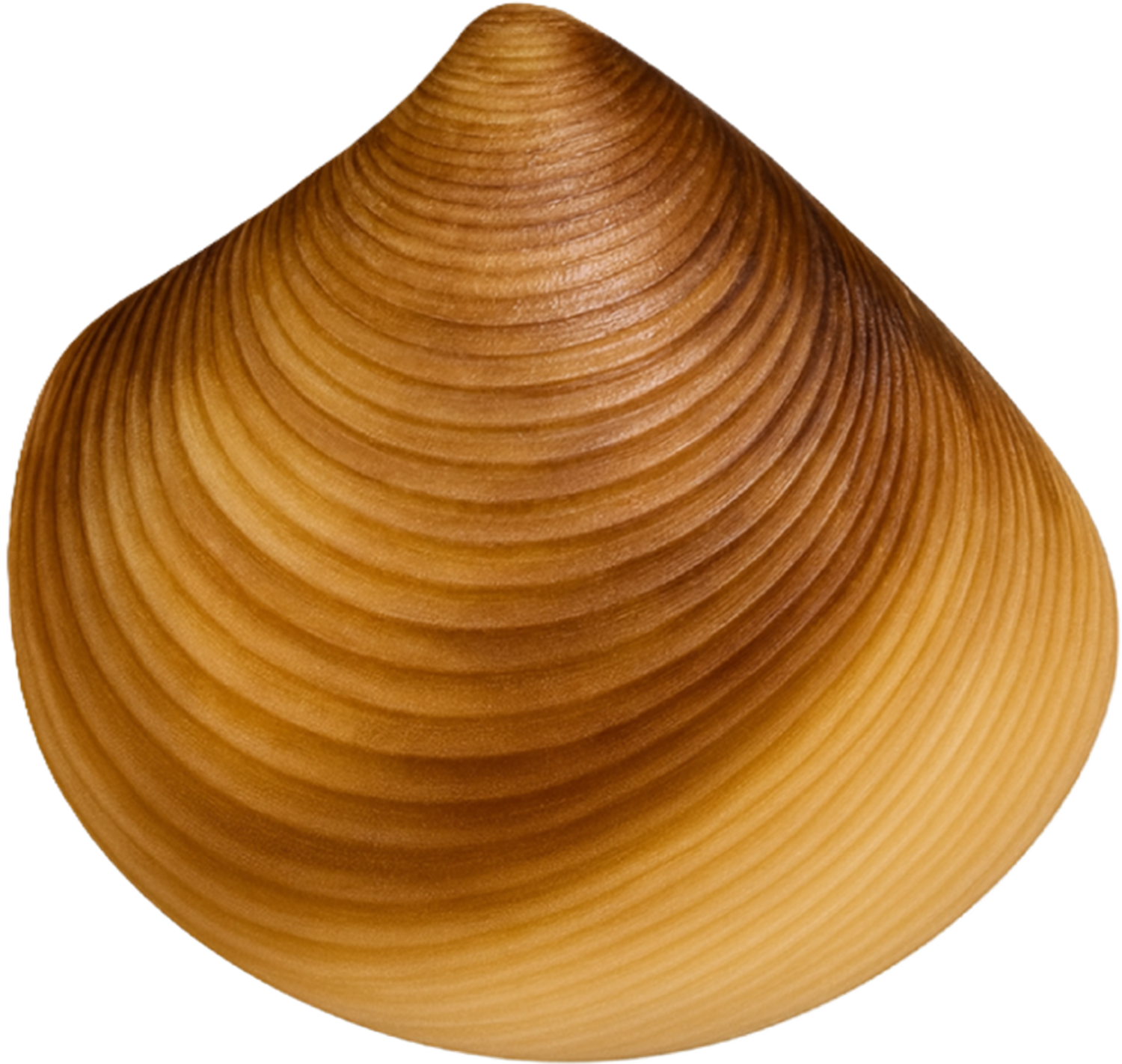 |
Leptesthes berthoudi48Stanton, T. W. (1920). The fauna of the Cannonball marine member of the Lance formation. Professional Paper, U.S. Geological Survey, 128, 1–60. | North Dakota, South Dakota | obere marine Fazies (Cannonball Member) | — | Körbchenmuschel (Cyrenidae); synonym zu Corbicula berthoudi |
|
|
Leptosolen sp.49Paleobiota of the Hell Creek Formation – Molluscs. Wikipedia, 21. Februar 2025. | South Dakota | Hell Creek Formation | — | Salzwassermuschel (Cultellidae) |
|
|
Limopsis striatopunctatus50Stanton, T. W. (1920). The fauna of the Cannonball marine member of the Lance formation. Professional Paper, U.S. Geological Survey, 128, 1–60. | North Dakota, South Dakota | untere marine Fazies | 3 Exemplare | Salzwassermuschel (Limopsidae) |
|
|
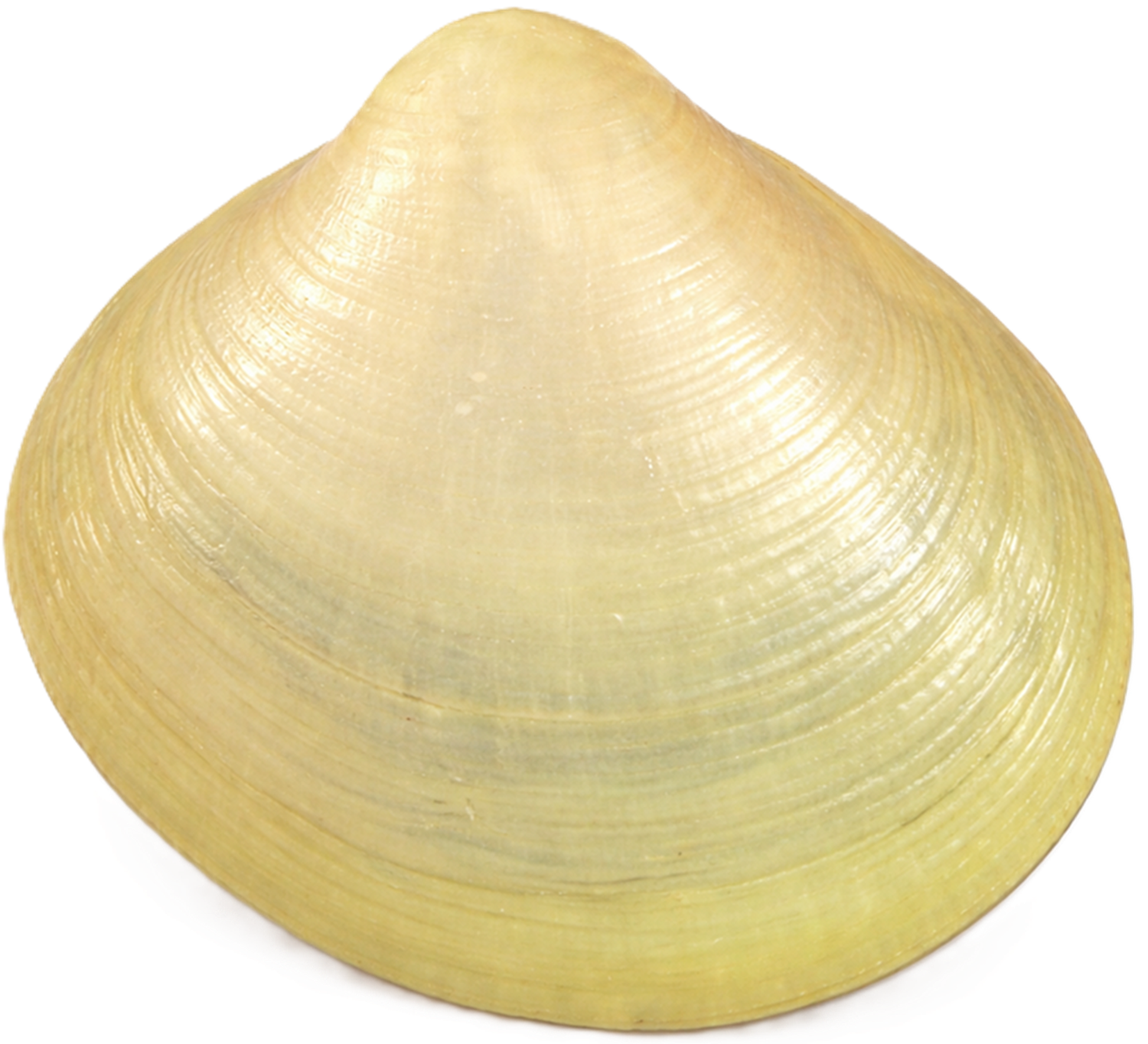
Lucina cedrensis51Stanton, T. W. (1920). The fauna of the Cannonball marine member of the Lance formation. Professional Paper, U.S. Geological Survey, 128, 1–60. | North Dakota, South Dakota | obere marine Fazies (Cannonball Member) | — | Mondmuschel (Lucinidae) |
|
|
Malletia evansi52Stanton, T. W. (1920). The fauna of the Cannonball marine member of the Lance formation. Professional Paper, U.S. Geological Survey, 128, 1–60. | North Dakota, South Dakota | untere bis obere marine Fazies | 8 Exemplare | Salzwassermuschel (Malletiidae) |
|
|
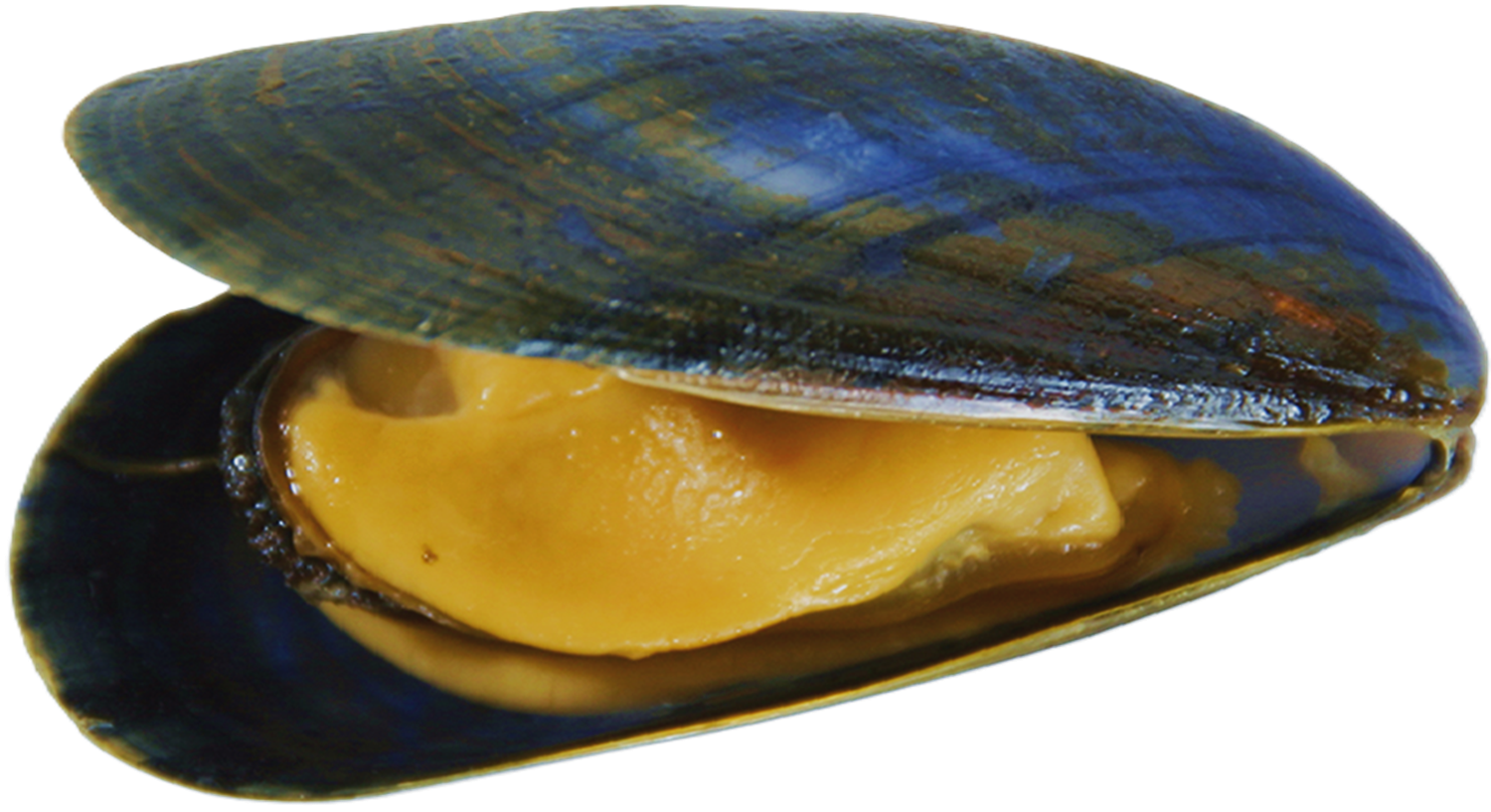
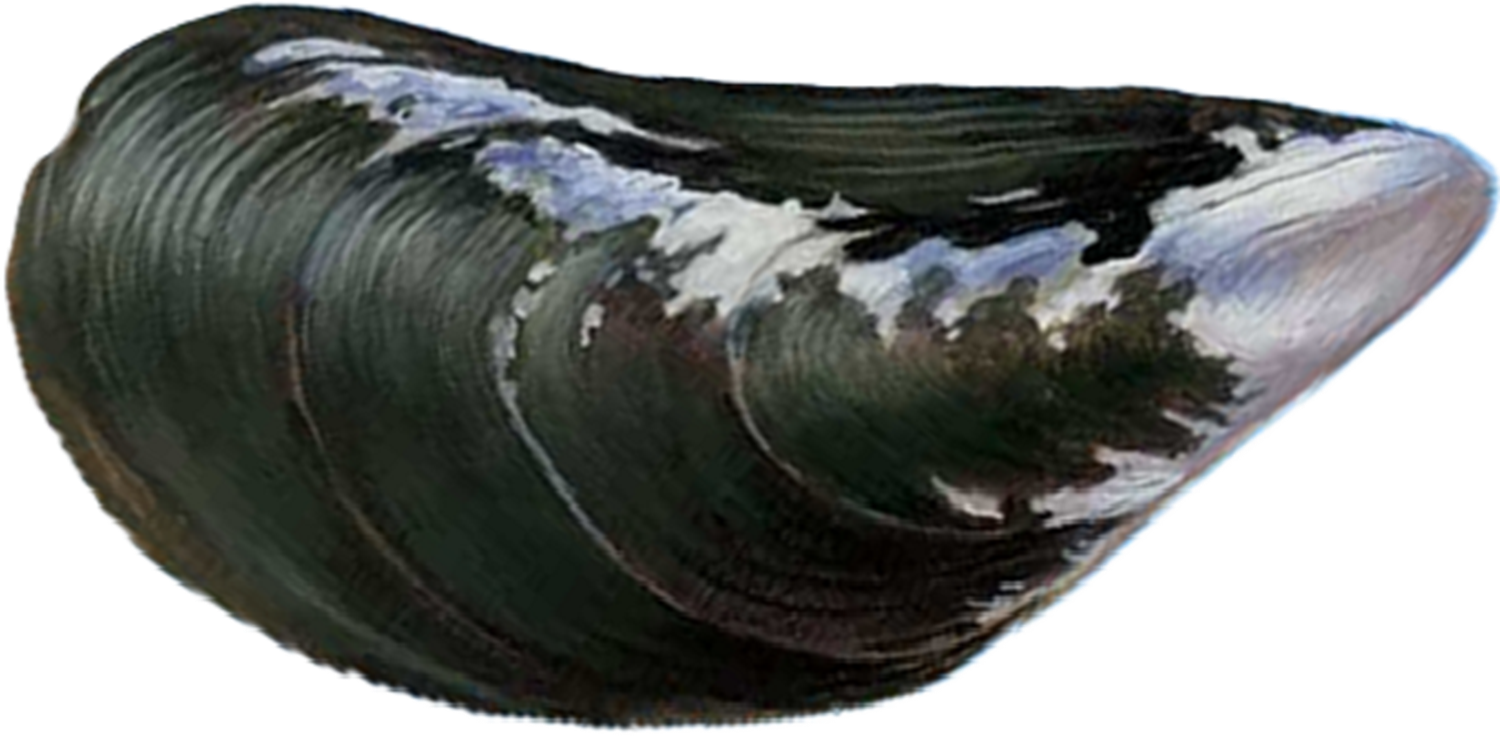
Modiolus bucharrellensis53Stanton, T. W. (1920). The fauna of the Cannonball marine member of the Lance formation. Professional Paper, U.S. Geological Survey, 128, 1–60. | North Dakota, South Dakota | obere marine Fazies (Cannonball Member) | — | Miesmuschel (Mytilidae) |
|
|
Modiolus meeki54Stanton, T. W. (1920). The fauna of the Cannonball marine member of the Lance formation. Professional Paper, U.S. Geological Survey, 128, 1–60. | South Dakota, Wyoming | untere marine Fazies | 9 Exemplare | Miesmuschel (Mytilidae) |
|
|
Nucula atacellana55Stanton, T. W. (1920). The fauna of the Cannonball marine member of the Lance formation. Professional Paper, U.S. Geological Survey, 128, 1–60. | South Dakota, Wyoming | untere marine Fazies | 9 Exemplare | Nussmuschel (Nuculidae), synonym zu Nucula cancellata |
|
|
Nucula planimarginata56Stanton, T. W. (1920). The fauna of the Cannonball marine member of the Lance formation. Professional Paper, U.S. Geological Survey, 128, 1–60. | South Dakota, Wyoming | untere bis obere marine Fazies | 12 Exemplare | Nussmuschel (Nuculidae) |
|
|
Nymphalucina occidentalis57Stanton, T. W. (1920). The fauna of the Cannonball marine member of the Lance formation. Professional Paper, U.S. Geological Survey, 128, 1–60. | South Dakota, Wyoming | untere marine Fazies | 13 Exemplare | Mondmuschel (Lucinidae) |
|
|
Oxytoma nebrascana58Stanton, T. W. (1920). The fauna of the Cannonball marine member of the Lance formation. Professional Paper, U.S. Geological Survey, 128, 1–60. | North Dakota, South Dakota, Wyoming | untere marine Fazies | 42 Exemplare | Flügelmuschel (Oxytomidae); synonym zu Pteria nebrascana |
|
|
Phelopteria linguiformis59Stanton, T. W. (1920). The fauna of the Cannonball marine member of the Lance formation. Professional Paper, U.S. Geological Survey, 128, 1–60. | North Dakota, South Dakota, Wyoming, Colorado | untere bis obere marine Fazies | 33 Exemplare | Flügelmuschel (Pteriidae) |
|
|
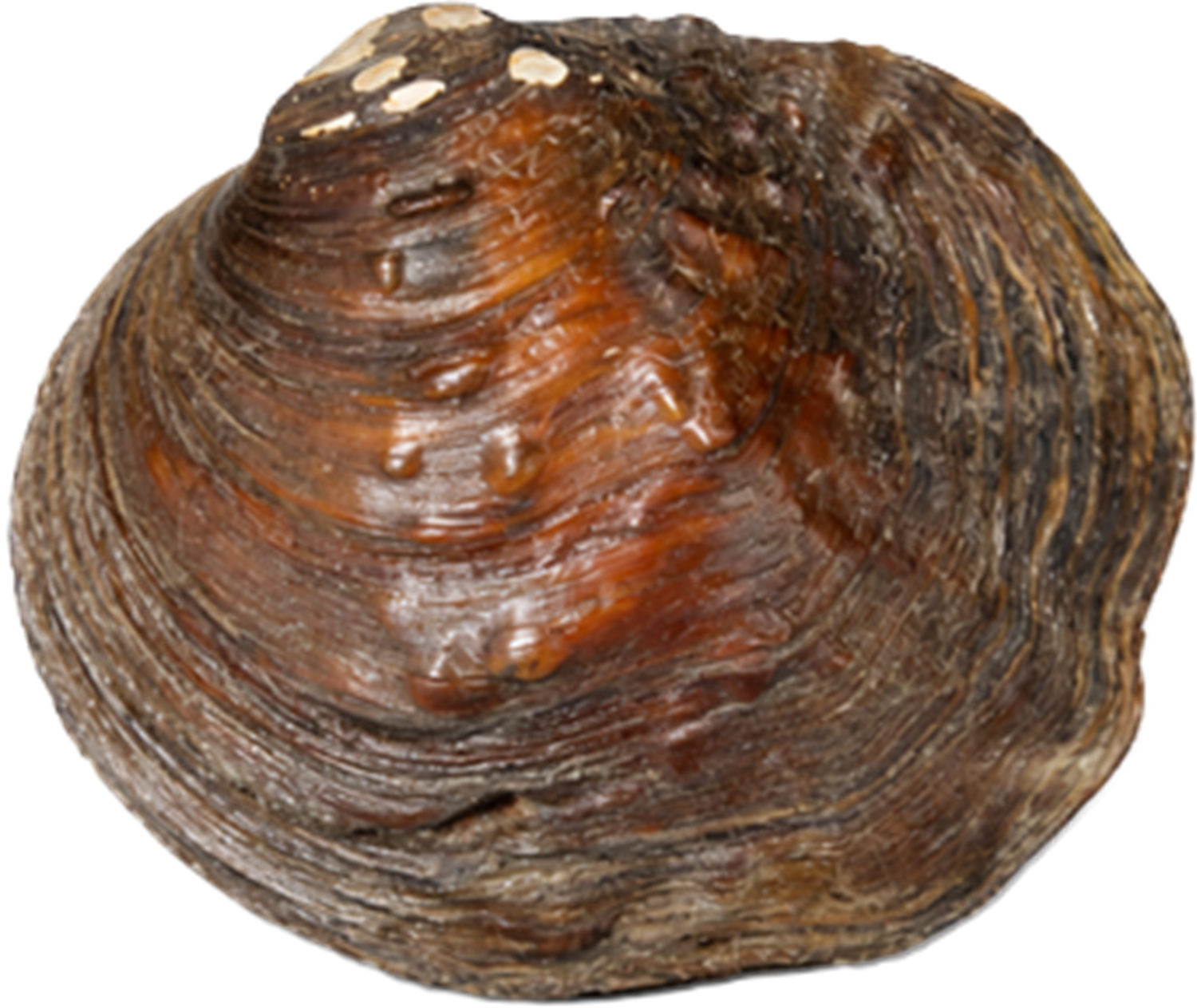
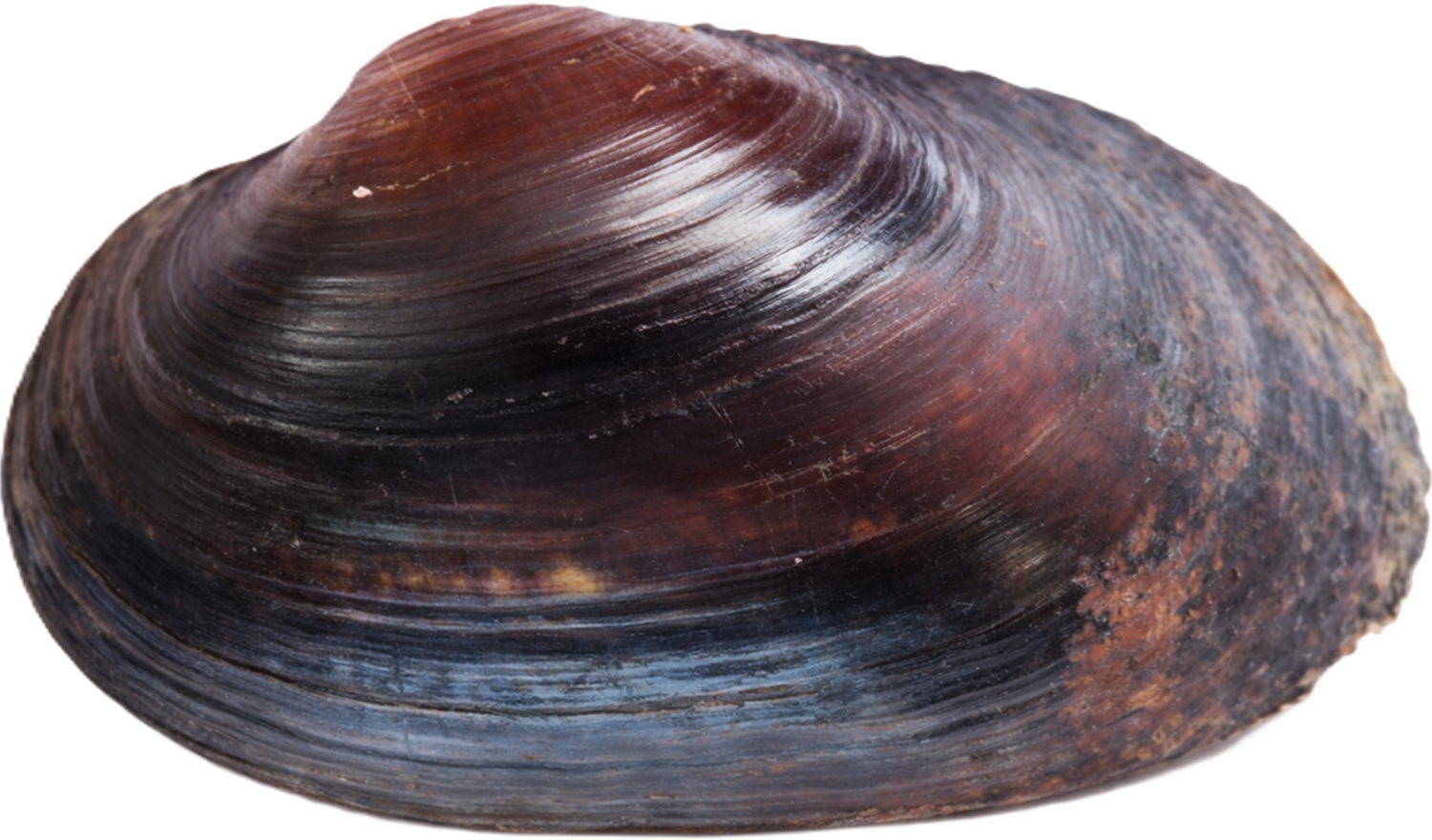
Pleiodon sp.60Paleobiota of the Hell Creek Formation – Molluscs. Wikipedia, 21. Februar 2025. | — | Hell Creek Formation | — | Süßwassermuschel (Iridinidae) |
|
|
Plesielliptio postbiplicatus61Paleobiota of the Hell Creek Formation – Molluscs. Wikipedia, 21. Februar 2025. | North Dakota | Hell Creek Formation | 1 Exemplar | Süßwassermuschel (Unionidae) |
|
|
Plesielliptio stantoni62Paleobiota of the Hell Creek Formation – Molluscs. Wikipedia, 21. Februar 2025. | — | Hell Creek Formation | — | Süßwassermuschel (Unionidae), synonym zu Plesielliptio gibbosoides |
|
|
Plesielliptio whitfieldi63Paleobiota of the Hell Creek Formation – Molluscs. Wikipedia, 21. Februar 2025. | — | Hell Creek Formation | — | Süßwassermuschel (Unionidae) |
|
|
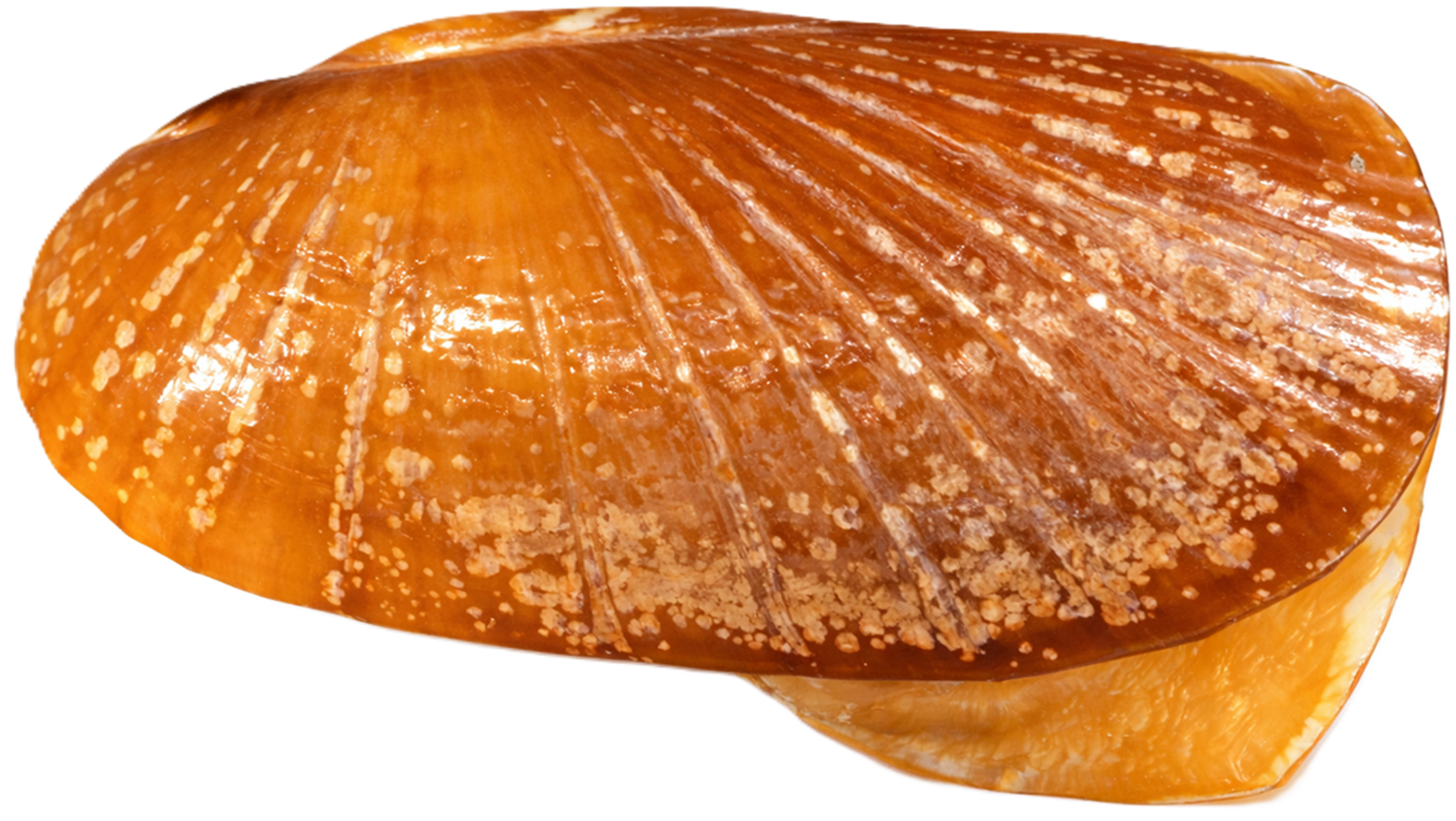
Plethobasus aesopiformis64Paleobiota of the Hell Creek Formation – Molluscs. Wikipedia, 21. Februar 2025. | — | Hell Creek Formation | — | Süßwassermuschel (Unionidae) |
|
|
Plethobasus biesopoides65Paleobiota of the Hell Creek Formation – Molluscs. Wikipedia, 21. Februar 2025. | — | Hell Creek Formation | — | Süßwassermuschel (Unionidae) |
|
|
Pleurobema cryptorhynchus66Paleobiota of the Hell Creek Formation – Molluscs. Wikipedia, 21. Februar 2025. | — | Hell Creek Formation | — | Süßwassermuschel (Unionidae) |
|
|
Portlandia arctica67Stanton, T. W. (1920). The fauna of the Cannonball marine member of the Lance formation. Professional Paper, U.S. Geological Survey, 128, 1–60. | North Dakota, South Dakota | obere marine Fazies (Cannonball Member) | — | Salzwassermuschel (Yoldiidae ); synonym zu Portlandia ovata |
|
|
Proparreysia barnumi68Paleobiota of the Hell Creek Formation – Molluscs. Wikipedia, 21. Februar 2025. | Montana | Hell Creek Formation | — | Süßwassermuschel (Unionidae) |
|
|
Proparreysia corbiculoides69Paleobiota of the Hell Creek Formation – Molluscs. Wikipedia, 21. Februar 2025. | Montana | Hell Creek Formation | — | Süßwassermuschel (Unionidae) |
|
|
Proparreysia holmesiana70Paleobiota of the Hell Creek Formation – Molluscs. Wikipedia, 21. Februar 2025. | Montana | Hell Creek Formation | — | Süßwassermuschel (Unionidae) |
|
|
Proparreysia letsoni71Paleobiota of the Hell Creek Formation – Molluscs. Wikipedia, 21. Februar 2025. | Montana | Hell Creek Formation | — | Süßwassermuschel (Unionidae) |
|
|
Proparreysia paucinodosa72Paleobiota of the Hell Creek Formation – Molluscs. Wikipedia, 21. Februar 2025. | Montana | Hell Creek Formation | — | Süßwassermuschel (Unionidae) |
|
|
Proparreysia percorrugata73Paleobiota of the Hell Creek Formation – Molluscs. Wikipedia, 21. Februar 2025. | Montana | Hell Creek Formation | — | Süßwassermuschel (Unionidae) |
|
|
Proparreysia pyramidatoides74Paleobiota of the Hell Creek Formation – Molluscs. Wikipedia, 21. Februar 2025. | Montana | Hell Creek Formation | — | Süßwassermuschel (Unionidae) |
|
|
Proparreysia pyramidella75Paleobiota of the Hell Creek Formation – Molluscs. Wikipedia, 21. Februar 2025. | — | Hell Creek Formation | — | Süßwassermuschel (Unionidae); synonym zu Obovaria pyramidella |
|
|
Proparreysia retusoides76Paleobiota of the Hell Creek Formation – Molluscs. Wikipedia, 21. Februar 2025. | Montana | Hell Creek Formation | — | Süßwassermuschel (Unionidae) |
|
|
Proparreysia verrucosiformis77Paleobiota of the Hell Creek Formation – Molluscs. Wikipedia, 21. Februar 2025. | Montana | Hell Creek Formation | — | Süßwassermuschel (Unionidae) |
|
|
Protocardia subquadrata78Stanton, T. W. (1920). The fauna of the Cannonball marine member of the Lance formation. Professional Paper, U.S. Geological Survey, 128, 1–60. | North Dakota, South Dakota | untere marine Fazies | 10 Exemplare | Herzmuschel (Cardiidae) |
|
|
Quadrula cylindricoides79Paleobiota of the Hell Creek Formation – Molluscs. Wikipedia, 21. Februar 2025. | — | Hell Creek Formation | — | Süßwassermuschel (Unionidae) |
|
|
Rhabdotophorus aldrichi80Paleobiota of the Hell Creek Formation – Molluscs. Wikipedia, 21. Februar 2025. | — | Hell Creek Formation | — | Süßwassermuschel (Unionidae) |
|
|
Solemya bilix81Stanton, T. W. (1920). The fauna of the Cannonball marine member of the Lance formation. Professional Paper, U.S. Geological Survey, 128, 1–60. | North Dakota, South Dakota | obere marine Fazies (Cannonball Member) | — | Schotenmuschel (Solemyidae) |
|
|
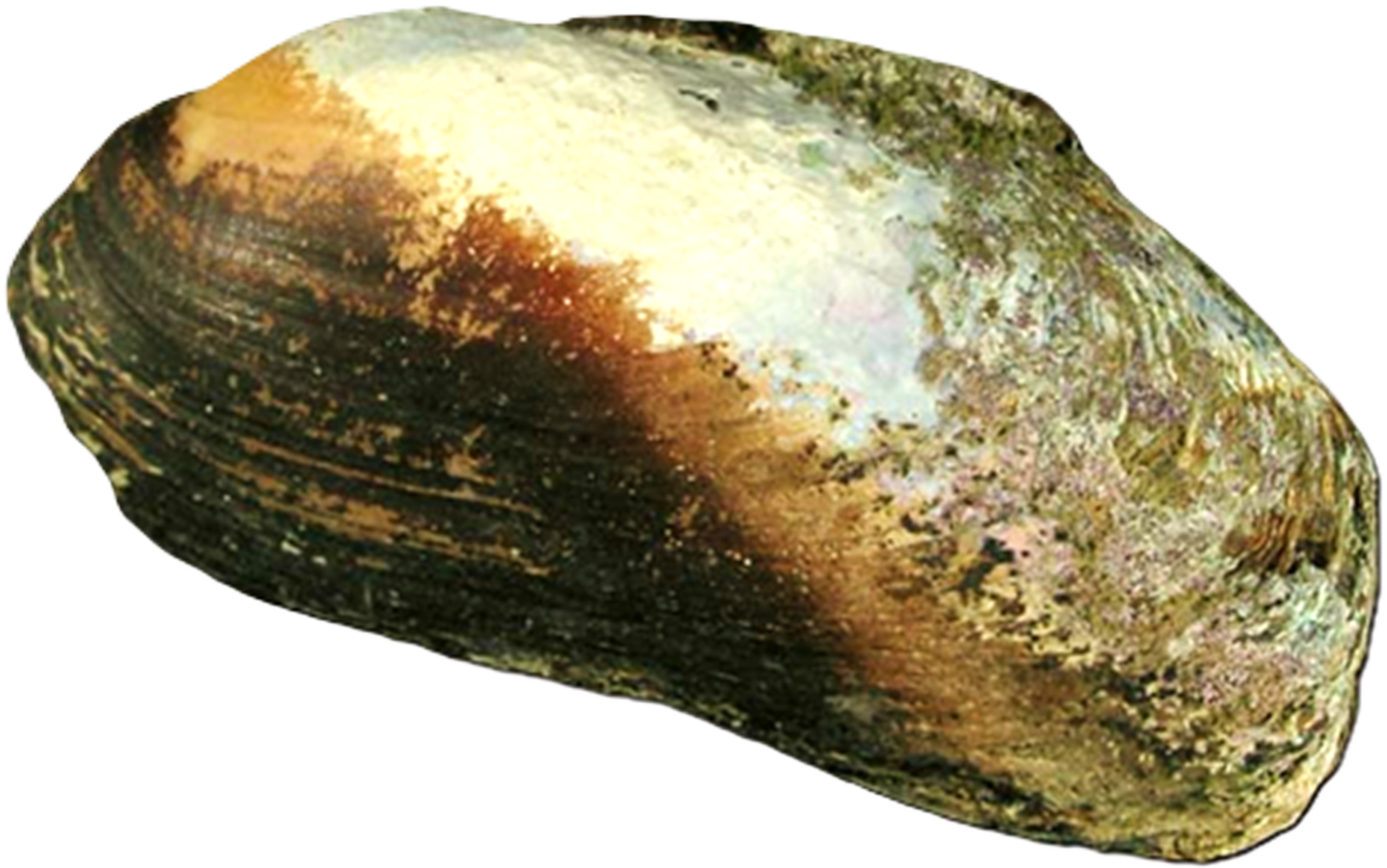
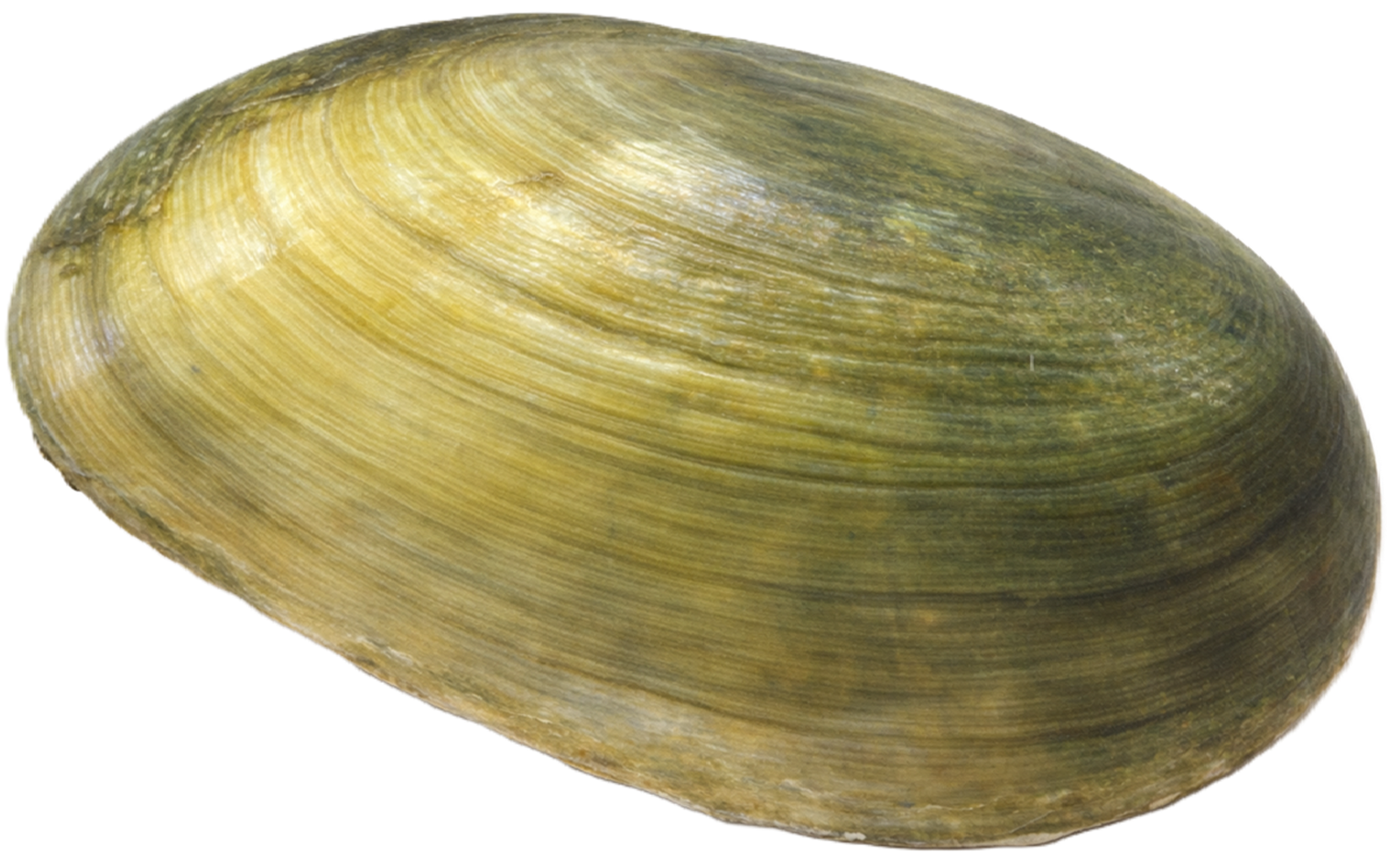
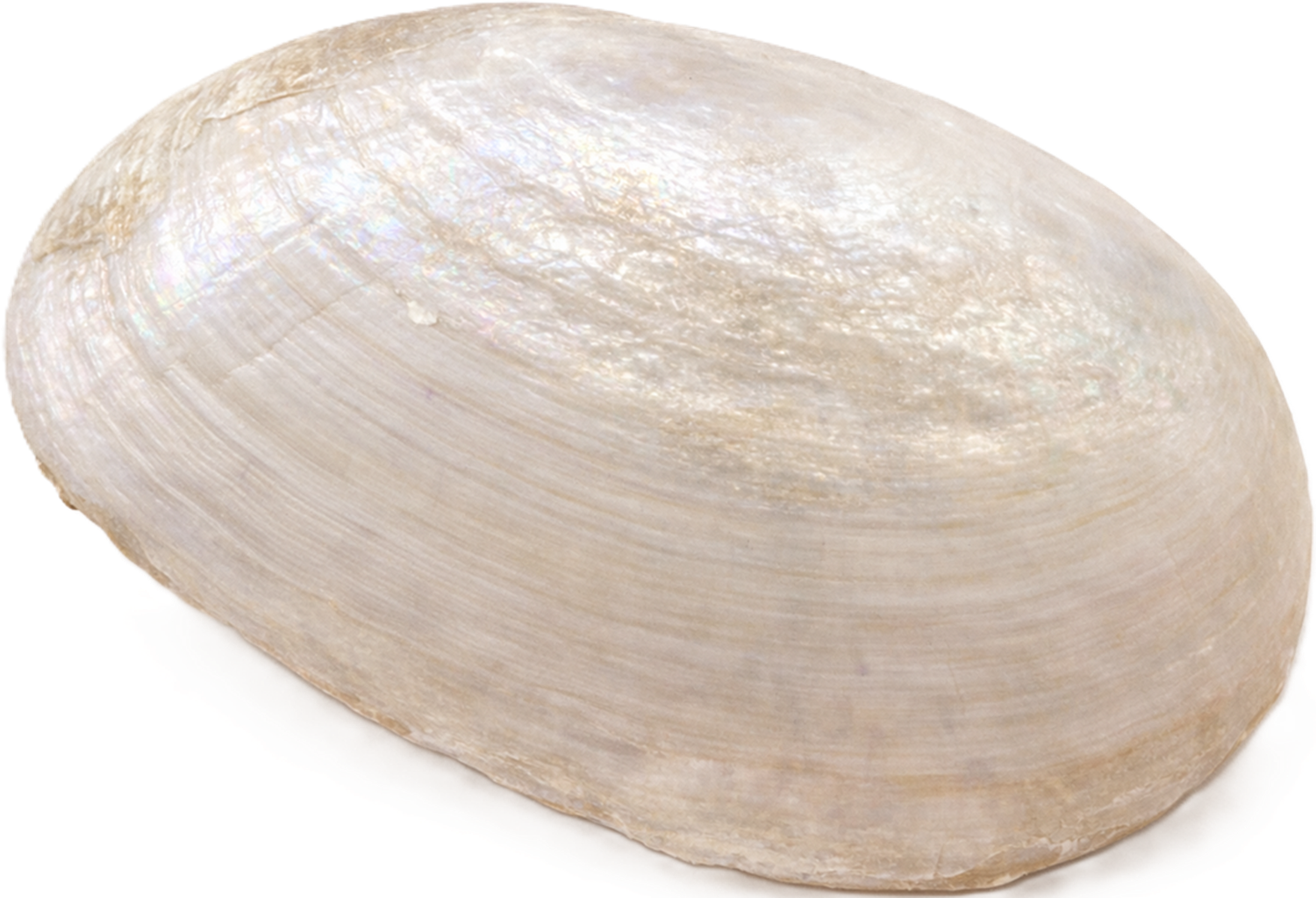
Sphaerium beckmani82Paleobiota of the Hell Creek Formation – Molluscs. Wikipedia, 21. Februar 2025. | Montana, North Dakota, South Dakota, Wyoming | Hell Creek Formation | 7 Exemplare | Salzwassermuschel (Sphaeriidae) |
|
|
Tancredia americana83Stanton, T. W. (1920). The fauna of the Cannonball marine member of the Lance formation. Professional Paper, U.S. Geological Survey, 128, 1–60. | North Dakota, South Dakota | untere marine Fazies | 11 Exemplare | Herzmuschel (Tancrediidae); synonym zu Hettangia americana |
|
|
Tancredia sp.84Stanton, T. W. (1920). The fauna of the Cannonball marine member of the Lance formation. Professional Paper, U.S. Geological Survey, 128, 1–60. | — | untere marine Fazies | — | Herzmuschel (Tancrediidae), gehört vielleicht nicht zu Tancredia |
|
|
Trigonia hancocki85Stanton, T. W. (1920). The fauna of the Cannonball marine member of the Lance formation. Professional Paper, U.S. Geological Survey, 128, 1–60. | North Dakota, South Dakota | obere marine Fazies (Cannonball Member) | — | Dreiecksmuschel (Trigoniidae); gehört vielleicht nicht zu Trigonia |
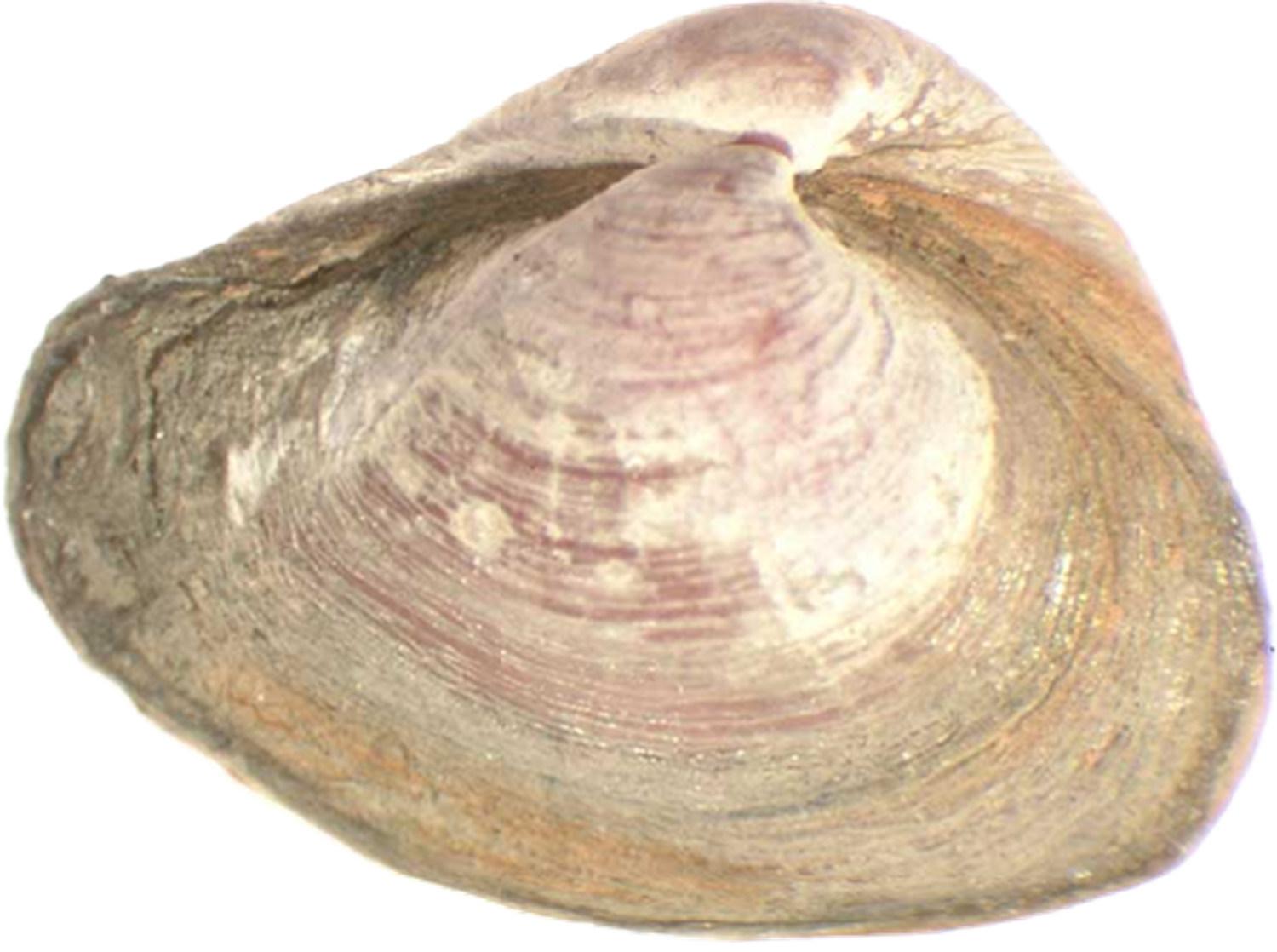 |
Varicorbula gibba86Stanton, T. W. (1920). The fauna of the Cannonball marine member of the Lance formation. Professional Paper, U.S. Geological Survey, 128, 1–60.
|
North Dakota, South Dakota | obere marine Fazies (Cannonball Member) | — | Korbmuschel (Corbulidae), synonym zu Corbula mactriformis |
|
|
Veloritina occidentalis87Stanton, T. W. (1920). The fauna of the Cannonball marine member of the Lance formation. Professional Paper, U.S. Geological Survey, 128, 1–60. | South Dakota | untere marine Fazies | — | Körbchenmuschel (Corbiculidae); synonym zu Corbicula cytheriformis und Corbicula occidentalis |
|
|
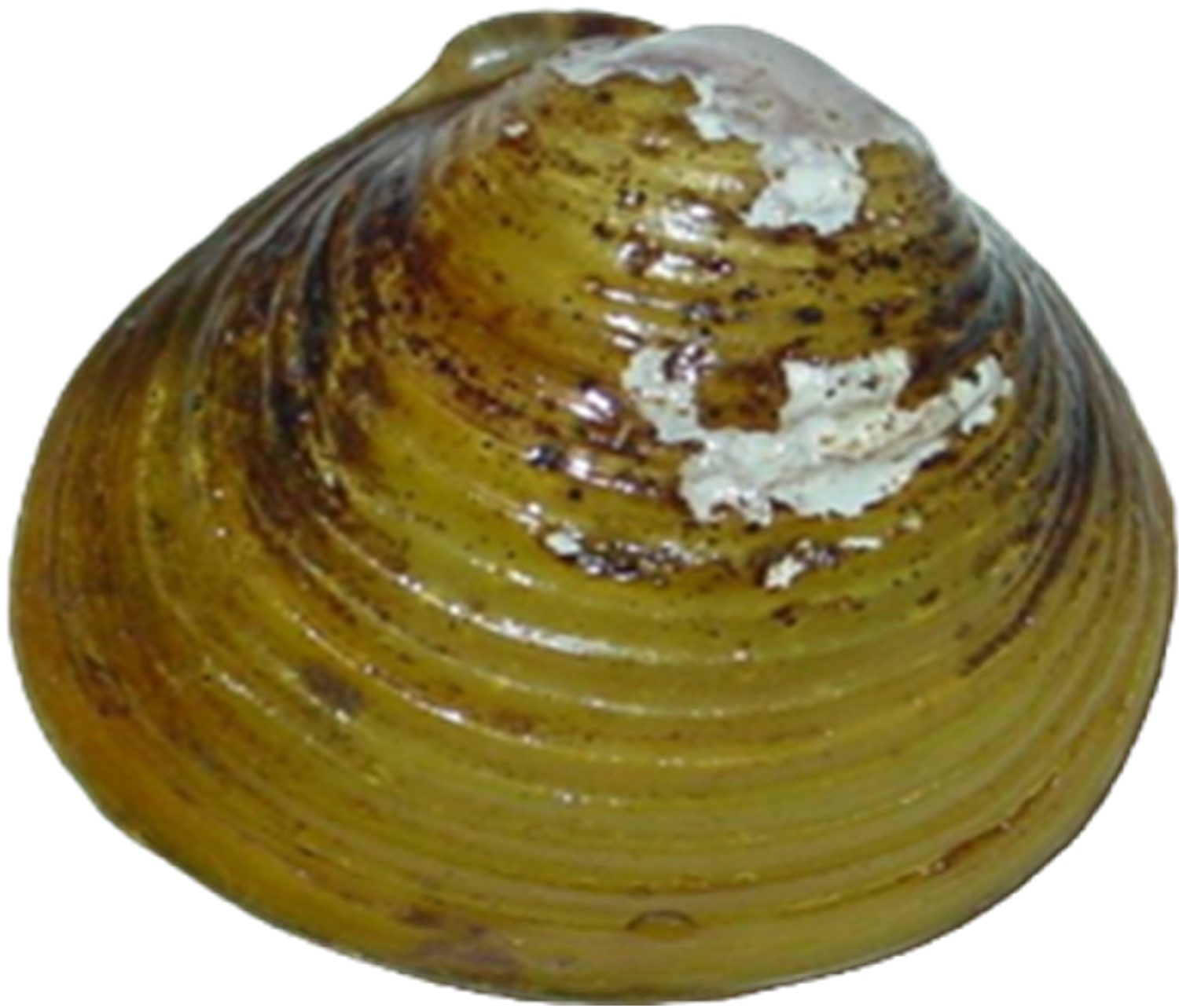
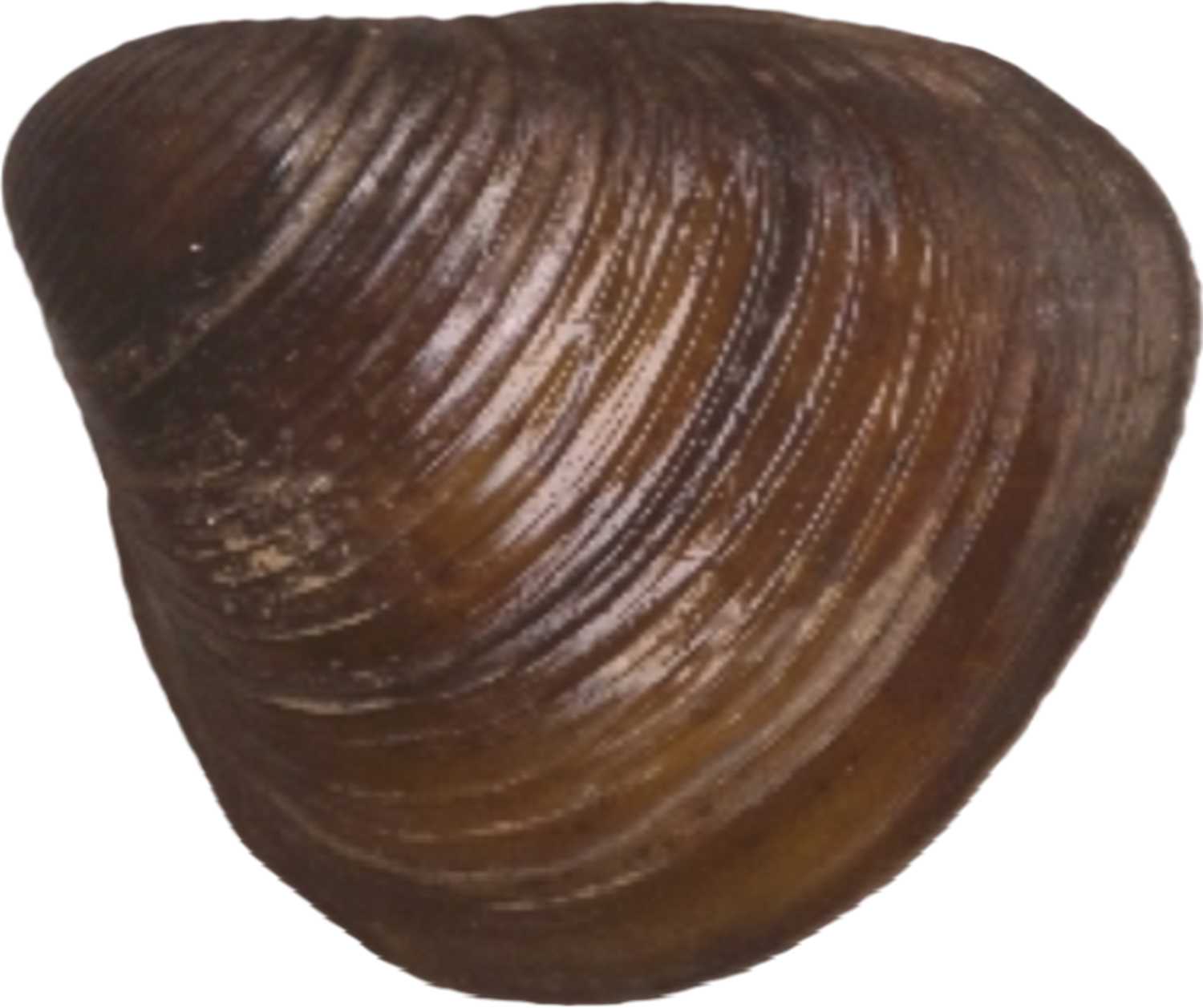
Yoldia thomi88Stanton, T. W. (1920). The fauna of the Cannonball marine member of the Lance formation. Professional Paper, U.S. Geological Survey, 128, 1–60. | North Dakota, South Dakota | obere marine Fazies (Cannonball Member) | — | Salzwasssermuschel (Yoldiidae) |
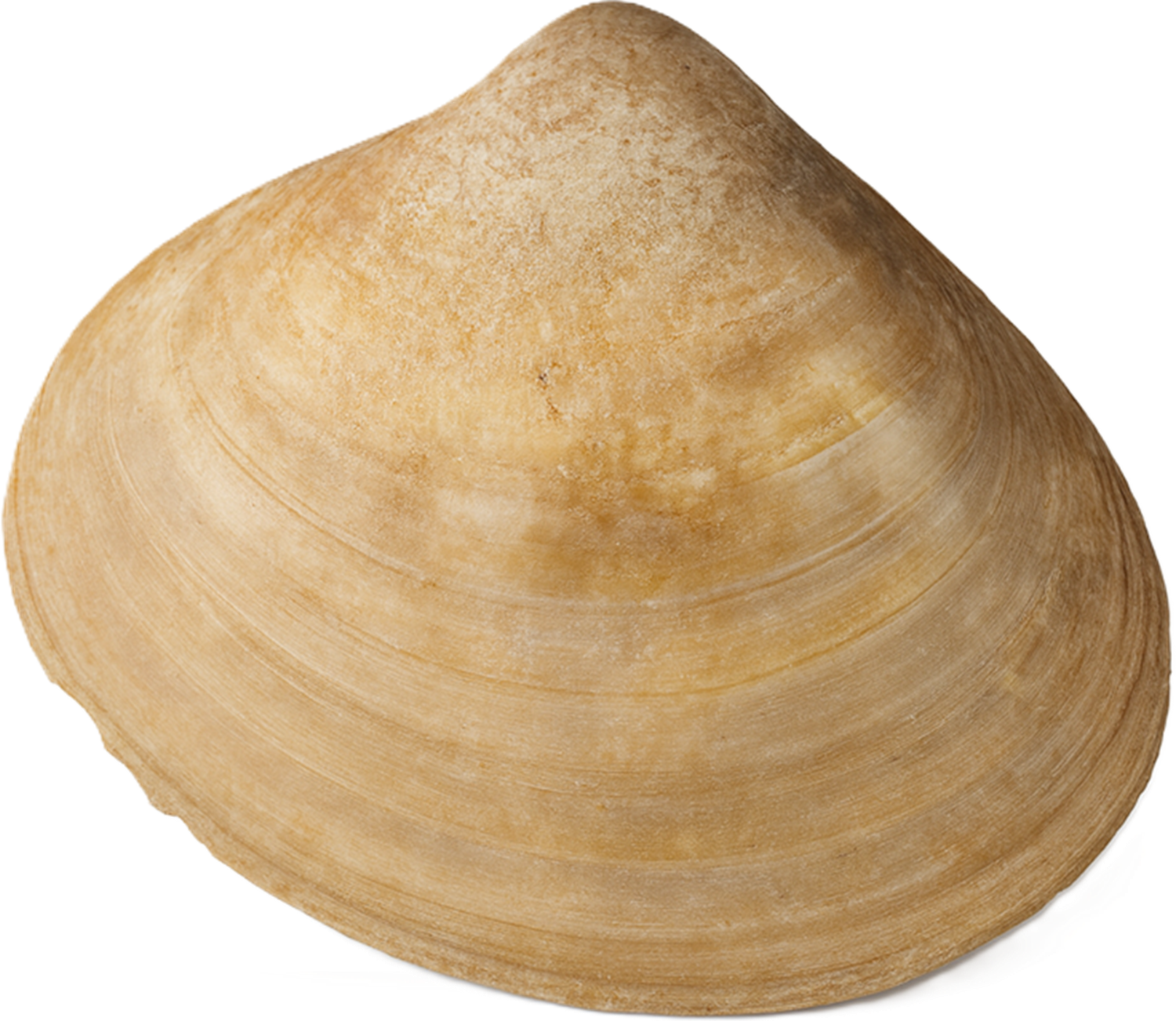
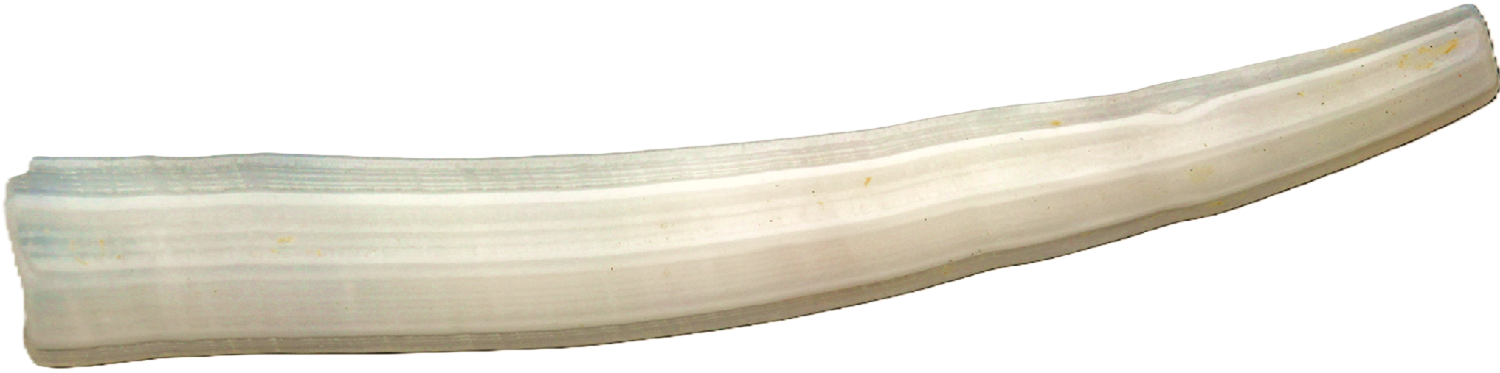
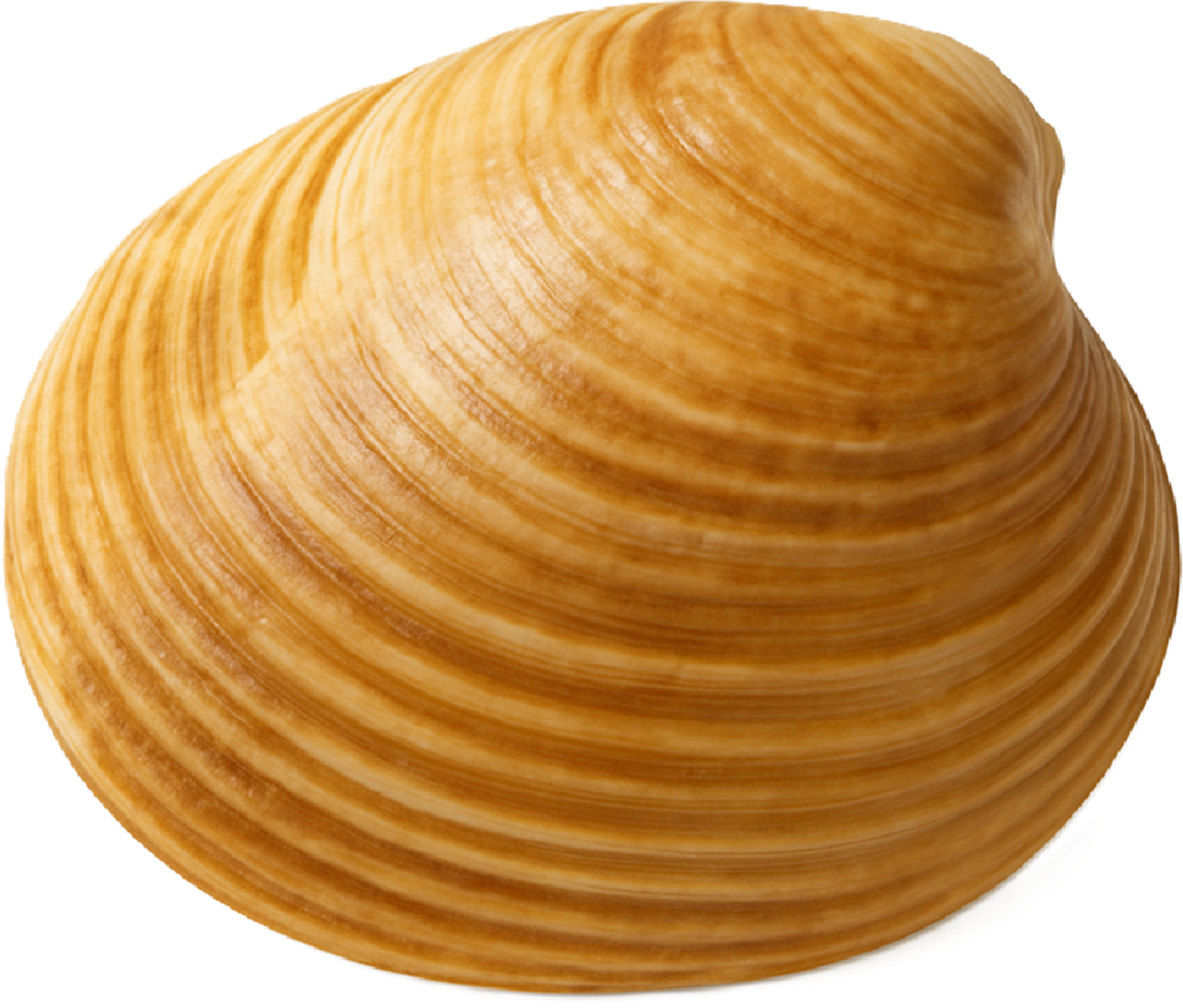

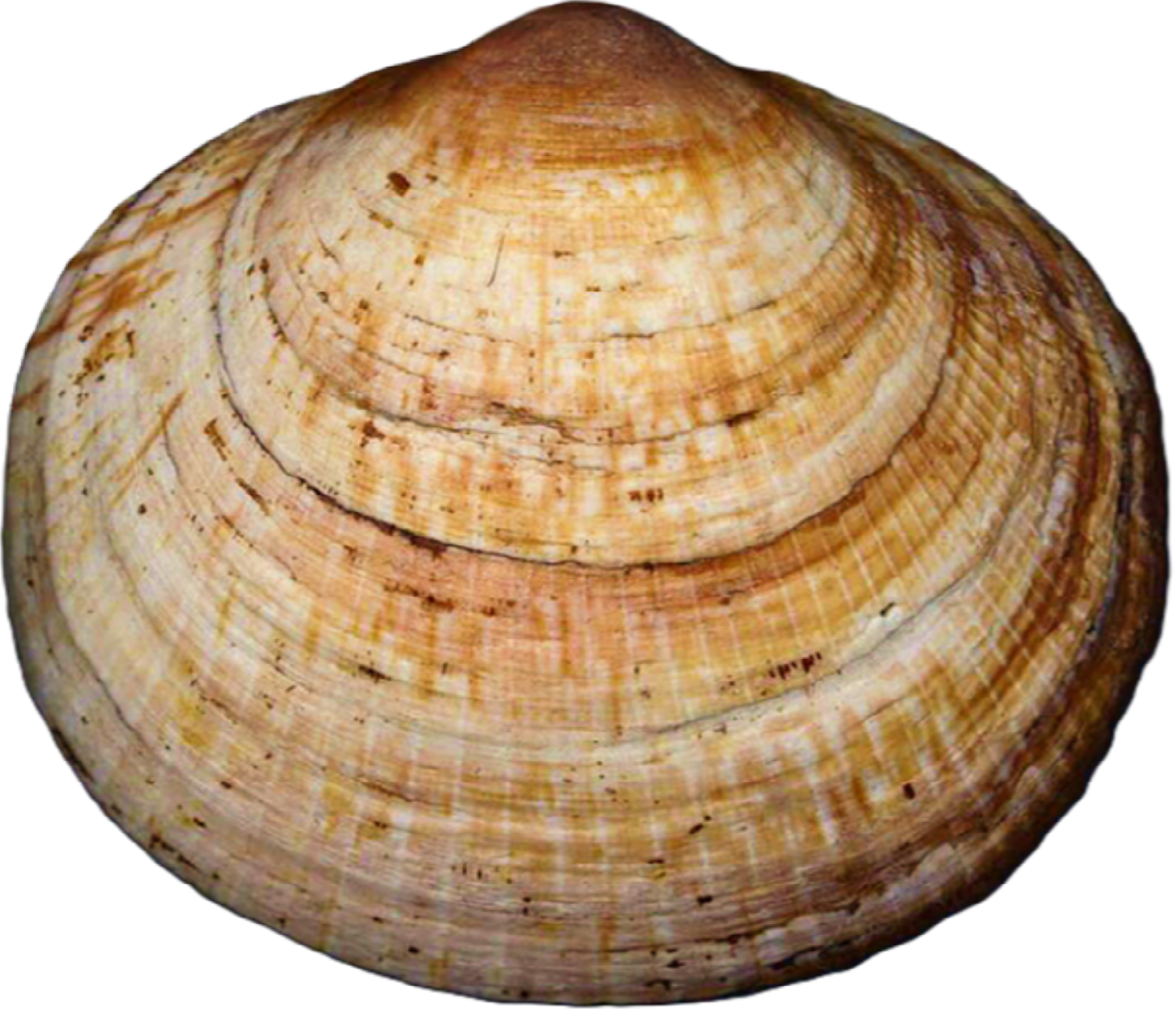
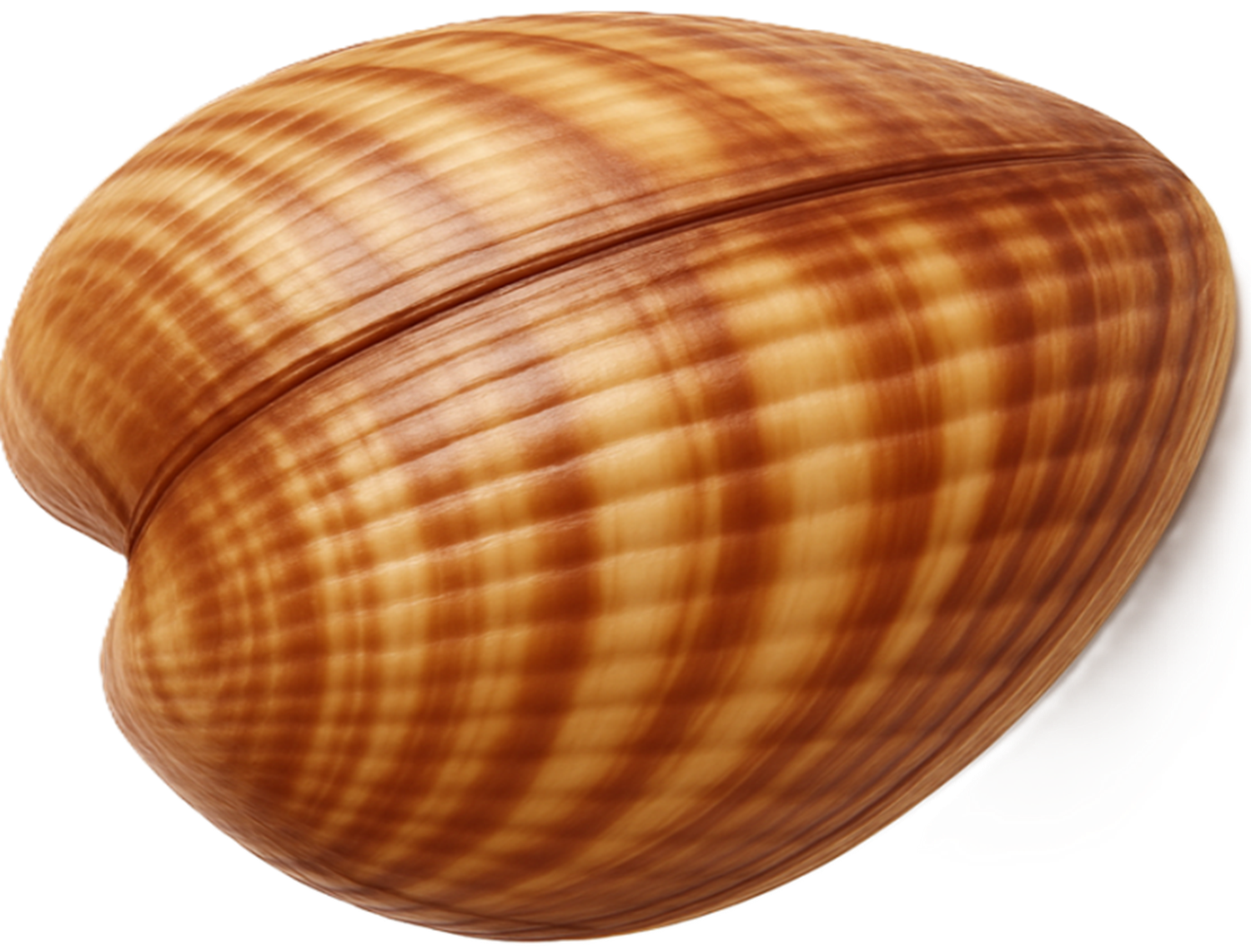
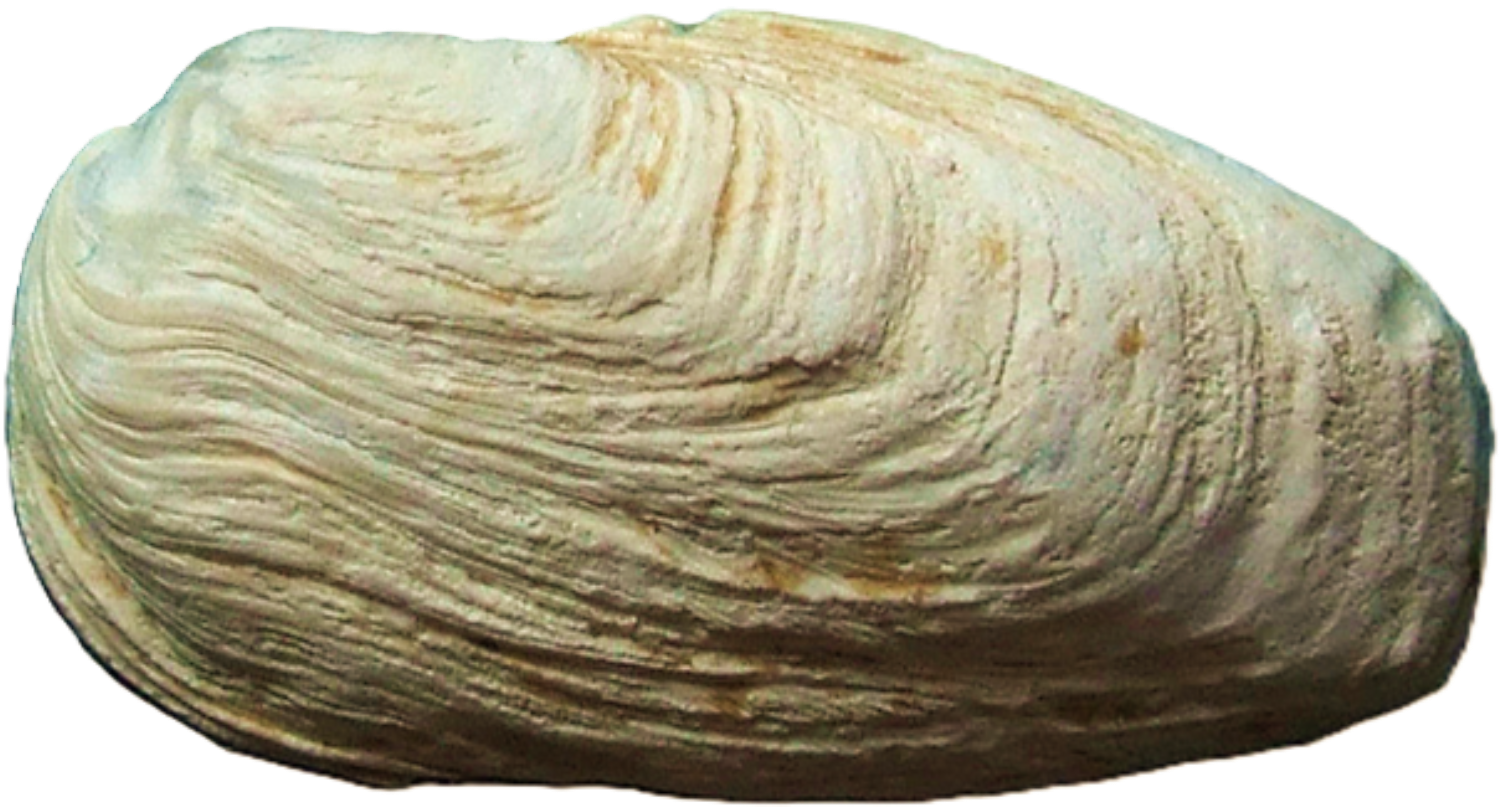
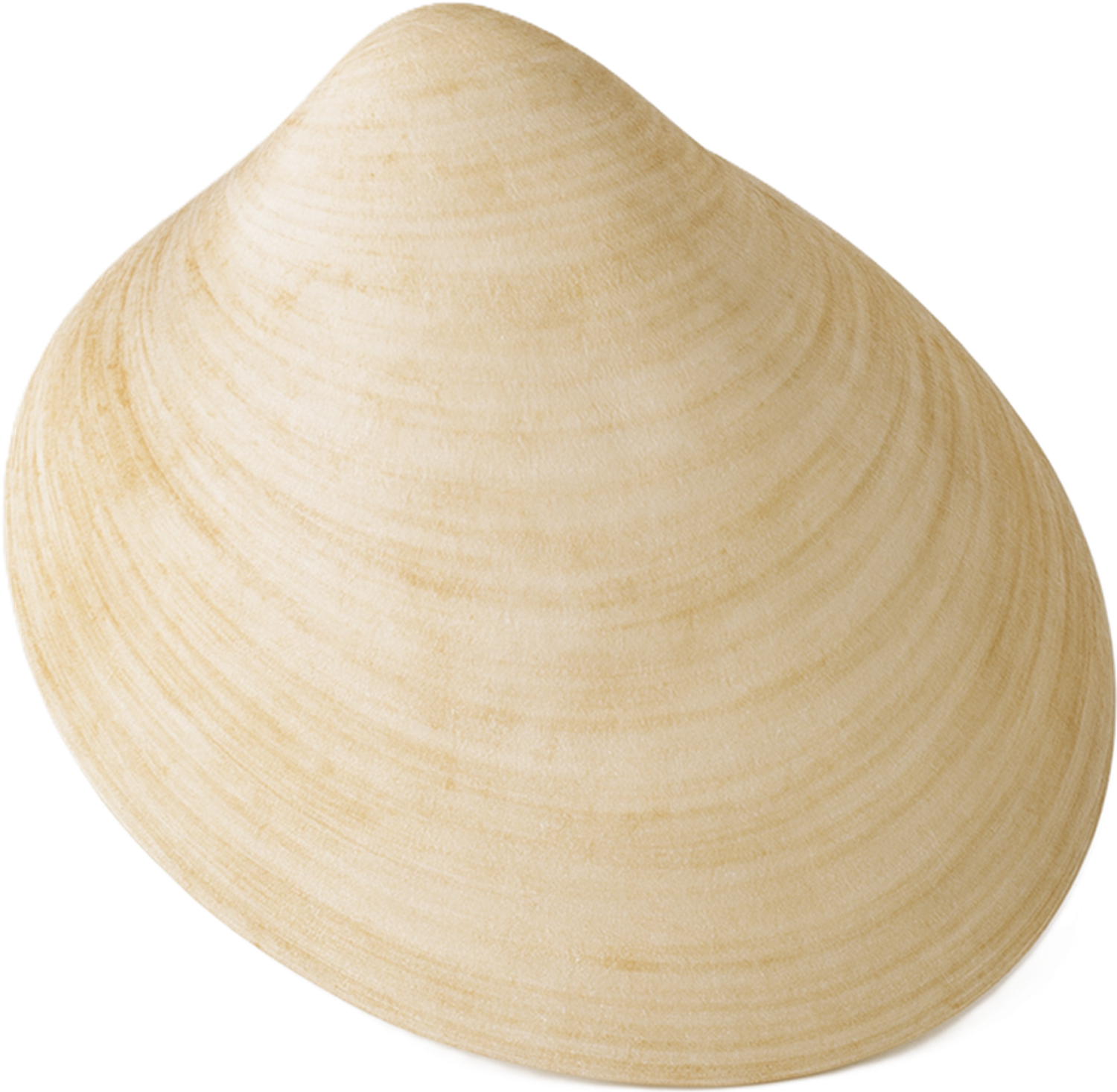
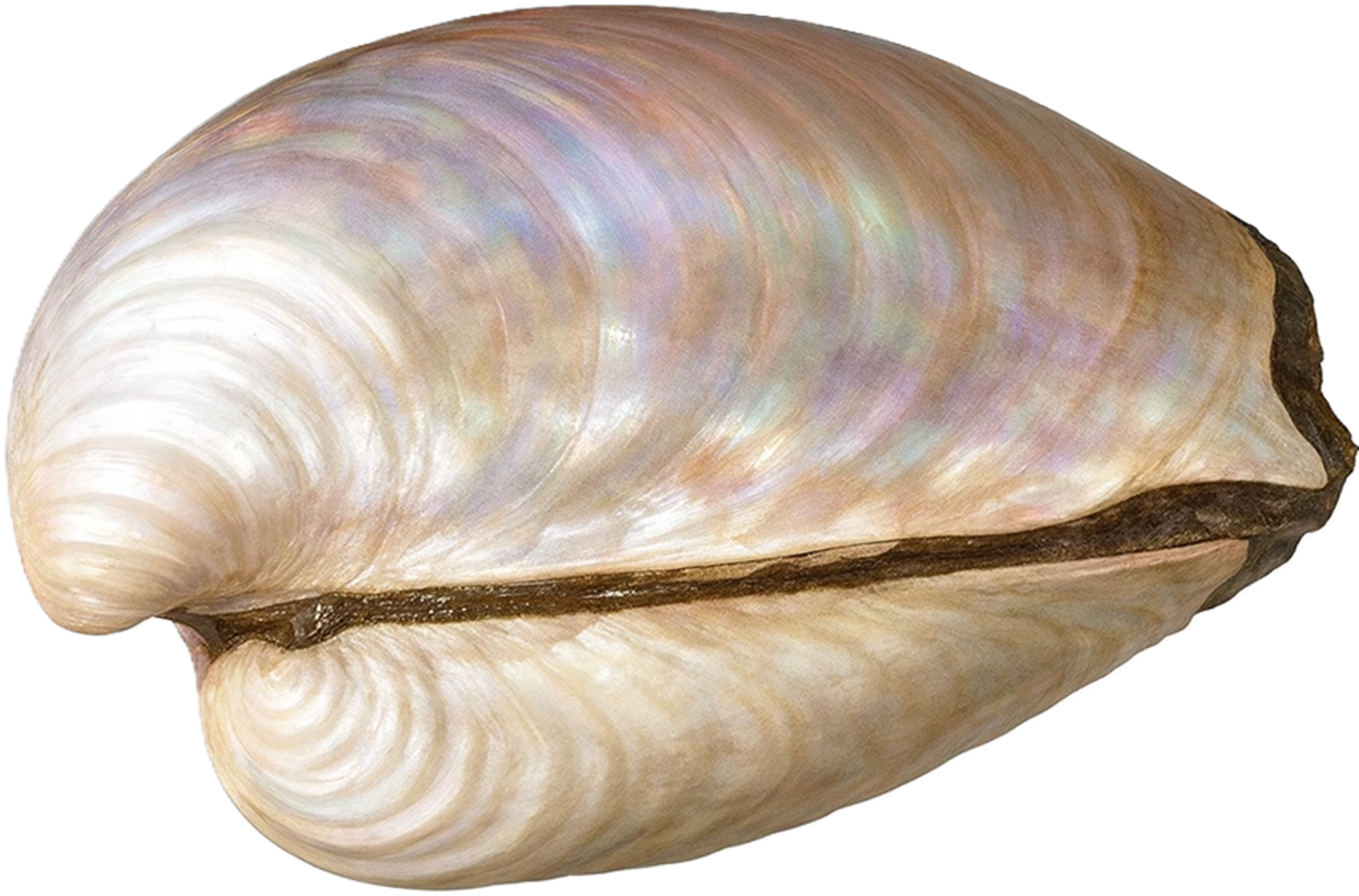

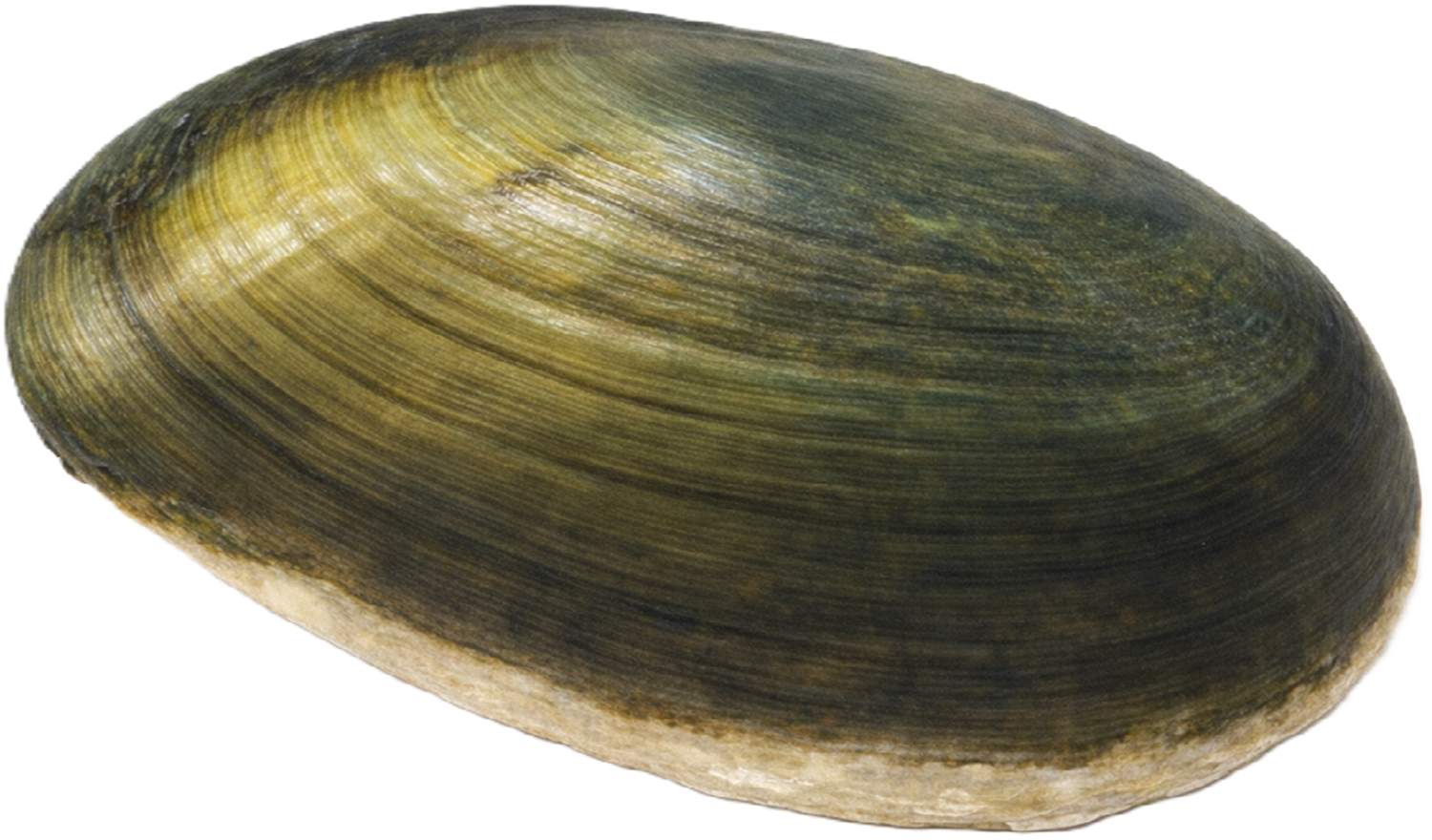
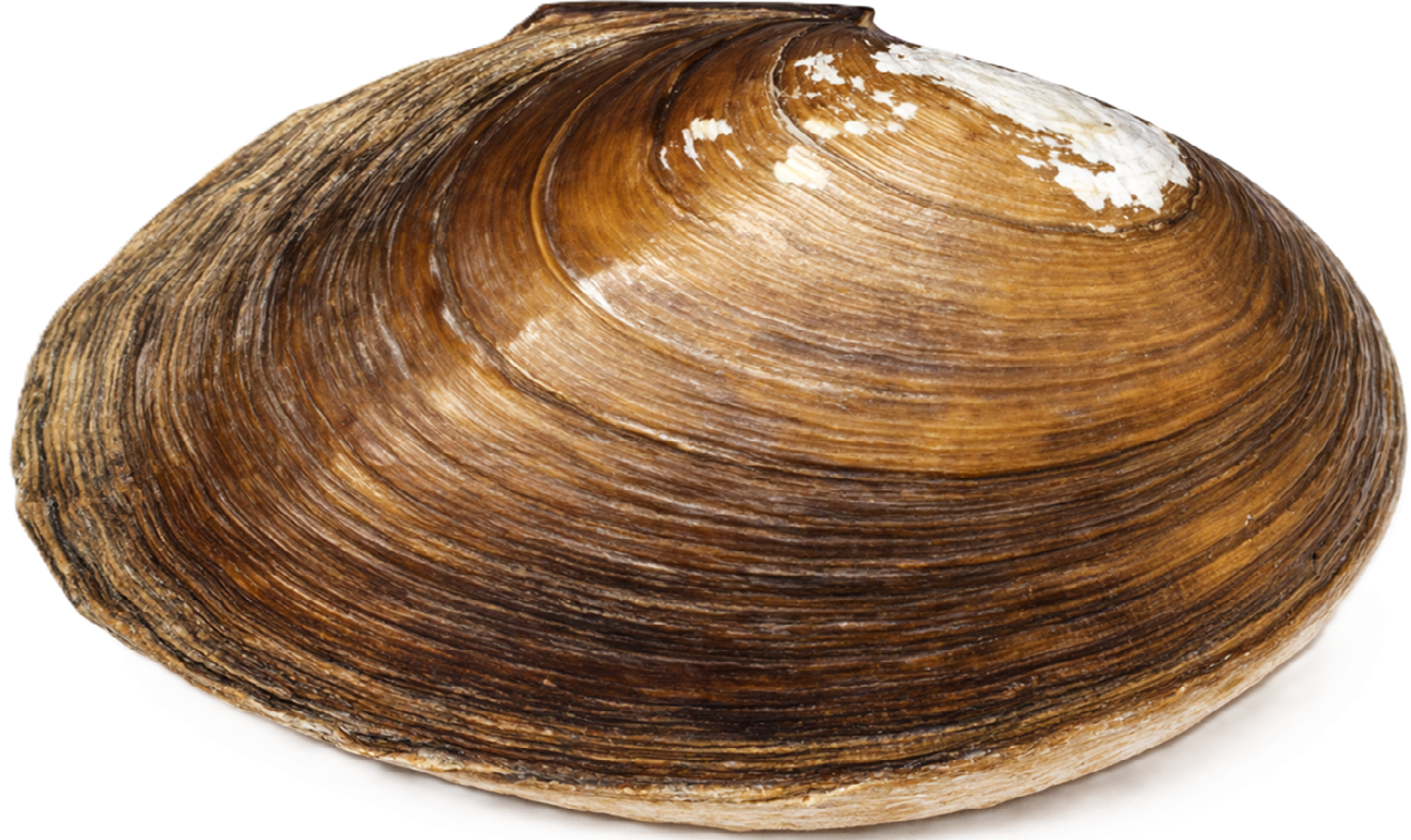
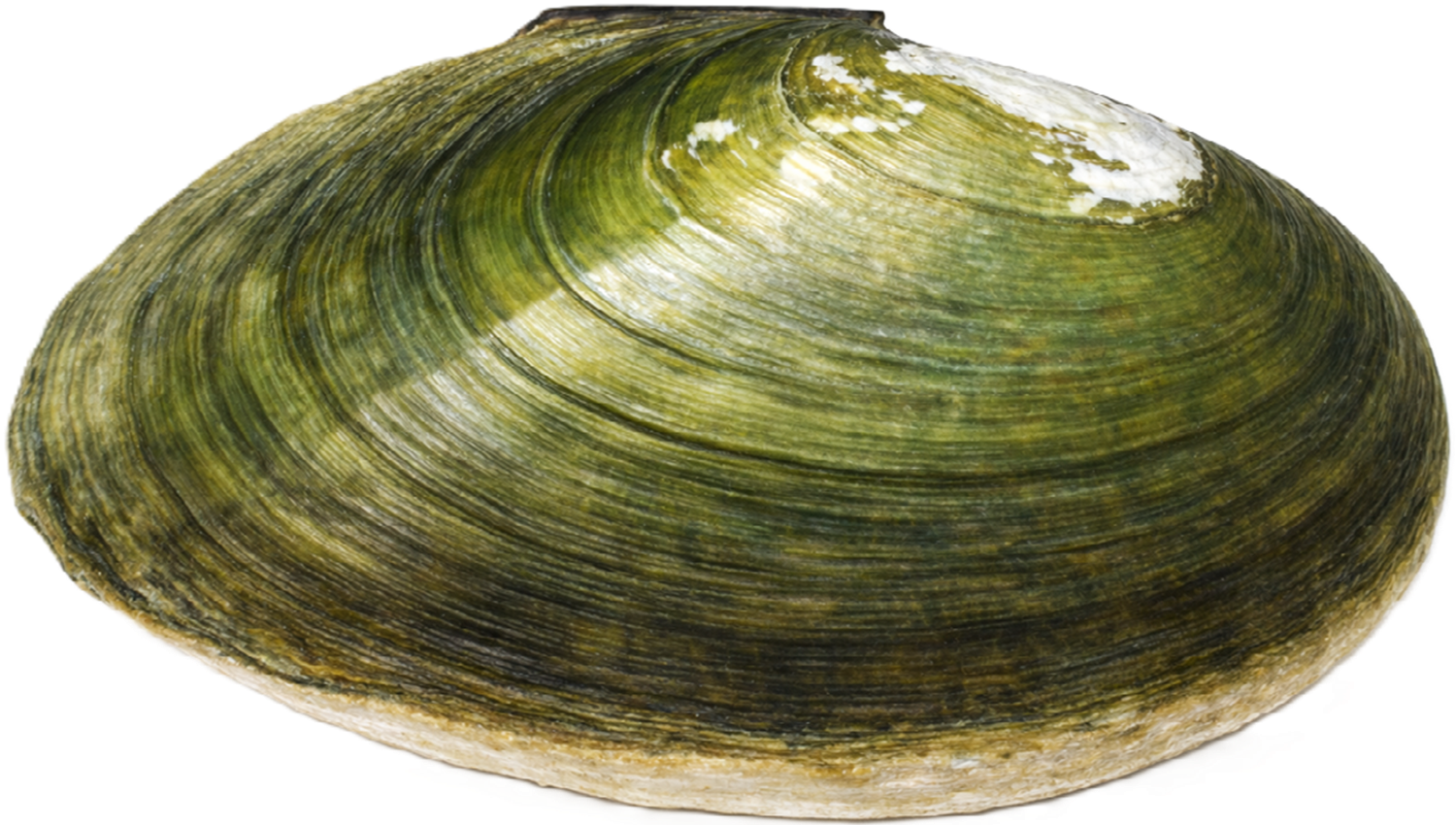
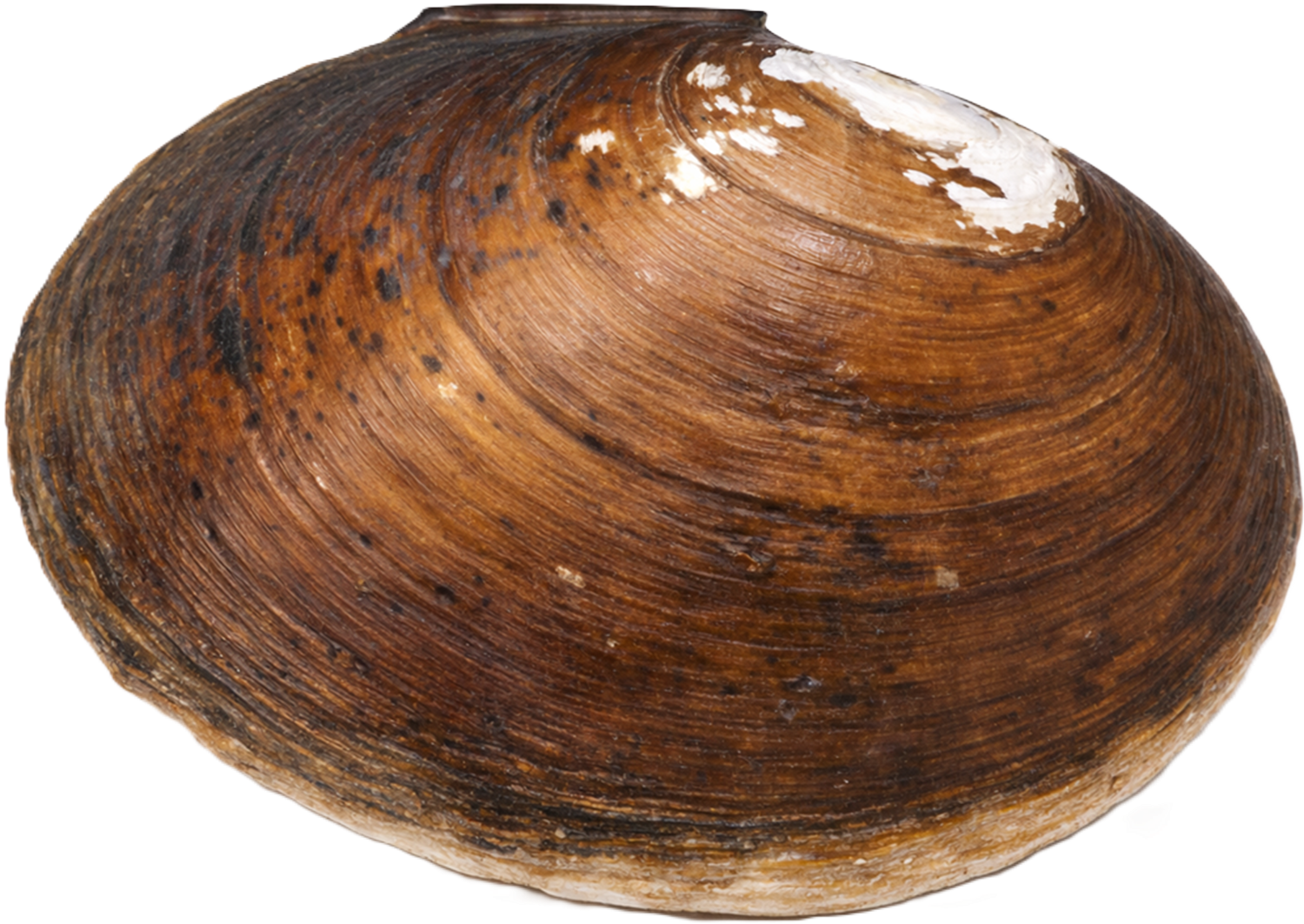
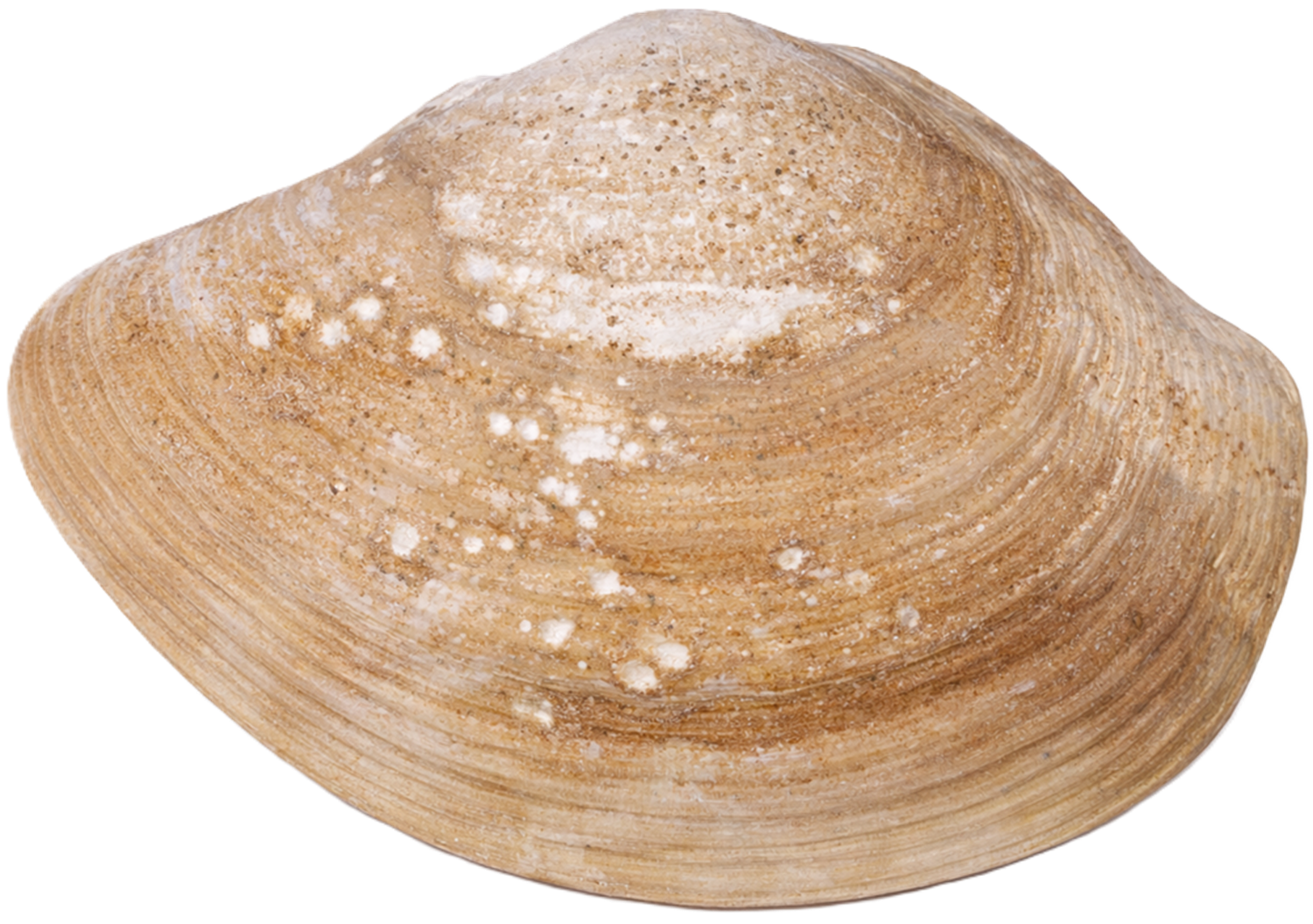
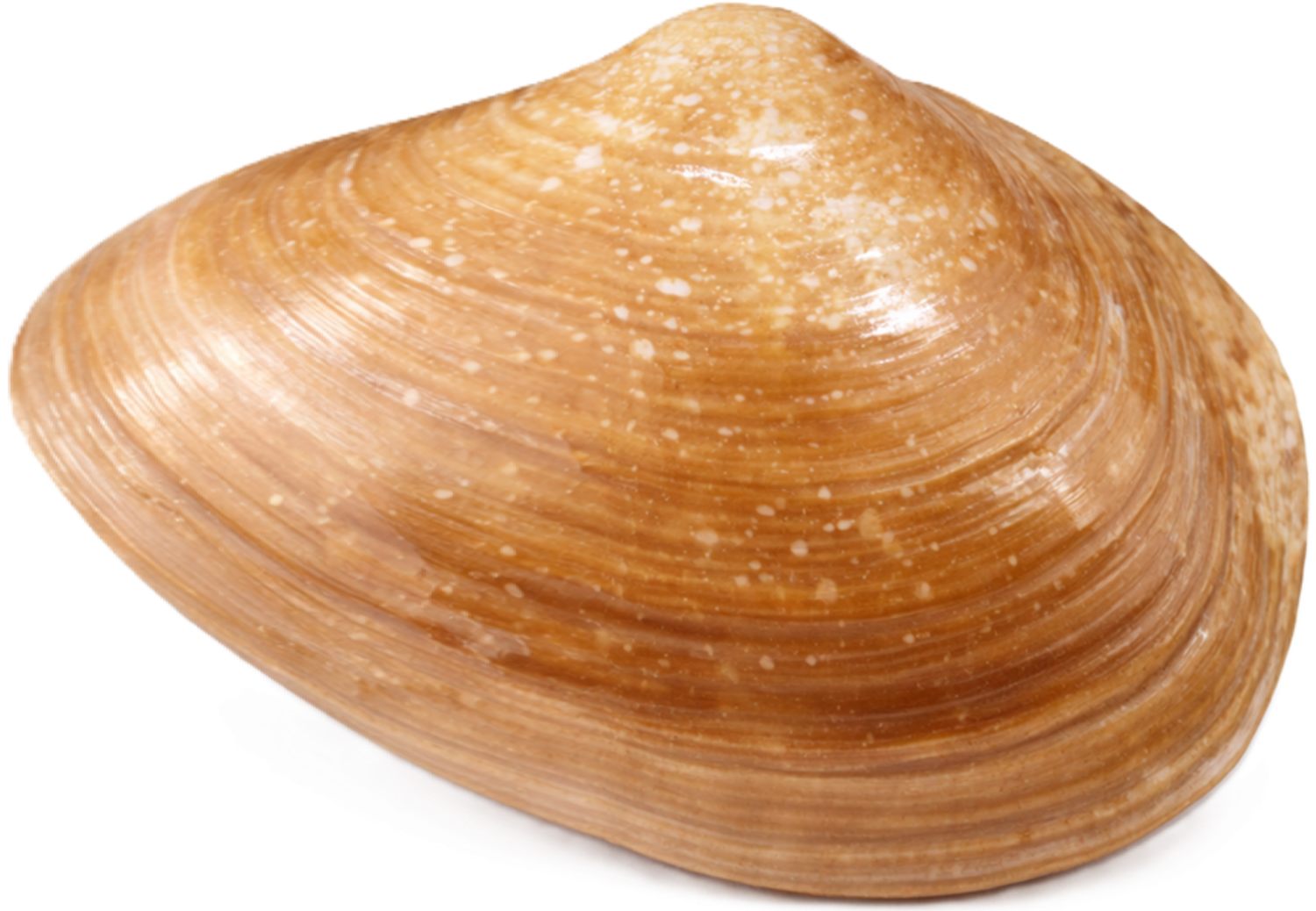
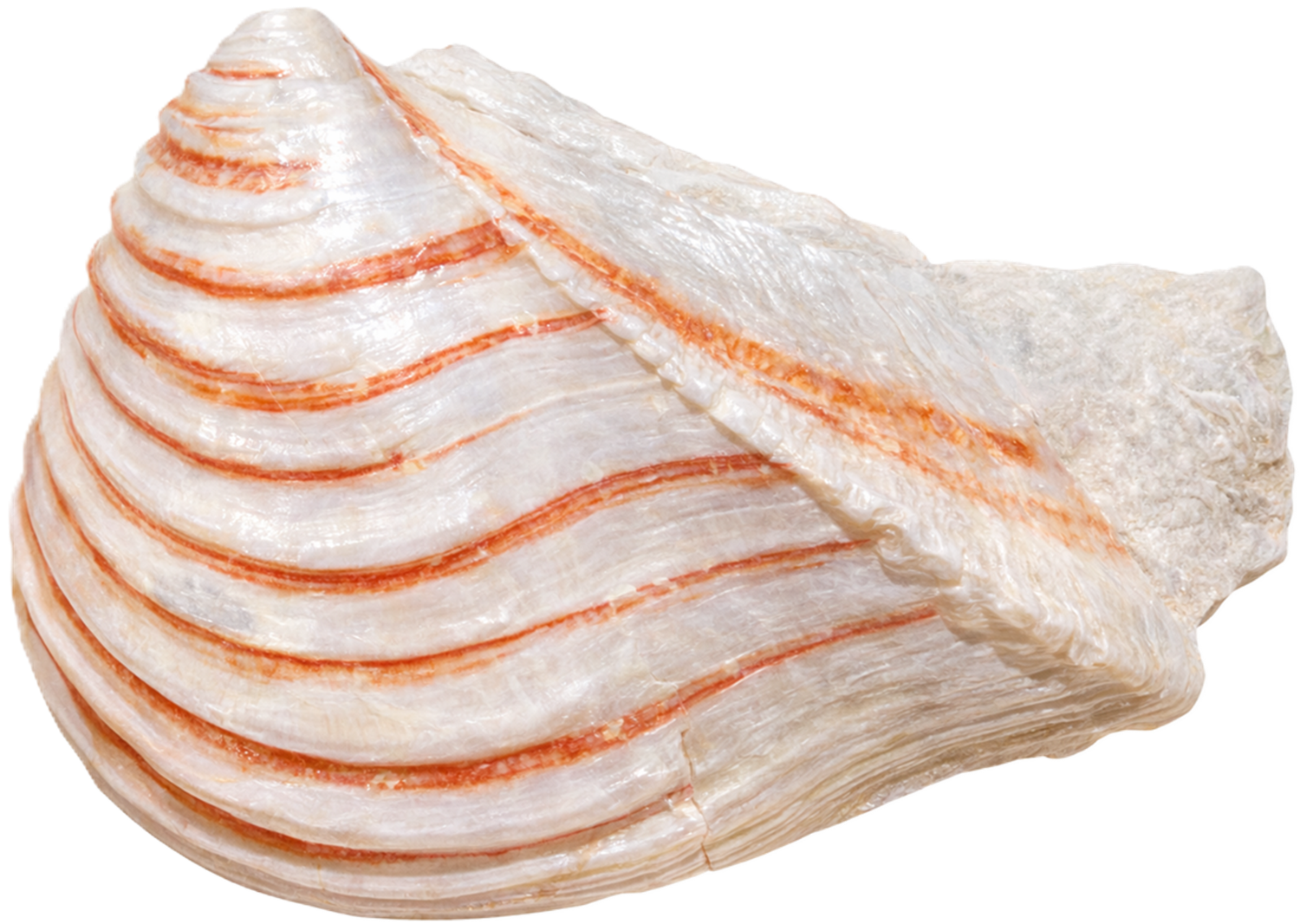
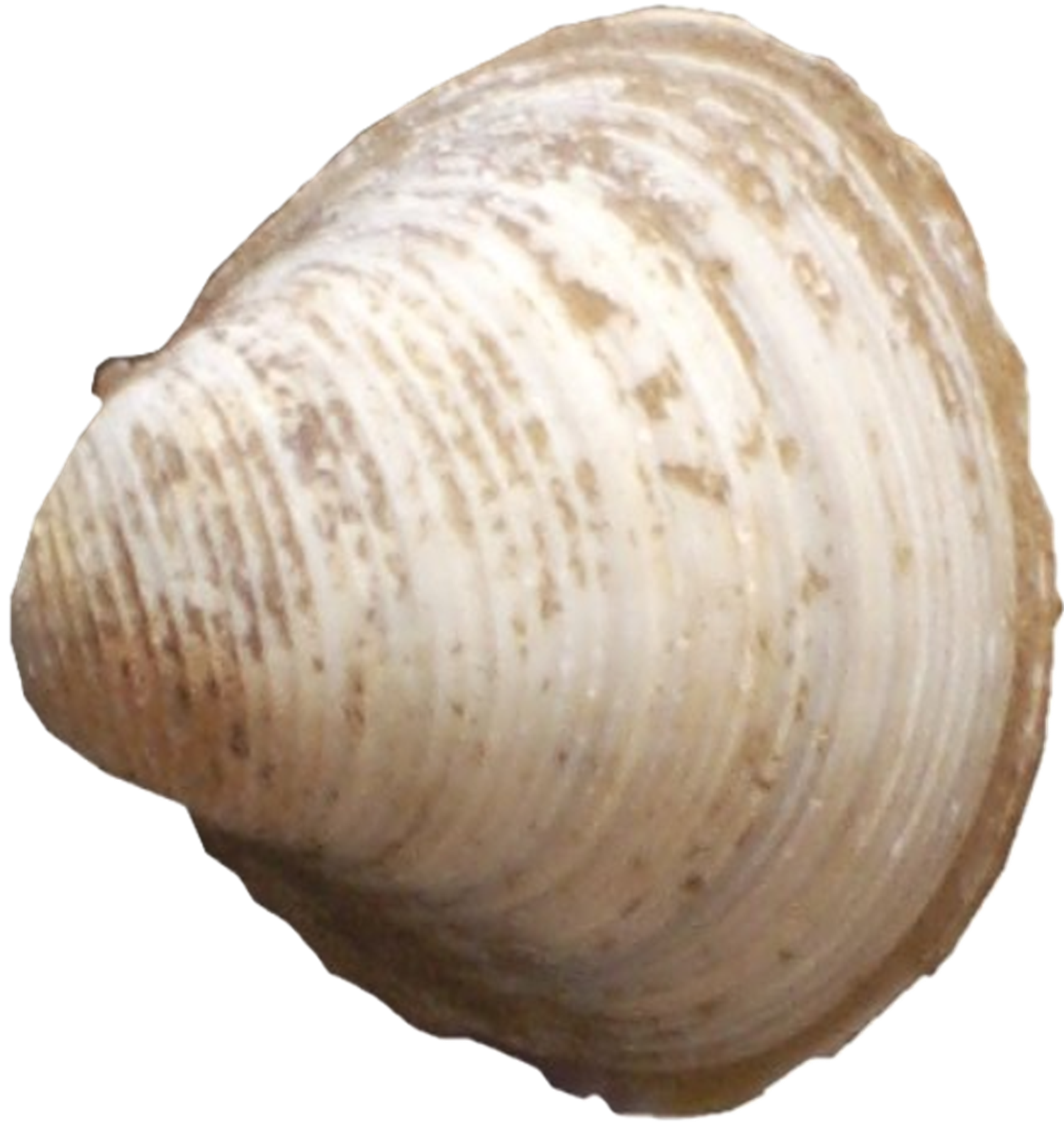
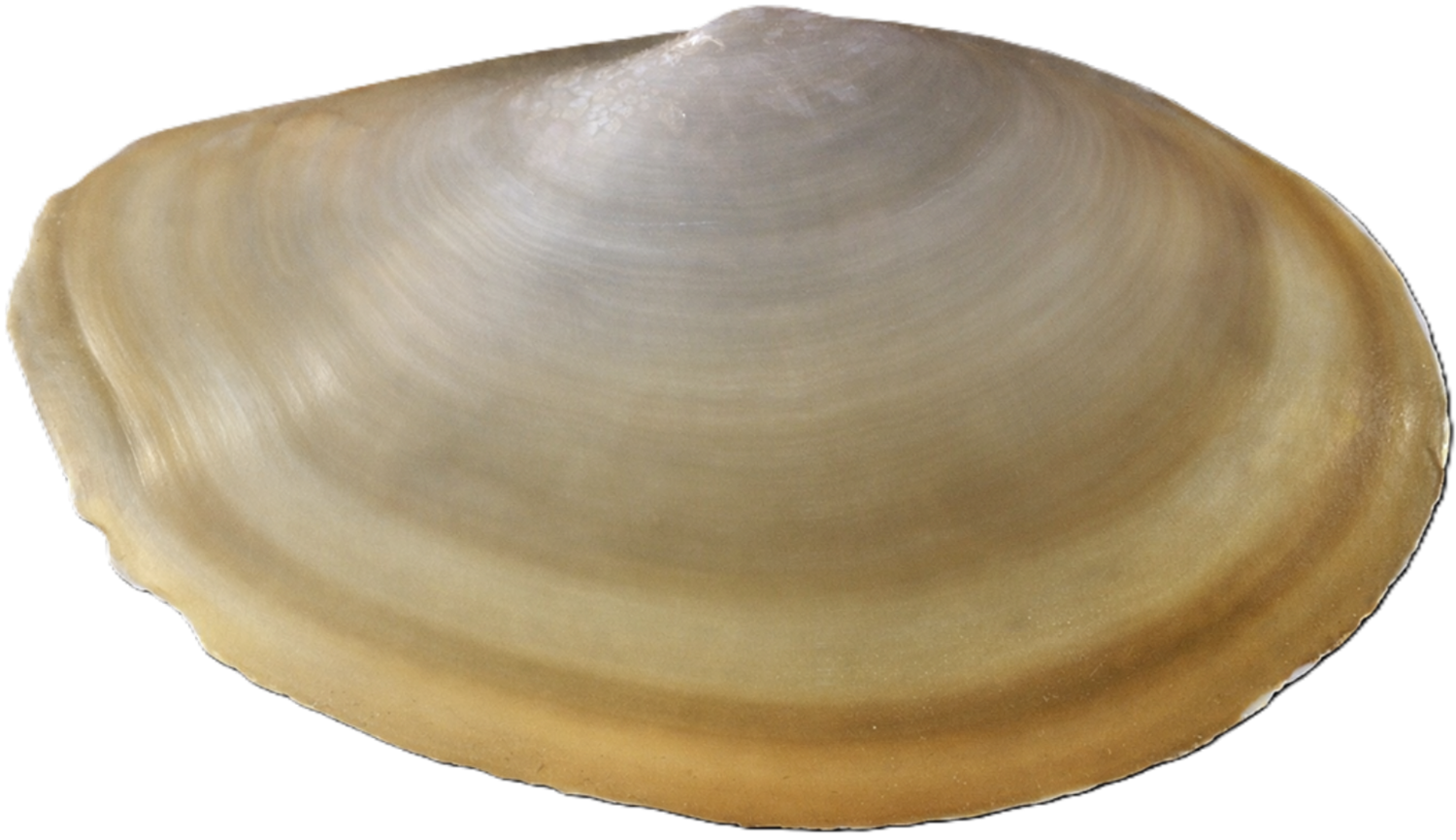

Schnecken:
| Bild: | Spezies: | Fundort: | Stratigraphische Position: | Bekanntes Material: | Bemerkungen: |
|---|---|---|---|---|---|
|
|
Campeloma sp.89Paleobiota of the Hell Creek Formation – Molluscs. Wikipedia, 21. Februar 2025. | — | Hell Creek Formation | — | Süßwasserschnecke (Viviparidae) |
| — | Cinulia coacinna90Stanton, T. W. (1920). The fauna of the Cannonball marine member of the Lance formation. Professional Paper, U.S. Geological Survey, 128, 1–60. | — | untere marine Fazies | — | Salzwasserschnecke (Ringiculidae); Nomen dubium |
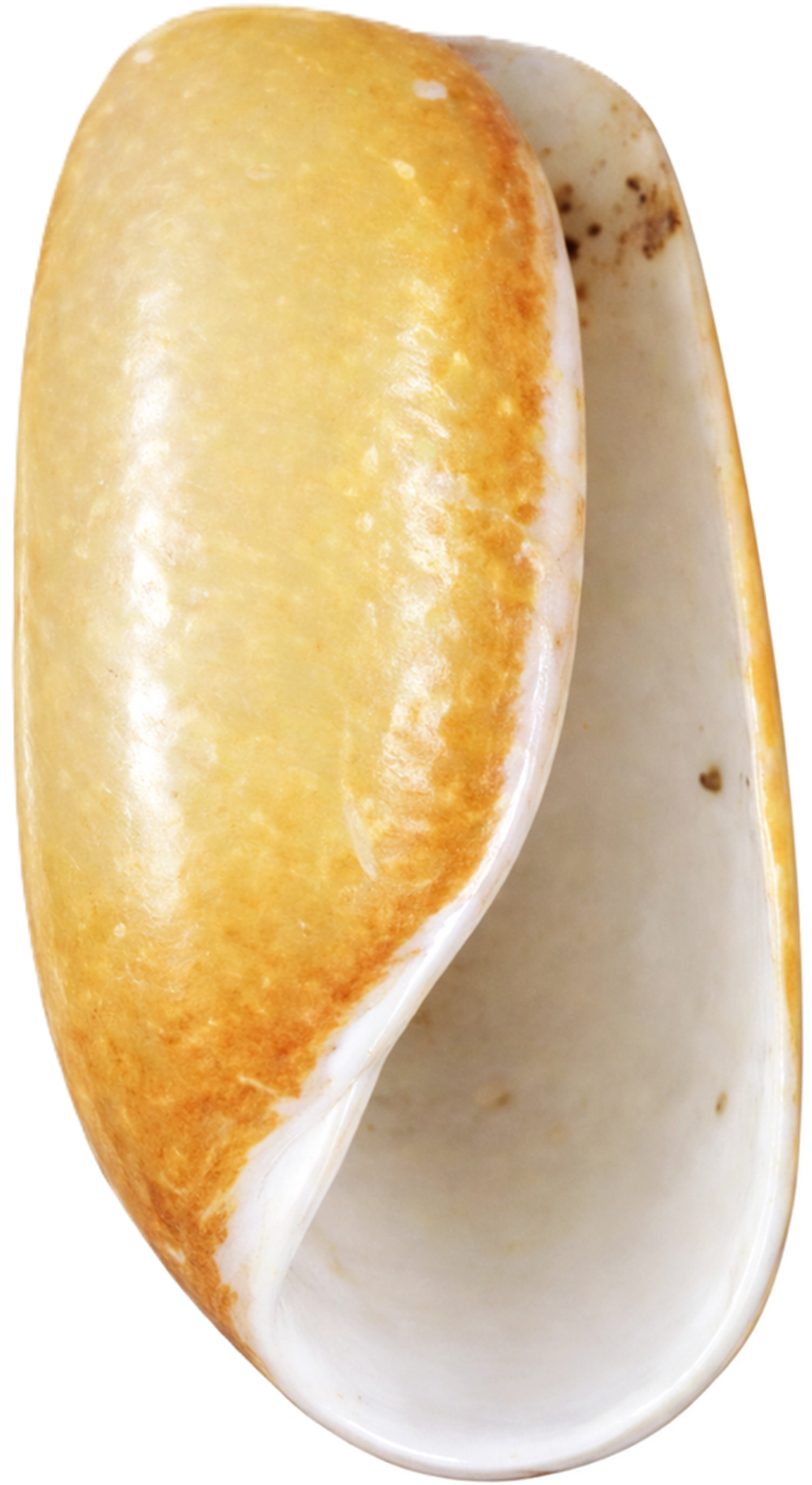 |
Cylichna volvaria91Stanton, T. W. (1920). The fauna of the Cannonball marine member of the Lance formation. Professional Paper, U.S. Geological Survey, 128, 1–60. | — | untere marine Fazies | — | Kanu-Blasenschnecke (Cylichnidae) |
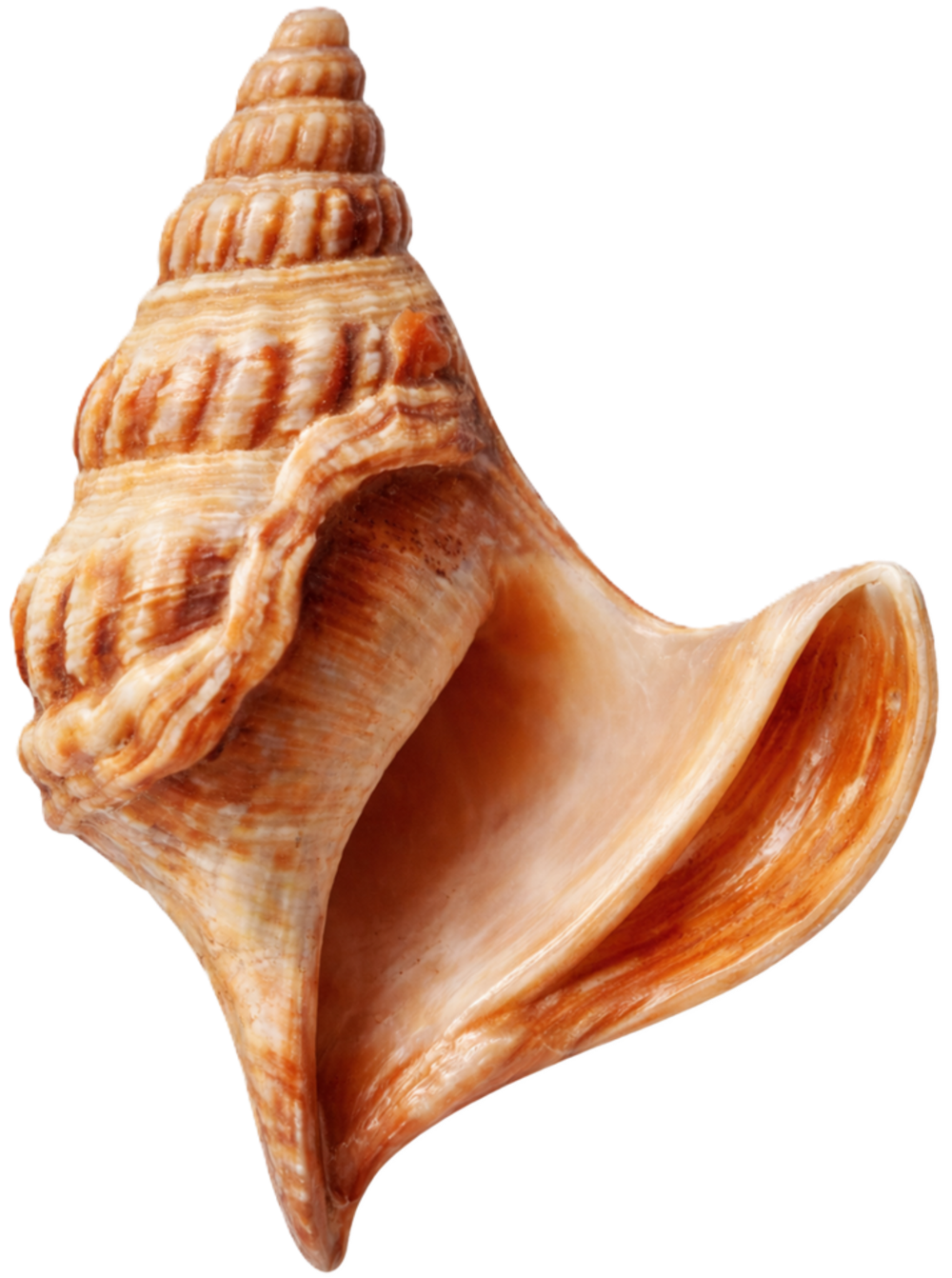 |
Drepanochilus evansi92Stanton, T. W. (1920). The fauna of the Cannonball marine member of the Lance formation. Professional Paper, U.S. Geological Survey, 128, 1–60. | South Dakota | untere marine Fazies | — | Pelikanfuß (Aporrhaidae); Synonym zu Anchura americana und Drepanocheilus americanus |
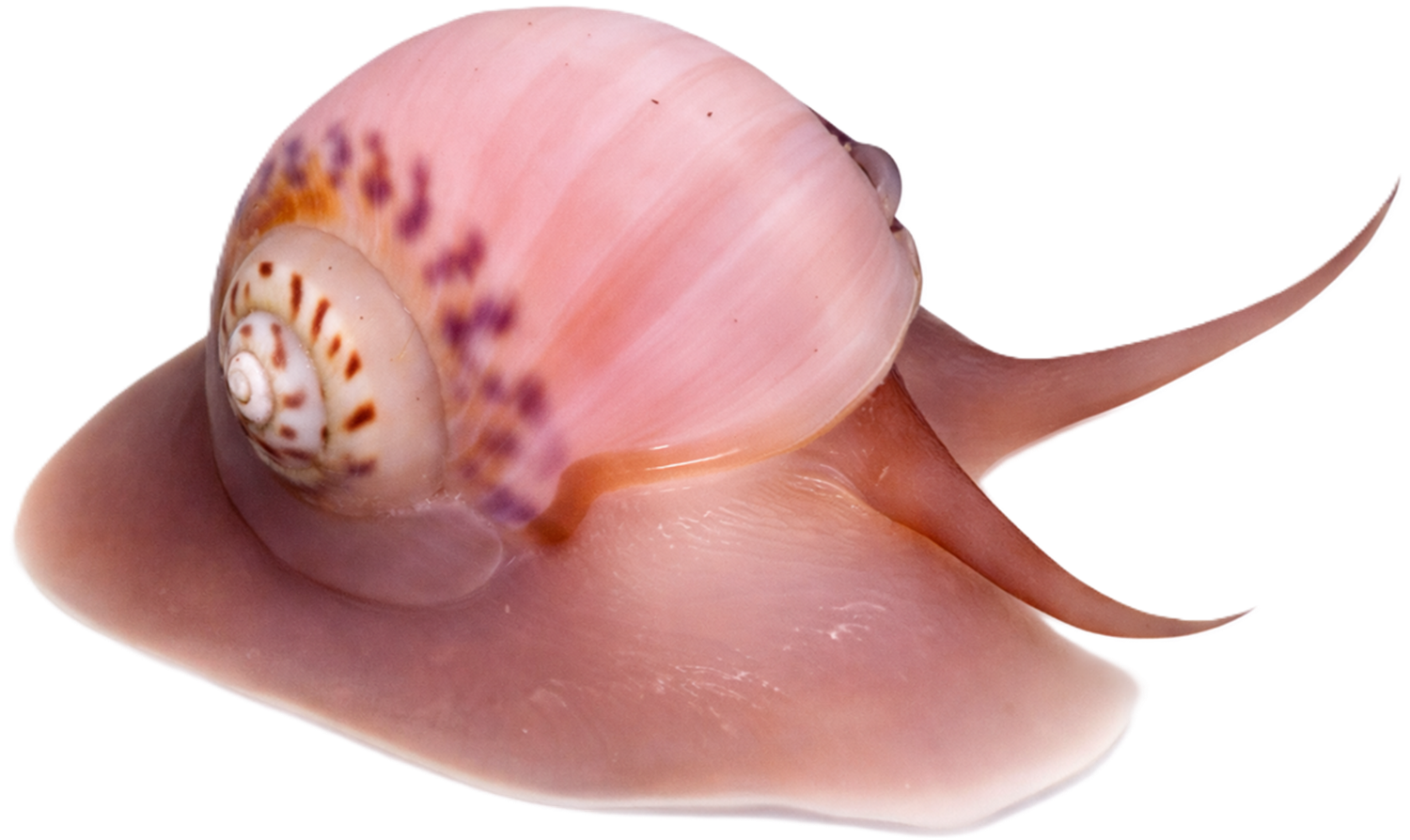 |
Euspira concinna93Stanton, T. W. (1920). The fauna of the Cannonball marine member of the Lance formation. Professional Paper, U.S. Geological Survey, 128, 1–60. | — | untere marine Fazies | — | Mondschnecke (Naticidae); synonym zu Lunatia concinna |
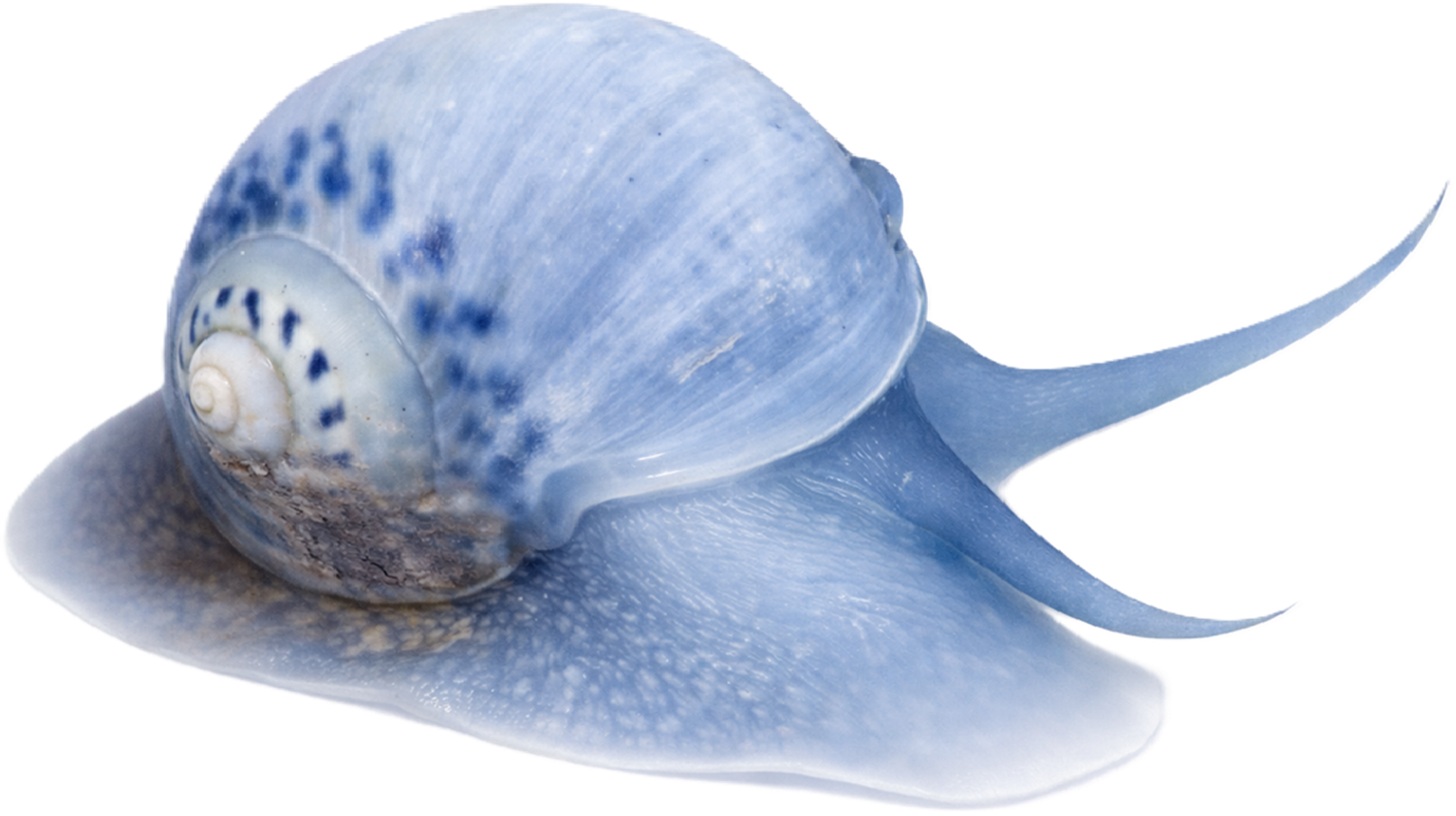 |
Euspira obliquata94Stanton, T. W. (1920). The fauna of the Cannonball marine member of the Lance formation. Professional Paper, U.S. Geological Survey, 128, 1–60. | South Dakota | untere marine Fazies | 5 Exemplare | Mondschnecke (Naticidae); synonym zu Lunatia obliquata |
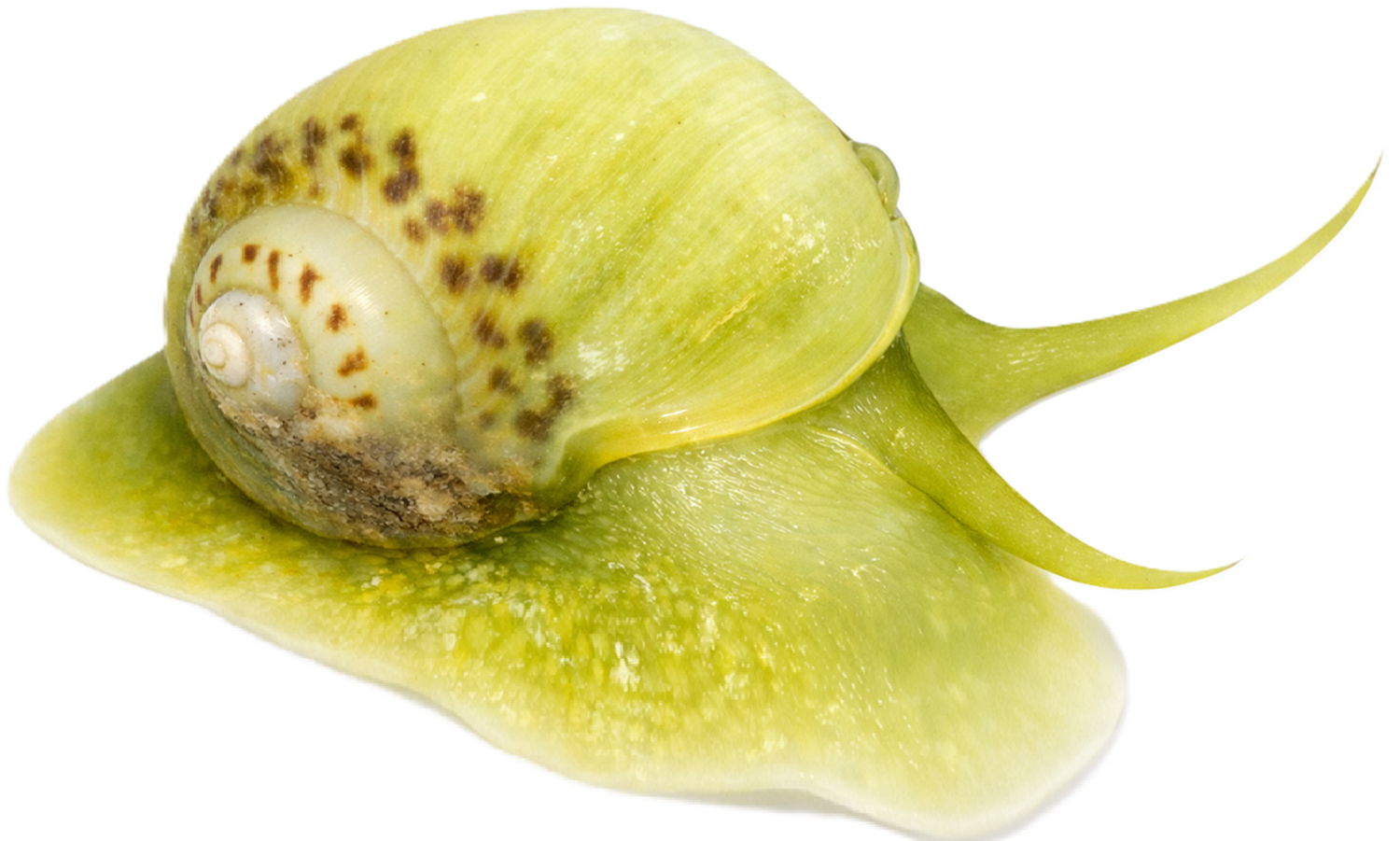 |
Euspira occidentalis95Stanton, T. W. (1920). The fauna of the Cannonball marine member of the Lance formation. Professional Paper, U.S. Geological Survey, 128, 1–60. | — | untere marine Fazies | — | Mondschnecke (Naticidae); synonym zu Lunatia occidentalis |
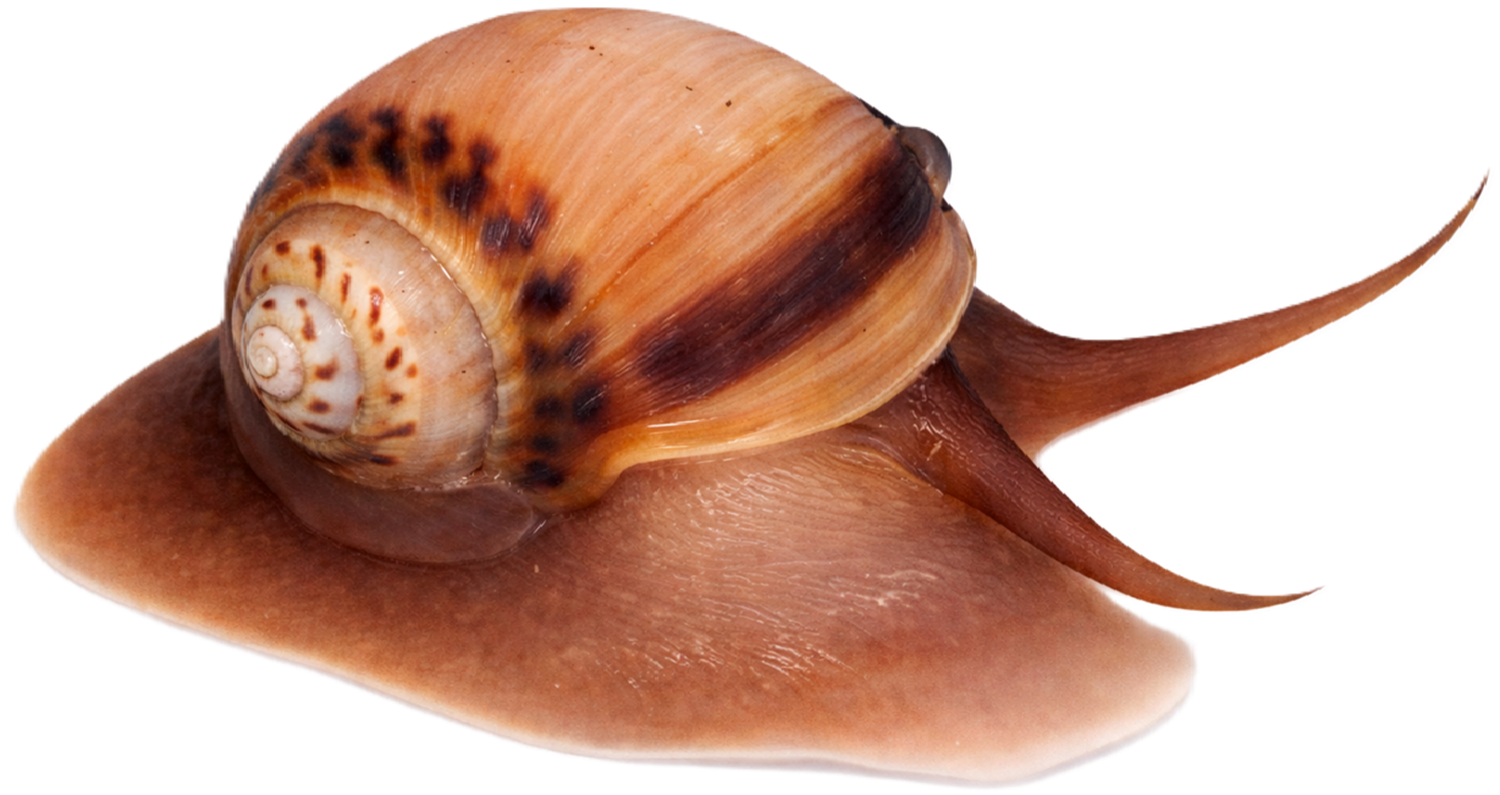 |
Euspira subcrassa96Stanton, T. W. (1920). The fauna of the Cannonball marine member of the Lance formation. Professional Paper, U.S. Geological Survey, 128, 1–60. | — | untere marine Fazies | — | Mondschnecke (Naticidae) |
 |
Fasciolaria buccinoides97Stanton, T. W. (1920). The fauna of the Cannonball marine member of the Lance formation. Professional Paper, U.S. Geological Survey, 128, 1–60. | — | untere marine Fazies | — | Tulpenschnecke (Fasciolariidae) |
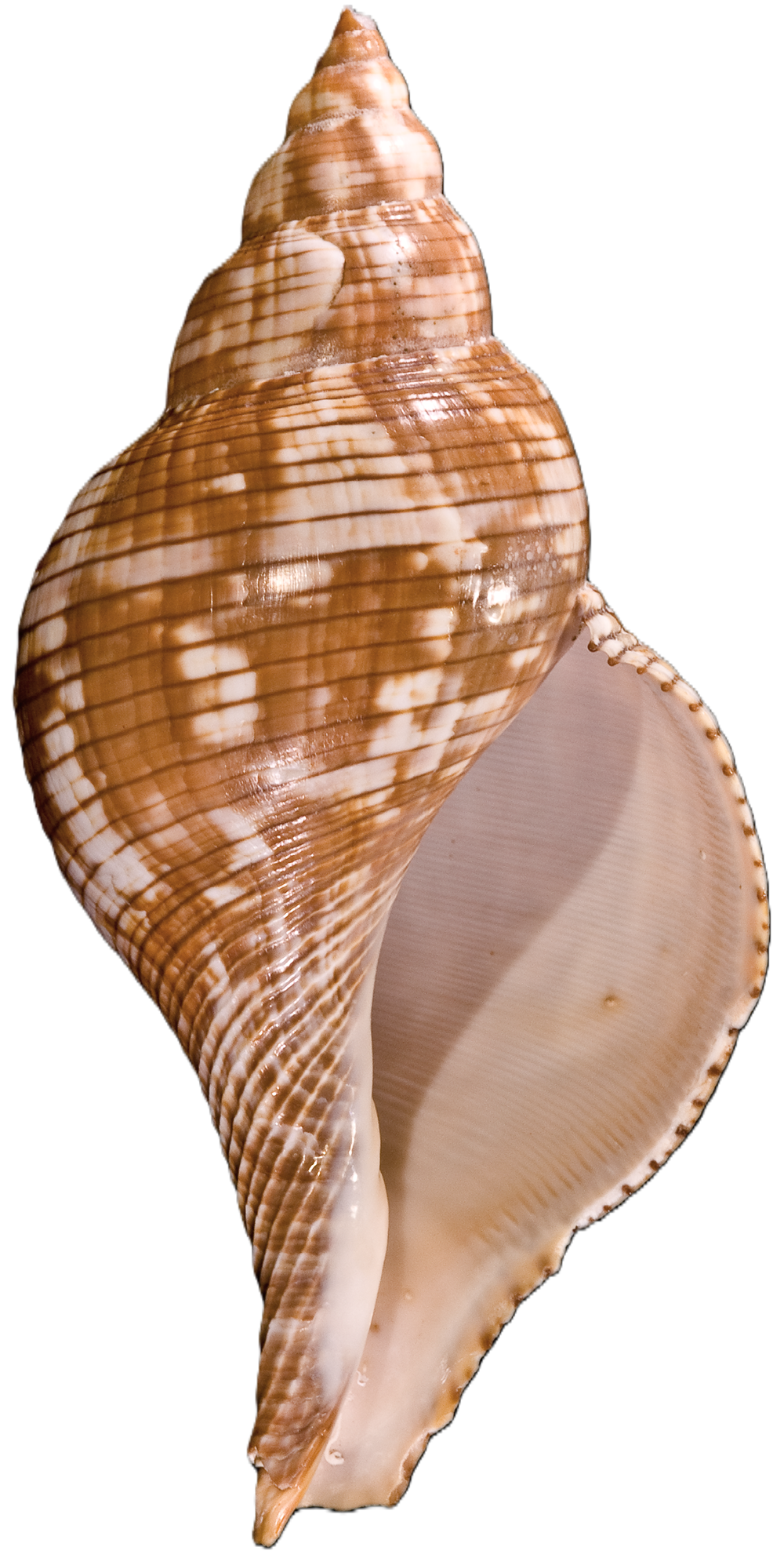 |
Fasciolaria culbertsoni98Stanton, T. W. (1920). The fauna of the Cannonball marine member of the Lance formation. Professional Paper, U.S. Geological Survey, 128, 1–60. | — | untere marine Fazies | — |
Tulpenschnecke (Fasciolariidae), synonym zu Piestochilus culbertsoni |
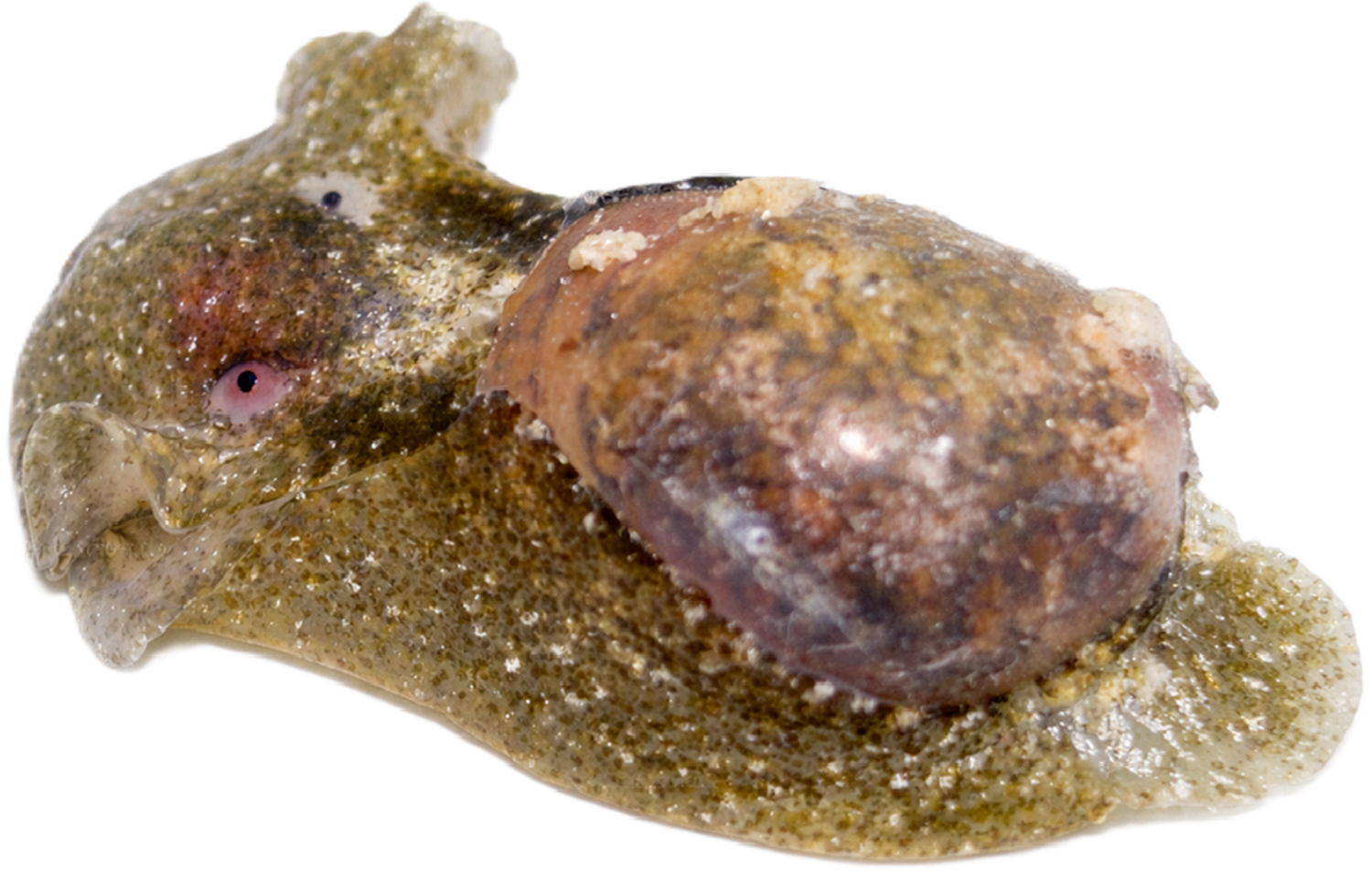 |
Haminea minor99Stanton, T. W. (1920). The fauna of the Cannonball marine member of the Lance formation. Professional Paper, U.S. Geological Survey, 128, 1–60. | — | untere marine Fazies | — | Blasenschnecke (Bullidae); synonym zu Haminea minor |
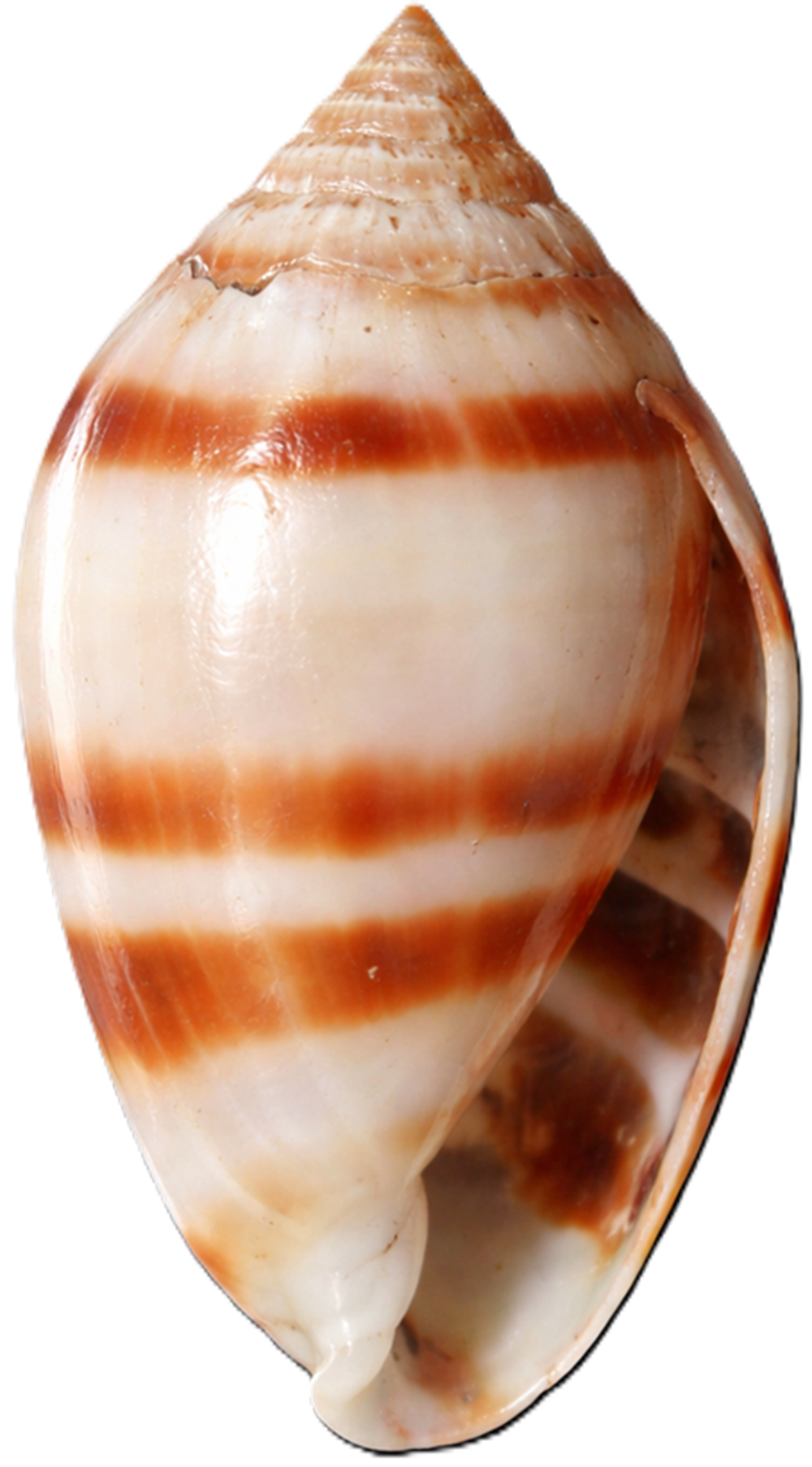 |
Melampus sp.100Stanton, T. W. (1920). The fauna of the Cannonball marine member of the Lance formation. Professional Paper, U.S. Geological Survey, 128, 1–60. | — | untere marine Fazies | — | Küstenschnecke (Ellobiidae) |
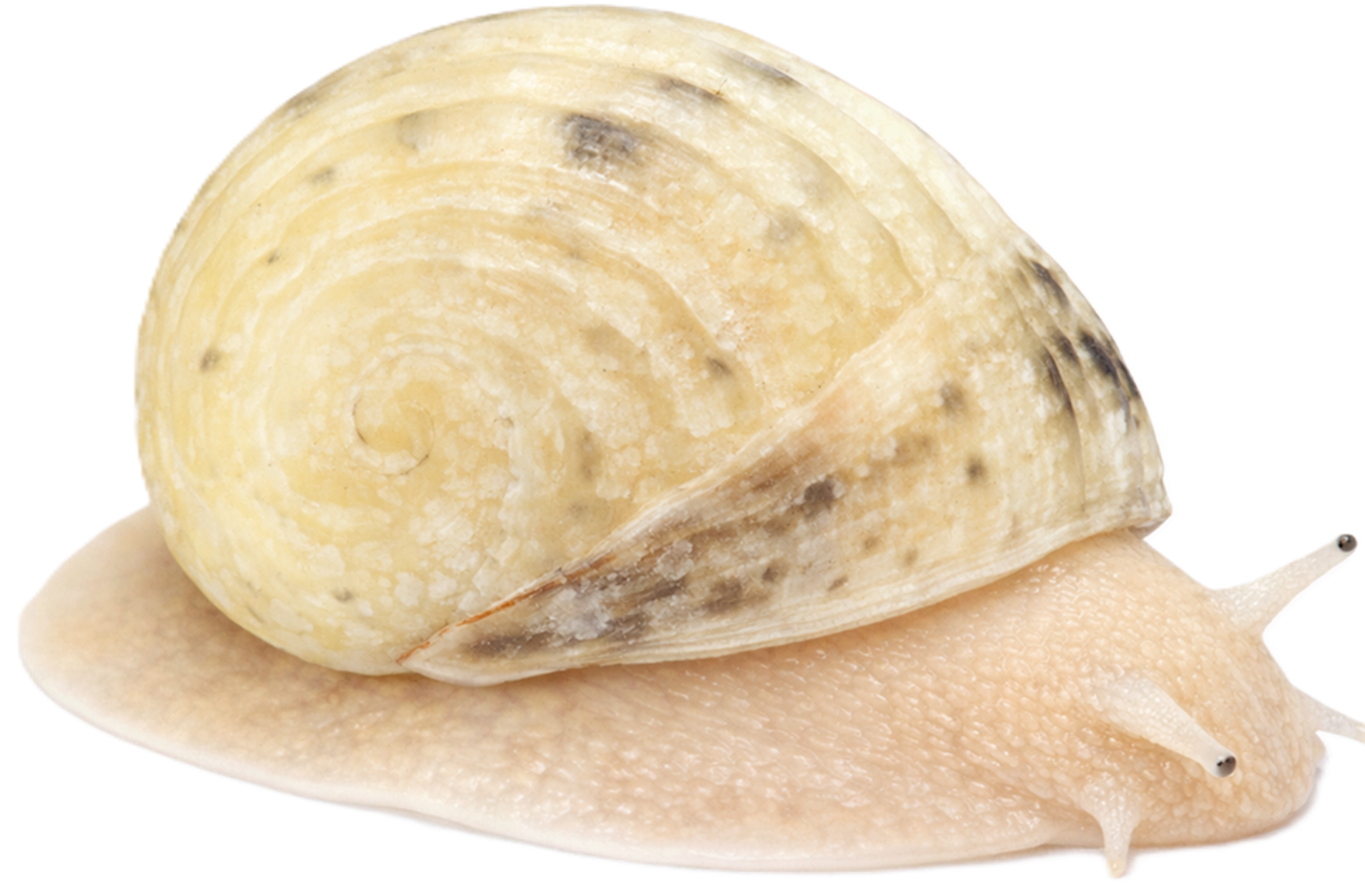 |
Nerita insculpta101Stanton, T. W. (1920). The fauna of the Cannonball marine member of the Lance formation. Professional Paper, U.S. Geological Survey, 128, 1–60. | — | untere marine Fazies | — | Kahnschnecke (Neritidae), synonym zu Melania insculpta |
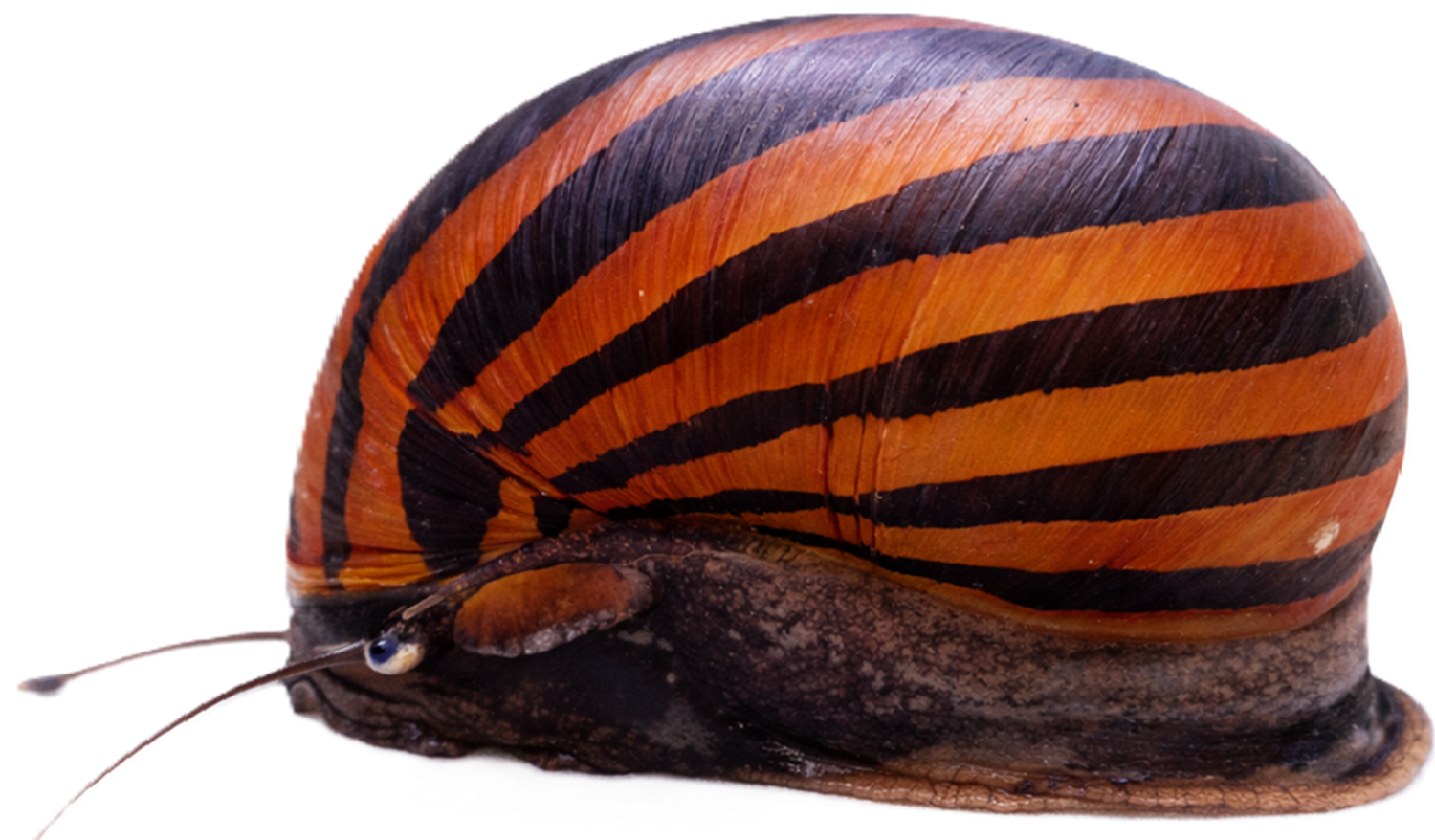 |
Neritina baptista102Stanton, T. W. (1920). The fauna of the Cannonball marine member of the Lance formation. Professional Paper, U.S. Geological Survey, 128, 1–60. | — | untere marine Fazies | — | Kahnschnecke (Neritidae), synonym zu Velatella baptista |
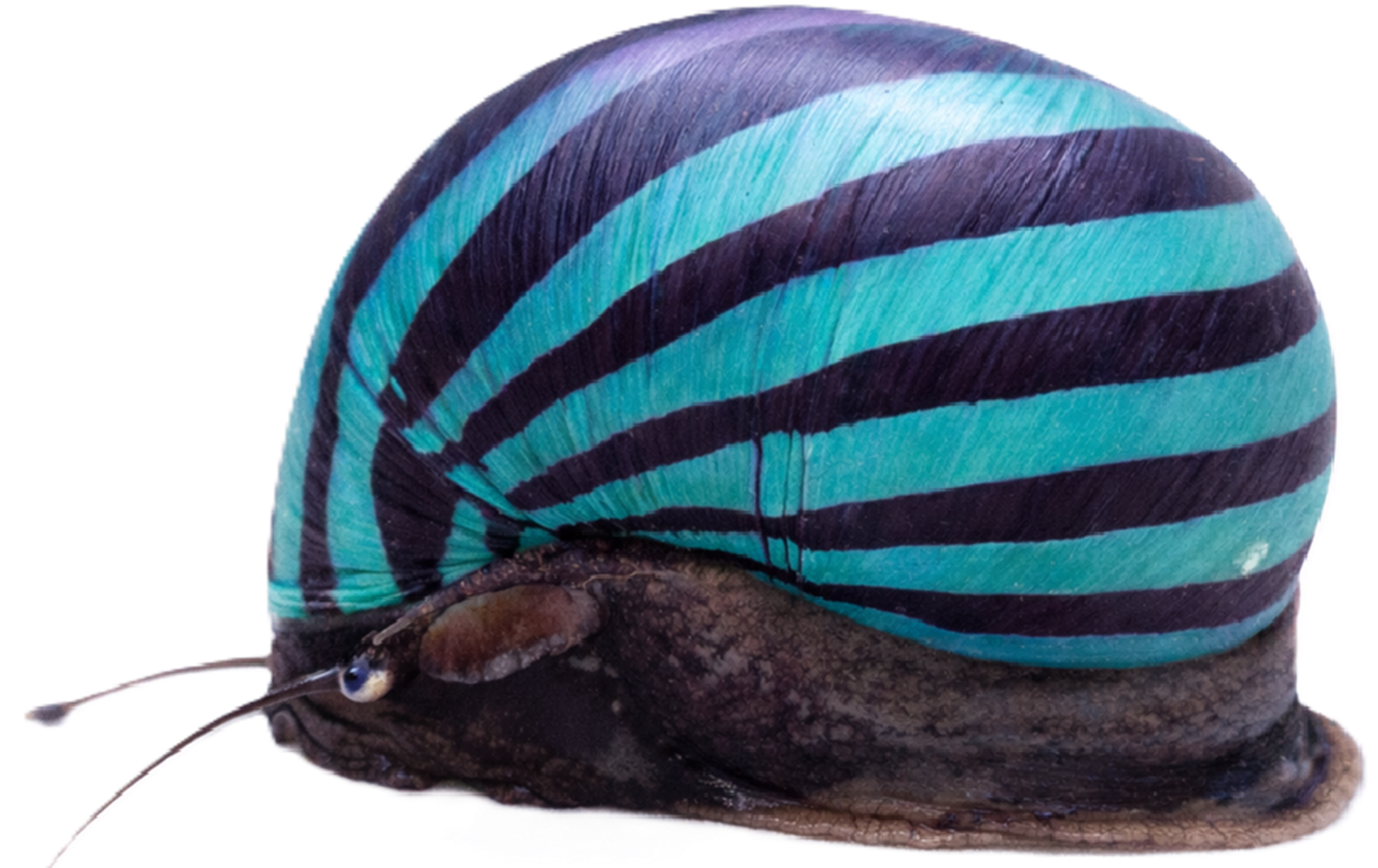 |
Neritina bruneri103Stanton, T. W. (1920). The fauna of the Cannonball marine member of the Lance formation. Professional Paper, U.S. Geological Survey, 128, 1–60. | — | untere marine Fazies | — | Kahnschnecke (Neritidae) |
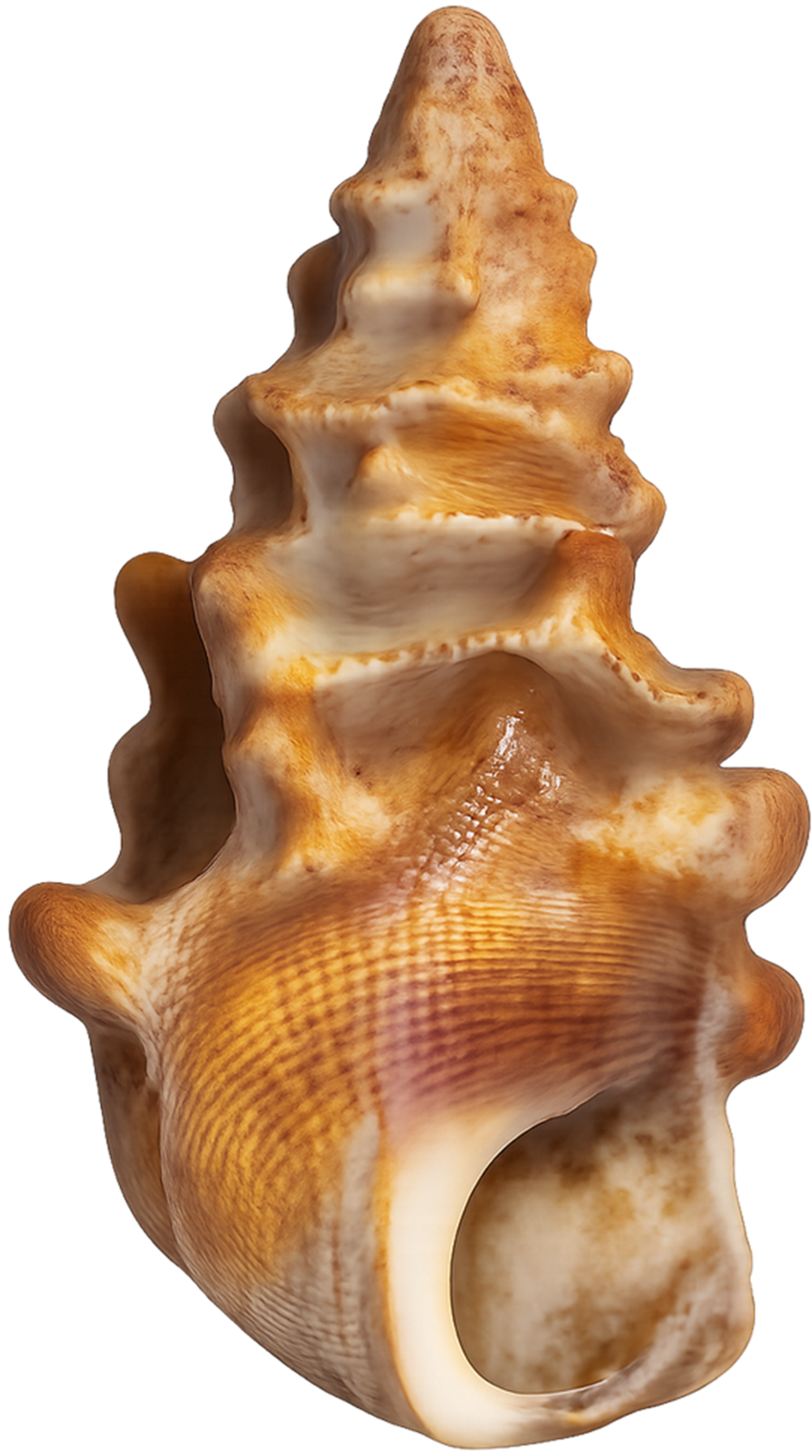 |
Pachymelania wyomingensis104Stanton, T. W. (1920). The fauna of the Cannonball marine member of the Lance formation. Professional Paper, U.S. Geological Survey, 128, 1–60. | Wyoming | untere marine Fazies | — | Kahnschnecke (Neritidae); synonym zu Melania wyomingensis |
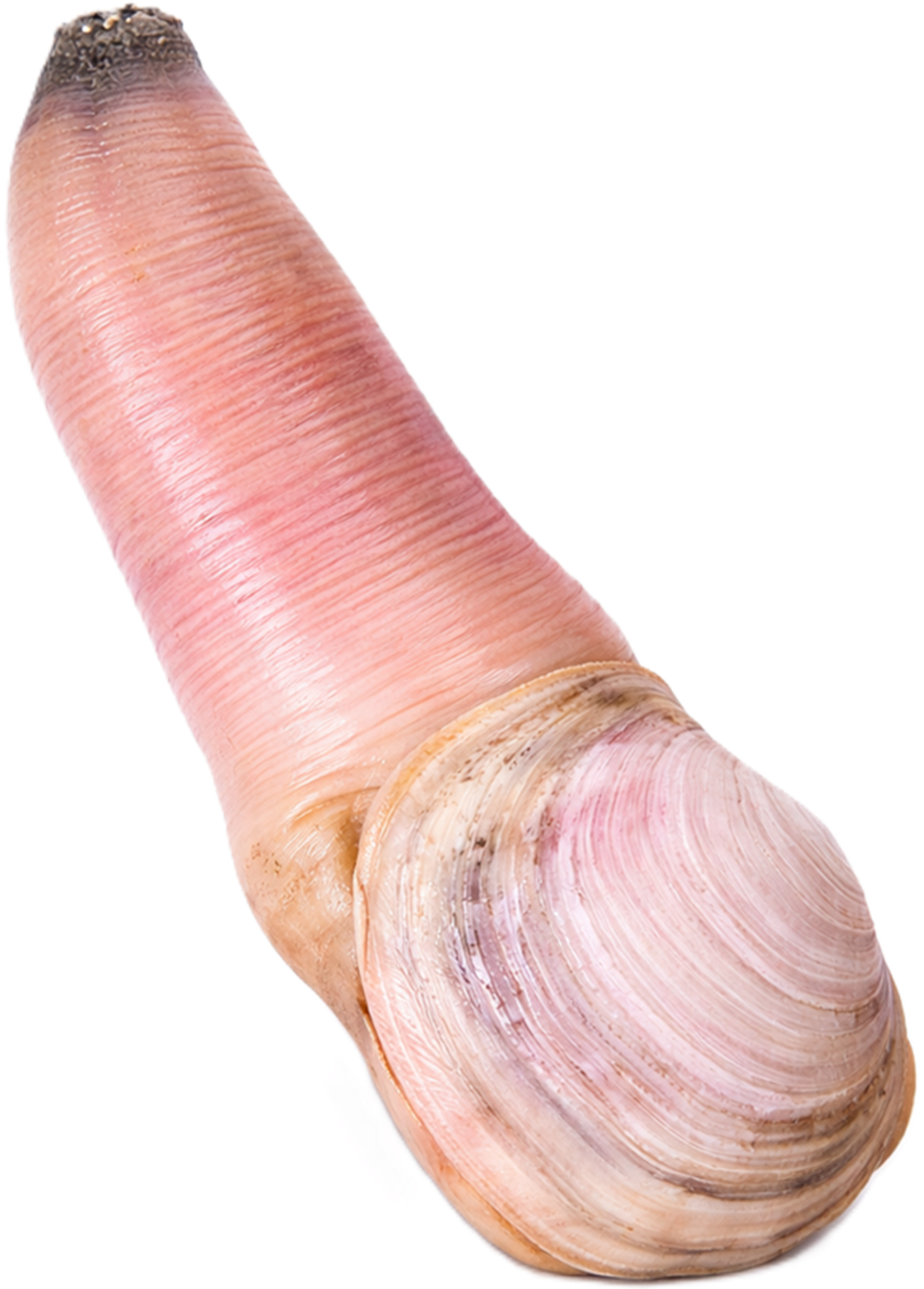 |
Panopea simulatrix105Stanton, T. W. (1920). The fauna of the Cannonball marine member of the Lance formation. Professional Paper, U.S. Geological Survey, 128, 1–60. | — | untere marine Fazies | — | Felsenbohrer (Hiatellidae), synonym zu Panope simulatrix |
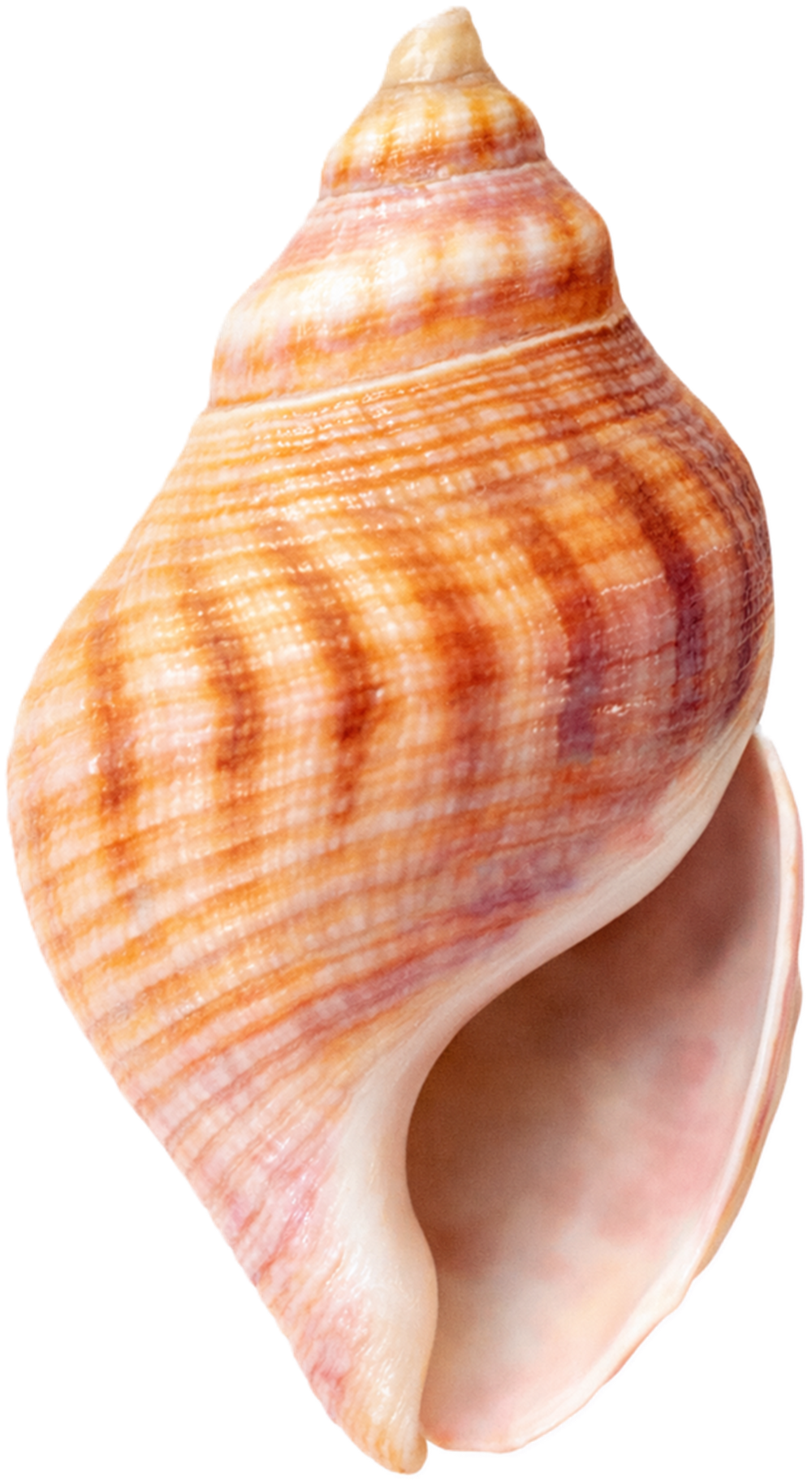 |
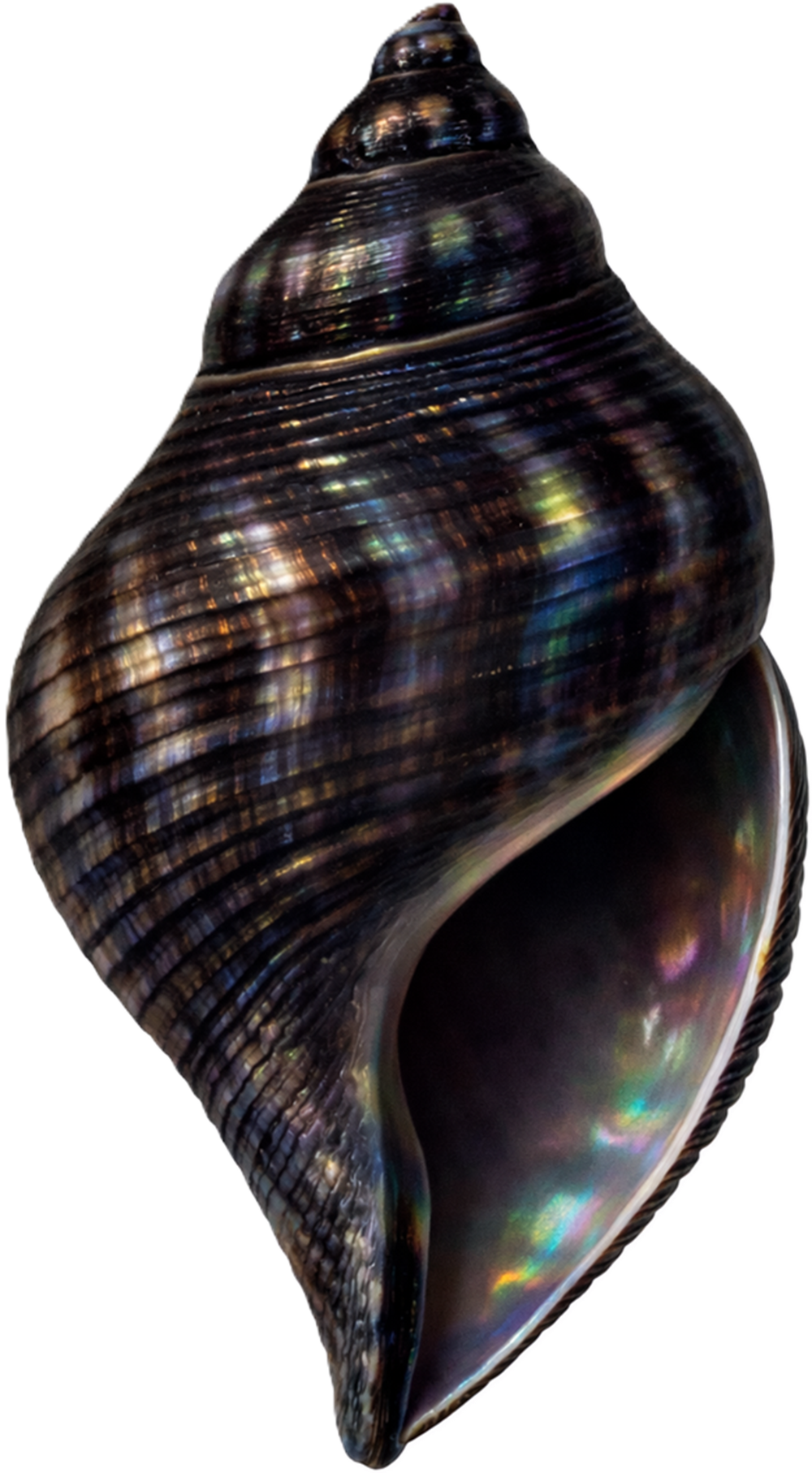
Pyropsis bairdi106Stanton, T. W. (1920). The fauna of the Cannonball marine member of the Lance formation. Professional Paper, U.S. Geological Survey, 128, 1–60. | South Dakota | untere marine Fazies | — | Salzwasserschnecke (Moreidae) |
 |
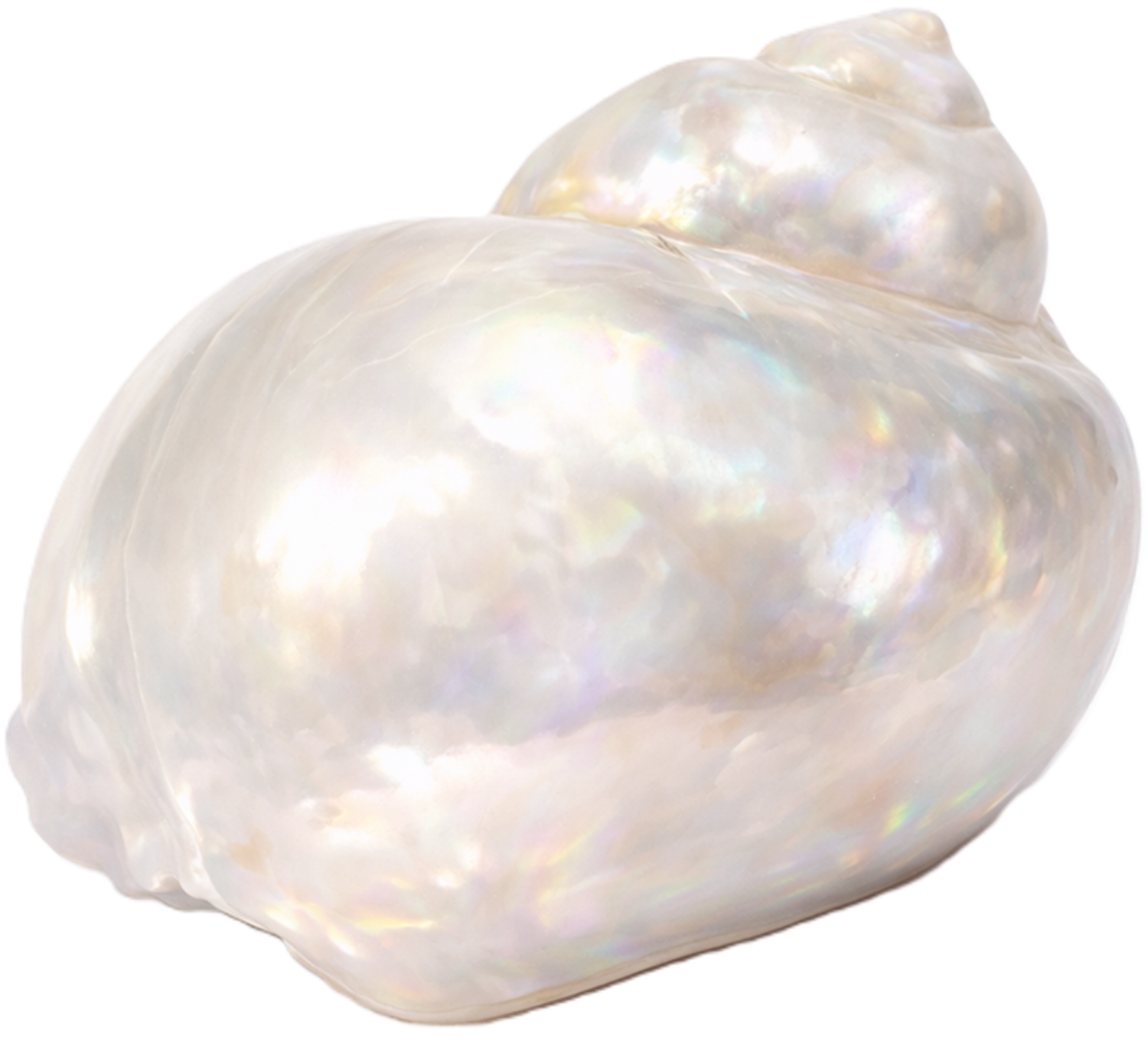
Pyrifusus newberryi107Stanton, T. W. (1920). The fauna of the Cannonball marine member of the Lance formation. Professional Paper, U.S. Geological Survey, 128, 1–60. | — | untere marine Fazies | — | Salzwasserschnecke (Pholidotomida) |
 |
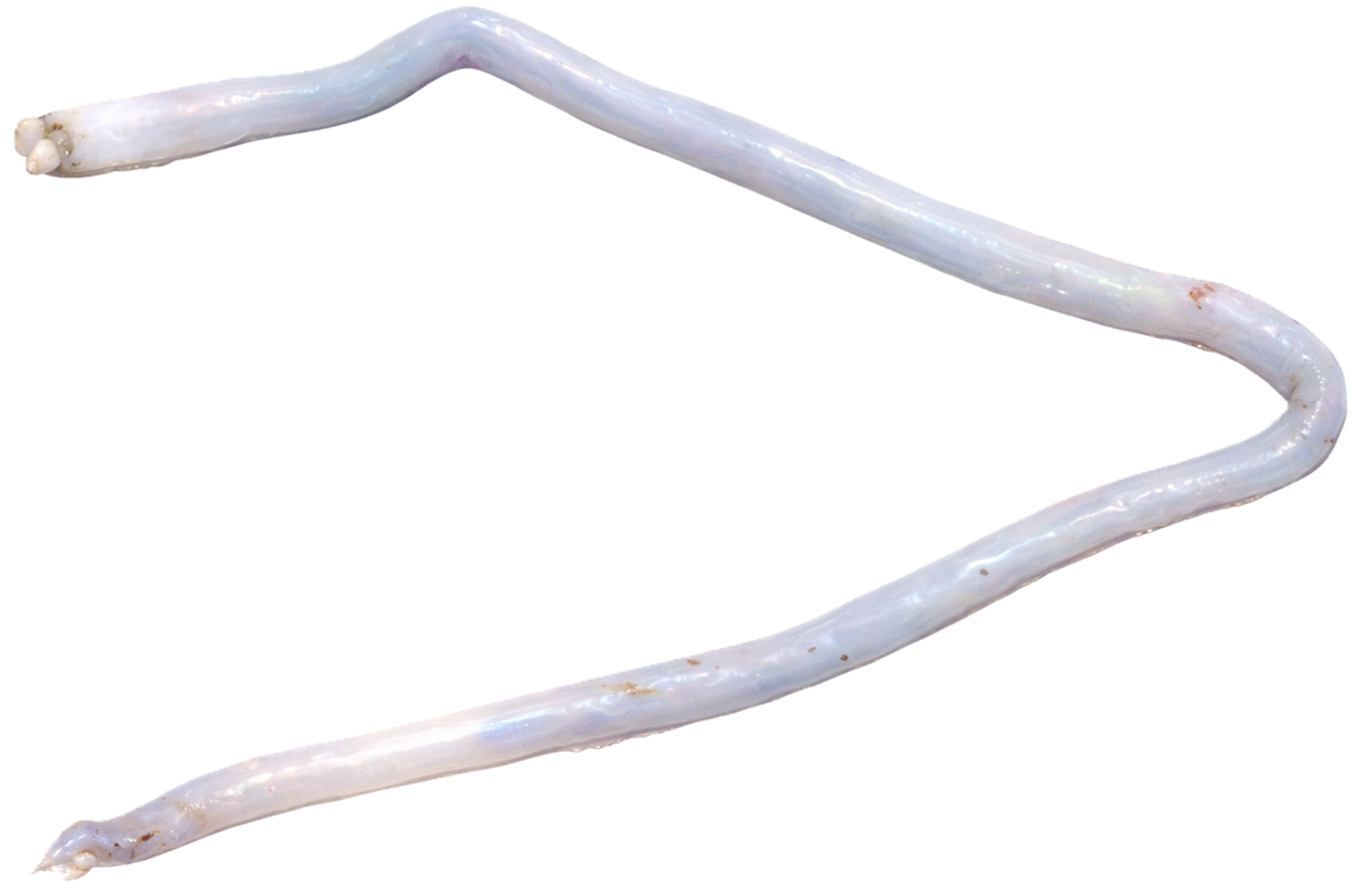
Serrifusus dakotensis108Stanton, T. W. (1920). The fauna of the Cannonball marine member of the Lance formation. Professional Paper, U.S. Geological Survey, 128, 1–60. | Wyoming | untere marine Fazies | 2 Exemplare | Kronenschnecke (Melongenidae) |
 |
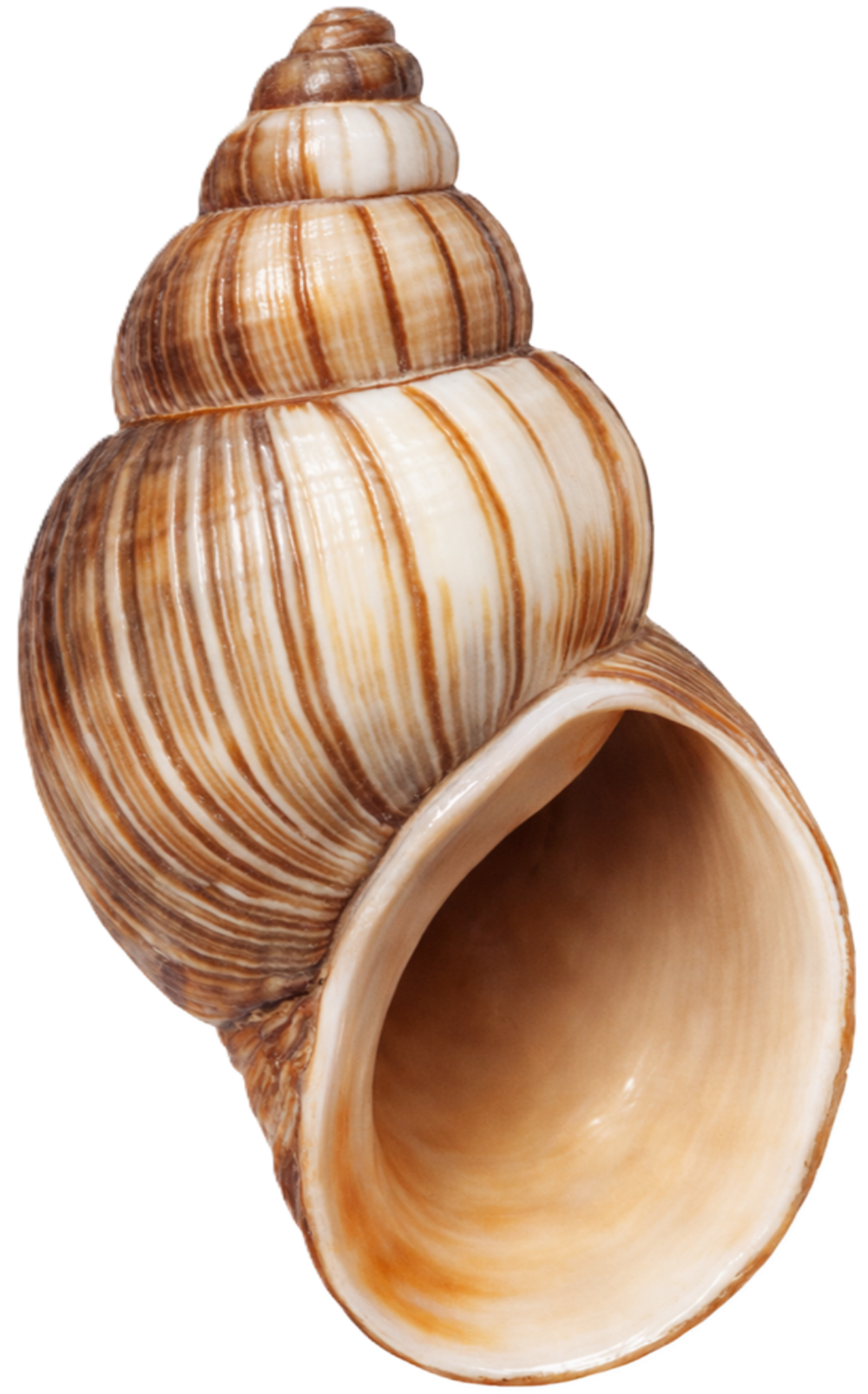
Teredo sp.109Stanton, T. W. (1920). The fauna of the Cannonball marine member of the Lance formation. Professional Paper, U.S. Geological Survey, 128, 1–60. | — | untere marine Fazies | — | Schiffsbohrer (Teredinidae) |
Gliederfüßer:
| Bild: | Spezies: | Fundort: | Stratigraphische Position: | Bekanntes Material: | Bemerkungen: |
|---|---|---|---|---|---|
|
|
Aeschnidiidae indet.110Nel, A. (2021). Maastrichtian representatives of the dragonfly family Aeschnidiidae question the entomofaunal turnover of the early Late Cretaceous. Palaeoentomology, 4. doi: 10.11646/palaeoentomology.4.3.5 | South Dakota | Hell Creek Formation | — | Libelle (Aeschnidiidae) |
 |
Brachycera indet.111DePalma, R. et al. (2022). Preliminary Notes on the First Recorded Amber Insects from the Hell Creek Formation. The Journal of Paleontological Sciences. | South Dakota | Obere Hell Creek Formation | — | Fliege (Brachycera) |
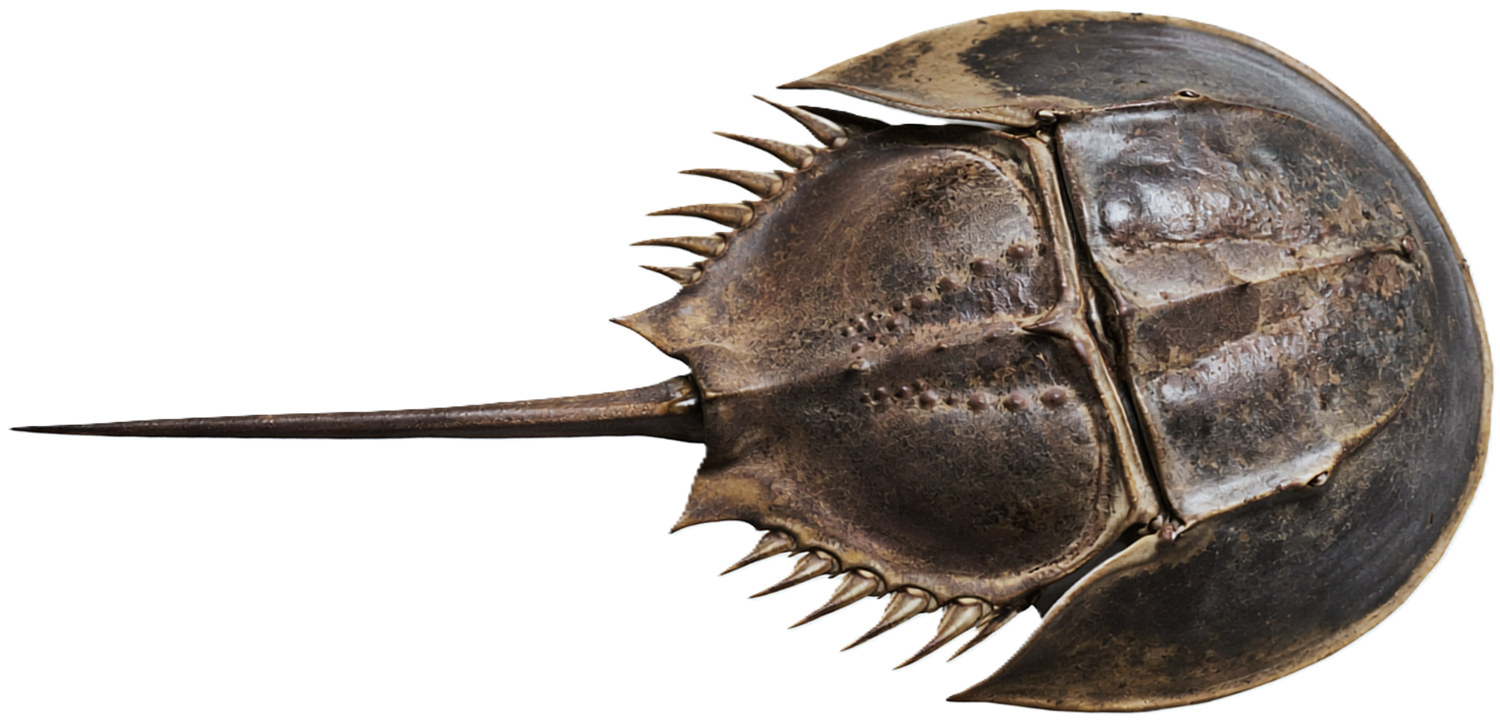 |
Casterolimulus kletti112Holland, F. D., Jr., Erickson, J. M. & O’Brien, D. E. (1975). Casterolimulus – a new Late Cretaceous generic link in limulid lineage. Bulletin of the American Paleontology, 67(287). | North Dakota | Fox Hills Formation oder untere Hell Creek Formation | 1 | Pfeilschwanzkrebs (Limulidae) |
 |
Cephaloleichnites strongi113Messer, A. E. (2014). Leaf-mining insects destroyed with the dinosaurs, others quickly appeared. Penn State News, Pennsylvania State University. 20. August 2014. | — | Hell Creek Formation | — | Fraßspur eines Käfers auf Ingwer-Blatt |
 |
Gracillariidae indet.114Donovan, M. P. et al. (2014). Novel insect leaf-mining after the end-Cretaceous extinction and the demise of Cretaceous leaf miners – Great Plains, USA. PLOS ONE, 9(7), e103542. doi:10.1371/journal.pone.0103542 | Montana | Mexican Hat Locality | — | Fraßspur einer Raupe auf verschiedenen Blättern, die Typisch für Miniermotten sind |
 |
Hemiphlebiidae indet.115Nel, A. (2021). Maastrichtian representatives of the dragonfly family Aeschnidiidae question the entomofaunal turnover of the early Late Cretaceous. Palaeoentomology, 4. doi: 10.11646/palaeoentomology.4.3.5 | South Dakota | Hell Creek Formation | — | Damselfliege (Hemiphlebiidae) |
|
|
Nematocera indet.116DePalma, R. et al. (2022). Preliminary Notes on the First Recorded Amber Insects from the Hell Creek Formation. The Journal of Paleontological Sciences. | South Dakota | Obere Hell Creek Formation | — | Mücke (Nematocera) |


Die hier beschriebenen Insekten sind vor allem aus Bernstein-Einschlüssen bekannt.117DePalma, R. et al. (2022). Preliminary Notes on the First Recorded Amber Insects from the Hell Creek Formation. The Journal of Paleontological Sciences. Viele von ihnen, die in der Hell Creek Formation und der darüberliegenden Fort Union Formation noch vorkamen, sind wahrscheinlich während des Massenaussterbens am Ende der Kreidezeit ausgestorben.118Preston, D. (2019). The day the dinosaurs died. The New Yorker. Retrieved April 1, 2019.119Messer, A. E. (2014). Leaf-mining insects destroyed with the dinosaurs, others quickly appeared. Penn State News, Pennsylvania State University. 20. August 2014.120Nel, A. (2021). Maastrichtian representatives of the dragonfly family Aeschnidiidae question the entomofaunal turnover of the early Late Cretaceous. Palaeoentomology, 4. doi: 10.11646/palaeoentomology.4.3.5

Knorpelfische:
| Bild: | Spezies: | Fundort: | Stratigraphische Position: | Bekanntes Material: | Bemerkungen: |
|---|---|---|---|---|---|
|
|
Carcharias sp.121Hoganson, J. W., Campbell, J. M., & Murphy, E. C. (1994). Stratigraphy and paleontology of the Cretaceous Hell Creek Formation, Stumpf site, Morton County, North Dakota. Proceedings of the North Dakota Academy of Sciences, 48. | North Dakota | Hell Creek Formation | — | Sandtigerhai (Carchariidae) |
|
|
Carcharhinidae indet. 122Gates, T. A., Gorscak, E., & Makovicky, P. J. (2019). New sharks and other chondrichthyans from the latest Maastrichtian (Late Cretaceous) of North America. Journal of Paleontology, 93(3), 512–530. doi: 10.1017/jpa.2018.92 | South Dakota | Hell Creek Formation | — | Requiemhai (Carcharhinidae) |
|
|
Chiloscyllium sp.123Cook, T. D. et al. (2014). Euselachians from the freshwater deposits of the Hell Creek Formation of Montana. In Through the end of the Cretaceous in the type locality of the Hell Creek Formation in Montana and adjacent areas (Geological Society of America Special Papers, Vol. 503, pp. 229–246). Geological Society of America. doi: 10.1130/2014.2503(08) | Montana | Hell Creek Formation | — | Bambushai (Hemiscylliidae) |
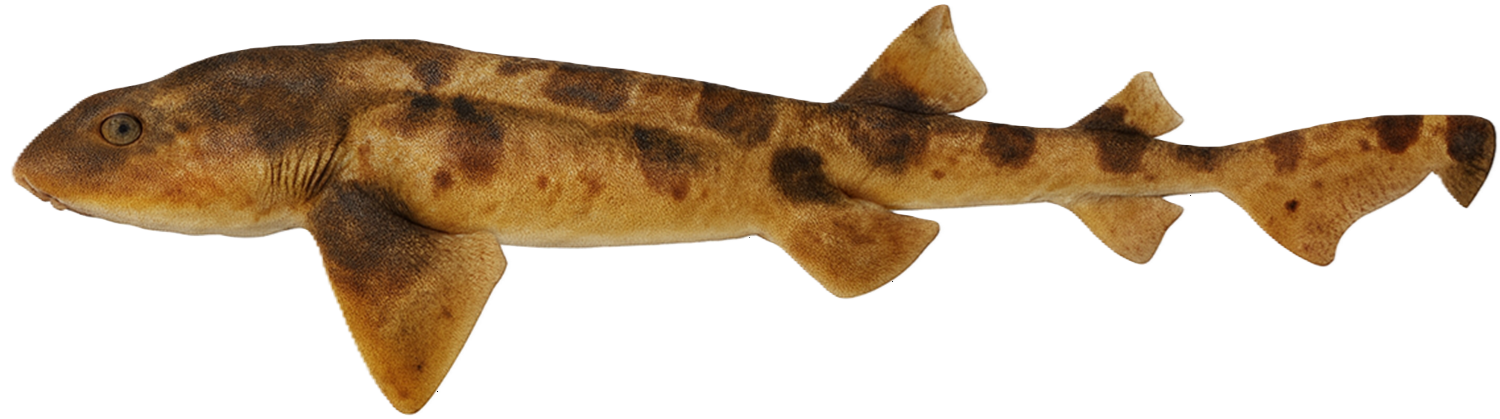 |
Galagadon nordquistae124Gates, T. A., Gorscak, E., & Makovicky, P. J. (2019). New sharks and other chondrichthyans from the latest Maastrichtian (Late Cretaceous) of North America. Journal of Paleontology, 93(3), 512–530. doi: 10.1017/jpa.2018.92 | South Dakota (Matrix von T. rex „Sue“) | Hell Creek Formation | 1 Exemplar | Teppichhai (Orectolobiformes) |
|
|
Lonchidion selachos125Estes, R., & Berberian, P. (1970). Paleoecology of a late Cretaceous vertebrate community from Montana. Breviora, 343, 1–35.126Estes, R. (1964). Fossil vertebrates from the Late Cretaceous Lance Formation, eastern Wyoming. University of California Publications in Geological Sciences, 49, 1–187. | Montana, North Dakota, South Dakota, Wyoming | Untere bis obere Hell Creek Formation; Lance Formation | 59 Exemplare | Hybodonter Hai (Lonchidiidae) |
|
|
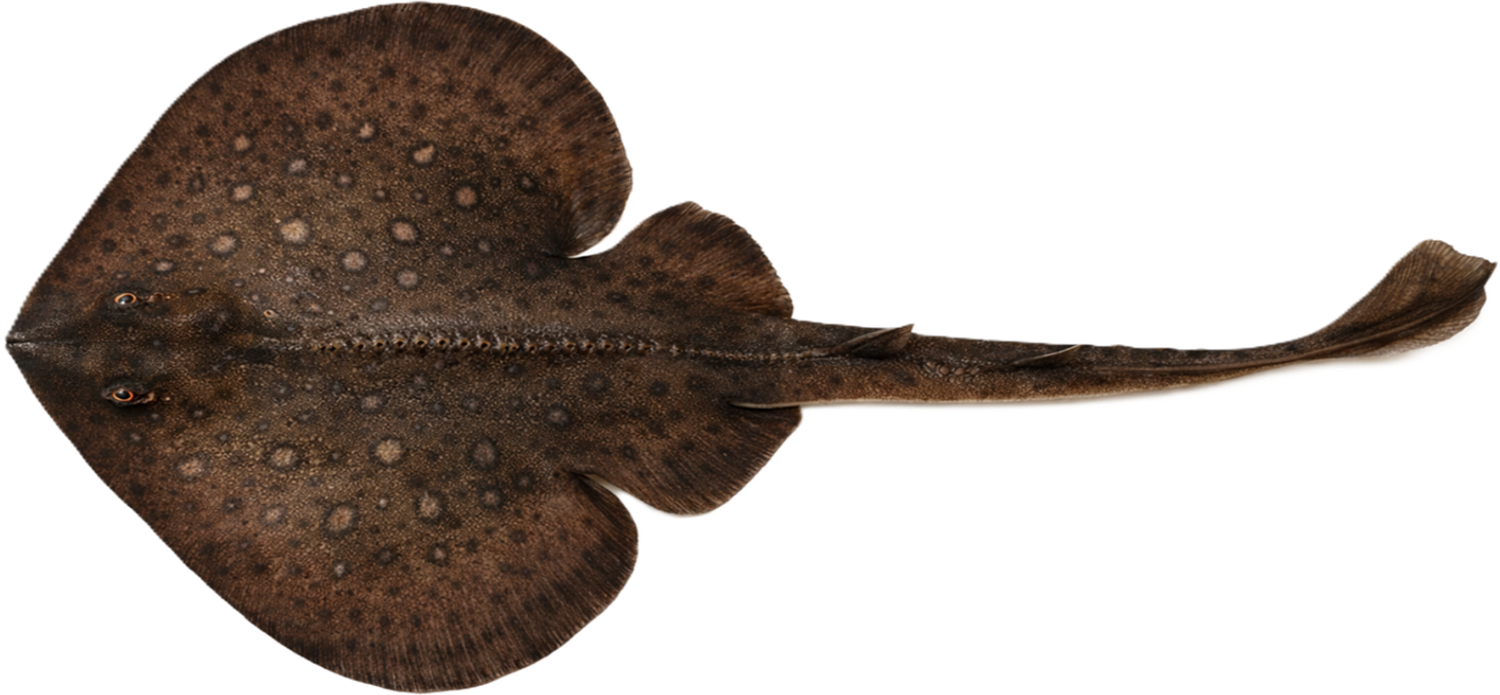
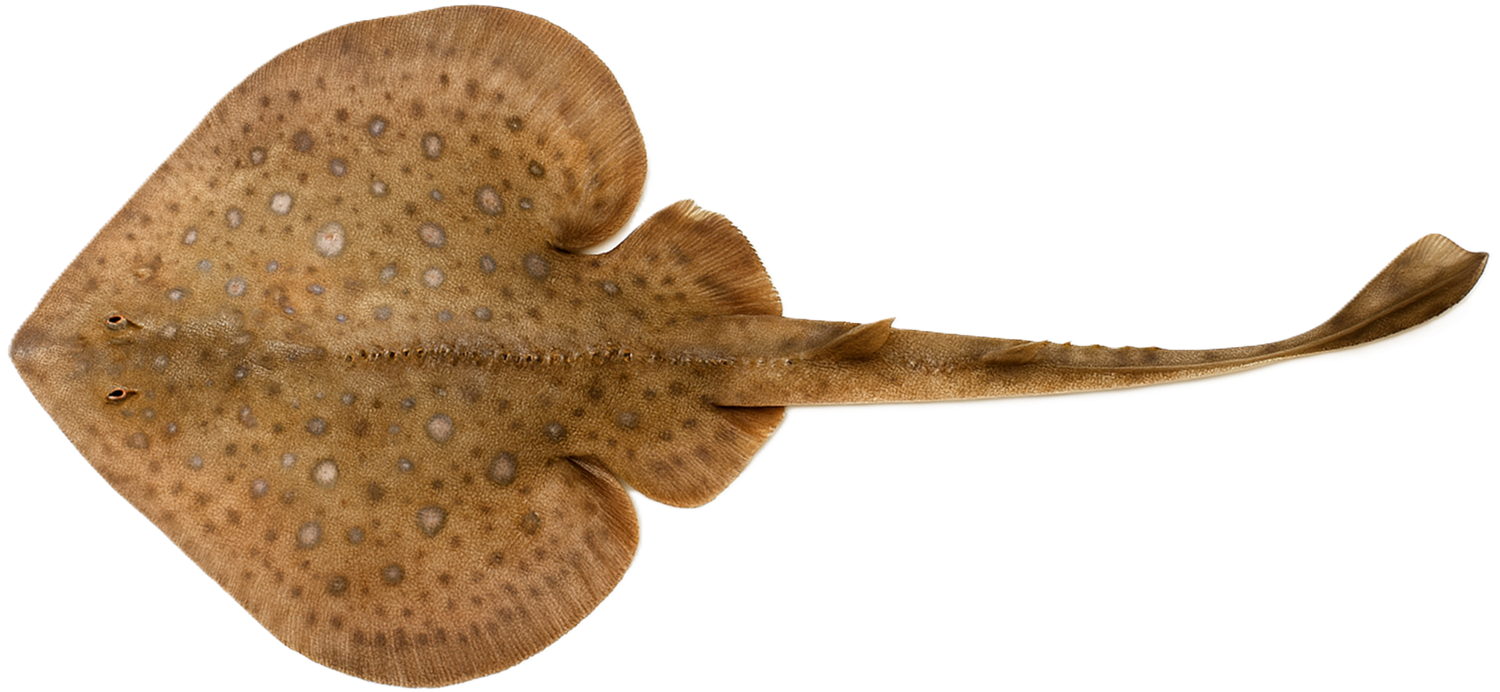
Myledaphus biparitus127Estes, R. (1964). Fossil vertebrates from the Late Cretaceous Lance Formation, eastern Wyoming. University of California Publications in Geological Sciences, 49, 1–187. | Montana, North Dakota, South Dakota, Wyoming | Hell Creek Formation; Lance Formation | 185 Exemplare | Gitarrenrochen (Rhinobatidae) |
|
|
Myledaphus pustulosus128Pearson, D. A. et al. (2002). Vertebrate biostratigraphy of the Hell Creek Formation in southwestern North Dakota and northwestern South Dakota. In J. H. Hartman, K. R. Johnson, & D. J. Nichols (Eds.), The Hell Creek Formation and the Cretaceous–Tertiary boundary in the Northern Great Plains (GSA Special Paper 361, pp. 145–167). Geological Society of America. doi: 10.1130/0-8137-2361-2.145129Cook, T. D. et al. (2014). Euselachians from the freshwater deposits of the Hell Creek Formation of Montana. In Through the end of the Cretaceous in the type locality of the Hell Creek Formation in Montana and adjacent areas (Geological Society of America Special Papers, Vol. 503, pp. 229–246). Geological Society of America. doi: 10.1130/2014.2503(08) | Montana, North Dakota, South Dakota | Untere bis obere Hell Creek Formation | über 1600 Exemplare | Gitarrenrochen (Rhinobatidae) |
|
|
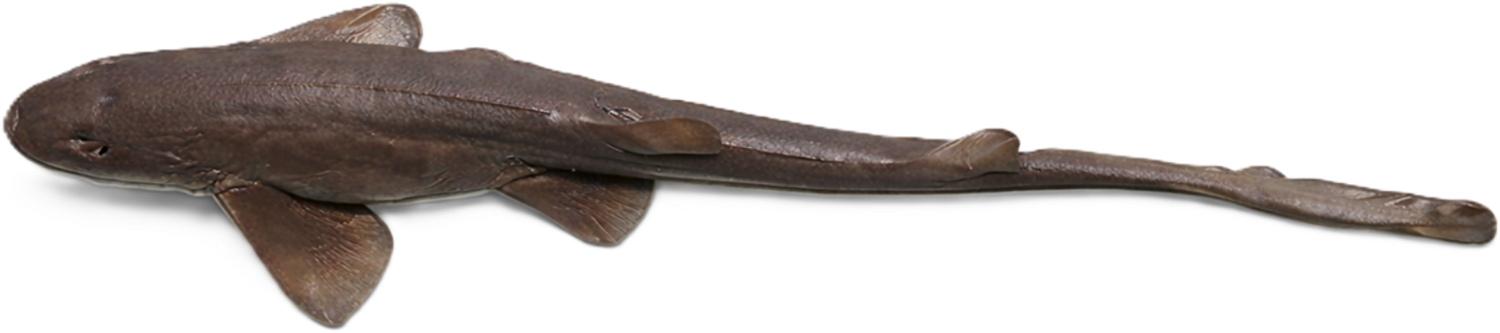
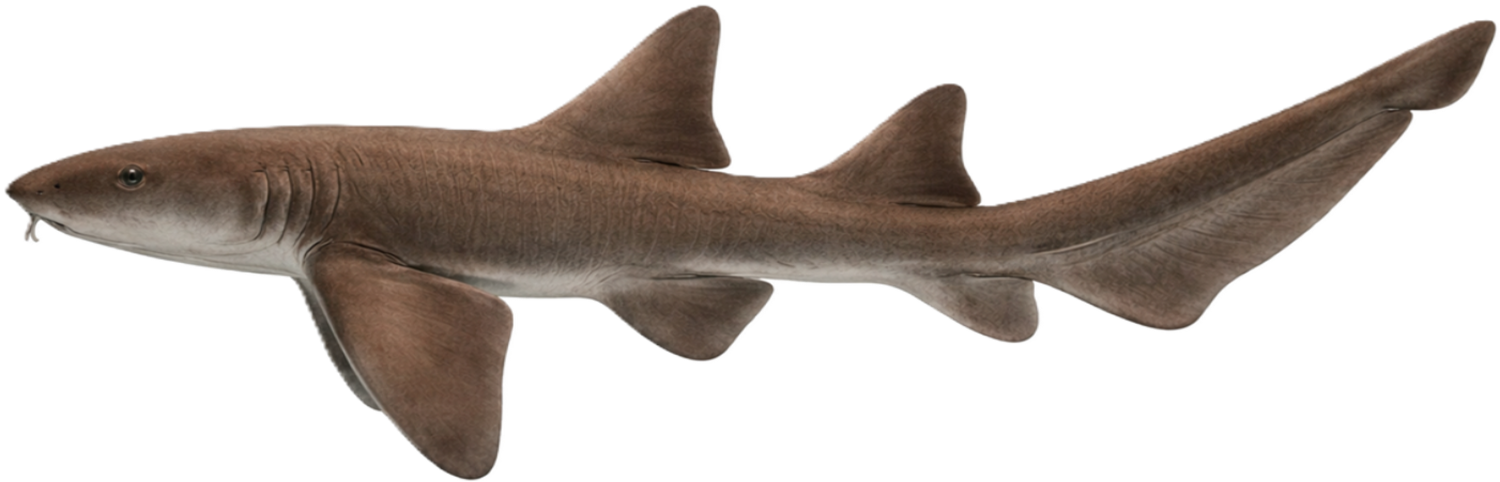
Protoginglymostoma estesi130Cook, T. D. et al. (2014). Euselachians from the freshwater deposits of the Hell Creek Formation of Montana. In Through the end of the Cretaceous in the type locality of the Hell Creek Formation in Montana and adjacent areas (Geological Society of America Special Papers, Vol. 503, pp. 229–246). Geological Society of America. doi: 10.1130/2014.2503(08) | Montana | Hell Creek Formation | — | Ammenhai (Ginglymostomatidae) |
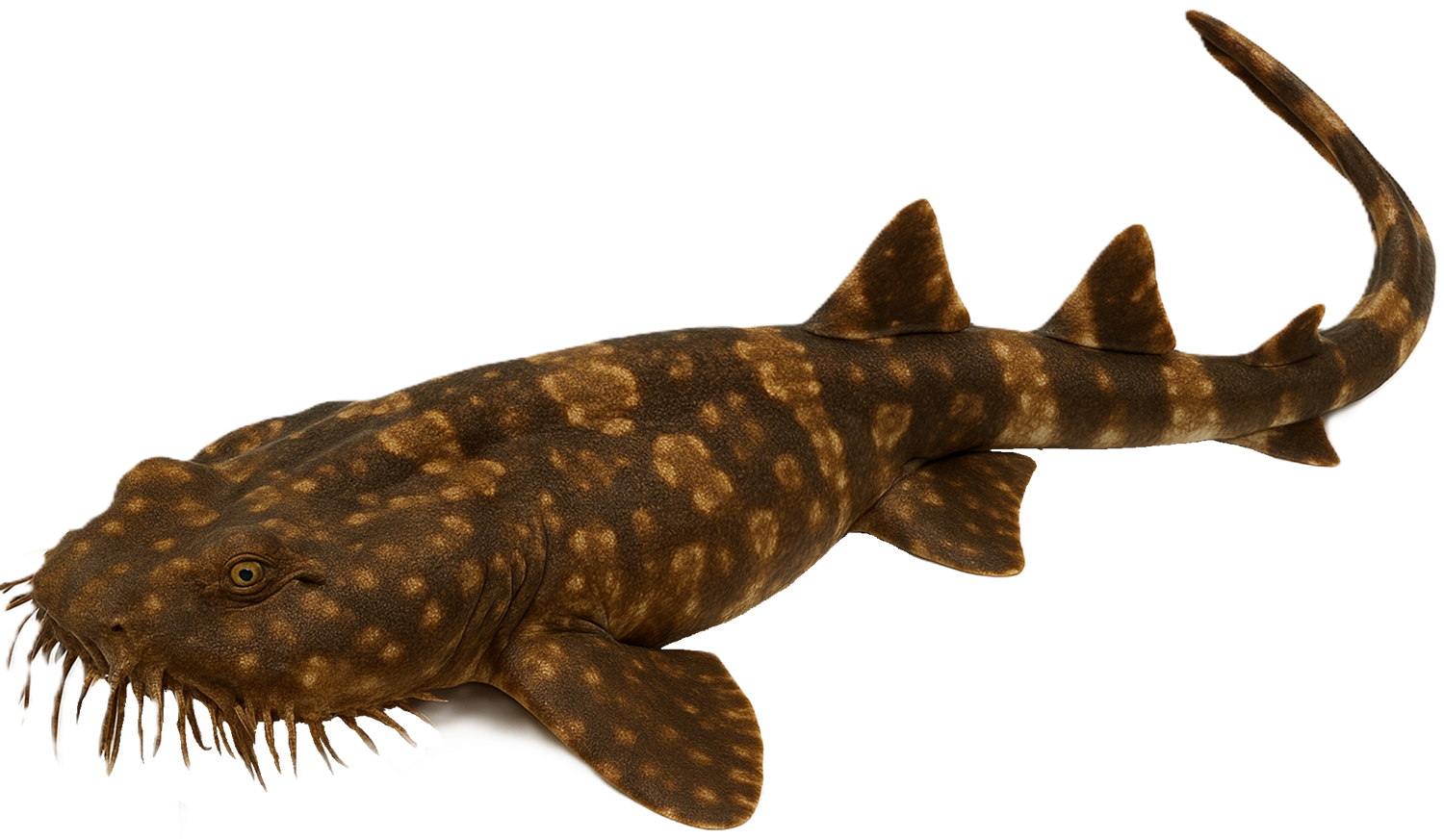 |
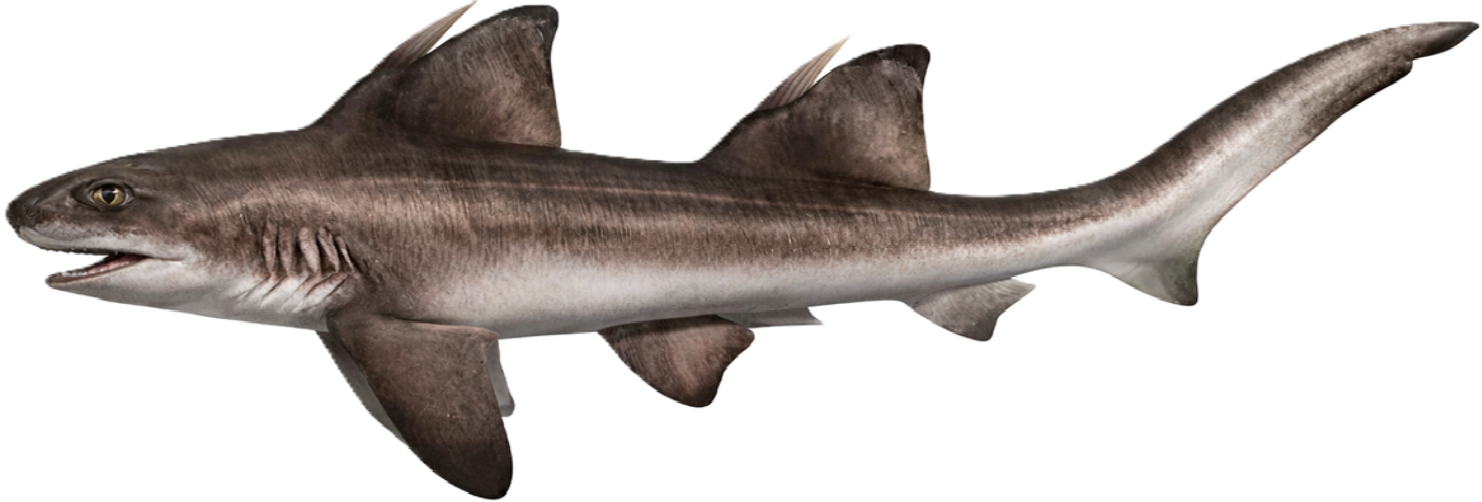
Restesia americana131Pearson, D. A. et al. (2002). Vertebrate biostratigraphy of the Hell Creek Formation in southwestern North Dakota and northwestern South Dakota. In J. H. Hartman, K. R. Johnson, & D. J. Nichols (Eds.), The Hell Creek Formation and the Cretaceous–Tertiary boundary in the Northern Great Plains (GSA Special Paper 361, pp. 145–167). Geological Society of America. doi: 10.1130/0-8137-2361-2.145132Cook, T. D. et al. (2014). Euselachians from the freshwater deposits of the Hell Creek Formation of Montana. In Through the end of the Cretaceous in the type locality of the Hell Creek Formation in Montana and adjacent areas (Geological Society of America Special Papers, Vol. 503, pp. 229–246). Geological Society of America. doi: 10.1130/2014.2503(08)133Estes, R. (1964). Fossil vertebrates from the Late Cretaceous Lance Formation, eastern Wyoming. University of California Publications in Geological Sciences, 49, 1–187. | Montana, North Dakota, South Dakota, Wyoming | Mittlere Hell Creek Formation; Lance Formation | 26 Exemplare | Teppichhai (Orectolobiformes) |
|
|
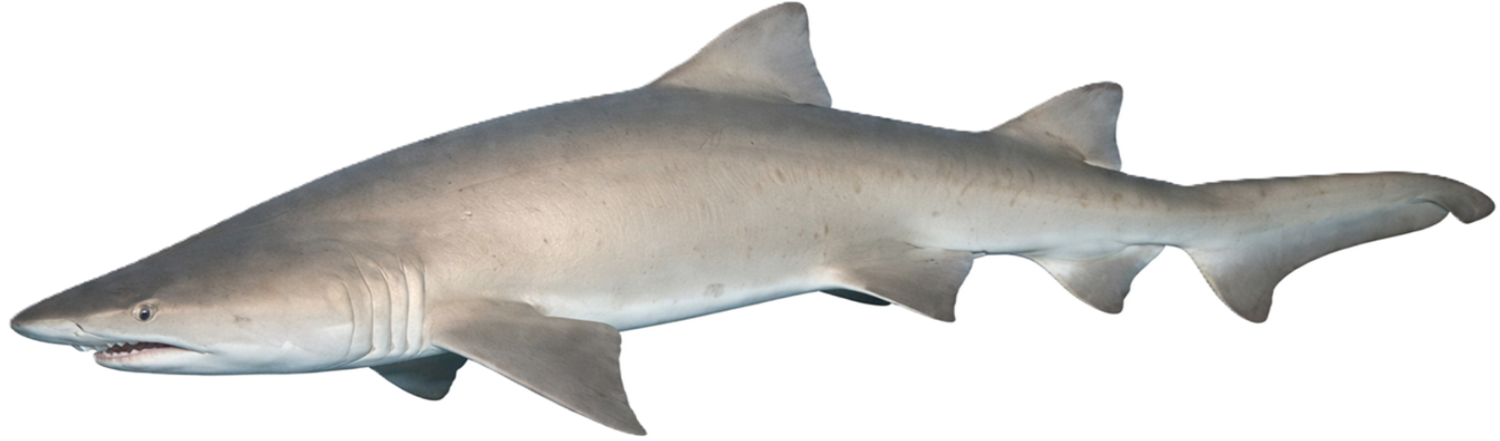
Scapanorhynchus sp. 134Hoganson, J. W., Campbell, J. M., & Murphy, E. C. (1994). Stratigraphy and paleontology of the Cretaceous Hell Creek Formation, Stumpf site, Morton County, North Dakota. Proceedings of the North Dakota Academy of Sciences, 48. | North Dakota | Hell Creek Formation | — | Koboldhai (Mitsukurinidae) |
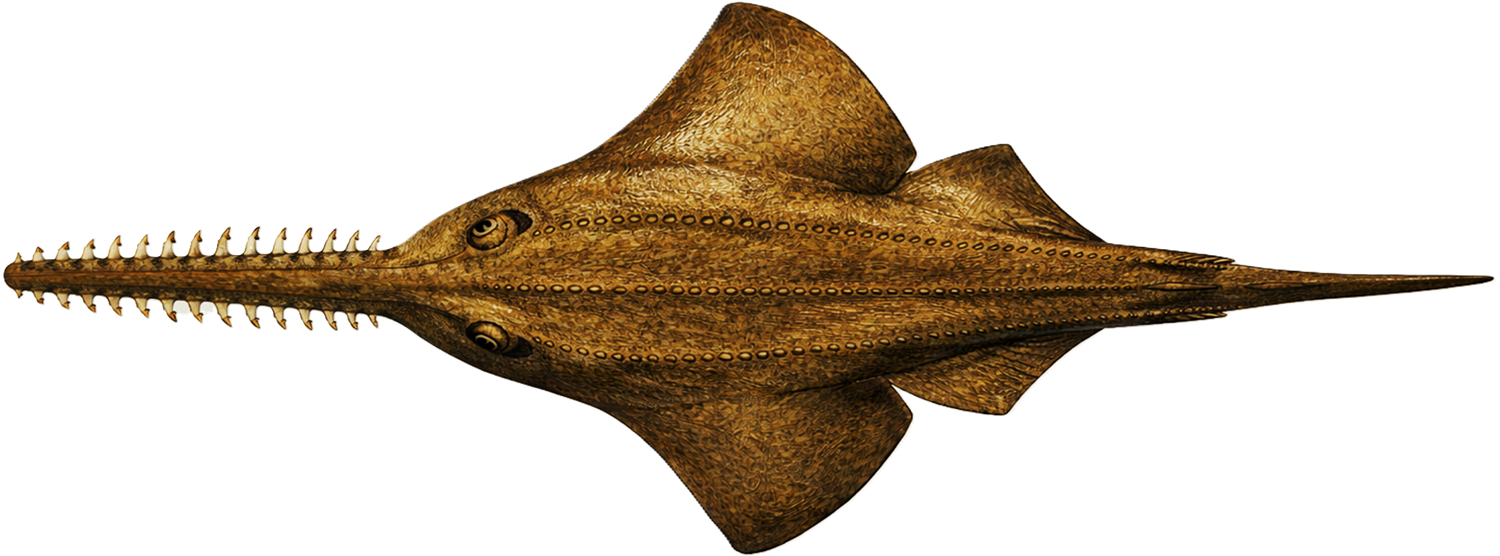 |
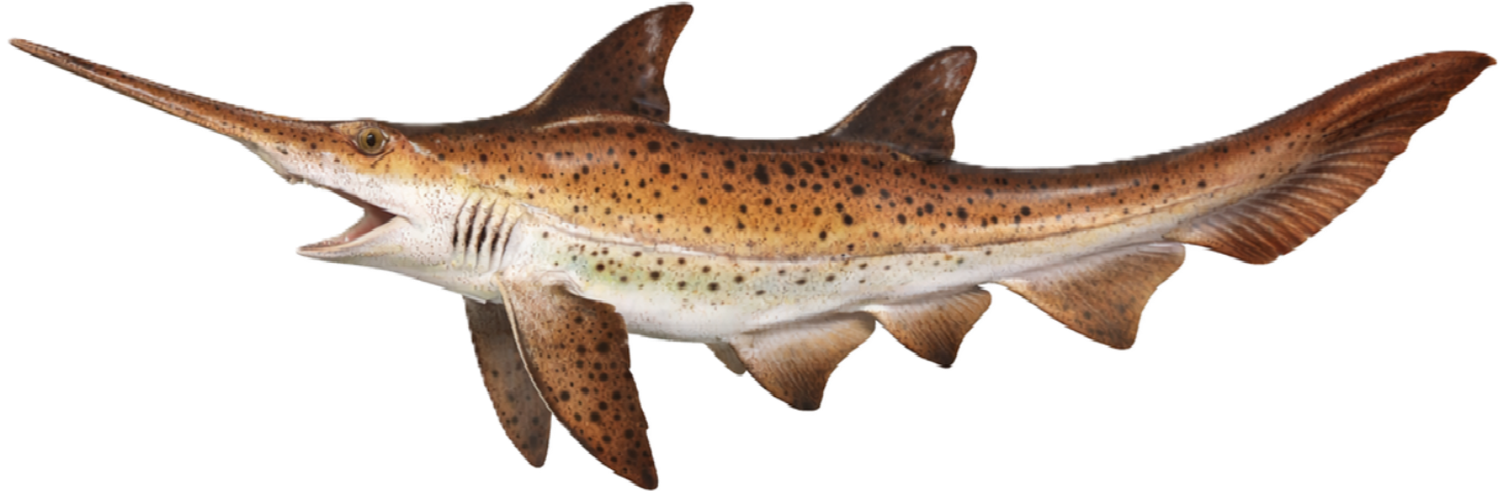
Texatrygon avonicola135Estes, R. (1964). Fossil vertebrates from the Late Cretaceous Lance Formation, eastern Wyoming. University of California Publications in Geological Sciences, 49, 1–187. | Wyoming | Lance Formation | 44 Exemplare | Scheinsägerochen (Ptychotrygonidae) |


Knochenfische:
| Bild: | Spezies: | Fundort: | Stratigraphische Position: | Bekanntes Material: | Bemerkungen: |
|---|---|---|---|---|---|
|
|
Acipenser amnisinferos 136Hilton, E. J., & Grande, L. (2022). Late Cretaceous sturgeons (Acipenseridae) from North America, with two new species from the Tanis site in the Hell Creek Formation of North Dakota. Journal of Paleontology, 97(1), 189–217. doi: 10.1017/jpa.2022.81 | North Dakota (Tanis) | Oberste Hell Creek Formatiom | — | Stör (Acipenseridae) |
|
|
Acipenser cf. amnisinferos137Hilton, E. J., & Grande, L. (2022). Late Cretaceous sturgeons (Acipenseridae) from North America, with two new species from the Tanis site in the Hell Creek Formation of North Dakota. Journal of Paleontology, 97(1), 189–217. doi: 10.1017/jpa.2022.81 | North Dakota (Tanis) | Oberste Hell Creek Formatiom | — | Stör (Acipenseridae) |
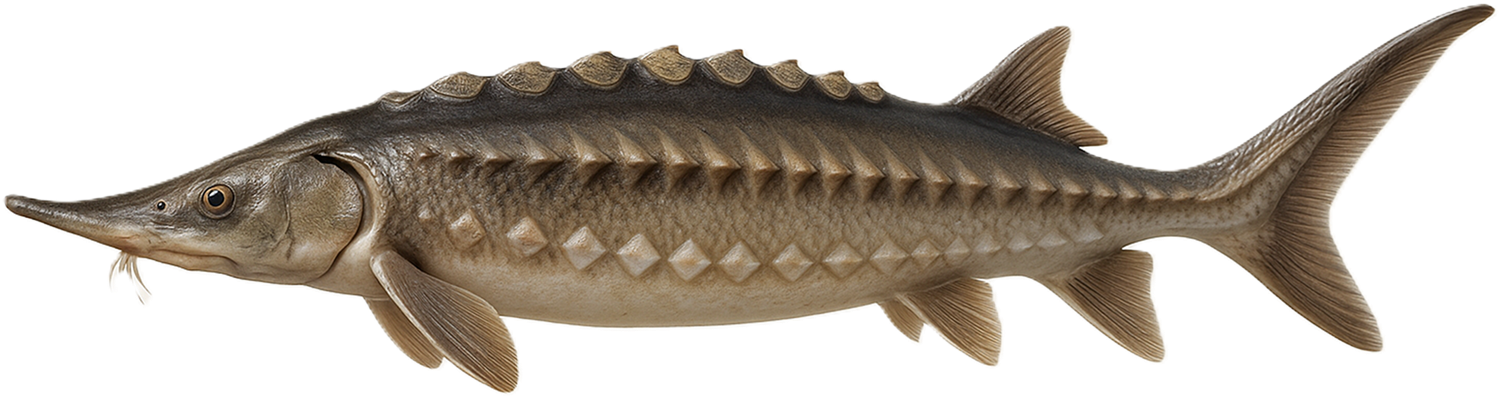 |
Acipenser eruciferus138Estes, R., & Berberian, P. (1970). Paleoecology of a late Cretaceous vertebrate community from Montana. Breviora, 343, 3. | Montana | Hell Creek Formation | 11 Exemplare | Stör (Acipenseridae) |
|
|
Acipenser praeparatorum139Hilton, E. J., & Grande, L. (2022). Late Cretaceous sturgeons (Acipenseridae) from North America, with two new species from the Tanis site in the Hell Creek Formation of North Dakota. Journal of Paleontology, 97(1), 189–217. doi: 10.1017/jpa.2022.81 | North Dakota (Tanis) | Oberste Hell Creek Formatiom | — | Stör (Acipenseridae) |
|
|
Acipenser sp.140Pearson, D. A. et al. (2002). Vertebrate biostratigraphy of the Hell Creek Formation in southwestern North Dakota and northwestern South Dakota. In J. H. Hartman, K. R. Johnson, & D. J. Nichols (Eds.), The Hell Creek Formation and the Cretaceous–Tertiary boundary in the Northern Great Plains (GSA Special Paper 361, 154). Geological Society of America. doi: 10.1130/0-8137-2361-2.145 | North Dakota, South Dakota | Untere bis obere Hell Creek Formation | 18 Exemplare | Stör (Acipenseridae) |
|
|
Anchiacipenser acanthaspis141Sato, H. et al. (2018). A rare, articulated sturgeon (Chondrostei: Acipenseriformes) from the Upper Cretaceous of Dinosaur Provincial Park, Alberta, Canada. Journal of Vertebrate Paleontology, 38(4), 1–15. doi: 10.1080/02724634.2018.1488137 | Montana | Hell Creek Formation | — | Stör (Acipenseridae) |
|
|
Arotus hieroglyphus142Gardner, J. D., Brinkman, D.B. & Murray, A. M. (2025). Reidentification of the holotype of ‚Ceratodus‘ hieroglyphus Cope from the Upper Cretaceous (Campanian) of Montana, USA, as the scale of a holostean fish. Palaeobiodiversity and Palaeoenvironments 105 (2): 545–572. doi:10.1007/s12549-025-00663-4 | Montana | Untere bis obere Hell Creek Formation | — | Knochenfisch (Osteoglossomorpha); synonym zu Ceratodus hieroglyphus |
|
|
Belonostomus longirostris143Pearson, D. A. et al. (2002). Vertebrate biostratigraphy of the Hell Creek Formation in southwestern North Dakota and northwestern South Dakota. In J. H. Hartman, K. R. Johnson, & D. J. Nichols (Eds.), The Hell Creek Formation and the Cretaceous–Tertiary boundary in the Northern Great Plains (GSA Special Paper 361, 154). Geological Society of America. doi: 10.1130/0-8137-2361-2.145 | Montana, North Dakota, South Dakota | Untere bis obere Hell Creek Formation | 70 Exemplare | Knochenfisch (Aspidorhynchiformes) |
|
|
Coriops amnicolus144Estes, R., & Berberian, P. (1970). Paleoecology of a late Cretaceous vertebrate community from Montana. Breviora, 343, 4.145Clemens, W. A. (1964). Fossil mammals of the type Lance Formation, Wyoming – Part I. Introduction and Marsupialia. University of California Publications in Geological Sciences, 48, 1–105. | Montana, North Dakota, South Dakota, Wyoming | Untere bis obere Hell Creek Formation; Lance Formation | 54 Exemplare | Knochenfisch (Osteoglossomorpha) |
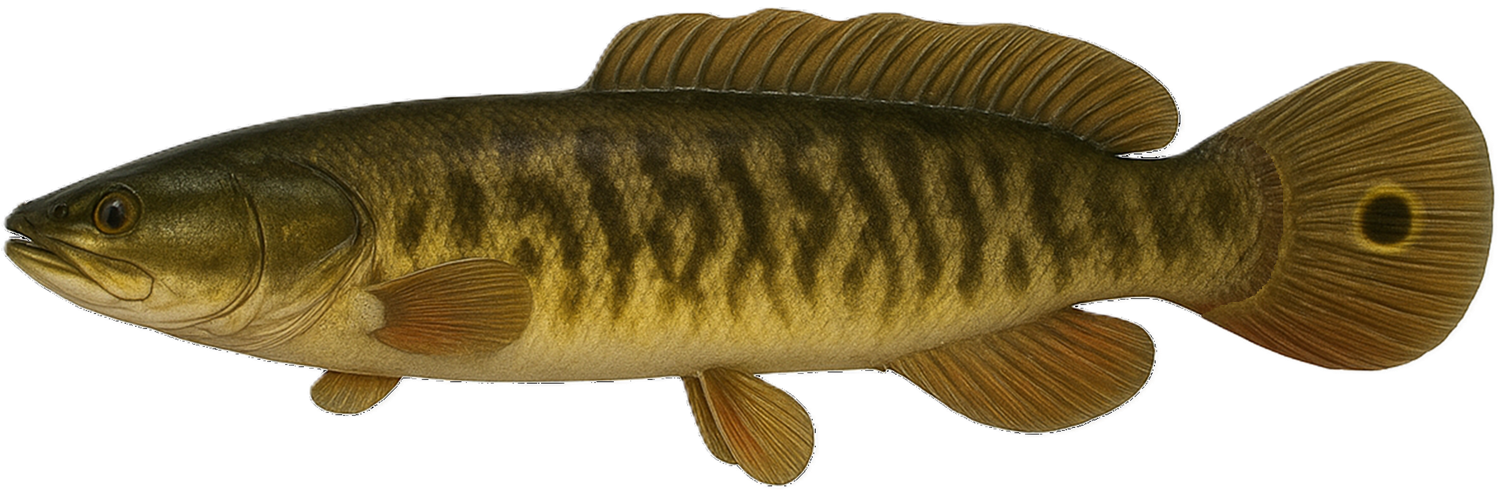 |
Cyclurus fragosus146Estes, R., & Berberian, P. (1970). Paleoecology of a late Cretaceous vertebrate community from Montana. Breviora, 343, 3.147Estes, R. (1964). Fossil vertebrates from the Late Cretaceous Lance Formation, eastern Wyoming. University of California Publications in Geological Sciences, 49, 1–187. | Montana, North Dakota, South Dakota, Wyoming | Hell Creek Formation; Lance Formation | über 2600 Exemplare | Kahlhecht (Amiidae); synonym zu Amia fragosa |
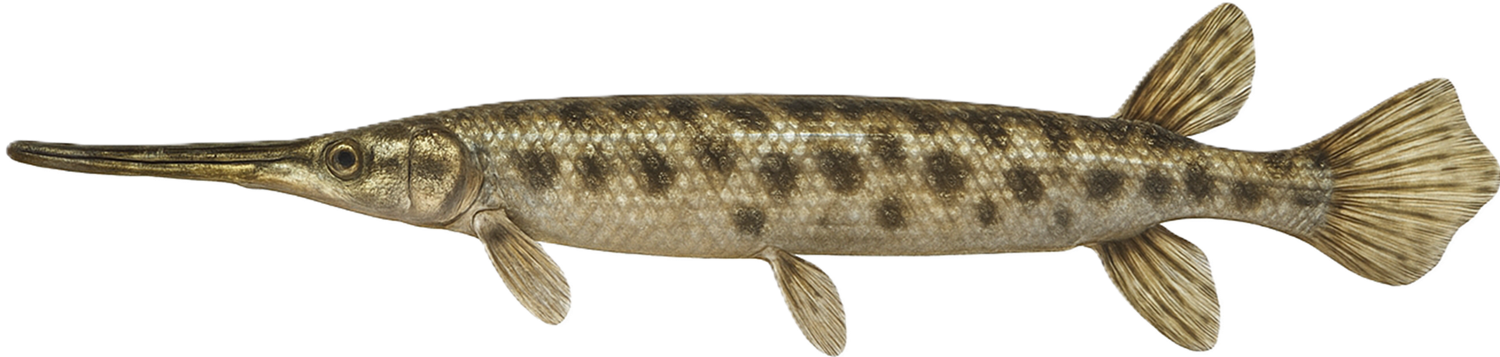 |
„Lepisosteus occidentalis“148Pearson, D. A. et al. (2002). Vertebrate biostratigraphy of the Hell Creek Formation in southwestern North Dakota and northwestern South Dakota. In J. H. Hartman, K. R. Johnson, & D. J. Nichols (Eds.), The Hell Creek Formation and the Cretaceous–Tertiary boundary in the Northern Great Plains (GSA Special Paper 361, 154). Geological Society of America. doi: 10.1130/0-8137-2361-2.145149Estes, R., & Berberian, P. (1970). Paleoecology of a late Cretaceous vertebrate community from Montana. Breviora, 343, 3.150Estes, R. (1964). Fossil vertebrates from the Late Cretaceous Lance Formation, eastern Wyoming. University of California Publications in Geological Sciences, 49, 1–187. | Montana, North Dakota, South Dakota, Wyoming | Untere bis obere Hell Creek Formation; Lance Formation | über 980 Exemplare | Knochenhecht (Lepisosteidae) |
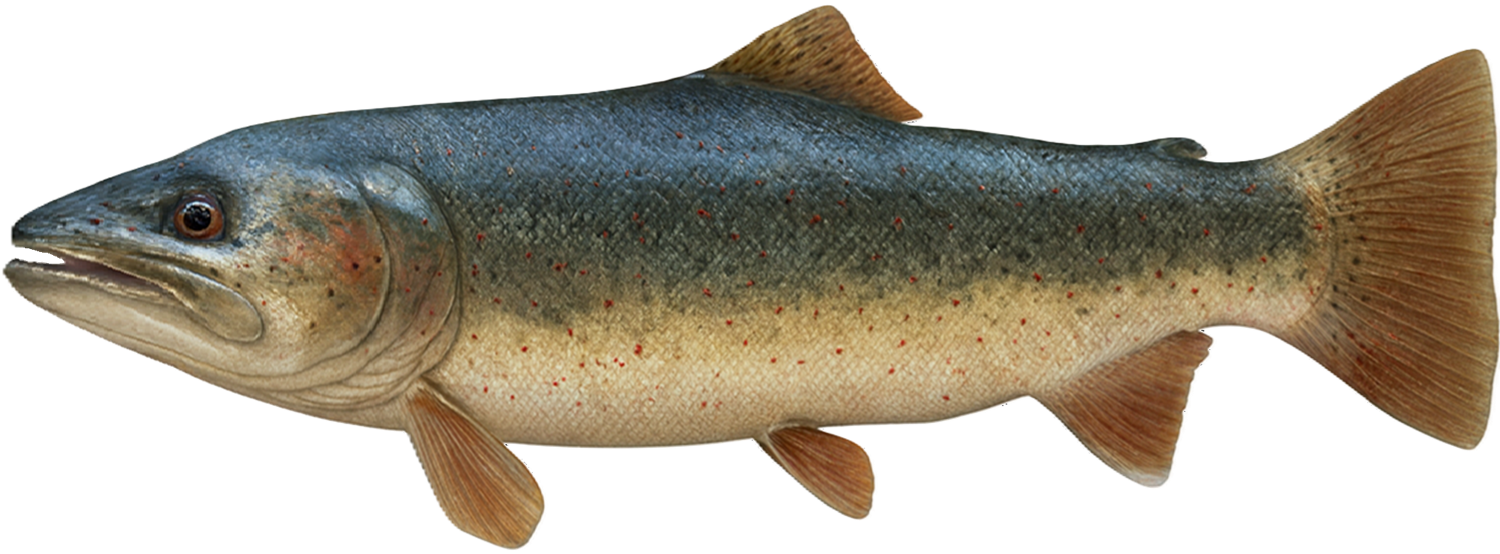 |
Melvius thomasi151Pearson, D. A. et al. (2002). Vertebrate biostratigraphy of the Hell Creek Formation in southwestern North Dakota and northwestern South Dakota. In J. H. Hartman, K. R. Johnson, & D. J. Nichols (Eds.), The Hell Creek Formation and the Cretaceous–Tertiary boundary in the Northern Great Plains (GSA Special Paper 361, 154). Geological Society of America. doi: 10.1130/0-8137-2361-2.145152Estes, R. (1964). Fossil vertebrates from the Late Cretaceous Lance Formation, eastern Wyoming. University of California Publications in Geological Sciences, 49, 1–187. | North Dakota, South Dakota, Wyoming | Untere bis obere Hell Creek Formation; Lance Formation | 41 Exemplare | Kahlhecht (Amiidae) |
 |
Pachyrhizodontoidei indet.153Paleobiota of the Hell Creek Formation – Bony fish. Wikipedia, 21. Februar 2025. | — | Hell Creek Formation | — | Knochenfisch (Pachyrhizodontoidei) |
|
|
Palaeolabrus montanensis154Estes, R., & Berberian, P. (1970). Paleoecology of a late Cretaceous vertebrate community from Montana. Breviora, 343, 3. | Montana | Hell Creek Formation | 4 Exemplare | Knochenfisch (Palaeolabridae) |
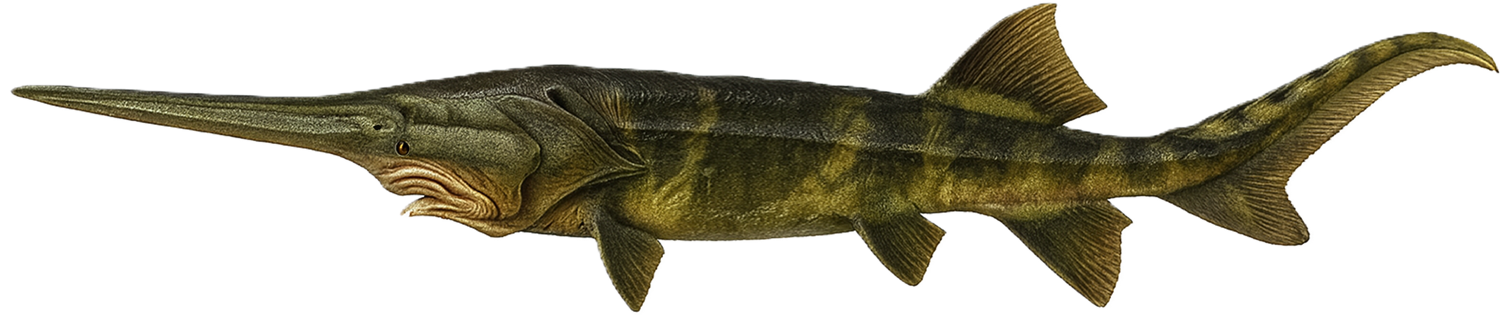 |
Paleopsephurus wilsoni155Estes, R., & Berberian, P. (1970). Paleoecology of a late Cretaceous vertebrate community from Montana. Breviora, 343, 3. | Montana | Hell Creek Formation | 4 Exemplare | Löffelstör (Polyodontidae) |
|
|
Paralbula casei156Estes, R., & Berberian, P. (1970). Paleoecology of a late Cretaceous vertebrate community from Montana. Breviora, 343, 4. | Montana | Hell Creek Formation | 82 Exemplare | Knochenfisch (Phyllodontidae) |
|
|
Parapsephurus willybemisi157Hilton, E. J. et al. (2023). New paddlefishes (Acipenseriformes, Polyodontidae) from the Late Cretaceous Tanis Site of the Hell Creek Formation in North Dakota, USA. Journal of Paleontology, 97(3), 675–692. doi: 10.1017/jpa.2023.19 | North Dakota (Tanis) | Oberste Hell Creek Formatiom | — | Löffelstör (Polyodontidae) |
|
|
Phyllodus paulkatoi158Paleobiota of the Hell Creek Formation – Bony fish. Wikipedia, 21. Februar 2025. | Montana | Hell Creek Formation | 3 Exemplare | Knochenfisch (Phyllodontidae) |
|
|
Platacodon nanus159Estes, R., & Berberian, P. (1970). Paleoecology of a late Cretaceous vertebrate community from Montana. Breviora, 343, 4. | Montana | Hell Creek Formation | 21 Exemplare | Umberfisch (Sciaenidae) |
|
|
Polyodontidae indet.160Grande, L., & Bemis, W. E. (1991). Osteology and phylogenetic relationships of fossil and recent paddlefishes (Polyodontidae) with comments on the interrelationships of Acipenseriformes. Memoir, 1, ii–121. Society of Vertebrate Paleontology. doi: 10.2307/3889328 | Montana | Hell Creek Formation | — | Löffelstör (Polyodontidae) |
|
|
Protamia sp.161Estes, R., & Berberian, P. (1970). Paleoecology of a late Cretaceous vertebrate community from Montana. Breviora, 343, 3. | Montana | Hell Creek Formation | — | Kahlhecht (Amiidae) |
|
|
Protoscaphirhynchus squamosus162Estes, R., & Berberian, P. (1970). Paleoecology of a late Cretaceous vertebrate community from Montana. Breviora, 343, 3. | Montana | Hell Creek Formation | — | Stör (Acipenseridae) |
|
|
Pugiopsephurus inundatus163Hilton, E. J. et al. (2023). New paddlefishes (Acipenseriformes, Polyodontidae) from the Late Cretaceous Tanis Site of the Hell Creek Formation in North Dakota, USA. Journal of Paleontology, 97(3), 675–692. doi: 10.1017/jpa.2023.19 | North Dakota (Tanis) | Oberste Hell Creek Formatiom | — | Löffelstör (Polyodontidae) |

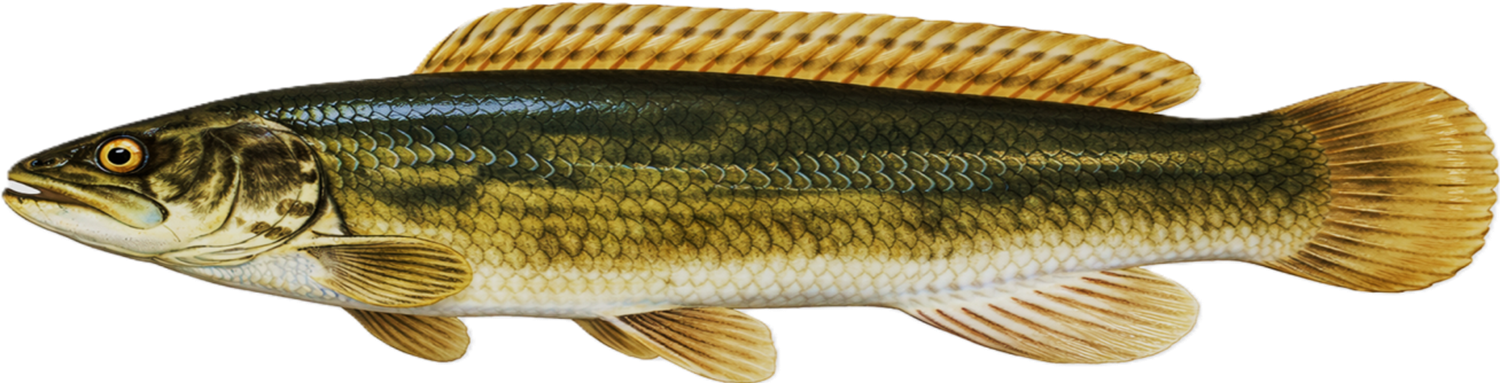
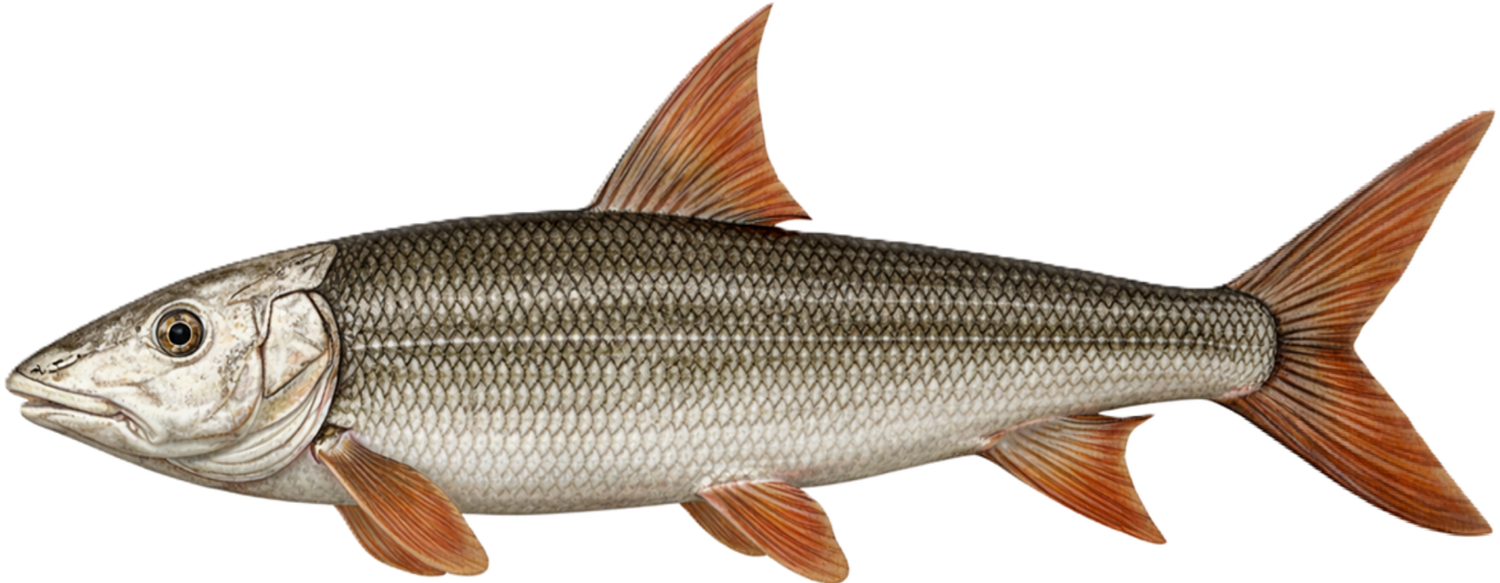
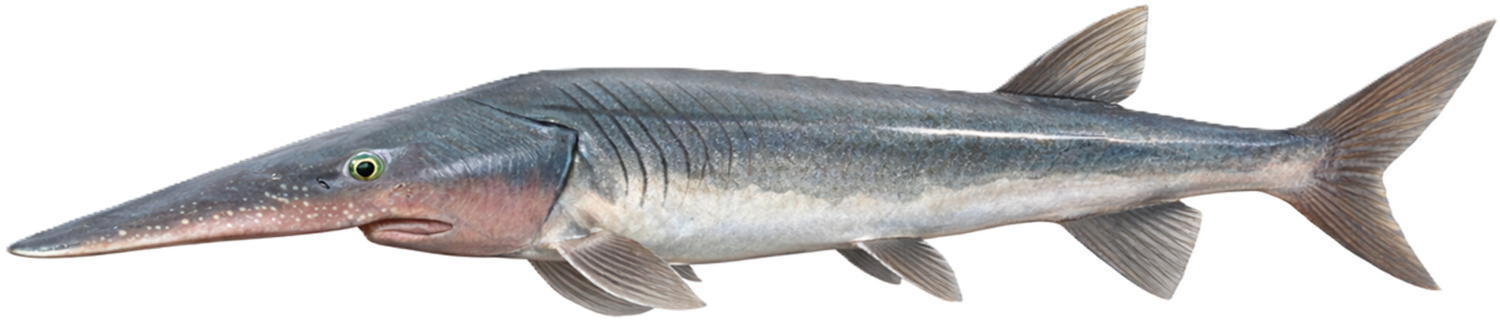
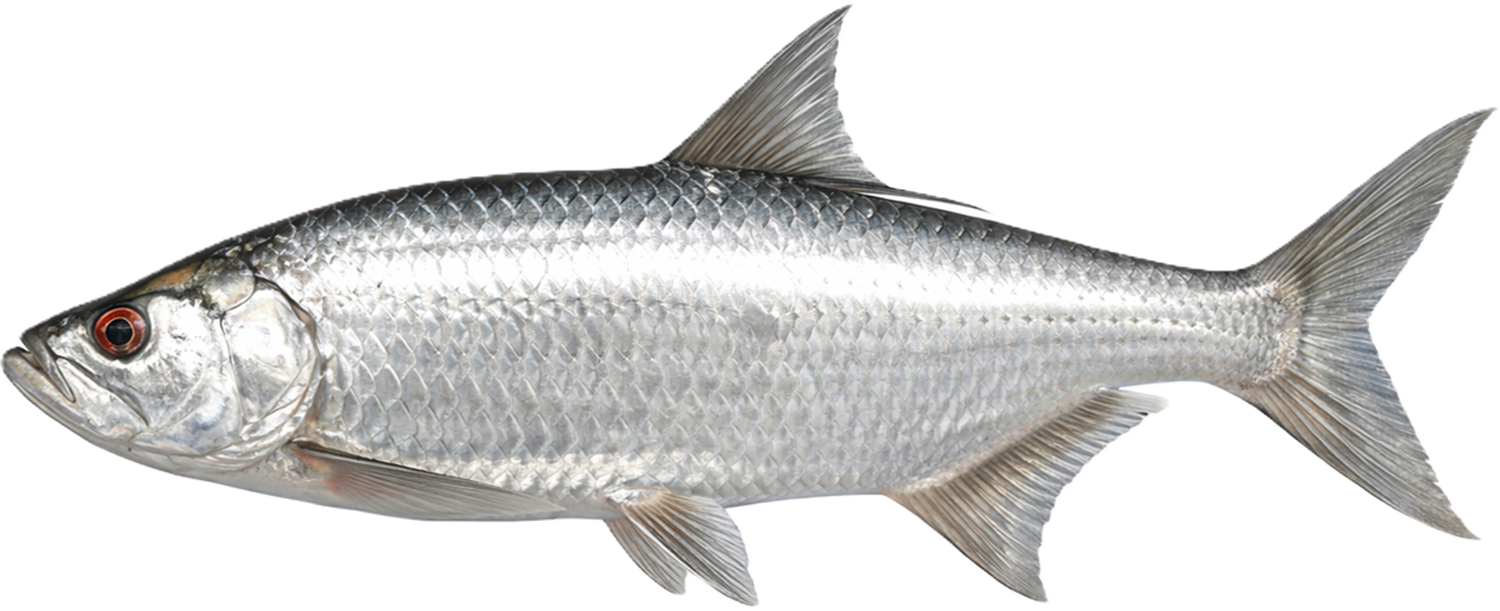


Amphibien:
| Bild: | Spezies: | Fundort: | Stratigraphische Position: | Bekanntes Material: | Bemerkungen: |
|---|---|---|---|---|---|
|
|
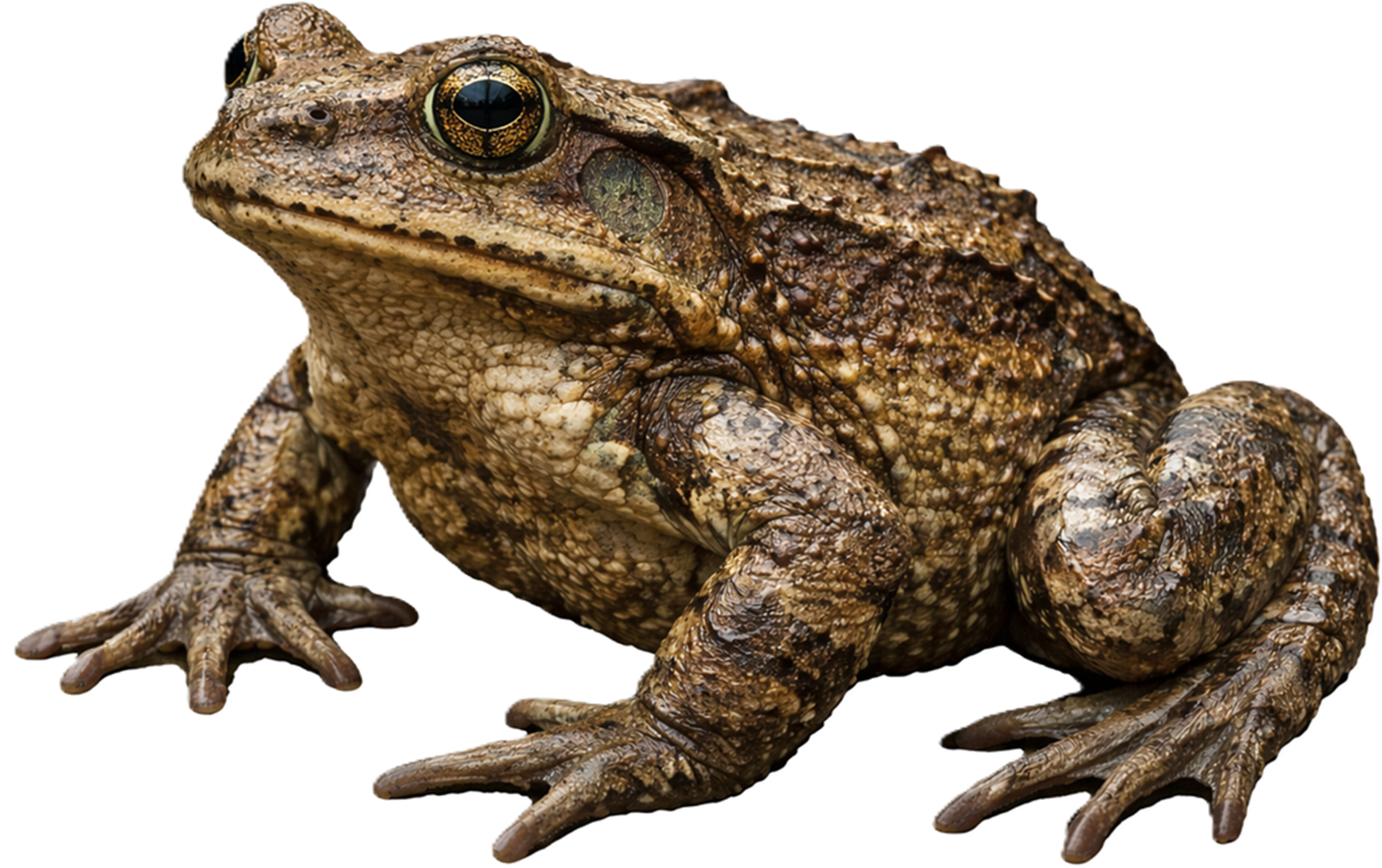
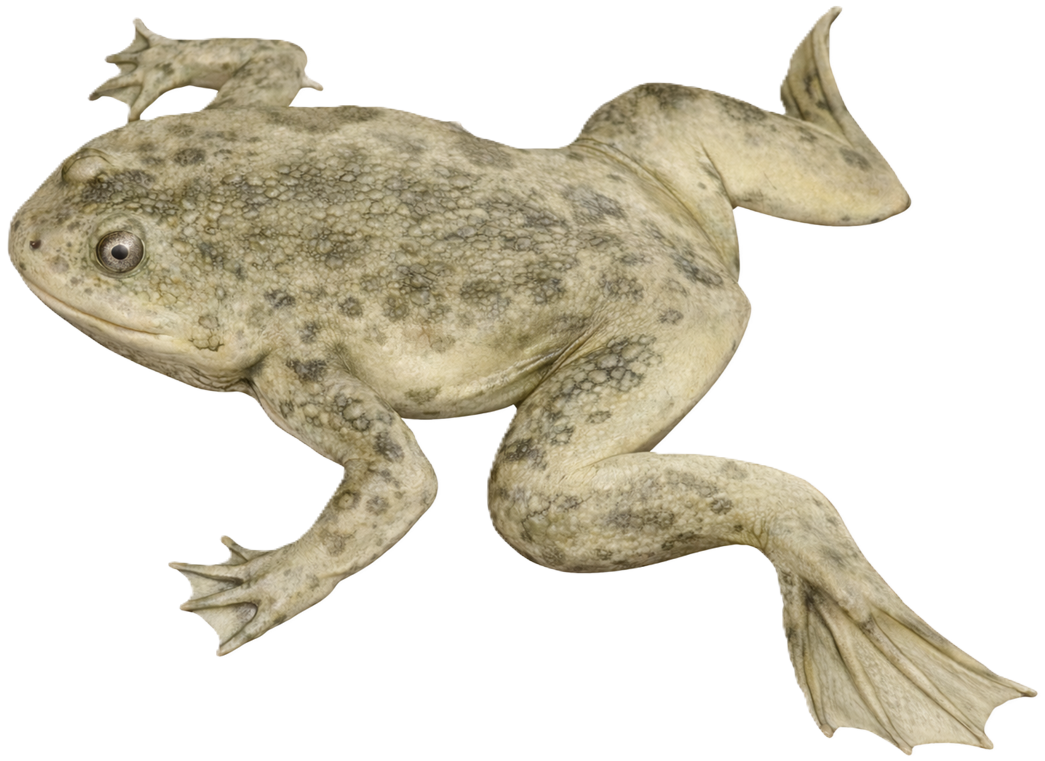
Anura indet.164Pearson, D. A. et al. (2002). Vertebrate biostratigraphy of the Hell Creek Formation in southwestern North Dakota and northwestern South Dakota. In J. H. Hartman, K. R. Johnson, & D. J. Nichols (Eds.), The Hell Creek Formation and the Cretaceous–Tertiary boundary in the Northern Great Plains (GSA Special Paper 361, 154). Geological Society of America. doi: 10.1130/0-8137-2361-2.145 | North Dakota, South Dakota | Mittlere bis obere Hell Creek Formation | 3 Exemplare | Frosch (Anura); vielleicht ein Palaeobatrachus occidentalis |
|
|
Barbourula sp.165Estes, R., & Berberian, P. (1970). Paleoecology of a late Cretaceous vertebrate community from Montana. Breviora, 343, 4. | Montana | Hell Creek Formation | — | Unke (Bombinatoridae) |
|
|
Caudata indet.166Pearson, D. A. et al. (2002). Vertebrate biostratigraphy of the Hell Creek Formation in southwestern North Dakota and northwestern South Dakota. In J. H. Hartman, K. R. Johnson, & D. J. Nichols (Eds.), The Hell Creek Formation and the Cretaceous–Tertiary boundary in the Northern Great Plains (GSA Special Paper 361, 154). Geological Society of America. doi: 10.1130/0-8137-2361-2.145167Estes, R., & Berberian, P. (1970). Paleoecology of a late Cretaceous vertebrate community from Montana. Breviora, 343, 4. | North Dakota, South Dakota | Untere bis obere Hell Creek Formation | 149 Exemplare | Salamander? |
|
|
Eopelobates sp.168Estes, R., & Berberian, P. (1970). Paleoecology of a late Cretaceous vertebrate community from Montana. Breviora, 343, 4. | Montana | Hell Creek Formation | — | Kröte (Pelobatidae) |
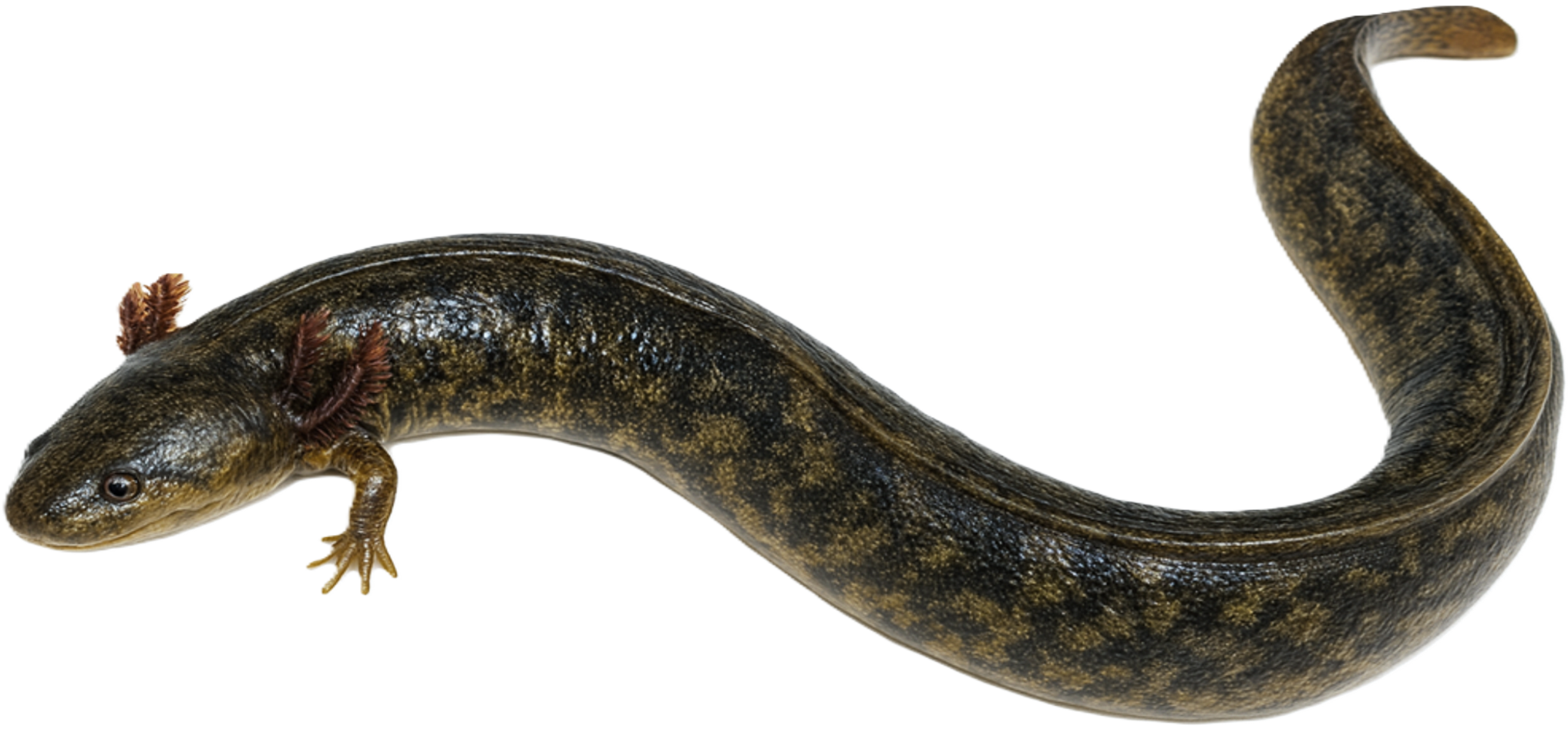 |
Habrosaurus dilatus169Pearson, D. A. et al. (2002). Vertebrate biostratigraphy of the Hell Creek Formation in southwestern North Dakota and northwestern South Dakota. In J. H. Hartman, K. R. Johnson, & D. J. Nichols (Eds.), The Hell Creek Formation and the Cretaceous–Tertiary boundary in the Northern Great Plains (GSA Special Paper 361, 154). Geological Society of America. doi: 10.1130/0-8137-2361-2.145170Estes, R., & Berberian, P. (1970). Paleoecology of a late Cretaceous vertebrate community from Montana. Breviora, 343, 4. | Montana, North Dakota, South Dakota | Mittlere bis obere Hell Creek Formation | 52 Exemplare | Armmolch (Sirenidae) |
|
|
Lisserpeton bairdi171Estes, R., & Berberian, P. (1970). Paleoecology of a late Cretaceous vertebrate community from Montana. Breviora, 343, 4.172Clemens, W. A. (1964). Fossil mammals of the type Lance Formation, Wyoming – Part I. Introduction and Marsupialia. University of California Publications in Geological Sciences, 48, 1–105. | Montana, North Dakota, Wyoming | Hell Creek Formation; Lance Formation | 25 Exemplare | Schwanzlurch (Scapherpetontidae) |
|
|
Opisthotriton kayi173Pearson, D. A. et al. (2002). Vertebrate biostratigraphy of the Hell Creek Formation in southwestern North Dakota and northwestern South Dakota. In J. H. Hartman, K. R. Johnson, & D. J. Nichols (Eds.), The Hell Creek Formation and the Cretaceous–Tertiary boundary in the Northern Great Plains (GSA Special Paper 361, 154). Geological Society of America. doi: 10.1130/0-8137-2361-2.145174Estes, R., & Berberian, P. (1970). Paleoecology of a late Cretaceous vertebrate community from Montana. Breviora, 343, 4. | Montana, North Dakota, South Dakota | Untere bis obere Hell Creek Formation | 111 Exemplare | Salamander (Batrachosauroididae) |
|
|
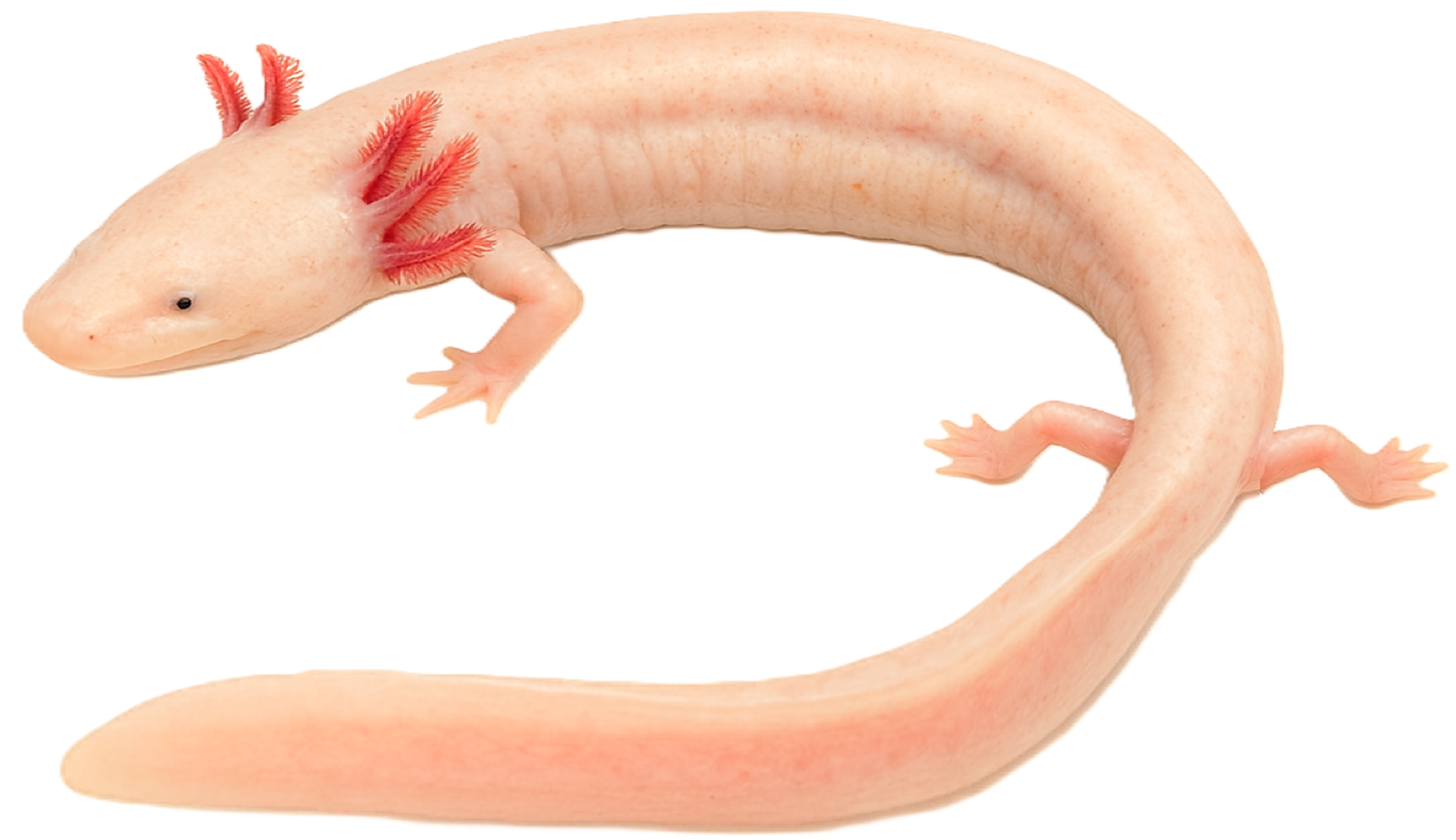
Palaeobatrachus occidentalis175Estes, R. & Sanchíz, B. (1982). New discoglossid and palaeobatrachid frogs from the Late Cretaceous of Wyoming and Montana, and a review of other frogs from the Lance and Hell Creek formations. Journal of Vertebrate Paleontology, 2(1), 9–20. doi:10.1080/02724634.1982.10011914 | Montana, Wyoming | Untere bis obere Hell Creek Formation | — | Frosch (Palaeobatrachidae); möglicherweise kein „echter“ Palaeobatrachus, sondern ein anderer Frosch (Anura indet.) |
 |
Paranecturus garbanii176DeMar, D. G. Jr. (2013). A new fossil salamander (Caudata, Proteidae) from the Upper Cretaceous (Maastrichtian) Hell Creek Formation, Montana, U.S.A. Journal of Vertebrate Paleontology, 33(3), 588–598. doi: 10.1080/02724634.2013.734887 | Montana | Hell Creek Formation | 8 Exemplare | Grottenolm (Proteidae) |
|
|
Proamphiuma cretacea177Estes, R., & Berberian, P. (1970). Paleoecology of a late Cretaceous vertebrate community from Montana. Breviora, 343, 4. | Montana, North Dakota | Bug Creek Anthills | 4 Exemplare | Schwanzlurch (Caudata) |
|
|
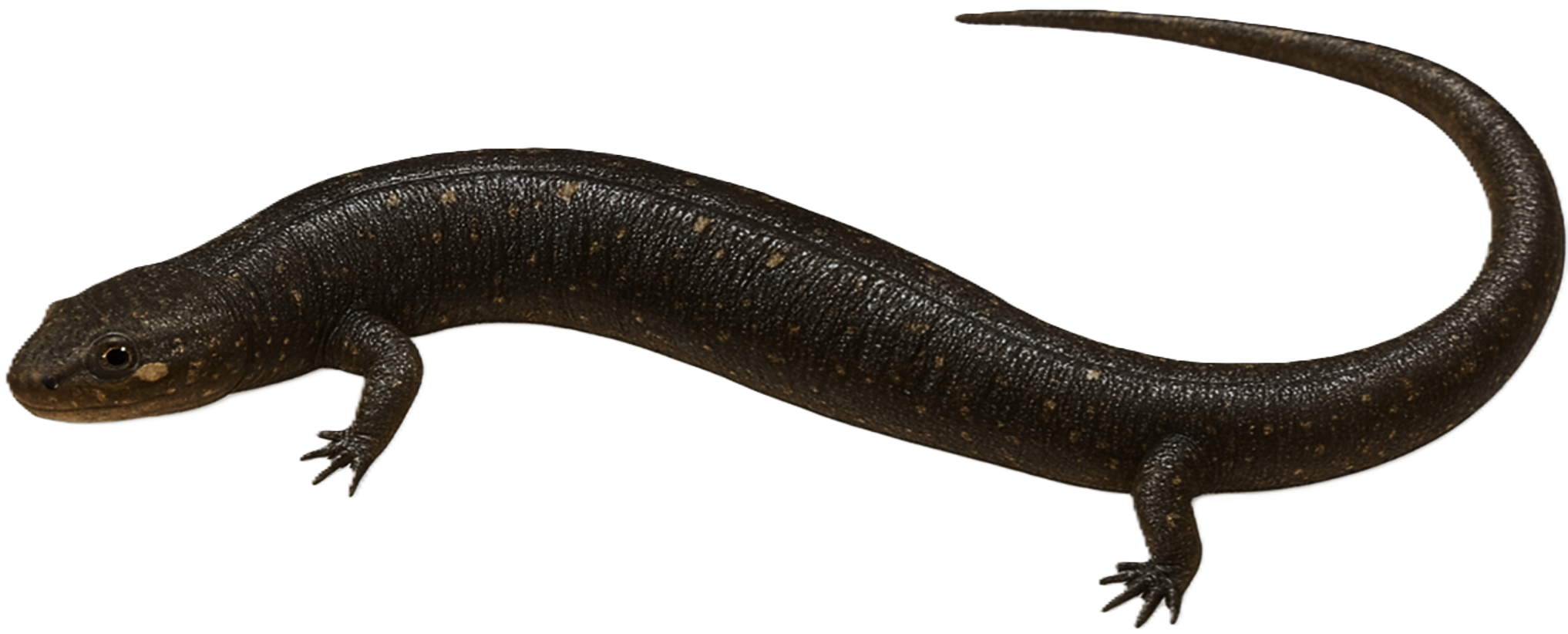
Prodesmodon copei178Estes, R., & Berberian, P. (1970). Paleoecology of a late Cretaceous vertebrate community from Montana. Breviora, 343, 4.179Estes, R. (1964). Fossil vertebrates from the Late Cretaceous Lance Formation, eastern Wyoming. University of California Publications in Geological Sciences, 49, 1–187. | Montana, North Dakota, Wyoming | Hell Creek Formation; Lance Formation | 32 Exemplare | Salamander (Batrachosauroididae) |
 |
Scapherpeton tectum180Pearson, D. A. et al. (2002). Vertebrate biostratigraphy of the Hell Creek Formation in southwestern North Dakota and northwestern South Dakota. In J. H. Hartman, K. R. Johnson, & D. J. Nichols (Eds.), The Hell Creek Formation and the Cretaceous–Tertiary boundary in the Northern Great Plains (GSA Special Paper 361, 154). Geological Society of America. doi: 10.1130/0-8137-2361-2.145181Estes, R., & Berberian, P. (1970). Paleoecology of a late Cretaceous vertebrate community from Montana. Breviora, 343, 4. | Montana, North Dakota, South Dakota | Untere bis obere Hell Creek Formation | 132 Exemplare | Schwanzlurch (Scapherpetontidae) |
|
|
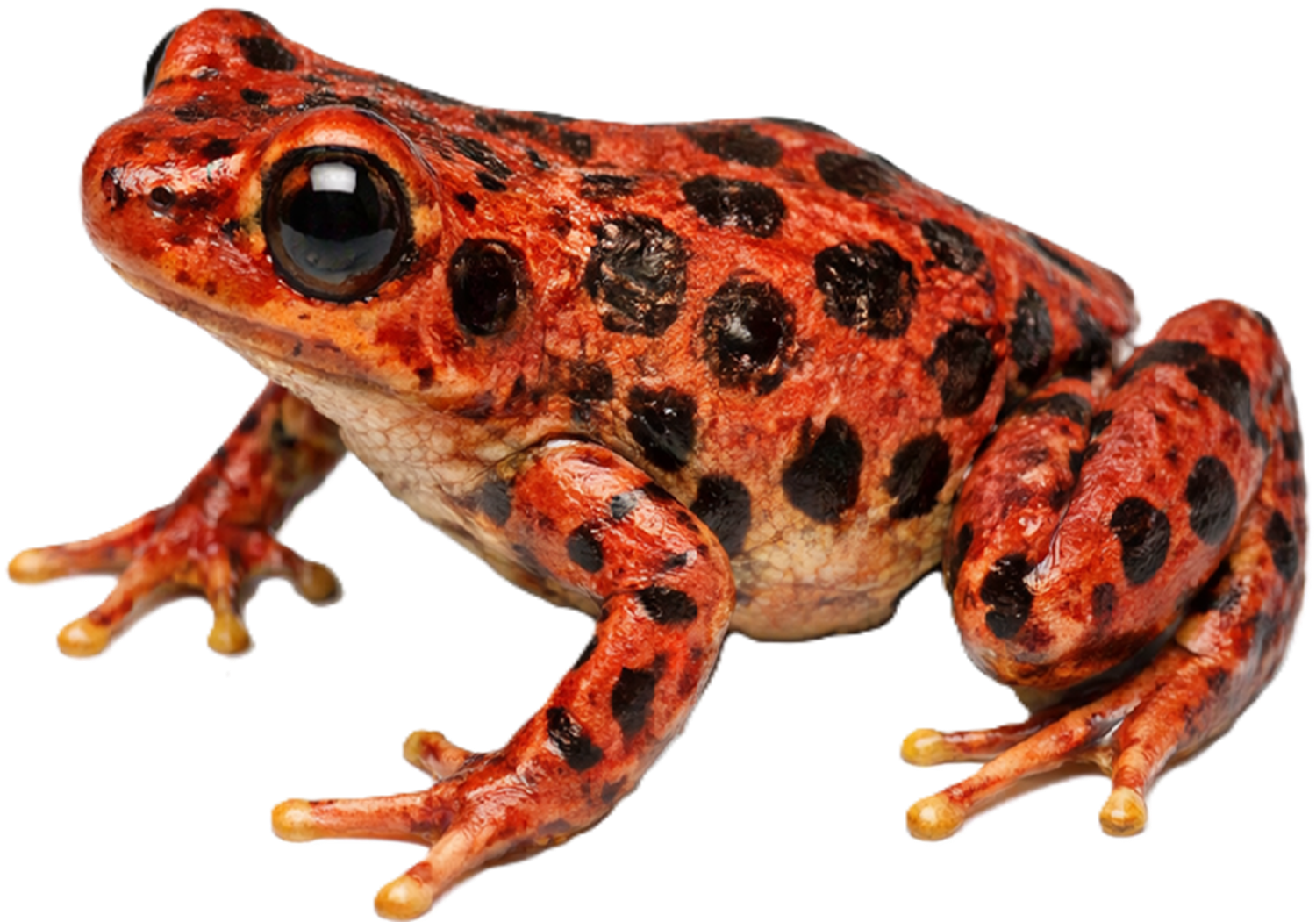
Scotiophryne pustulosa182Estes, R., & Berberian, P. (1970). Paleoecology of a late Cretaceous vertebrate community from Montana. Breviora, 343, 4.183Clemens, W. A. (1964). Fossil mammals of the type Lance Formation, Wyoming – Part I. Introduction and Marsupialia. University of California Publications in Geological Sciences, 48, 1–105. | Montana, Wyoming | Hell Creek Formation; Lance Formation | 16 Exemplare | Frosch (Anura) |
 |
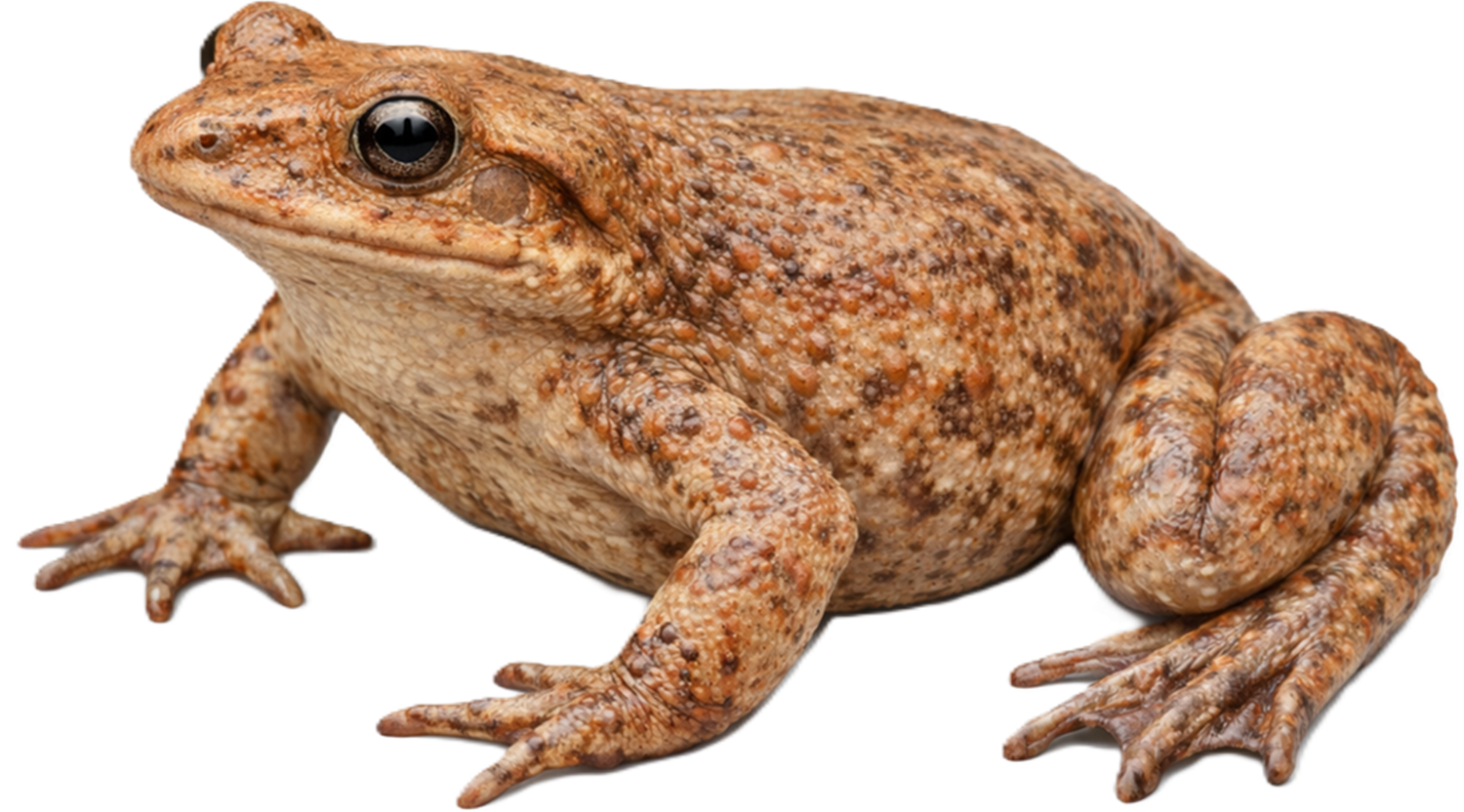
Theatonius lancensis184Fox, R. C. (1976). An edentulous frog (Theatonius lancensis, new genus and species) from the Upper Cretaceous Lance Formation of Wyoming. Canadian Journal of Earth Sciences, 13(10), 1486–1490. doi:10.1139/e76-154 | Montana, Wyoming | Hell Creek Formation; Lance Formation | — | Frosch (Anura) |






Schuppenechsen:
| Bild: | Spezies: | Fundort: | Stratigraphische Position: | Bekanntes Material: | Bemerkungen: |
|---|---|---|---|---|---|
|
|
Boidae indet.185Paleobiota of the Hell Creek Formation – Squamata. Wikipedia, 21. Februar 2025. | — | Hell Creek Formation | — | — |
|
|
Cemeterius monstrosus186Longrich, N. R., Bhullar, B. S., & Gauthier, J. A. (2012). Mass extinction of lizards and snakes at the Cretaceous–Paleogene boundary. Proceedings of the National Academy of Sciences of the United States of America, 109(52), 21396–21401. doi: 10.1073/pnas.1211526110187Longrich, N. R., Bhullar, B. S., & Gauthier, J. A. (2013). Correction for “Mass extinction of lizards and snakes at the Cretaceous–Paleogene boundary.” Proceedings of the National Academy of Sciences of the United States of America, 110(16), 6608. doi: 10.1073/pnas.1303907110188Clemens, W. A. (1964). Fossil mammals of the type Lance Formation, Wyoming – Part I. Introduction and Marsupialia. University of California Publications in Geological Sciences, 48, 1–105. | Montana, Wyoming | Hell Creek Formation; Lance Formation | 2 Exemplare | Schuppenechse (Platynota) |
|
|
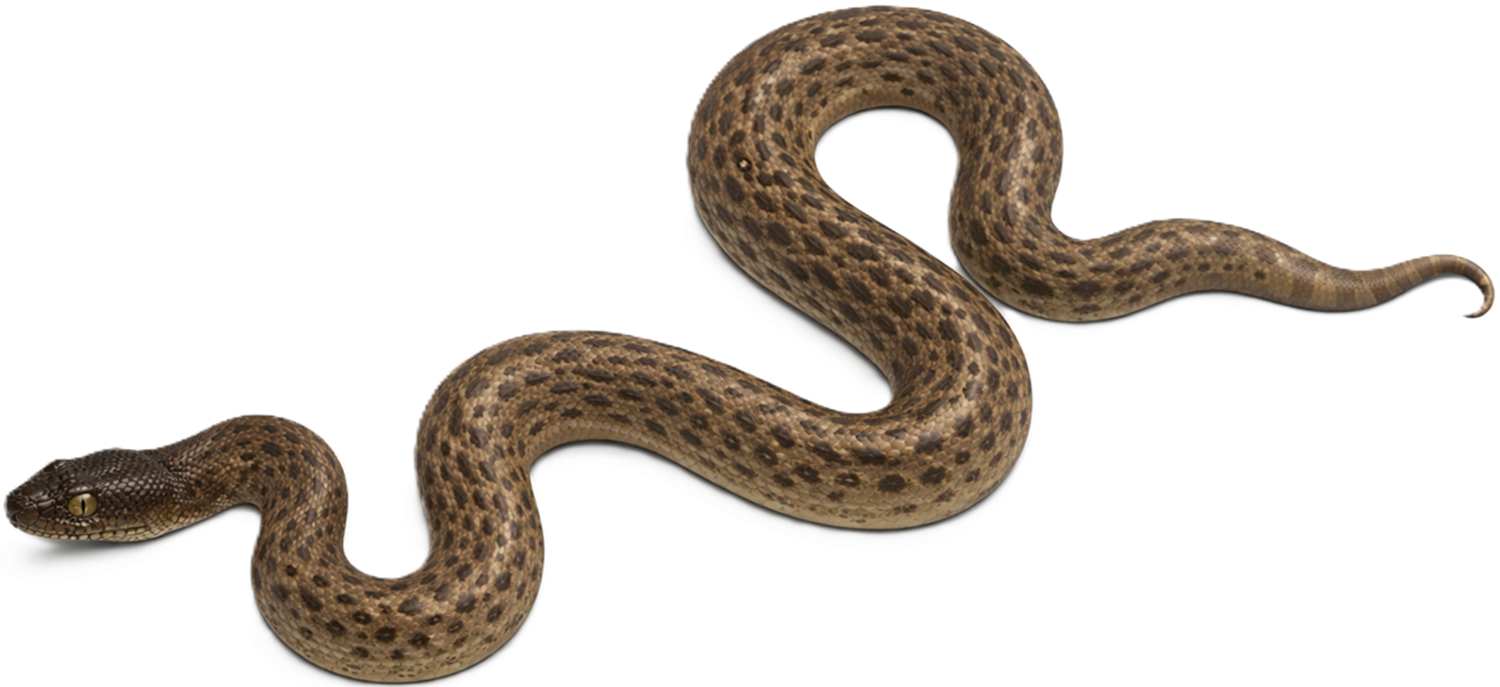
Cerberophis robustus189Longrich, N. R., Bhullar, B. S., & Gauthier, J. A. (2012). Mass extinction of lizards and snakes at the Cretaceous–Paleogene boundary. Proceedings of the National Academy of Sciences of the United States of America, 109(52), 21396–21401. doi: 10.1073/pnas.1211526110190Longrich, N. R., Bhullar, B. S., & Gauthier, J. A. (2013). Correction for “Mass extinction of lizards and snakes at the Cretaceous–Paleogene boundary.” Proceedings of the National Academy of Sciences of the United States of America, 110(16), 6608. doi: 10.1073/pnas.1303907110 | Montana | Hell Creek Formation | 1 Exemplar | Schlange (Alethinophidia) |
|
|
Chamops segnis191Paleobiota of the Hell Creek Formation – Squamata. Wikipedia, 21. Februar 2025.192Clemens, W. A. (1964). Fossil mammals of the type Lance Formation, Wyoming – Part I. Introduction and Marsupialia. University of California Publications in Geological Sciences, 48, 1–105. | Montana, South Dakota, Wyoming | Hell Creek Formation; Lance Formation | 28 Exemplare | Schienenechse (Chamopsidae) |
|
|
Colpodontosaurus cracens193Estes, R. (1964). Fossil vertebrates from the Late Cretaceous Lance Formation, eastern Wyoming. University of California Publications in Geological Sciences, 49, 1–187.194Longrich, N. R., Bhullar, B. S., & Gauthier, J. A. (2012). Mass extinction of lizards and snakes at the Cretaceous–Paleogene boundary. Proceedings of the National Academy of Sciences of the United States of America, 109(52), 21396–21401. doi: 10.1073/pnas.1211526110195Longrich, N. R., Bhullar, B. S., & Gauthier, J. A. (2013). Correction for “Mass extinction of lizards and snakes at the Cretaceous–Paleogene boundary.” Proceedings of the National Academy of Sciences of the United States of America, 110(16), 6608. doi: 10.1073/pnas.1303907110 | Wyoming | Lance Formation | 10 Exemplare | Schleichenartiger (Anguimorpha) |
|
|
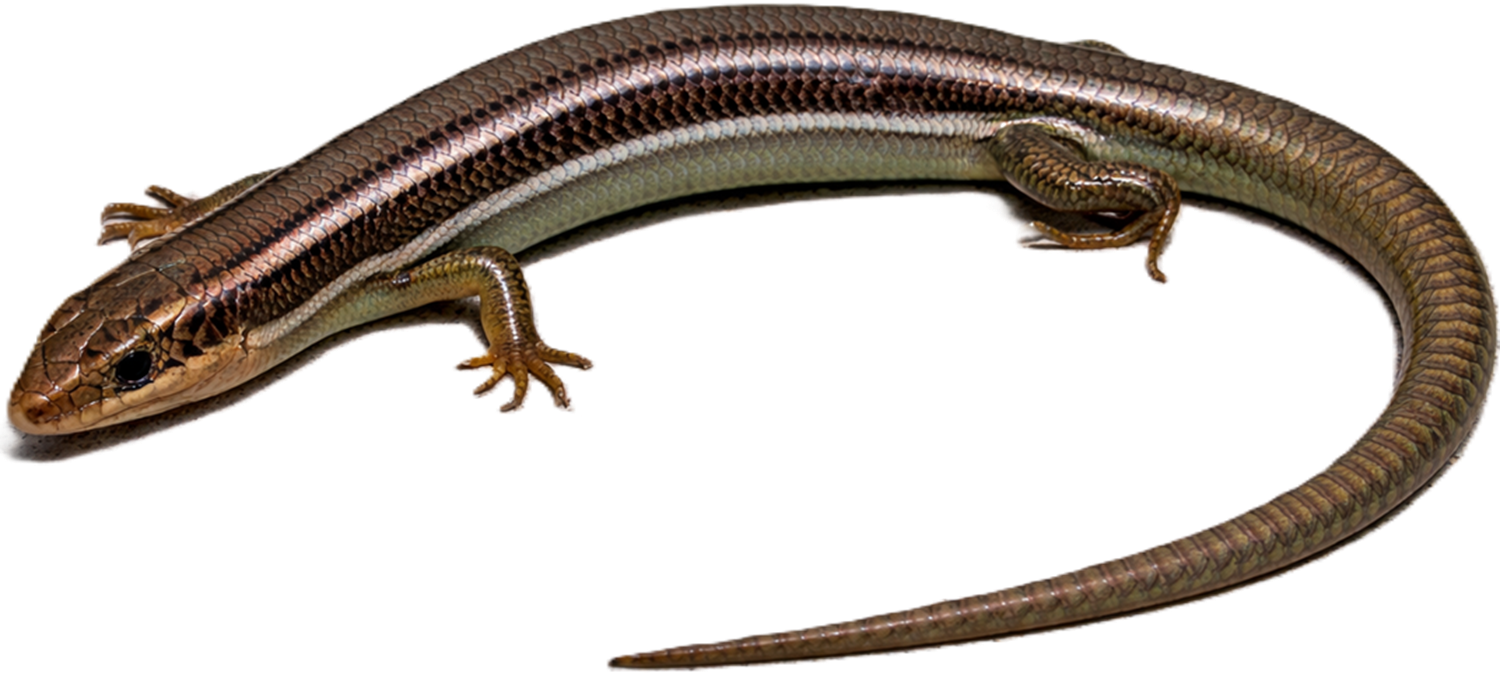
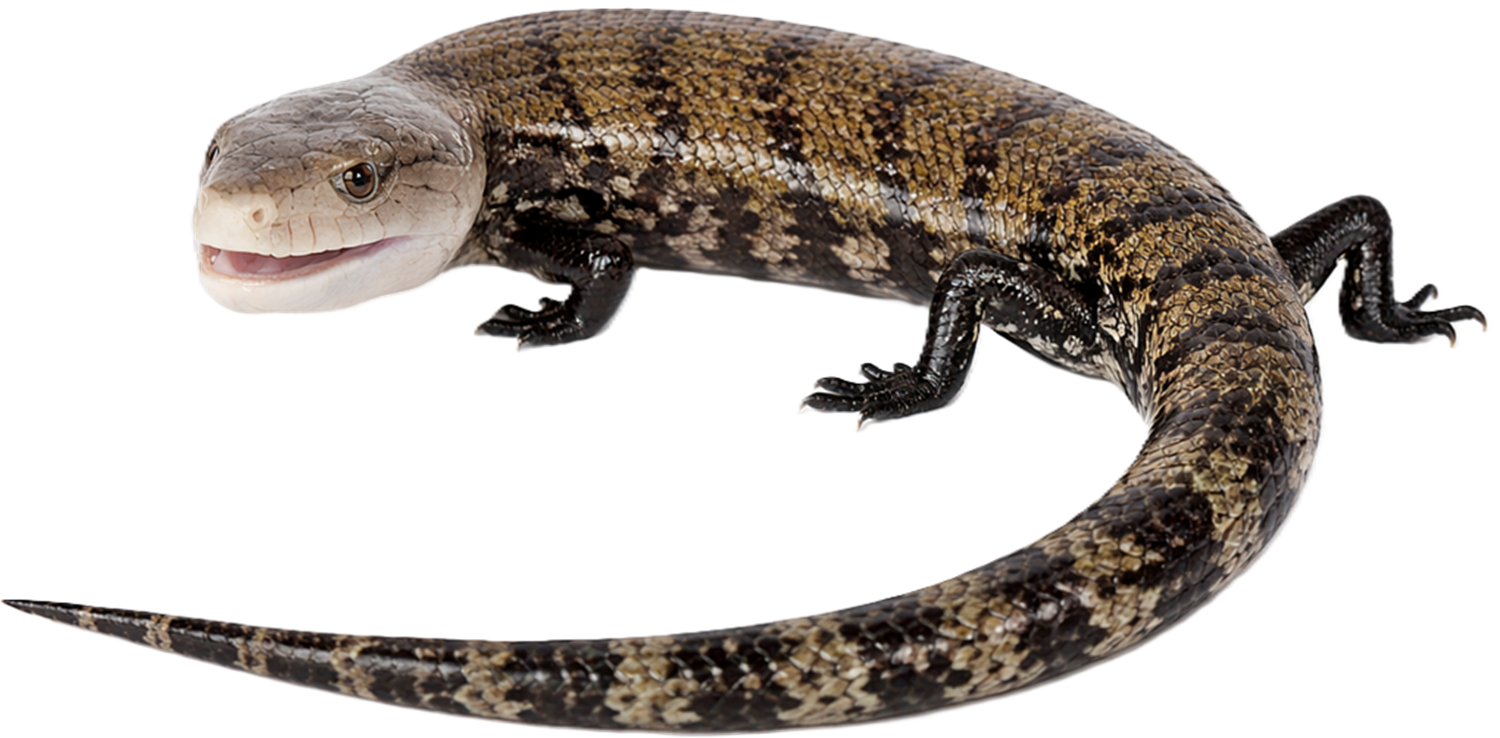
Contogenys sloani196Paleobiota of the Hell Creek Formation – Squamata. Wikipedia, 21. Februar 2025. | Montana, South Dakota | Hell Creek Formation | 5 Exemplare | Skink (Scincidae) |
|
|
Estescincosaurus cooki197Estes, R. (1964). Fossil vertebrates from the Late Cretaceous Lance Formation, eastern Wyoming. University of California Publications in Geological Sciences, 49, 1–187.198Longrich, N. R., Bhullar, B. S., & Gauthier, J. A. (2013). Correction for “Mass extinction of lizards and snakes at the Cretaceous–Paleogene boundary.” Proceedings of the National Academy of Sciences of the United States of America, 110(16), 6608. doi: 10.1073/pnas.1303907110 | Wyoming | Lance Formation | 3 Exemplare | Skink (Scincidae) |
|
|
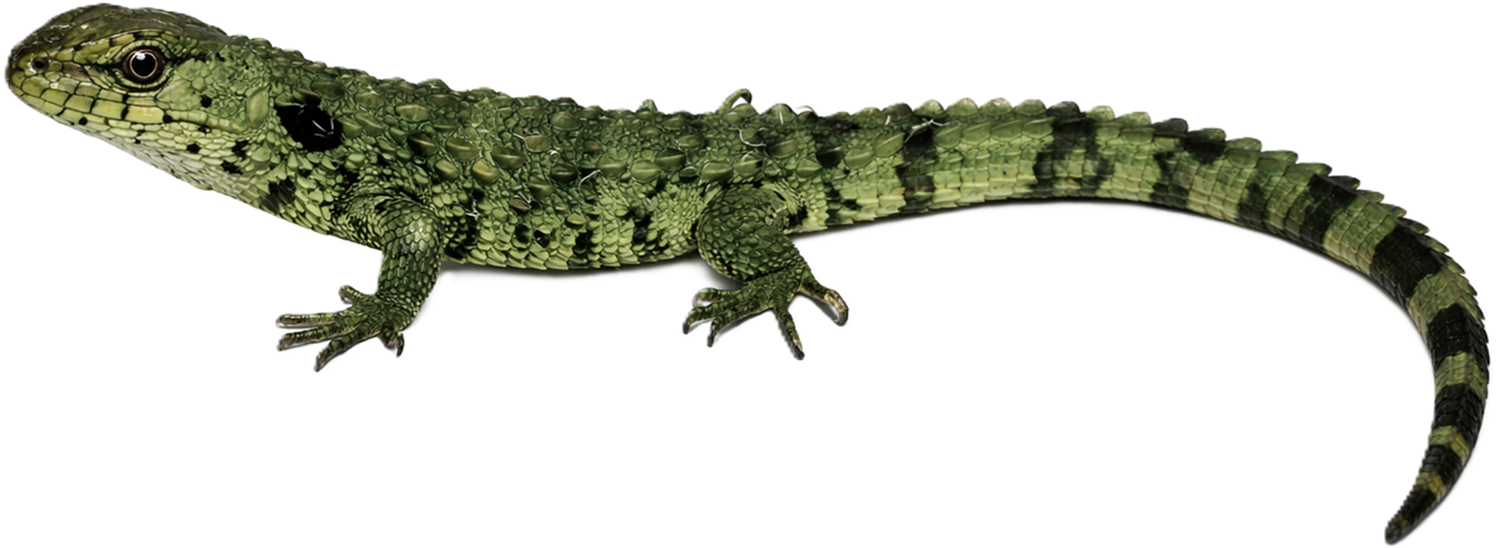
Exostinus lancensis199Paleobiota of the Hell Creek Formation – Squamata. Wikipedia, 21. Februar 2025.200Clemens, W. A. (1964). Fossil mammals of the type Lance Formation, Wyoming – Part I. Introduction and Marsupialia. University of California Publications in Geological Sciences, 48, 1–105. | Montana, South Dakota, Wyoming | Hell Creek Formation; Lance Formation | 16 Exemplare | Höckereche (Xenosauridae) |
|
|
Haptosphenus placodon201Paleobiota of the Hell Creek Formation – Squamata. Wikipedia, 21. Februar 2025.202Estes, R. (1964). Fossil vertebrates from the Late Cretaceous Lance Formation, eastern Wyoming. University of California Publications in Geological Sciences, 49, 1–187. | Montana, Wyoming | Hell Creek Formation; Lance Formation | 10 Exemplare | Schienenechse (Teiidae) |
|
|
Leptochamops denticulatus203Paleobiota of the Hell Creek Formation – Squamata. Wikipedia, 21. Februar 2025.204Clemens, W. A. (1964). Fossil mammals of the type Lance Formation, Wyoming – Part I. Introduction and Marsupialia. University of California Publications in Geological Sciences, 48, 1–105. | Montana, South Dakota, Wyoming | Hell Creek Formation; Lance Formation | 22 Exemplare | Schienenechse (Teiidae) |
|
|
Litakis gilmorei205Estes, R. (1964). Fossil vertebrates from the Late Cretaceous Lance Formation, eastern Wyoming. University of California Publications in Geological Sciences, 49, 1–187. | Wyoming | Lance Formation | 3 Exemplare | Schuppenechse (Squamata; genauere Bestimmung nicht möglich) |
|
|
Meniscognathus altmani206Estes, R. (1964). Fossil vertebrates from the Late Cretaceous Lance Formation, eastern Wyoming. University of California Publications in Geological Sciences, 49, 1–187. | Wyoming | Lance Formation | 11 Exemplare | Schienenechse (Chamopsidae) |
|
|
Mosasauridae indet.207Van Vranken, N. E., & Boyd, C. A. (2021). The first in situ collection of a mosasaurine from the marine Breien Member of the Hell Creek Formation in south-central North Dakota, USA. PaleoBios, 38(1). doi: 10.5070/P938054460 | North Dakota | Hell Creek Formation | 1 Exemplar | Mosasaurier |
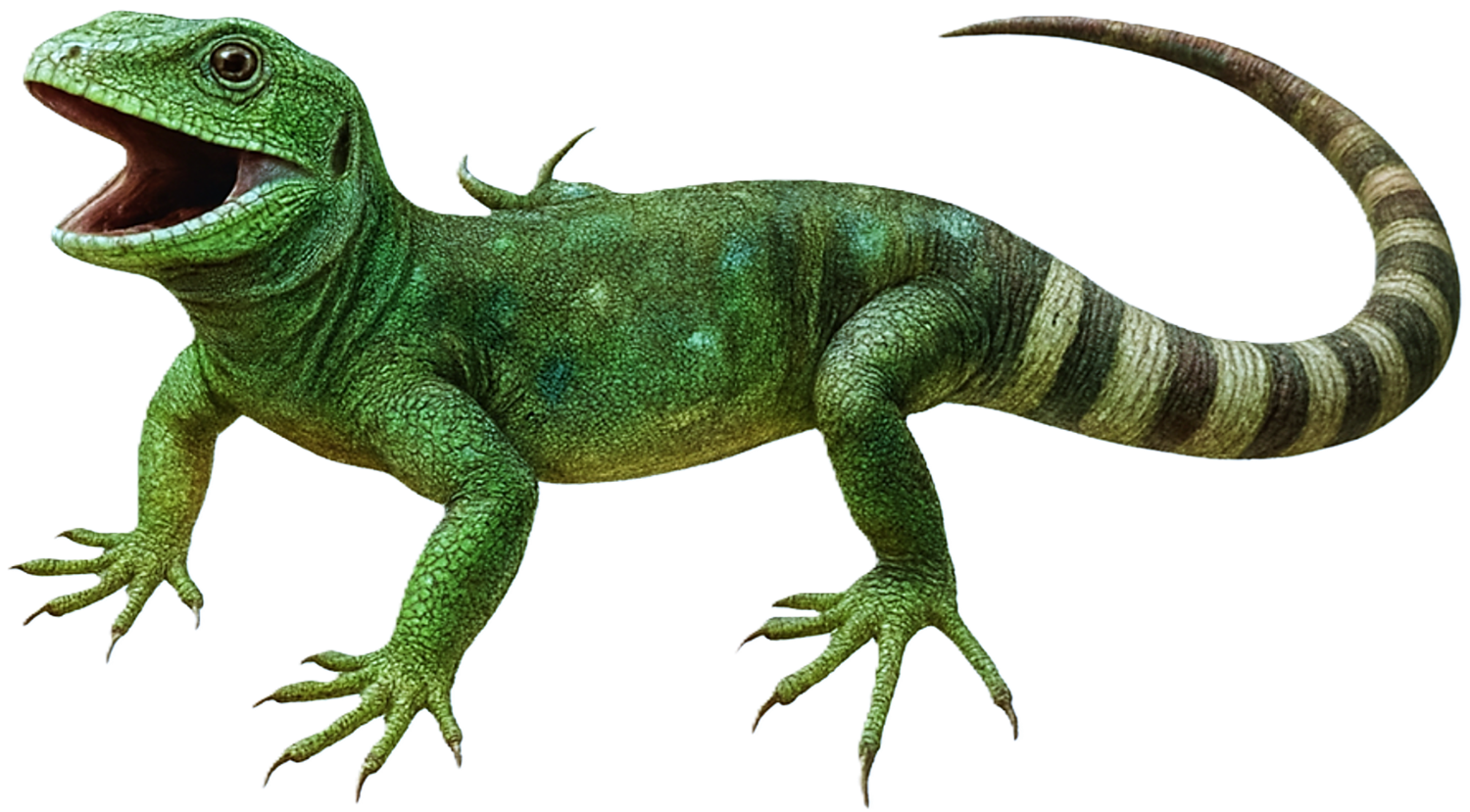 |
Obamadon gracilis208Longrich, N. R., Bhullar, B. S., & Gauthier, J. A. (2012). Mass extinction of lizards and snakes at the Cretaceous–Paleogene boundary. Proceedings of the National Academy of Sciences of the United States of America, 109(52), 21396–21401. doi: 10.1073/pnas.1211526110209Longrich, N. R., Bhullar, B. S., & Gauthier, J. A. (2013). Correction for “Mass extinction of lizards and snakes at the Cretaceous–Paleogene boundary.” Proceedings of the National Academy of Sciences of the United States of America, 110(16), 6608. doi: 10.1073/pnas.1303907110210Webb, M. W. (1998). A revised summary of Lancian (latest Cretaceous) mammal localities with introduction to a new Lancian locality (Lance Formation) in the southwestern Bighorn Basin. Guidebook – Wyoming Geological Association, 49, 131–136. | Montana, Wyomimg | Hell Creek Formation; Lance Formation | 2 Exemplare | Schuppenechse (Polyglyphanodontia) |
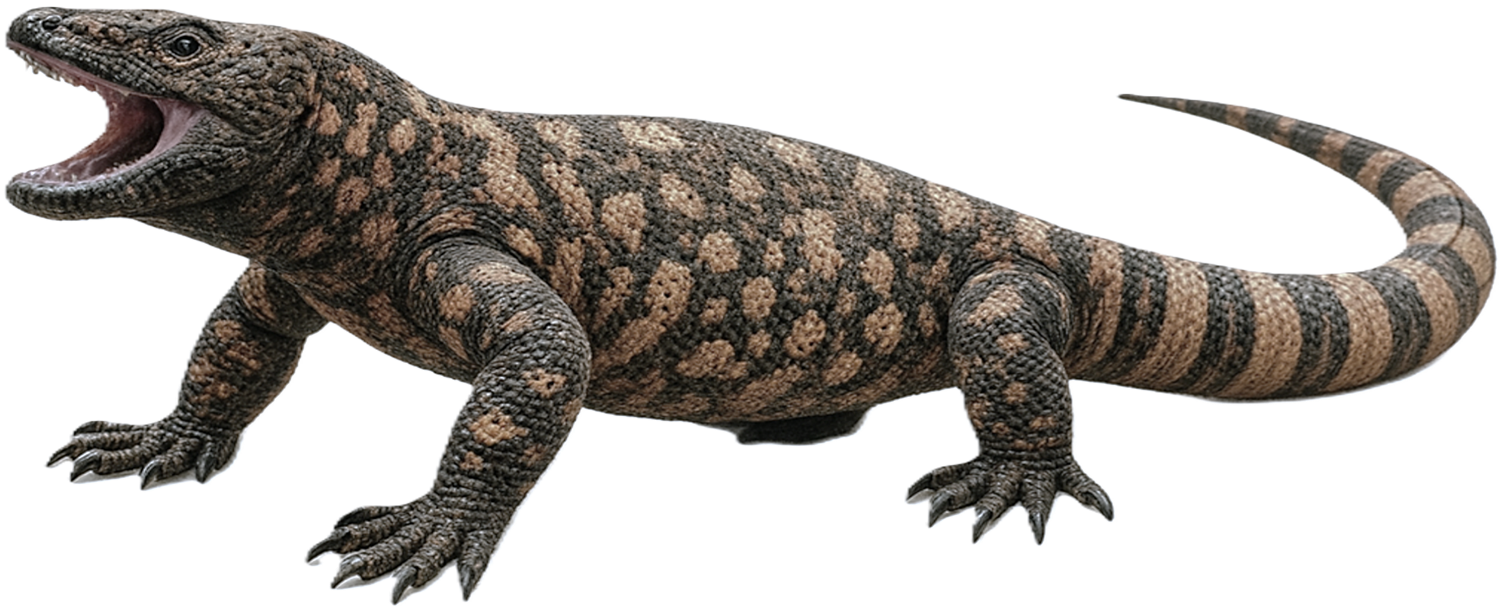 |
Palaeosaniwa canadensis211Paleobiota of the Hell Creek Formation – Squamata. Wikipedia, 21. Februar 2025.212Clemens, W. A. (1964). Fossil mammals of the type Lance Formation, Wyoming – Part I. Introduction and Marsupialia. University of California Publications in Geological Sciences, 48, 1–105. | Montana, North Dakota, Wyomimg | Hell Creek Formation; Lance Formation | 22 Exemplare | Krustenechse (Monstersauria) |
|
|
Paraderma bogerti213Paleobiota of the Hell Creek Formation – Squamata. Wikipedia, 21. Februar 2025.214Estes, R. (1964). Fossil vertebrates from the Late Cretaceous Lance Formation, eastern Wyoming. University of California Publications in Geological Sciences, 49, 1–187. | Montana, Wyomimg | Hell Creek Formation; Lance Formation | 13 Exemplare | Krustenechse (Monstersauria) |
|
|
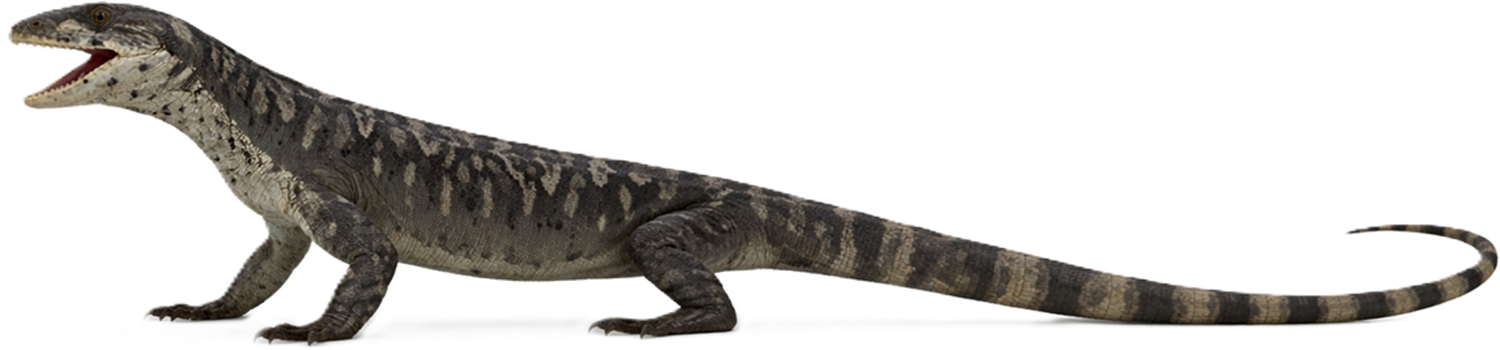
Parasaniwa wyomingensis215Paleobiota of the Hell Creek Formation – Squamata. Wikipedia, 21. Februar 2025.216Clemens, W. A. (1964). Fossil mammals of the type Lance Formation, Wyoming – Part I. Introduction and Marsupialia. University of California Publications in Geological Sciences, 48, 1–105. | Montana, South Dakota, Wyoming | Hell Creek Formation; Lance Formation | 21 Exemplare | Waran (Palaeovaranidae) |
|
|
Peneteius aquilonius217Longrich, N. R., Bhullar, B. S., & Gauthier, J. A. (2012). Mass extinction of lizards and snakes at the Cretaceous–Paleogene boundary. Proceedings of the National Academy of Sciences of the United States of America, 109(52), 21396–21401. doi: 10.1073/pnas.1211526110218Longrich, N. R., Bhullar, B. S., & Gauthier, J. A. (2013). Correction for “Mass extinction of lizards and snakes at the Cretaceous–Paleogene boundary.” Proceedings of the National Academy of Sciences of the United States of America, 110(16), 6608. doi: 10.1073/pnas.1303907110 | Montana | Hell Creek Formation | 5 Exemplare | Schuppenechse (Polyglyphanodontia) |
|
|
Prognathodontini indet.219During, M. A. D. et al. (2025). King of the Riverside, a multi-proxy approach offers a new perspective on mosasaurs before their extinction. BMC Zoology, 10(1), 25. doi:10.1186/s40850-025-00246-y | North Dakota | Hell Creek Formation, oberhalb des Breien Member | 1 Exemplar | Mosasaurier (Prognathodontini ) |
|
|
Proxestops jepseni220Paleobiota of the Hell Creek Formation – Squamata. Wikipedia, 21. Februar 2025. | Montana | Hell Creek Formation | 11 Exemplare | Blindschleiche (Anguidae) |
|
|
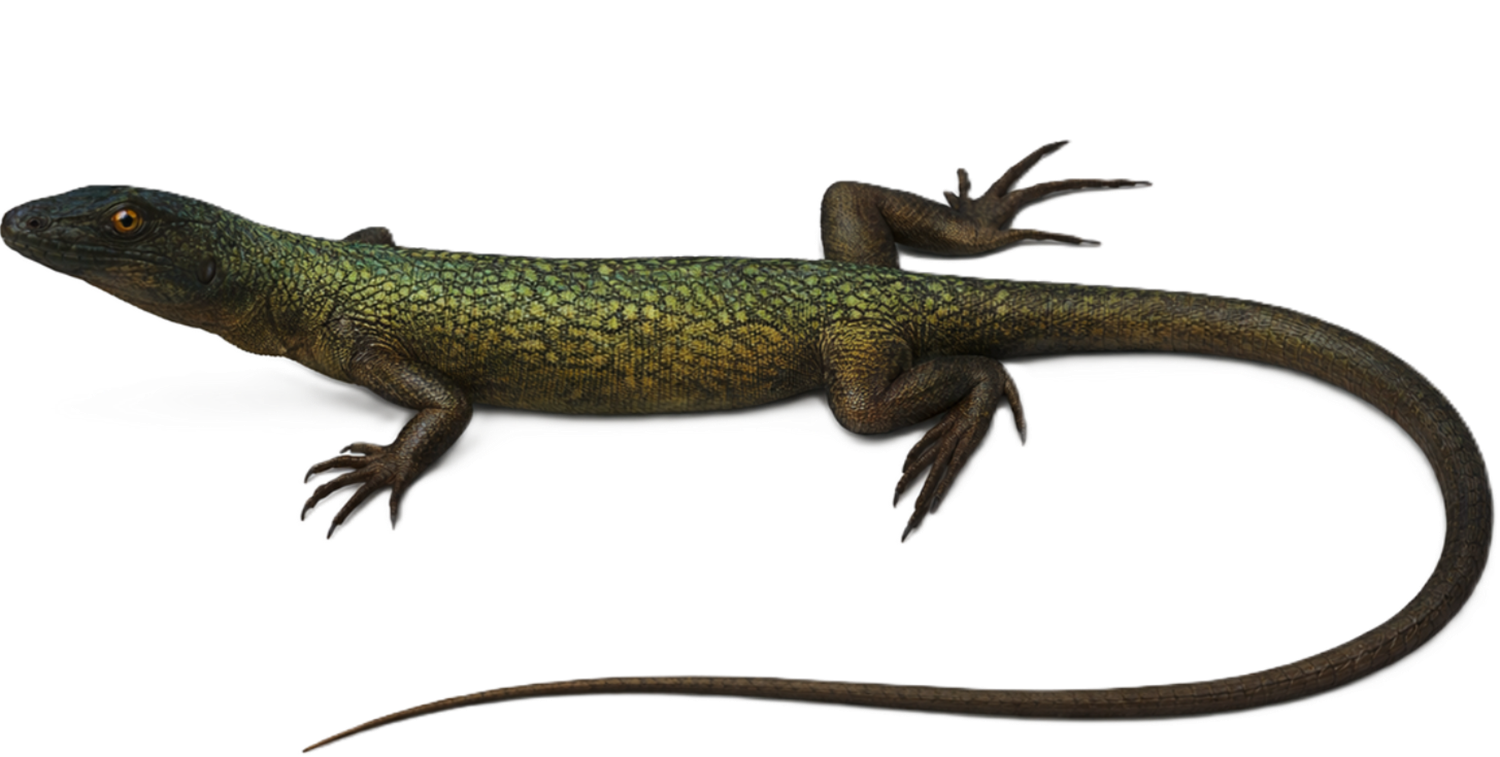
Socognathus brachyodonni221Ostrom, J. H. (1969). Osteology of Deinonychus antirrhopus, an unusual theropod from the Lower Cretaceous of Montana. Peabody Museum Bulletin, 30, 1–165. | Wyoming | Lance Formation | 1 Exemplar | Schienenechse (Chamopsidae) |







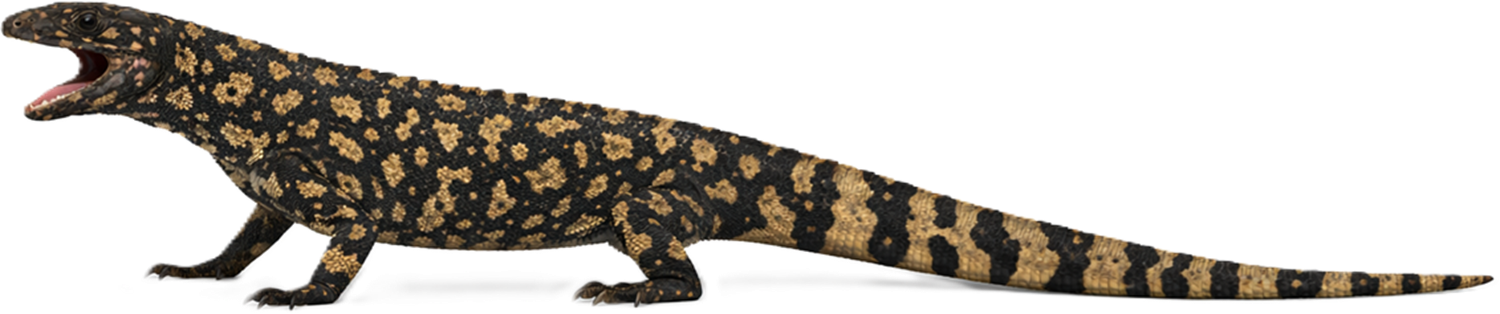
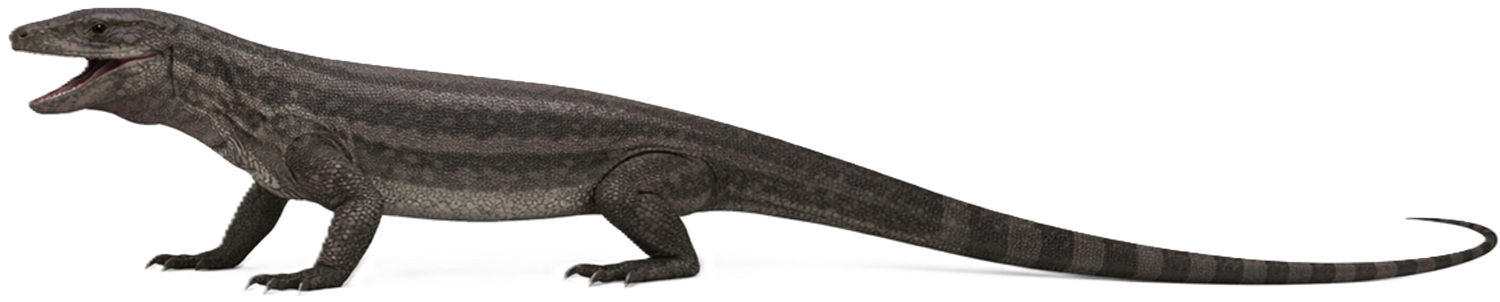


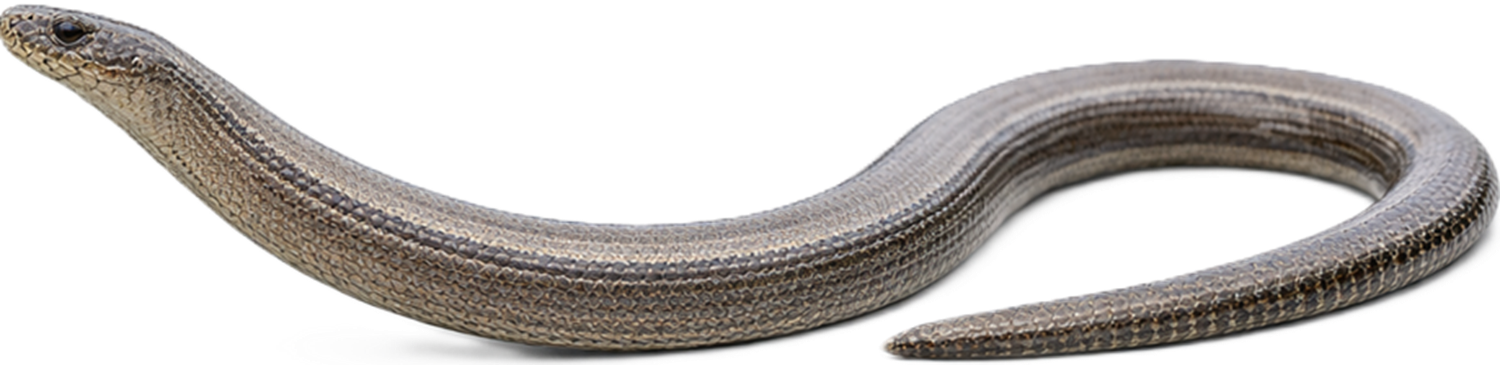
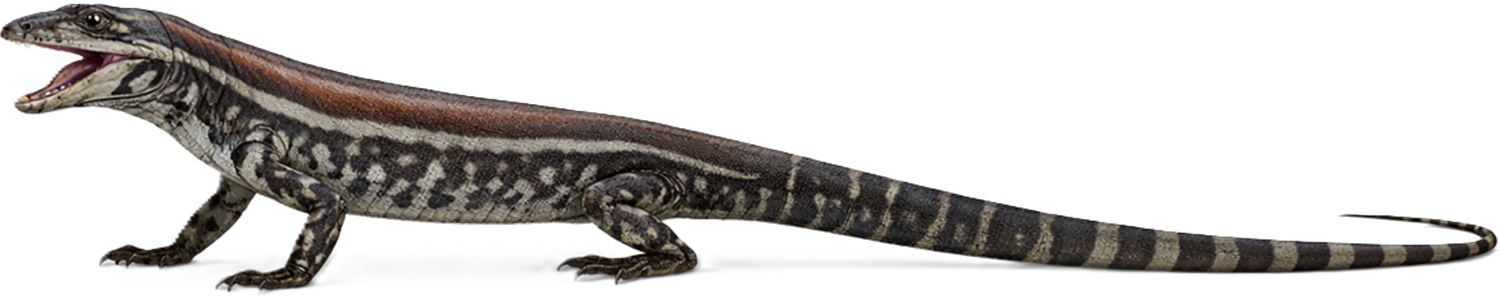
Aus den marinen Faszies der Hell Creek Formation sind die bislang noch unbestimmten Fossilien eines großen Mosasauriers bekannt, der eine geschätzte Länge von 11m gehabt haben könnte.222Van Vranken, N. E., & Boyd, C. A. (2021). The first in situ collection of a mosasaurine from the marine Breien Member of the Hell Creek Formation in south-central North Dakota, USA. PaleoBios, 38(1). doi: 10.5070/P938054460 Doch Mosasaurier kamen in Hell Creek auch im Süßwasser vor! Bekannt ist eine Zahnkrone, die in Süßwasserablagerungen gemeinsam mit einem Zahn von T. rex, einem Oberkieferknochen eines Krokodilverwandten sowie einem Hadrosaurier-Zahn; die stratigraphische Position liegt oberhalb des marinen Breien Members.223During, M. A. D. et al. (2025). King of the Riverside, a multi-proxy approach offers a new perspective on mosasaurs before their extinction. BMC Zoology, 10(1), 25. doi:10.1186/s40850-025-00246-y

Schildkröten:
| Bild: | Spezies: | Fundort: | Stratigraphische Position: | Bekanntes Material: | Bemerkungen: |
|---|---|---|---|---|---|
|
|
Adocus sp.224Estes, R., & Berberian, P. (1970). Paleoecology of a late Cretaceous vertebrate community from Montana. Breviora, 343, 5.225Clemens, W. A. (1964). Fossil mammals of the type Lance Formation, Wyoming – Part I. Introduction and Marsupialia. University of California Publications in Geological Sciences, 48, 1–105. | Montana, North Dakota, South Dakota, Wyoming | Hell Creek Formation; Lance Formation | — | Halsberger-Schilddkröte (Adocidae) |
|
|
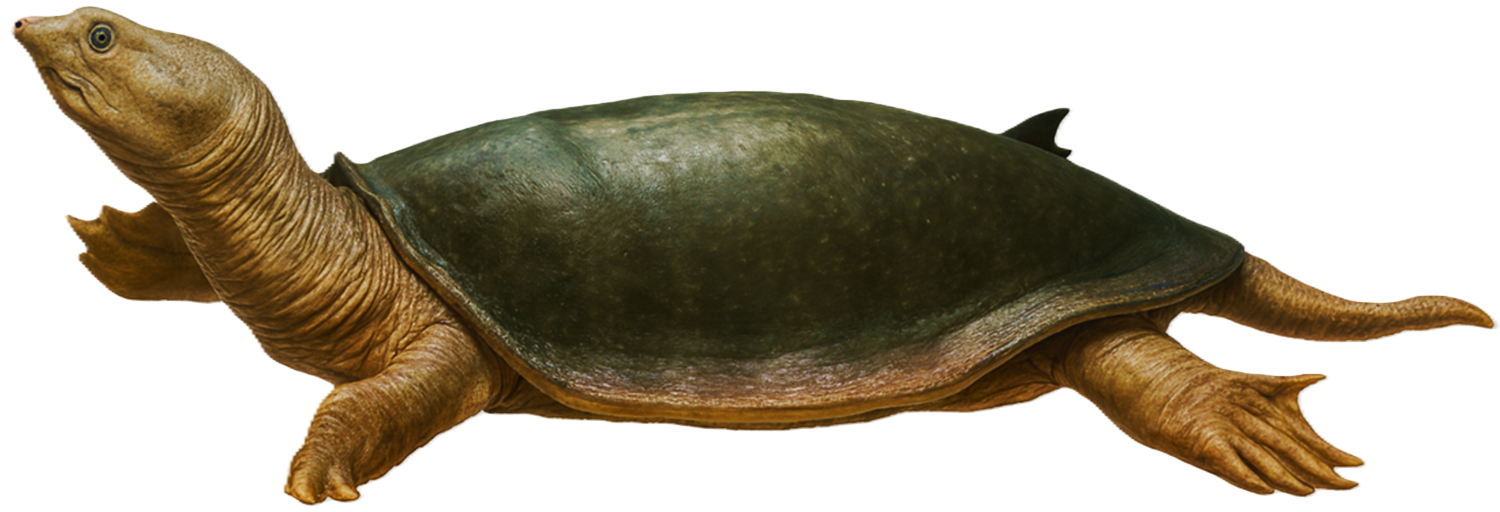
Aspideretoides foveatus226Lillegraven, J. A. & McKenna, M. C. (1986). Fossil mammals from the “Mesaverde” Formation (Late Cretaceous, Judithian) of the Bighorn and Wind River basins, Wyoming, with definitions of Late Cretaceous North American Land-Mammal “Ages”. American Museum Novitates, 2840, 1–68. | Wyoming | Lance Formation | 5 Exemplare | Weichschildkröte (Trionychidae) |
 |
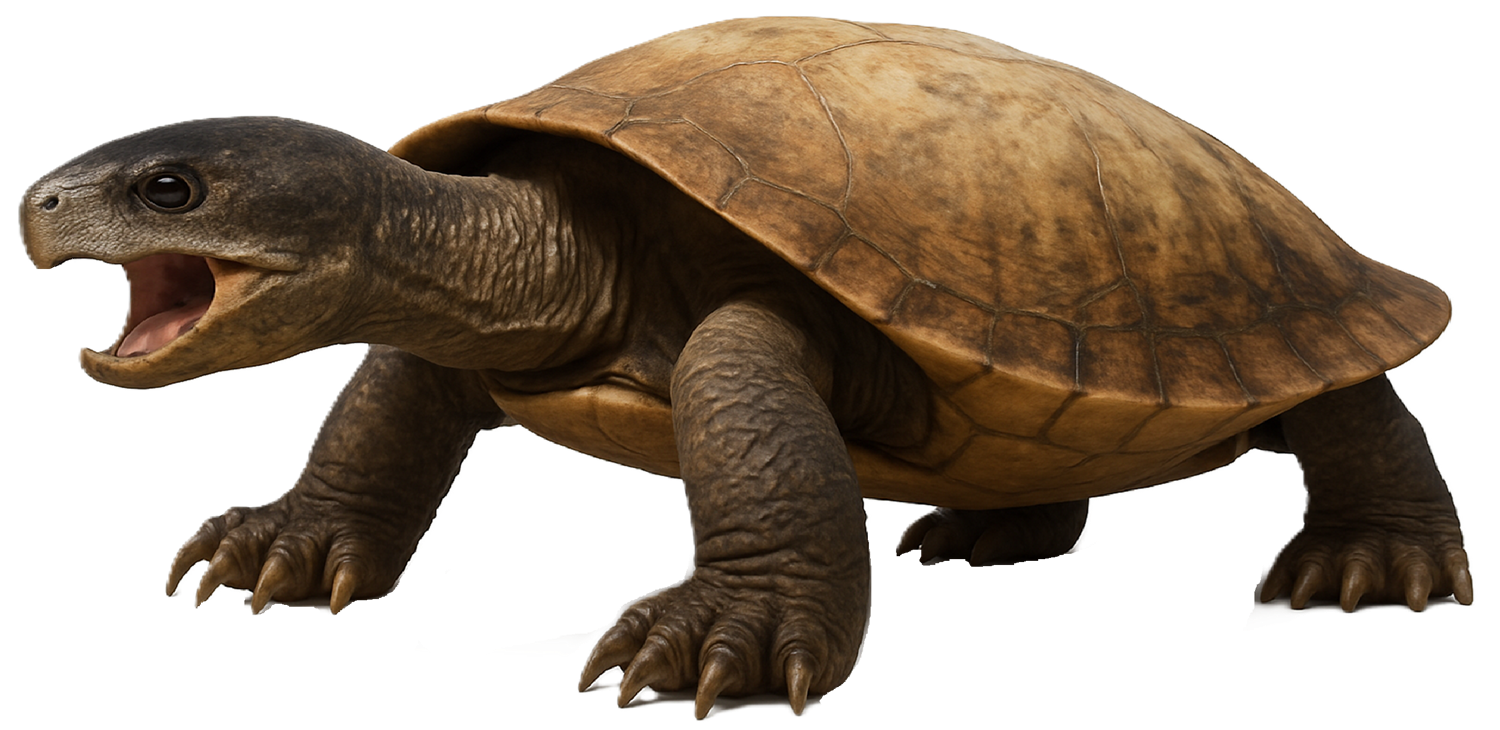
Axestemys infernalis227Joyce, W. G., Brinkman, D. B., & Lyson, T. R. (2019). A new species of trionychid turtle, Axestemys infernalis sp. nov., from the Late Cretaceous (Maastrichtian) Hell Creek and Lance formations of the Northern Great Plains, USA. Palaeontologia Electronica, 22(3), 22.3.72. doi: 10.26879/949228Arbour, V. M. et al. (2016). The furculae of the dromaeosaurid dinosaur Dakotaraptor steini are trionychid turtle entoplastra. PeerJ, 4, e1691. doi: 10.7717/peerj.1691229Gilmore, C. W. (1931). A new species of troödont dinosaur from the Lance Formation of Wyoming. Proceedings of the United States National Museum, 79(9), 1–6. | Montana, North Dakota, South Dakota, Wyoming | Hell Creek Formation, Lance Formation | 10 Exemplare | — |
 |
Basilemys sinuosa230Brinkman, D. (1998). The skull and neck of the Cretaceous turtle Basilemys (Trionychoidea, Nanhsiungchelyidae), and the interrelationships of the genus. Paludicola, 1(4), 150–157.231Brinkman, D., & Nicholls, E. L. (1993). New specimen of Basilemys praeclara Hay and its bearing on the relationships of the Nanhsiungchelyidae (Reptilia: Testudines). Journal of Paleontology, 67(6), 1027–1031. doi: 10.1017/S002233600002535X232Lillegraven, J. A. & Eberle, J. J. (1999). Vertebrate faunal changes through Lancian and Puercan time in southern Wyoming. Journal of Paleontology, 73(4), 691–710. | Montana, North Dakota, South Dakota, Wyoming | Hell Creek Formation; Lance Formation | 15 Exemplare | Tabasco-Flussschildkröte (Dermatemydidae) |
|
|
Cedrobaena putorius233Lyson, T. R., & Joyce, W. G. (2009). A revision of Plesiobaena (Testudinoes: Baenidae) and an assessment of baenid ecology across the K/T boundary. Journal of Paleontology, 83(6), 833–853. doi: 10.1666/09-035.1234Gaffney, E. S. (1972). The systematics of the North American family Baenidae (Reptilia, Cryptodira). Bulletin of the American Museum of Natural History, 147, 241–320. | North Dakota, South Dakota | Hell Creek Formation | 5 Exemplare | Süßwasserschildkröte (Baenoidea) |
|
|
Chelydridae indet.235Paleobiota of the Hell Creek Formation – Turtles. Wikipedia, 21. Februar 2025. | — | Hell Creek Formation | — | Alligatorschildkröte (Chelydridae) |
|
|
Compsemys victa236Estes, R., & Berberian, P. (1970). Paleoecology of a late Cretaceous vertebrate community from Montana. Breviora, 343, 5.237Clemens, W. A. (1964). Fossil mammals of the type Lance Formation, Wyoming – Part I. Introduction and Marsupialia. University of California Publications in Geological Sciences, 48, 1–105. | Montana, North Dakota, South Dakota, Wyoming | Hell Creek Formation; Lance Formation | 116 Exemplare | Schnappschildkröte (Compsemydidae) |
|
|
Emarginachelys cretacea238Knauss, G. E. et al. (2011). A new kinosternoid from the Late Cretaceous Hell Creek Formation of North Dakota and Montana and the origin of the Dermatemys mawii lineage. Paläontologische Zeitschrift, 85(2), 124–142. doi: 10.1007/s12542-010-0081-x | Montana, North Dakota | Hell Creek Formation | 5 Exemplare | Schnappschildkröte (Americhelydia) |
|
|
Eubaena cephalica239Estes, R., & Berberian, P. (1970). Paleoecology of a late Cretaceous vertebrate community from Montana. Breviora, 343, 5.240Clemens, W. A. (1964). Fossil mammals of the type Lance Formation, Wyoming – Part I. Introduction and Marsupialia. University of California Publications in Geological Sciences, 48, 1–105. | Montana, North Dakota, Wyomimg | Hell Creek Formation; Lance Formation | 7 Exemplare | Süßwasserschildkröte (Baenidae) |
|
|
Gamerabaena sonsalla241Lyson, T. R., & Joyce, W. G. (2010). A new baenid turtle from the Upper Cretaceous (Maastrichtian) Hell Creek Formation of North Dakota and a preliminary taxonomic review of Cretaceous Baenidae. Journal of Vertebrate Paleontology, 30(2), 394–402. doi: 10.1080/02724631003618389242Lyson, T. R., & Joyce, W. G. (2009). A revision of Plesiobaena (Testudines: Baenidae) and an assessment of baenid ecology across the K/T boundary. Journal of Paleontology, 83(6), 833–853. doi: 10.1666/09-035.1 | North Dakota | Hell Creek Formation | 1 Exemplar | Süßwasserschildkröte (Baenidae) |
|
|
Gilmoremys lancensis243Jasinski, S. E. et al. (2022). A softshell turtle (Testudines: Trionychidae: Plastomeninae) from the uppermost Cretaceous (Maastrichtian) Hell Creek Formation, North Dakota, USA, with implications for the evolutionary relationships of plastomenines and other trionychids. Cretaceous Research, 135, 105172. doi: 10.1016/j.cretres.2022.105172244Gilmore, C. W. (1916). Description of two new species of turtles from the Lance Formation of Wyoming. Proceedings of the United States National Museum, 50(2137), 614–646. | Montana, North Dakota, Wyoming | Hell Creek Formation; Lance Formation | 6 Exemplare | Weichschildkröte (Trionychidae) |
|
|
Helopanoplia distincta245Jasinski, S. E. et al. (2022). A softshell turtle (Testudines: Trionychidae: Plastomeninae) from the uppermost Cretaceous (Maastrichtian) Hell Creek Formation, North Dakota, USA, with implications for the evolutionary relationships of plastomenines and other trionychids. Cretaceous Research, 135, 105172. doi: 10.1016/j.cretres.2022.105172246Lillegraven, J. A. & Eberle, J. J. (1999). Vertebrate faunal changes through Lancian and Puercan time in southern Wyoming. Journal of Paleontology, 73(4), 691–710. | Montana, North Dakota, South Dakota, Wyoming | Hell Creek Formation; Lance Formation | 40 Exemplare | Weichschildkröte (Trionychidae) |
|
|
Hoplochelys clark247Knauss, G. E. et al. (2011). A new kinosternoid from the Late Cretaceous Hell Creek Formation of North Dakota and Montana and the origin of the Dermatemys mawii lineage. Paläontologische Zeitschrift, 85(2), 124–142. doi: 10.1007/s12542-010-0081-x | North Dakota | Hell Creek Formation | 1 Exemplar | Tabasco-Flussschildkröte (Dermatemydidae) |
|
|
Hutchemys walkerorum248Jasinski, S. E. et al. (2022). A softshell turtle (Testudines: Trionychidae: Plastomeninae) from the uppermost Cretaceous (Maastrichtian) Hell Creek Formation, North Dakota, USA, with implications for the evolutionary relationships of plastomenines and other trionychids. Cretaceous Research, 135, 105172. doi: 10.1016/j.cretres.2022.105172 | North Dakota | Hell Creek Formation | 1 Exemplar | Weichschildkröte (Trionychidae) |
|
|
Neurankylus eximius249Brinkman, D. B., & Nicholls, E. L. (1993). The skull of Neurankylus eximius (Testudines: Baenidae) and a reinterpretation of the relationships of this taxon. Journal of Vertebrate Paleontology, 13(3), 273–281. | Montana | Hell Creek Formation | 9 Exemplare | Süßwasserschildkröte (Baenidae) |
|
|
Osteopygis backmani250Holroyd, P. A. & Hutchison, J. H. (2002). Patterns of geographic variation in latest Cretaceous vertebrates – evidence from the turtle component. Geological Society of America Special Paper, 361, 177–190. | Montana, North Dakota, Wyoming | Hell Creek Formation; Lance Formation | 13 Exemplare | Süßwasserschildkröte (Baenidae); synonym zu Judithemys backmani |
|
|
Palatobaena cohen251Lyson, T. R., & Joyce, W. G. (2009). A new species of Palatobaena (Testudines: Baenidae) and a maximum parsimony and Bayesian phylogenetic analysis of Baenidae. Journal of Paleontology, 83(3), 457–470. doi: 10.1666/08-172.1 | Montana, North Dakota | Hell Creek Formation | 3 Exemplare | Süßwasserschildkröte (Baenidae) |
|
|
Peckemys brinkman252Lyson, T. R., & Joyce, W. G. (2009). A revision of Plesiobaena (Testudines: Baenidae) and an assessment of baenid ecology across the K/T boundary. Journal of Paleontology, 83(6), 833–853. doi: 10.1666/09-035.1253Clemens, W. A. (1964). Fossil mammals of the type Lance Formation, Wyoming – Part I. Introduction and Marsupialia. University of California Publications in Geological Sciences, 48, 1–105. | Montana, North Dakota, Wyoming | Hell Creek Formation; Lance Formation | 5 Exemplare | Süßwasserschildkröte (Baenidae); synonum zu Cedrobaena brinkman |
|
|
Plastomenus sp.254Jasinski, S. E. et al. (2022). A softshell turtle (Testudines: Trionychidae: Plastomeninae) from the uppermost Cretaceous (Maastrichtian) Hell Creek Formation, North Dakota, USA, with implications for the evolutionary relationships of plastomenines and other trionychids. Cretaceous Research, 135, 105172. doi: 10.1016/j.cretres.2022.105172255Lillegraven, J. A. & Eberle, J. J. (1999). Vertebrate faunal changes through Lancian and Puercan time in southern Wyoming. Journal of Paleontology, 73(4), 691–710. | Montana, Wyoming | Hell Creek Formation; Lance Formation | — | Weichschildkröte (Trionychidae) |
|
|
Plesiobaena antiqua256Brinkman, D. B. (2003). Anatomy and systematics of Plesiobaena antiqua (Testudines; Baenidae) from the mid-Campanian Judith River Group of Alberta, Canada. Journal of Vertebrate Paleontology, 23, 146–155. doi: 10.1671/0272-4634(2003)23[146:AASOPA]2.0.CO;2 | Montana, North Dakota, South Dakota | Hell Creek Formation | 25 Exemplare | Süßwasserschildkröte (Baenidae) |
|
|
Saxochelys gilberti257Lyson, T. R., Sayler, J. L., & Joyce, W. G. (2019). A new baenid turtle, Saxochelys gilberti gen. et sp. nov., from the uppermost Cretaceous (Maastrichtian) Hell Creek Formation: Sexual dimorphism and spatial niche partitioning within the most speciose group of Late Cretaceous turtles. Journal of Vertebrate Paleontology, 39(4), e1662428. doi: 10.1080/02724634.2019.1662428 | North Dakota, South Dakota | Hell Creek Formation | 3 Exemplare | Süßwasserschildkröte (Baenidae) |
|
|
Stygiochelys estesi258Gaffney, E. S. (1971). A new baenid turtle from the Upper Cretaceous of Montana. American Museum Novitates, 2443, 1–9. | Montana | Hell Creek Formation | 5 Exemplare | Süßwasserschildkröte (Baenidae) |
|
|
Thescelus insiliens259Joyce, W., & Lyson, T. (2015). A review of the fossil record of turtles of the clade Baenidae. Bulletin of the Peabody Museum of Natural History, 56, 147–183. doi: 10.3374/014.056.0203260Gaffney, E. S. (1972). The systematics of the North American family Baenidae (Reptilia, Cryptodira). Bulletin of the American Museum of Natural History, 147(5), 245–312. | Montana, Wyoming | Hell Creek Formation; Lance Formation | 5 Exemplare | Süßwasserschildkröte (Baenidae) |
|
|
Trionyx sp.261Estes, R., & Berberian, P. (1970). Paleoecology of a late Cretaceous vertebrate community from Montana. Breviora, 343, 5.262Clemens, W. A. (1964). Fossil mammals of the type Lance Formation, Wyoming – Part I. Introduction and Marsupialia. University of California Publications in Geological Sciences, 48, 1–105. | Montana, North Dakota, Wyoming | Hell Creek Formation; Lance Formation | — | Weichschildkröte (Trionychidae) |
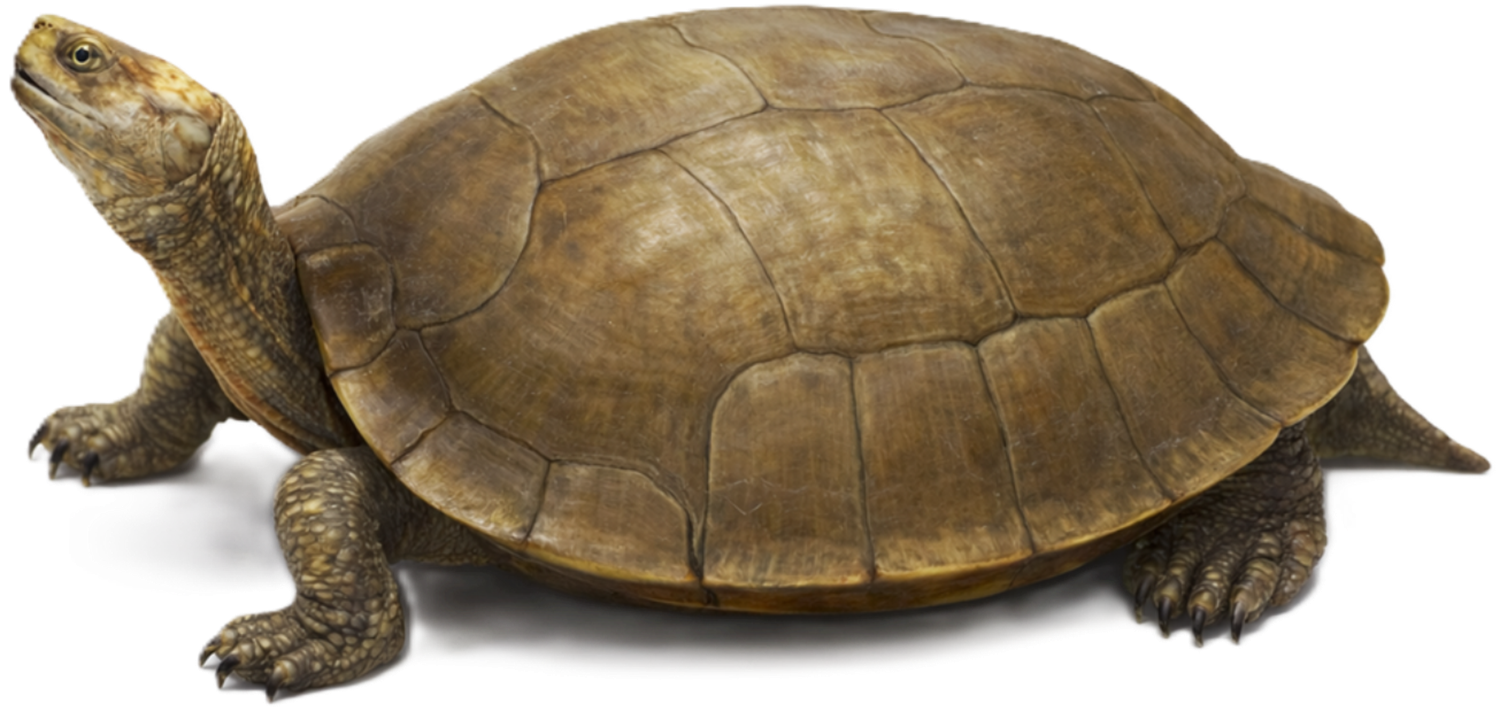
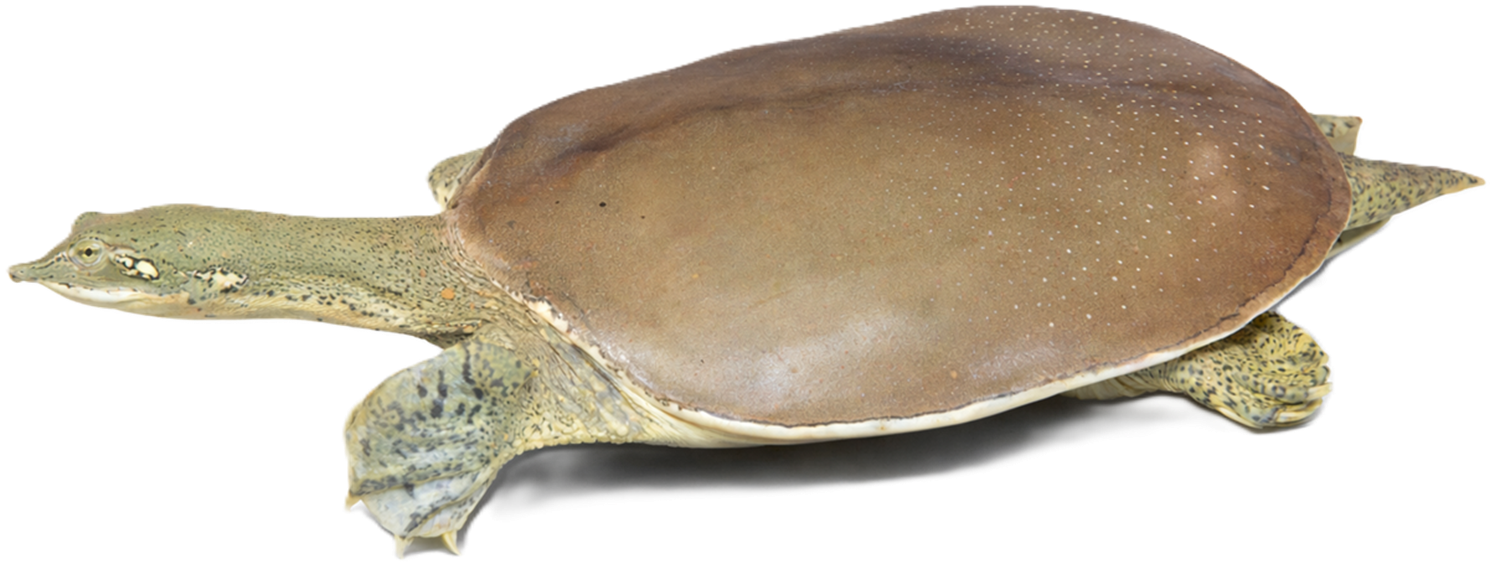
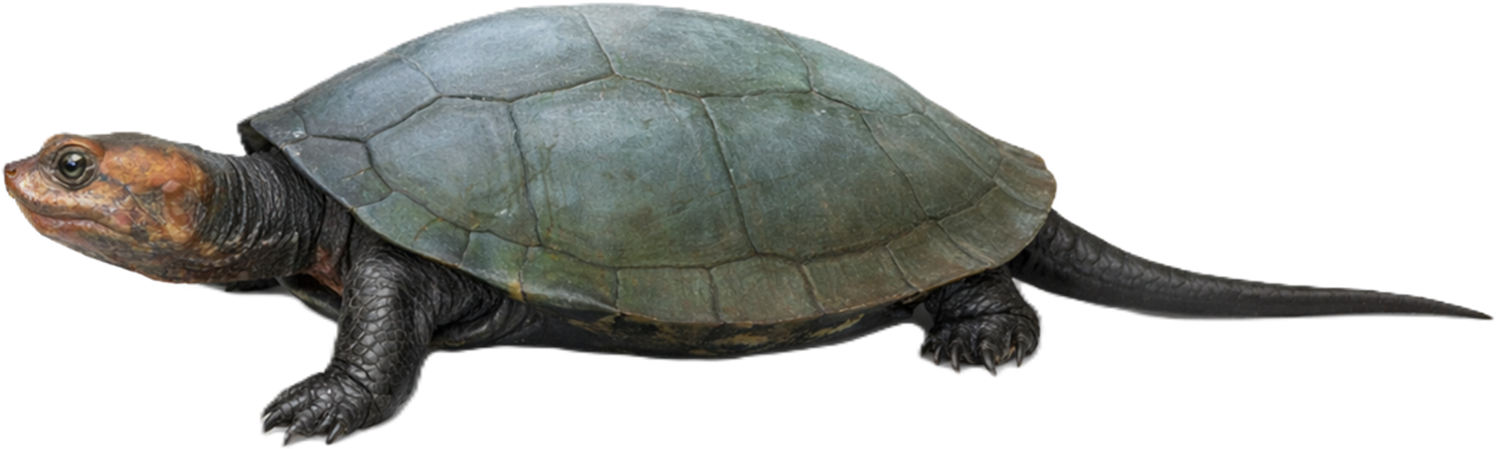

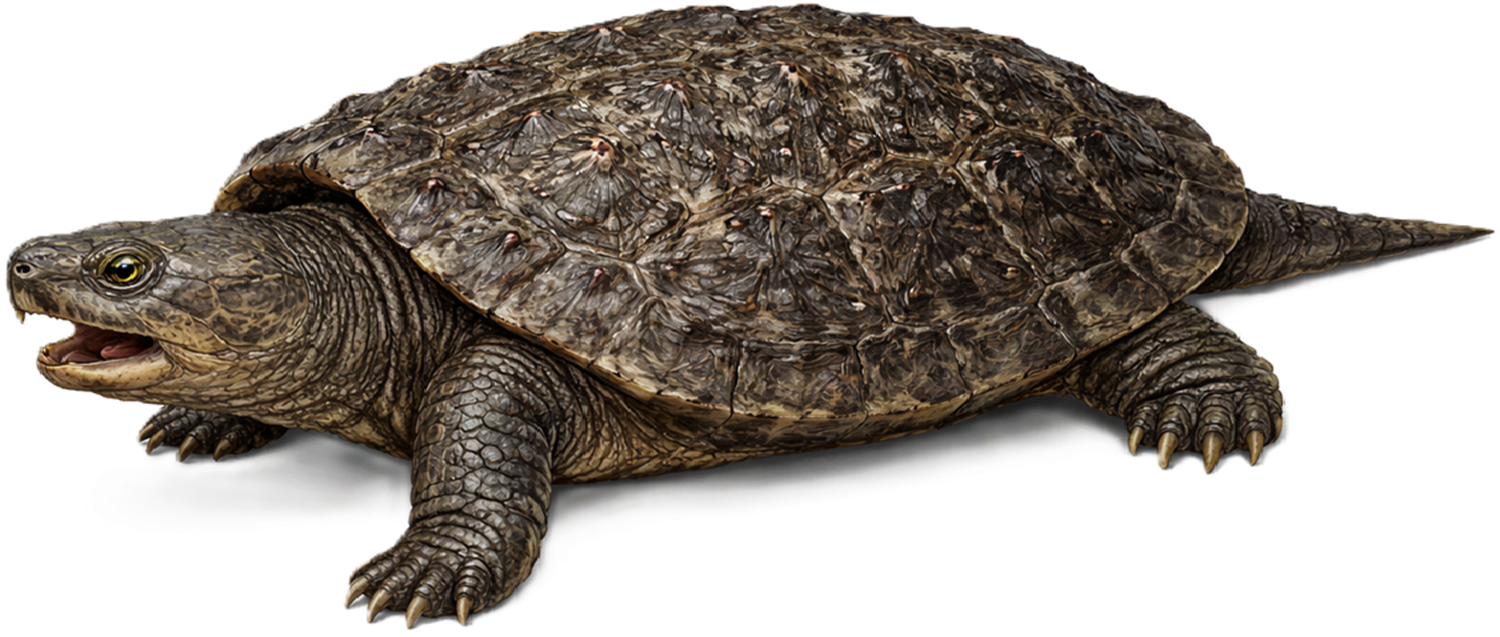
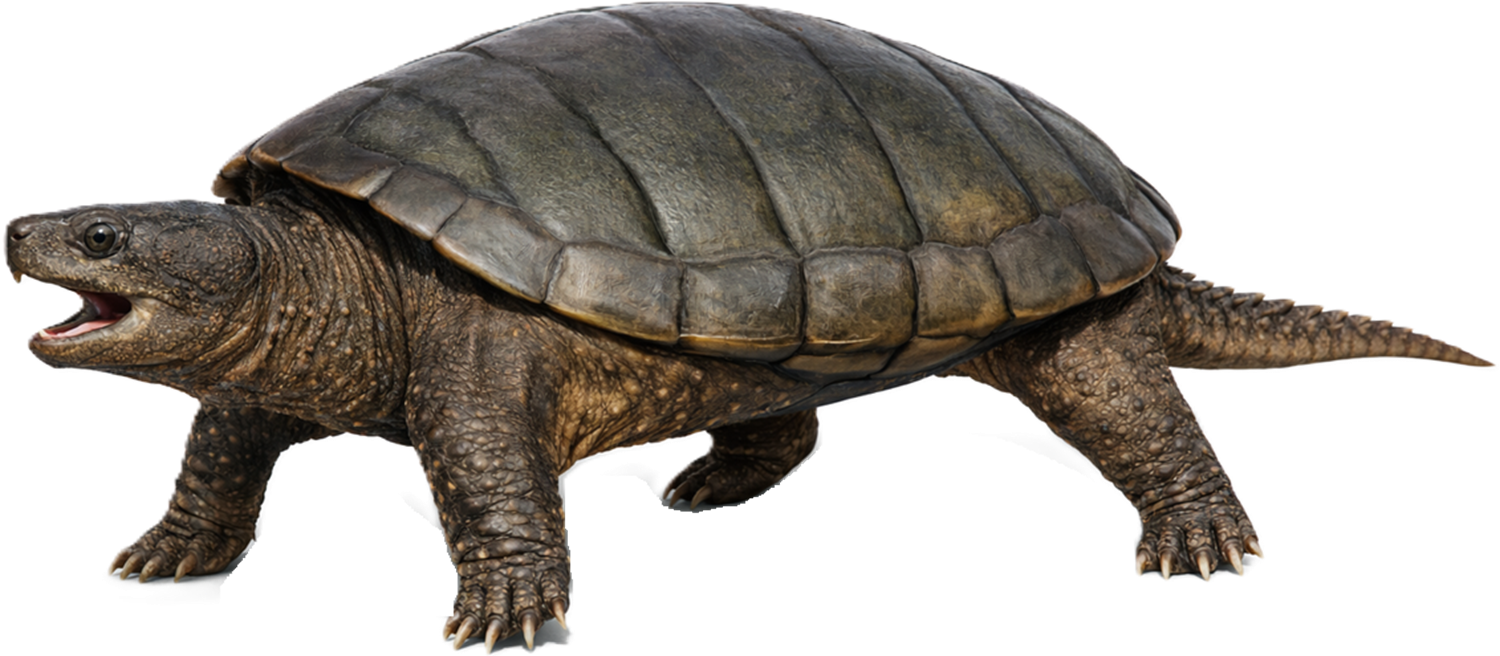
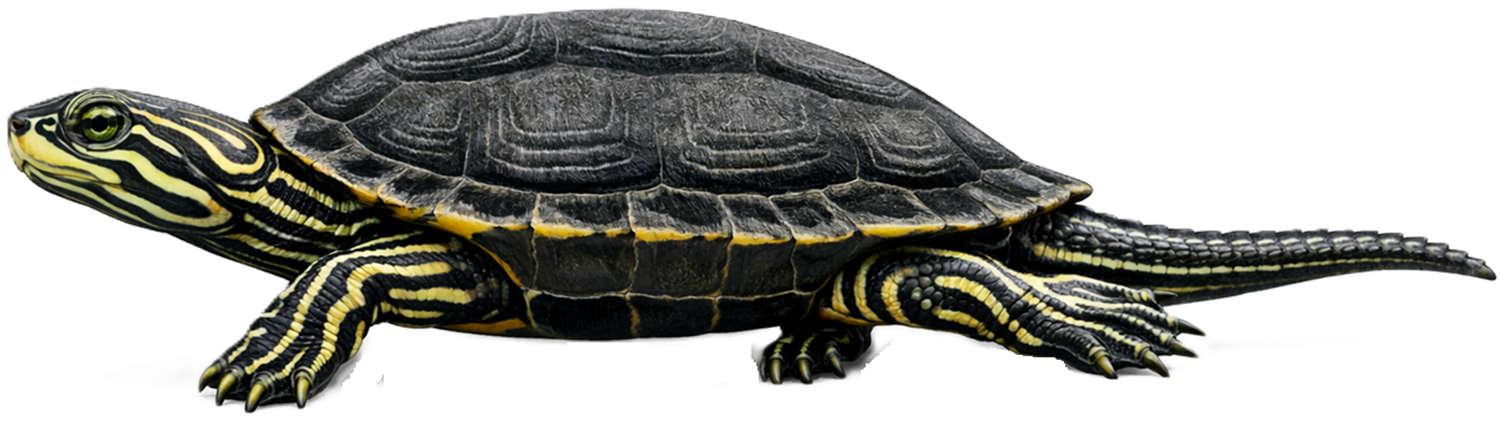
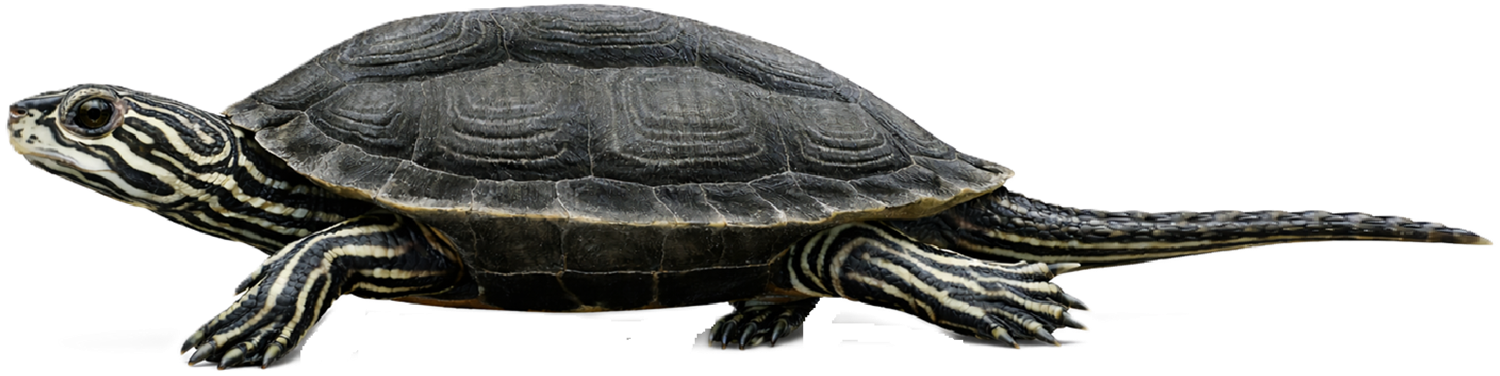
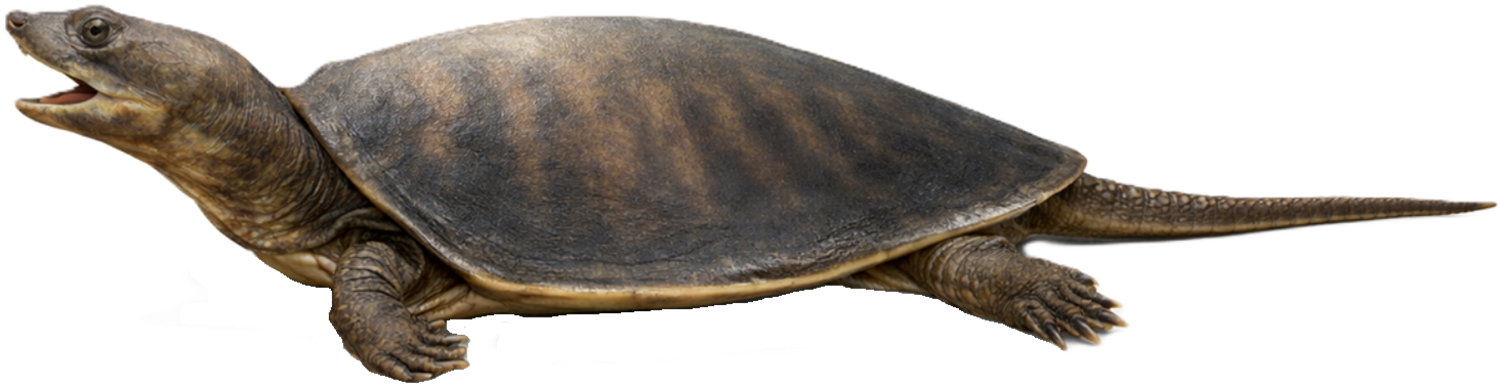
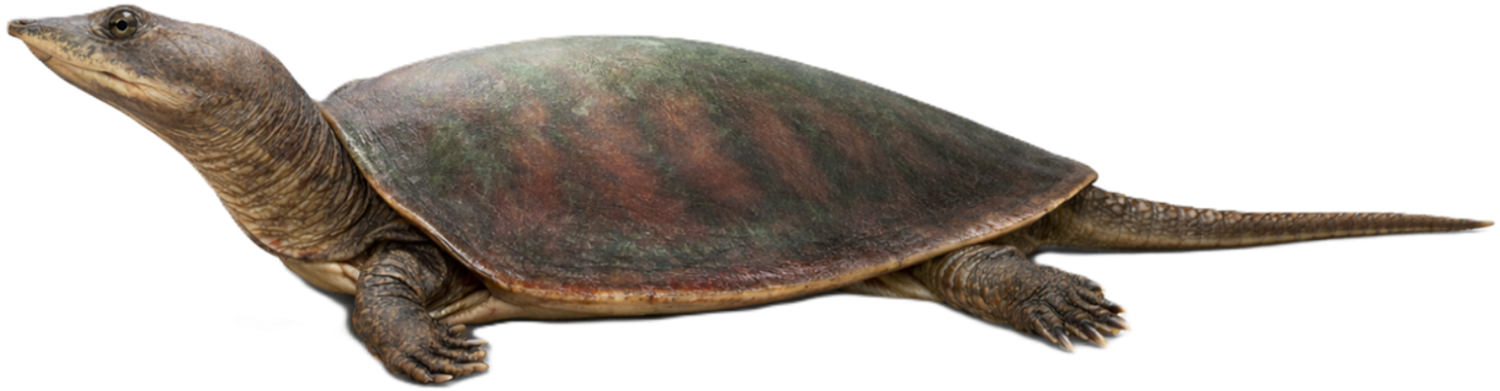
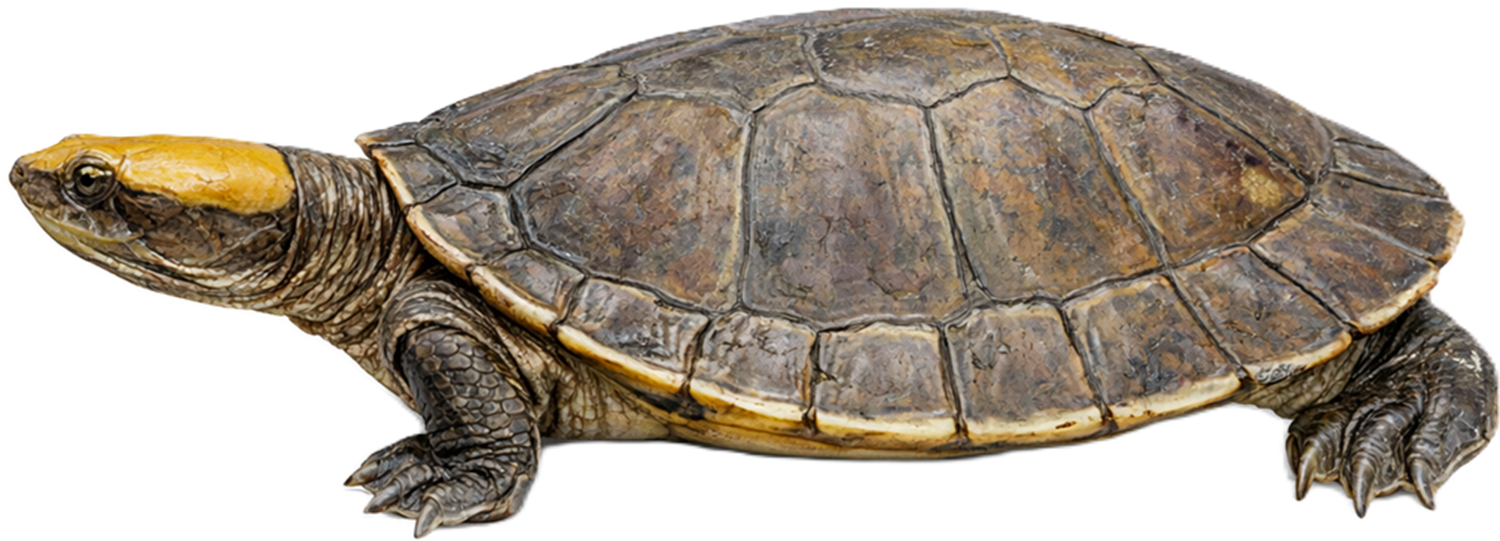
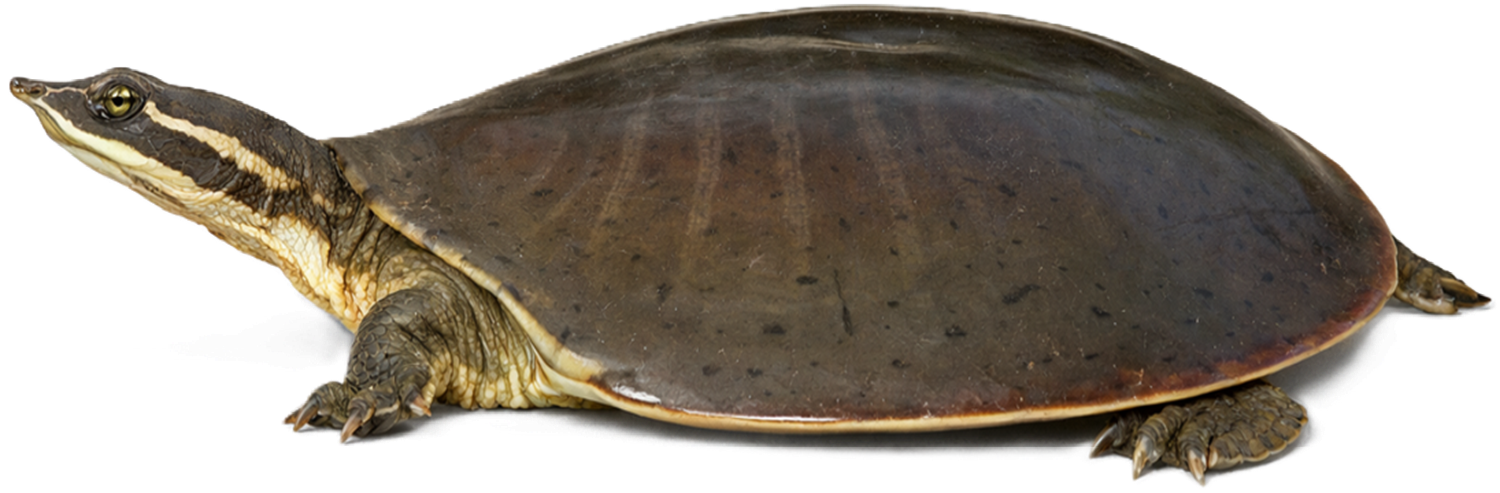
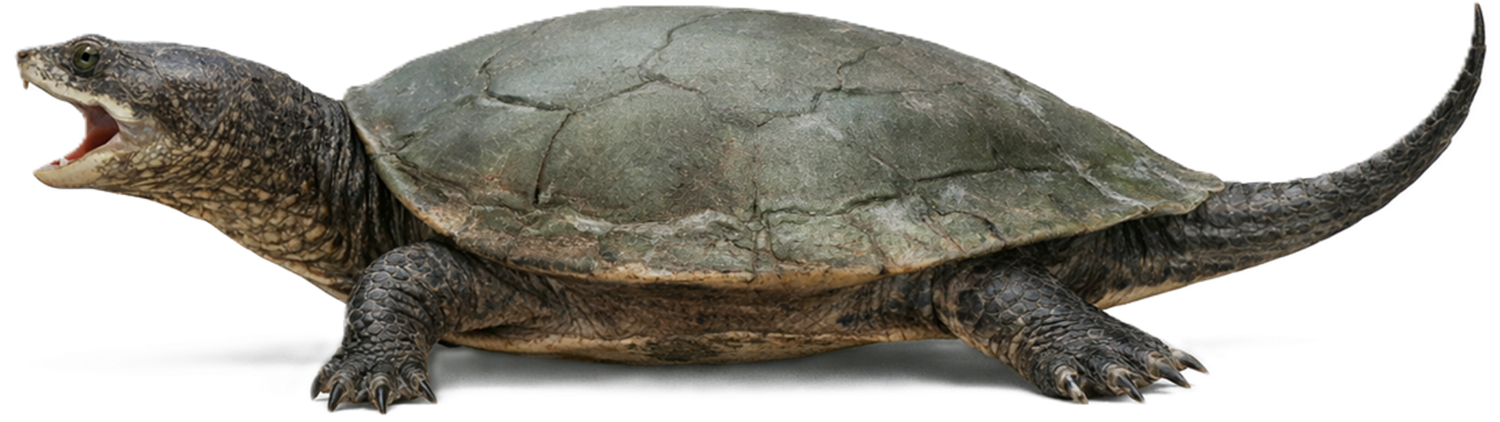
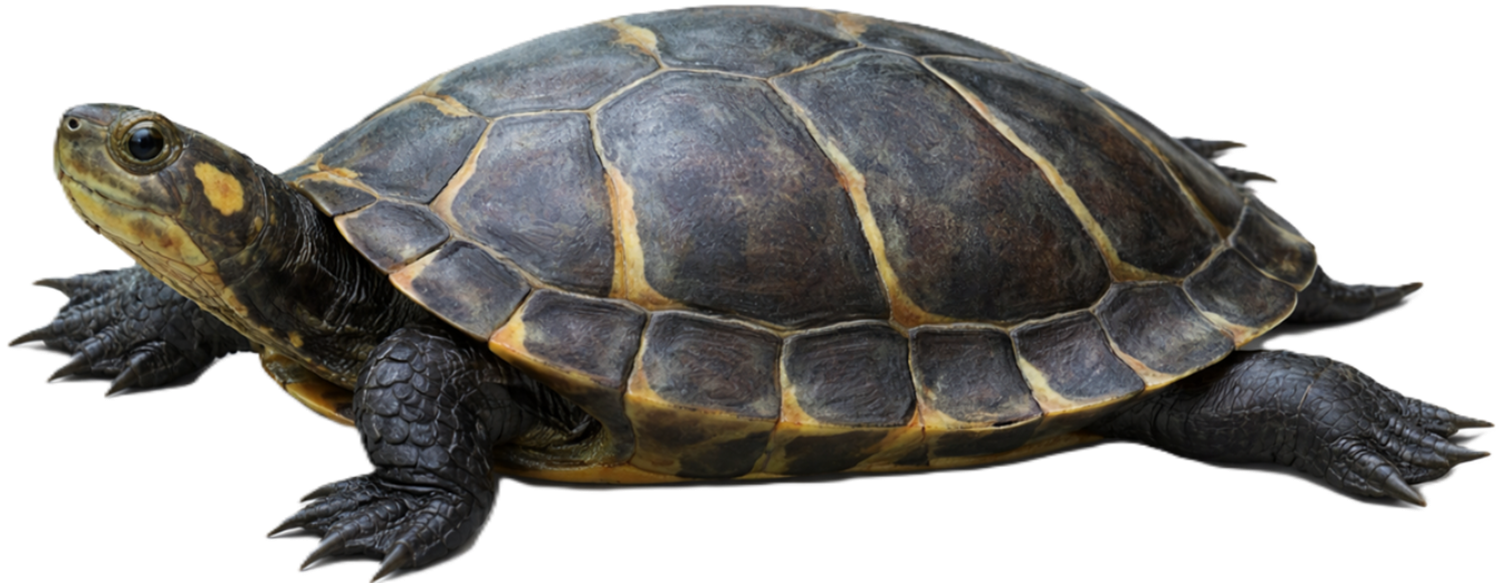
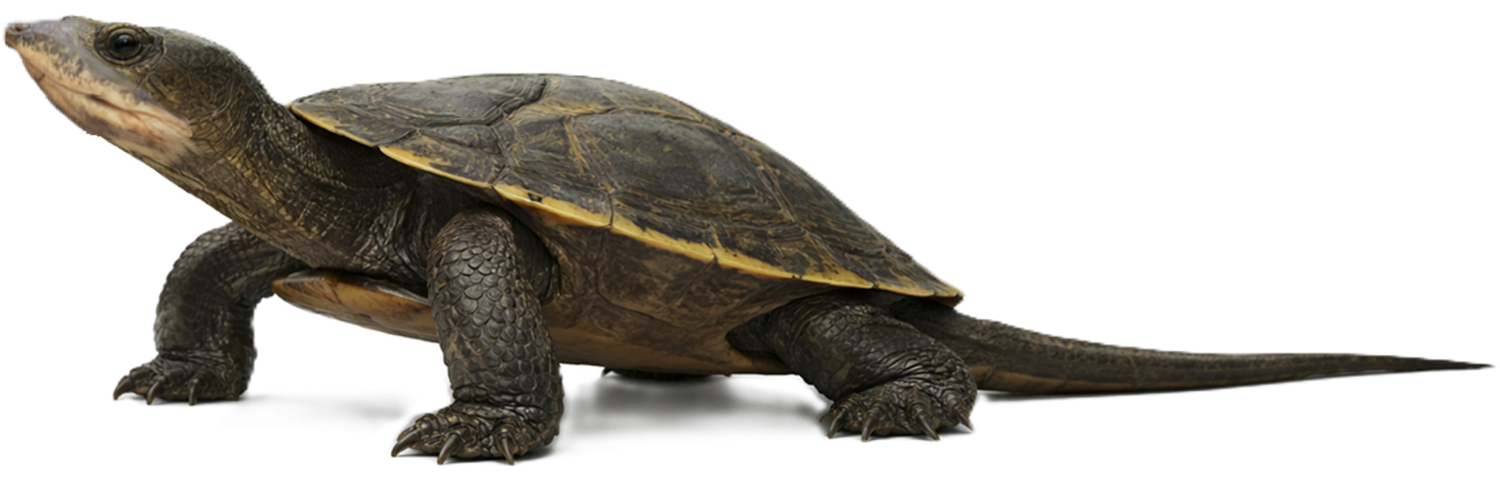
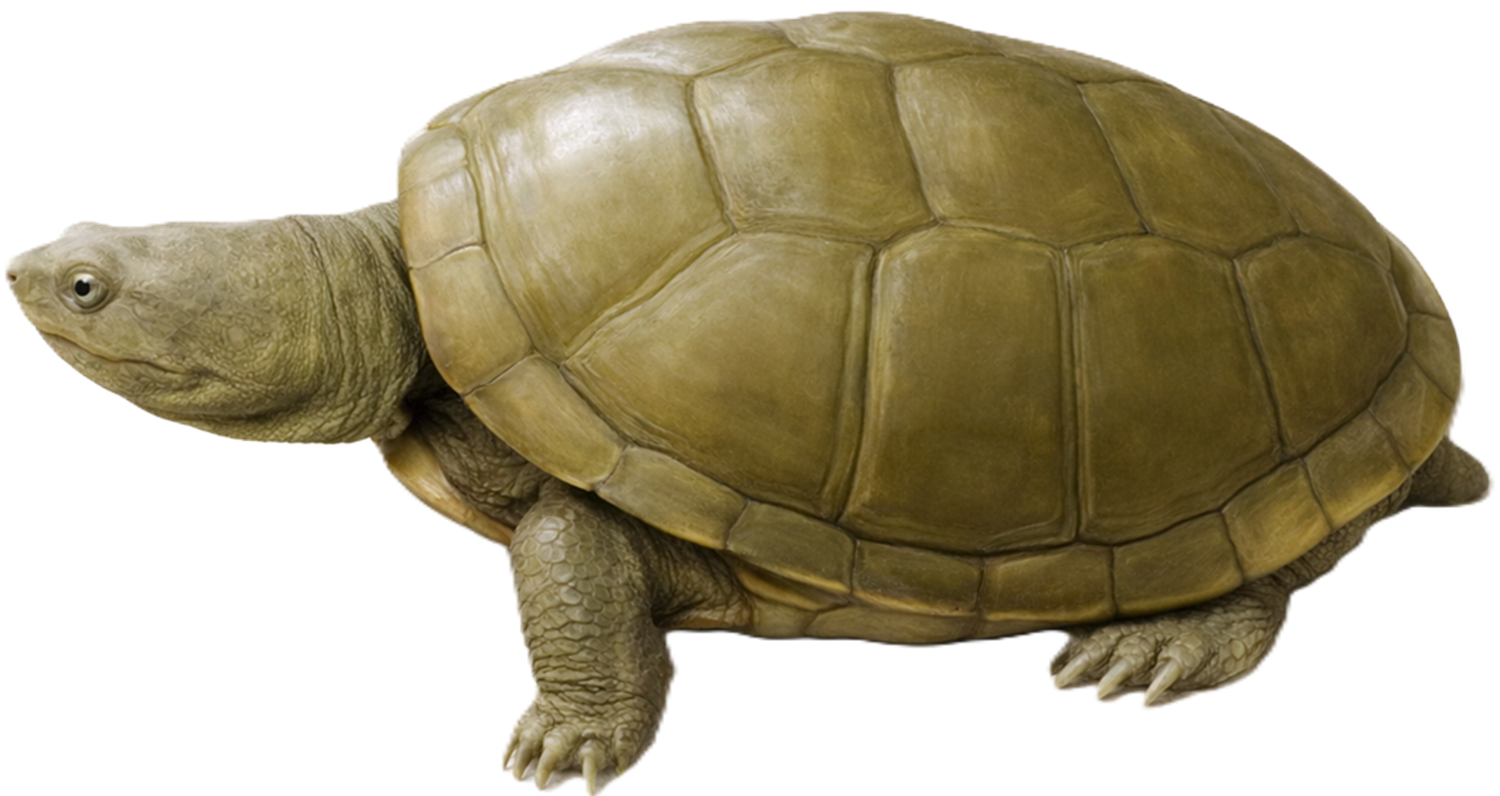
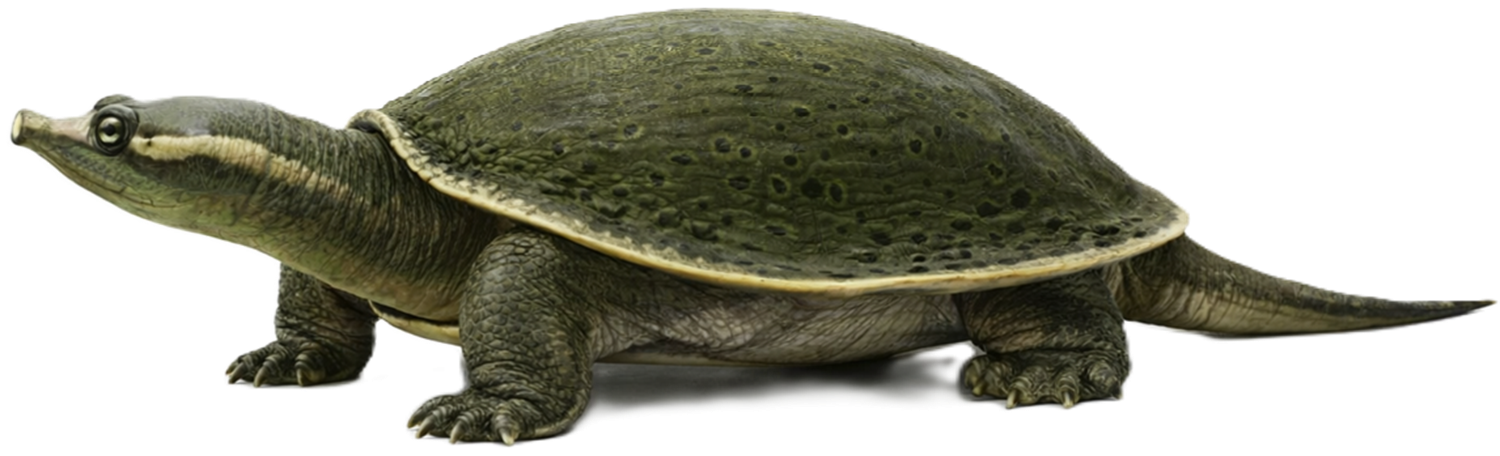
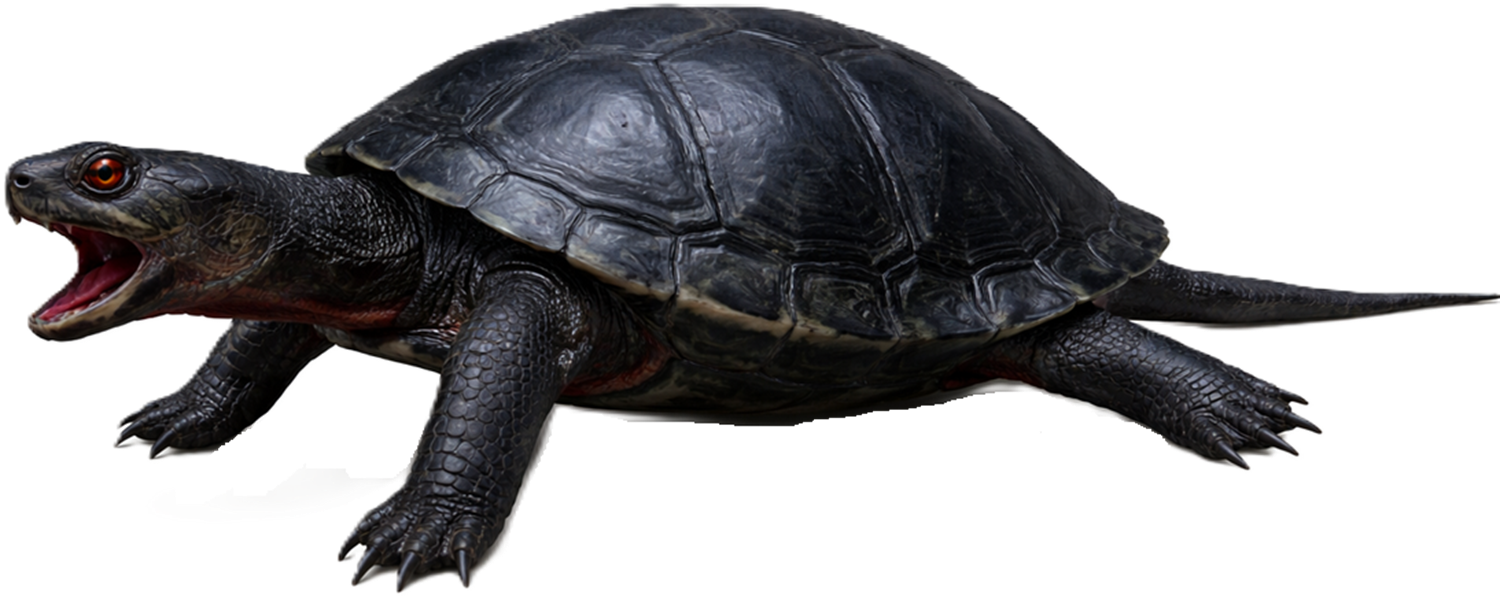
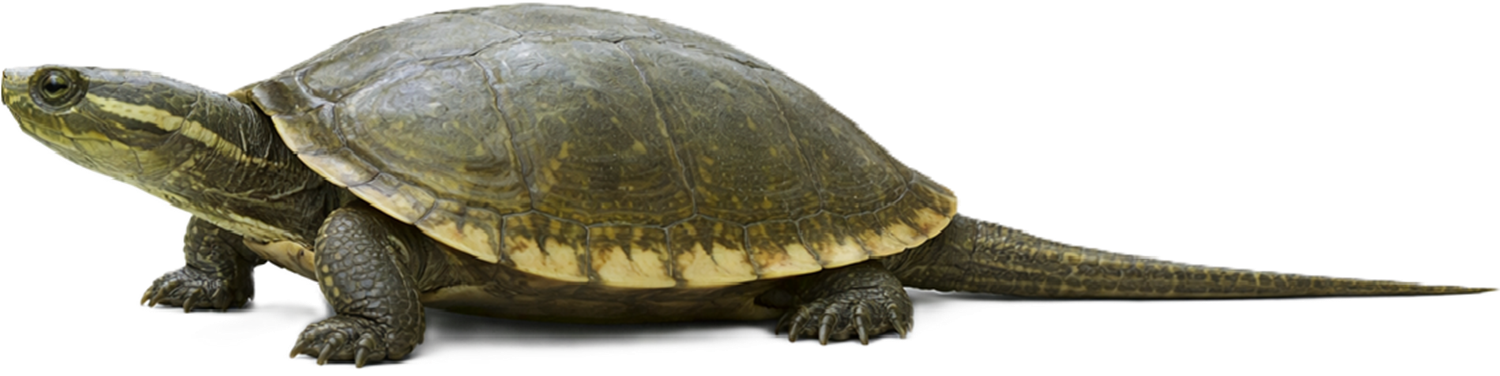
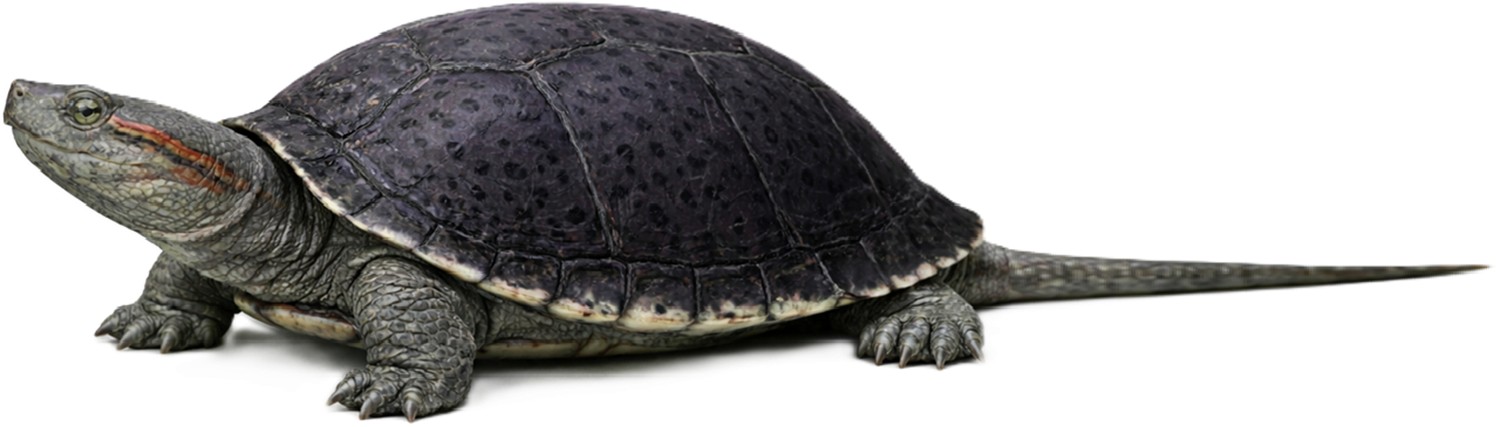
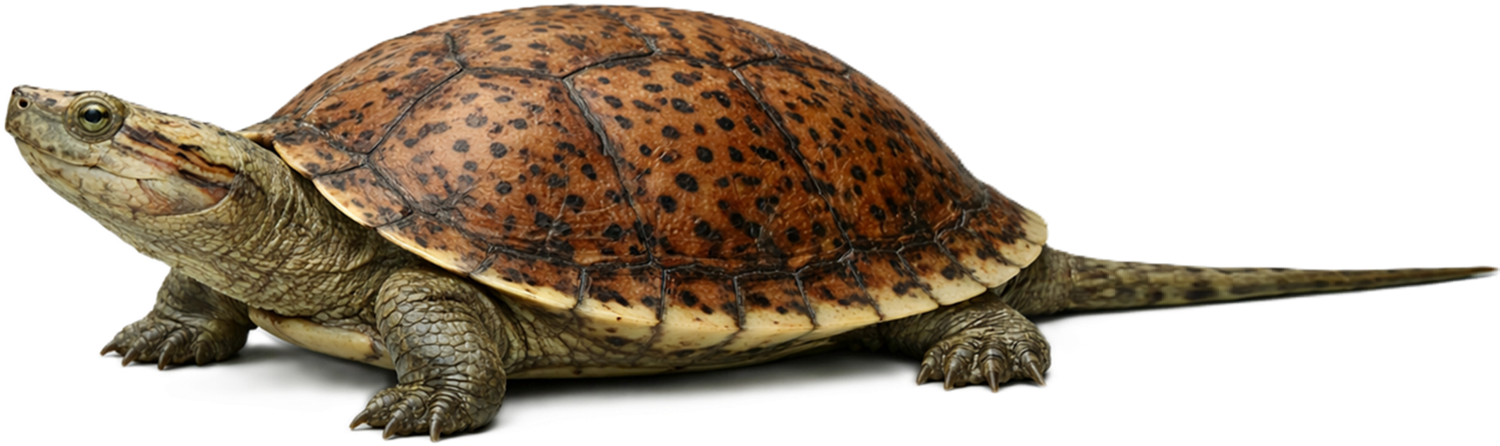
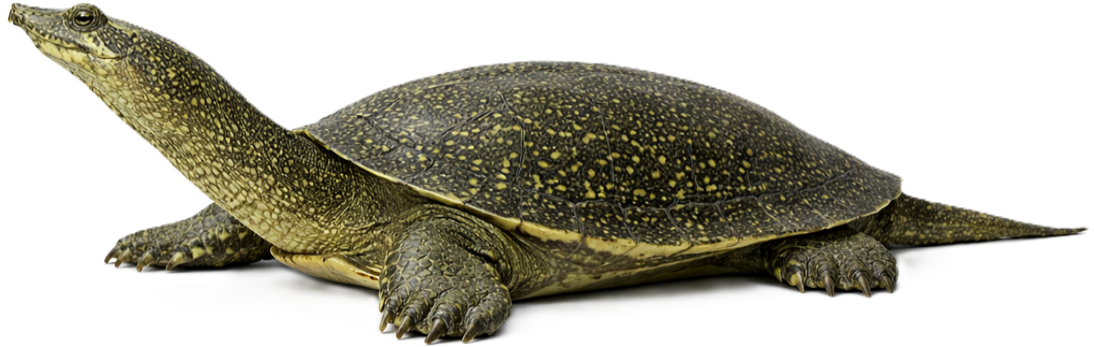
Choristodera:
| Bild: | Spezies: | Fundort: | Stratigraphische Position: | Bekanntes Material: | Bemerkungen: |
|---|---|---|---|---|---|
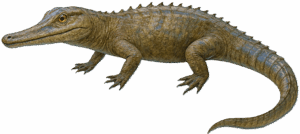
|
Champsosaurus ambulator263Brown, B. (1905). The osteology of Champsosaurus Cope. American Museum of Natural History Memoir, 9, 1–26.264Matsumoto, R., & Evans, S. E. (2010). Choristoderes and the freshwater assemblages of Laurasia. Journal of Iberian Geology, 36(2), 253–274. doi: 10.5209/rev_jige.2010.v36.n2.11 | Montana | Hell Creek Formation | 1 Exemplar | Champsosaurier (Champsosauridae); früher als Champsosaurus natator klassifiziert |
|
|
Champsosaurus laramiensis265Brown, B. (1905). The osteology of Champsosaurus Cope. American Museum of Natural History Memoir, 9, 1–26.266Matsumoto, R., & Evans, S. E. (2010). Choristoderes and the freshwater assemblages of Laurasia. Journal of Iberian Geology, 36(2), 253–274. doi: 10.5209/rev_jige.2010.v36.n2.11 | Montana, North Dakota | Hell Creek Formation | 5 Exemplare | Champsosaurier (Champsosauridae) |
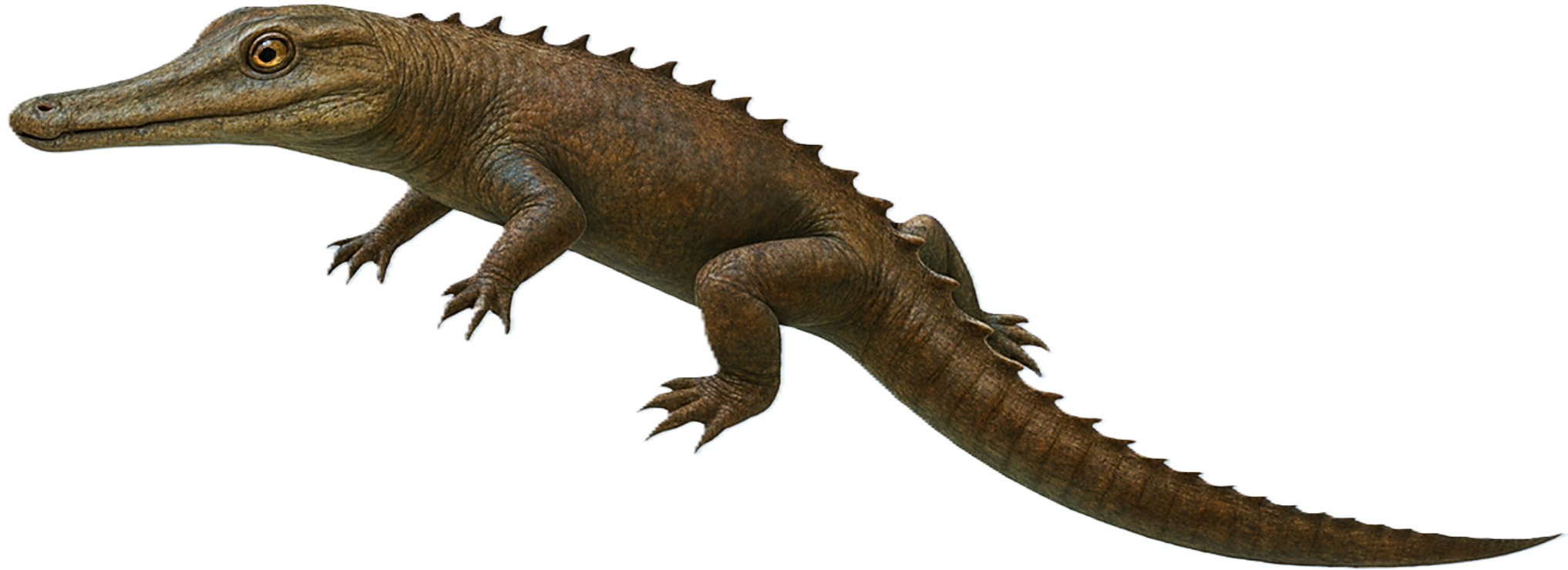 |
Champsosaurus sp.267Estes, R. (1964). Fossil vertebrates from the Late Cretaceous Lance Formation, eastern Wyoming. University of California Publications in Geological Sciences, 49, 1–187. | Wyoming | Lance Formation | 1 Exemplar | Champsosaurier (Champsosauridae) |
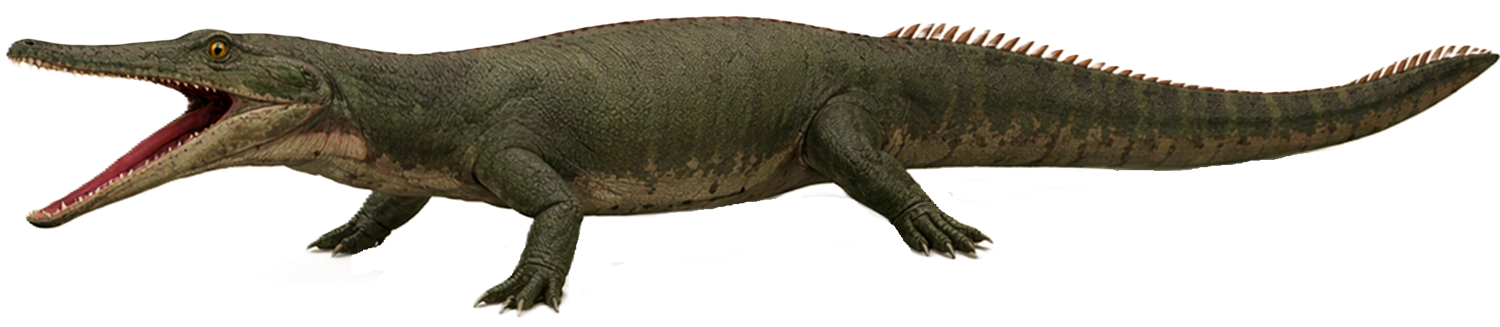

Krokodile:
| Bild: | Spezies: | Fundort: | Stratigraphische Position: | Bekanntes Material: | Bemerkungen: |
|---|---|---|---|---|---|
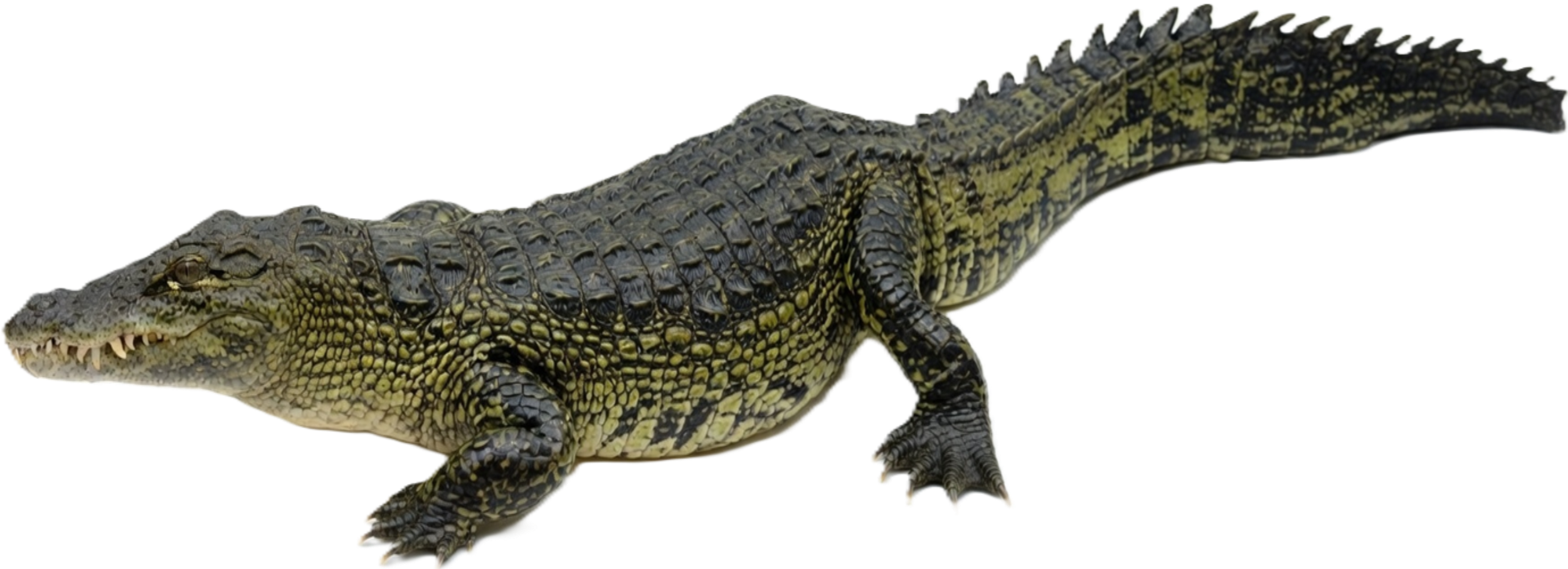 |
Borealosuchus sternbergii268Rio, J. P., & Mannion, P. D. (2021). Phylogenetic analysis of a new morphological dataset elucidates the evolutionary history of Crocodylia and resolves the long-standing gharial problem. PeerJ, 9, e12094. doi: 10.7717/peerj.12094269Brochu, C.A. (1997). „A review of „Leidyosuchus“ (Crocodyliformes, Eusuchia) from the Cretaceous through Eocene of North America“. Journal of Vertebrate Paleontology. 17 (4): 679–697. doi:10.1080/02724634.1997.10011017270Clemens, W. A. (1964). Fossil mammals of the type Lance Formation, Wyoming – Part I. Introduction and Marsupialia. University of California Publications in Geological Sciences, 48, 1–105. | Montana, North Dakota, South Dakota, Wyoming | Hell Creek Formation; Lance Formation | 85 Exemplare | Scheinkrokodil (Eusuchia) |
 |
Brachychampsa montana271Rio, J. P., & Mannion, P. D. (2021). Phylogenetic analysis of a new morphological dataset elucidates the evolutionary history of Crocodylia and resolves the long-standing gharial problem. PeerJ, 9, e12094. doi: 10.7717/peerj.12094272Gilmore, C. W. (1911). A new fossil alligator from the Hell Creek beds of Montana. Proceedings of the United States National Museum, 41(1860), 297–302. doi: 10.5479/si.00963801.41-1860.297273Snyder, K. et al. (2022). Vertebrate microfossils from the Hanson Bonebed, Lance Formation (Maastrichtian), Niobrara County, WY, USA. 10.1130/abs/2022AM-381553. | Montana, North Dakota, South Dakota, Wyoming | Hell Creek Formation; Lance Formation | 82 Exemplare | Alligator (Alligatoridae) |
|
|
Prodiplocynodon langi274Brochu, C. A. (2003). Phylogenetic approaches toward crocodylian history (PDF). Annual Review of Earth and Planetary Sciences, 31(31), 357–397. doi:10.1146/annurev.earth.31.100901.141308 | Wyoming | Lance Formation | 1 Exemplar | Scheinkrokodil (Crocodyloidea) |
 |
Thoracosaurus neocesariensis275Rio, J. P., & Mannion, P. D. (2021). Phylogenetic analysis of a new morphological dataset elucidates the evolutionary history of Crocodylia and resolves the long-standing gharial problem. PeerJ, 9, e12094. doi: 10.7717/peerj.12094276Spamer, E. E., Daeschler, E., & Vostreys-Shapiro, L. G. (1995). A study of fossil vertebrate types in the Academy of Natural Sciences of Philadelphia – Taxonomic, systematic, and historical perspectives (Special Publication Series, Issue 16). Academy of Natural Sciences. | North Dakota | Hell Creek Formation | 30 Exemplare | Scheinkrokodil (Eusuchia) |
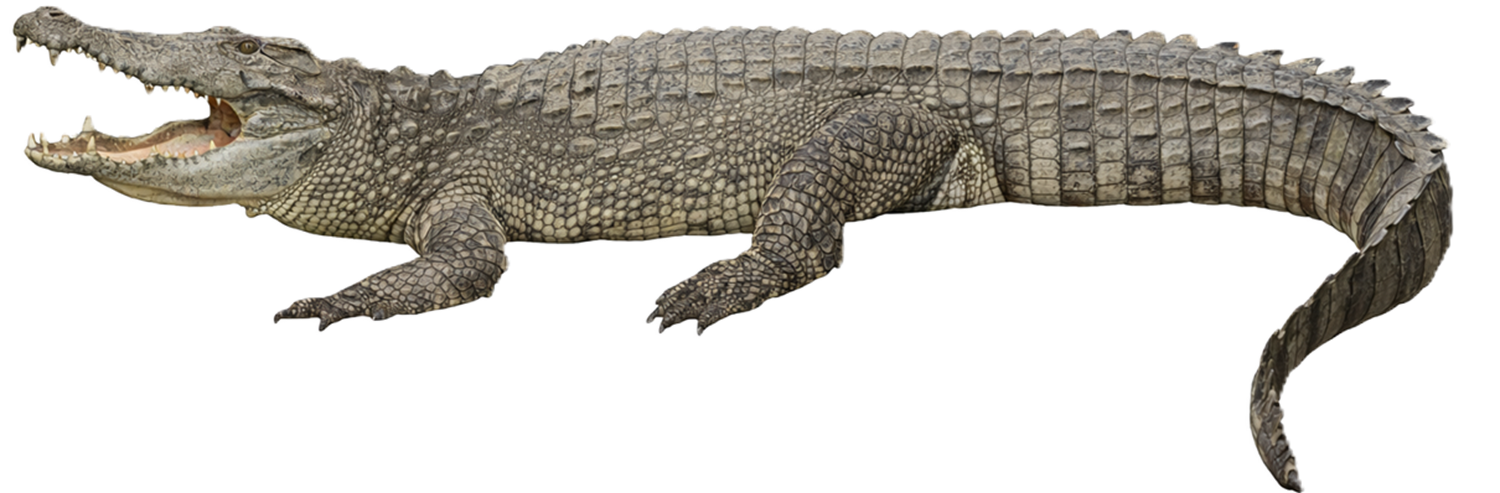
Es sind außerdem die fragmentarischen Überreste eines weiteren Krokodils bekannt, die vielleicht zu einem besonders großen Exemplar von Thoracosaurus gehören könnten.

Pterosaurier:
| Bild: | Spezies: | Fundort: | Stratigraphische Position: | Bekanntes Material: | Bemerkungen: |
|---|---|---|---|---|---|
 |
Azhdarchidae indet.277Henderson, M., & Peterson, J. (2006). An azhdarchid pterosaur cervical vertebra from the Hell Creek Formation (Maastrichtian) of southeastern Montana. Journal of Vertebrate Paleontology, 26(1), 192–195. doi: 10.1671/0272-4634(2006)26[192:AAPCVF]2.0.CO;2 | North Dakota | Hell Creek Formation | — | Azhdarchidae |
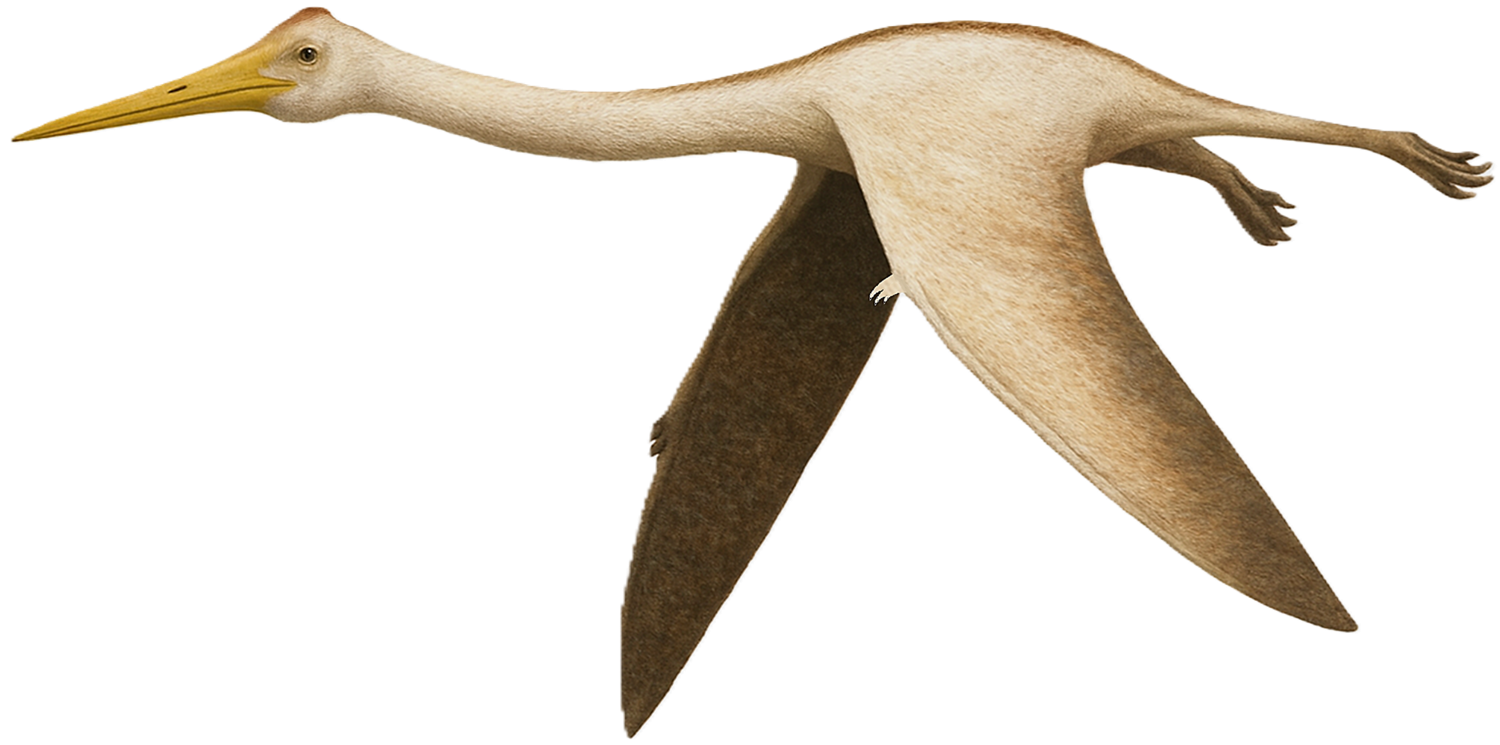 |
Infernodrakon hastacollis278Thomas, H. N. et al. (2024). Infernodrakon hastacollis gen. et sp. nov., a new azhdarchid pterosaur from the Hell Creek Formation of Montana, and the pterosaur diversity of Maastrichtian North America. Journal of Vertebrate Paleontology, 44(4), e2442476. doi: 10.1080/02724634.2024.2442476279Henderson, M., & Peterson, J. (2006). An azhdarchid pterosaur cervical vertebra from the Hell Creek Formation (Maastrichtian) of southeastern Montana. Journal of Vertebrate Paleontology, 26(1), 192–195. doi: 10.1671/0272-4634(2006)26[192:AAPCVF]2.0.CO;2 | Montana | Hell Creek Formation | 1 Exemplar | Azhdarchidae |
|
|
Pterosauria indet.280Longrich, N. R. et al. (2018). Late Maastrichtian pterosaurs from North Africa and mass extinction of Pterosauria at the Cretaceous–Paleogene boundary. PLOS Biology, 16(3), e2001663. doi: 10.1371/journal.pbio.2001663 | — | Hell Creek Formation | — | (Pteranodontidae?) |

 Ornithischier:
| Bild: | Spezies: | Fundort: | Stratigraphische Position: | Bekanntes Material: | Bemerkungen: |
|---|---|---|---|---|---|
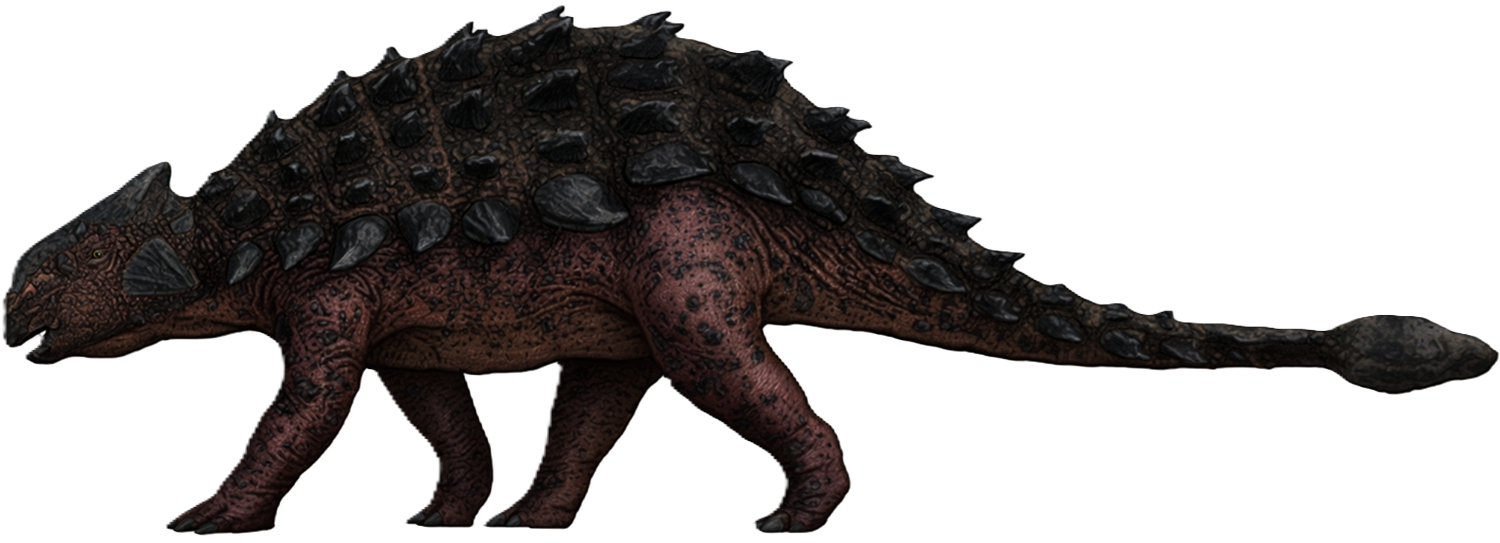 |
Ankylosaurus magniventris281Brown, B. (1908). The Ankylosauridae, a new family of armored dinosaurs from the Upper Cretaceous. Bulletin of the American Museum of Natural History, 24, 187–201.282Weishampel, D. B. et al. (2004). Dinosaur distribution (Late Cretaceous; North America; Montana). In The Dinosauria – Second edition. University of California Press, 584.283Carrano, M. (2005). The Dinosauria – Second edition. Palaeontologia Electronica, 8, Book Review 3. | Montana, South Dakota, Wyoming | Untere bis obere Hell Creek Formation; Lance Formation | 15 Exemplare | Ankylosauridae |
|
|
Denversaurus schlessmani284Bakker, R. T. (1988). Review of the Late Cretaceous nodosauroid Dinosauria: Denversaurus schlessmani, a new armor-plated dinosaur from the latest Cretaceous of South Dakota, the last survivor of the nodosaurians, with comments on Stegosaur–Nodosaur relationships. Hunteria, 1(3), 1–23.285Carpenter, K., & Breithaupt, B. (1986). Latest Cretaceous occurrence of nodosaurid ankylosaurs (Dinosauria, Ornithischia) in western North America and the gradual extinction of the dinosaurs. Journal of Vertebrate Paleontology, 6(3), 251–257. doi: 10.1080/02724634.1986.10011619286Carpenter, K. et al. (2013). Pelvis of Gargoyleosaurus (Dinosauria: Ankylosauria) and the origin and evolution of the ankylosaur pelvis. PLOS ONE, 8(11), e79887. doi: 10.1371/journal.pone.0079887 | Montana, South Dakota, Wyoming | Untere bis obere Hell Creek Formation; Lance Formation | 4 Exemplare | Nodosauridae |
|
|
Dracorex hogwartsia287Bakker, R. et al. (2006). Dracorex hogwartsia n. gen., n. sp., a spiked, flat-headed pachycephalosaurid dinosaur from the Upper Cretaceous Hell Creek Formation of South Dakota. New Mexico Museum of Natural History and Science Bulletin, 35.288Paul, G. S. (2024). The Princeton Field Guide to Dinosaurs – Third edition. Princeton University Press, 244.289Fowler, D. W. (2017). Revised geochronology, correlation, and dinosaur stratigraphic ranges of the Santonian–Maastrichtian (Late Cretaceous) formations of the Western Interior of North America. PLOS ONE, 12(11), 1–20. doi: 10.1371/journal.pone.0188426290Evans, D. C. et al. (2021). Description and revised diagnosis of Asia’s first recorded pachycephalosaurid, Sinocephale bexelli gen. nov., from the Upper Cretaceous of Inner Mongolia, China. Canadian Journal of Earth Sciences, 58(10), 981–992. doi: 10.1139/cjes-2020-0190 | South Dakota | Mittlere Hell Creek Formation |
— |
umstritten, sehr wahrscheinlich Synonym zu Pachycephalosaurus, vielleicht ein Jungtier |
|
|
Edmontonia sp.291Weishampel, D. B. et al. (2004). Dinosaur Distribution. In Weishampel, D. B., Osmólska, H. & Dodson, P. (Eds.), The Dinosauria – 2nd Edition, 585. | Wyoming | Lance Formation |
— |
umstritten, höchstwahrscheinlich synonym mit Denversaurus |
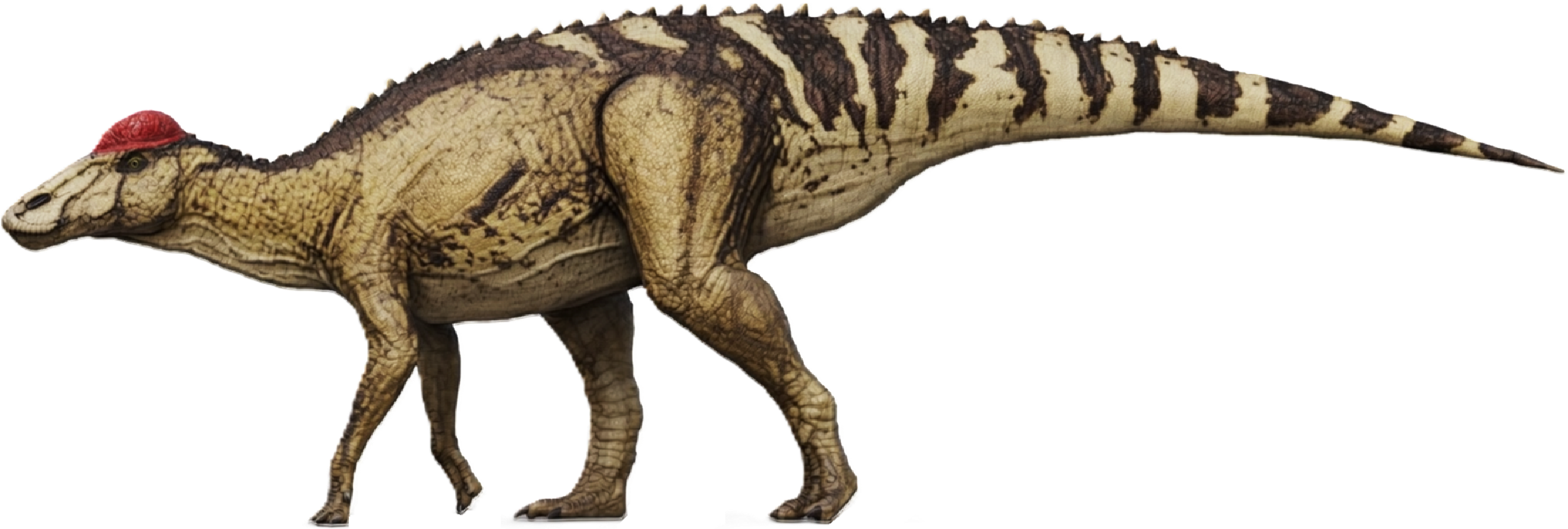 |
Edmontosaurus annectens292Marsh, O. C. (1892). Notice of new reptiles from the Laramie Formation. American Journal of Science, 43(257), 449–453. doi:10.2475/ajs.s3-43.257.449293Weishampel, D. B. et al. (2004). Dinosaur distribution (Late Cretaceous; North America; Montana). In The Dinosauria – Second edition. University of California Press, 584.294Campione, N. E., & Evans, D. C. (2011). Cranial growth and variation in edmontosaurs (Dinosauria: Hadrosauridae): Implications for latest Cretaceous megaherbivore diversity in North America. PLOS ONE, 6(9), e25186. doi: 10.1371/journal.pone.0025186295Manning, P. L. et al. (2009). Mineralized soft-tissue structure and chemistry in a mummified hadrosaur from the Hell Creek Formation, North Dakota (USA). Proceedings of the Royal Society B – Biological Sciences, 276(1672), 3429–3437. doi: 10.1098/rspb.2009.0812296Vajda, V. et al. (2013). A snapshot into the terrestrial ecosystem of an exceptionally well-preserved dinosaur (Hadrosauridae) from the Upper Cretaceous of North Dakota, USA. Cretaceous Research, 46, 114–122. doi: 10.1016/j.cretres.2013.08.010297Rohrer, W. L., & Konizeski, R. (1960). On the occurrence of Edmontosaurus in the Hell Creek Formation of Montana. Journal of Paleontology, 34(3), 464–466.298Wosik, M., Goodwin, M. B., & Evans, D. C. (2017). A nestling-sized skeleton of Edmontosaurus (Ornithischia, Hadrosauridae) from the Hell Creek Formation of northeastern Montana, U.S.A., with an analysis of ontogenetic limb allometry. Journal of Vertebrate Paleontology, 37(6), e1398168. doi: 10.1080/02724634.2017.1398168299Snyder, K., McLain, M., Wood, J. & Chadwick, A. (2020). Over 13,000 elements from a single bonebed help elucidate disarticulation and transport of an Edmontosaurus thanatocoenosis. PLOS ONE, 15(5), e0233182. doi:10.1371/journal.pone.0233182 | Montana, North Dakota, South Dakota, Wyoming | Untere bis obere Hell Creek Formation; Lance Formation | 29 Exemplare | Hadrosaurier (Saurolophini) |
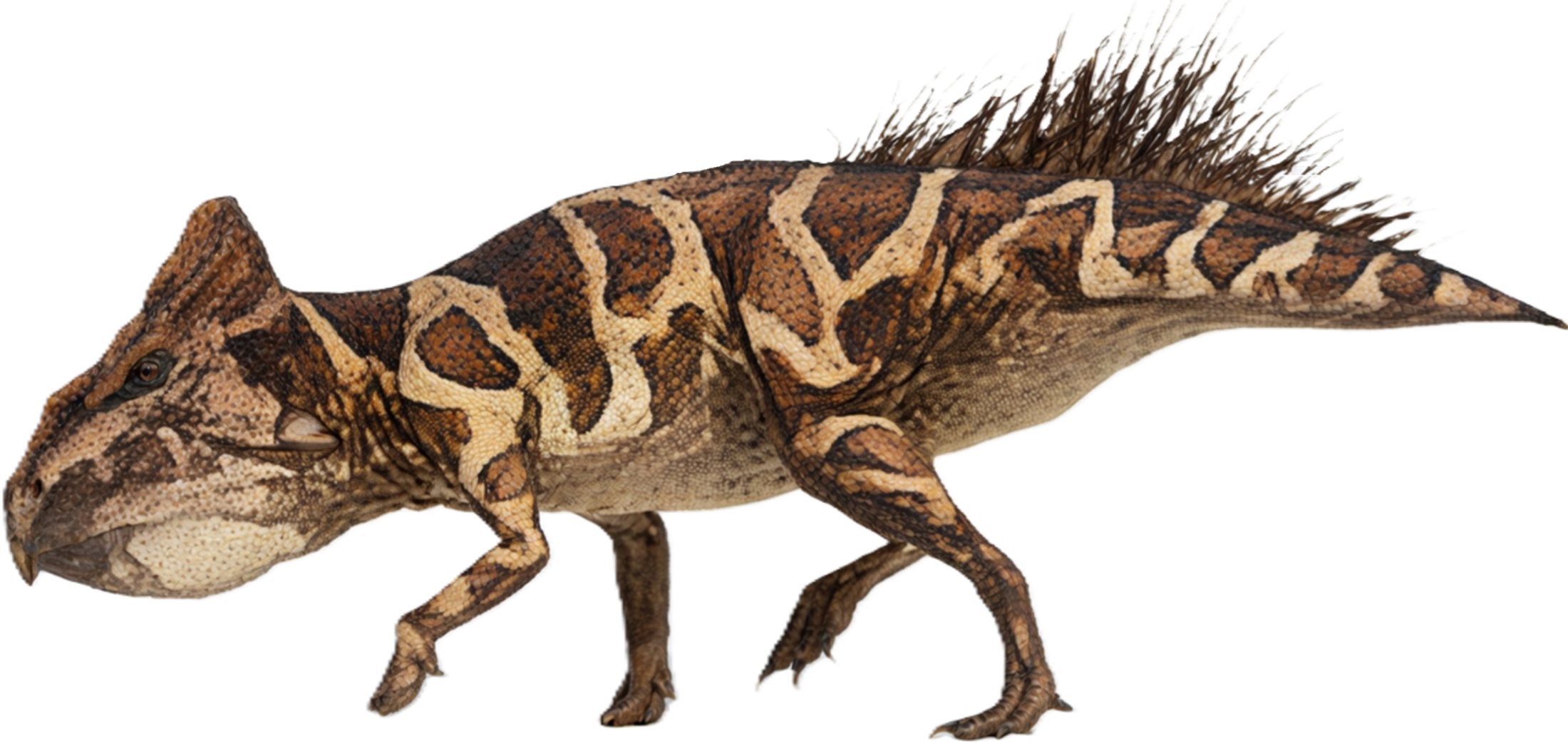 |
Leptoceratops gracilis300Brown, B. (1914). Leptoceratops, a new genus of Ceratopsia from the Edmonton Cretaceous of Alberta. Bulletin of the American Museum of Natural History, 33(36), 567–580.301Ostrom, J. H. (1978). Leptoceratops gracilis from the Lance Formation of Wyoming. Journal of Paleontology, 52(3), 697–704.302Weishampel, D. B. et al. (2004). Dinosaur distribution (Late Cretaceous; North America; Montana). In The Dinosauria – Second edition. University of California Press, 584.303Ostrom, J. H. (1978). Leptoceratops gracilis from the “Lance” Formation of Wyoming. Journal of Paleontology, 52(3), 697–704. | Montana, Wyoming | Untere bis obere Hell Creek Formation; Lance Formation | 5 Exemplare | Ceratopsier (Leptoceratopsidae) |
|
|
Nedoceratops hatcheri304Hatcher, J. B. (1904). Two new Ceratopsia from the Laramie of Converse County, Wyoming. American Journal of Science, 4(120), 413–419. doi:10.2475/ajs.s4-20.120.413305Campbell, J. A. et al. (2018). New insights into chasmosaurine (Dinosauria: Ceratopsidae) skulls from the Upper Cretaceous (Campanian) of Alberta, and an update on the distribution of accessory frill fenestrae in Chasmosaurinae. PeerJ, 6, e5194. doi: 10.7717/peerj.5194306Dodson, P. et al. (2004). Ceratopsidae. In D. B. Weishampel, P. Dodson, & H. Osmólska (Eds.), The Dinosauria – Second edition. University of California Press, 494–513.307Farke, A. A. (2011). Anatomy and taxonomic status of the chasmosaurine ceratopsid Nedoceratops hatcheri from the Upper Cretaceous Lance Formation of Wyoming, U.S.A. PLOS ONE, 6(1), e16196. doi: 10.1371/journal.pone.0016196308Longrich, N. R., Tokaryk, T. & Field, D. J. (2011). Mass extinction of birds at the Cretaceous–Paleogene (K–Pg) boundary. Proceedings of the National Academy of Sciences, 108(37), 15253–15257. doi:10.1073/pnas.1110395108 | Wyoming | Lance Formation |
— |
umsritten, sehr wahrscheinlich Synonym zu Triceratops, vielleicht ein Jungtier |
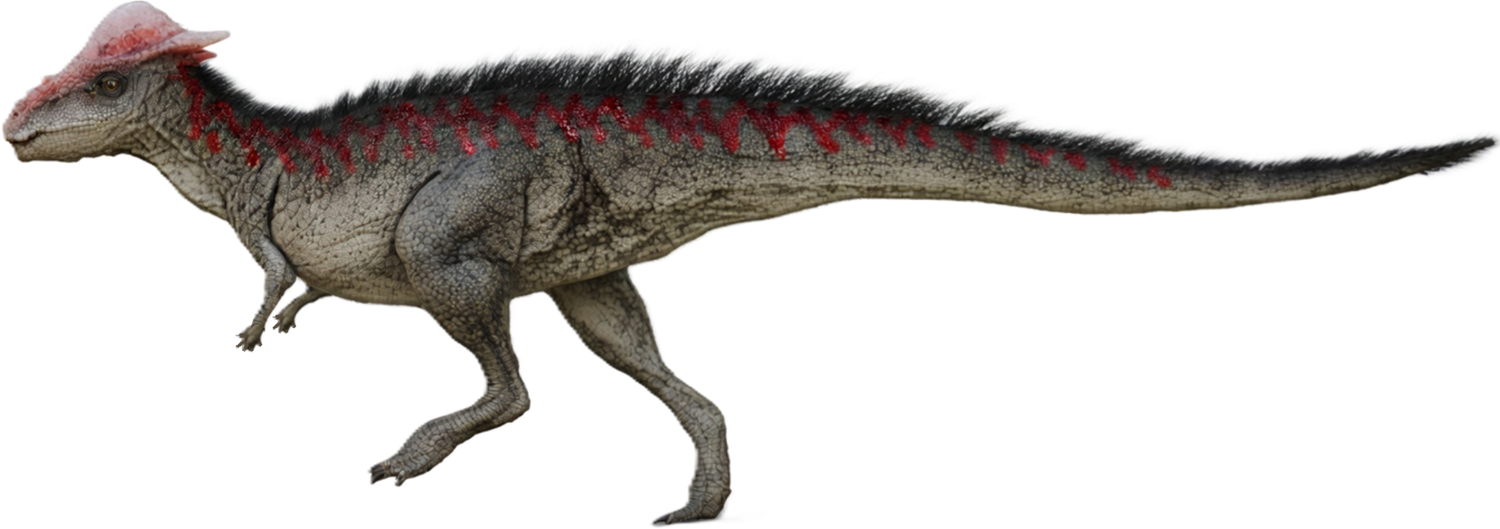 |
Pachycephalosaurus wyomingensis309Gilmore, C. W. (1931). A new species of troodont dinosaur from the Lance Formation of Wyoming. Proceedings of the United States National Museum, 79(9), 1–6. doi:10.5479/si.00963801.79-2875.1310Galton, P. M. & Sues, H. D. (1983). New data on pachycephalosaurid dinosaurs (Reptilia – Ornithischia) from North America. Canadian Journal of Earth Sciences, 20(3), 462–472. doi:10.1139/e83-043311Weishampel, D. B. et al. (2004). Dinosaur distribution (Late Cretaceous; North America; Montana). In The Dinosauria – Second edition. University of California Press, 584.312Fowler, D. W. (2017). Revised geochronology, correlation, and dinosaur stratigraphic ranges of the Santonian–Maastrichtian (Late Cretaceous) formations of the Western Interior of North America. PLOS ONE, 12(11), 1–20. doi: 10.1371/journal.pone.0188426 | Montana, North Dakota, South Dakota, Wyoming | Obere Hell Creek Formation; Lance Formation | 26 Exemplare | Pachycephalosauridae |
 |
„Palaeosincus latus“313Weishampel, D. B. et al. (2004). Dinosaur Distribution. In Weishampel, D. B., Osmólska, H. & Dodson, P. (Eds.), The Dinosauria – 2nd Edition, 585. | Wyoming | Lance Formation | 1 Exemplar | Nomen dubium. Zähne eines Nodosauriers oder Pachycephalosauriers. |
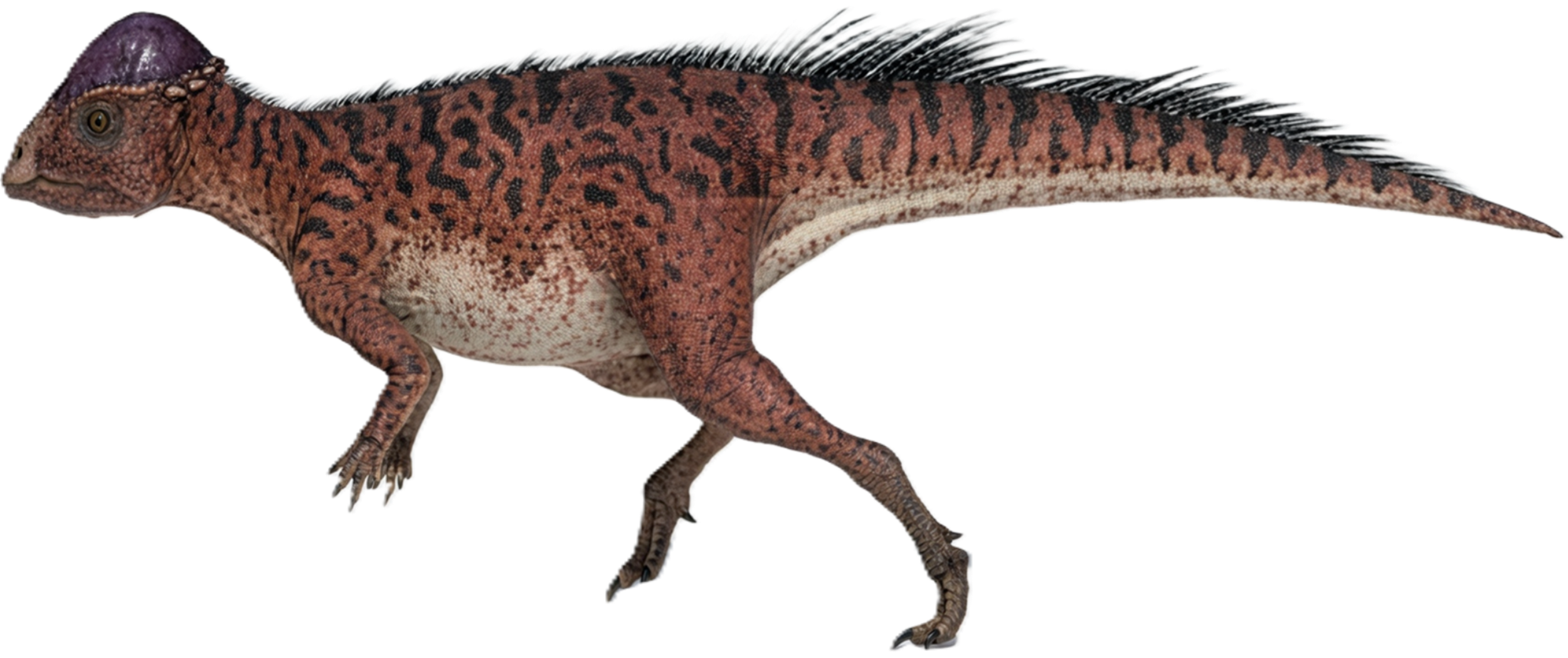 |
Platytholus clemensi314Horner, J. R., Goodwin, M. B., & Evans, D. C. (2022). A new pachycephalosaurid from the Hell Creek Formation, Garfield County, Montana, U.S.A. Journal of Vertebrate Paleontology, 42(4), e2190369. doi: 10.1080/02724634.2023.2190369 | Montana | Untere Hell Creek Formation | 1 Exemplar | Pachycephalosauridae |
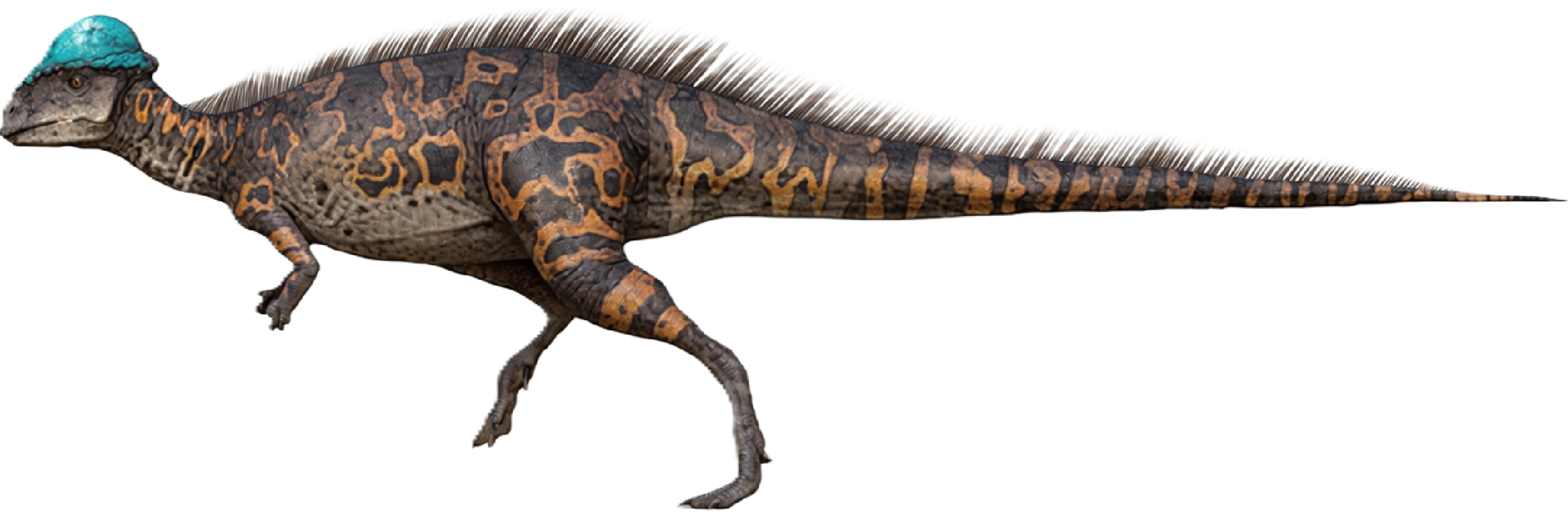 |
Sphaerotholus buchholtzae315Williamson, T. E., & Carr, T. D. (2003). A new genus of derived pachycephalosaurian from western North America. Journal of Vertebrate Paleontology, 22(4), 779–801. doi: 10.1671/0272-4634(2002)022[0779:ANGODP]2.0.CO;2316Weishampel, D. B. et al. (2004). Dinosaur distribution (Late Cretaceous; North America; Montana). In The Dinosauria – Second edition. University of California Press, 584.317Woodruff, D. C., Schott, R. K., & Evans, D. C. (2023). Two new species of small-bodied pachycephalosaurine (Dinosauria, Marginocephalia) from the uppermost Cretaceous of North America suggest hidden diversity in well-sampled formations. Papers in Palaeontology, 9(6), Article e1535. doi: 10.1002/spp2.1535 | Montana | Untere bis obere Hell Creek Formation | 2 Exemplare | Pachycephalosauridae |
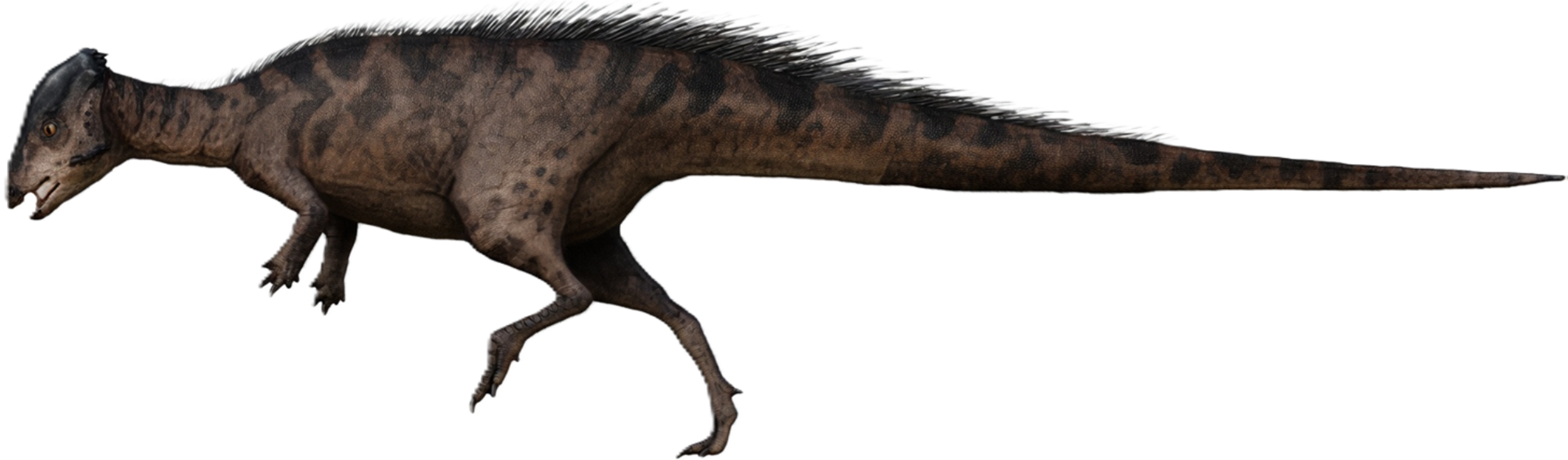 |
Sphaerotholus triregnum318Woodruff, D. C., Schott, R. K., & Evans, D. C. (2023). Two new species of small-bodied pachycephalosaurine (Dinosauria, Marginocephalia) from the uppermost Cretaceous of North America suggest hidden diversity in well-sampled formations. Papers in Palaeontology, 9(6), Article e1535. doi: 10.1002/spp2.1535319Weishampel, D. B. et al. (2004). Dinosaur distribution (Late Cretaceous; North America; Montana). In The Dinosauria – Second edition. University of California Press, 584. | Montana | Mittlere Hell Creek Formation | 1 Exemplar | Pachycephalosauridae |
|
|
Stygimoloch spinifer320Galton, P. M. & Sues, H. D. (1983). New data on pachycephalosaurid dinosaurs (Reptilia – Ornithischia) from North America. Canadian Journal of Earth Sciences, 20, 462–472.321Weishampel, D. B. et al. (2004). Dinosaur distribution (Late Cretaceous; North America; Montana). In The Dinosauria – Second edition. University of California Press, 584.322Paul, G. S. (2024). The Princeton Field Guide to Dinosaurs – Third edition. Princeton University Press, 244.323Fowler, D. W. (2017). Revised geochronology, correlation, and dinosaur stratigraphic ranges of the Santonian–Maastrichtian (Late Cretaceous) formations of the Western Interior of North America. PLOS ONE, 12(11), 1–20. doi: 10.1371/journal.pone.0188426324Wroblewski, A. F.-J. (2024). Southernmost record of the pachycephalosaurine Stygimoloch spinifer and palaeobiogeography of latest Cretaceous North American dinosaurs. Lethaia, 57(4), 1–10. doi: 10.18261/let.57.4.7 | Montana, North Dakota, South Dakota, Wyoming | Oberste Hell Creek Formation; Lance Formation |
— |
umstritten, möglicherweise Synonym oder jüngere Chronospezies zu Pachycephalosaurus |
|
|
Tatankaceratops sacrisonorum325Ott, C. J., & Larson, P. L. (2010). A new, small ceratopsian dinosaur from the latest Cretaceous Hell Creek Formation, northwest South Dakota, United States: A preliminary description. In M. J. Ryan, B. J. Chinnery-Allgeier, & D. A. Eberth (Eds.), New perspectives on horned dinosaurs – The Royal Tyrrell Museum Ceratopsian Symposium. Indiana University Press, 656.326Longrich, N. R. (2011). Titanoceratops ouranos, a giant horned dinosaur from the Late Campanian of New Mexico. Cretaceous Research, 32(3), 264–276. doi: 10.1016/j.cretres.2010.12.007 | South Dakota | Hell Creek Formation | 1 Exemplar | umstritten, höchstwahrscheinlich Synonym zu Triceratops |
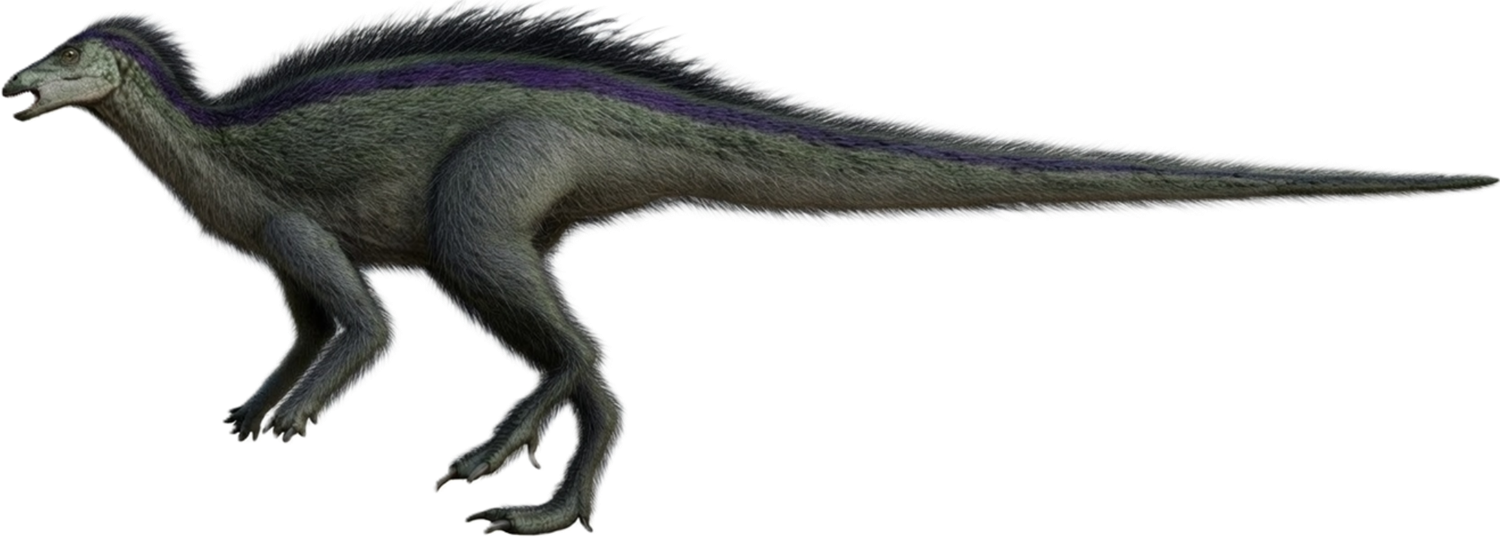 |
Thescelosaurus garbanii327Morris, W. J. (1976). Hypsilophodont dinosaurs – a new species and comments on their systematics. In Churcher, C. S. (Ed.), Athlon – Essays on Palaeontology in honour of Loris Shano Russell. Royal Ontario Museum, 93–113.328Weishampel, D. B. et al. (2004). Dinosaur distribution (Late Cretaceous; North America; Montana). In The Dinosauria – Second edition. University of California Press, 586.329Boyd, C. A. et al. (2009). Taxonomic revision of the basal neornithischian taxa Thescelosaurus and Bugenasaura. Journal of Vertebrate Paleontology, 29(3), 758–770. doi: 10.1671/039.029.0328 | Montana | Untere bis oebre Hell Creek Formation | 3 Exemplare | Thescelosauridae |
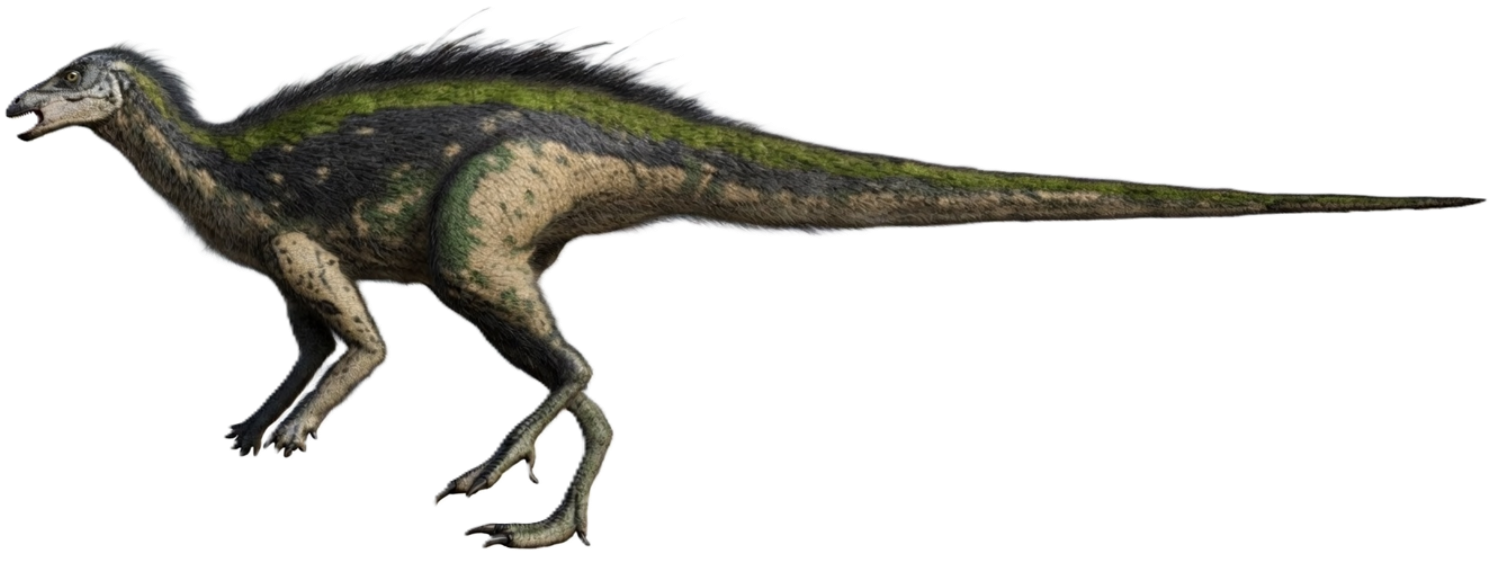 |
Thescelosaurus neglectus330Gilmore, C. W. (1913). A new dinosaur from the Lance Formation of Wyoming. Smithsonian Miscellaneous Collections, 61(5), 1–5.331Weishampel, D. B. et al. (2004). Dinosaur distribution (Late Cretaceous; North America; Montana). In The Dinosauria – Second edition. University of California Press, 586.332Pearson, D. A. et al. (2002). Vertebrate biostratigraphy of the Hell Creek Formation in southwestern North Dakota and northwestern South Dakota. In J. H. Hartman, K. R. Johnson, & D. J. Nichols (Eds.), The Hell Creek Formation and the Cretaceous–Tertiary boundary in the northern Great Plains. Geological Society of America Special Paper 361, 154. doi: 10.1130/0-8137-2361-2.189333Carrano, M., & Matthew. (2005). The Dinosauria – Second edition. Palaeontologia Electronica, 8, Book Review 3.334Boyd, C. A. et al. (2010). Taxonomic revision of the basal neornithischian taxa Thescelosaurus and Bugenasaura. Journal of Vertebrate Paleontology, 29(3). Journal of Vertebrate Paleontology, 29(3), 758–770. doi: 10.1671/039.029.0328335Galton, P. M. (1974). Notes on Thescelosaurus, a conservative ornithopod dinosaur from the Upper Cretaceous of North America, with comments on ornithopod classification. Journal of Paleontology, 48(5), 1048–1067. | Montana, North Dakota, South Dakota, Wyoming | Untere bis obere Hell Creek Formation; Lance Formation | 28 Exemplare | Thescelosauridae |
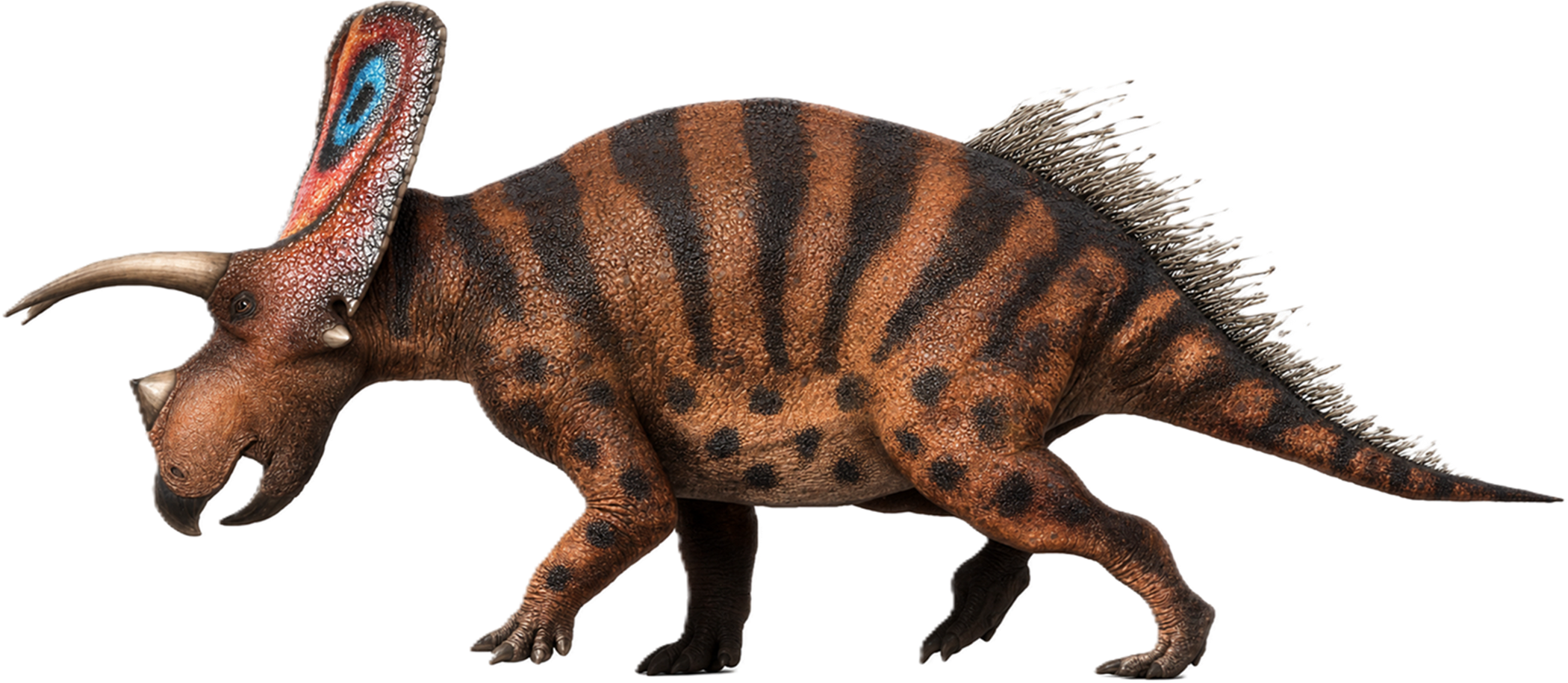 |
Torosaurus latus336Pearson, D. A. et al. (2002). Vertebrate biostratigraphy of the Hell Creek Formation in southwestern North Dakota and northwestern South Dakota. In J. H. Hartman, K. R. Johnson, & D. J. Nichols (Eds.), The Hell Creek Formation and the Cretaceous–Tertiary boundary in the northern Great Plains. Geological Society of America Special Paper 361, 154. doi: 10.1130/0-8137-2361-2.189337Carrano, M., & Matthew. (2005). The Dinosauria – Second edition. Palaeontologia Electronica, 8, Book Review 3.338Scannella, J. B. et al. (2014). Evolutionary trends in Triceratops from the Hell Creek Formation, Montana. Proceedings of the National Academy of Sciences of the United States of America, 111(28), 10245–10250. doi: 10.1073/pnas.1313334111339Scannella, J. B., & Horner, J. R. (2010). Torosaurus Marsh, 1891, is Triceratops Marsh, 1889 (Ceratopsidae: Chasmosaurinae): Synonymy through ontogeny. Journal of Vertebrate Paleontology, 30(4), 1157–1168. doi: 10.1080/02724634.2010.483632340Mallon, J. C. et al. (2022). The record of Torosaurus (Ornithischia: Ceratopsidae) in Canada and its taxonomic implications. Zoological Journal of the Linnean Society, 195(1), 157–171. doi: 10.1093/zoolinnean/zlab120341Scannella, J., & Fowler, D. (2014). A stratigraphic survey of Triceratops localities in the Hell Creek Formation, northeastern Montana (2006–2010). In G. P. Wilson et al. (Eds.), Through the end of the Cretaceous in the type locality of the Hell Creek Formation in Montana and adjacent areas. Geological Society of America Special Papers 503, 313–332. doi: 10.1130/2014.2503(12) | North Dakota, South Dakota, Wyoming | Obere Hell Creek Formation; Lance Formation | 7 Exemplare | umstritten, möglicherweise Synonym zu Triceratops (Männchen?) |
|
|
Triceratops horridus342Marsh, O. C. (1889). Notice of new American Dinosauria. American Journal of Science, 37(220), 331–336. doi:10.2475/ajs.s3-37.220.331343Pearson, D. A. et al. (2002). Vertebrate biostratigraphy of the Hell Creek Formation in southwestern North Dakota and northwestern South Dakota. In J. H. Hartman, K. R. Johnson, & D. J. Nichols (Eds.), The Hell Creek Formation and the Cretaceous–Tertiary boundary in the northern Great Plains. Geological Society of America Special Paper 361, 154. doi: 10.1130/0-8137-2361-2.189344Carrano, M., & Matthew. (2005). The Dinosauria – Second edition. Palaeontologia Electronica, 8, Book Review 3.345Scannella, J. B. et al. (2014). Evolutionary trends in Triceratops from the Hell Creek Formation, Montana. Proceedings of the National Academy of Sciences of the United States of America, 111(28), 10245–10250. doi: 10.1073/pnas.1313334111 | Montana, North Dakota, South Dakota, Wyoming | Untere bis mittlere Hell Creek Formation; Lance Formation | 41 Exemplare | Ceratopsier (Chasmosaurinae) |
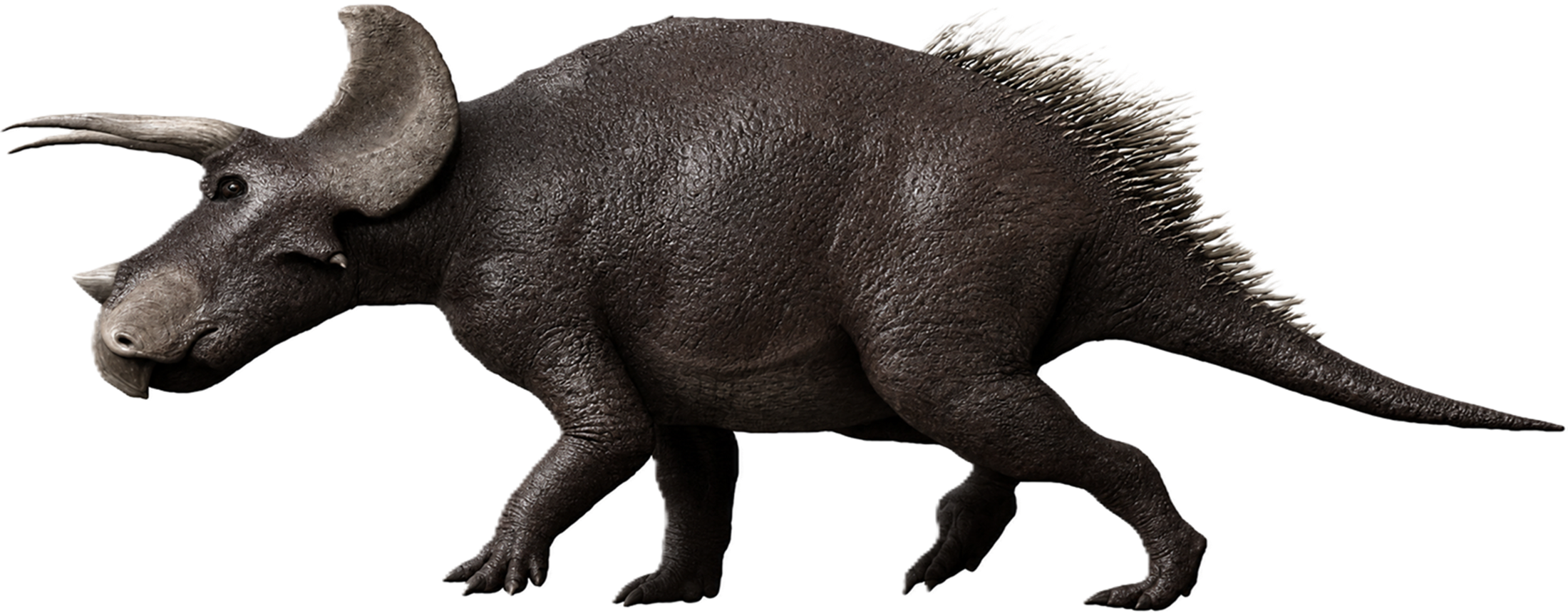 |
Triceratops prorsus346Pearson, D. A. et al. (2002). Vertebrate biostratigraphy of the Hell Creek Formation in southwestern North Dakota and northwestern South Dakota. In J. H. Hartman, K. R. Johnson, & D. J. Nichols (Eds.), The Hell Creek Formation and the Cretaceous–Tertiary boundary in the northern Great Plains. Geological Society of America Special Paper 361, 154. doi: 10.1130/0-8137-2361-2.189347Carrano, M., & Matthew. (2005). The Dinosauria – Second edition. Palaeontologia Electronica, 8, Book Review 3.348Scannella, J. B. et al. (2014). Evolutionary trends in Triceratops from the Hell Creek Formation, Montana. Proceedings of the National Academy of Sciences of the United States of America, 111(28), 10245–10250. doi: 10.1073/pnas.1313334111349Scannella, J., & Fowler, D. (2014). A stratigraphic survey of Triceratops localities in the Hell Creek Formation, northeastern Montana (2006–2010). In G. P. Wilson et al. (Eds.), Through the end of the Cretaceous in the type locality of the Hell Creek Formation in Montana and adjacent areas. Geological Society of America Special Papers 503, 313–332. doi: 10.1130/2014.2503(12)350Scannella, J. B. & Fowler, D. W. (2009). Anagenesis in Triceratops: evidence from a newly resolved stratigraphic framework for the Hell Creek Formation. 9th North American Paleontological Convention Abstracts, Cincinnati Museum Center Scientific Contributions 3, 148–149.351Mallon, J. et al. (2025). The Canadian fossil record supports anagenesis in Triceratops (Ornithischia – Ceratopsia). Canadian Journal of Earth Sciences, 62, 1222–1236. doi:10.1139/cjes-2024-0170 | Montana, North Dakota, Wyoming | Obere Hell Creek Formation; Lance Formation | 17 Exemplare | Ceratopsier (Chasmosaurinae); mit großer Wahrscheinlichkeit jüngere Chronospezies von T. horridus. |
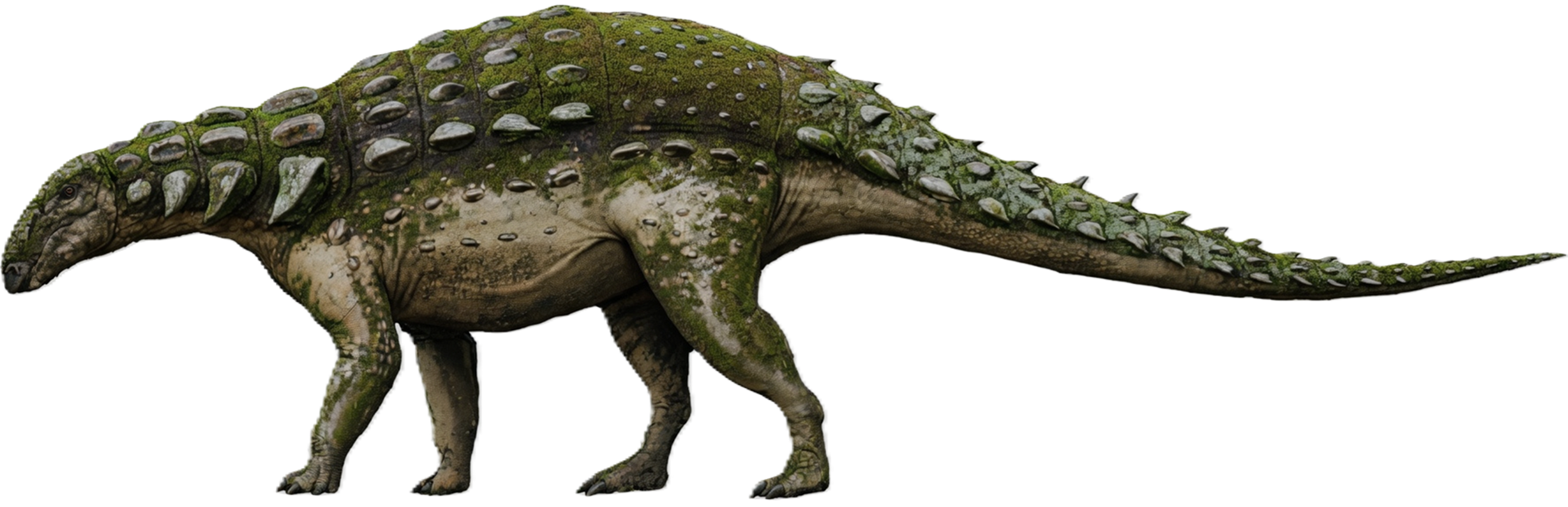
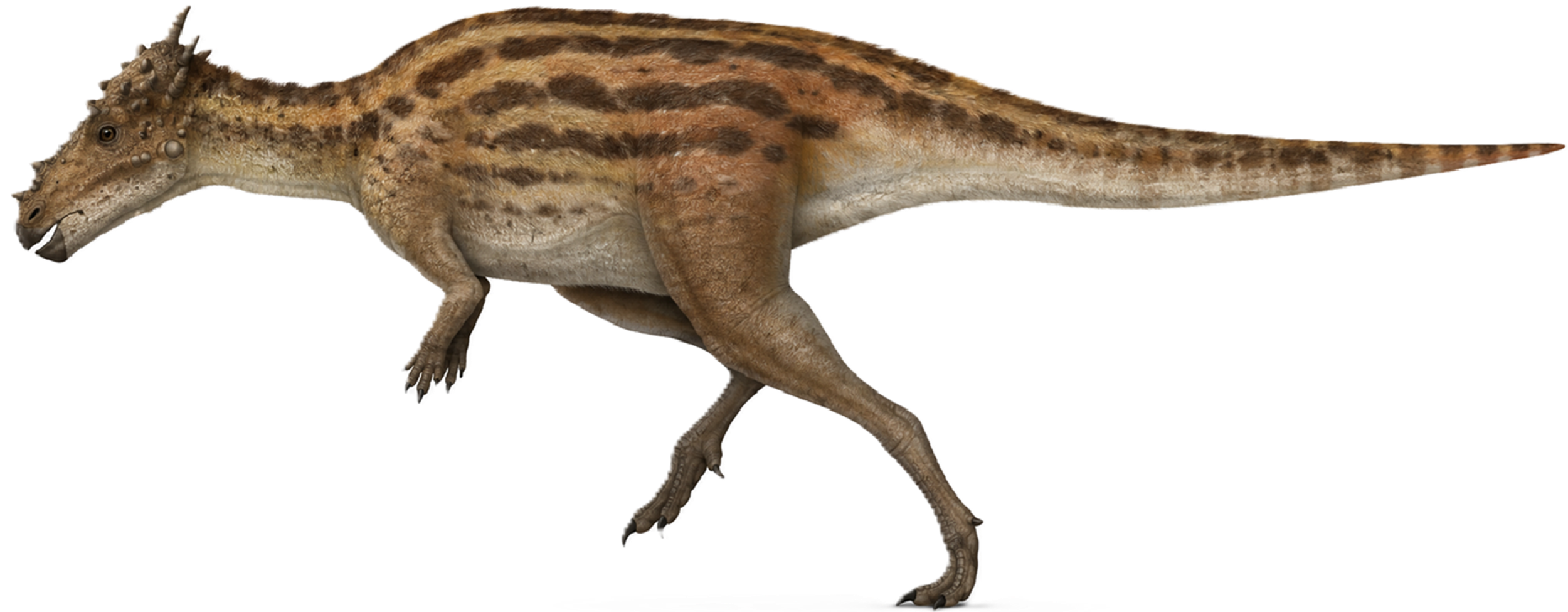
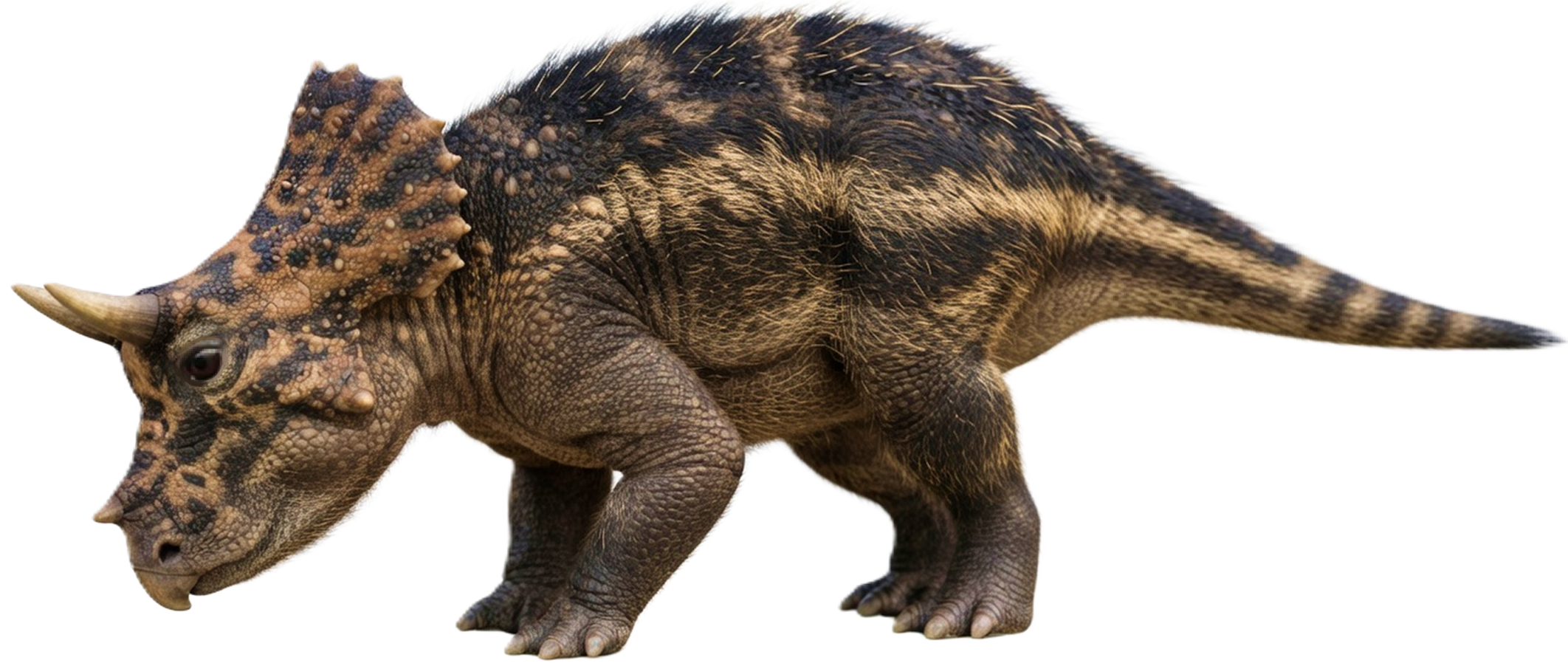
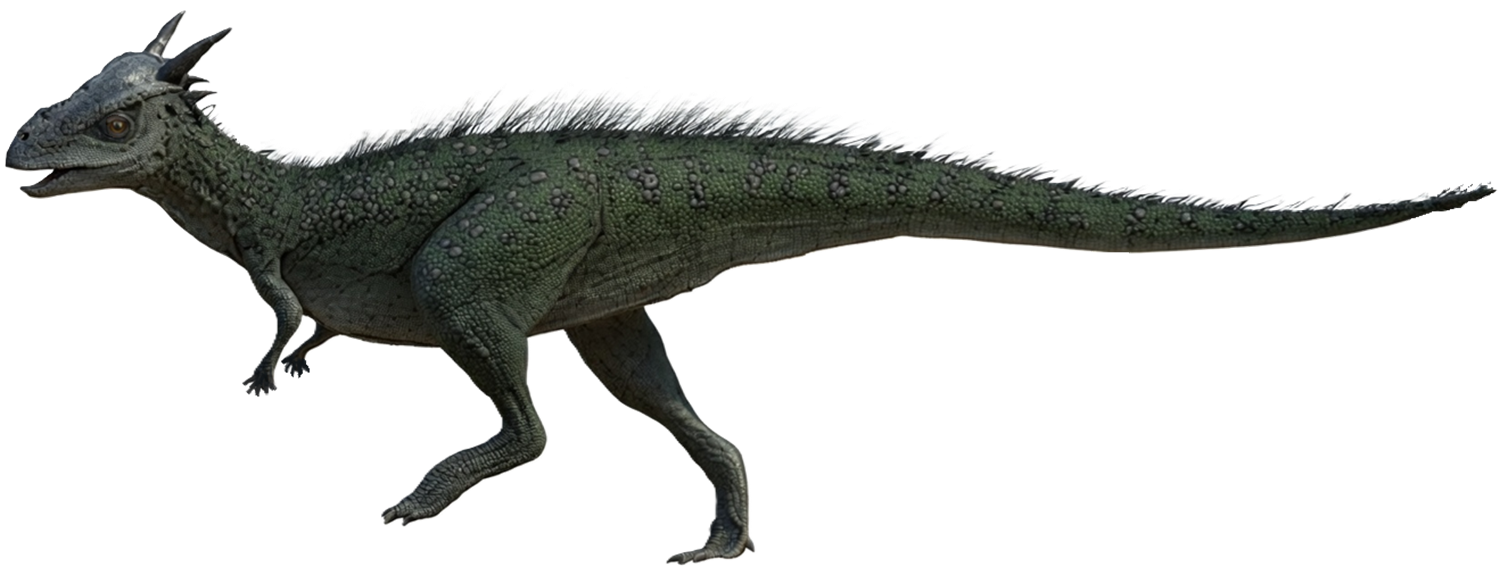
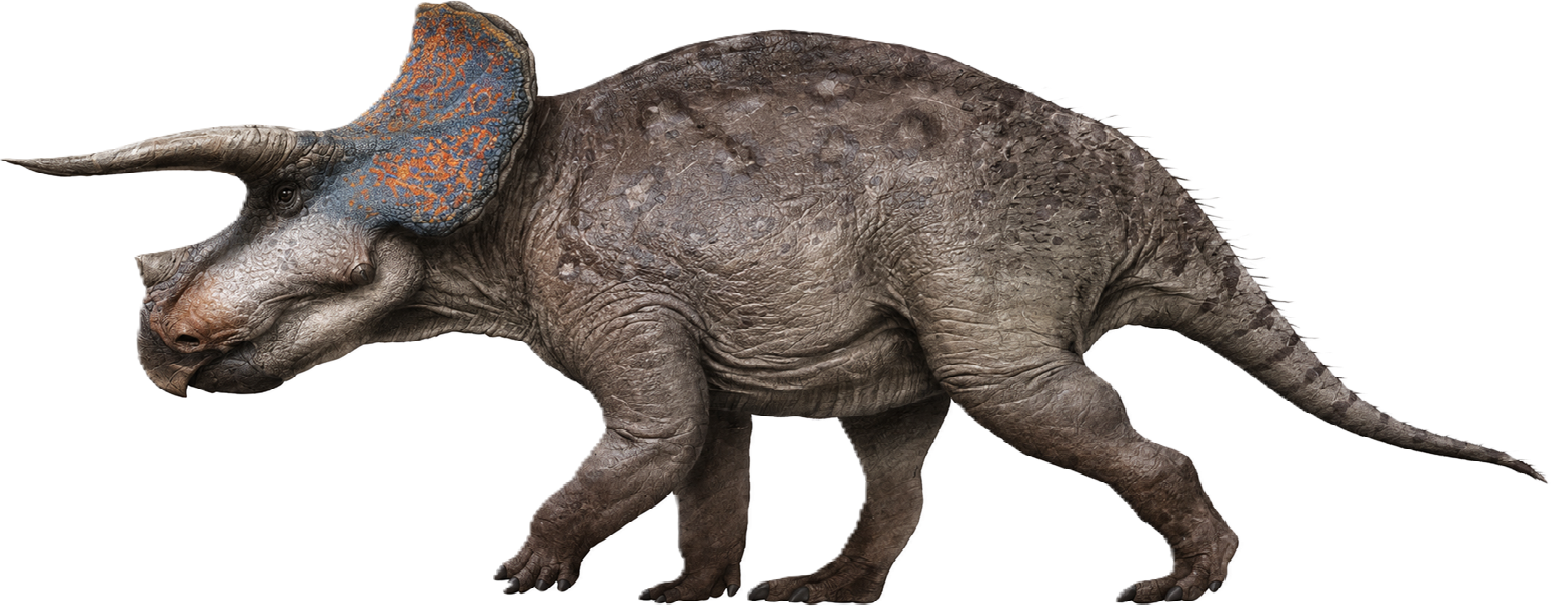

Saurischia:
| Bild: | Spezies: | Fundort: | Stratigraphische Position: | Bekanntes Material: | Bemerkungen: |
|---|---|---|---|---|---|
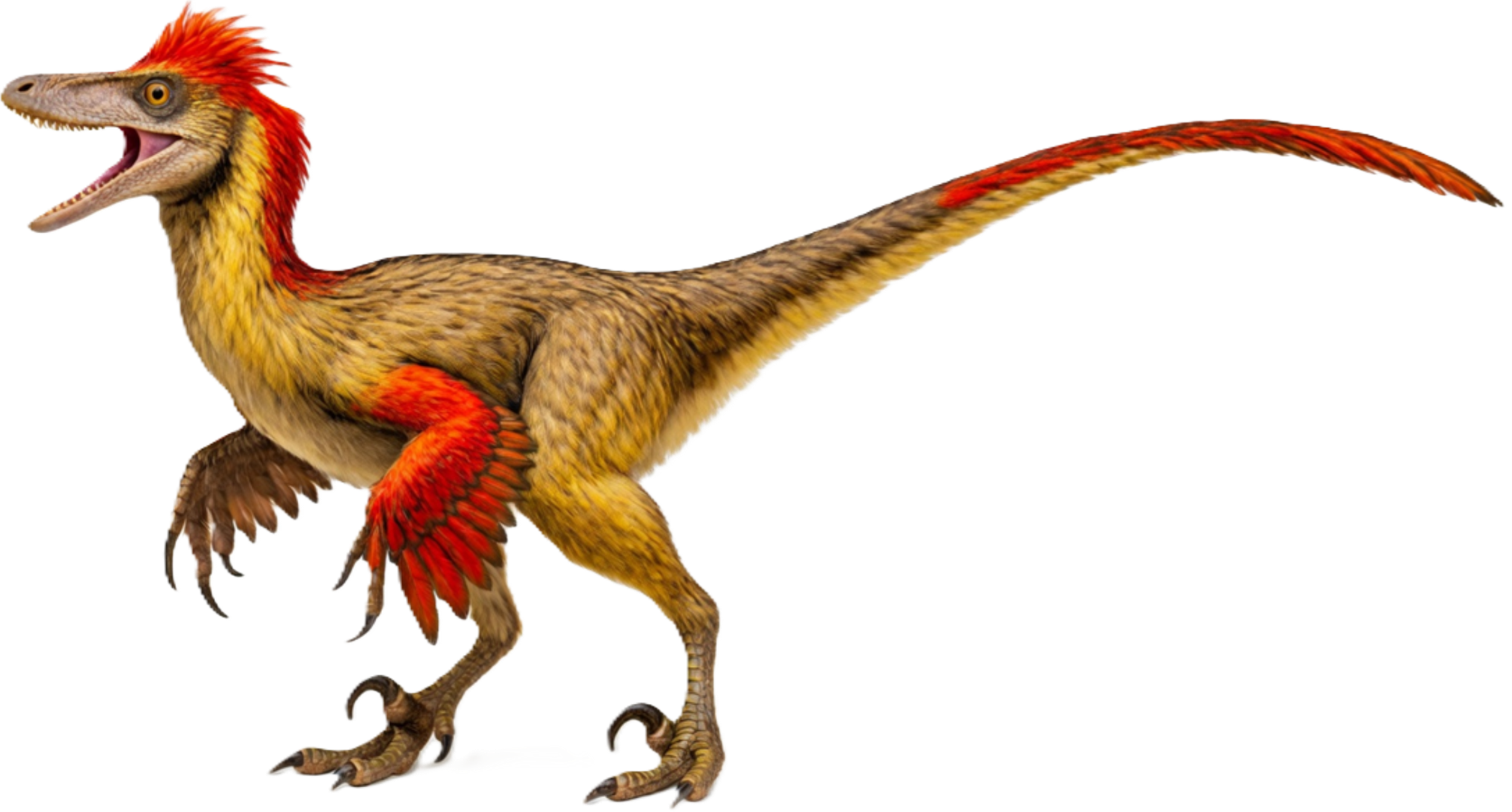 |
Acheroraptor temertyorum352Pearson, D. A. et al. (2002). Vertebrate biostratigraphy of the Hell Creek Formation in southwestern North Dakota and northwestern South Dakota. In J. H. Hartman, K. R. Johnson, & D. J. Nichols (Eds.), The Hell Creek Formation and the Cretaceous–Tertiary boundary in the northern Great Plains. Geological Society of America Special Paper 361, 154. doi: 10.1130/0-8137-2361-2.189353Evans, D. C., Larson, D. W., & Currie, P. J. (2013). A new dromaeosaurid (Dinosauria: Theropoda) with Asian affinities from the latest Cretaceous of North America. Naturwissenschaften, 100, 1041–1049. doi: 10.1007/s00114-013-1107-5 | Montana, South Dakota | Untere bis obere Hell Creek Formation | 2 Exemplare, viele Zähne | Dromaeosauridae (Velociraptorini) |
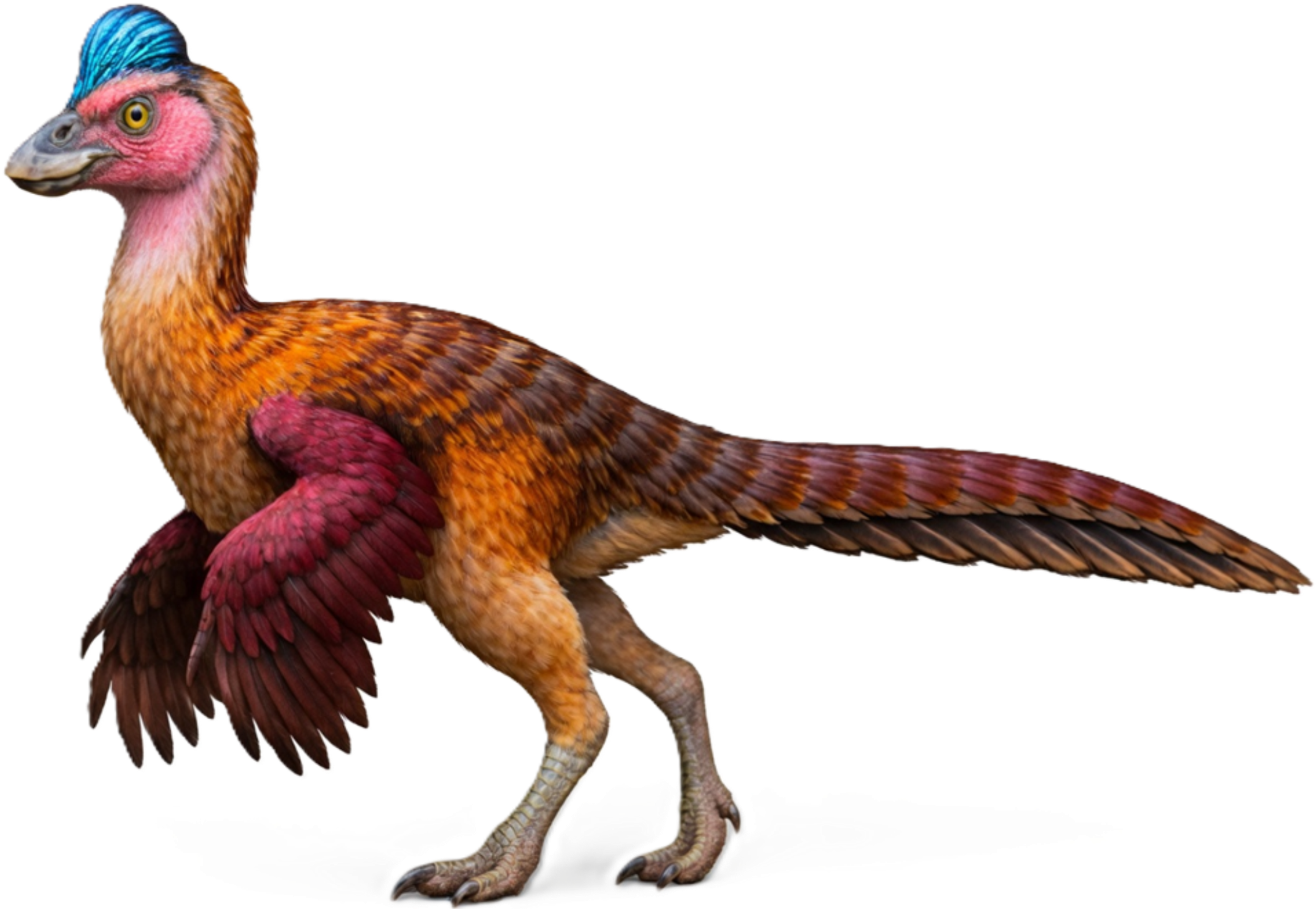 |
Anzu wyliei354Pearson, D. A. et al. (2002). Vertebrate biostratigraphy of the Hell Creek Formation in southwestern North Dakota and northwestern South Dakota. In J. H. Hartman, K. R. Johnson, & D. J. Nichols (Eds.), The Hell Creek Formation and the Cretaceous–Tertiary boundary in the northern Great Plains. Geological Society of America Special Paper 361, 154. doi: 10.1130/0-8137-2361-2.189355Weishampel, D. B. et al. (2004). Dinosaur distribution (Late Cretaceous; North America; Montana). In The Dinosauria – Second edition. University of California Press, 584.356Lamanna, M. C. et al. (2014). A New Large-Bodied Oviraptorosaurian Theropod Dinosaur from the Latest Cretaceous of Western North America. PLOS ONE, 9(3), e92022. doi:10.1371/journal.pone.0092022357Lamanna, M. C. et al. (2015). Correction – A New Large-Bodied Oviraptorosaurian Theropod Dinosaur from the Latest Cretaceous of Western North America. PLOS ONE, 10(4), e0125843. doi:10.1371/journal.pone.0125843 | Montana, North Dakota, South Dakota | Untere bis obere Hell Creek Formation | 12 Exemplare | Caenagnathidae |
 |
Caenagnathidae indet.358Benner, E. K. C., Cullen, T. M. & Evans, D. C. (2016). Morphological and histological analysis of a new large-bodied 10 caenagnathid specimen (Theropoda – Oviraptorosauria) from the Hell Creek Formation (Montana) (PDF). Canadian Society of Vertebrate Paleontology, 17–18.359Dyke, G. J. & Mayr, G. (1999). Did parrots exist in the Cretaceous period? Nature, 399(6734), 317–318. doi:10.1038/20583 | Montana, Wyoming | Hell Creek Formation; Lance Formation | — | Sehr großer Oviraptorosaurier, deutlich größer als Anzu wyliei; sowie ein kleiner partieller Kiefer, der einst für den Schnabel eines Papageien gehalten wurde |
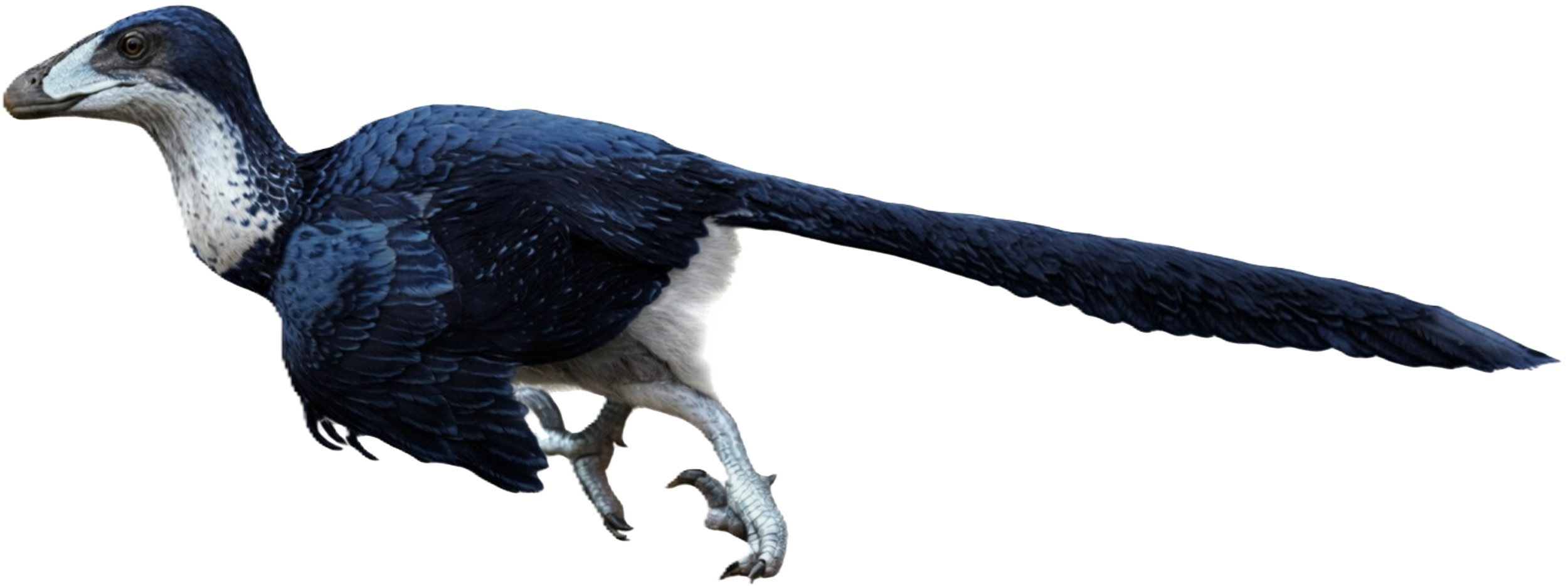 |
Dakotaraptor steini360DePalma et al. (2015). The first giant raptor (Theropoda – Dromaeosauridae) from the Hell Creek Formation. Paleontological Contributions, 14, 1–16. doi:10.17161/paleo.1808.18764361Evans, D. C., Larson, D. W. & Currie, P. J. (2013). A new dromaeosaurid (Dinosauria – Theropoda) with Asian affinities from the latest Cretaceous of North America. Naturwissenschaften, 100(11), 1041–1049. doi:10.1007/s00114-013-1107-5362Arbour, V. M. et al. (2016). The furculae of the dromaeosaurid dinosaur Dakotaraptor steini are trionychid turtle entoplastra. PeerJ, 4, e1691. doi: 10.7717/peerj.1691363Cau, A. (2024). A unified framework for predatory dinosaur macroevolution. Bollettino della Società Paleontologica Italiana, 63(1). doi:10.4435/BSPI.2024.08 | South Dakota | Obere Hell Creek Formation | 4 Exemplare | umstritten, sehr großer Dromaeosaurier; wahrscheinlich eine Chimäre |
|
|
Eoneophron infernalis364Atkins-Weltman, K. L. et al. (2024). A new oviraptorosaur (Dinosauria – Theropoda) from the end-Maastrichtian Hell Creek Formation of North America. PLOS ONE, 19(1), e0294901. doi:10.1371/journal.pone.0294901 | South Dakota | Obere Hell Creek Formation | 1 Exemplar | Caenagnathidae |
|
|
Microraptoria indet.365Brownstein, C. D. (2024). A juvenile bird with possible crown-group affinities from a dinosaur-rich Cretaceous ecosystem in North America. BMC Ecology and Evolution, 24(1), 20. doi:10.1186/s12862-024-02210-9 | Wyoming | Lance Formation | 4 Exemplare | Möglicherweise der jüngste Nachweis eines Microraptoriden. Könnte jedoch auch zu einem Halszkaraptorinen oder kleinen Unenlagnien gehören. |
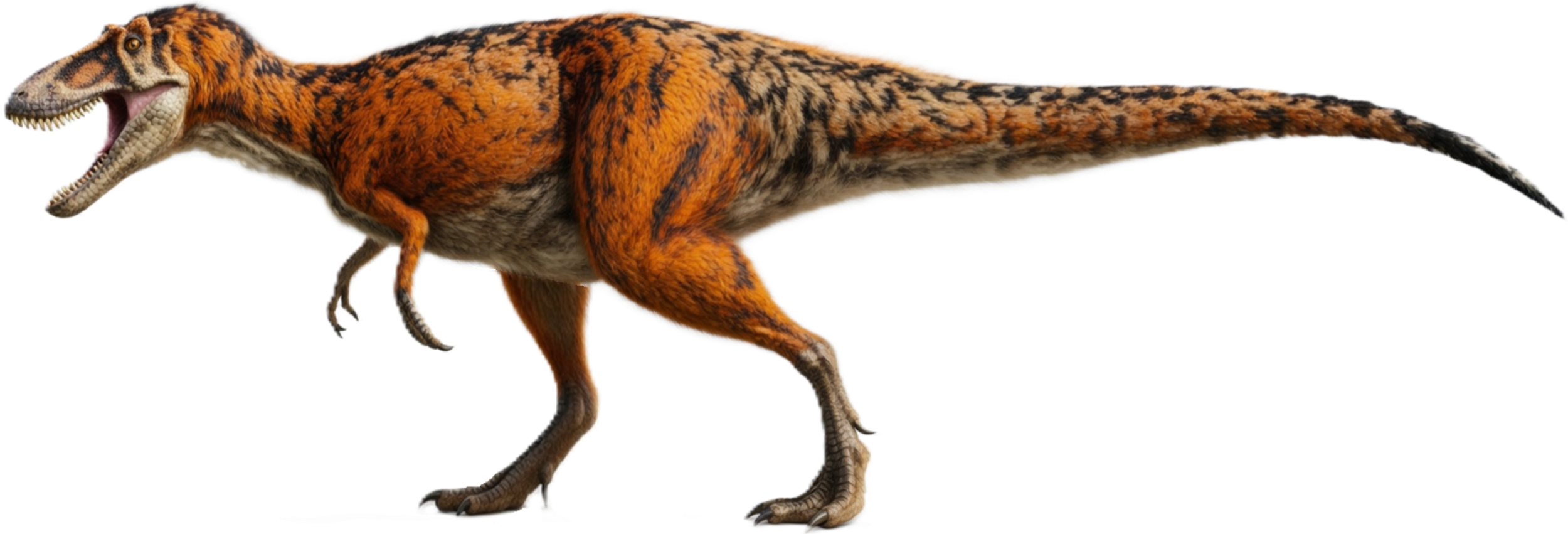 |
Nanotyrannus lancensis366Gilmore, C. W. (1946). A new carnivorous dinosaur from the Lance Formation of Montana. Smithsonian Miscellaneous Collections, 106, 1–19.367Bakker, R. T., Williams, M. & Currie, P. J. (1988). Nanotyrannus, a new genus of pygmy tyrannosaur, from the latest Cretaceous of Montana (PDF). Hunteria, 1, 1–30.368Pearson, D. A. et al. (2002). Vertebrate biostratigraphy of the Hell Creek Formation in southwestern North Dakota and northwestern South Dakota. In J. H. Hartman, K. R. Johnson, & D. J. Nichols (Eds.), The Hell Creek Formation and the Cretaceous–Tertiary boundary in the northern Great Plains. Geological Society of America Special Paper 361, 154. doi: 10.1130/0-8137-2361-2.189369Longrich, N. R. & Saitta, E. T. (2024). Taxonomic status of Nanotyrannus lancensis (Dinosauria – Tyrannosauroidea) – A distinct taxon of small-bodied tyrannosaur. Fossil Studies, 2(1), 1–65. doi:10.3390/fossils2010001[/mfn]369Zanno, L. E. & Napoli, J. G. (2025). Nanotyrannus and Tyrannosaurus coexisted at the close of the Cretaceous. Nature, 1–3. doi:10.1038/s41586-025-09801-6 | Montana | Obere Hell Creek Formation | 1 Exemplar | Nanotyrannidae (Dryptosauridae?) |
|
|
Nanotyrannus lethaeus370Zanno, L. E. & Napoli, J. G. (2025). Nanotyrannus and Tyrannosaurus coexisted at the close of the Cretaceous. Nature, 1–3. doi:10.1038/s41586-025-09801-6 | Montana | Untere bis obere Hell Creek Formation | 1 Exemplar | umstritten, Basierend auf dem Exemplar „Jane“, das vielleicht auch ein juveniler T. rex sein könnte; Nanotyrannidae (Dryptosauridae?) |
|
|
Ornithomimidae indet.371Pearson, D. A. et al. (2002). Vertebrate biostratigraphy of the Hell Creek Formation in southwestern North Dakota and northwestern South Dakota. In J. H. Hartman, K. R. Johnson, & D. J. Nichols (Eds.), The Hell Creek Formation and the Cretaceous–Tertiary boundary in the northern Great Plains. Geological Society of America Special Paper 361, 154. doi: 10.1130/0-8137-2361-2.189 | Montana, North Dakota, South Dakota | Untere bis obere Hell Creek Formation | 15 Exemplare aus Hell Creek | Ornithomimidae |
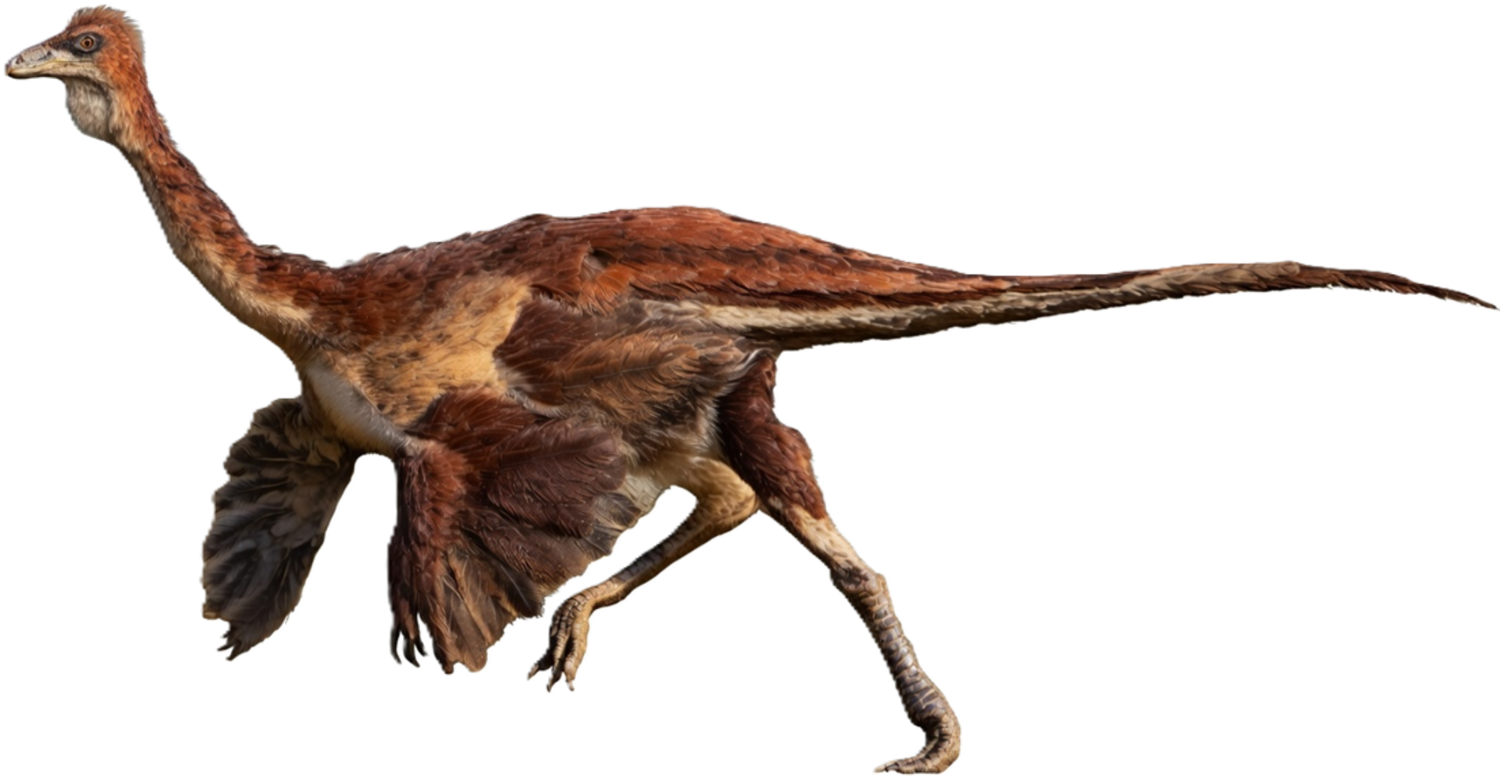 |
Ornithomimus velox372Marsh, O. C. (1890). Description of new dinosaurian reptiles. The American Journal of Science, 39, 81–86.373Aaron, J., van der Reest, A. P. W. & Currie, P. J. (2016). [2015] A densely feathered ornithomimid (Dinosauria – Theropoda) from the Upper Cretaceous Dinosaur Park Formation, Alberta, Canada. Cretaceous Research, 58, 108–117. doi:10.1016/j.cretres.2015.10.004374Claessens, L. & Loewen, M. A. (2015). A redescription of Ornithomimus velox Marsh, 1890 (Dinosauria – Theropoda). Journal of Vertebrate Paleontology, 36, e1034593. doi:10.1080/02724634.2015.1034593375Longrich, N. (2008). A new, large ornithomimid from the Cretaceous Dinosaur Park Formation of Alberta, Canada – Implications for the study of dissociated dinosaur remains. Palaeontology, 983–996. doi:10.1111/j.1475-4983.2008.00791.x | Montana, North Dakota, South Dakota, Wyoming | Untere bis obere Hell Creek Formation; Lance Formation | 5 Exemplare | Ornithomimidae |
|
|
„Orcomimus“376Triebold, W. (1997). The Sandy Site – Small dinosaurs from the Hell Creek Formation of South Dakota. In Wolberg, Stump & Rosenberg (Eds.), Dinofest International – Proceedings of a symposium sponsored by Arizona. | South Dakota | Hell Creek Formation | 1 Exemplar? | Nomen nudum; noch nicht beschriebener Ornithomimosaurier |
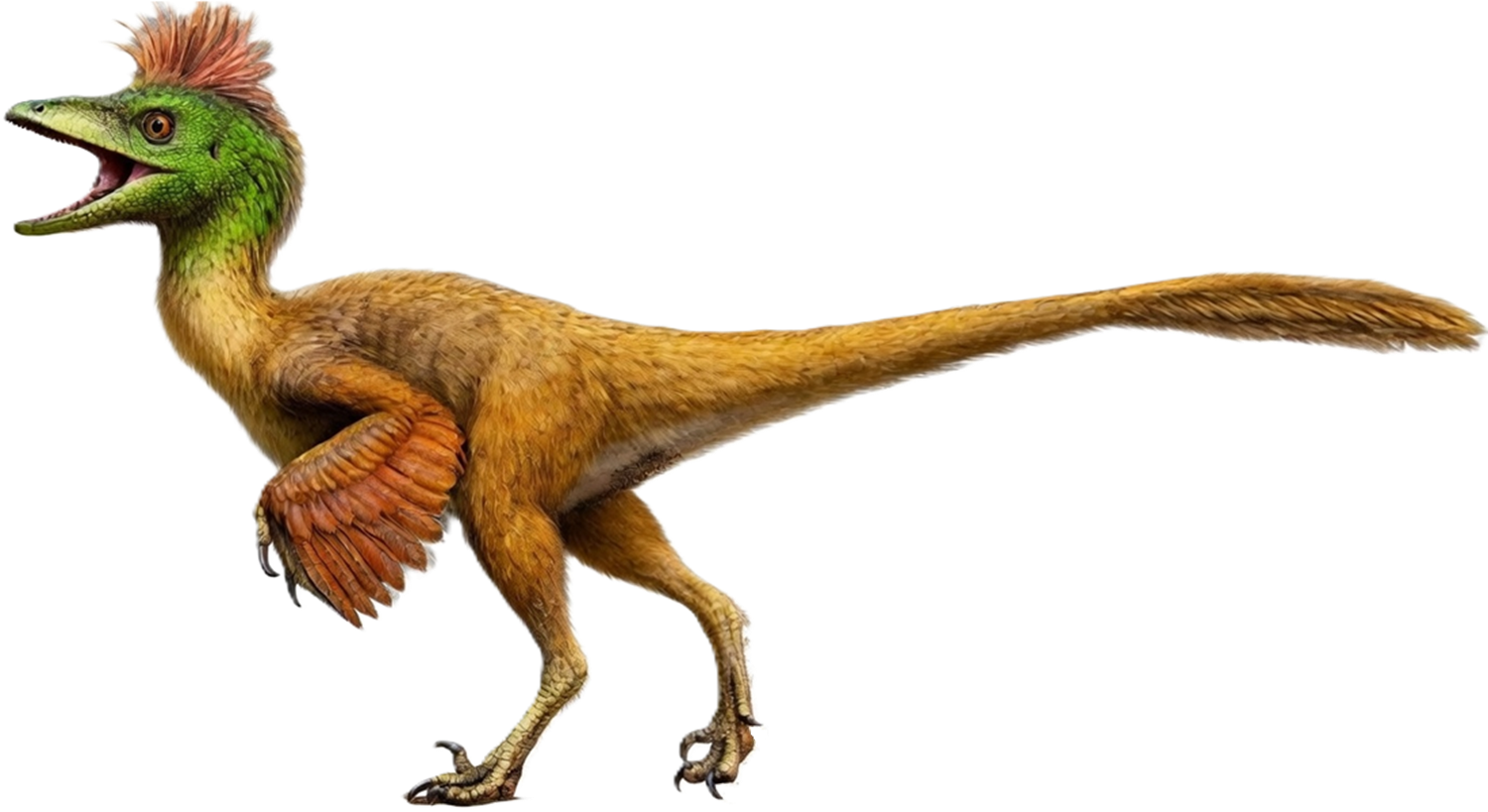 |
Pectinodon bakkeri377Carpenter, K. (1982). Baby dinosaurs from the Late Cretaceous Lance and Hell Creek formations and a description of a new species of theropod. Contributions to Geology, University of Wyoming, 20(2), 123–134.378Olshevsky, G. (1991). A revision of the Parainfraclass Archosauria Cope, 1869, excluding the advanced Crocodylia. Mesozoic Meanderings 2, 196. | South Dakota, Montana, Wyoming | Untere bis obere Hell Creek Formation; Lance Formation | 5 Exemplare, viele Zähne | Troodontidae |
|
|
Paronychodon caperatus379Olshevsky, G. (1991). A revision of the Parainfraclass Archosauria Cope, 1869, excluding the advanced Crocodylia. Mesozoic Meanderings 2, 196. | Montana, North Dakota, South Dakota, Wyoming | Hell Creek Formation; Lance Formation |
— |
umstritten, viele Zahnfunde eines Troodontiden; wahrscheinlich Synonym zu Pectinodon |
|
|
Richardoestesia sp.380Estes, R. (1964). Fossil vertebrates from the late Cretaceous Lance Formation, eastern Wyoming. University of California Press.381Larson, D. W. & Currie, P. J. (2013). Multivariate analyses of small theropod dinosaur teeth and implications for paleoecological turnover through time. PLOS ONE, 8(1), e54329. doi:10.1371/journal.pone.0054329 | Montana | Hell Creek Formation |
— |
umstritten, „Mülleimer-Gattung“, der viele Zähne zugeschrieben wurden; wahrschleinlich Synonym zu Pectinodon |
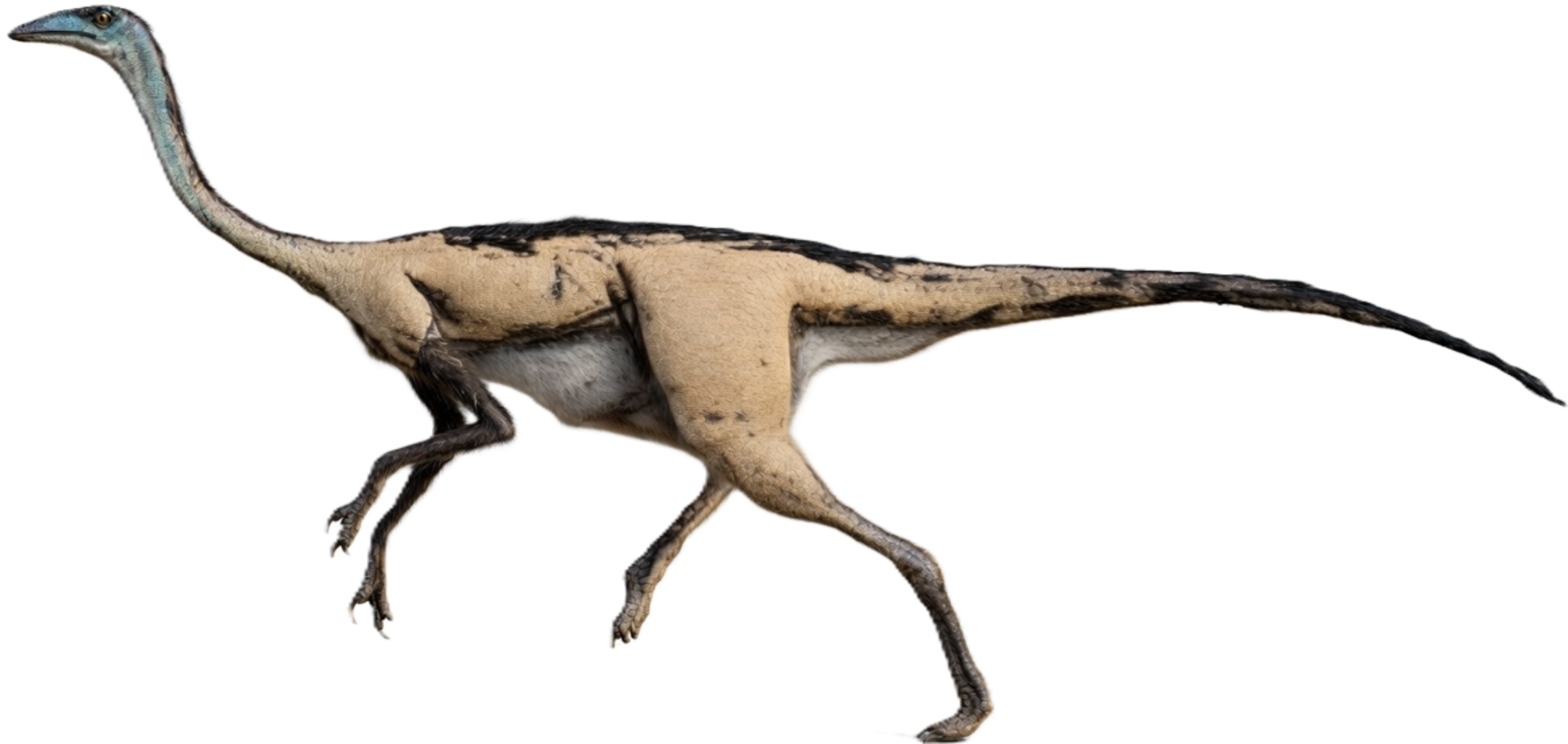 |
Struthiomimus sedens382Farlow, J. O. (2001). Acrocanthosaurus and the maker of Comanchean large-theropod footprints. In Tanke, Carpenter, Skrepnick & Currie (Eds.), Mesozoic Vertebrate Life – New Research Inspired by the Paleontology of Philip J. Currie, 408–427.383Aaron, J., van der Reest, A. P. W. & Currie, P. J. (2016). [2015] A densely feathered ornithomimid (Dinosauria – Theropoda) from the Upper Cretaceous Dinosaur Park Formation, Alberta, Canada. Cretaceous Research, 58, 108–117. doi:10.1016/j.cretres.2015.10.004384Claessens, L. & Loewen, M. A. (2015). A redescription of Ornithomimus velox Marsh, 1890 (Dinosauria – Theropoda). Journal of Vertebrate Paleontology, 36, e1034593. doi:10.1080/02724634.2015.1034593385Weishampel, D. B. et al. (2004). Dinosaur distribution (Late Cretaceous; North America; Montana). In The Dinosauria – Second edition. University of California Press, 586.386Longrich, N. (2008). A new, large ornithomimid from the Cretaceous Dinosaur Park Formation of Alberta, Canada – Implications for the study of dissociated dinosaur remains. Palaeontology, 983–996. doi:10.1111/j.1475-4983.2008.00791.x | Montana, Wyoming | Obere Hell Creek Formation; Lance Formation | 2 Exemplare | Ornithomimidae |
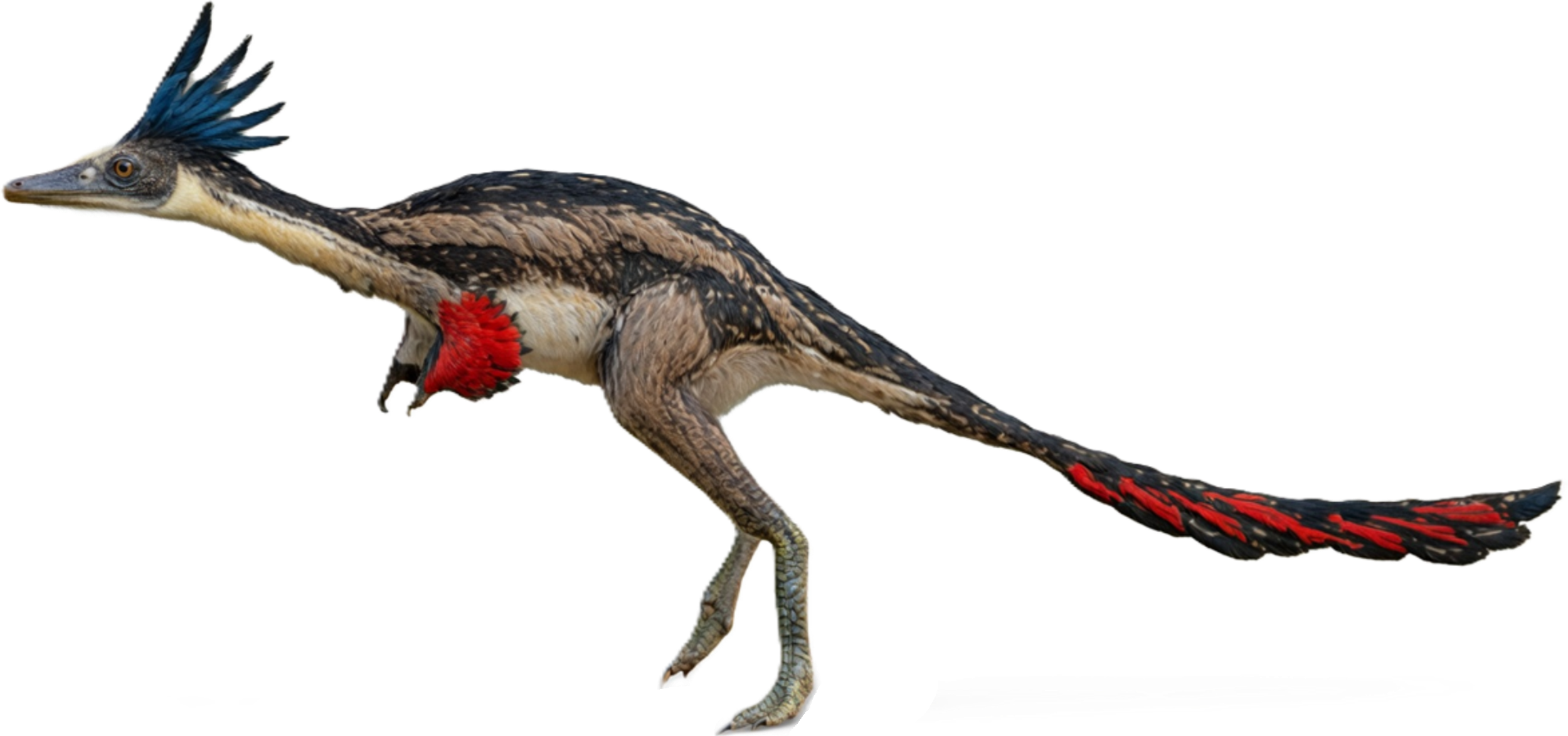 |
Trierarchuncus prairiensis387Hutchinson, J. R. & Chiappe, L. M. (1998). The first known alvarezsaurid (Theropoda – Aves) from North America. Journal of Vertebrate Paleontology, 18(3), 447–450.388Weishampel, D. B. et al. (2004). Dinosaur distribution (Late Cretaceous; North America; Montana). In The Dinosauria – Second edition. University of California Press, 584.389Fowler, D. W. et al. (2020). Trierarchuncus prairiensis gen. et sp. nov., the last alvarezsaurid: Hell Creek Formation (uppermost Maastrichtian), Montana. Cretaceous Research, 116, 104560. doi:10.1016/j.cretres.2020.104560390Brownstein, C. D. (2024). A juvenile bird with possible crown-group affinities from a dinosaur-rich Cretaceous ecosystem in North America. BMC Ecology and Evolution, 24(1), 20. doi:10.1186/s12862-024-02210-9 | Montana, Wyoming | Obere Hell Creek Formation; Lance Formation | 6 Exemplare | Alvarezsauridae |
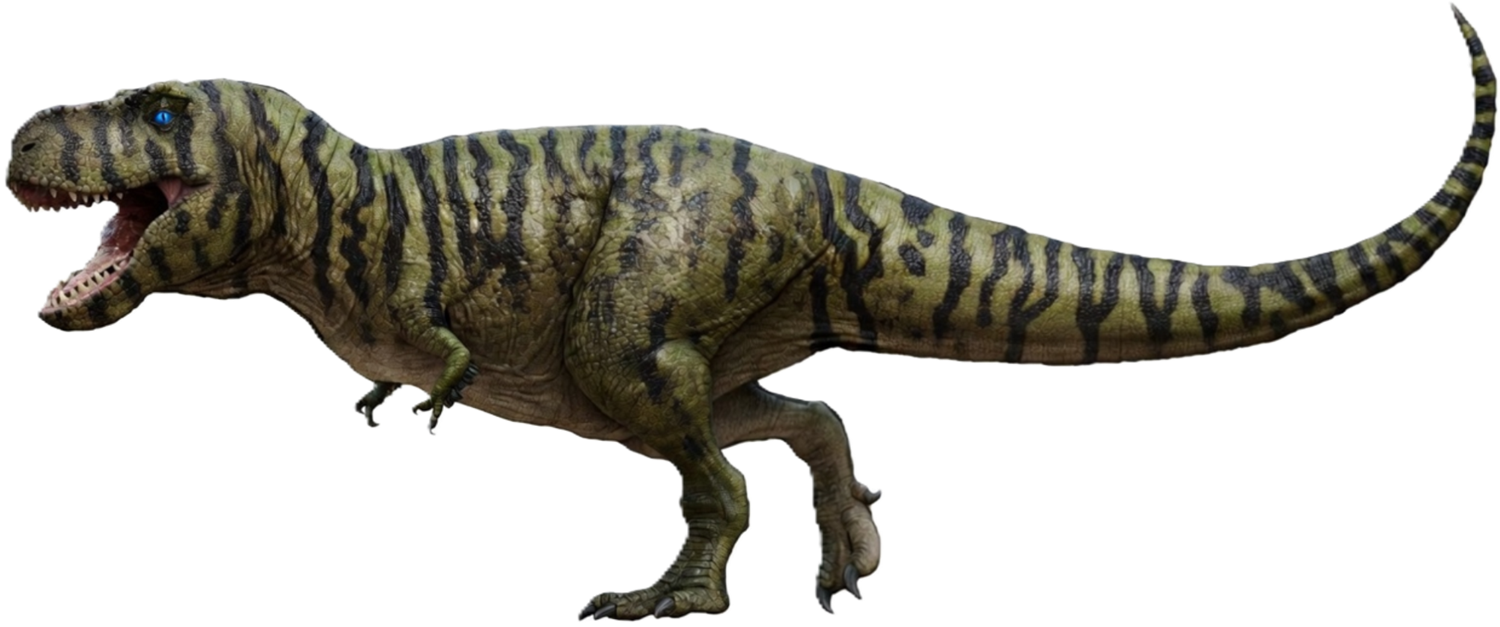 |
Tyrannosaurus rex391Osborn, H. F. (1905). Tyrannosaurus and other Cretaceous carnivorous dinosaurs. Bulletin of the AMNH, 21(14), 259–265. hdl:2246/1464392Pearson, D. A. et al. (2002). Vertebrate biostratigraphy of the Hell Creek Formation in southwestern North Dakota and northwestern South Dakota. In J. H. Hartman, K. R. Johnson, & D. J. Nichols (Eds.), The Hell Creek Formation and the Cretaceous–Tertiary boundary in the northern Great Plains. Geological Society of America Special Paper 361, 154. doi: 10.1130/0-8137-2361-2.189393Weishampel, D. B. et al. (2004). Dinosaur distribution (Late Cretaceous; North America; Montana). In The Dinosauria – Second edition. University of California Press, 584.394Dalman, S. (2013). New examples of Tyrannosaurus rex from the Lance Formation of Wyoming, United States. Bulletin of the Peabody Museum of Natural History, 54(2), 241–254. doi:10.3374/014.054.0202 | Montana, North Dakota, South Dakota, Wyoming | Untere bis obere Hell Creek Formation; Lance Formation | 73 Exemplare | Tyrannosauridae |
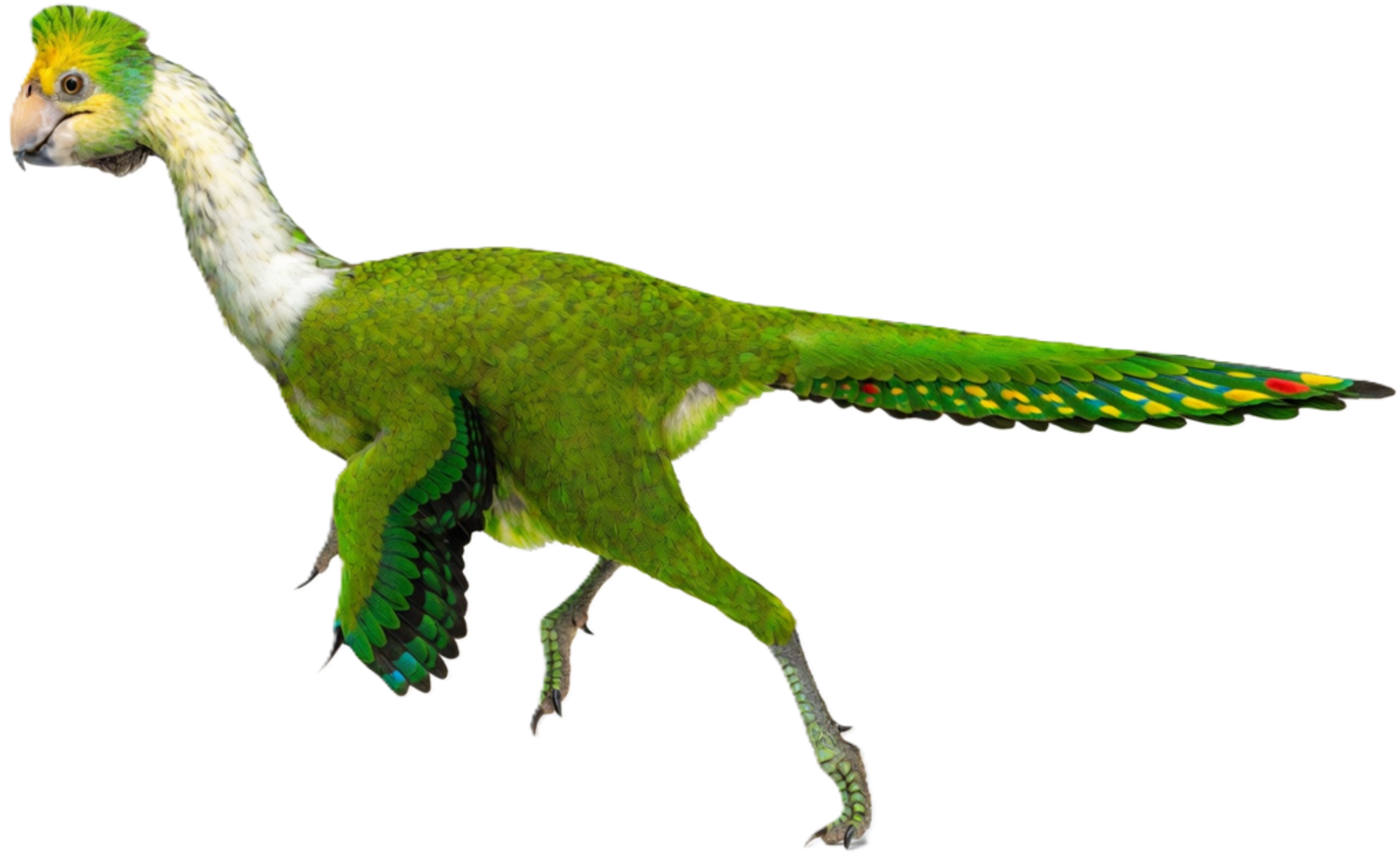

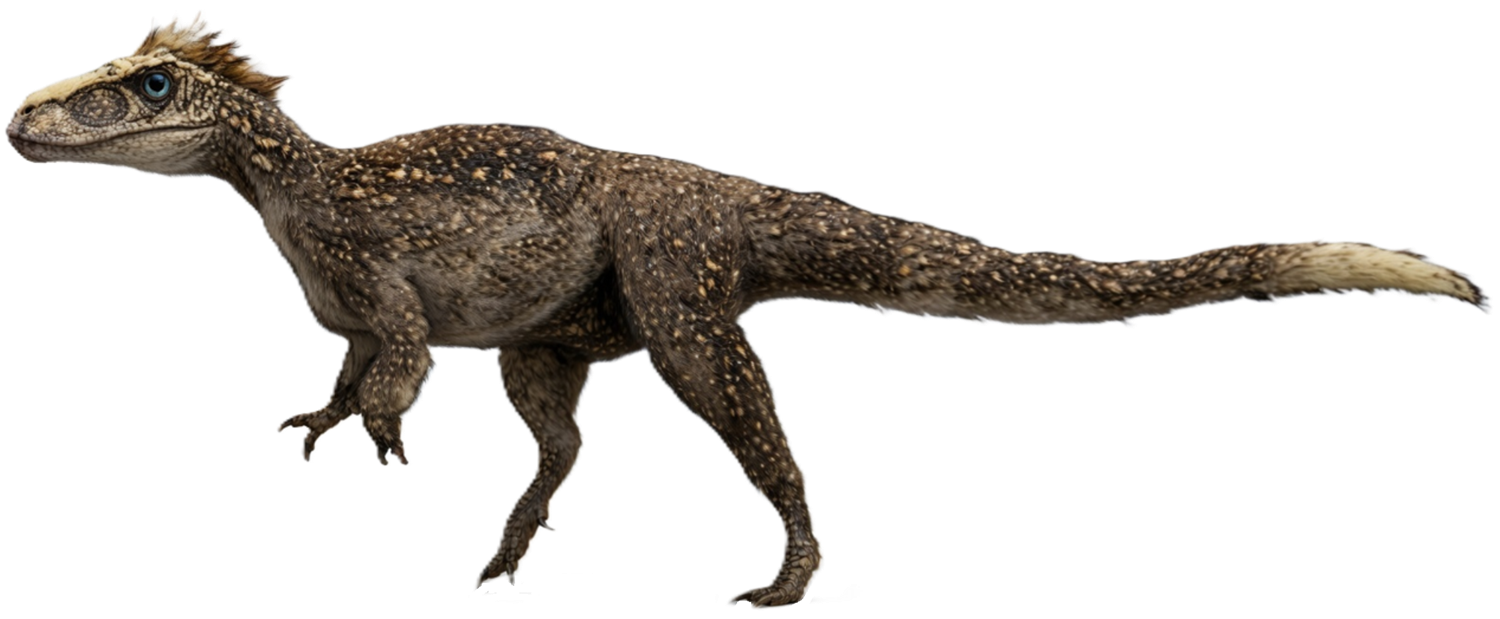

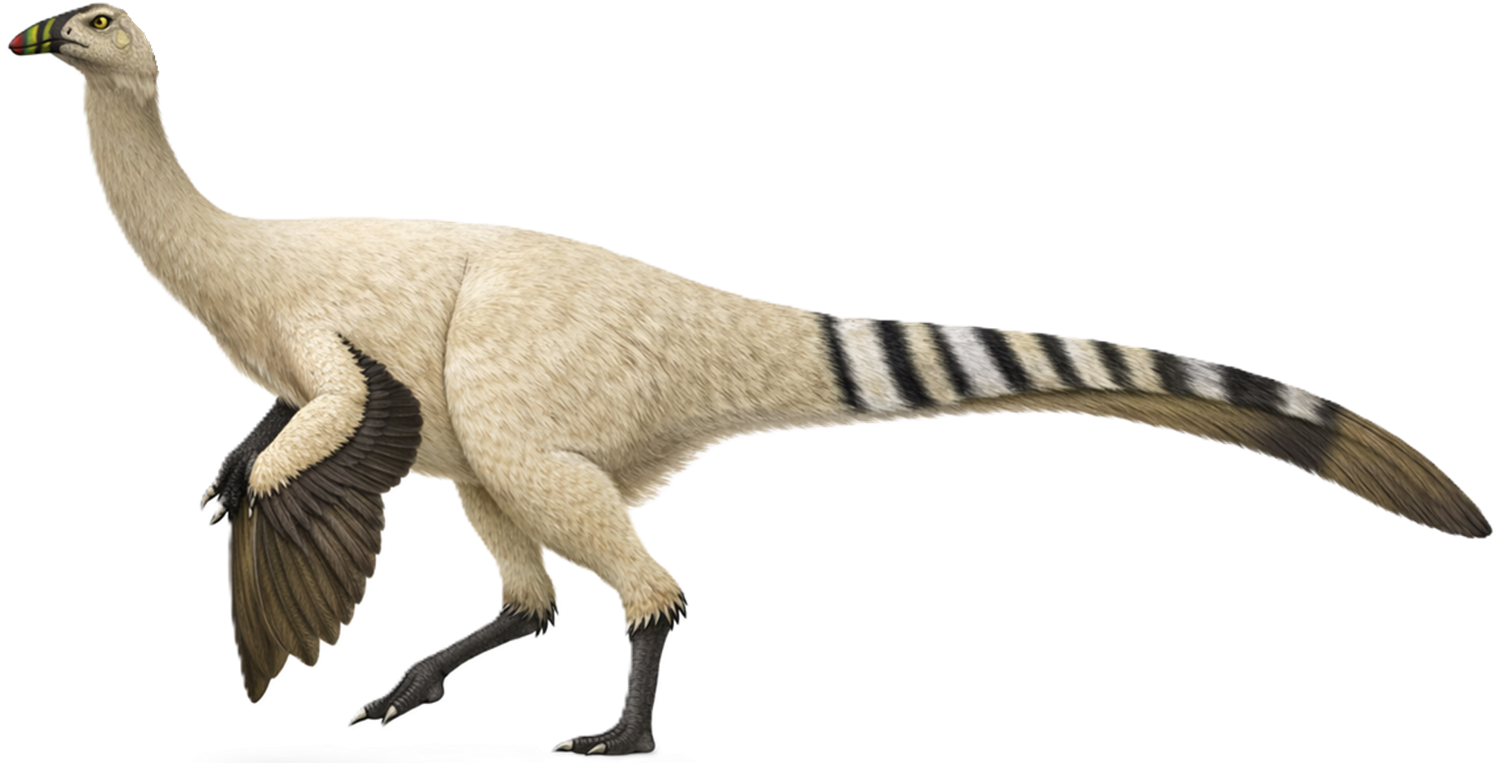


Vögel:
| Bild: | Spezies: | Fundort: | Stratigraphische Position: | Bekanntes Material: | Bemerkungen: |
|---|---|---|---|---|---|
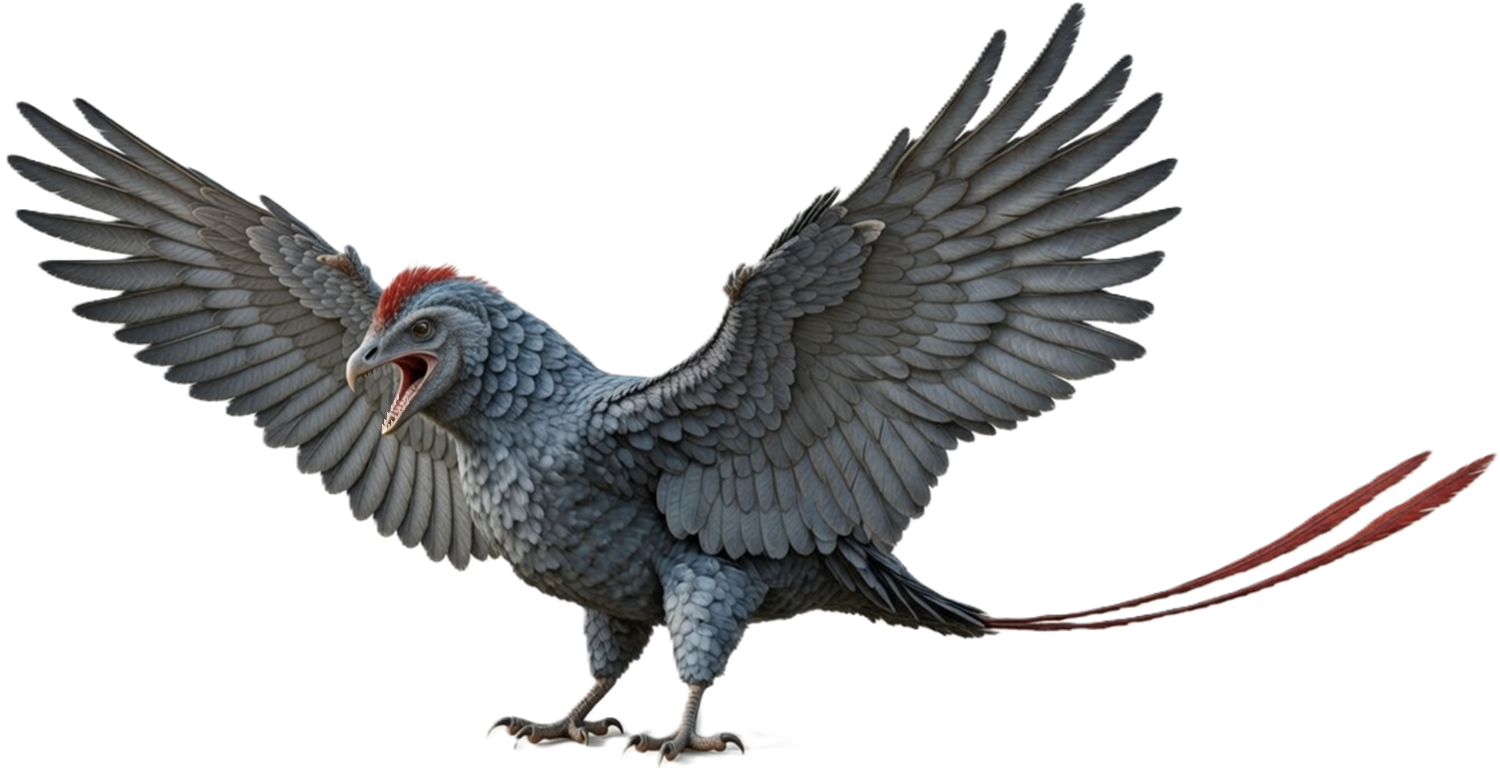 |
Avisaurus archibaldi395Brett-Surman, M. K. & Paul, G. S. (1985). A new family of bird-like dinosaurs linking Laurasia and Gondwanaland. Journal of Vertebrate Paleontology, 5(2), 133–138.396Pearson, D. A. et al. (2002). Vertebrate biostratigraphy of the Hell Creek Formation in southwestern North Dakota and northwestern South Dakota. In J. H. Hartman, K. R. Johnson, & D. J. Nichols (Eds.), The Hell Creek Formation and the Cretaceous–Tertiary boundary in the northern Great Plains. Geological Society of America Special Paper 361, 154. doi: 10.1130/0-8137-2361-2.189397Weishampel, D. B. et al. (2004). Dinosaur distribution (Late Cretaceous; North America; Montana). In The Dinosauria – Second edition. University of California Press, 584.398Longrich, N. et al. (2013). Correction for Longrich et al., Mass extinction of lizards and snakes at the Cretaceous–Paleogene boundary. Proceedings of the National Academy of Sciences of the United States of America, 110(16), 6608. doi:10.1073/pnas.1303907110 | Montana, North Dakota | Mittlere Hell Creek Formation | 2 Exemplare | Enantiornithes (Avisauridae) |
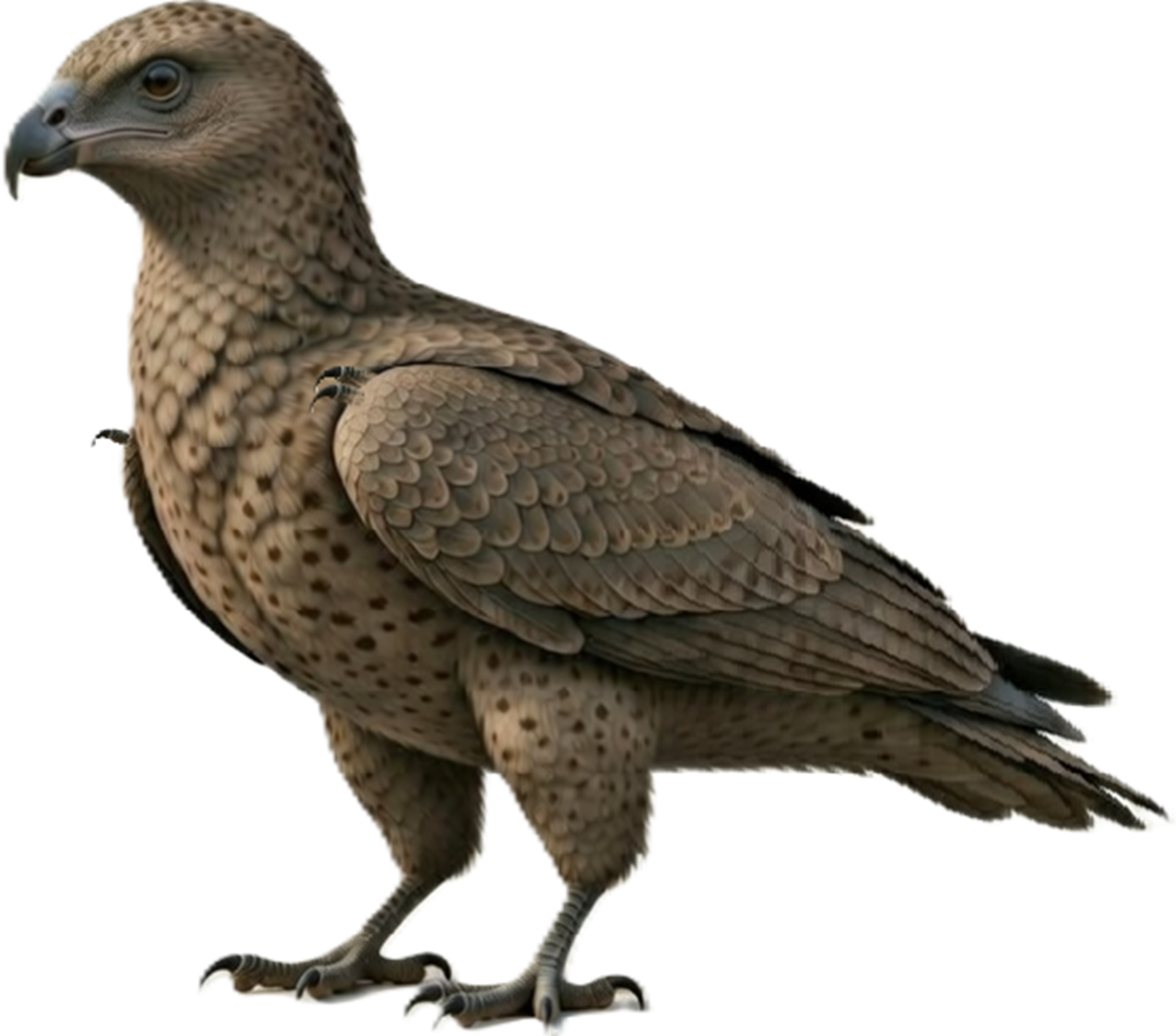 |
Avisaurus cf. archibaldi399Longrich, N. R., Tokaryk, T. & Field, D. J. (2011). Mass extinction of birds at the Cretaceous–Paleogene (K–Pg) boundary. Proceedings of the National Academy of Sciences, 108(37), 15253–15257. doi:10.1073/pnas.1110395108 | Montana | Oberste Hell Creek Formation | 1 Exemplar | Enantiornithes (Avisauridae) |
|
|
Avisaurus darwini400Clark, A. D. et al. (2024). New enantiornithine diversity in the Hell Creek Formation and the functional morphology of the avisaurid tarsometatarsus. PLOS ONE, 19(10), e0310686. doi:10.1371/journal.pone.0310686 | Montana | Hell Creek Formation | 1 Exemplar | Enantiornithes (Avisauridae) |
|
|
Avisaurus sp.401Stidham, T. & Hutchison, J. (2001). The North American avisaurids (Aves – Enantiornithes): new data on biogeography and biostratigraphy. Asociación Paleontológica Argentina Publicación Especial, 7, 175–177. | Montana | Hell Creek Formation | — | Enantiornithes (Avisauridae) |
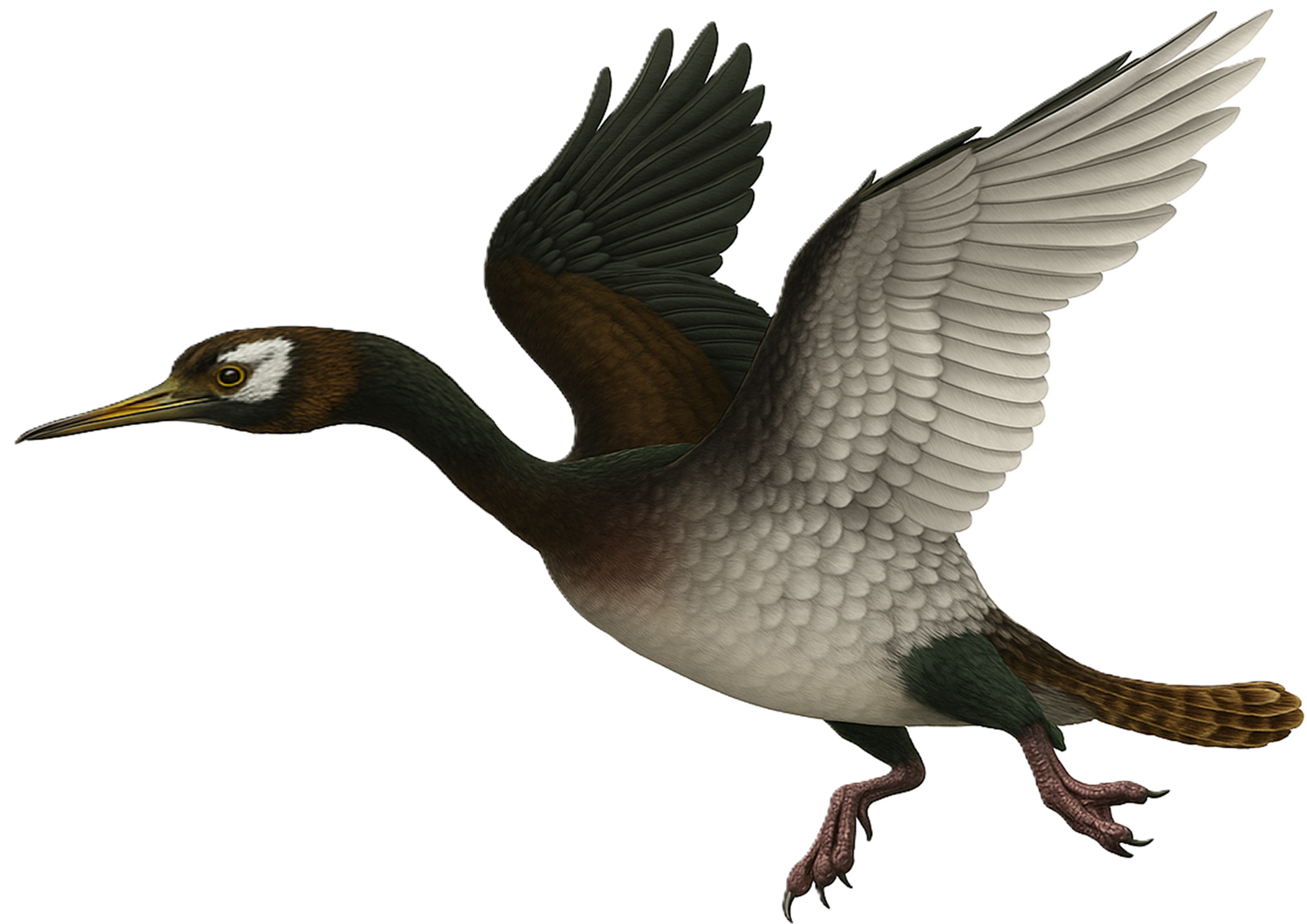 |
Brodavis baileyi402Martin, L. D., Kurochkin, E. N. & Tokaryk, T. T. (2012). A new evolutionary lineage of diving birds from the Late Cretaceous of North America and Asia. Palaeoworld, 21, 59–63. doi:10.1016/j.palwor.2012.02.005 | South Dakota | Hell Creek Formation | 1 Exemplar | Hesperornithes (Brodavidae) |
|
|
Ceramornis major403Brodkorb, P. (1963). Birds from the Upper Cretaceous of Wyoming. Proceedings of the XIII International Ornithological Congress, 55–70.404Longrich, N. R., Tokaryk, T. & Field, D. J. (2011). Mass extinction of birds at the Cretaceous–Paleogene (K–Pg) boundary. Proceedings of the National Academy of Sciences, 108(37), 15253–15257. doi:10.1073/pnas.1110395108 | Wyoming | Lance Formation | 1 Exemplar | Regenpfeifer (Cimolopterygidae) |
|
|
Cimolopteryx rara405Brodkorb, P. (1963). Birds from the Upper Cretaceous of Wyoming. Proceedings of the XIII International Ornithological Congress, 55–70.406Longrich, N. R., Tokaryk, T. & Field, D. J. (2011). Mass extinction of birds at the Cretaceous–Paleogene (K–Pg) boundary. Proceedings of the National Academy of Sciences, 108(37), 15253–15257. doi:10.1073/pnas.1110395108 | Wyoming | Lance Formation | 1 Exemplar | Regenpfeifer (Cimolopterygidae) |
|
|
„Cimolopteryx maxima“407Archibald, J. D. & Clemens, W. A. (1984). Mammal evolution near the Cretaceous–Tertiary boundary. In Berggren, W. A. & Van Couvering, J. A. (Eds.), Catastrophes and Earth History – The New Uniformitarianism, 339–372.408Brodkorb, P. (1963). Birds from the Upper Cretaceous of Wyoming. Proceedings of the XIII International Ornithological Congress, 55–70.409Longrich, N. R., Tokaryk, T. & Field, D. J. (2011). Mass extinction of birds at the Cretaceous–Paleogene (K–Pg) boundary. Proceedings of the National Academy of Sciences, 108(37), 15253–15257. doi:10.1073/pnas.1110395108 | Montana, Wyoming | Hell Creek Formation; Lance Formation | 2 Exemplare | Nomen dubium; wahrscheinlich kein Cimolopteryx; Röhrenschnabel (Cimolopterygidae?) |
|
|
„Enantiornithine A“410Chiappe, L. M. & Walker, C. A. (2002). Skeletal morphology and systematics of the Cretaceous Euenantiornithes (Ornithothoraces – Enantiornithes). In Chiappe, L. M. & Witmer, L. W. (Eds.), Mesozoic Birds – Above the Heads of Dinosaurs, 240–267. University of California Press. | Wyoming | Lance Formation | 1 Exemplar | Enantiornithes, fälschlich zuerst Ornithomimus zugeordnet |
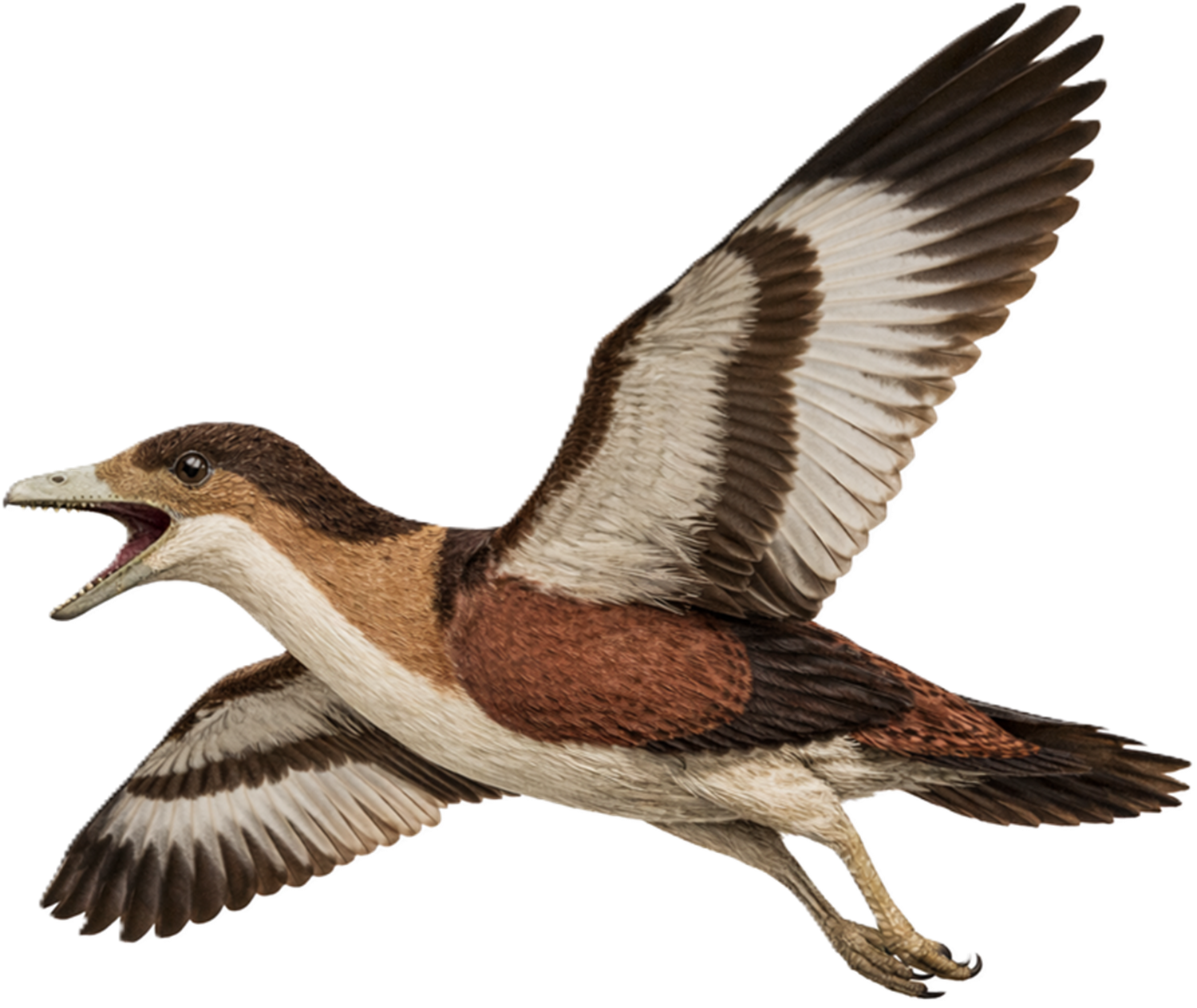 |
„Enantiornithine B“411Longrich, N. et al. (2013). Correction for Longrich et al., Mass extinction of lizards and snakes at the Cretaceous–Paleogene boundary. Proceedings of the National Academy of Sciences of the United States of America, 110(16), 6608. doi:10.1073/pnas.1303907110 | Montana | Hell Creek Formation | 1 Exemplar | noch unbeschrieben, Enantiornithes |
|
|
Galloanserae indet.412Elzanowski, A. & Stidham, T. A. (2001). An avian quadrate from the Late Cretaceous Lance Formation of Wyoming. Journal of Vertebrate Paleontology, 20(4), 712–719.413Brownstein, C. D. (2024). A juvenile bird with possible crown-group affinities from a dinosaur-rich Cretaceous ecosystem in North America. BMC Ecology and Evolution, 24(1), 20. doi:10.1186/s12862-024-02210-9 | Wyoming | Lance Formation | 2 Exemplare | Galloanserae |
|
|
Graculavus augustus414ChatGPT:Hope, S. (1999). A new species of Graculavus from the Cretaceous of Wyoming (Aves – Neornithes). Smithsonian Contributions to Paleobiology, 89, 261–266.415Hope, S. (2002). The Mesozoic radiation of Neornithes. In Chiappe, L. M. & Witmer, L. W. (Eds.), Mesozoic Birds – Above the Heads of Dinosaurs, 339–388. University of California Press. | Wyoming | Lance Formation | 1 Exemplar | Regenpfeifer (Charadriiformes?) |
|
|
„Hesperornithiform A“416Longrich, N. et al. (2013). Correction for Longrich et al., Mass extinction of lizards and snakes at the Cretaceous–Paleogene boundary. Proceedings of the National Academy of Sciences of the United States of America, 110(16), 6608. doi:10.1073/pnas.1303907110417Martin, L. D., Kurochkin, E. N. & Tokaryk, T. T. (2012). A new evolutionary lineage of diving birds from the Late Cretaceous of North America and Asia. Palaeoworld, 21, 59–63. doi:10.1016/j.palwor.2012.02.005 | Montana | Hell Creek Formation | 1 Exemplar | noch unbeschrieben, Hesperornithes, vielleicht Synonym zu Potamornis |
|
|
Lamarqueavis minima418Brodkorb, P. (1963). Birds from the Upper Cretaceous of Wyoming. Proceedings of the XIII International Ornithological Congress, 55–70.419Agnolin, F. L. (2010). An avian coracoid from the Upper Cretaceous of Patagonia, Argentina. Stvdia Geologica Salmanticensia, 46(2), 99–119. | Wyoming | Lance Formation | 1 Exemplar | Regenpfeifer (Cimolopterygidae) |
|
|
Lamarqueavis petra420Hope, S. (2002). The Mesozoic radiation of Neornithes. In Chiappe, L. M. & Witmer, L. W. (Eds.), Mesozoic Birds – Above the Heads of Dinosaurs, 339–388. University of California Press.421Agnolin, F. L. (2010). An avian coracoid from the Upper Cretaceous of Patagonia, Argentina. Stvdia Geologica Salmanticensia, 46(2), 99–119. | Wyoming | Lance Formation | 1 Exemplar | Regenpfeifer (Cimolopterygidae) |
|
|
Lonchodytes estesi422Brodkorb, P. (1963). Birds from the Upper Cretaceous of Wyoming. Proceedings of the XIII International Ornithological Congress, 55–70.423Hope, S. (2002). The Mesozoic radiation of Neornithes. In Chiappe, L. M. & Witmer, L. W. (Eds.), Mesozoic Birds – Above the Heads of Dinosaurs, 339–388. University of California Press. | Wyoming | Lance Formation | 1 Exemplar | Röhrennasen (Procellariiformes?) |
|
|
„Lonchodytes pterygius“424ChatGPT:Hope, S. (2002). The Mesozoic radiation of Neornithes. In Chiappe, L. M. & Witmer, L. W. (Eds.), Mesozoic Birds – Above the Heads of Dinosaurs, 339–388. University of California Press. | Wyoming | Lance Formation | 1 Exemplar | Nomen dubium; wahrscheinlich kein Lonchodytes; Regenpfeifer (Charadriiformes?) |
|
|
Magnusavis ekalakaenis425Clark, A. D. et al. (2024). New enantiornithine diversity in the Hell Creek Formation and the functional morphology of the avisaurid tarsometatarsus. PLOS ONE, 19(10), e0310686. doi:10.1371/journal.pone.0310686 | Montana | Hell Creek Formation | 1 Exemplar | Enantiornithes, eng verwandt mit Avisauridae |
|
|
„Ornithurine A“426Estes, R. & Berberian, P. (1970). Paleoecology of a Late Cretaceous vertebrate community from Montana. Breviora, 343, 1–35.427Longrich, N. R., Tokaryk, T. & Field, D. J. (2011). Mass extinction of birds at the Cretaceous–Paleogene (K–Pg) boundary. Proceedings of the National Academy of Sciences, 108(37), 15253–15257. doi:10.1073/pnas.1110395108 | Wyoming | Lance Formation | 3 Exemplare | noch unbeschrieben, Ornithurae, ähnelt Cimolopteryx |
|
|
„Ornithurine B“428Estes, R. & Berberian, P. (1970). Paleoecology of a Late Cretaceous vertebrate community from Montana. Breviora, 343, 1–35.429Longrich, N. R., Tokaryk, T. & Field, D. J. (2011). Mass extinction of birds at the Cretaceous–Paleogene (K–Pg) boundary. Proceedings of the National Academy of Sciences, 108(37), 15253–15257. doi:10.1073/pnas.1110395108 | Montana | Hell Creek Formation | 1 Exemplar | noch unbeschrieben, Ornithurae, ähnelt Cimolopteryx |
|
|
„Ornithurine C“430Estes, R. & Berberian, P. (1970). Paleoecology of a Late Cretaceous vertebrate community from Montana. Breviora, 343, 1–35.431Longrich, N. R., Tokaryk, T. & Field, D. J. (2011). Mass extinction of birds at the Cretaceous–Paleogene (K–Pg) boundary. Proceedings of the National Academy of Sciences, 108(37), 15253–15257. doi:10.1073/pnas.1110395108 | Montana, Wyoming | Hell Creek Formation; Lance Formation | 1 Exemplar | noch unbeschrieben, Ornithurae; vielleicht Graculavus augustus |
|
|
„Ornithurine D“432Longrich, N. R., Tokaryk, T. & Field, D. J. (2011). Mass extinction of birds at the Cretaceous–Paleogene (K–Pg) boundary. Proceedings of the National Academy of Sciences, 108(37), 15253–15257. doi:10.1073/pnas.1110395108. | Montana | Hell Creek Formation | 1 Exemplar | noch unbeschrieben, Ornithurae, wahrscheinlich Ichthyornithidae |
|
|
„Ornithurine E“433Longrich, N. R., Tokaryk, T. & Field, D. J. (2011). Mass extinction of birds at the Cretaceous–Paleogene (K–Pg) boundary. Proceedings of the National Academy of Sciences, 108(37), 15253–15257. doi:10.1073/pnas.1110395108 | Montana, South Dakota, Wyoming | Hell Creek Formation; Lance Formation | 2 Exemplare | noch unbeschrieben, Ornithurae |
|
|
„Ornithurine F“434Longrich, N. R., Tokaryk, T. & Field, D. J. (2011). Mass extinction of birds at the Cretaceous–Paleogene (K–Pg) boundary. Proceedings of the National Academy of Sciences, 108(37), 15253–15257. doi:10.1073/pnas.1110395108 | Wyoming | Lance Formation | 2 Exemplare | noch unbeschrieben, Ornithurae, ähnelt Cimolopteryx |
|
|
„Palaeotringa vetus“435ChatGPT:Hope, S. (2002). The Mesozoic radiation of Neornithes. In Chiappe, L. M. & Witmer, L. W. (Eds.), Mesozoic Birds – Above the Heads of Dinosaurs, 339–388. University of California Press. | Wyoming | Lance Formation | 1 Exemplar | Nomen dubium; wahrscheinlich kein Palaeotringa, vielleicht ein Kranichartiger (Gruiformes?) |
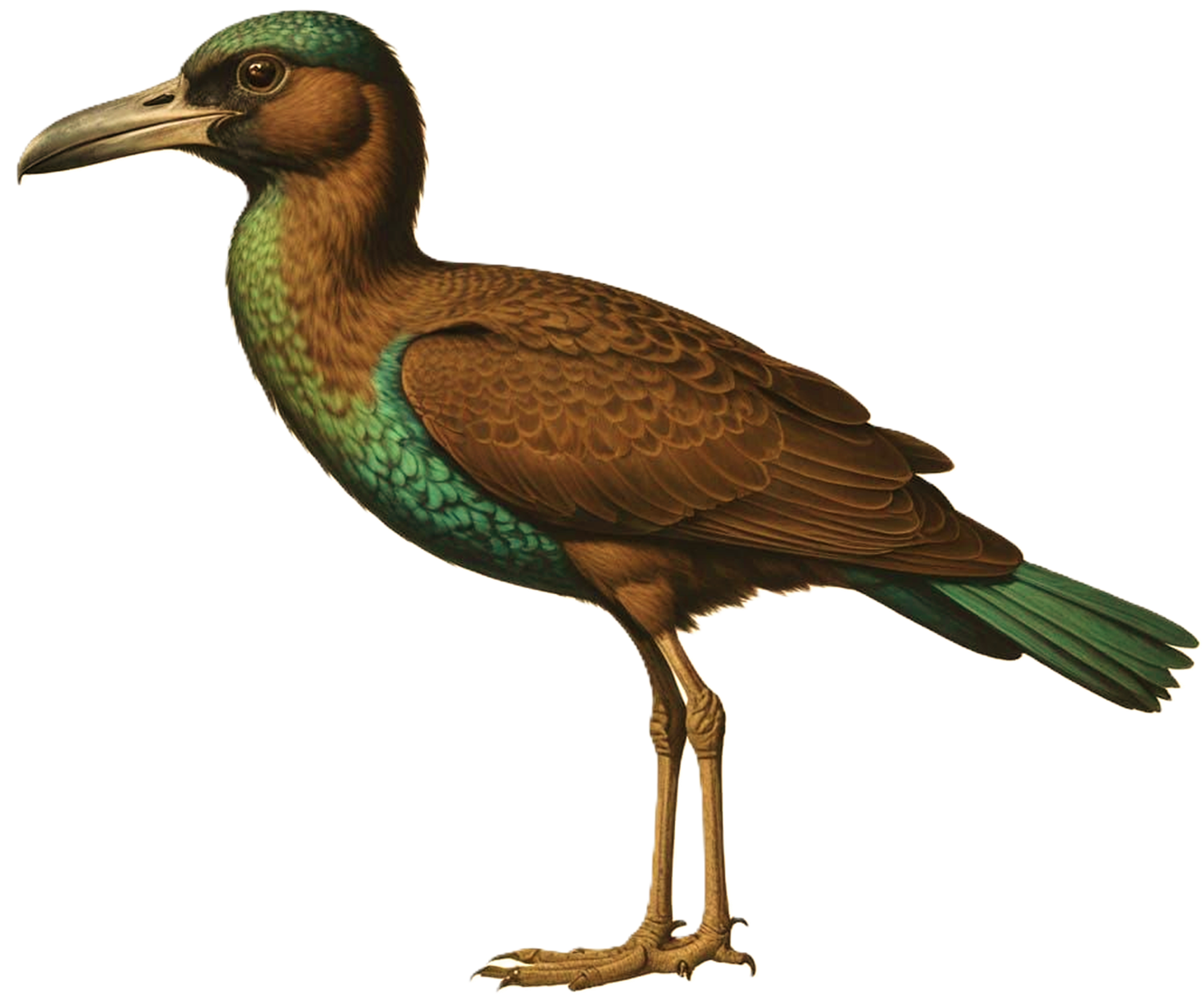 |
Palintropus retusus436Shufeldt, R. W. (1915). Fossil birds in the Marsh Collection of Yale University. Transactions of the Connecticut Academy of Arts and Sciences, 19, 1–110.437Longrich, N. (2009). An ornithurine-dominated avifauna from the Belly River Group (Campanian, Upper Cretaceous) of Alberta, Canada. Cretaceous Research, 30(1), 161–177. | Wyoming | Lance Formation | 1 Exemplar | Ambiortiformes |
|
|
Phalacrocoracidae indet.438Hope, S. (2002). The Mesozoic radiation of Neornithes. In Chiappe, L. M. & Witmer, L. W. (Eds.), Mesozoic Birds – Above the Heads of Dinosaurs, 339–388. University of California Press. | Wyoming | Lance Formation | 1 Exemplar | Kormoran (Phalacrocoracidae) |
|
|
Potamornis skutchi439Elzanowski, A., Paul, G. S. & Stidham, T. A. (2001). An avian quadrate from the Late Cretaceous Lance Formation of Wyoming. Journal of Vertebrate Paleontology, 20(4), 712–719.440Martin, L. D., Kurochkin, E. N. & Tokaryk, T. T. (2012). A new evolutionary lineage of diving birds from the Late Cretaceous of North America and Asia. Palaeoworld, 21, 59–63. doi:10.1016/j.palwor.2012.02.005 | Montana, Wyoming | Hell Creek Formation; Lance Formation | 2 Exemplare | Hesperornithes |
|
|
Presbyornithidae indet.441Hope, S. (2002). The Mesozoic radiation of Neornithes. In Chiappe, L. M. & Witmer, L. W. (Eds.), Mesozoic Birds – Above the Heads of Dinosaurs, 339–388. University of California Press. | Wyoming | Lance Formation | 4 Exemplare | Presbyornithidae |
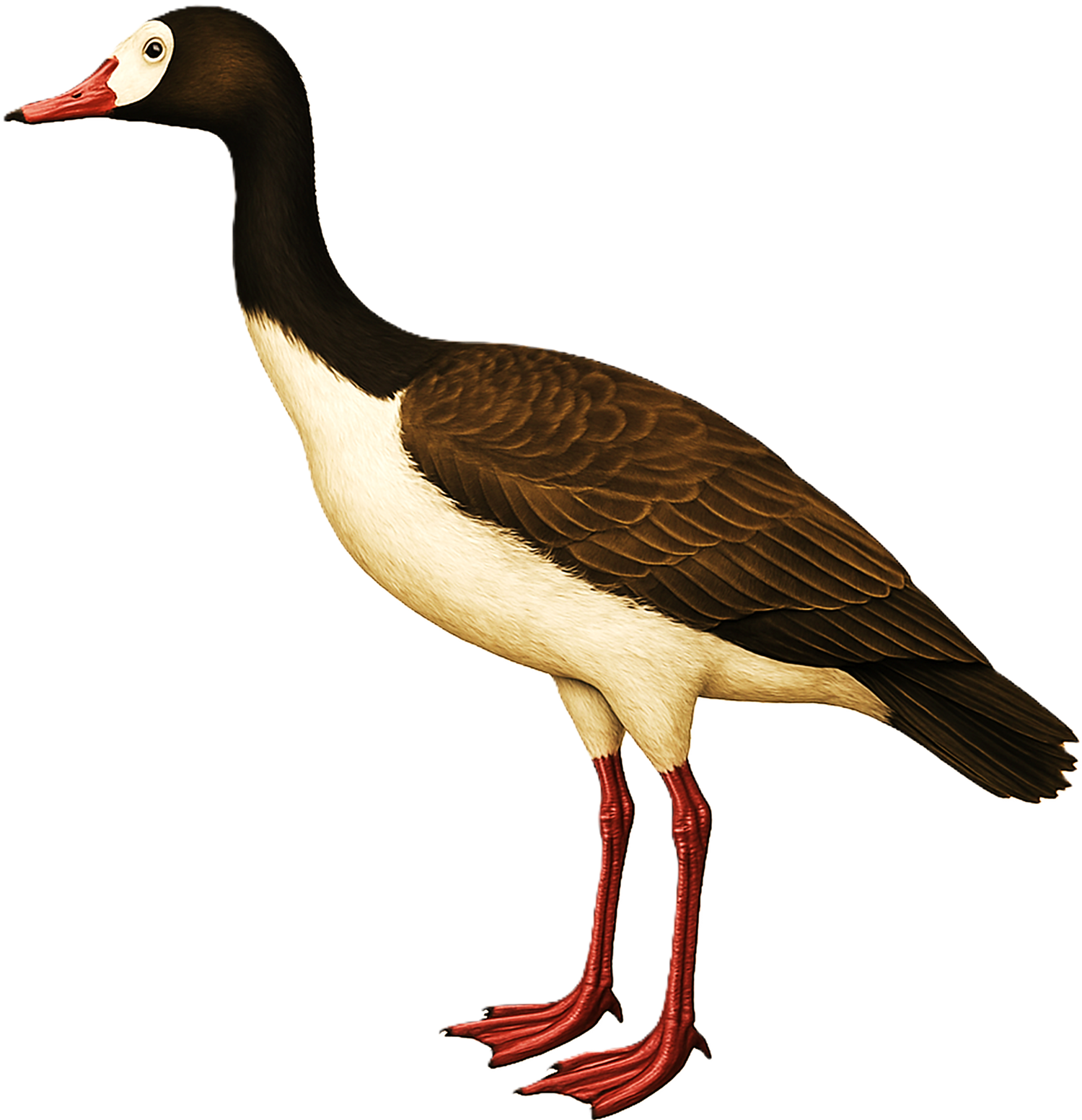 |
„Styginetta lofgreni“442Stidham, T. & Hutchison, J. (2001). The North American avisaurids (Aves – Enantiornithes): new data on biogeography and biostratigraphy. Asociación Paleontológica Argentina Publicación Especial, 7, 175–177. | Montana | Hell Creek Formation | Mehrere Exemplare | noch unbeschrieben (Nomen nudum), Gänsevögel (Presbyornithidae) |
|
|
Torotix clemensi443Brodkorb, P. (1963). Birds from the Upper Cretaceous of Wyoming. Proceedings of the XIII International Ornithological Congress, 55–70. | Wyoming | Lance Formation | 1 Exemplar | Pelikan (Pelecaniformes) |
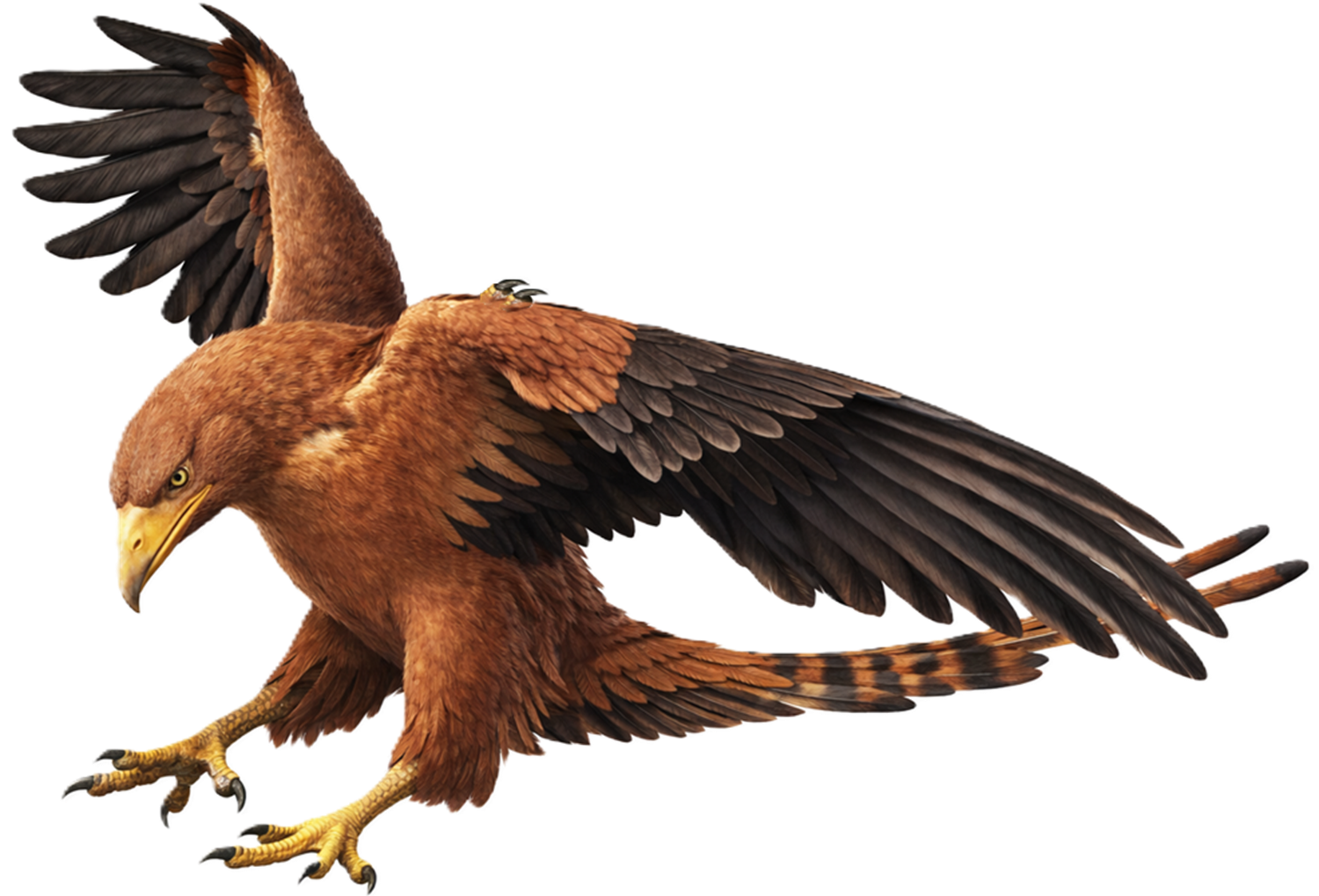
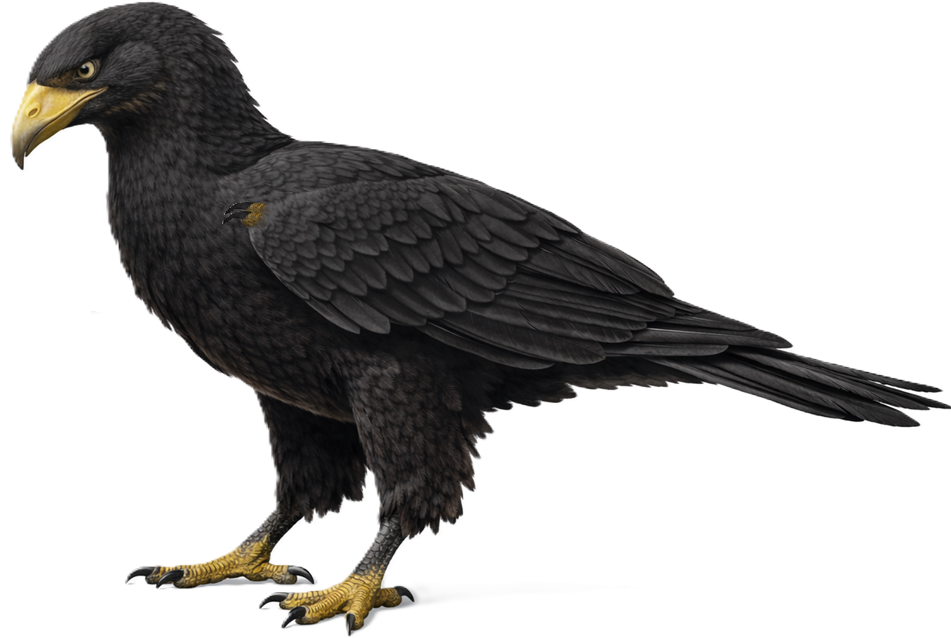
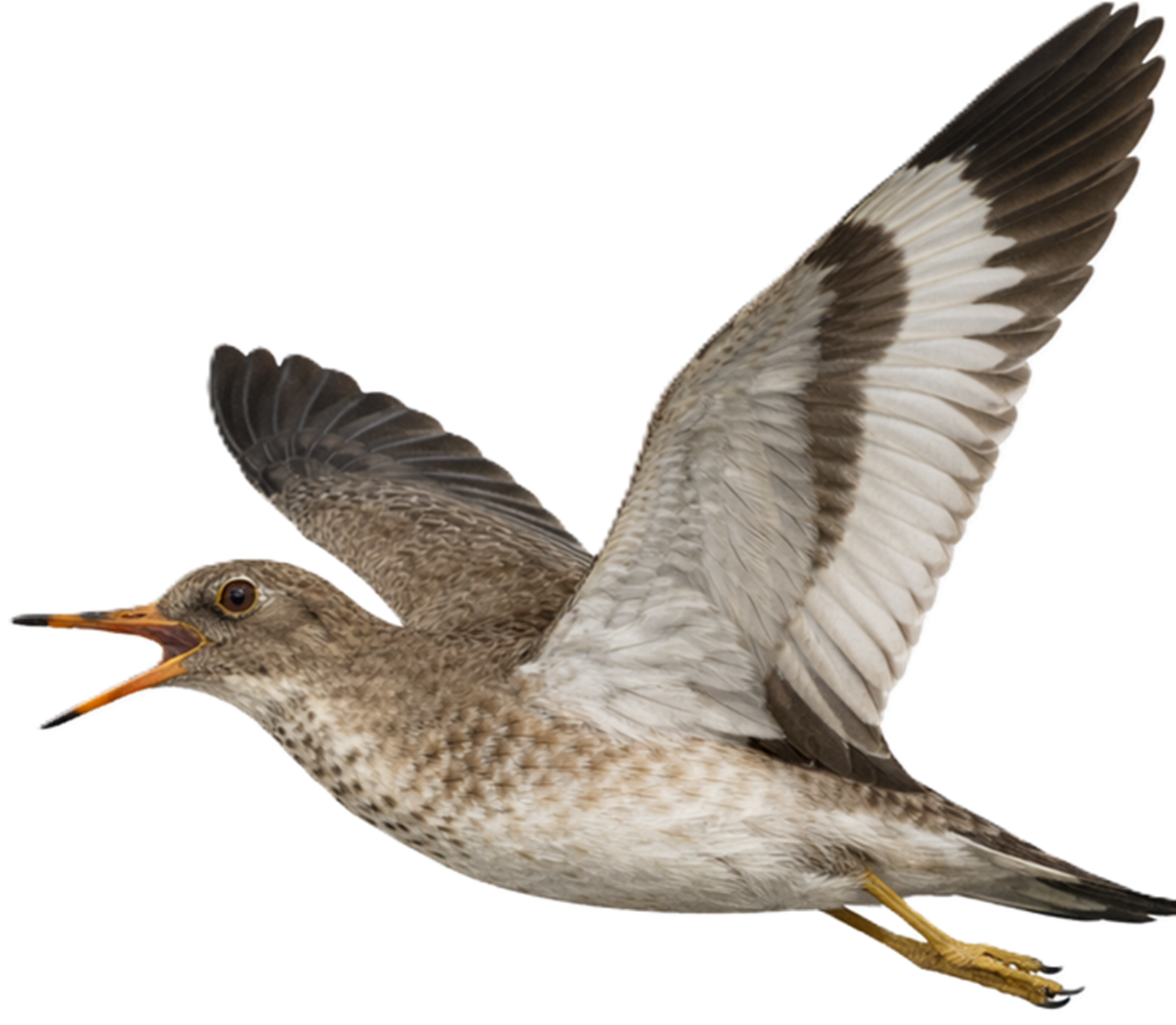
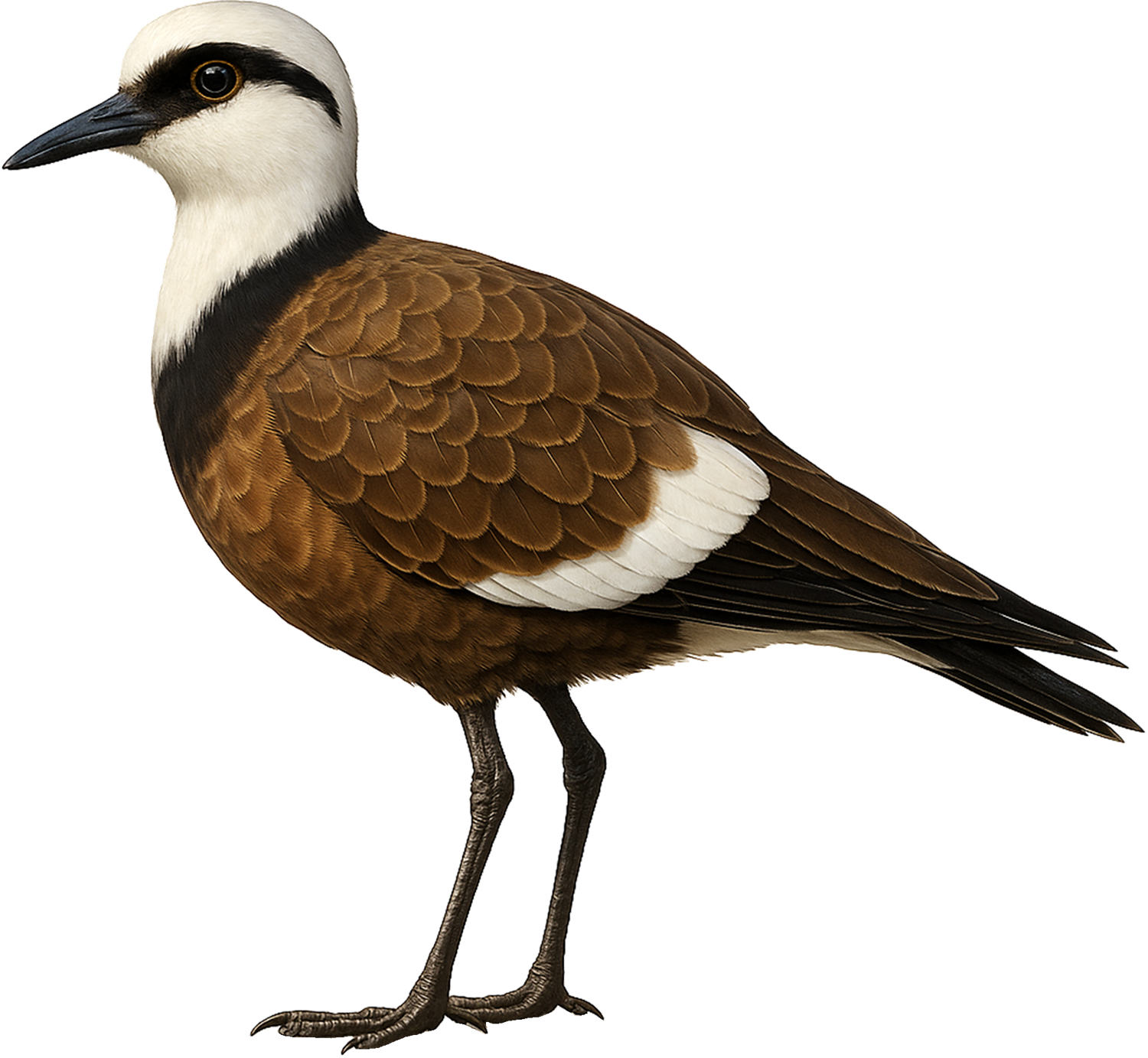
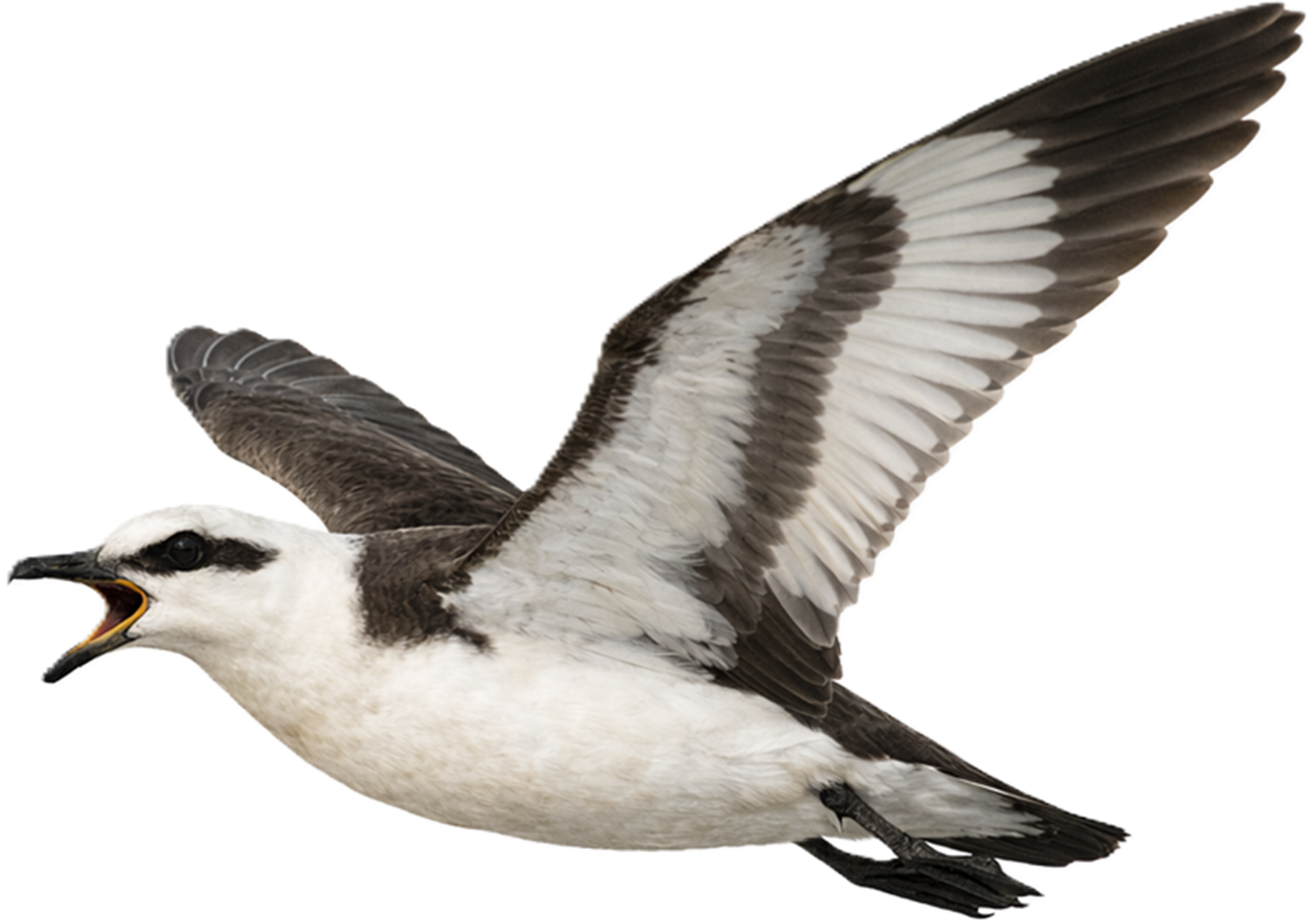
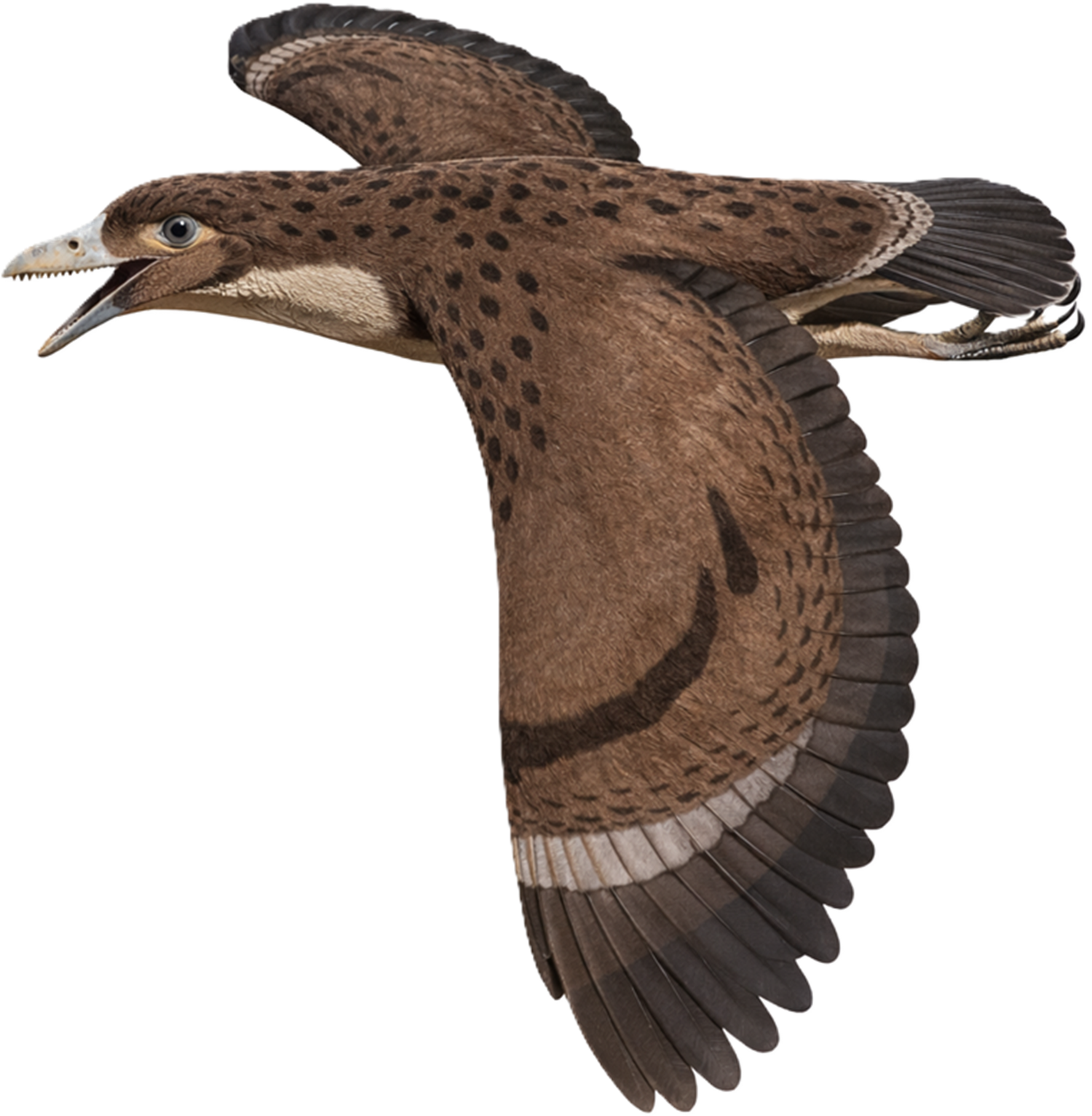

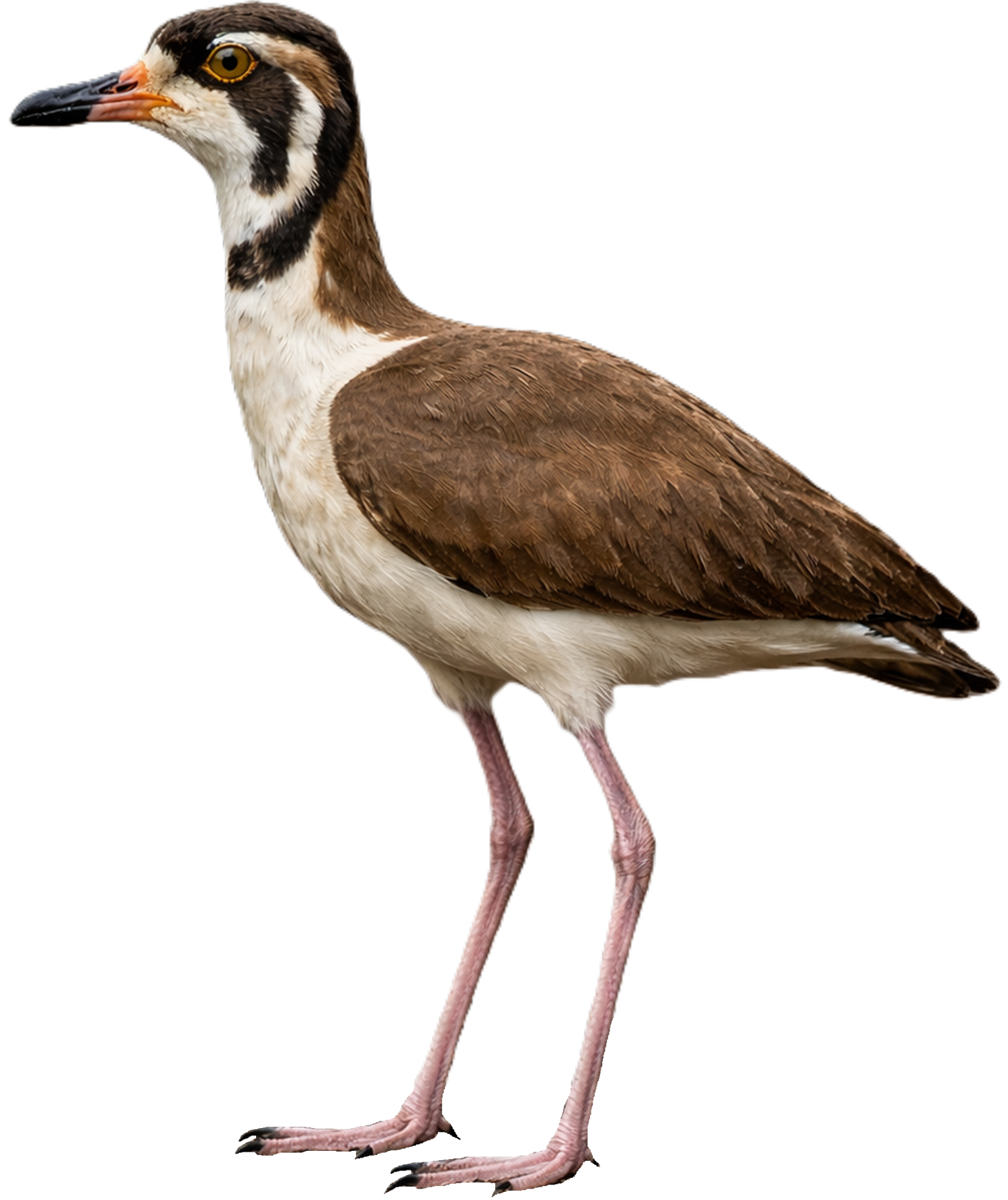
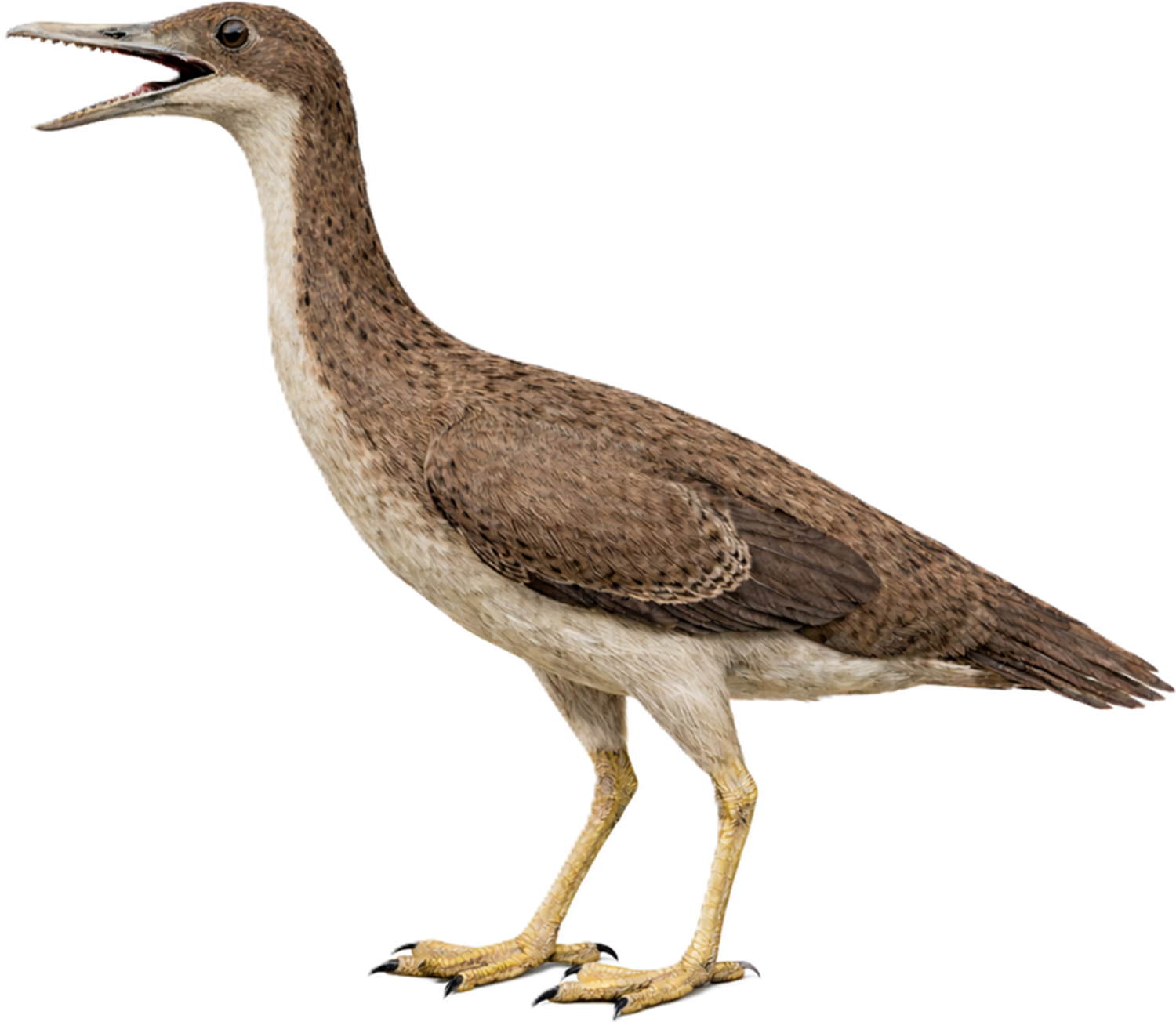
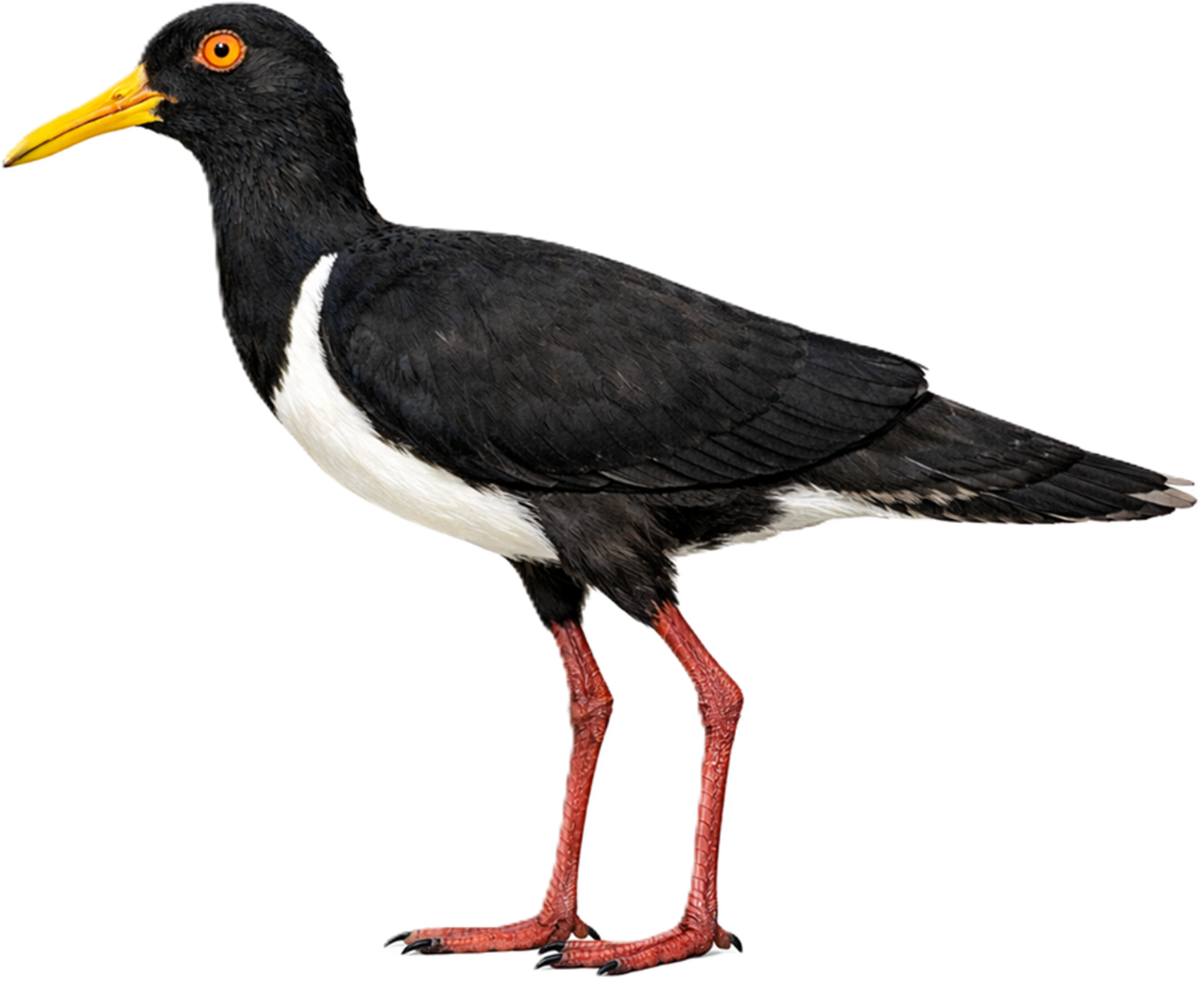
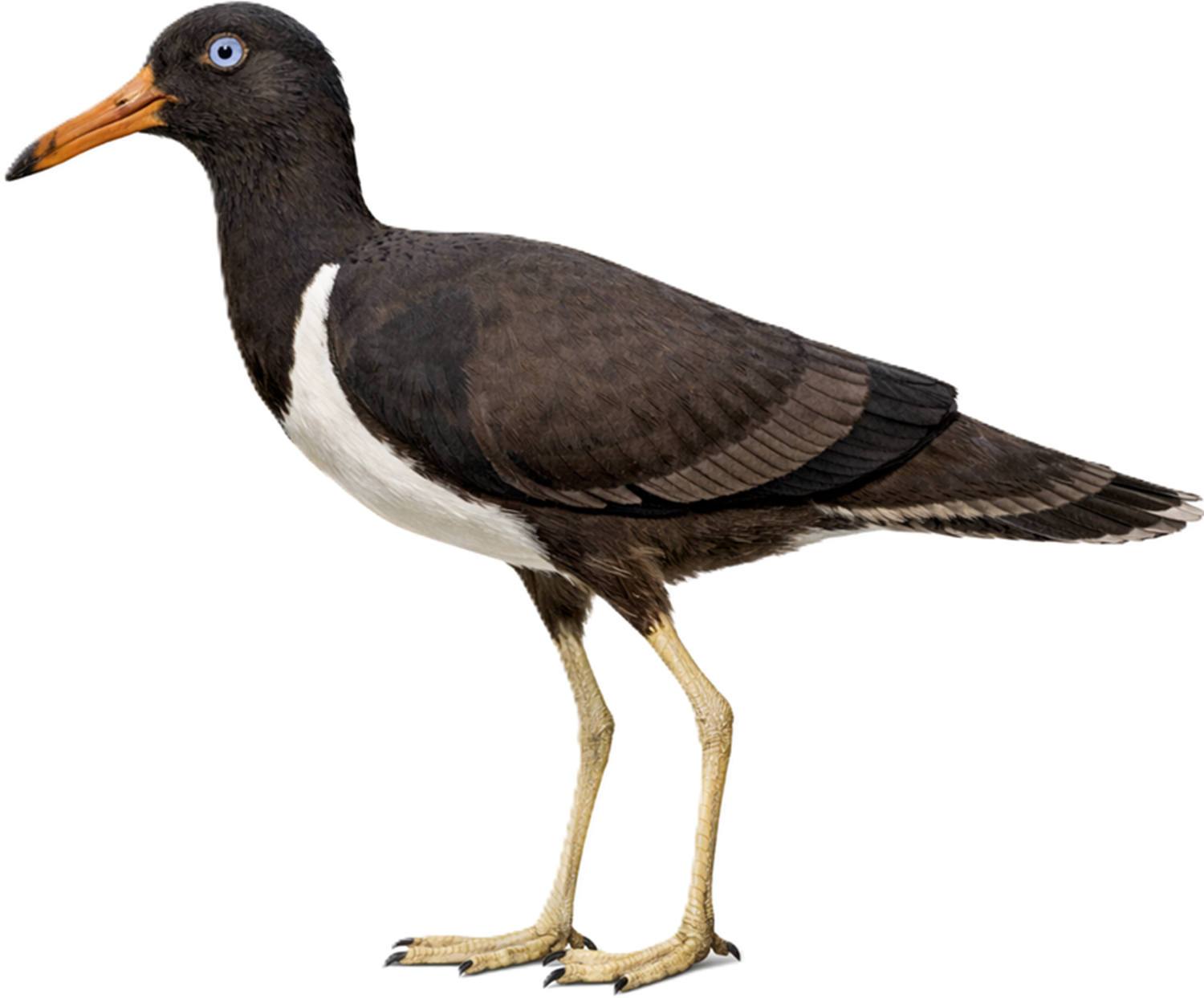
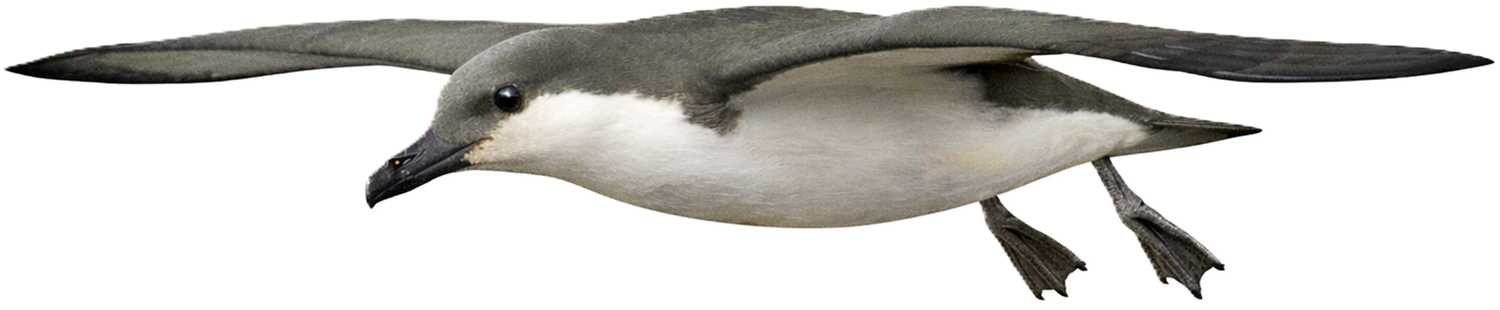

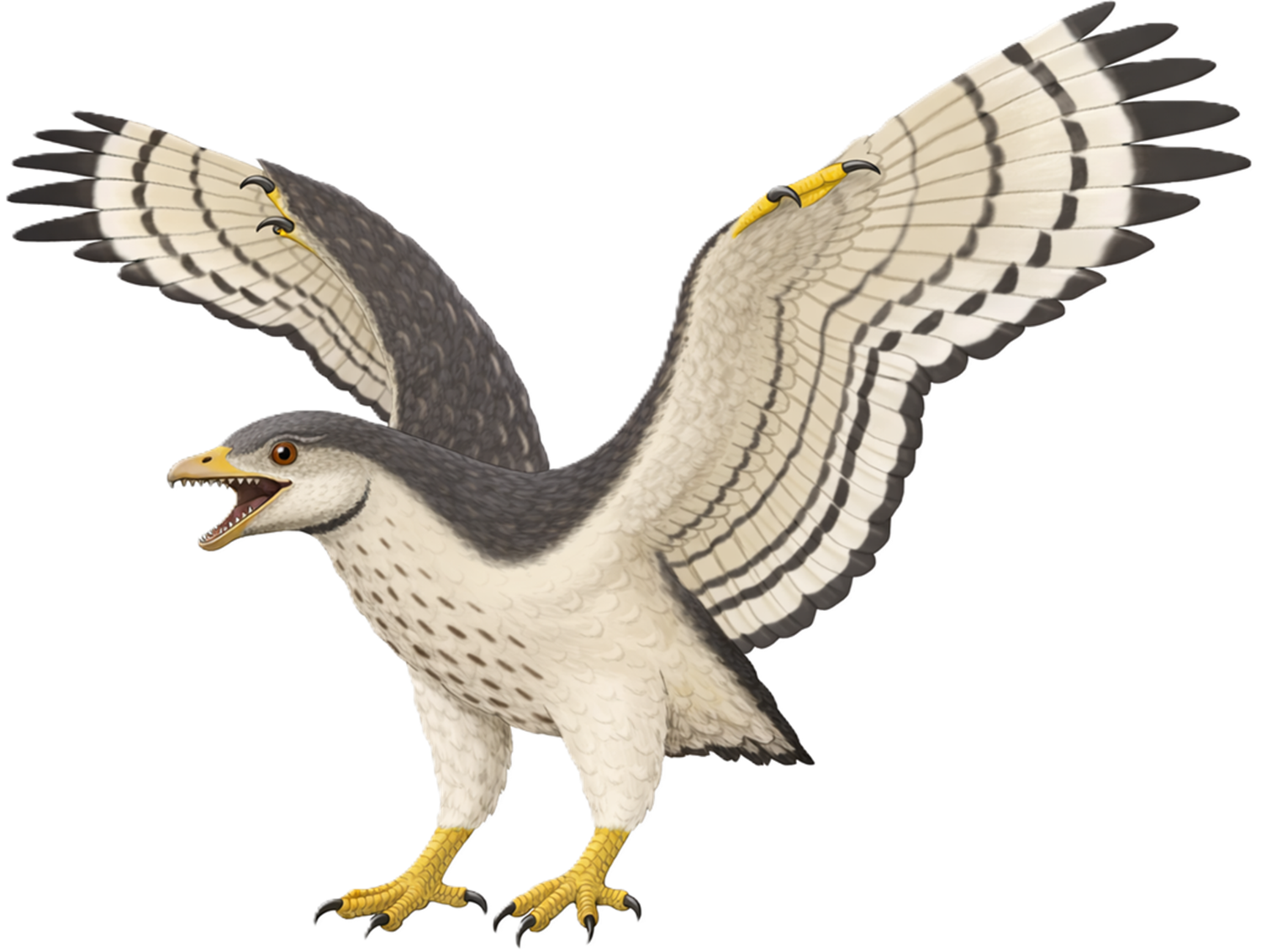
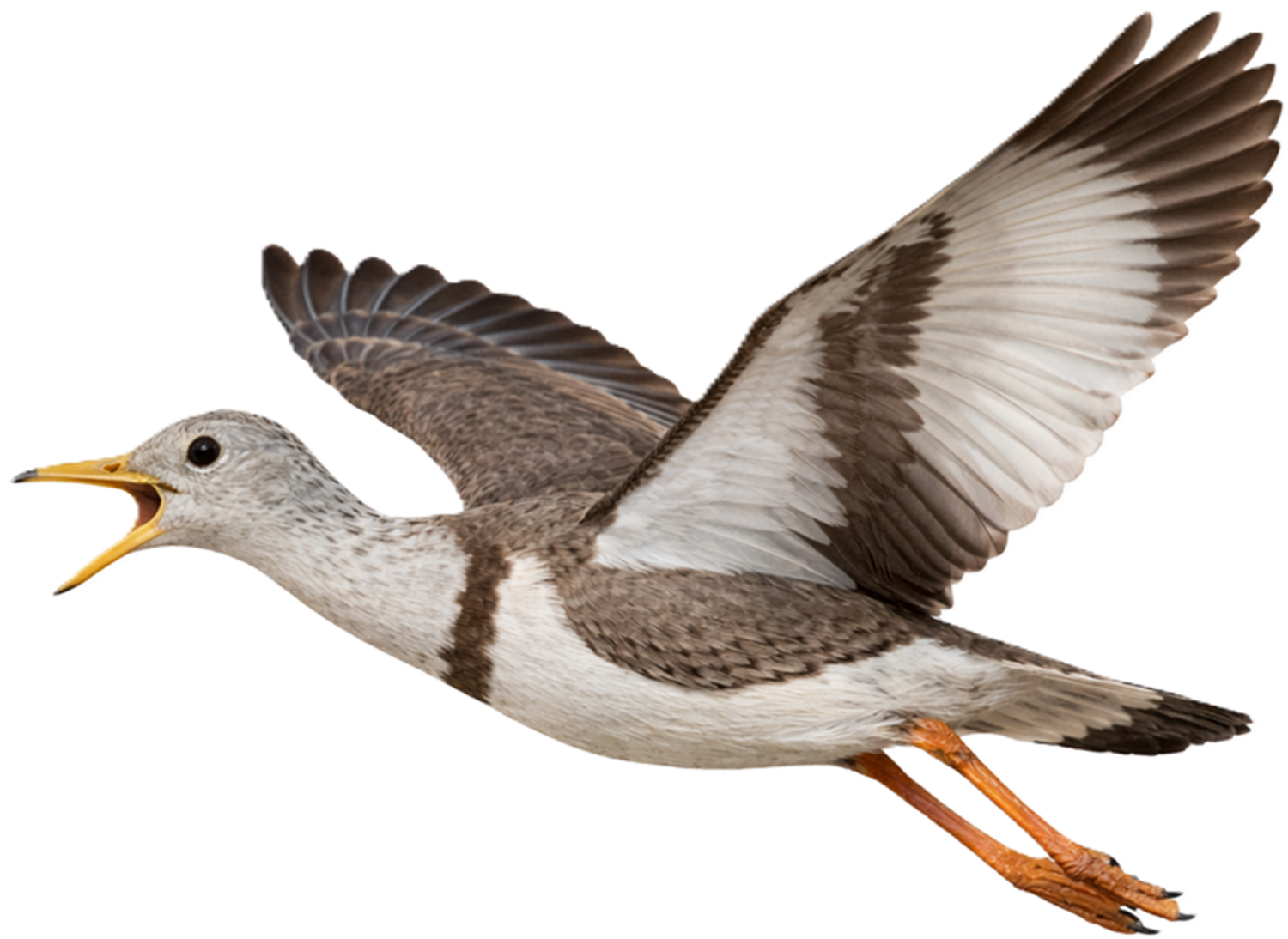
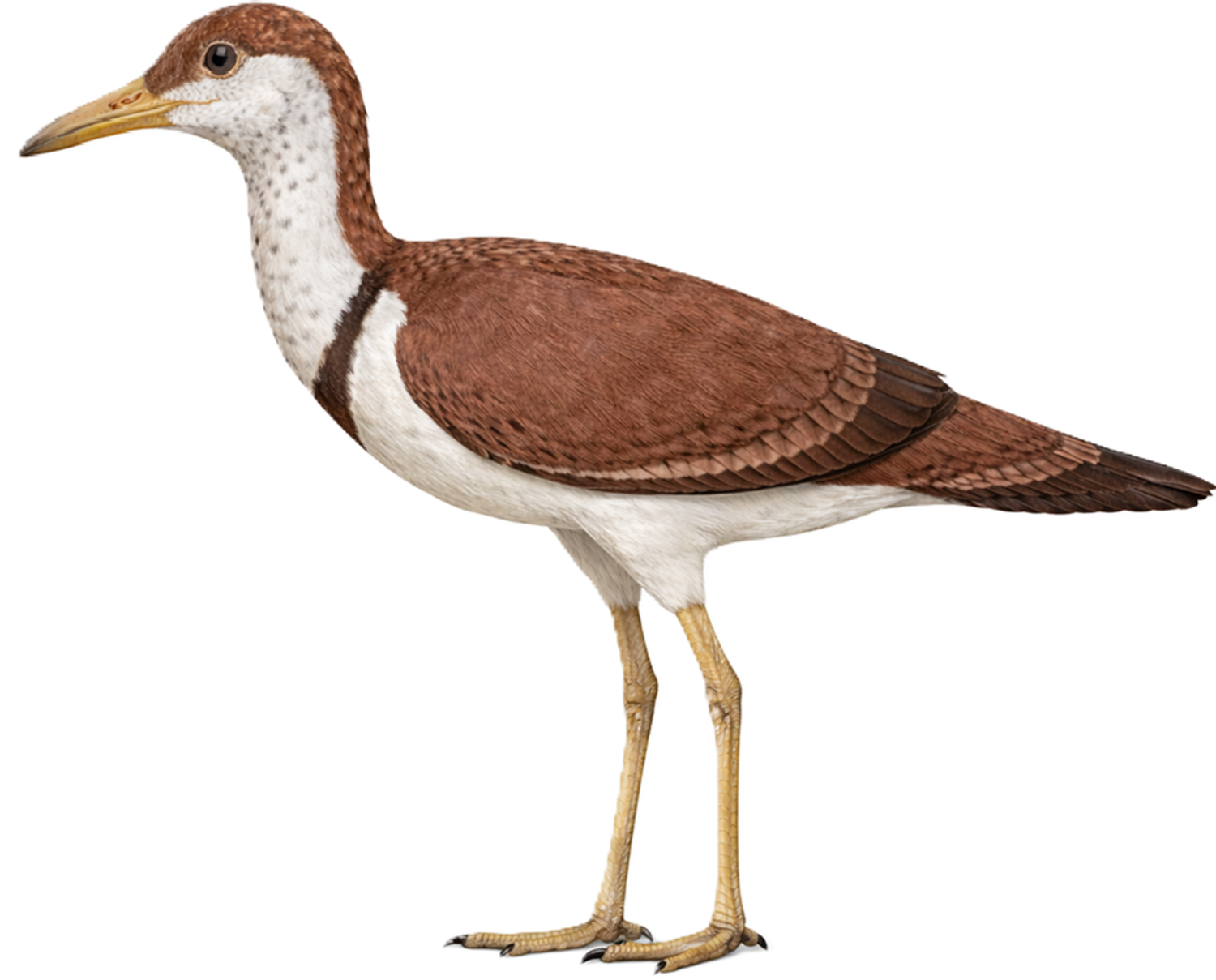
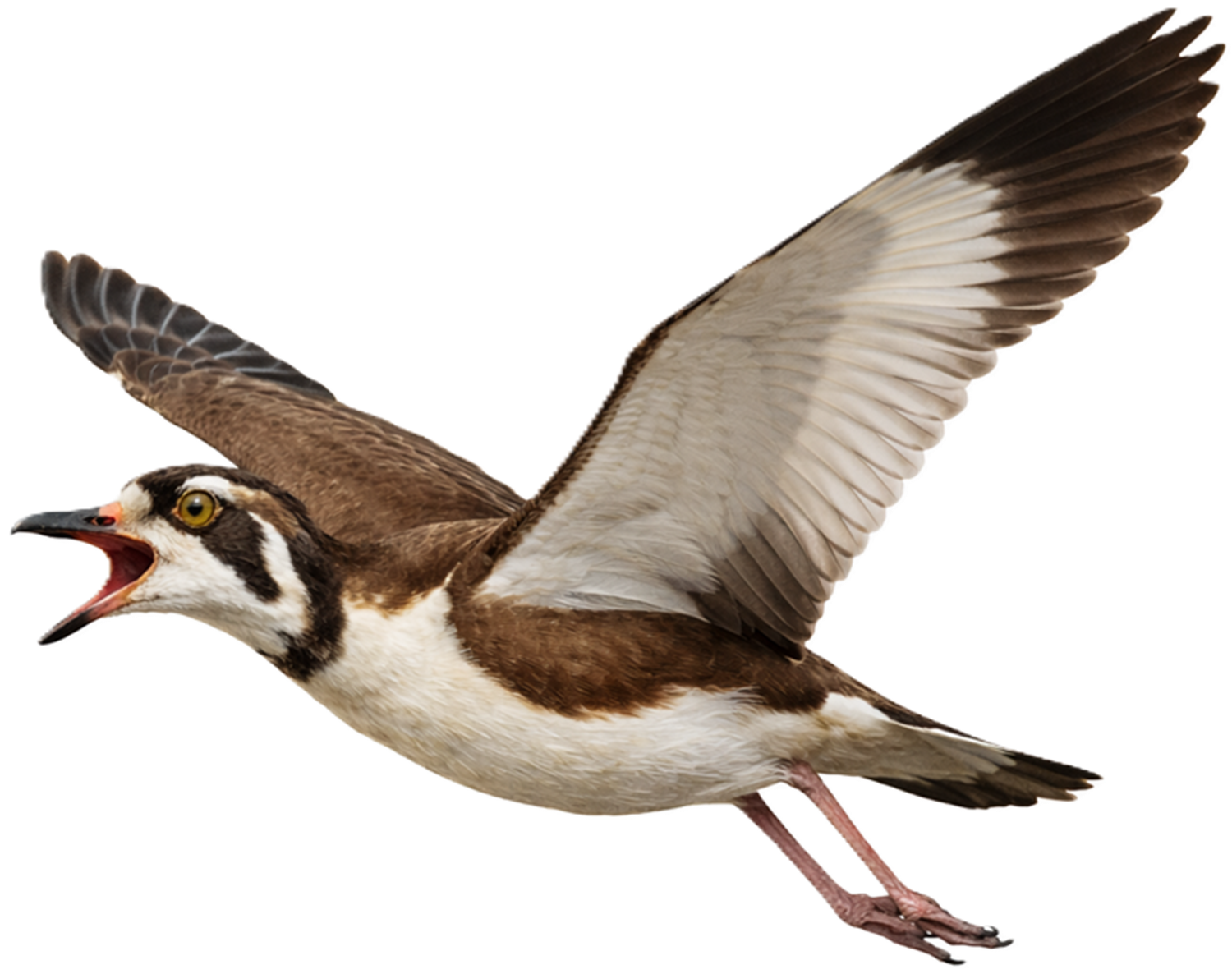
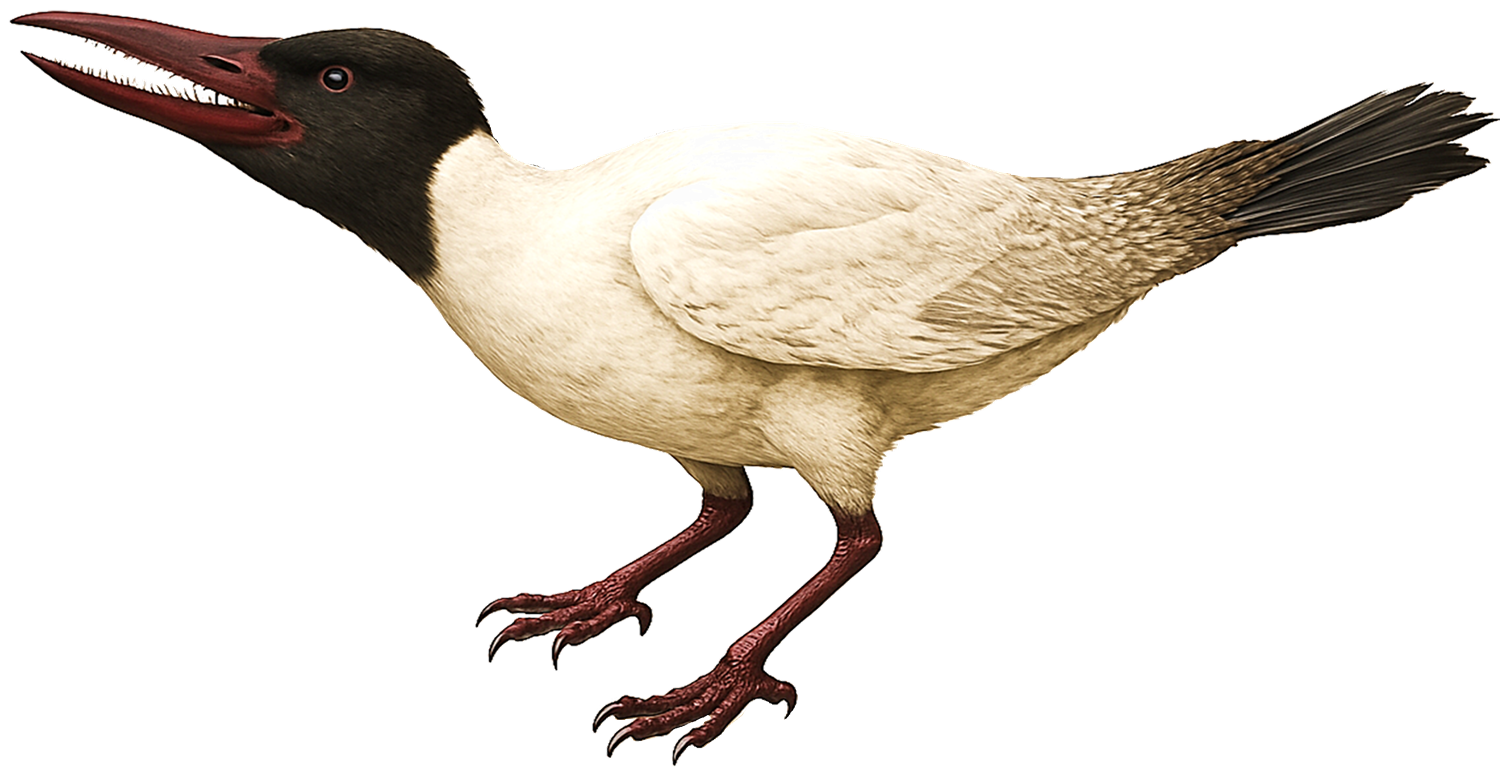
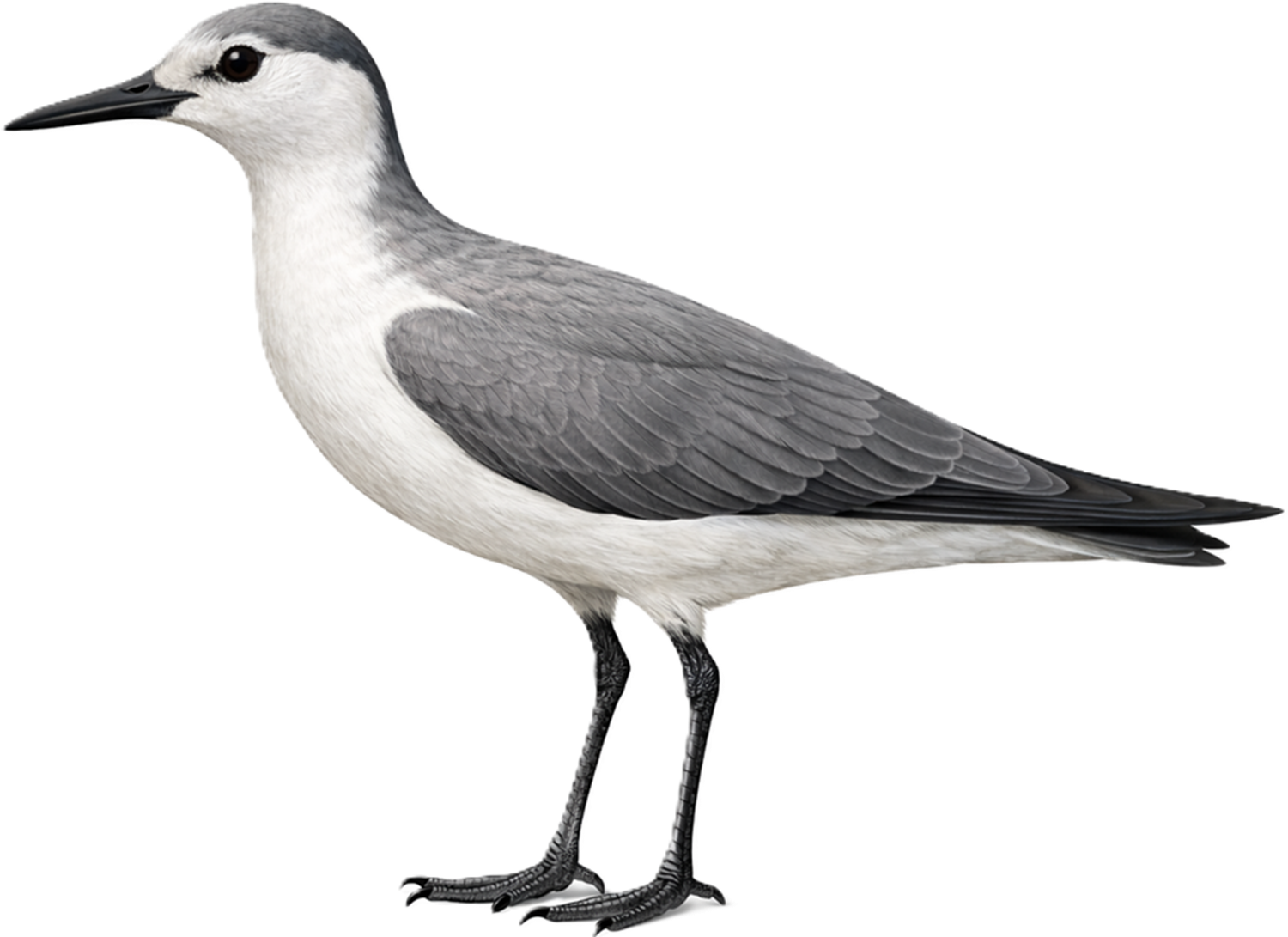
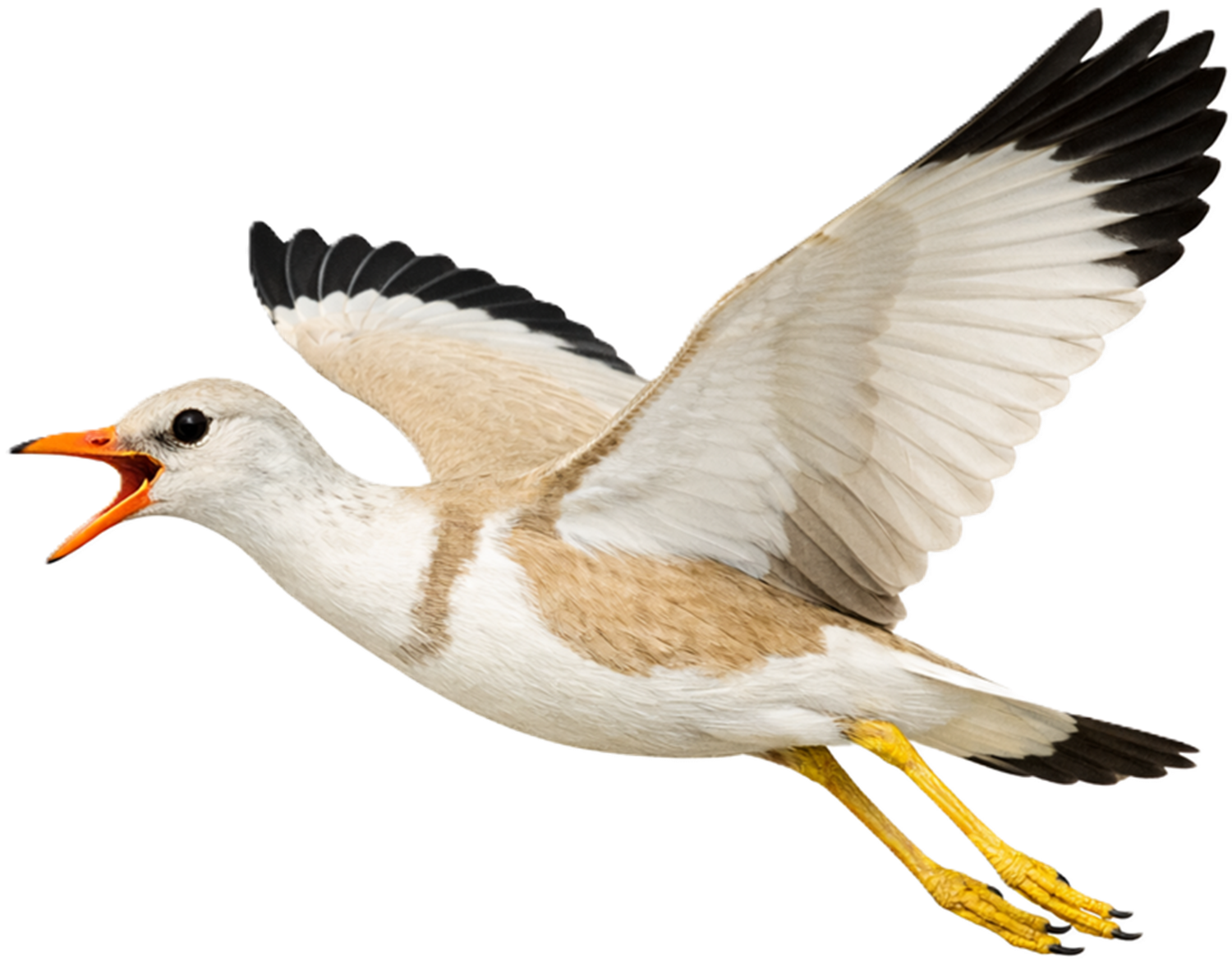
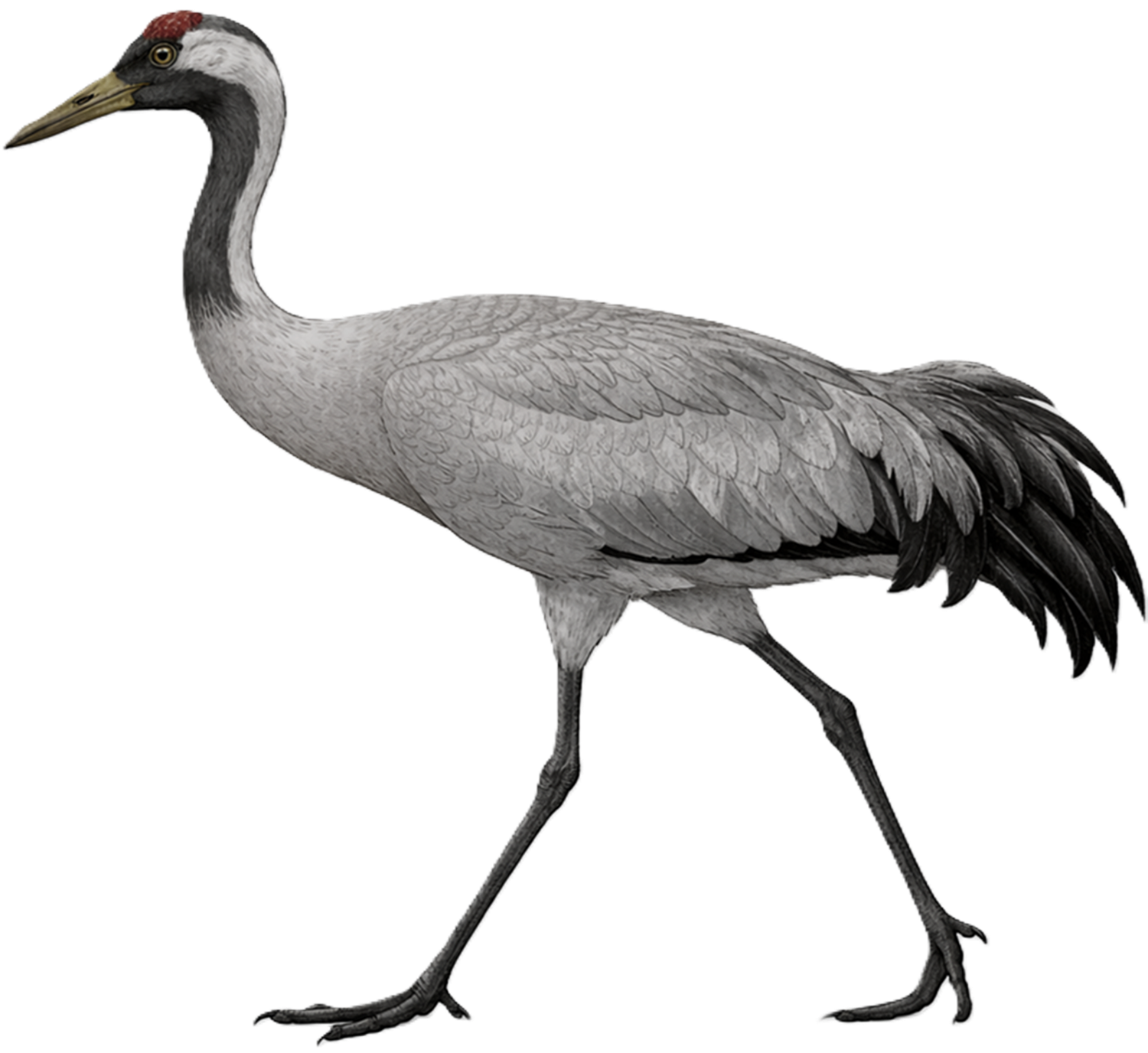

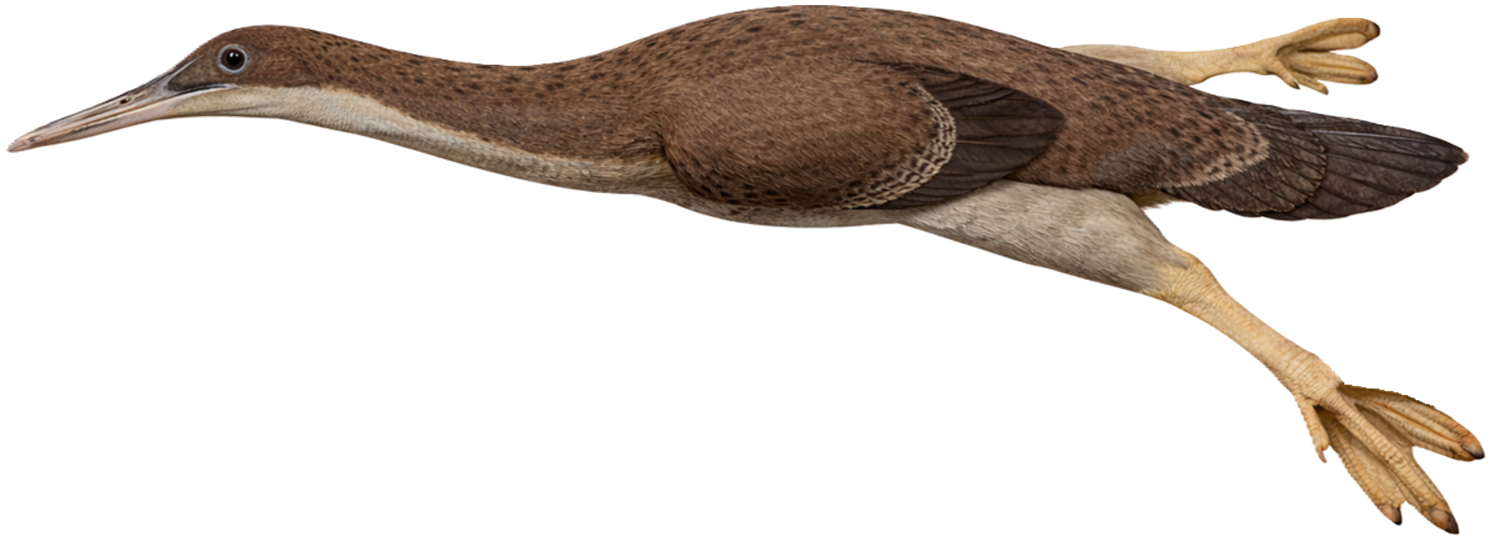

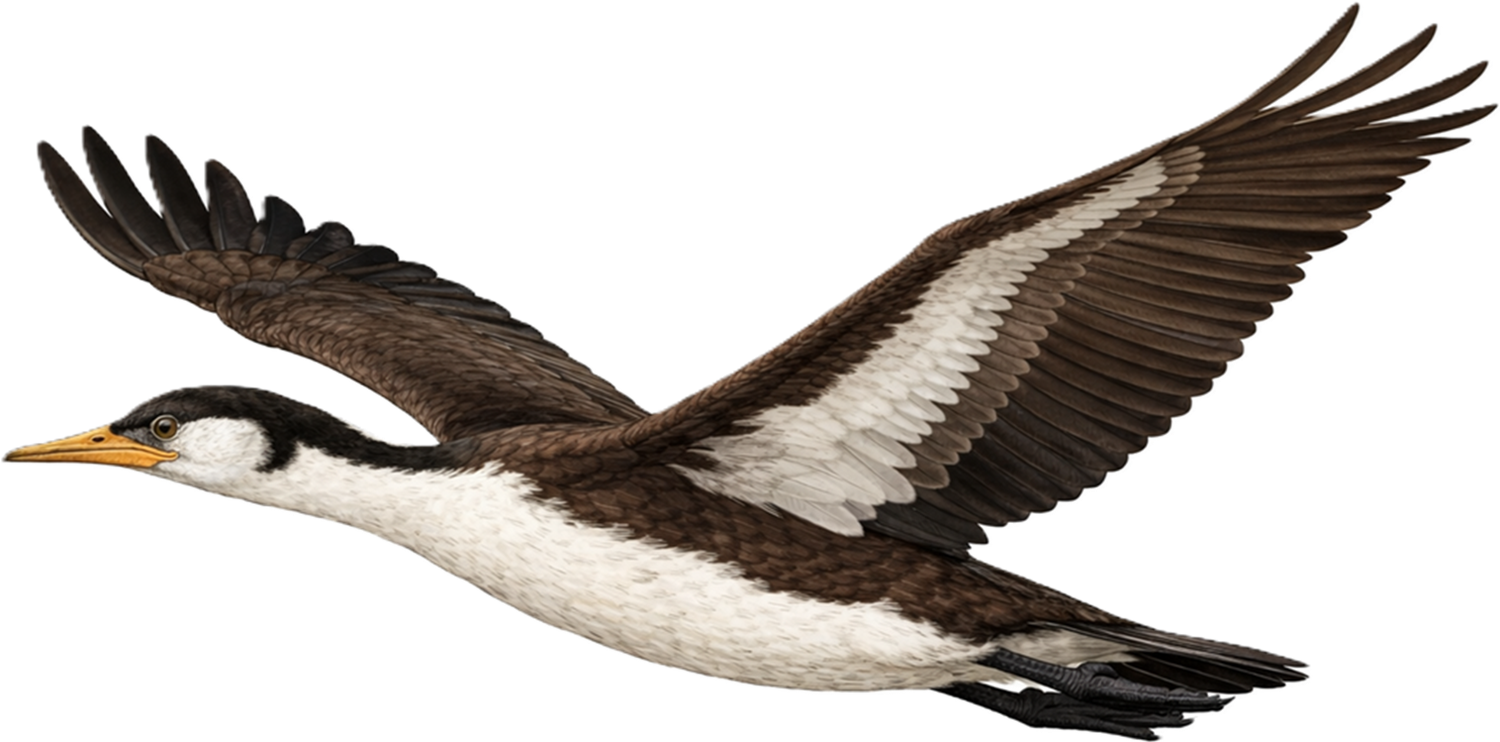

Multituberculata:
| Bild: | Spezies: | Fundort: | Stratigraphische Position: | Bekanntes Material: | Bemerkungen: |
|---|---|---|---|---|---|
|
|
Cimexomys cf. minor444Donohue, S. L. et al. (2013). Latest Cretaceous multituberculates of the Black Butte Station local fauna (Lance Formation, southwestern Wyoming), with implications for compositional differences among mammalian local faunas of the western interior. Journal of Vertebrate Paleontology, 33(3), 677–695. | Wyoming | Lance Formation | 1 Exemplar | Multituberculata, unsichere Verwandtschaft |
|
|
Cimexomys minor445Kielan-Jaworowska, Z., Cifelli, R. L. & Luo, Z.-X. (2004). Mammals from the Age of Dinosaurs – Origins, Evolution, and Structure. Columbia University Press, 98-99. doi:10.7312/kiel11918446Donohue, S. L. et al. (2013). Latest Cretaceous multituberculates of the Black Butte Station local fauna (Lance Formation, southwestern Wyoming), with implications for compositional differences among mammalian local faunas of the western interior. Journal of Vertebrate Paleontology, 33(3), 677–695. | Montana, Wyoming | Hell Creek Formation; Lance Formation | 30 Exemplare | Multituberculata, unsichere Verwandtschaft |
|
|
Cimexomys sp.447Donohue, S. L. et al. (2013). Latest Cretaceous multituberculates of the Black Butte Station local fauna (Lance Formation, southwestern Wyoming), with implications for compositional differences among mammalian local faunas of the western interior. Journal of Vertebrate Paleontology, 33(3), 677–695. | Wyoming | Lance Formation | 1 Exemplar | Multituberculata, unsichere Verwandtschaft |
|
|
Cimolodon cf. nitidus448Kielan-Jaworowska, Z., Cifelli, R. L. & Luo, Z.-X. (2004). Mammals from the Age of Dinosaurs – Origins, Evolution, and Structure. Columbia University Press, 98-99. doi:10.7312/kiel11918449Donohue, S. L. et al. (2013). Latest Cretaceous multituberculates of the Black Butte Station local fauna (Lance Formation, southwestern Wyoming), with implications for compositional differences among mammalian local faunas of the western interior. Journal of Vertebrate Paleontology, 33(3), 677–695. | South Dakota, Wyoming | Hell Creek Formation; Lance Formation | 2 Exemplare | Cimolodontidae |
|
|
Cimolodon nitidus450Kielan-Jaworowska, Z., Cifelli, R. L. & Luo, Z.-X. (2004). Mammals from the Age of Dinosaurs – Origins, Evolution, and Structure. Columbia University Press, 98-99. doi:10.7312/kiel11918451Donohue, S. L. et al. (2013). Latest Cretaceous multituberculates of the Black Butte Station local fauna (Lance Formation, southwestern Wyoming), with implications for compositional differences among mammalian local faunas of the western interior. Journal of Vertebrate Paleontology, 33(3), 677–695. | Montana, North Dakota, South Dakota, Wyoming | Hell Creek Formation; Lance Formation | 77 Exemplare | Cimolodontidae |
|
|
Cimolodon peregrinus452Donohue, S. L. et al. (2013). Latest Cretaceous multituberculates of the Black Butte Station local fauna (Lance Formation, southwestern Wyoming), with implications for compositional differences among mammalian local faunas of the western interior. Journal of Vertebrate Paleontology, 33(3), 677–695. | Wyoming | Lance Formation | 1 Exemplar | Cimolodontidae |
|
|
Cimolodon sp.453Kielan-Jaworowska, Z., Cifelli, R. L. & Luo, Z.-X. (2004). Mammals from the Age of Dinosaurs – Origins, Evolution, and Structure. Columbia University Press, 98-99. doi:10.7312/kiel11918 | North Dakota | Hell Creek Formation | — | Cimolodontidae |
|
|
Cimolomys cf. gracilis454Kielan-Jaworowska, Z., Cifelli, R. L. & Luo, Z.-X. (2004). Mammals from the Age of Dinosaurs – Origins, Evolution, and Structure. Columbia University Press, 98-99. doi:10.7312/kiel11918 | South Dakota | Hell Creek Formation | — | Cimolomyidae |
|
|
Cimolomys gracilis455Kielan-Jaworowska, Z., Cifelli, R. L. & Luo, Z.-X. (2004). Mammals from the Age of Dinosaurs – Origins, Evolution, and Structure. Columbia University Press, 98-99. doi:10.7312/kiel11918 | Montana, South Dakota, Wyoming | Hell Creek Formation | 32 Exemplare | Cimolomyidae |
|
|
Essonodon browni456Kielan-Jaworowska, Z., Cifelli, R. L. & Luo, Z.-X. (2004). Mammals from the Age of Dinosaurs – Origins, Evolution, and Structure. Columbia University Press, 98-99. doi:10.7312/kiel11918457Donohue, S. L. et al. (2013). Latest Cretaceous multituberculates of the Black Butte Station local fauna (Lance Formation, southwestern Wyoming), with implications for compositional differences among mammalian local faunas of the western interior. Journal of Vertebrate Paleontology, 33(3), 677–695. | Montana, North Dakota, Wyoming | Hell Creek Formation; Lance Formation | 16 Exemplare | Cimolomyidae |
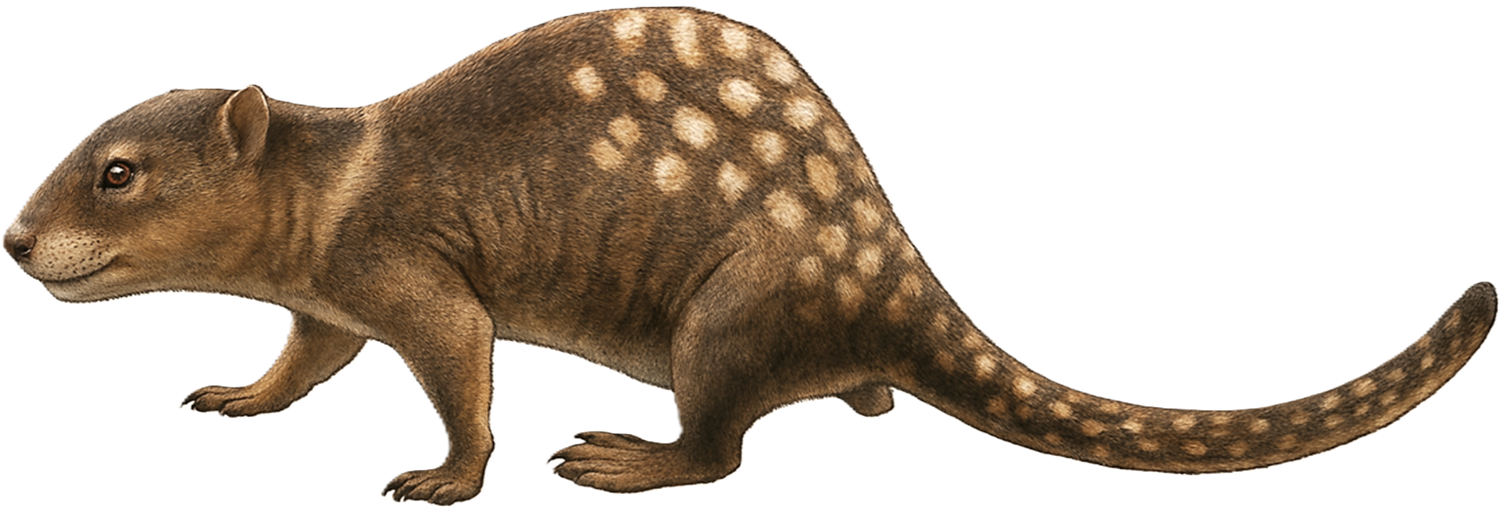 |
Meniscoessus cf. robustus458Kielan-Jaworowska, Z., Cifelli, R. L. & Luo, Z.-X. (2004). Mammals from the Age of Dinosaurs – Origins, Evolution, and Structure. Columbia University Press, 98-99. doi:10.7312/kiel11918459Donohue, S. L. et al. (2013). Latest Cretaceous multituberculates of the Black Butte Station local fauna (Lance Formation, southwestern Wyoming), with implications for compositional differences among mammalian local faunas of the western interior. Journal of Vertebrate Paleontology, 33(3), 677–695. | South Dakota, Wyoming | Hell Creek Formation; Lance Formation | 2 Exemplare | Cimolomyidae |
|
|
Meniscoessus conquistus460Kielan-Jaworowska, Z., Cifelli, R. L. & Luo, Z.-X. (2004). Mammals from the Age of Dinosaurs – Origins, Evolution, and Structure. Columbia University Press, 98-99. doi:10.7312/kiel11918 | South Dakota | Hell Creek Formation | Mehrere Exemplare | Cimolomyidae |
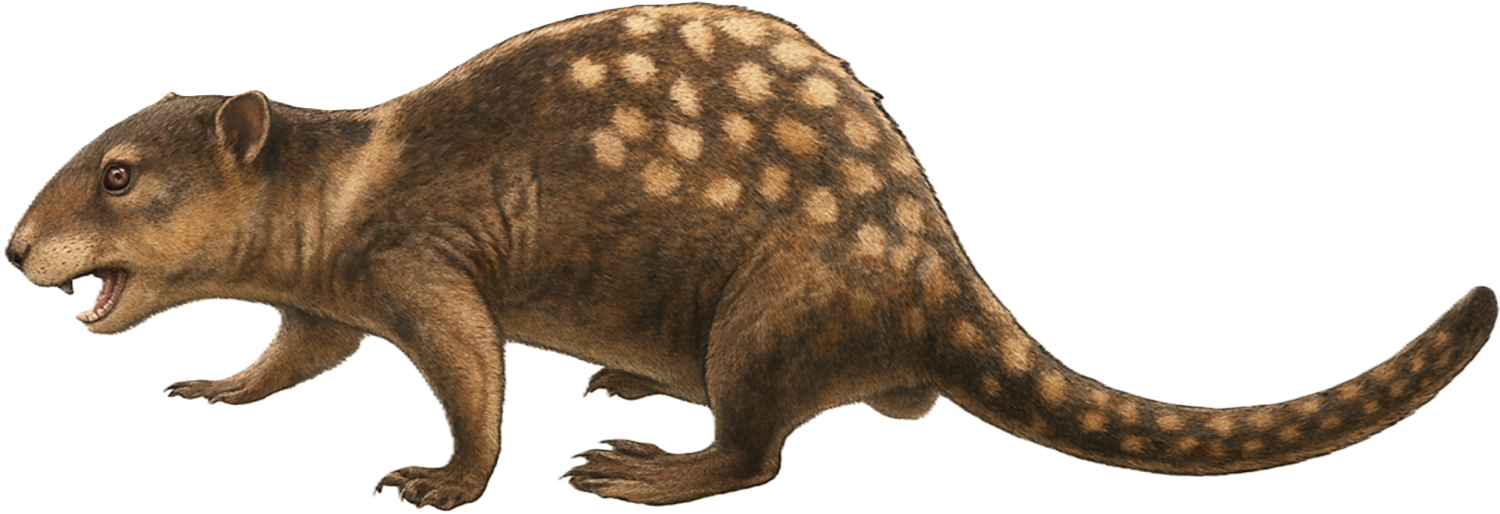 |
Meniscoessus robustus461Kielan-Jaworowska, Z., Cifelli, R. L. & Luo, Z.-X. (2004). Mammals from the Age of Dinosaurs – Origins, Evolution, and Structure. Columbia University Press, 98-99. doi:10.7312/kiel11918462Donohue, S. L. et al. (2013). Latest Cretaceous multituberculates of the Black Butte Station local fauna (Lance Formation, southwestern Wyoming), with implications for compositional differences among mammalian local faunas of the western interior. Journal of Vertebrate Paleontology, 33(3), 677–695. | Montana, North Dakota, South Dakota, Wyoming | Hell Creek Formation; Lance Formation | 111 Exemplare | Cimolomyidae |
|
|
Meniscoessus sp.463Kielan-Jaworowska, Z., Cifelli, R. L. & Luo, Z.-X. (2004). Mammals from the Age of Dinosaurs – Origins, Evolution, and Structure. Columbia University Press, 98-99. doi:10.7312/kiel11918 | North Dakota | Hell Creek Formation | — | Cimolomyidae |
|
|
Mesodma cf. formosa464Kielan-Jaworowska, Z., Cifelli, R. L. & Luo, Z.-X. (2004). Mammals from the Age of Dinosaurs – Origins, Evolution, and Structure. Columbia University Press, 98-99. doi:10.7312/kiel11918 | Montana | Hell Creek Formation | — | Neoplagiaulacidae |
|
|
Mesodma cf. hensleighi465Kielan-Jaworowska, Z., Cifelli, R. L. & Luo, Z.-X. (2004). Mammals from the Age of Dinosaurs – Origins, Evolution, and Structure. Columbia University Press, 98-99. doi:10.7312/kiel11918 | South Dakota | Hell Creek Formation | — | Neoplagiaulacidae |
|
|
Mesodma formosa466Kielan-Jaworowska, Z., Cifelli, R. L. & Luo, Z.-X. (2004). Mammals from the Age of Dinosaurs – Origins, Evolution, and Structure. Columbia University Press, 98-99. doi:10.7312/kiel11918467Donohue, S. L. et al. (2013). Latest Cretaceous multituberculates of the Black Butte Station local fauna (Lance Formation, southwestern Wyoming), with implications for compositional differences among mammalian local faunas of the western interior. Journal of Vertebrate Paleontology, 33(3), 677–695. | Montana, North Dakota, South Dakota, Wyoming | Hell Creek Formation; Lance Formation | 47 Exemplare | Neoplagiaulacidae |
|
|
Mesodma hensleighi468Kielan-Jaworowska, Z., Cifelli, R. L. & Luo, Z.-X. (2004). Mammals from the Age of Dinosaurs – Origins, Evolution, and Structure. Columbia University Press, 98-99. doi:10.7312/kiel11918469Donohue, S. L. et al. (2013). Latest Cretaceous multituberculates of the Black Butte Station local fauna (Lance Formation, southwestern Wyoming), with implications for compositional differences among mammalian local faunas of the western interior. Journal of Vertebrate Paleontology, 33(3), 677–695. | Montana, South Dakota, Wyoming | Hell Creek Formation; Lance Formation | 25 Exemplare | Neoplagiaulacidae |
|
|
Mesodma thompsoni470Kielan-Jaworowska, Z., Cifelli, R. L. & Luo, Z.-X. (2004). Mammals from the Age of Dinosaurs – Origins, Evolution, and Structure. Columbia University Press, 98-99. doi:10.7312/kiel11918471Donohue, S. L. et al. (2013). Latest Cretaceous multituberculates of the Black Butte Station local fauna (Lance Formation, southwestern Wyoming), with implications for compositional differences among mammalian local faunas of the western interior. Journal of Vertebrate Paleontology, 33(3), 677–695. | Montana, North Dakota, South Dakota, Wyoming | Hell Creek Formation; Lance Formation | 58 Exemplare | Neoplagiaulacidae |
|
|
Mesodma sp.472Donohue, S. L. et al. (2013). Latest Cretaceous multituberculates of the Black Butte Station local fauna (Lance Formation, southwestern Wyoming), with implications for compositional differences among mammalian local faunas of the western interior. Journal of Vertebrate Paleontology, 33(3), 677–695. | Wyoming | Lance Formation | 1 Exemplar | Neoplagiaulacidae |
|
|
Multituberculata indet.473Donohue, S. L. et al. (2013). Latest Cretaceous multituberculates of the Black Butte Station local fauna (Lance Formation, southwestern Wyoming), with implications for compositional differences among mammalian local faunas of the western interior. Journal of Vertebrate Paleontology, 33(3), 677–695. | Wyoming | Lance Formation | 1 Exemplar | Multituberculata |
|
|
Neoplagiaulax burgessi474Kielan-Jaworowska, Z., Cifelli, R. L. & Luo, Z.-X. (2004). Mammals from the Age of Dinosaurs – Origins, Evolution, and Structure. Columbia University Press, 98-99. doi:10.7312/kiel11918 | Montana | Hell Creek Formation | 1 Exemplar | Neoplagiaulacidae |
|
|
Neoplagiaulacidae indet.475Donohue, S. L. et al. (2013). Latest Cretaceous multituberculates of the Black Butte Station local fauna (Lance Formation, southwestern Wyoming), with implications for compositional differences among mammalian local faunas of the western interior. Journal of Vertebrate Paleontology, 33(3), 677–695. | Wyoming | Lance Formation | 1 Exemplar | Neoplagiaulacidae |
|
|
Paracimexomys priscus476Kielan-Jaworowska, Z., Cifelli, R. L. & Luo, Z.-X. (2004). Mammals from the Age of Dinosaurs – Origins, Evolution, and Structure. Columbia University Press, 98-99. doi:10.7312/kiel11918477Donohue, S. L. et al. (2013). Latest Cretaceous multituberculates of the Black Butte Station local fauna (Lance Formation, southwestern Wyoming), with implications for compositional differences among mammalian local faunas of the western interior. Journal of Vertebrate Paleontology, 33(3), 677–695. | Montana, Wyoming | Hell Creek Formation; Lance Formation | 11 Exemplare | Multituberculata, unsichere Verwandtschaft |
|
|
Paressonodon nelsoni478Wilson, G. P. (2013). Mammals across the K/Pg boundary in northeastern Montana, U.S.A. – dental morphology and body-size patterns reveal extinction selectivity and immigrant-fueled ecospace filling. Paleobiology, 39(3), 429–469. doi:10.1666/12041479Donohue, S. L. et al. (2013). Latest Cretaceous multituberculates of the Black Butte Station local fauna (Lance Formation, southwestern Wyoming), with implications for compositional differences among mammalian local faunas of the western interior. Journal of Vertebrate Paleontology, 33(3), 677–695. | Montana, Wyoming | Hell Creek Formation; Lance Formation | 3 Exemplare | Cimolomyidae |
|
|
Parikimys carpenteri480Donohue, S. L. et al. (2013). Latest Cretaceous multituberculates of the Black Butte Station local fauna (Lance Formation, southwestern Wyoming), with implications for compositional differences among mammalian local faunas of the western interior. Journal of Vertebrate Paleontology, 33(3), 677–695. | Wyoming | Lance Formation | 3 Exemplare | Neoplagiaulacidae |
|
|
Stygimys kuszmauli481Adams, N. et al. (2019). Functional tests of the competitive exclusion hypothesis for multituberculate extinction. Royal Society Open Science, 6, 181536. doi:10.1098/rsos.181536 | Montana | Hell Creek Formation | 40 Exemplare | Eucosmodontidae |
|
|
Valenopsalis joyneri482Williamson, T. E., Brusatte, S. L., Secord, R. & Shelley, S. (2015). A new taeniolabidoid multituberculate (Mammalia) from the middle Puercan of the Nacimiento Formation, New Mexico, and a revision of taeniolabidoid systematics and phylogeny. Zoological Journal of the Linnean Society, 177, 183–208. doi:10.1111/zoj.12336 | Montana | Obere Hell Creek Formation | 9 Exemplare | Taeniolabidoidea |
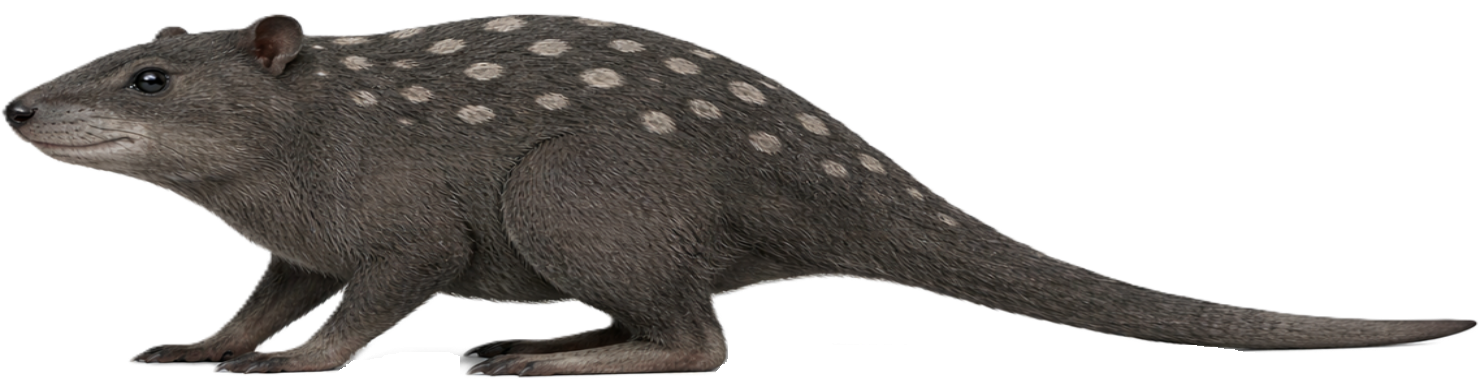
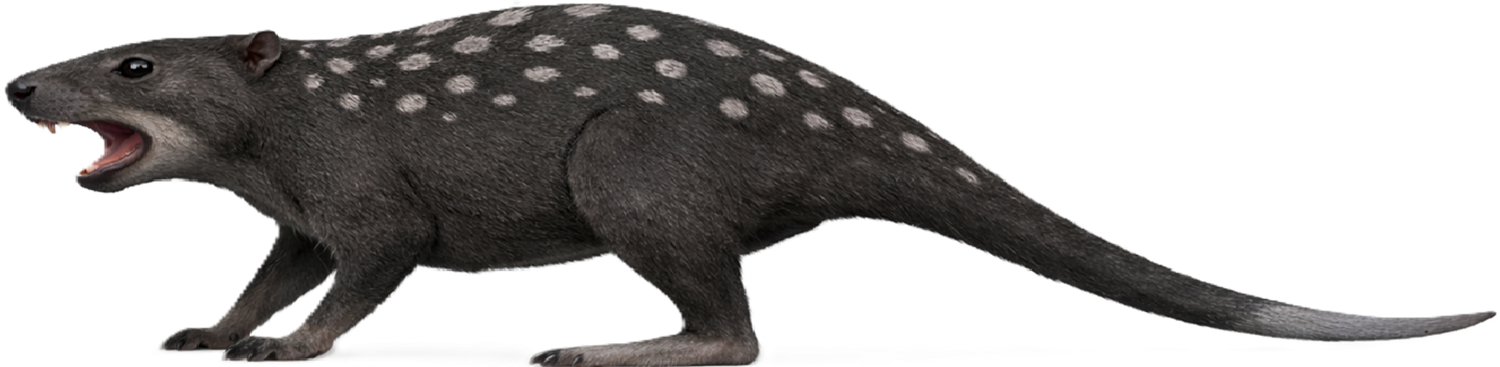
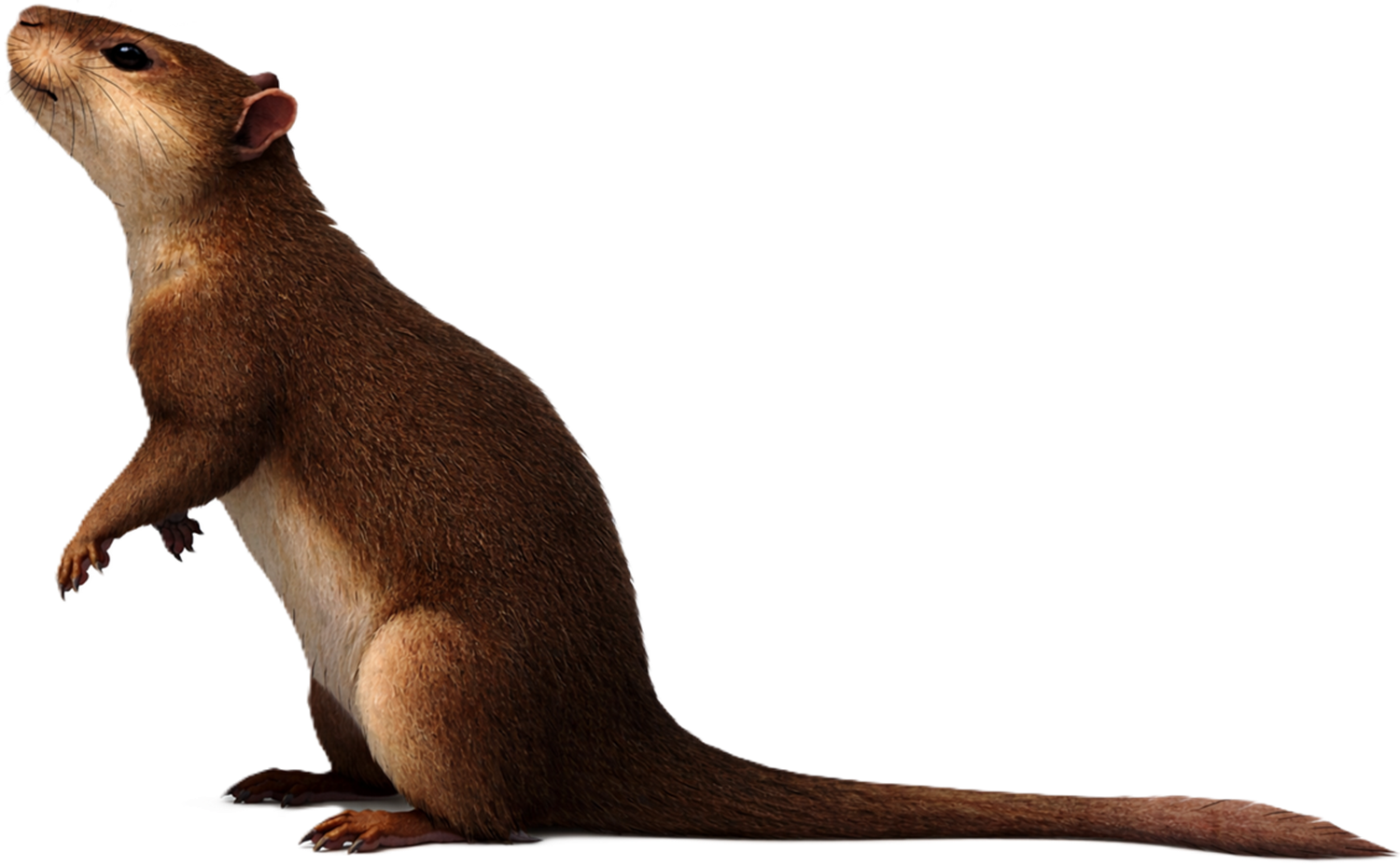
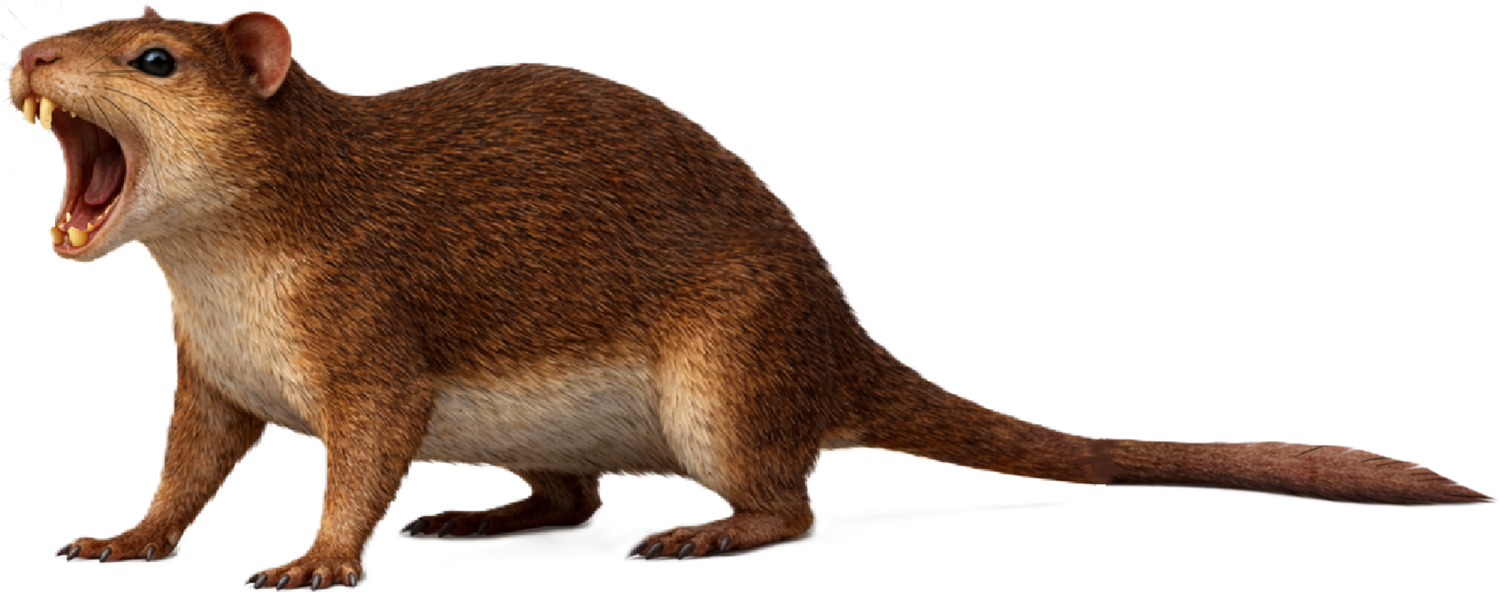
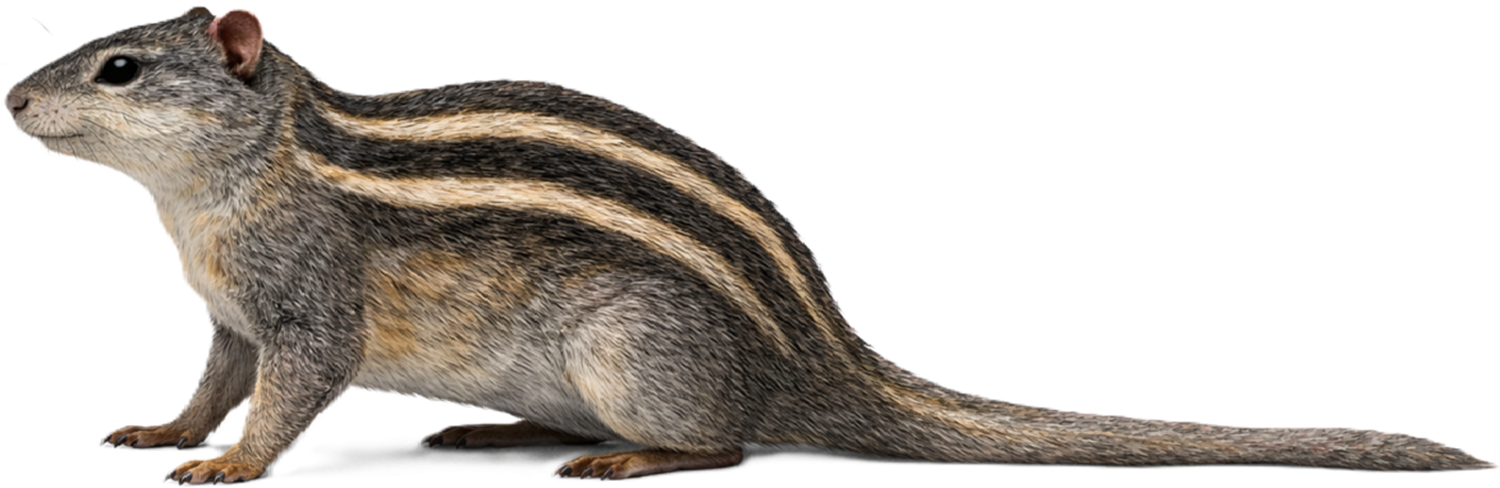
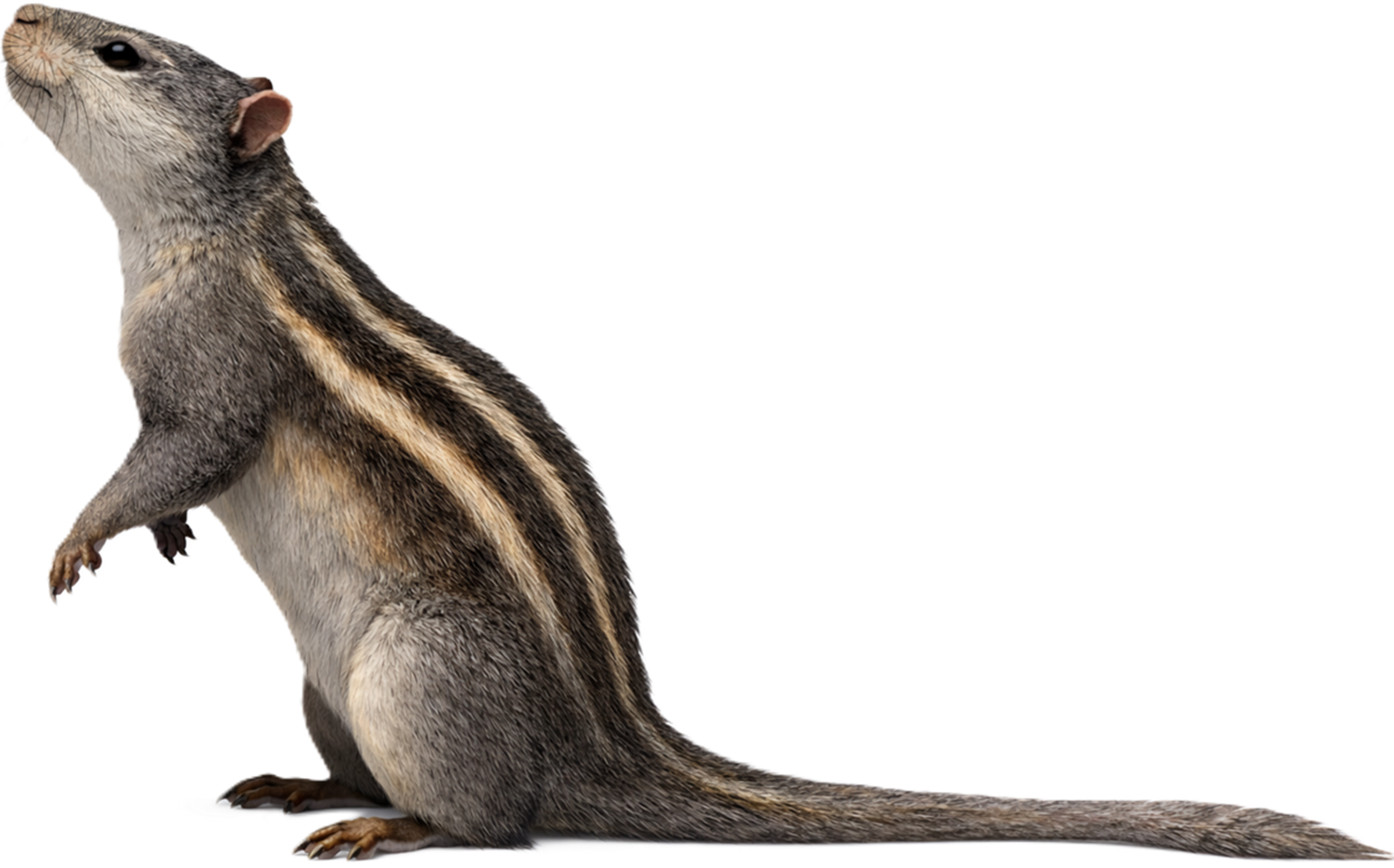
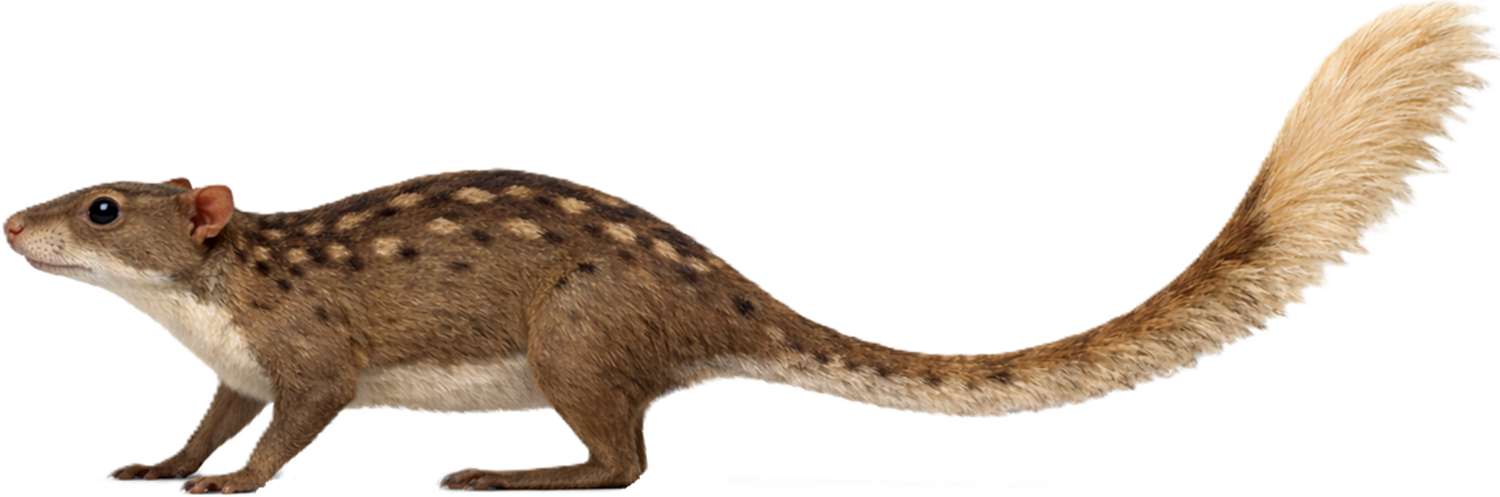
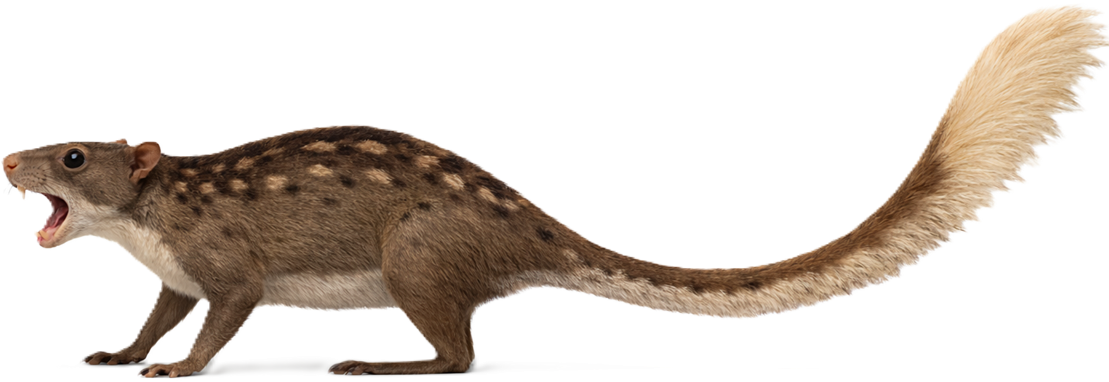
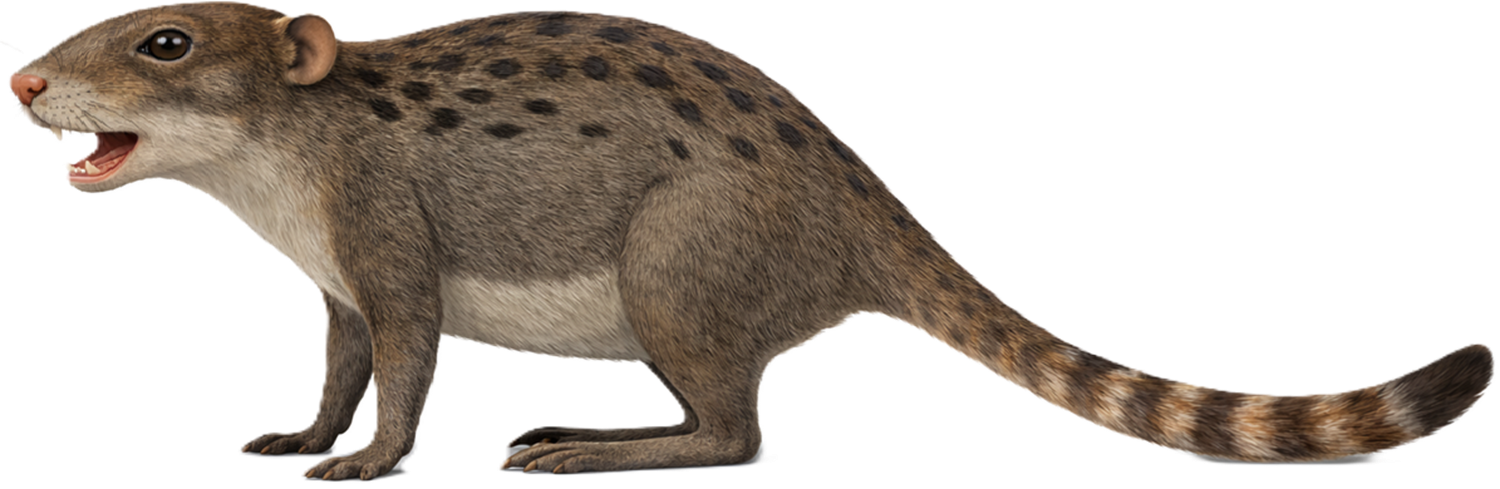
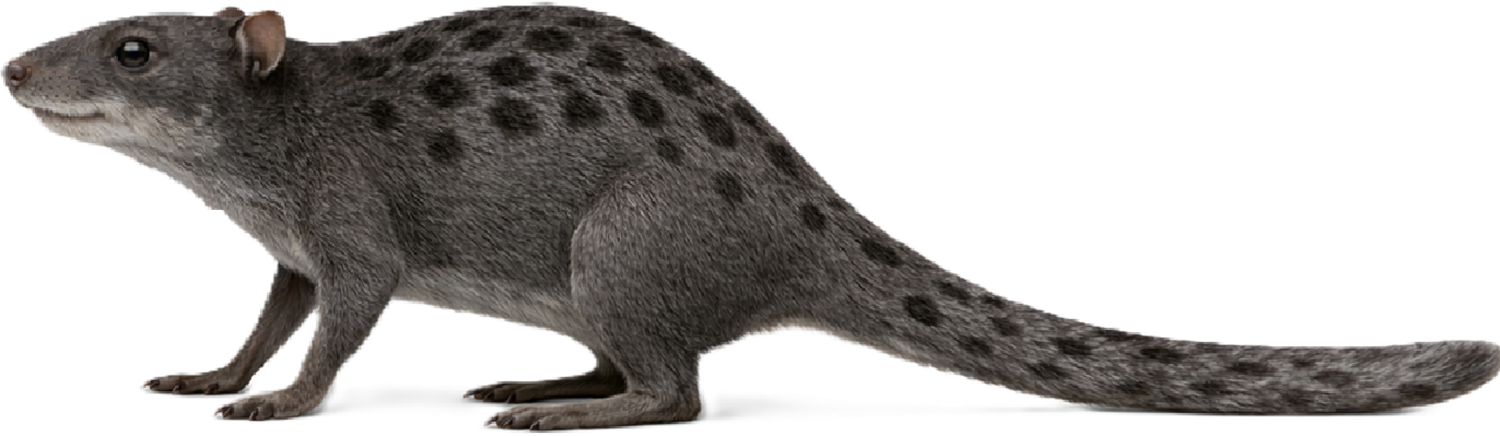
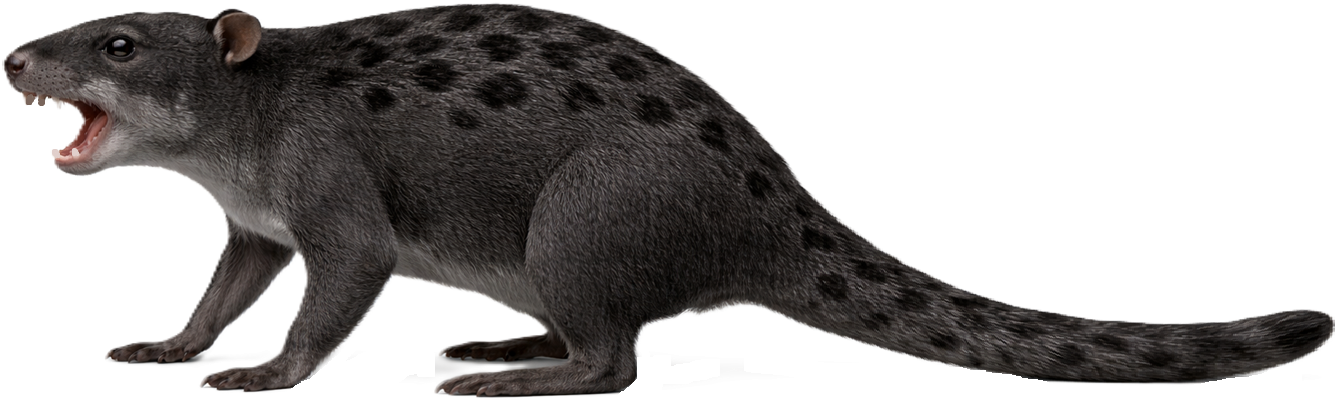
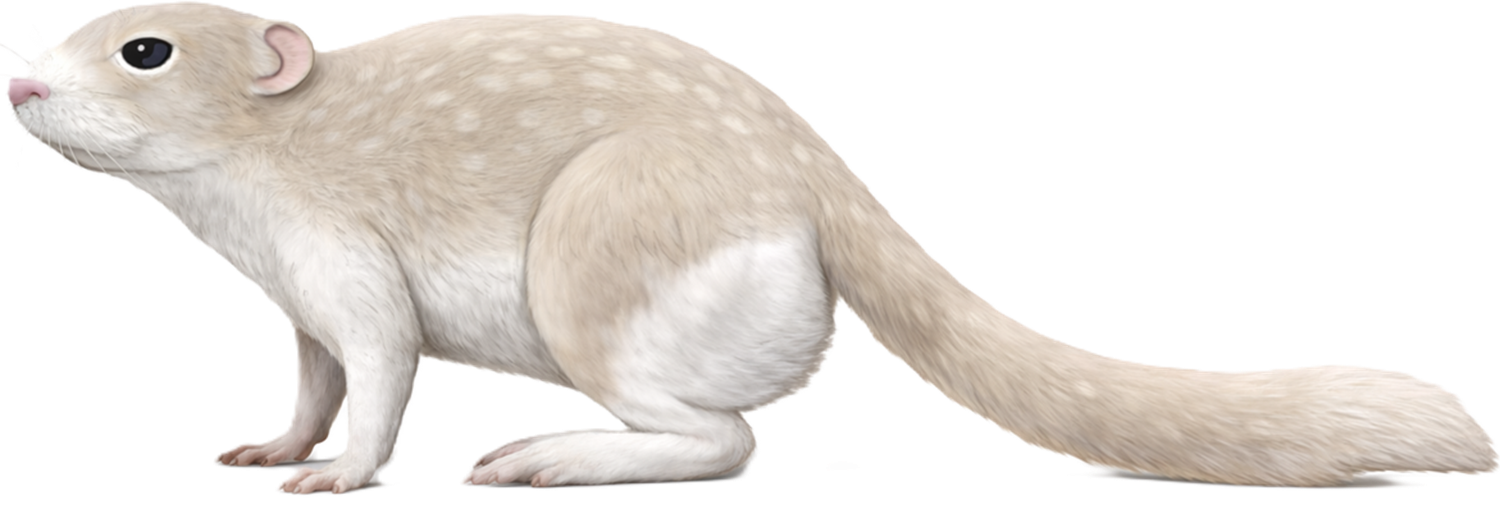
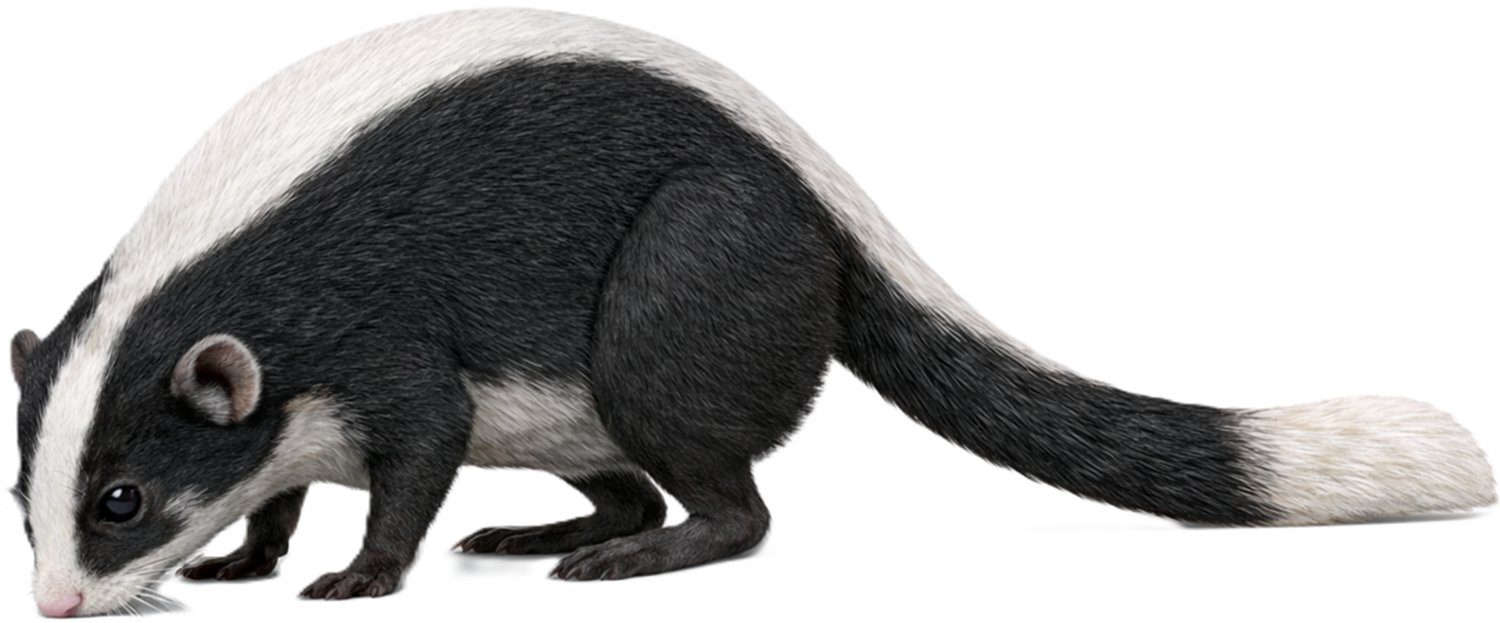
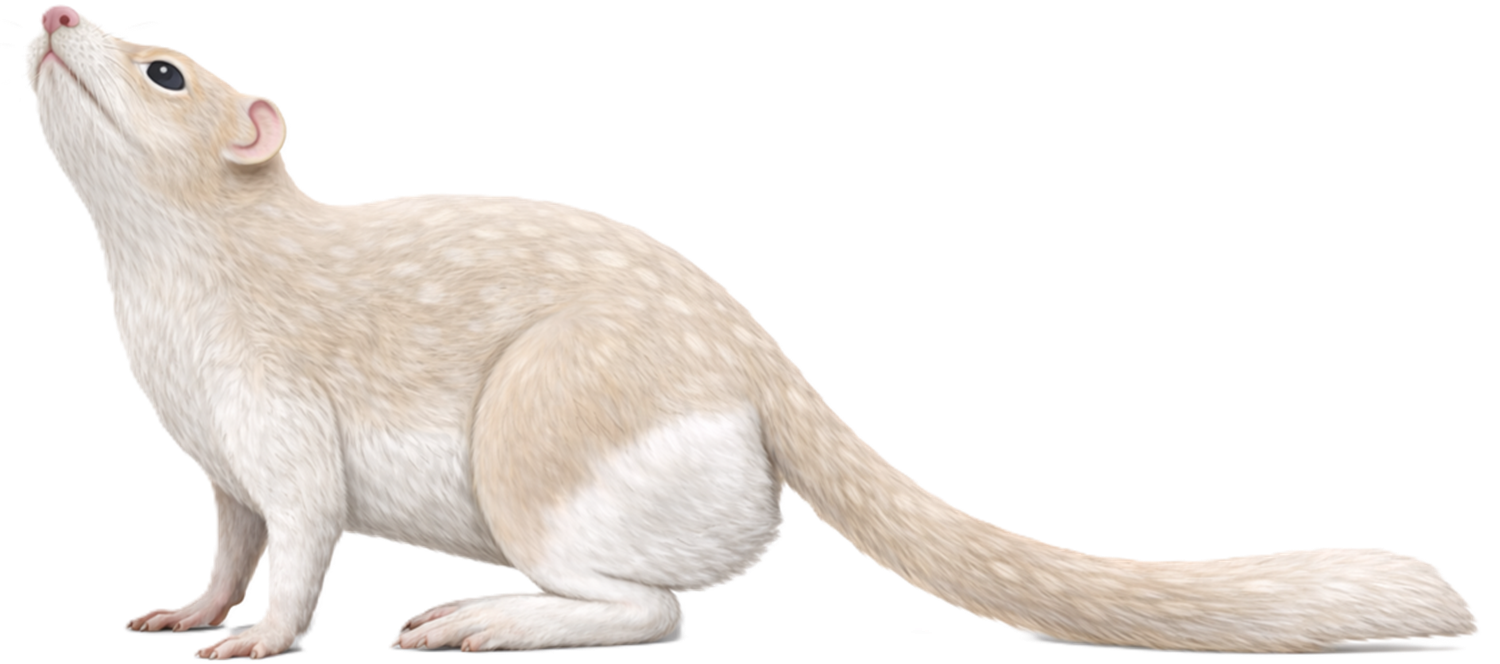
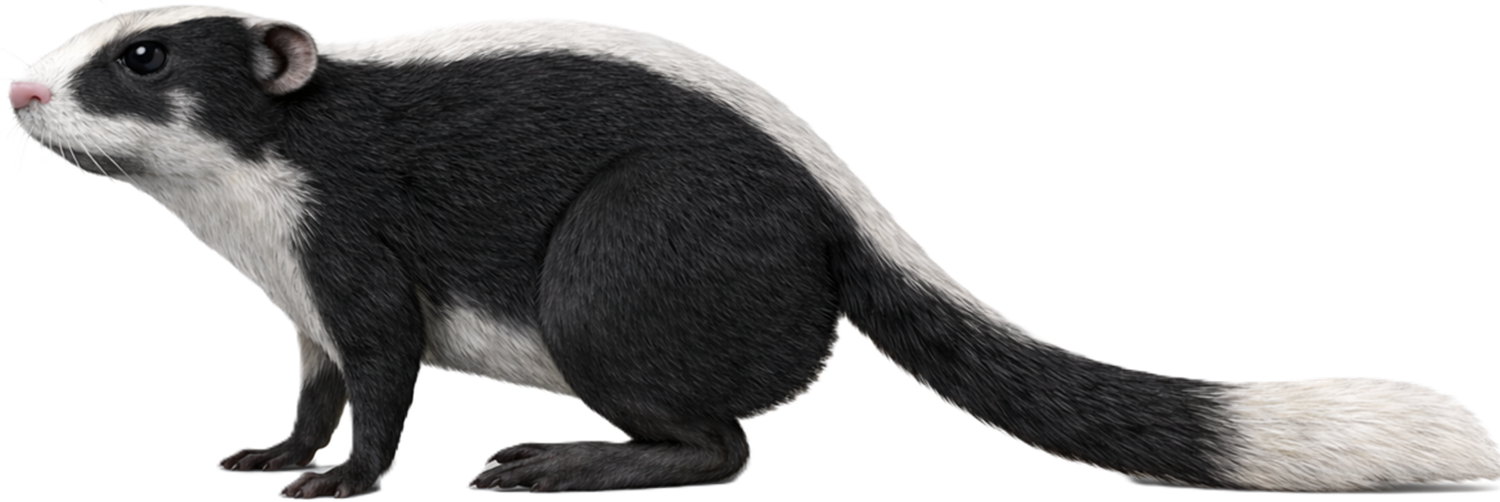
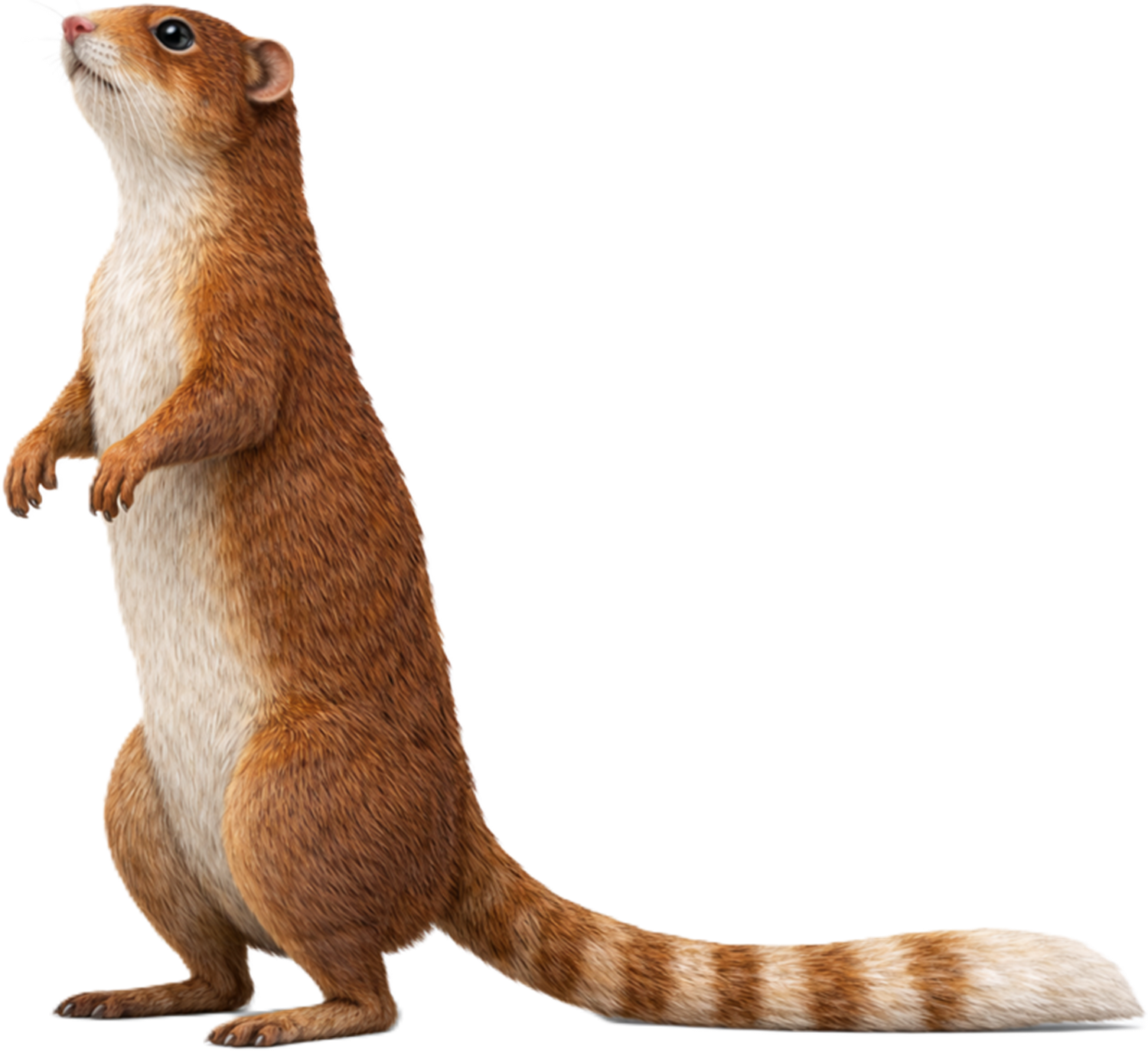
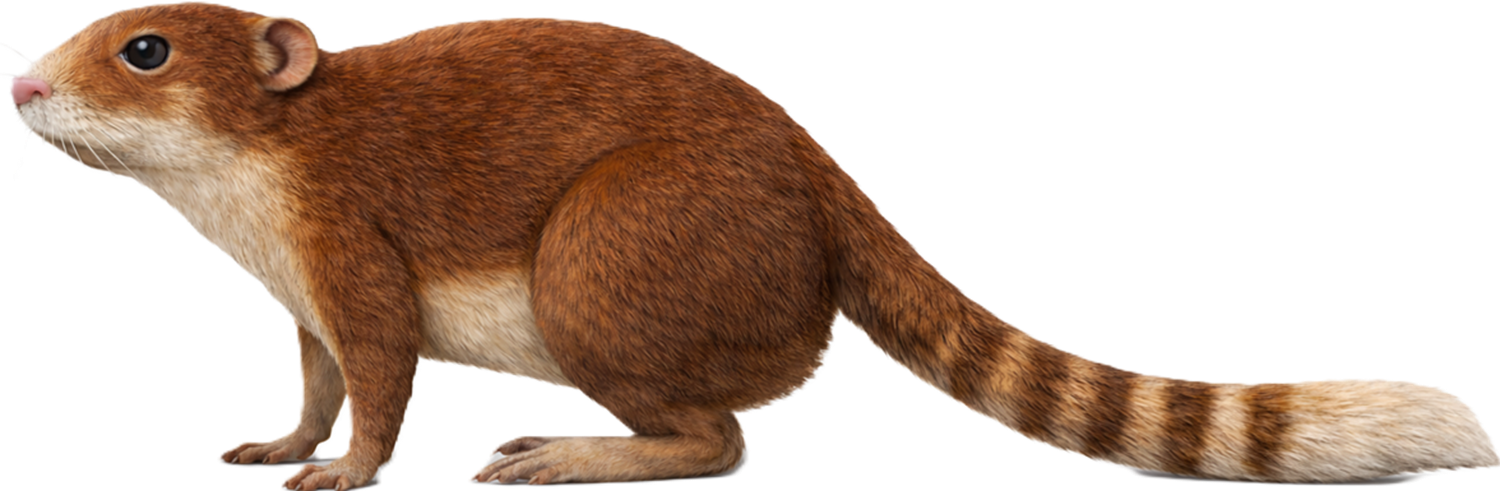

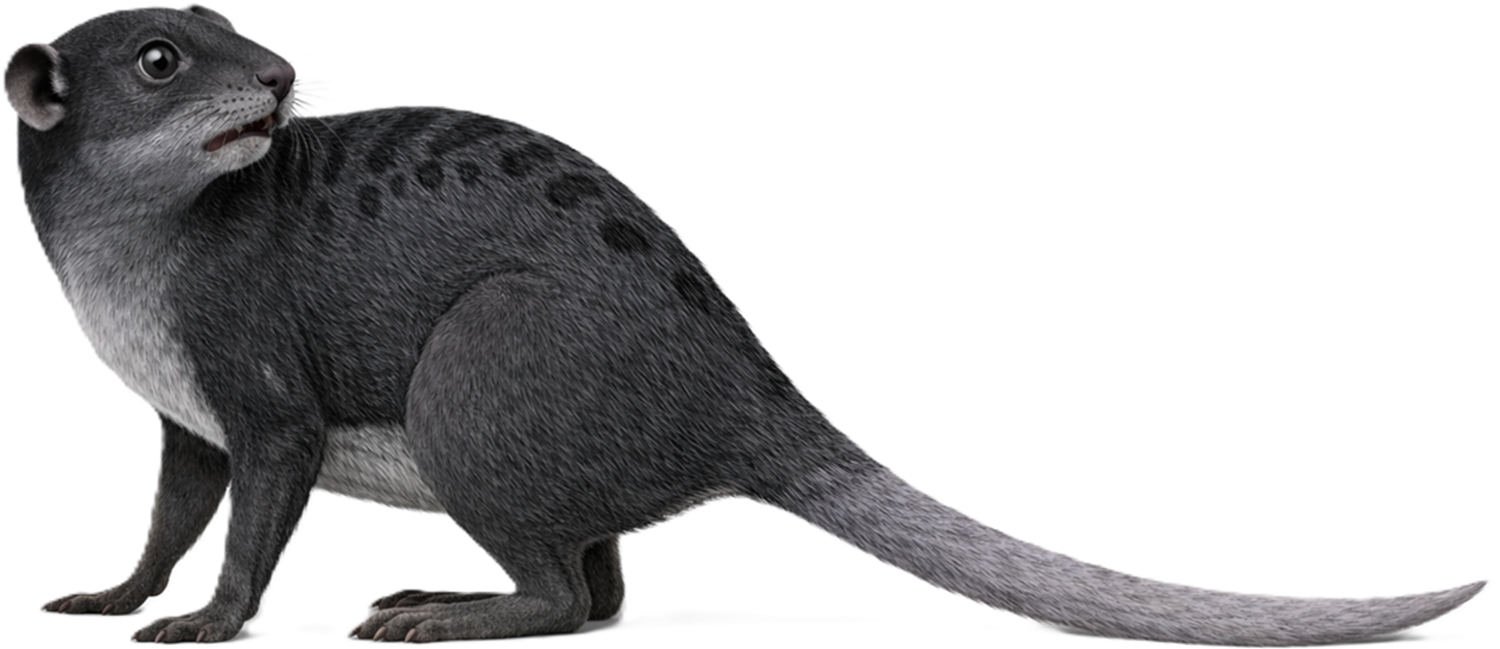

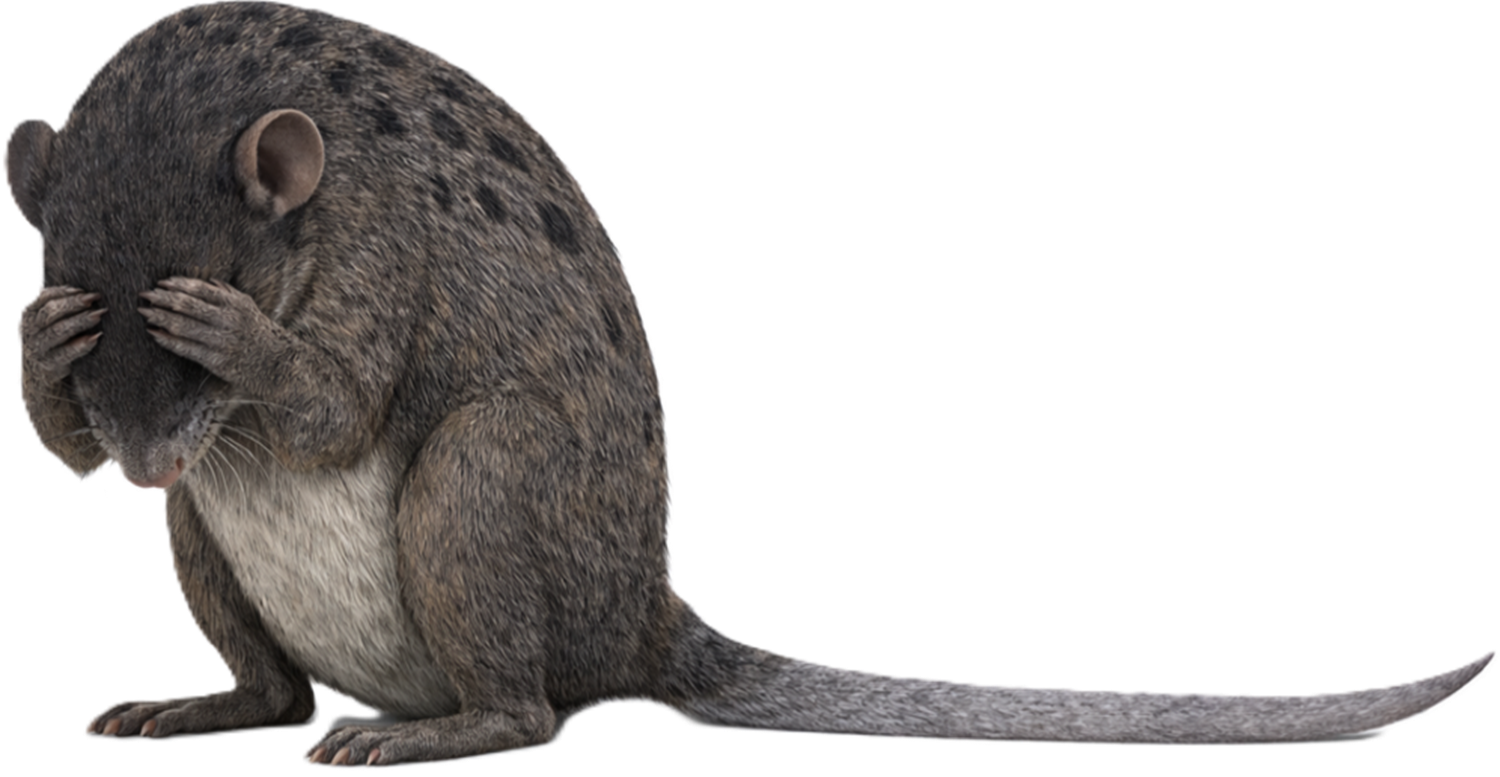
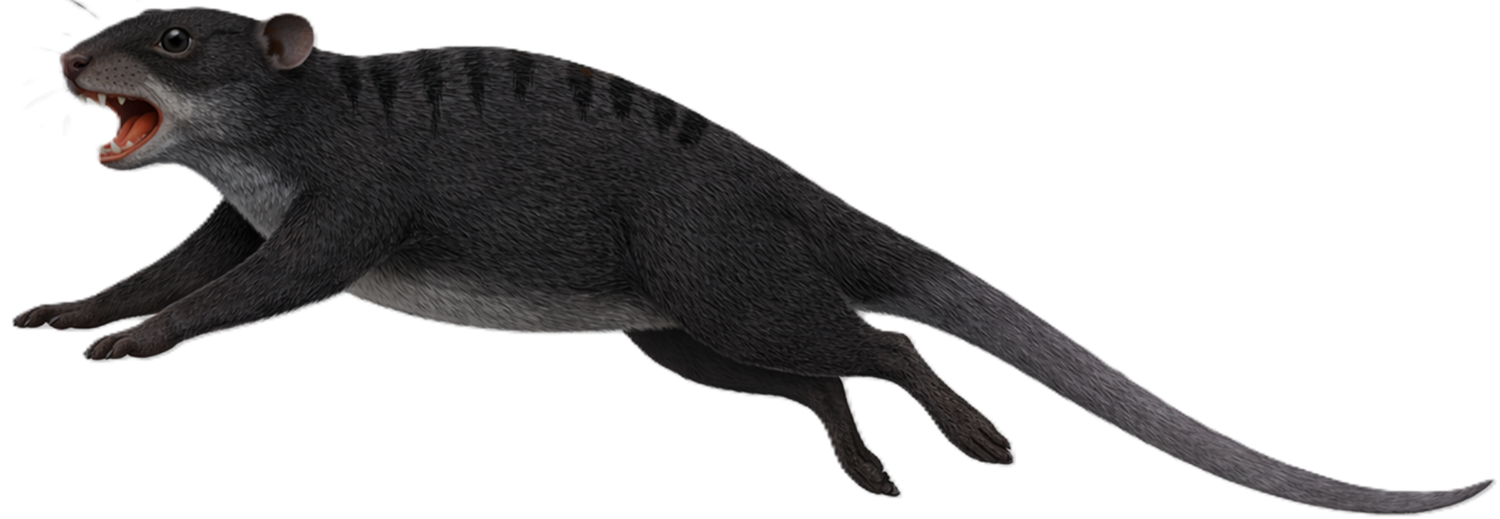
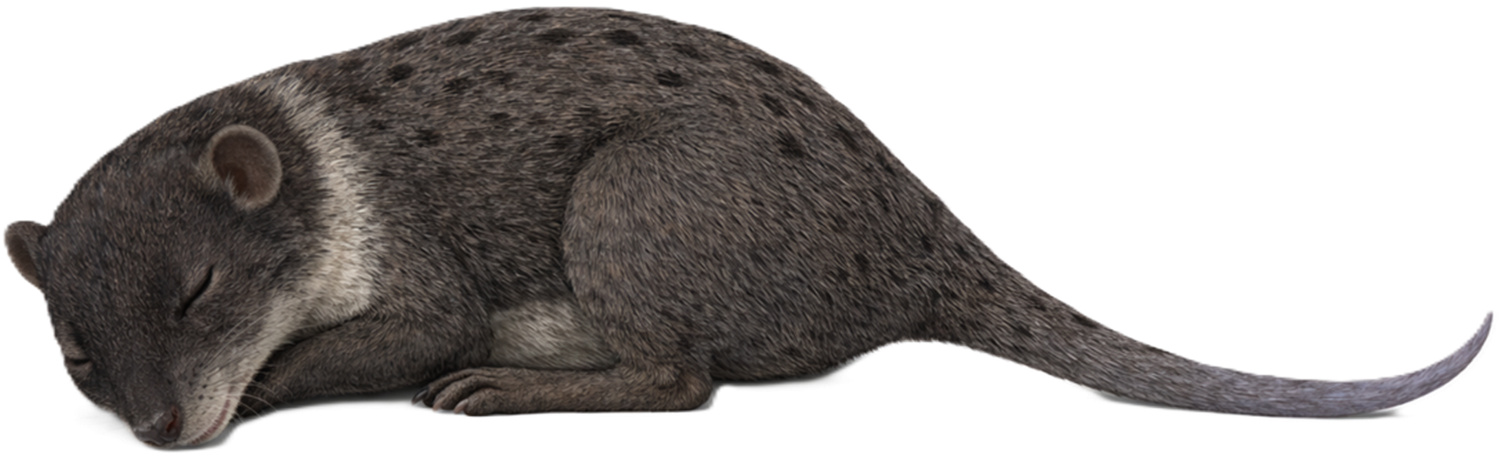
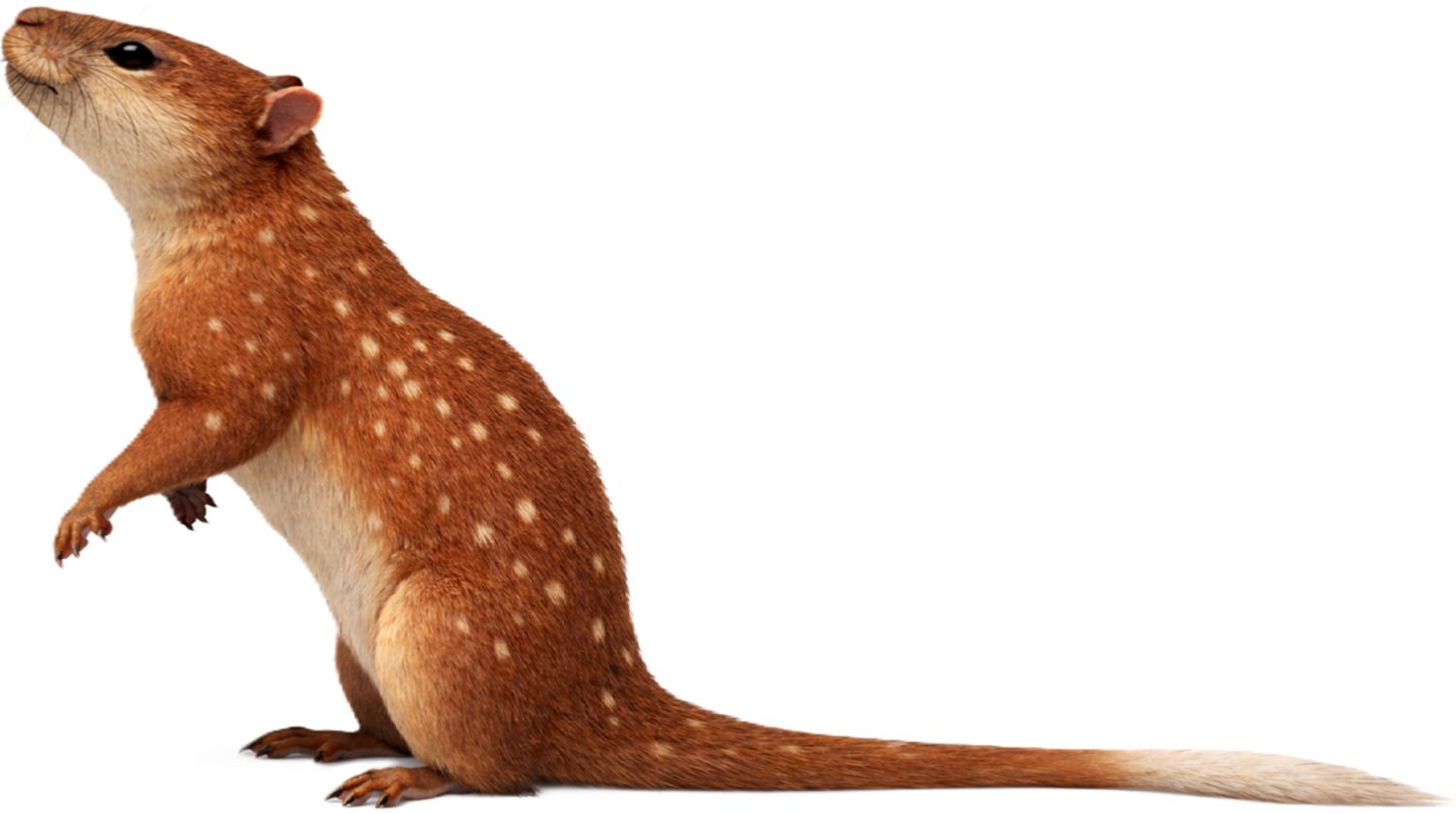
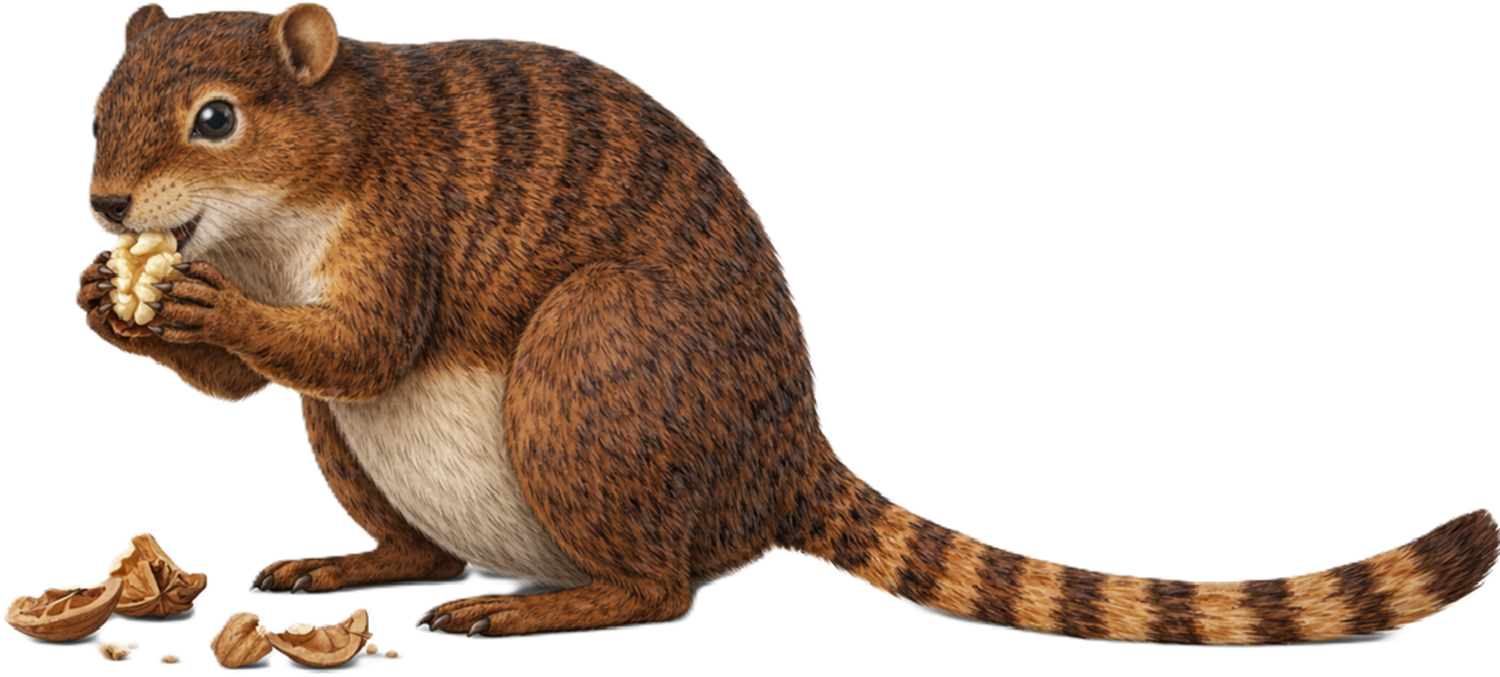

Beuteltiere:
| Bild: | Spezies: | Fundort: | Stratigraphische Position: | Bekanntes Material: | Bemerkungen: |
|---|---|---|---|---|---|
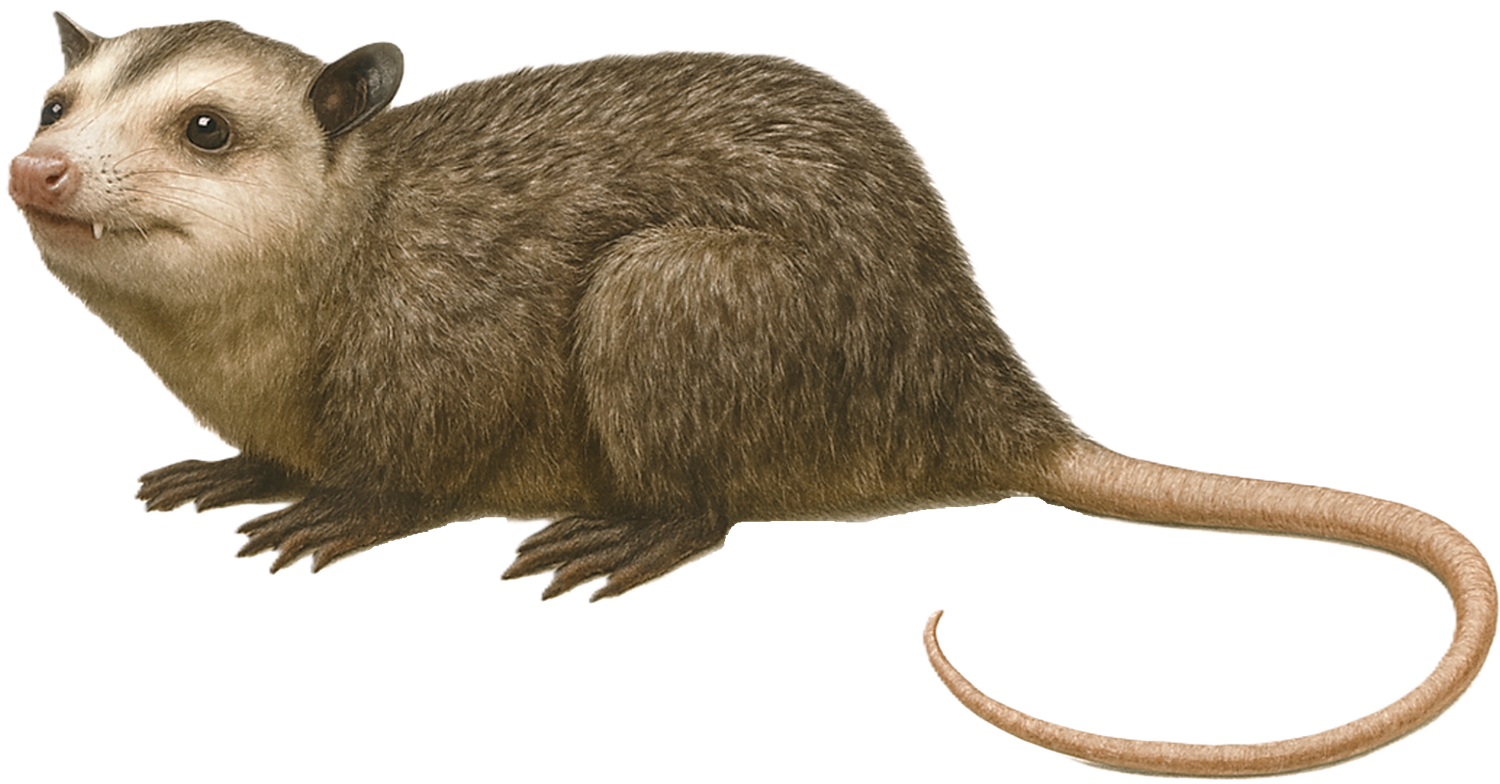 |
Alphadon cf. marshi483Kielan-Jaworowska, Z., Cifelli, R. L. & Luo, Z.-X. (2004). Mammals from the Age of Dinosaurs – Origins, Evolution, and Structure. Columbia University Press, 98-99. doi:10.7312/kiel11918 | Montana, South Dakota | Hell Creek Formation | — | Alphadontidae |
|
|
Alphadon cf. wilsoni484Kielan-Jaworowska, Z., Cifelli, R. L. & Luo, Z.-X. (2004). Mammals from the Age of Dinosaurs – Origins, Evolution, and Structure. Columbia University Press, 98-99. doi:10.7312/kiel11918 | Montana | Hell Creek Formation | — | Alphadontidae |
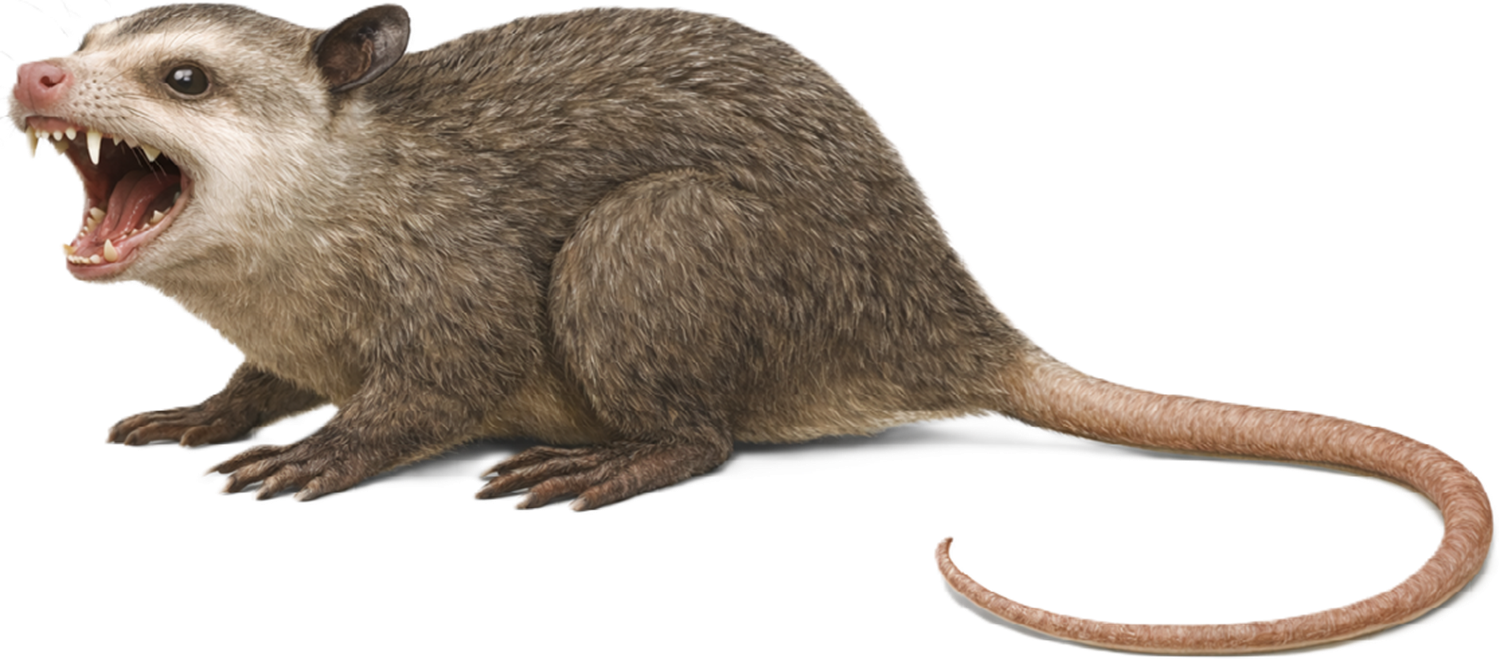 |
Alphadon marshi485Kielan-Jaworowska, Z., Cifelli, R. L. & Luo, Z.-X. (2004). Mammals from the Age of Dinosaurs – Origins, Evolution, and Structure. Columbia University Press, 98-99. doi:10.7312/kiel11918486Clemens, W. A. (1964). Fossil mammals of the type Lance Formation, Wyoming – Part I. Introduction and Marsupialia. University of California Publications in Geological Sciences, 48, 1–105. | Montana, North Dakota, South Dakota, Wyoming | Hell Creek Formation; Lance Formation | 30 Exemplare | Alphadontidae |
|
|
Alphadon wilsoni487Kielan-Jaworowska, Z., Cifelli, R. L. & Luo, Z.-X. (2004). Mammals from the Age of Dinosaurs – Origins, Evolution, and Structure. Columbia University Press, 98-99. doi:10.7312/kiel11918 | Montana | Hell Creek Formation | 3 Exemplare | Alphadontidae |
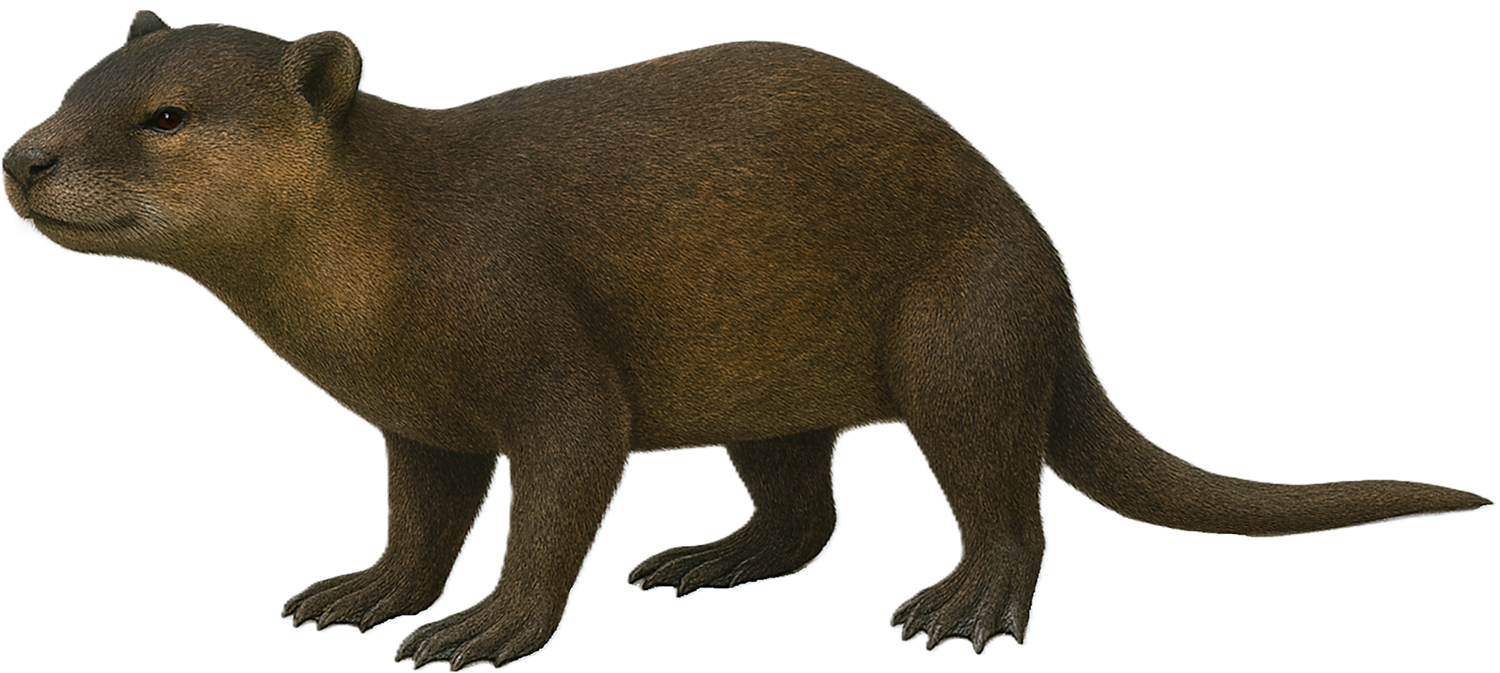 |
Didelphodon cf. vorax488Kielan-Jaworowska, Z., Cifelli, R. L. & Luo, Z.-X. (2004). Mammals from the Age of Dinosaurs – Origins, Evolution, and Structure. Columbia University Press, 98-99. doi:10.7312/kiel11918 | South Dakota | Hell Creek Formation | — | Stagodontidae |
|
|
Didelphodon padanicus489Kielan-Jaworowska, Z., Cifelli, R. L. & Luo, Z.-X. (2004). Mammals from the Age of Dinosaurs – Origins, Evolution, and Structure. Columbia University Press, 98-99. doi:10.7312/kiel11918 | South Dakota | Hell Creek Formation | 20 Exemplare | Stagodontidae |
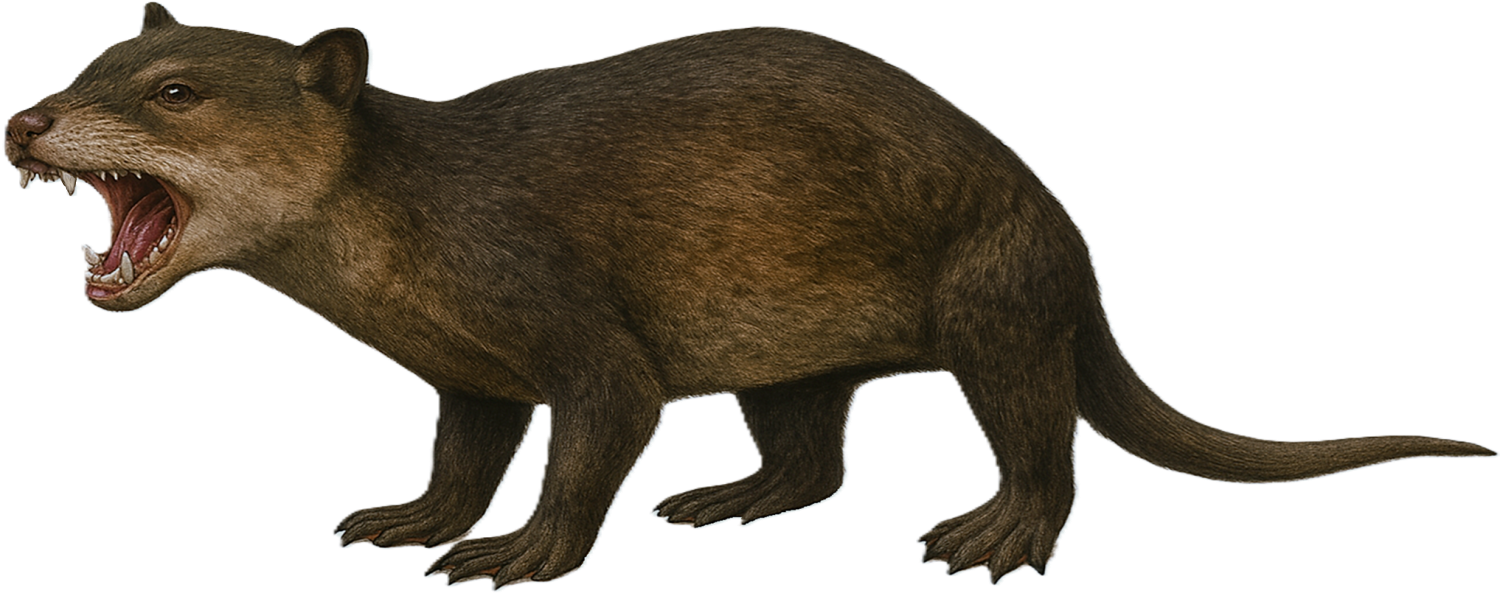 |
Didelphodon vorax490Kielan-Jaworowska, Z., Cifelli, R. L. & Luo, Z.-X. (2004). Mammals from the Age of Dinosaurs – Origins, Evolution, and Structure. Columbia University Press, 98-99. doi:10.7312/kiel11918491Clemens, W. A. (1964). Fossil mammals of the type Lance Formation, Wyoming – Part I. Introduction and Marsupialia. University of California Publications in Geological Sciences, 48, 1–105. | Montana, North Dakota, South Dakota, Wyoming | Hell Creek Formation; Lance Formation | 72 Exemplare | Stagodontidae |
|
|
Didelphodon sp.492Kielan-Jaworowska, Z., Cifelli, R. L. & Luo, Z.-X. (2004). Mammals from the Age of Dinosaurs – Origins, Evolution, and Structure. Columbia University Press, 98-99. doi:10.7312/kiel11918 | North Dakota, South Dakota | Hell Creek Formation | Mehrere Exemplare | Stagodontidae |
|
|
Glasbius cf. twitchelli493Kielan-Jaworowska, Z., Cifelli, R. L. & Luo, Z.-X. (2004). Mammals from the Age of Dinosaurs – Origins, Evolution, and Structure. Columbia University Press, 98-99. doi:10.7312/kiel11918 | Montana | Hell Creek Formation | — | Glasbiidae |
|
|
Glasbius twitchelli494Kielan-Jaworowska, Z., Cifelli, R. L. & Luo, Z.-X. (2004). Mammals from the Age of Dinosaurs – Origins, Evolution, and Structure. Columbia University Press, 98-99. doi:10.7312/kiel11918 | Montana, North Dakota | Hell Creek Formation | 20 Exemplare | Glasbiidae |
|
|
Leptalestes cooki495Kielan-Jaworowska, Z., Cifelli, R. L. & Luo, Z.-X. (2004). Mammals from the Age of Dinosaurs – Origins, Evolution, and Structure. Columbia University Press, 98-99. doi:10.7312/kiel11918496Clemens, W. A. (1964). Fossil mammals of the type Lance Formation, Wyoming – Part I. Introduction and Marsupialia. University of California Publications in Geological Sciences, 48, 1–105. | Montana, South Dakota, Wyoming | Hell Creek Formation; Lance Formation | 22 Exemplare | Pediomyidae |
|
|
Leptalestes krejcii497Kielan-Jaworowska, Z., Cifelli, R. L. & Luo, Z.-X. (2004). Mammals from the Age of Dinosaurs – Origins, Evolution, and Structure. Columbia University Press, 98-99. doi:10.7312/kiel11918498Archibald, J. D., Zhang, Y., Harper, T. & Cifelli, R. L. (2011). Protungulatum, confirmed Cretaceous occurrence of an otherwise Paleocene eutherian (placental?) mammal. Journal of Mammalian Evolution, 18(3), 153–161. doi:10.1007/s10914-011-9162-1499Clemens, W. A. (1964). Fossil mammals of the type Lance Formation, Wyoming – Part I. Introduction and Marsupialia. University of California Publications in Geological Sciences, 48, 1–105. | Montana, South Dakota, Wyoming | Hell Creek Formation; Lance Formation | 23 Exemplare | Pediomyidae |
|
|
Nanocuris improvida500Wilson, G. P. (2013). Mammals across the K/Pg boundary in northeastern Montana, U.S.A. – dental morphology and body-size patterns reveal extinction selectivity and immigrant-fueled ecospace filling. Paleobiology, 39(3), 429–469. doi:10.1666/12041 | Wyoming | Hell Creek Formation; Lance Formation | 2 Exemplare | Deltatheridiidae |
|
|
Nortedelphys jasoni501Wilson, G. P. (2013). Mammals across the K/Pg boundary in northeastern Montana, U.S.A. – dental morphology and body-size patterns reveal extinction selectivity and immigrant-fueled ecospace filling. Paleobiology, 39(3), 429–469. doi:10.1666/12041502Williamson, T. E. et al. (2012). The phylogeny and evolution of Cretaceous–Palaeogene metatherians – cladistic analysis and description of new early Palaeocene specimens from the Nacimiento Formation, New Mexico. Journal of Systematic Palaeontology, 10(4), 625–651. doi:10.1080/14772019.2011.631592503Clemens, W. A. (1964). Fossil mammals of the type Lance Formation, Wyoming – Part I. Introduction and Marsupialia. University of California Publications in Geological Sciences, 48, 1–105. | Montana, South Dakota, Wyoming | Hell Creek Formation; Lance Formation | 13 Exemplare | Herpetotheriidae |
|
|
Pediomys elegans504Kielan-Jaworowska, Z., Cifelli, R. L. & Luo, Z.-X. (2004). Mammals from the Age of Dinosaurs – Origins, Evolution, and Structure. Columbia University Press, 98-99. doi:10.7312/kiel11918505Clemens, W. A. (1964). Fossil mammals of the type Lance Formation, Wyoming – Part I. Introduction and Marsupialia. University of California Publications in Geological Sciences, 48, 1–105. | Montana, South Dakota, Wyoming | Hell Creek Formation; Lance Formation | 35 Exemplare | Pediomyidae |
|
|
Protalphadon foxi506Kielan-Jaworowska, Z., Cifelli, R. L. & Luo, Z.-X. (2004). Mammals from the Age of Dinosaurs – Origins, Evolution, and Structure. Columbia University Press, 98-99. doi:10.7312/kiel11918 | Montana | Hell Creek Formation | 1 Exemplar | Alphadontidae |
|
|
Protalphadon lulli507Kielan-Jaworowska, Z., Cifelli, R. L. & Luo, Z.-X. (2004). Mammals from the Age of Dinosaurs – Origins, Evolution, and Structure. Columbia University Press, 98-99. doi:10.7312/kiel11918508Clemens, W. A. (1964). Fossil mammals of the type Lance Formation, Wyoming – Part I. Introduction and Marsupialia. University of California Publications in Geological Sciences, 48, 1–105. | Montana, South Dakota, Wyoming | Hell Creek Formation; Lance Formation | 11 Exemplare | Alphadontidae; synonym zu Alphadon lulli |
|
|
Protolambda florencae509Kielan-Jaworowska, Z., Cifelli, R. L. & Luo, Z.-X. (2004). Mammals from the Age of Dinosaurs – Origins, Evolution, and Structure. Columbia University Press, 98-99. doi:10.7312/kiel11918510Archibald, J. D., Zhang, Y., Harper, T. & Cifelli, R. L. (2011). Protungulatum, confirmed Cretaceous occurrence of an otherwise Paleocene eutherian (placental?) mammal. Journal of Mammalian Evolution, 18(3), 153–161. doi:10.1007/s10914-011-9162-1511Davis, B. M. (2007). A revision of “pediomyid” marsupials from the Late Cretaceous of North America (PDF). Acta Palaeontologica Polonica, 52(2), 217–256.512Clemens, W. A. (1964). Fossil mammals of the type Lance Formation, Wyoming – Part I. Introduction and Marsupialia. University of California Publications in Geological Sciences, 48, 1–105. | Montana, North Dakota, South Dakota, Wyoming | Hell Creek Formation; Lance Formation | 31 Exemplare | Pediomyidae |
|
|
Protolambda hatcheri513Kielan-Jaworowska, Z., Cifelli, R. L. & Luo, Z.-X. (2004). Mammals from the Age of Dinosaurs – Origins, Evolution, and Structure. Columbia University Press, 98-99. doi:10.7312/kiel11918514Archibald, J. D., Zhang, Y., Harper, T. & Cifelli, R. L. (2011). Protungulatum, confirmed Cretaceous occurrence of an otherwise Paleocene eutherian (placental?) mammal. Journal of Mammalian Evolution, 18(3), 153–161. doi:10.1007/s10914-011-9162-1515Davis, B. M. (2007). A revision of “pediomyid” marsupials from the Late Cretaceous of North America (PDF). Acta Palaeontologica Polonica, 52(2), 217–256.516Clemens, W. A. (1964). Fossil mammals of the type Lance Formation, Wyoming – Part I. Introduction and Marsupialia. University of California Publications in Geological Sciences, 48, 1–105. | Montana, South Dakota, Wyoming | Hell Creek Formation; Lance Formation | 38 Exemplare | Pediomyidae |
|
|
Protolambda mcgilli517Kielan-Jaworowska, Z., Cifelli, R. L. & Luo, Z.-X. (2004). Mammals from the Age of Dinosaurs – Origins, Evolution, and Structure. Columbia University Press, 98-99. doi:10.7312/kiel11918518Archibald, J. D., Zhang, Y., Harper, T. & Cifelli, R. L. (2011). Protungulatum, confirmed Cretaceous occurrence of an otherwise Paleocene eutherian (placental?) mammal. Journal of Mammalian Evolution, 18(3), 153–161. doi:10.1007/s10914-011-9162-1519Davis, B. M. (2007). A revision of “pediomyid” marsupials from the Late Cretaceous of North America (PDF). Acta Palaeontologica Polonica, 52(2), 217–256.520Kelly, T. S. (2014). Preliminary report on the mammals from Lane’s Little Jaw Site Quarry – a latest Cretaceous (earliest Puercan?) local fauna, Hell Creek Formation, southeastern Montana (PDF). Paludicola, 10(1), 50–91. | Montana | Hell Creek Formation | 1 Exemplar | Pediomyidae |
|
|
Turgidodon rhaister521Kielan-Jaworowska, Z., Cifelli, R. L. & Luo, Z.-X. (2004). Mammals from the Age of Dinosaurs – Origins, Evolution, and Structure. Columbia University Press, 98-99. doi:10.7312/kiel11918522Clemens, W. A. (1964). Fossil mammals of the type Lance Formation, Wyoming – Part I. Introduction and Marsupialia. University of California Publications in Geological Sciences, 48, 1–105. | Montana, Wyoming | Hell Creek Formation; Lance Formation | 18 Exemplare | Alphadontidae |
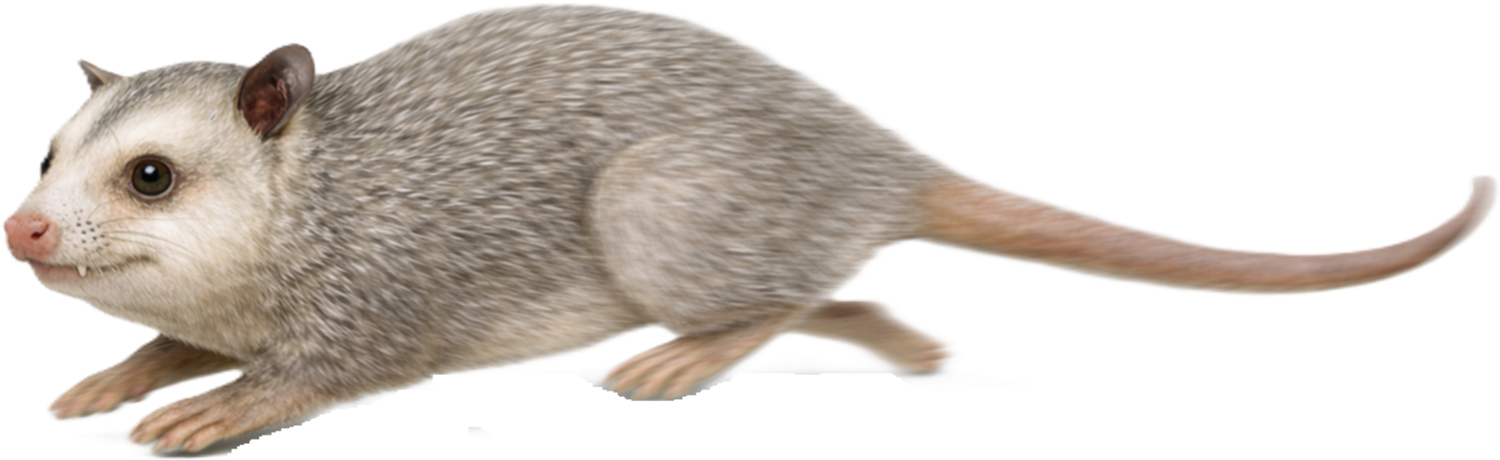
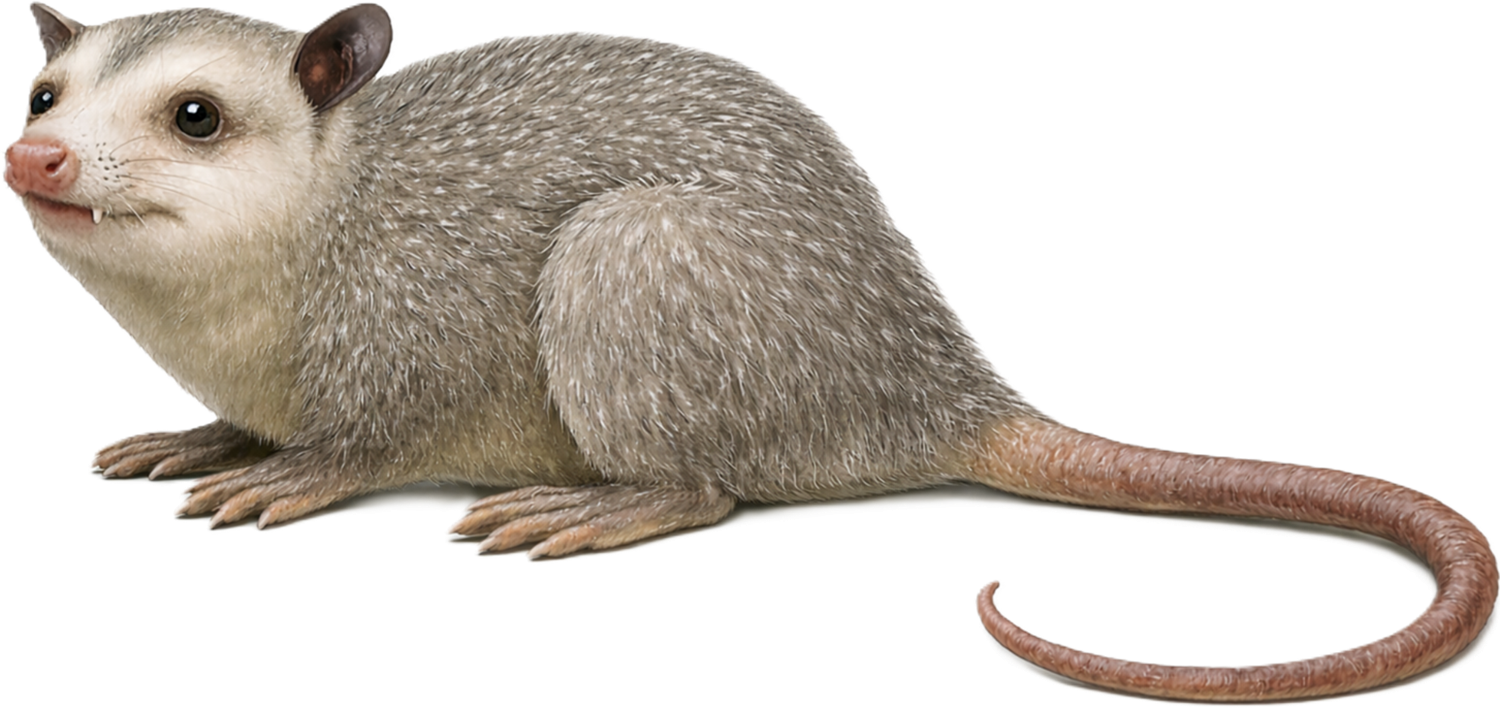
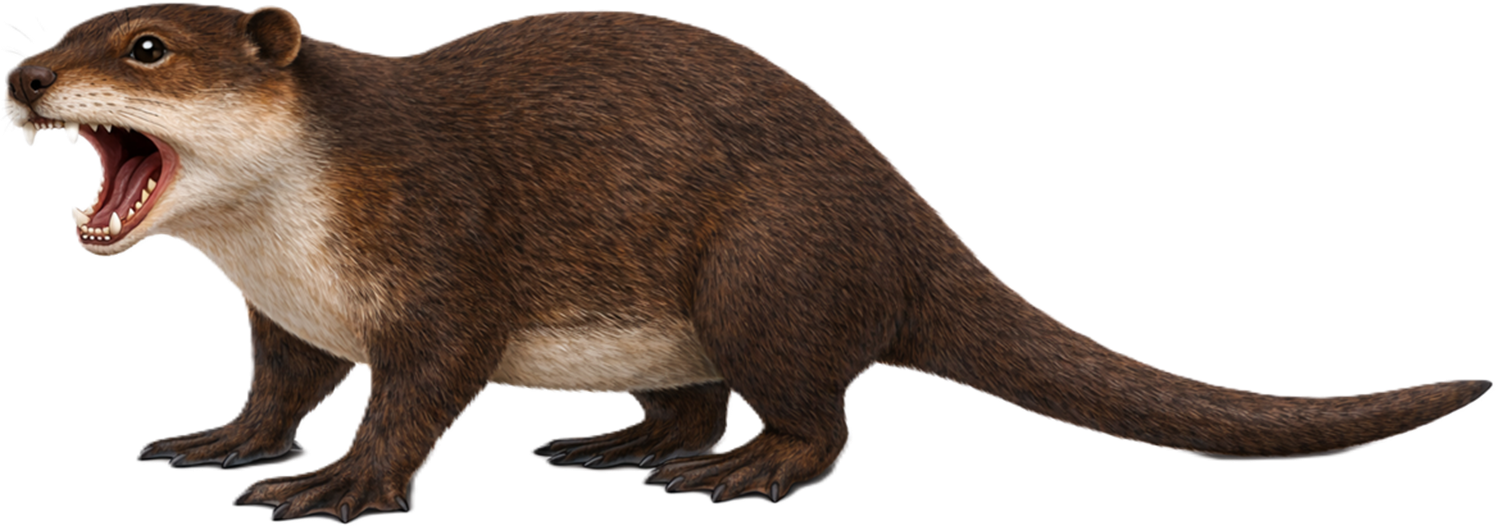
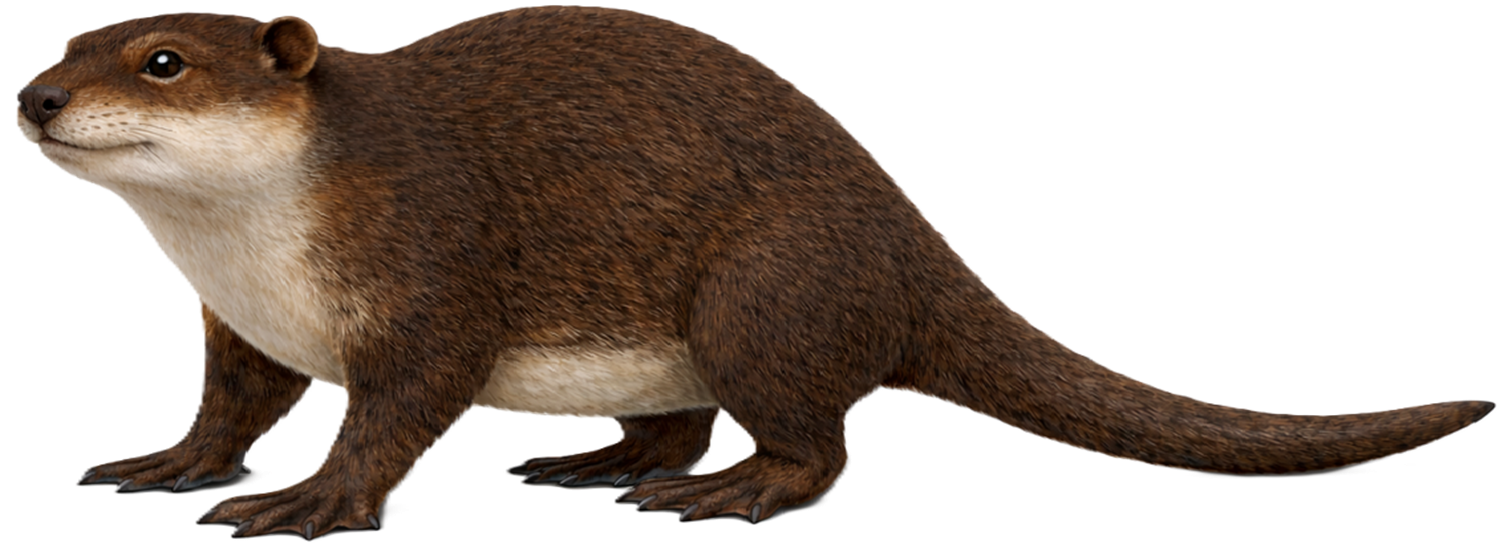
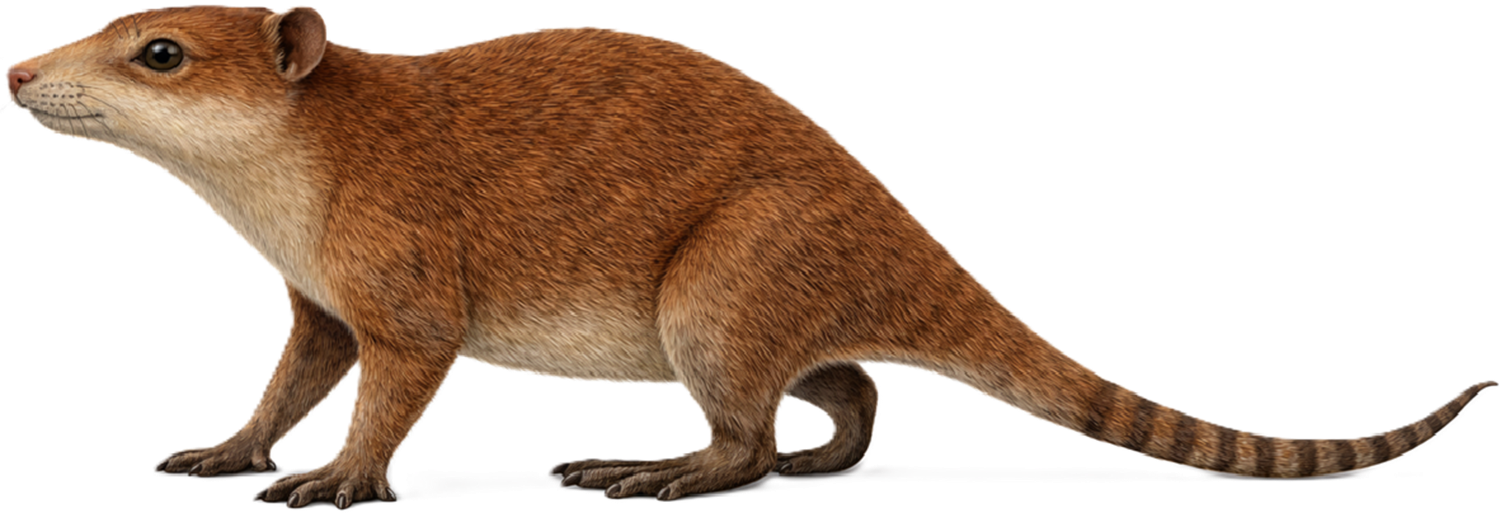
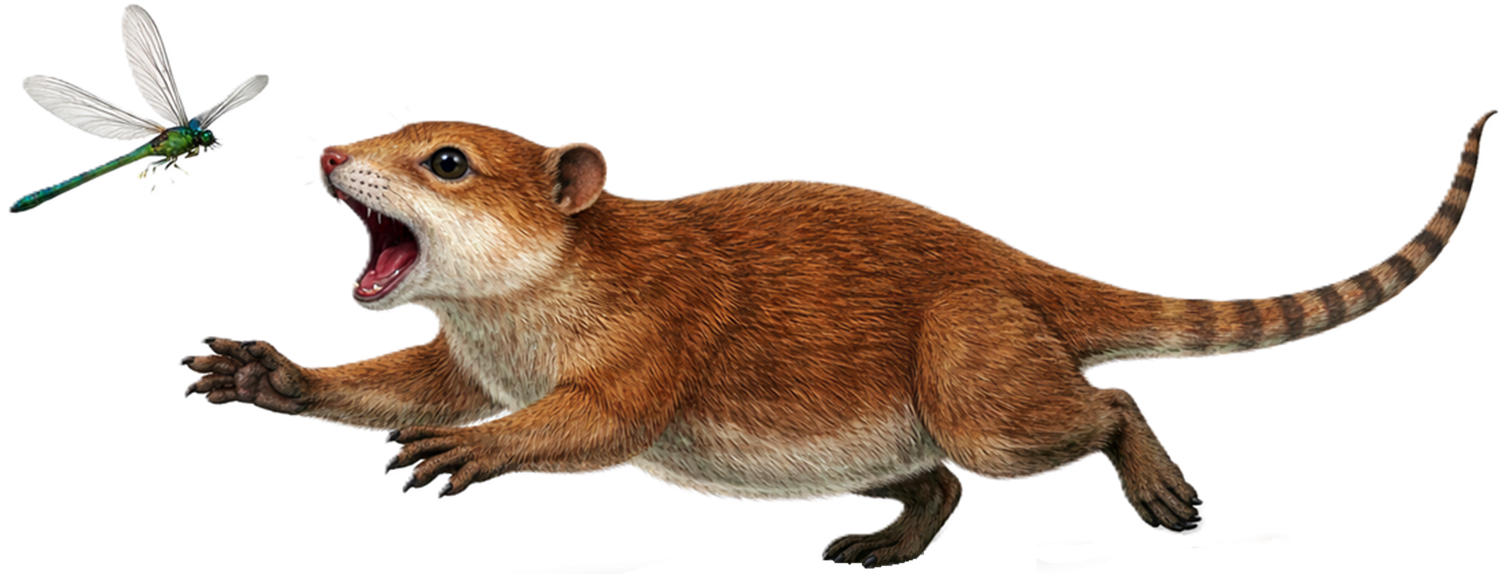
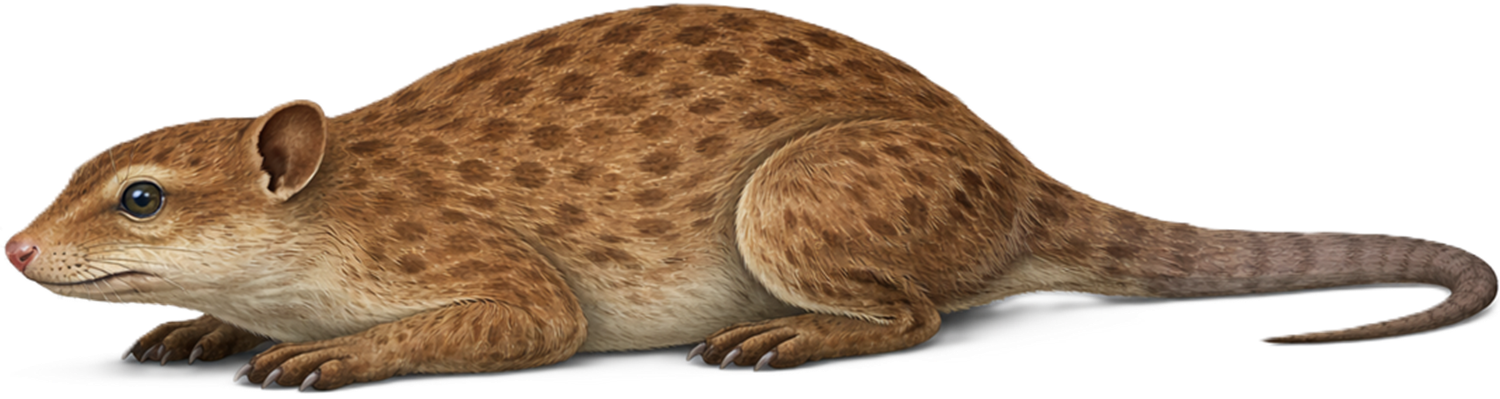
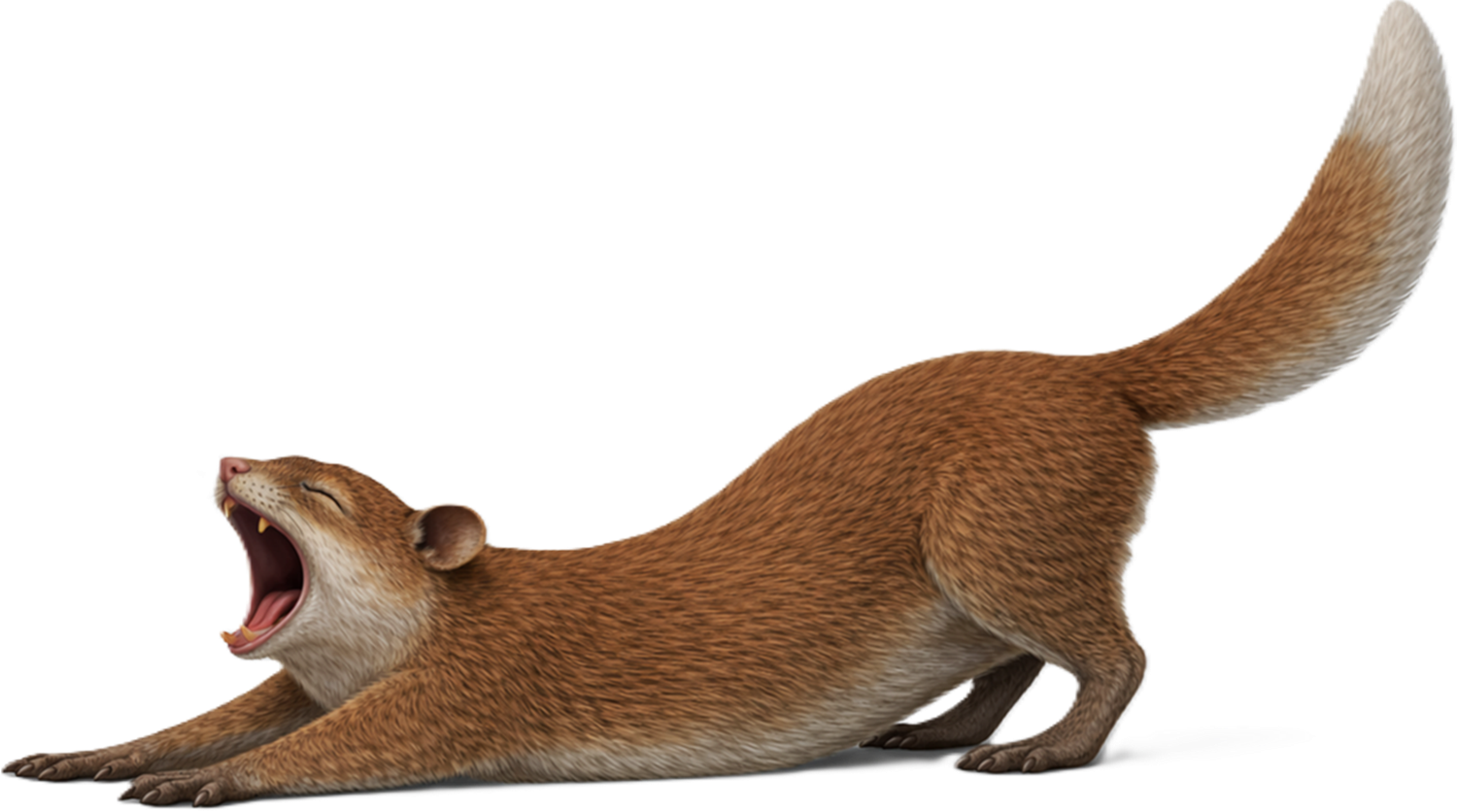
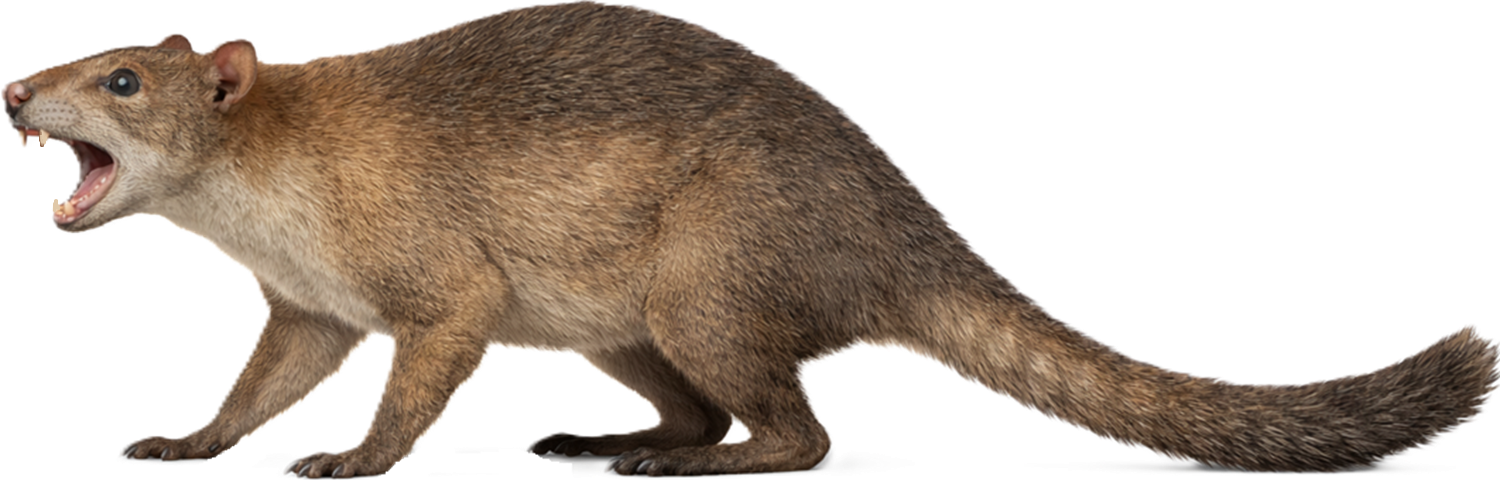
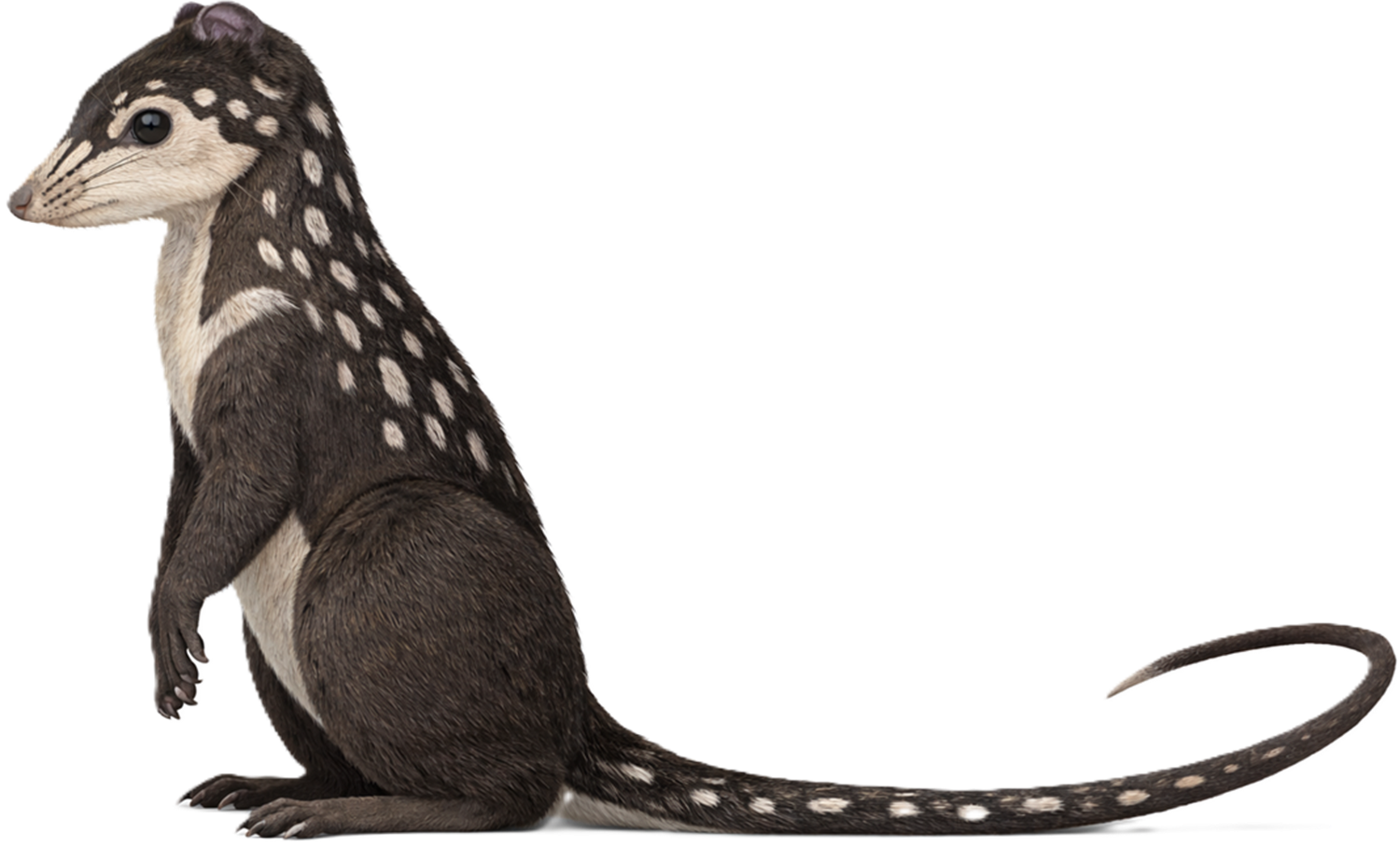
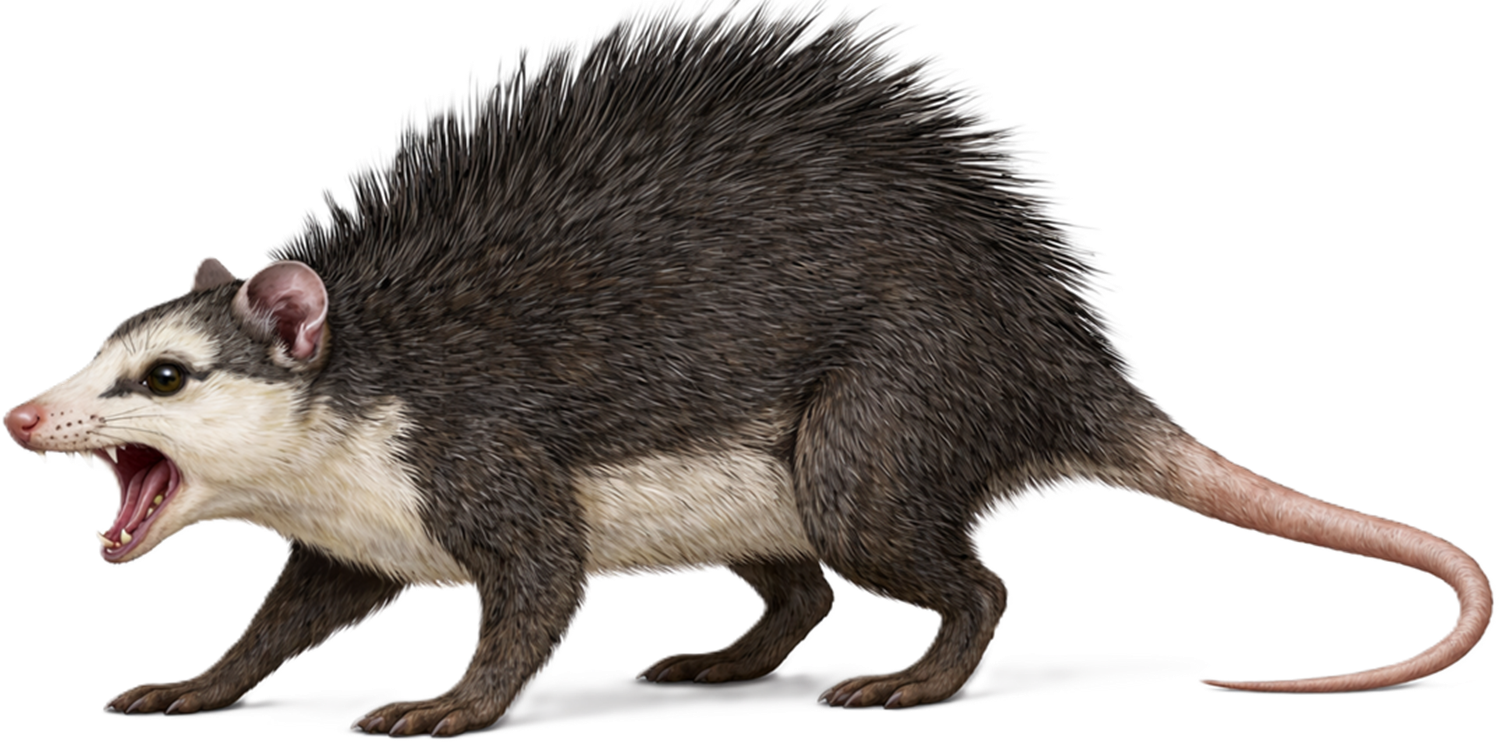
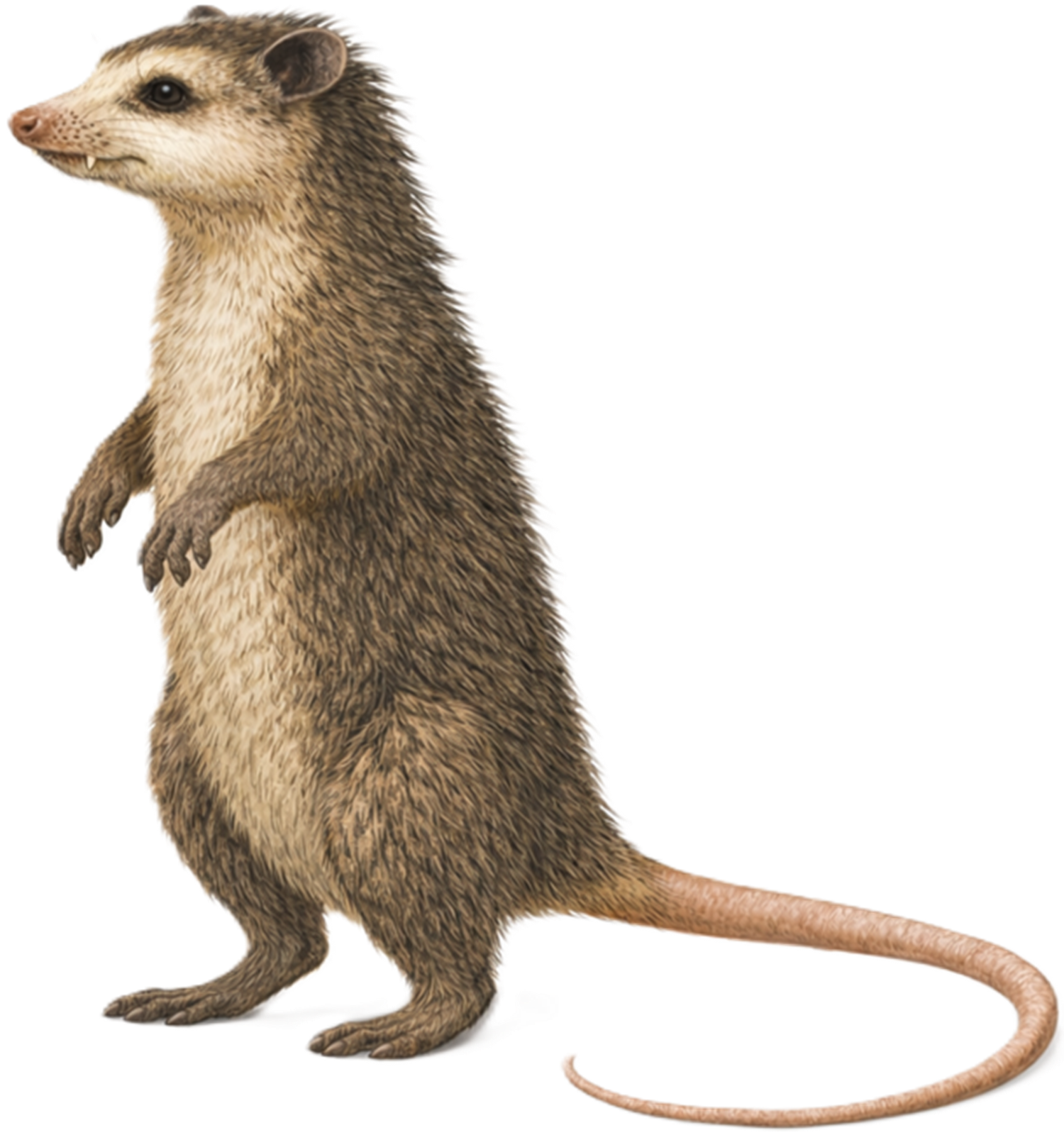
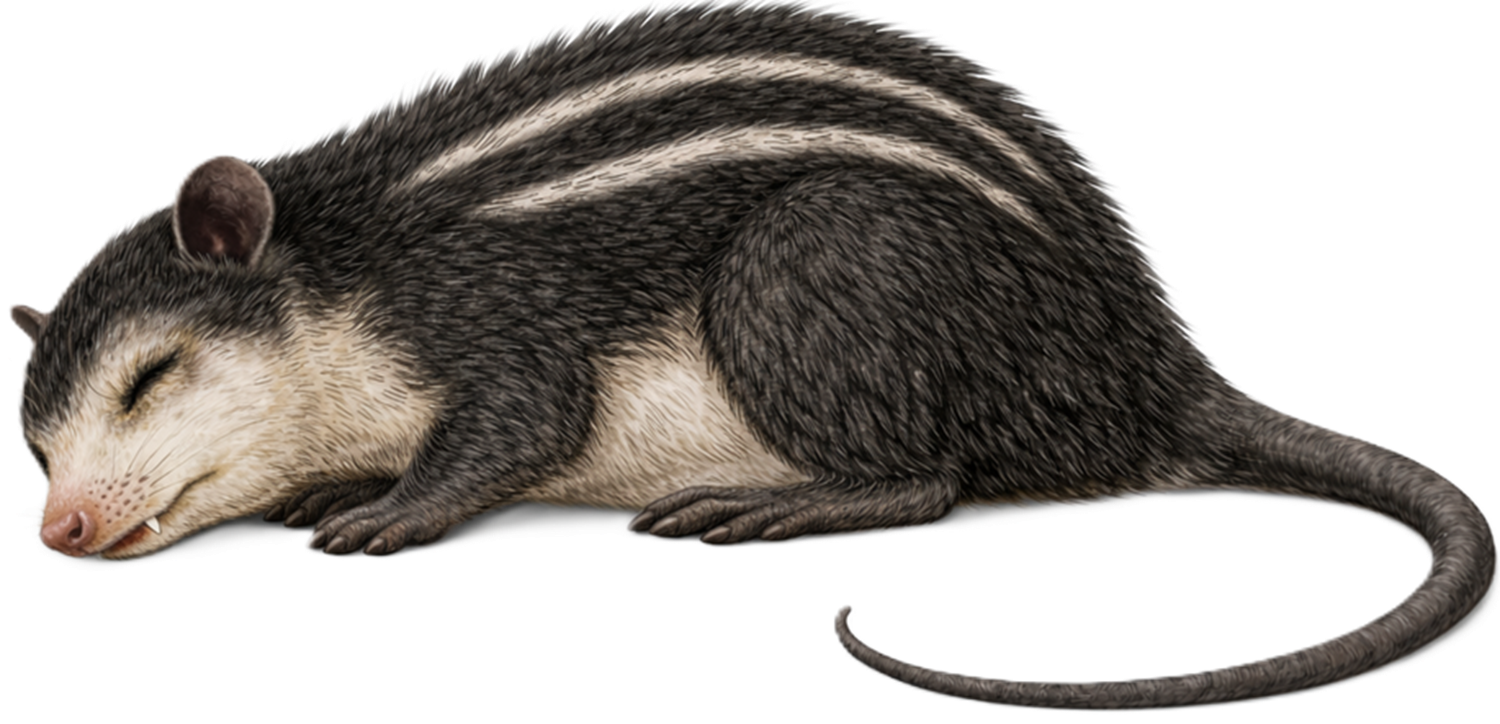
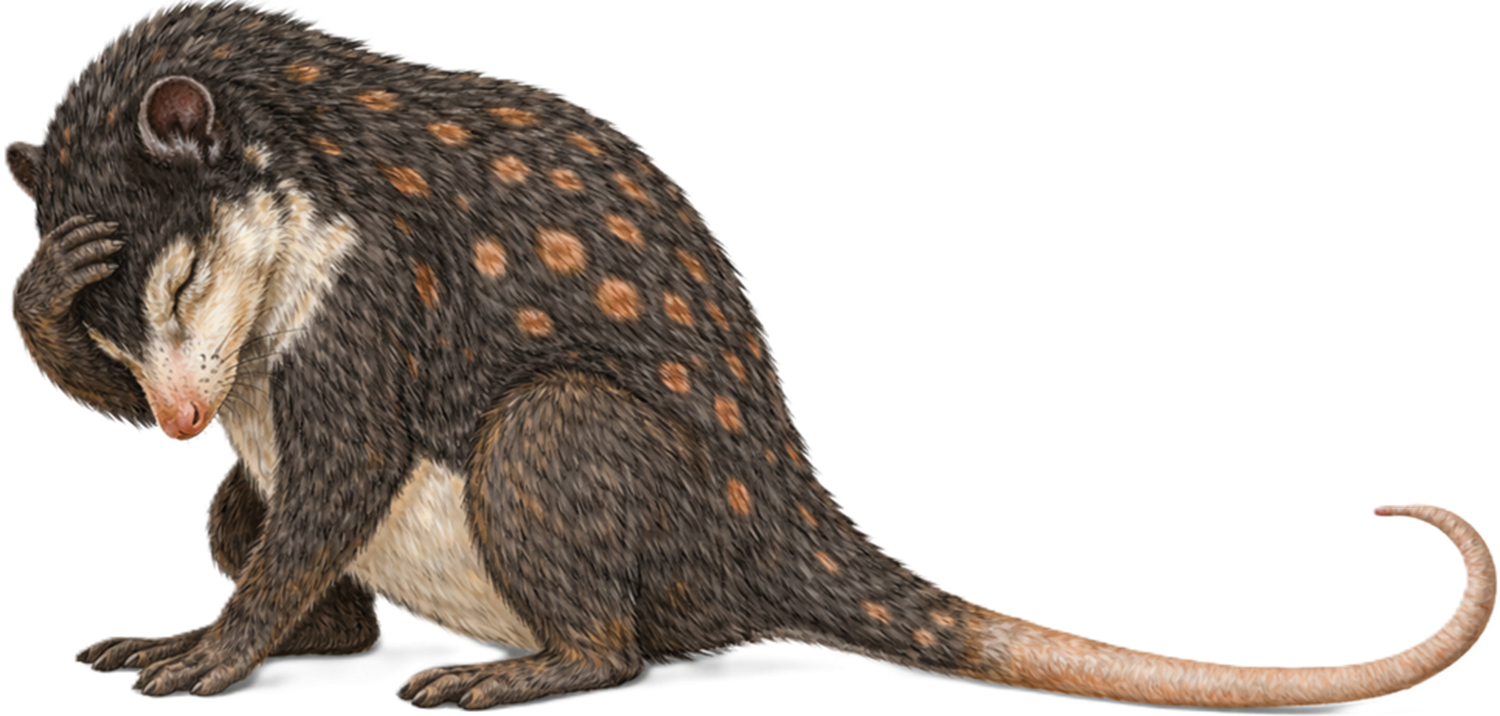
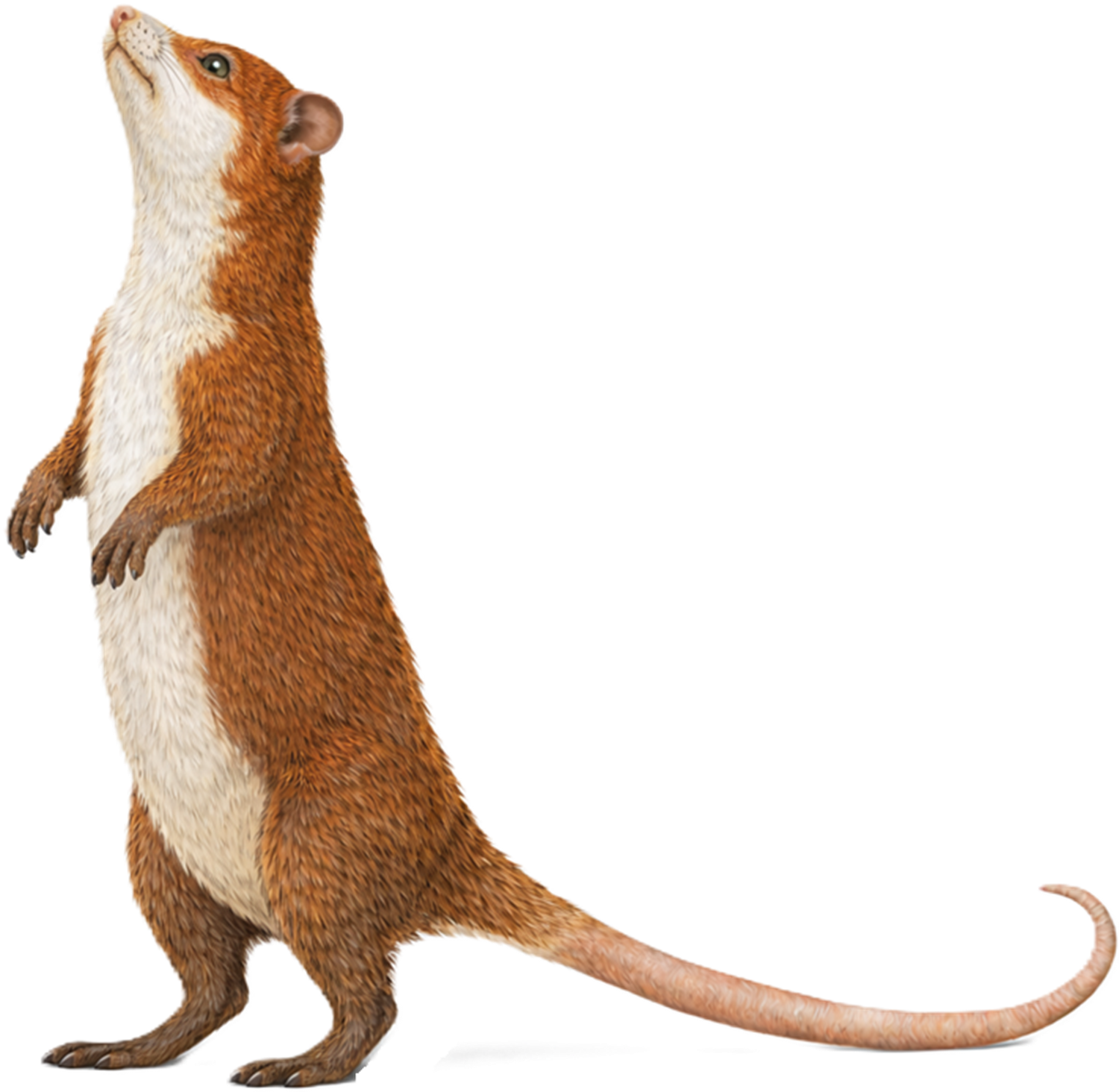
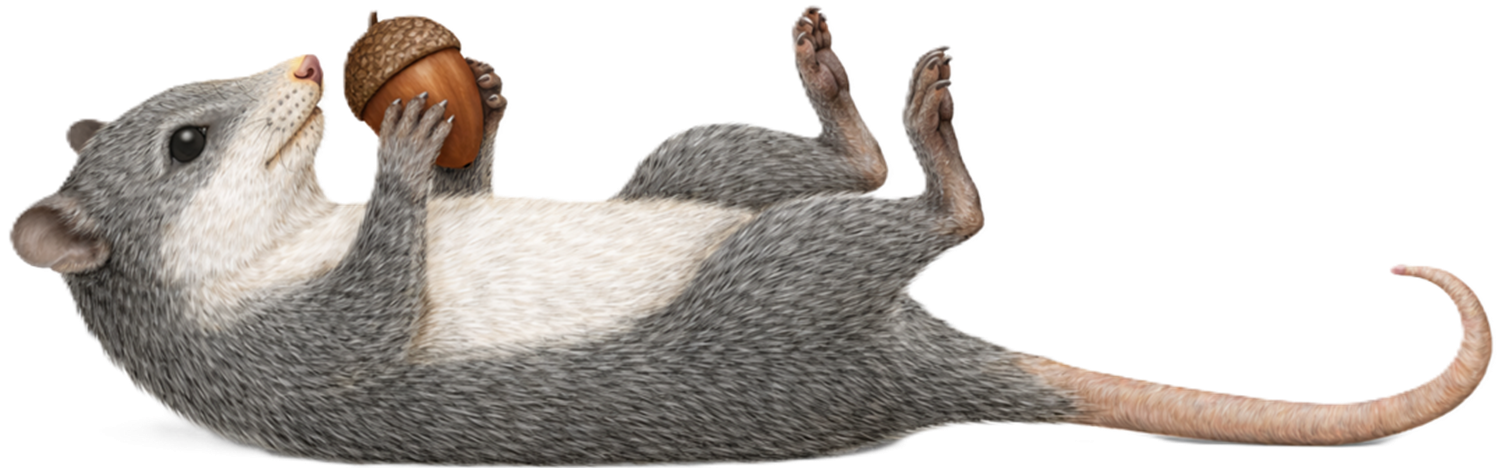
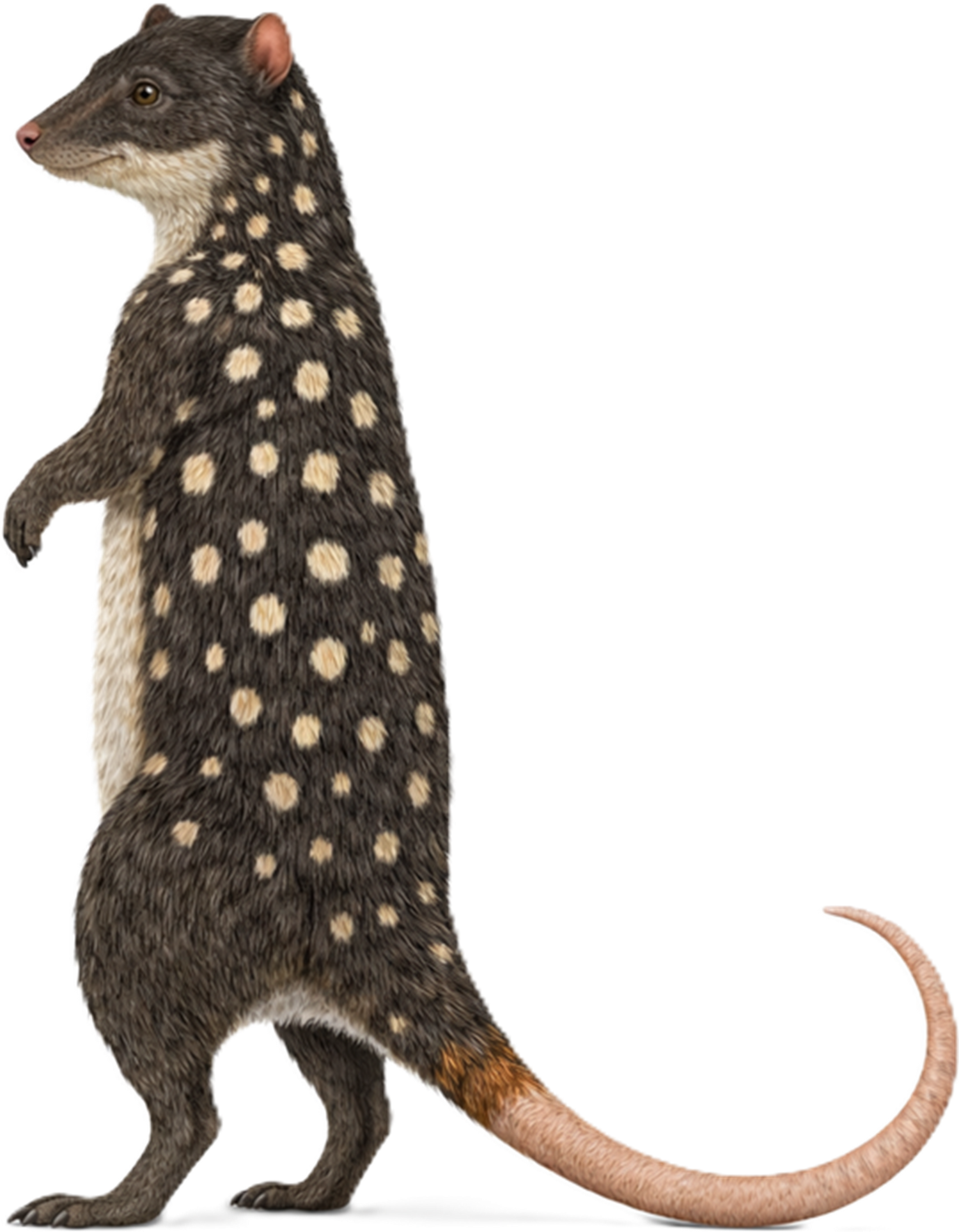

Eutheria:
| Bild: | Spezies: | Fundort: | Stratigraphische Position: | Bekanntes Material: | Bemerkungen: |
|---|---|---|---|---|---|
|
|
Alostera saskatchewanensis523Kielan-Jaworowska, Z., Cifelli, R. L. & Luo, Z.-X. (2004). Mammals from the Age of Dinosaurs – Origins, Evolution, and Structure. Columbia University Press, 98-99. doi:10.7312/kiel11918524Lillegraven, J. A. & McKenna, M. C. (1986). Fossil mammals from the “Mesaverde” Formation (Late Cretaceous, Judithian) of the Bighorn and Wind River basins, Wyoming, with definitions of Late Cretaceous North American Land-Mammal “Ages”. American Museum Novitates, 2840, 1–68. | Montana, Wyoming | Hell Creek Formation; Lance Formation | 7 Exemplare | Eutheria, unklare Verwandtschaft |
|
|
Altacreodus magnus525Fox, R. C. (2015). A revision of the Late Cretaceous–Paleocene eutherian mammal Cimolestes Marsh, 1889. Canadian Journal of Earth Sciences, 52(12), 1137–1149. doi:10.1139/cjes-2015-0113526Clemens, W. A. (1964). Fossil mammals of the type Lance Formation, Wyoming – Part I. Introduction and Marsupialia. University of California Publications in Geological Sciences, 48, 1–105. | Montana, North Dakota, Wyoming | Hell Creek Formation; Lance Formation | 10 Exemplare | Vielleicht ein Creodont |
|
|
Ambilestes cerberoides527Fox, R. C. (2015). A revision of the Late Cretaceous–Paleocene eutherian mammal Cimolestes Marsh, 1889. Canadian Journal of Earth Sciences, 52(12), 1137–1149. doi:10.1139/cjes-2015-0113 | Montana | Hell Creek Formation | 9 Exemplare | Eutheria, unklare Verwandtschaft |
|
|
Batodon tenuis528Kielan-Jaworowska, Z., Cifelli, R. L. & Luo, Z.-X. (2004). Mammals from the Age of Dinosaurs – Origins, Evolution, and Structure. Columbia University Press, 98-99. doi:10.7312/kiel11918529Clemens, W. A. (1964). Fossil mammals of the type Lance Formation, Wyoming – Part I. Introduction and Marsupialia. University of California Publications in Geological Sciences, 48, 1–105. | Montana, Wyoming | Hell Creek Formation; Lance Formation | 13 Exemplare | Cimolestidae |
|
|
Cimolestes incisus530Kielan-Jaworowska, Z., Cifelli, R. L. & Luo, Z.-X. (2004). Mammals from the Age of Dinosaurs – Origins, Evolution, and Structure. Columbia University Press, 98-99. doi:10.7312/kiel11918531Clemens, W. A. (1964). Fossil mammals of the type Lance Formation, Wyoming – Part I. Introduction and Marsupialia. University of California Publications in Geological Sciences, 48, 1–105. | Montana, Wyoming | Hell Creek Formation; Lance Formation | 19 Exemplare | Cimolestidae |
|
|
Cimolestes stirtoni532Kielan-Jaworowska, Z., Cifelli, R. L. & Luo, Z.-X. (2004). Mammals from the Age of Dinosaurs – Origins, Evolution, and Structure. Columbia University Press, 98-99. doi:10.7312/kiel11918533Clemens, W. A. (1964). Fossil mammals of the type Lance Formation, Wyoming – Part I. Introduction and Marsupialia. University of California Publications in Geological Sciences, 48, 1–105. | Montana, Wyoming | Hell Creek Formation; Lance Formation | 7 Exemplare | Cimolestidae |
|
|
Gypsonictops cf. illuminatus534Kielan-Jaworowska, Z., Cifelli, R. L. & Luo, Z.-X. (2004). Mammals from the Age of Dinosaurs – Origins, Evolution, and Structure. Columbia University Press, 98-99. doi:10.7312/kiel11918 | Montana | Hell Creek Formation | — | Leptictida (Gypsonictopsidae) |
|
|
Gypsonictops hypoconus535Kielan-Jaworowska, Z., Cifelli, R. L. & Luo, Z.-X. (2004). Mammals from the Age of Dinosaurs – Origins, Evolution, and Structure. Columbia University Press, 98-99. doi:10.7312/kiel11918536Clemens, W. A. (1964). Fossil mammals of the type Lance Formation, Wyoming – Part I. Introduction and Marsupialia. University of California Publications in Geological Sciences, 48, 1–105. | Montana, South Dakota, Wyoming | Hell Creek Formation; Lance Formation | 35 Exemplare | Leptictida (Gypsonictopsidae) |
|
|
Gypsonictops illuminatus537Kielan-Jaworowska, Z., Cifelli, R. L. & Luo, Z.-X. (2004). Mammals from the Age of Dinosaurs – Origins, Evolution, and Structure. Columbia University Press, 98-99. doi:10.7312/kiel11918 | Montana, North Dakota | Hell Creek Formation | 27 Exemplare | Leptictida (Gypsonictopsidae) |
|
|
Gypsonictops sp.538Kielan-Jaworowska, Z., Cifelli, R. L. & Luo, Z.-X. (2004). Mammals from the Age of Dinosaurs – Origins, Evolution, and Structure. Columbia University Press, 98-99. doi:10.7312/kiel11918 | Montana | Hell Creek Formation | — | Leptictida (Gypsonictopsidae) |
|
|
Paranyctoides sp.539Kielan-Jaworowska, Z., Cifelli, R. L. & Luo, Z.-X. (2004). Mammals from the Age of Dinosaurs – Origins, Evolution, and Structure. Columbia University Press, 98-99. doi:10.7312/kiel11918 | Montana | Hell Creek Formation | 7 Exemplare | Spitzmausartige (Nyctitheriidae); Zuordnung unsicher, gehört wahrscheinlich zu Alostera. |
|
|
Protungulatum coombsi540Archibald, J. D., Zhang, Y., Harper, T. & Cifelli, R. L. (2011). Protungulatum, confirmed Cretaceous occurrence of an otherwise Paleocene eutherian (placental?) mammal. Journal of Mammalian Evolution, 18(3), 153–161. doi:10.1007/s10914-011-9162-1 | Montana | Hell Creek Formation | 1 Exemplar | Huftiere (Protungulatidae) |
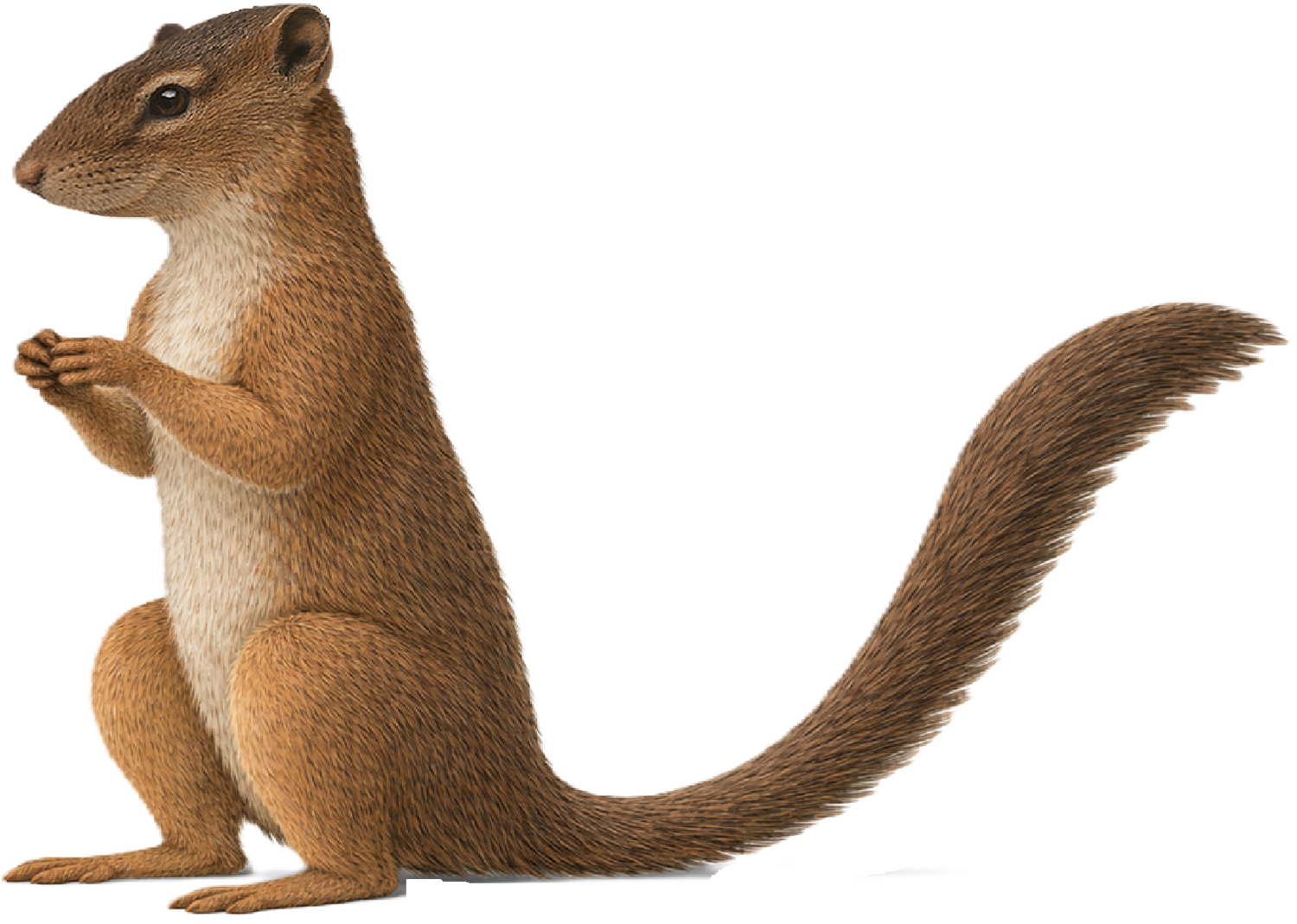 |
Purgatorius ceratops541O’Leary, M. A. et al. (2013). The placental mammal ancestor and the post-K–Pg radiation of placentals. Science, 339(6120), 662–667. doi:10.1126/science.1229237542Wilson Mantilla, G. P. et al. (2021). Earliest Palaeocene purgatoriids and the initial radiation of stem primates. Royal Society Open Science, 8(2), 210050. doi:10.1098/rsos.210050 | Montana | Hell Creek Formation | 11 Exemplare | Panprimates (Purgatoriidae) |
|
|
Scollardius propalaeoryctes543Fox, R. C. (2015). A revision of the Late Cretaceous–Paleocene eutherian mammal Cimolestes Marsh, 1889. Canadian Journal of Earth Sciences, 52(12), 1137–1149. doi:10.1139/cjes-2015-0113 | Montana | Hell Creek Formation | 3 Exemplare | Cimolestidae |
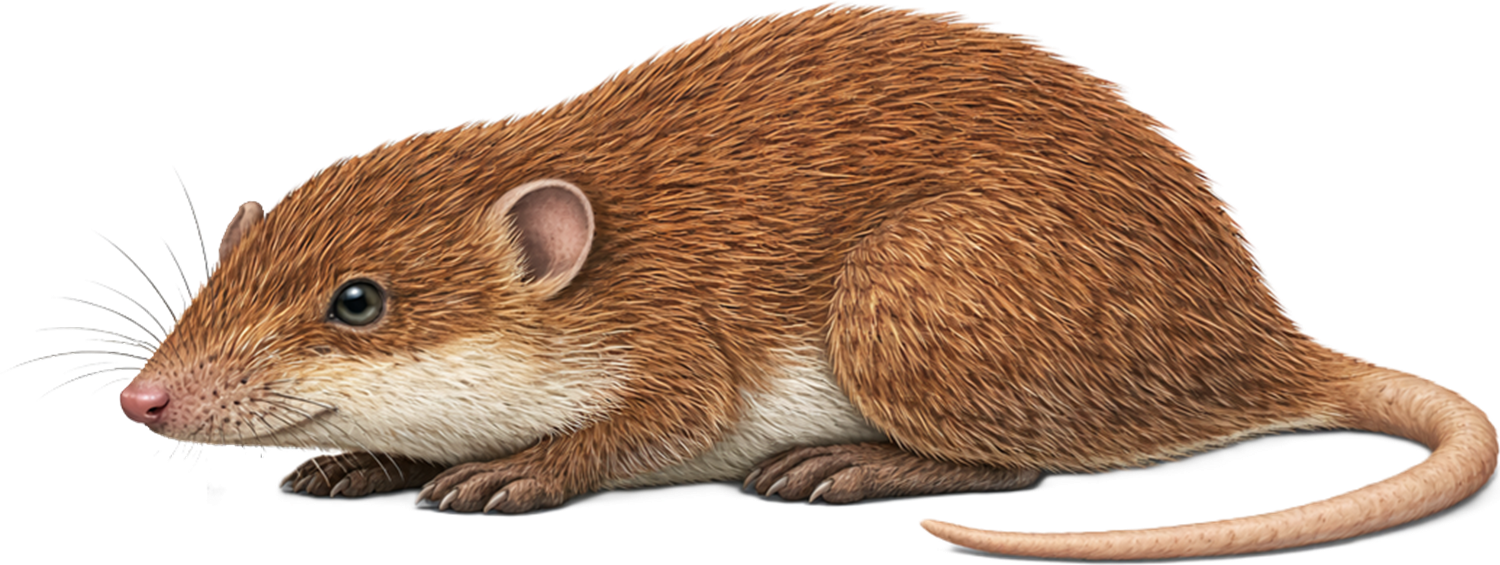
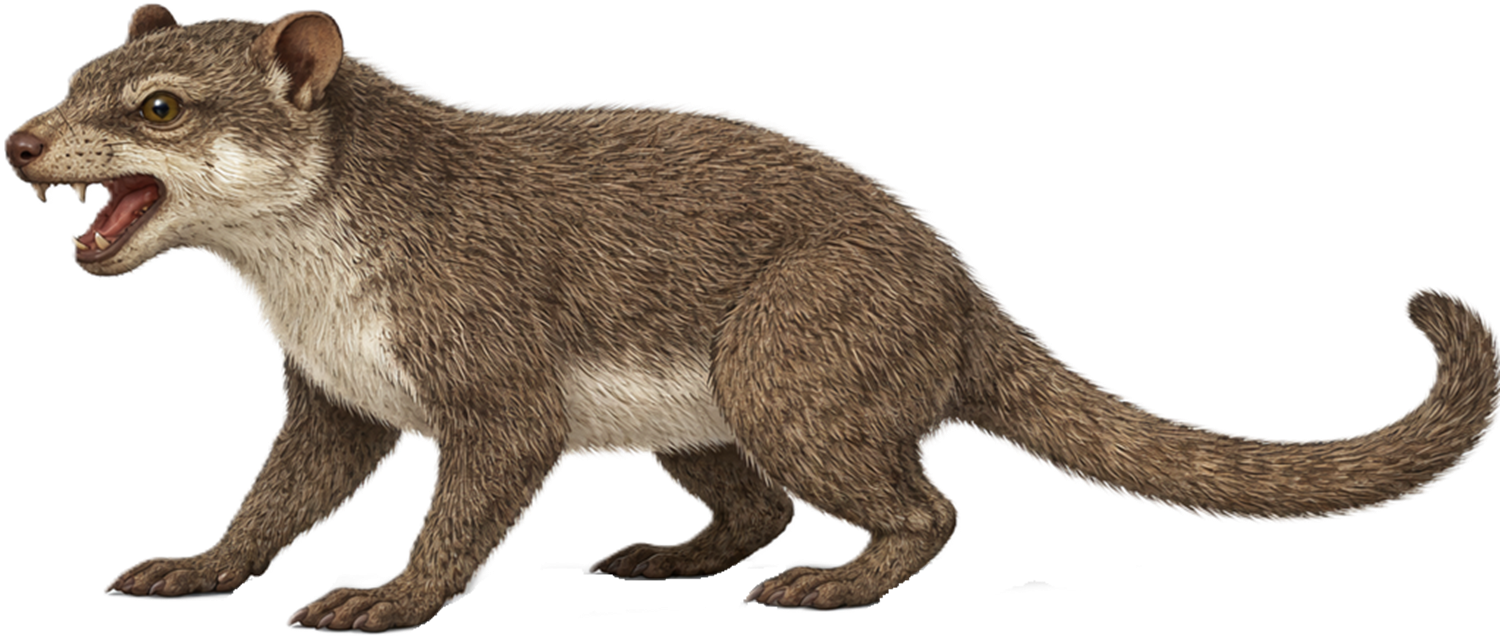
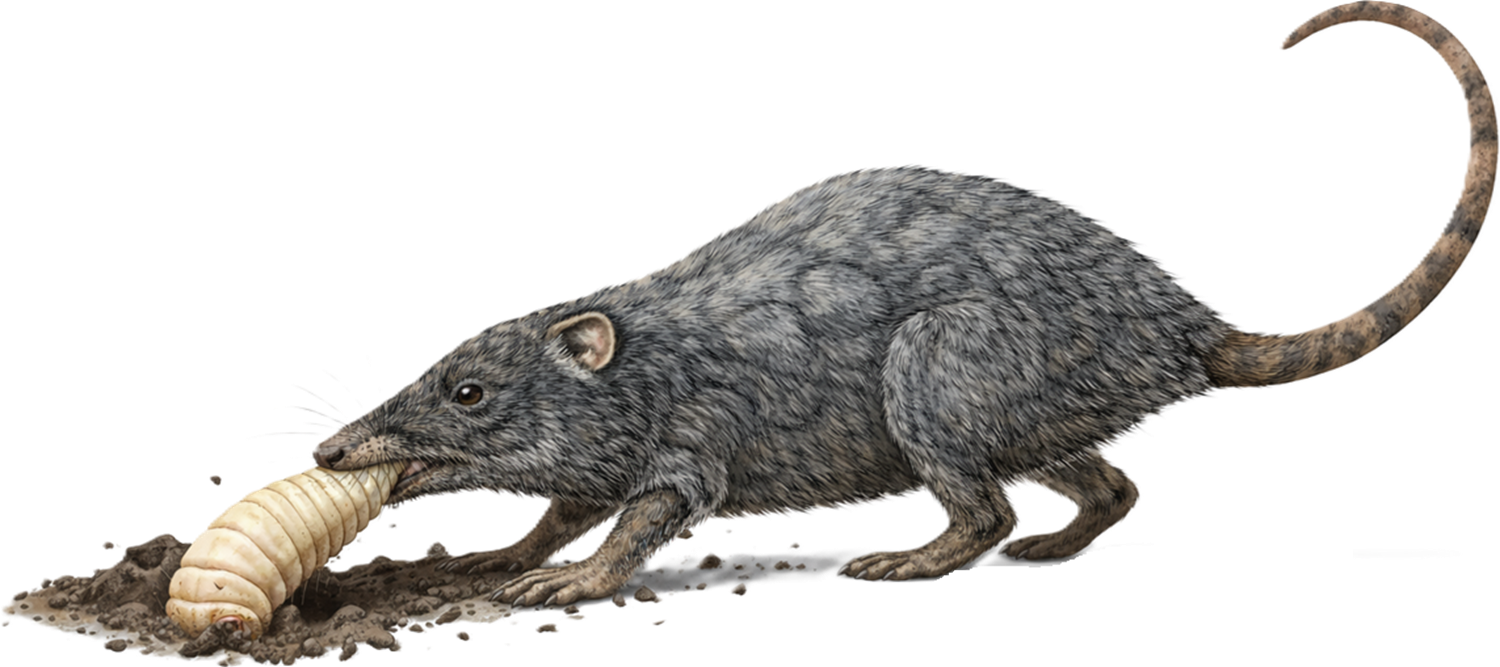
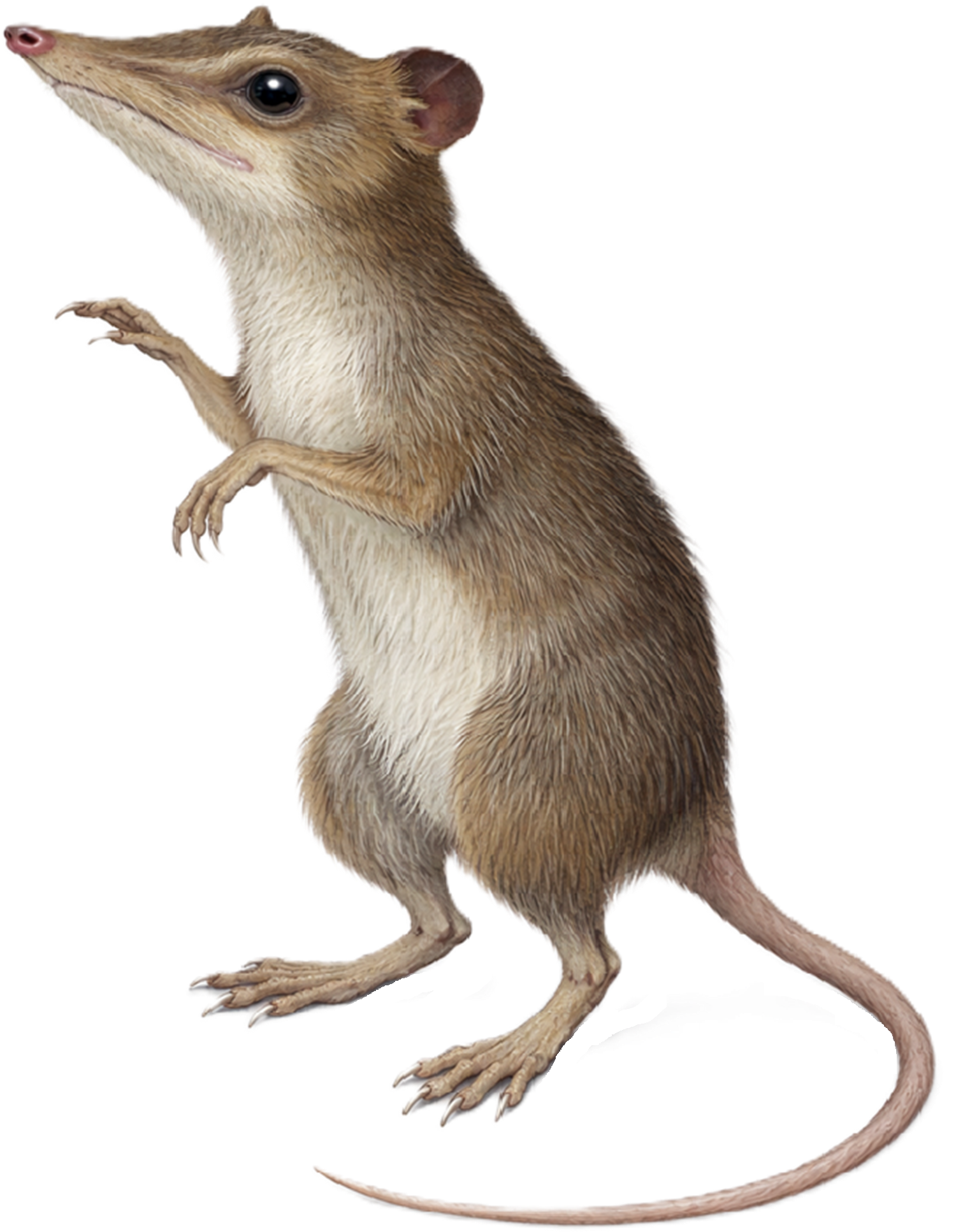
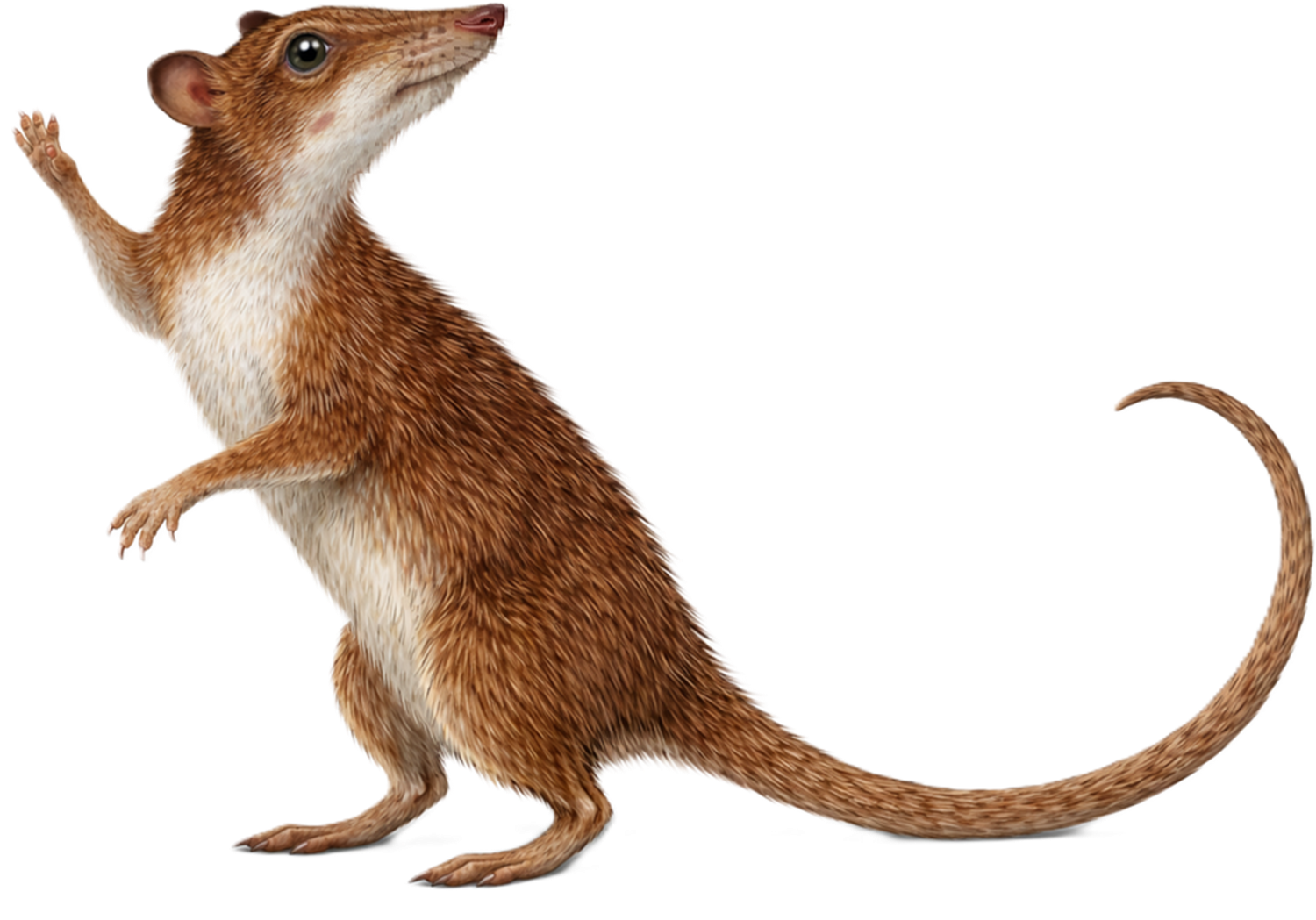
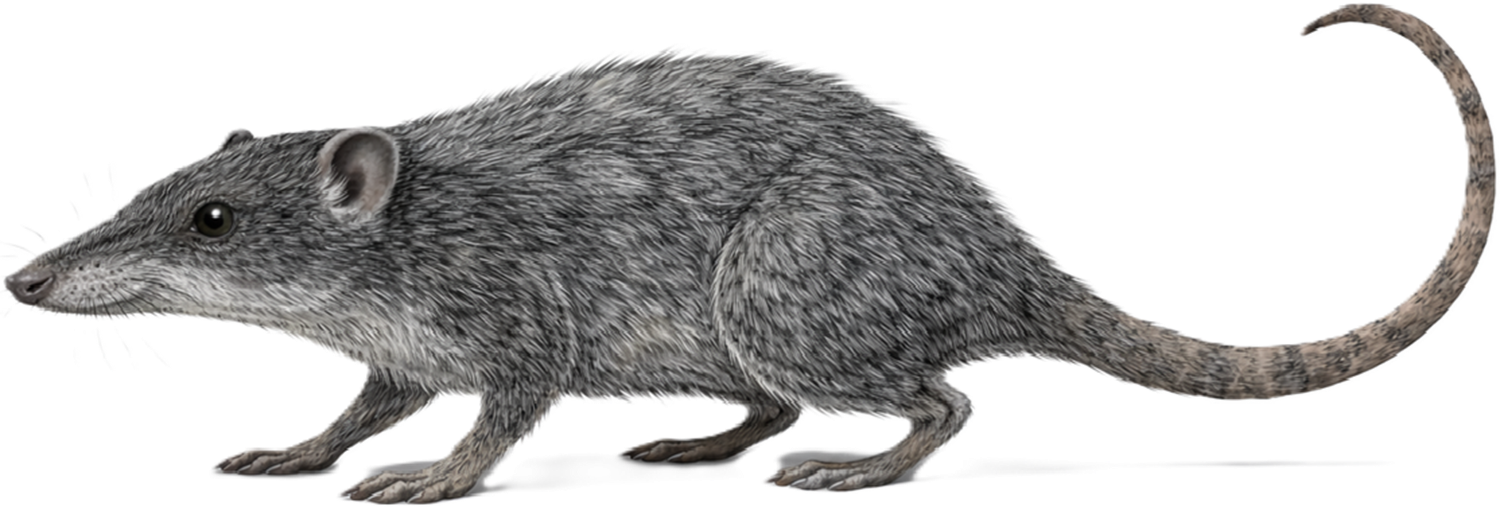
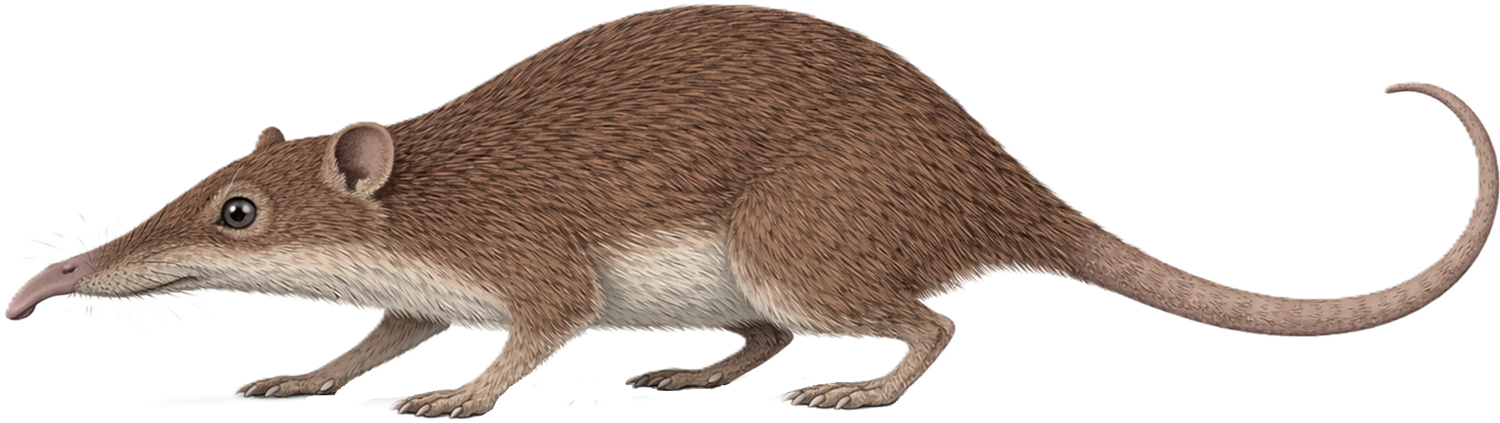
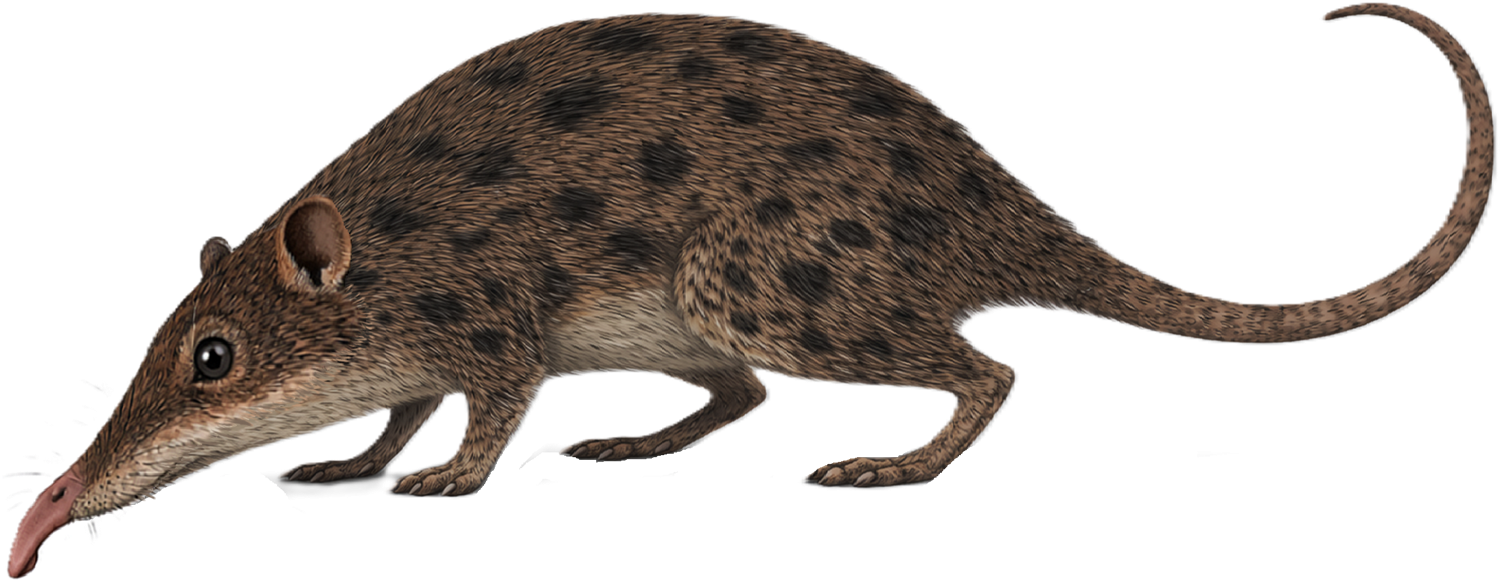
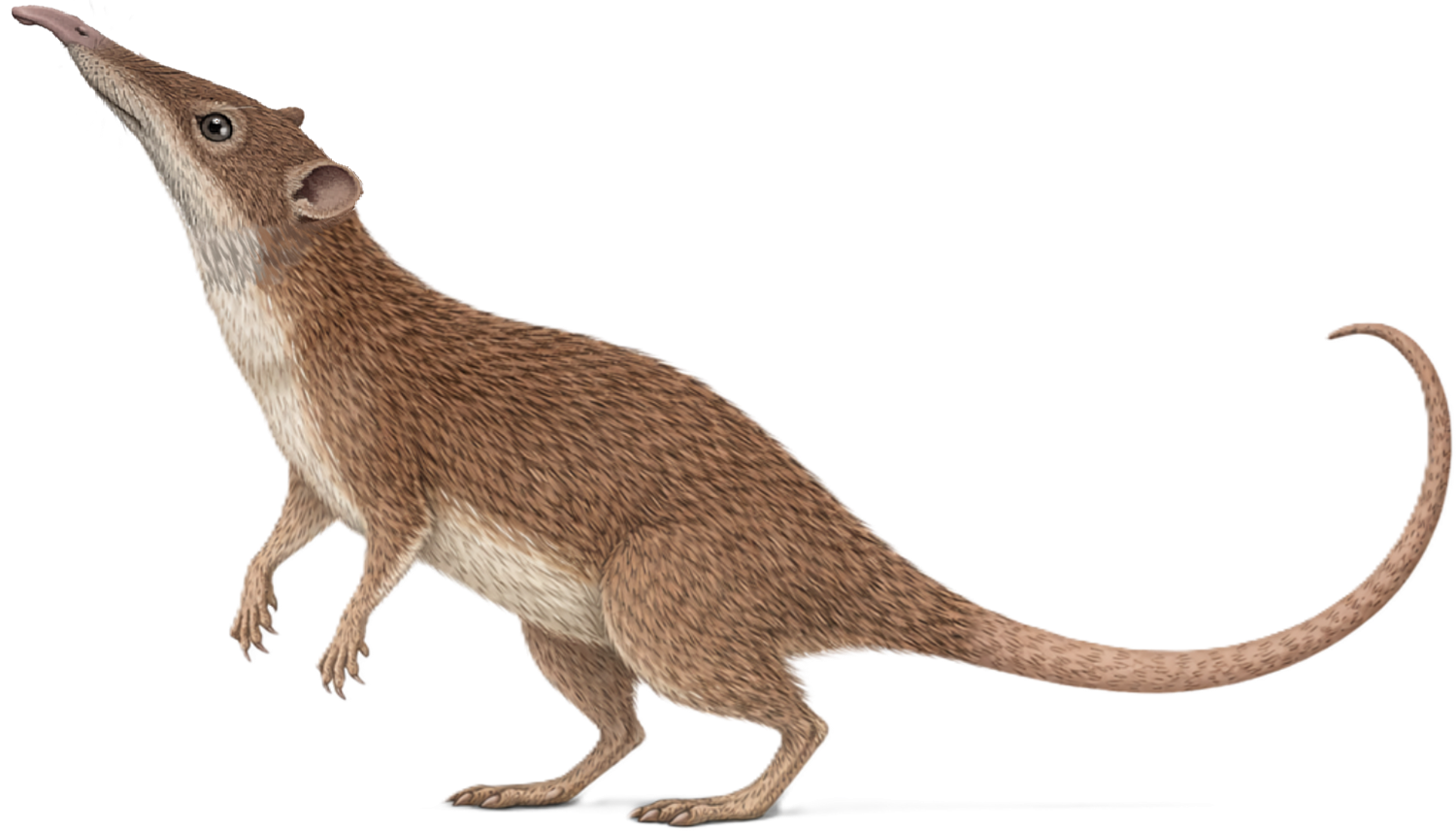
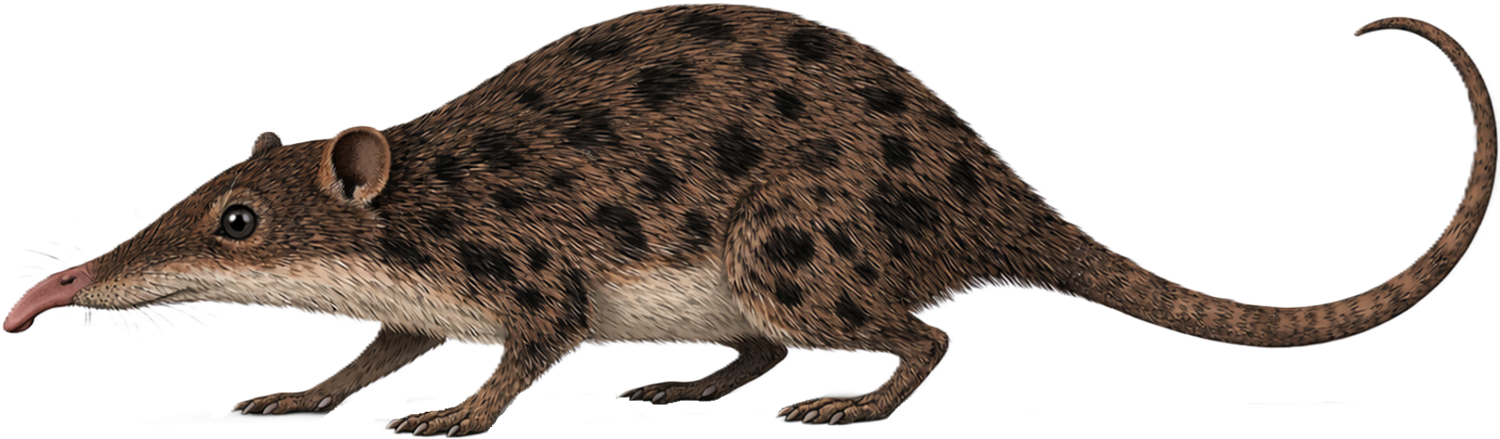

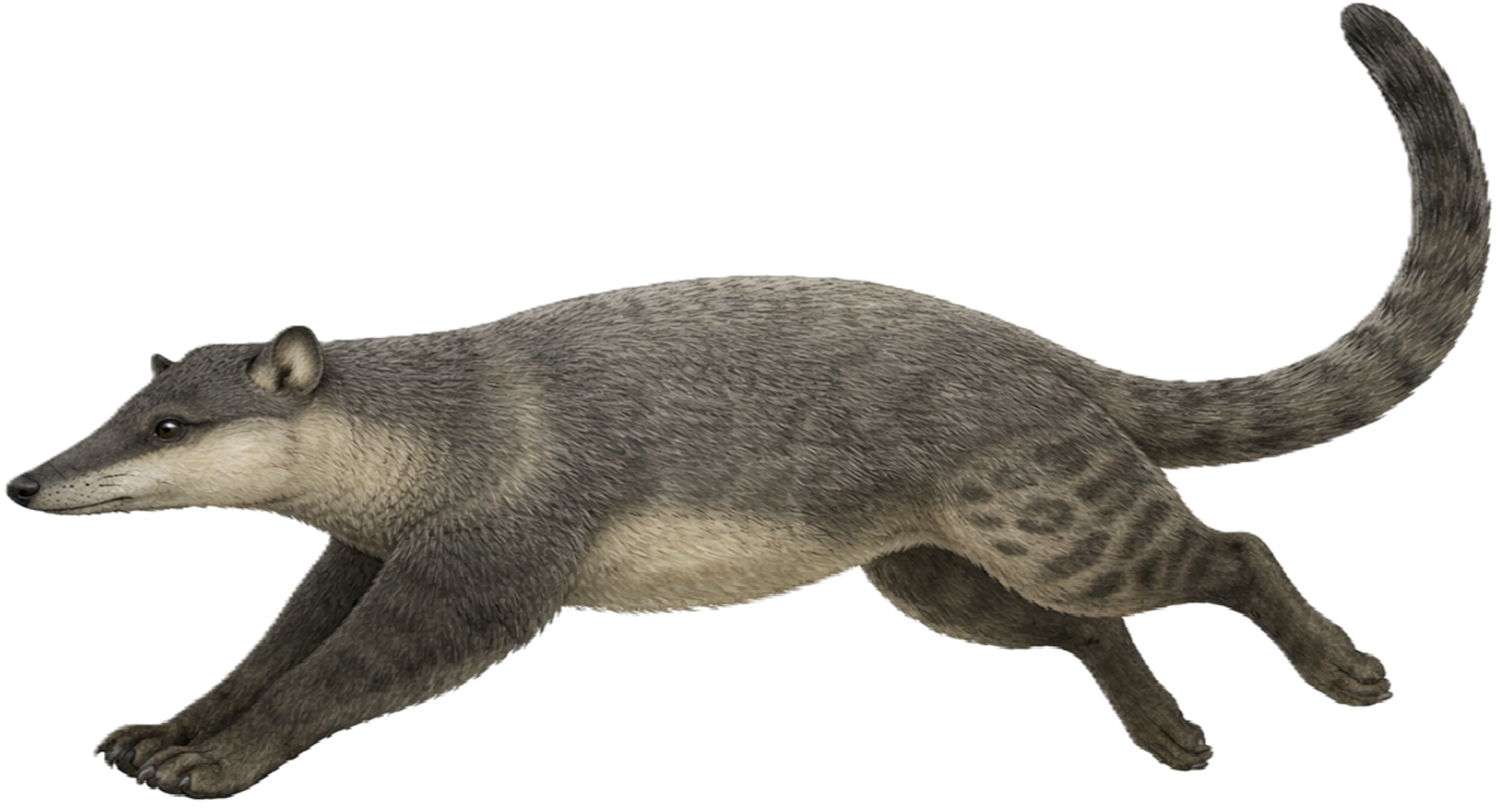
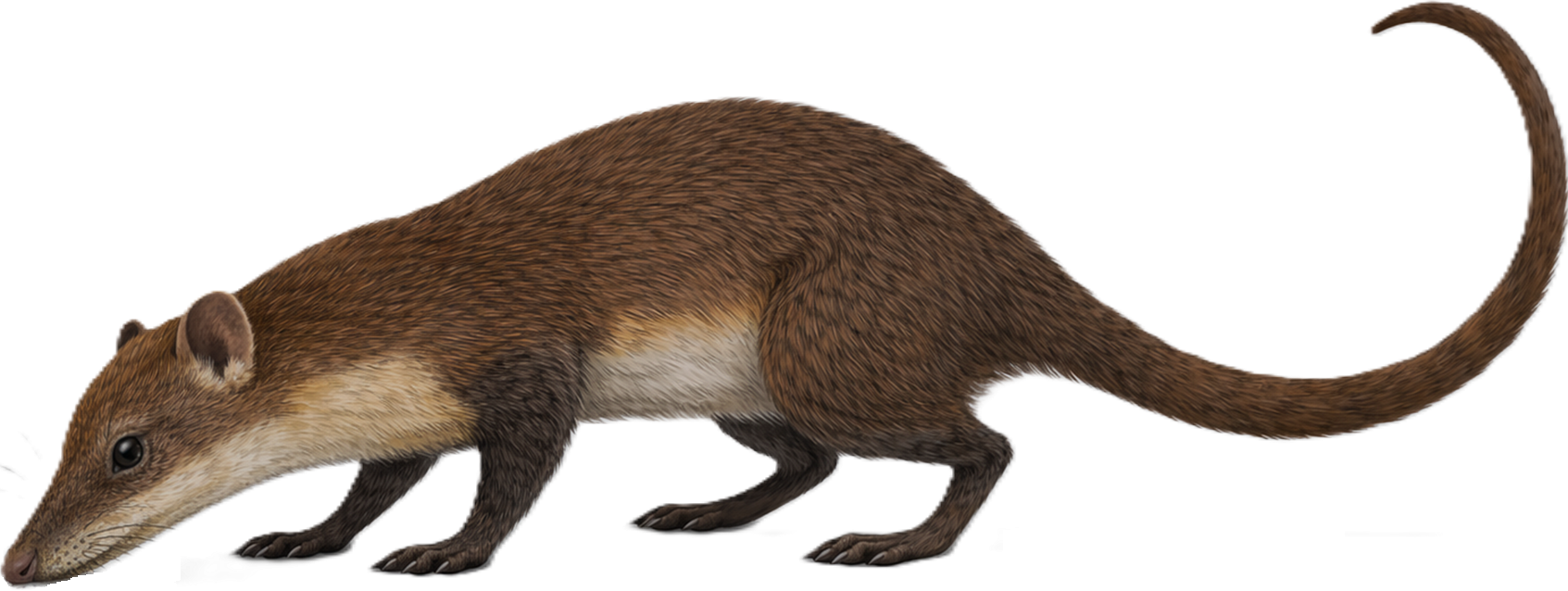

Spurenfossilien:
Dinosaurier-Fußabdrücke aus der Hell Creek Formation sind äußerst selten. 2007 wurde ein möglicher Fußabdruck von Tyrannosaurus rexentdeckt, der ein Jahr später beschrieben wurde.544Manning, P. L., Ott, C. & Falkingham, P. L. (2008). The first tyrannosaurid track from the Hell Creek Formation (Late Cretaceous), Montana, U.S.A. PALAIOS, 23(10), 645–647. doi:10.2110/palo.2008.p08-030r 1997 wurde außerdem ein Abdruck eines mittelgroßen Fleischfressers entdeckt, der vielleicht von einem Tyrannosaurus-Jungtier oder möglicherweise einem Nanotyrannus hinterlassen wurde. Das Ichnofossil wurde als Wakinyantanka styxi beschrieben.545Lockley, M., Triebold, M. & Janke, P. R. (2014). Dinosaur tracks from the Hell Creek Formation (Upper Cretaceous, Maastrichtian), South Dakota. New Mexico Museum of Natural History and Science Bulletin, 62, 459–468.
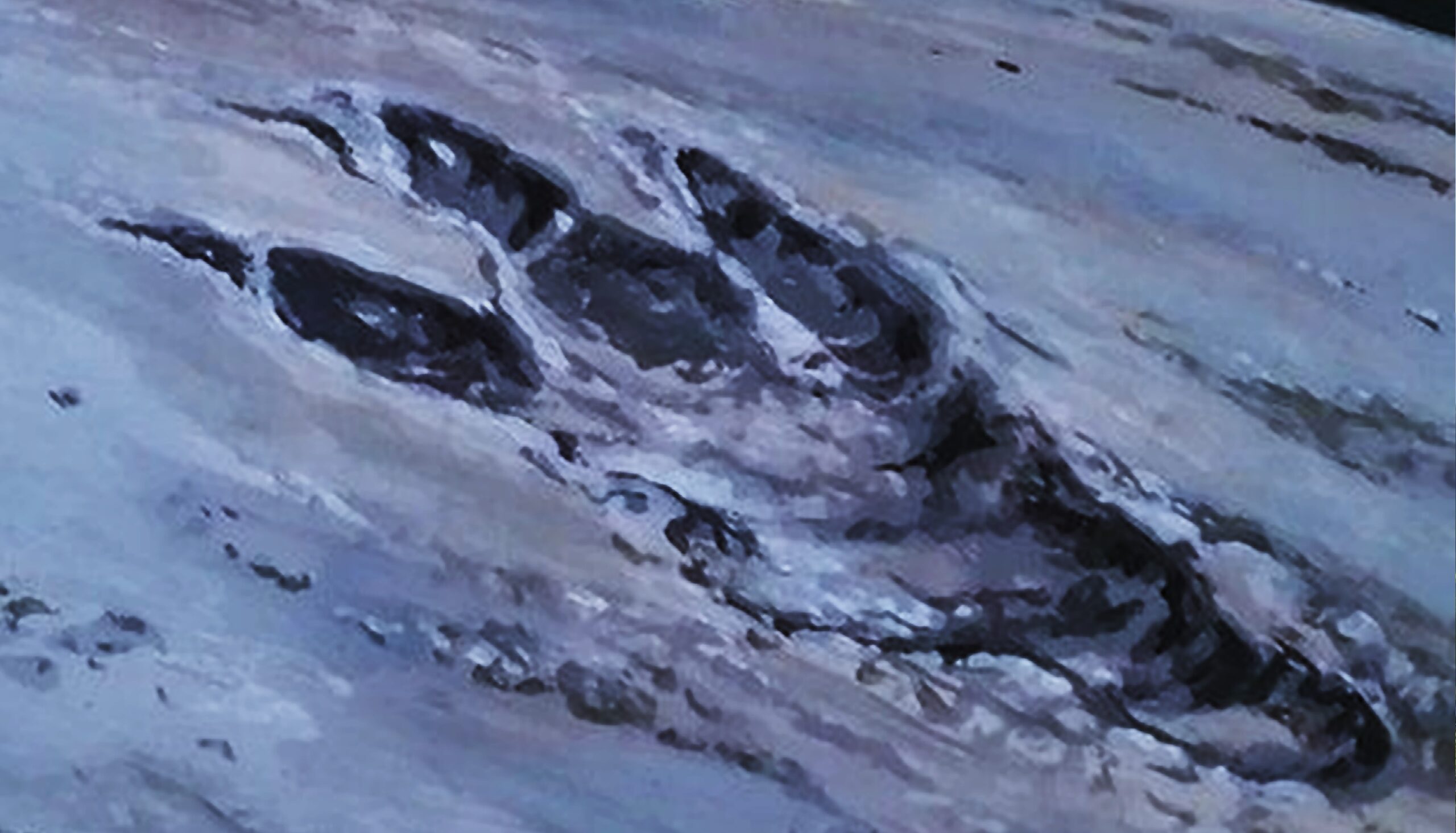
Fossilbericht der Pilze, Polen und Pflanzen:
 |
Den bei weitem größten Teil der Land-Biomasse machen Pilze und Pflanzen aus. Ein großer Teil davon ist noch nicht einmal sichtbar, weil er sich tief unter der Erdoberfläche verbirgt. Das grüne Reich des fruchtbaren Lebens erstreckt sich bis tief hinein ins Erdreich, wo es eine einzigartige Lebensgemeinschaft aus Pflanzen, Pilzen, Mikroorganismen, Wirbellosen und auch einigen kleinen Wirbeltieren bildet. Den umfassenden Fossilbericht der Paläobotanik aus der Hell Creek- und Lance Formation findest du in einem eigenen Artikel, da dieser hier sonst zu lang geworden wäre. |

Diese schiere Anzahl der in Hell Creek und Lance gefundenen Fossilien verblüfft umso mehr, wenn man sich vor Augen führt, dass nur ein Bruchteil der urzeitlichen Lebewesen überhaupt die Chance bekam, als Fossil überliefert zu werden. Und immer noch und immer wieder werden neue Arten aus diesen Lagerstätten beschrieben! Trotz des umfangreichen Fossilberichts ist uns das wahre Ausmaß der dortigen Artenvielfalt also noch gar nicht bekannt, und wir uns wahrscheinlich leider auch niemals bekannt sein.
Wir haben zum Beispiel nur sehr wenige Arthropoden (Gliederfüßer) aus diesen Lagerstätten beschrieben. Heute bilden Insekten den größten Teil der Artenvielfalt eines Ökosystems ab. Da Hell Creek und Lance in einem sehr wasserreichen Lebensraum entstanden, überrascht es, dass wir sowohl von ihnen als auch von den wahrscheinlich zahlreichen Krebstieren noch kaum etwas wissen. Weiter landeinwärts gab es offenbar ausgedehnte Waldgebiete. Aber außer Kohle finden sich dort ebenfalls kaum Fossilien von Tieren. Viele von ihnen, vielleicht auch einige Spezies von Dinosauriern, die in diesen Wäldern lebten, sind also wahrscheinlich nicht bis heute als Fossil erhalten geblieben, sodass wir nie von ihnen erfahren werden.
 |
Zwar werden etliche Nachbildungen und sogar einige Originalfossilien von Lebewesen aus Hell Creek und Lance weltweit, sogar bei uns in Deutschland in allen größeren Museen gezeigt. Die größte Sammlung von Fossilien aus beiden Formationen wird jedoch im Museum of the Rockies in Bozeman (Montana) aufbewahrt und ausgestellt. Die gezeigten Exemplare stammen aus dem Hell Creek Project, einer Initiative des Museums, der Montana State University, der University of Washington, der University of California in Berkeley, der University of North Dakota und der University of North Carolina, die bereits 1998 begann. 1966 wurde das Hell Creek Fossil Area vom National Park Service als National Natural Landmark ausgewiesen.546Boswell, E. (2007). Paradise in Hell Creek. Montana State University News. 2. April 2007, https://www.montana.edu/news/9301/paradise-in-hell-creek |
Weitere Lagerstätten an den Gestaden des Binnenmeeres:
 |
Hell Creek Formation |
Weitere Lagerstätten aus Mein traumhaftes Dinosaurier-Buch:
 |
Hell Creek Formation – South Dakota (USA) vor 66 Ma
Prince Creek Formation – Alaska (USA) vor 69 Ma Djadochta Formation – Mongolei vor 74 Ma Niobrara Chalk Formation – Kansas vor 85 Ma Bahariya Formation – Ägypten vor 100 Ma Yixian Formation – Liaoning (China) vor 125 Ma Altmühltal Formation – Bayern (Deutschland) vor 155 Ma Posidonienschiefer – Baden-Württemberg (Deutschland) vor 180 Ma Trossingen Formation – Baden Württemberg (Deutschland) vor 210 Ma Chinle Formation – Arizona (USA) vor 225 Ma |
Alle anderen Lagerstätten, die in meinen Büchern eine Rolle spielen, erreichst du über meine Interaktive Karte:
Quellenangaben:
- 1Stanton, T. W. (1920). The fauna of the Cannonball marine member of the Lance formation. Professional Paper, U.S. Geological Survey, 128, 1–60.
- 2Stanton, T. W. (1920). The fauna of the Cannonball marine member of the Lance formation. Professional Paper, U.S. Geological Survey, 128, 1–60.
- 3Stanton, T. W. (1920). The fauna of the Cannonball marine member of the Lance formation. Professional Paper, U.S. Geological Survey, 128, 1–60.
- 4Stanton, T. W. (1920). The fauna of the Cannonball marine member of the Lance formation. Professional Paper, U.S. Geological Survey, 128, 1–60.
- 5Stanton, T. W. (1920). The fauna of the Cannonball marine member of the Lance formation. Professional Paper, U.S. Geological Survey, 128, 1–60.
- 6Stanton, T. W. (1920). The fauna of the Cannonball marine member of the Lance formation. Professional Paper, U.S. Geological Survey, 128, 1–60.
- 7Stanton, T. W. (1920). The fauna of the Cannonball marine member of the Lance formation. Professional Paper, U.S. Geological Survey, 128, 1–60.
- 8Stanton, T. W. (1920). The fauna of the Cannonball marine member of the Lance formation. Professional Paper, U.S. Geological Survey, 128, 1–60.
- 9Stanton, T. W. (1920). The fauna of the Cannonball marine member of the Lance formation. Professional Paper, U.S. Geological Survey, 128, 1–60.
- 10Stanton, T. W. (1920). The fauna of the Cannonball marine member of the Lance formation. Professional Paper, U.S. Geological Survey, 128, 1–60.
- 11Stanton, T. W. (1920). The fauna of the Cannonball marine member of the Lance formation. Professional Paper, U.S. Geological Survey, 128, 1–60.
- 12Stanton, T. W. (1920). The fauna of the Cannonball marine member of the Lance formation. Professional Paper, U.S. Geological Survey, 128, 1–60.
- 13Paleobiota of the Hell Creek Formation – Molluscs. Wikipedia, 21. Februar 2025.
- 14Stanton, T. W. (1920). The fauna of the Cannonball marine member of the Lance formation. Professional Paper, U.S. Geological Survey, 128, 1–60.
- 15Stanton, T. W. (1920). The fauna of the Cannonball marine member of the Lance formation. Professional Paper, U.S. Geological Survey, 128, 1–60.
- 16Stanton, T. W. (1920). The fauna of the Cannonball marine member of the Lance formation. Professional Paper, U.S. Geological Survey, 128, 1–60.
- 17Stanton, T. W. (1920). The fauna of the Cannonball marine member of the Lance formation. Professional Paper, U.S. Geological Survey, 128, 1–60.
- 18Stanton, T. W. (1920). The fauna of the Cannonball marine member of the Lance formation. Professional Paper, U.S. Geological Survey, 128, 1–60.
- 19Paleobiota of the Hell Creek Formation – Molluscs. Wikipedia, 21. Februar 2025.
- 20Stanton, T. W. (1920). The fauna of the Cannonball marine member of the Lance formation. Professional Paper, U.S. Geological Survey, 128, 1–60.
- 21Paleobiota of the Hell Creek Formation – Molluscs. Wikipedia, 21. Februar 2025.
- 22Anomia gryphorhyncha, YPM IP 900432. Yale Peabody Museum, Invertebrate Paleontology Division. iDigBio.
- 23Stanton, T. W. (1920). The fauna of the Cannonball marine member of the Lance formation. Professional Paper, U.S. Geological Survey, 128, 1–60.
- 24Stanton, T. W. (1920). The fauna of the Cannonball marine member of the Lance formation. Professional Paper, U.S. Geological Survey, 128, 1–60.
- 25Stanton, T. W. (1920). The fauna of the Cannonball marine member of the Lance formation. Professional Paper, U.S. Geological Survey, 128, 1–60.
- 26Stanton, T. W. (1920). The fauna of the Cannonball marine member of the Lance formation. Professional Paper, U.S. Geological Survey, 128, 1–60.
- 27Paleobiota of the Hell Creek Formation – Molluscs. Wikipedia, 21. Februar 2025.
- 28Paleobiota of the Hell Creek Formation – Molluscs. Wikipedia, 21. Februar 2025.
- 29Stanton, T. W. (1920). The fauna of the Cannonball marine member of the Lance formation. Professional Paper, U.S. Geological Survey, 128, 1–60.
- 30Stanton, T. W. (1920). The fauna of the Cannonball marine member of the Lance formation. Professional Paper, U.S. Geological Survey, 128, 1–60.
- 31Paleobiota of the Hell Creek Formation – Molluscs. Wikipedia, 21. Februar 2025.
- 32Stanton, T. W. (1920). The fauna of the Cannonball marine member of the Lance formation. Professional Paper, U.S. Geological Survey, 128, 1–60.
- 33Stanton, T. W. (1920). The fauna of the Cannonball marine member of the Lance formation. Professional Paper, U.S. Geological Survey, 128, 1–60.
- 34Stanton, T. W. (1920). The fauna of the Cannonball marine member of the Lance formation. Professional Paper, U.S. Geological Survey, 128, 1–60.
- 35Stanton, T. W. (1920). The fauna of the Cannonball marine member of the Lance formation. Professional Paper, U.S. Geological Survey, 128, 1–60.
- 36Stanton, T. W. (1920). The fauna of the Cannonball marine member of the Lance formation. Professional Paper, U.S. Geological Survey, 128, 1–60.
- 37Stanton, T. W. (1920). The fauna of the Cannonball marine member of the Lance formation. Professional Paper, U.S. Geological Survey, 128, 1–60.
- 38Stanton, T. W. (1920). The fauna of the Cannonball marine member of the Lance formation. Professional Paper, U.S. Geological Survey, 128, 1–60.
- 39Stanton, T. W. (1920). The fauna of the Cannonball marine member of the Lance formation. Professional Paper, U.S. Geological Survey, 128, 1–60.
- 40Paleobiota of the Hell Creek Formation – Molluscs. Wikipedia, 21. Februar 2025.
- 41Paleobiota of the Hell Creek Formation – Molluscs. Wikipedia, 21. Februar 2025.
- 42Stanton, T. W. (1920). The fauna of the Cannonball marine member of the Lance formation. Professional Paper, U.S. Geological Survey, 128, 1–60.
- 43Stanton, T. W. (1920). The fauna of the Cannonball marine member of the Lance formation. Professional Paper, U.S. Geological Survey, 128, 1–60.
- 44Stanton, T. W. (1920). The fauna of the Cannonball marine member of the Lance formation. Professional Paper, U.S. Geological Survey, 128, 1–60.
- 45Stanton, T. W. (1920). The fauna of the Cannonball marine member of the Lance formation. Professional Paper, U.S. Geological Survey, 128, 1–60.
- 46Stanton, T. W. (1920). The fauna of the Cannonball marine member of the Lance formation. Professional Paper, U.S. Geological Survey, 128, 1–60.
- 47Stanton, T. W. (1920). The fauna of the Cannonball marine member of the Lance formation. Professional Paper, U.S. Geological Survey, 128, 1–60.
- 48Stanton, T. W. (1920). The fauna of the Cannonball marine member of the Lance formation. Professional Paper, U.S. Geological Survey, 128, 1–60.
- 49Paleobiota of the Hell Creek Formation – Molluscs. Wikipedia, 21. Februar 2025.
- 50Stanton, T. W. (1920). The fauna of the Cannonball marine member of the Lance formation. Professional Paper, U.S. Geological Survey, 128, 1–60.
- 51Stanton, T. W. (1920). The fauna of the Cannonball marine member of the Lance formation. Professional Paper, U.S. Geological Survey, 128, 1–60.
- 52Stanton, T. W. (1920). The fauna of the Cannonball marine member of the Lance formation. Professional Paper, U.S. Geological Survey, 128, 1–60.
- 53Stanton, T. W. (1920). The fauna of the Cannonball marine member of the Lance formation. Professional Paper, U.S. Geological Survey, 128, 1–60.
- 54Stanton, T. W. (1920). The fauna of the Cannonball marine member of the Lance formation. Professional Paper, U.S. Geological Survey, 128, 1–60.
- 55Stanton, T. W. (1920). The fauna of the Cannonball marine member of the Lance formation. Professional Paper, U.S. Geological Survey, 128, 1–60.
- 56Stanton, T. W. (1920). The fauna of the Cannonball marine member of the Lance formation. Professional Paper, U.S. Geological Survey, 128, 1–60.
- 57Stanton, T. W. (1920). The fauna of the Cannonball marine member of the Lance formation. Professional Paper, U.S. Geological Survey, 128, 1–60.
- 58Stanton, T. W. (1920). The fauna of the Cannonball marine member of the Lance formation. Professional Paper, U.S. Geological Survey, 128, 1–60.
- 59Stanton, T. W. (1920). The fauna of the Cannonball marine member of the Lance formation. Professional Paper, U.S. Geological Survey, 128, 1–60.
- 60Paleobiota of the Hell Creek Formation – Molluscs. Wikipedia, 21. Februar 2025.
- 61Paleobiota of the Hell Creek Formation – Molluscs. Wikipedia, 21. Februar 2025.
- 62Paleobiota of the Hell Creek Formation – Molluscs. Wikipedia, 21. Februar 2025.
- 63Paleobiota of the Hell Creek Formation – Molluscs. Wikipedia, 21. Februar 2025.
- 64Paleobiota of the Hell Creek Formation – Molluscs. Wikipedia, 21. Februar 2025.
- 65Paleobiota of the Hell Creek Formation – Molluscs. Wikipedia, 21. Februar 2025.
- 66Paleobiota of the Hell Creek Formation – Molluscs. Wikipedia, 21. Februar 2025.
- 67Stanton, T. W. (1920). The fauna of the Cannonball marine member of the Lance formation. Professional Paper, U.S. Geological Survey, 128, 1–60.
- 68Paleobiota of the Hell Creek Formation – Molluscs. Wikipedia, 21. Februar 2025.
- 69Paleobiota of the Hell Creek Formation – Molluscs. Wikipedia, 21. Februar 2025.
- 70Paleobiota of the Hell Creek Formation – Molluscs. Wikipedia, 21. Februar 2025.
- 71Paleobiota of the Hell Creek Formation – Molluscs. Wikipedia, 21. Februar 2025.
- 72Paleobiota of the Hell Creek Formation – Molluscs. Wikipedia, 21. Februar 2025.
- 73Paleobiota of the Hell Creek Formation – Molluscs. Wikipedia, 21. Februar 2025.
- 74Paleobiota of the Hell Creek Formation – Molluscs. Wikipedia, 21. Februar 2025.
- 75Paleobiota of the Hell Creek Formation – Molluscs. Wikipedia, 21. Februar 2025.
- 76Paleobiota of the Hell Creek Formation – Molluscs. Wikipedia, 21. Februar 2025.
- 77Paleobiota of the Hell Creek Formation – Molluscs. Wikipedia, 21. Februar 2025.
- 78Stanton, T. W. (1920). The fauna of the Cannonball marine member of the Lance formation. Professional Paper, U.S. Geological Survey, 128, 1–60.
- 79Paleobiota of the Hell Creek Formation – Molluscs. Wikipedia, 21. Februar 2025.
- 80Paleobiota of the Hell Creek Formation – Molluscs. Wikipedia, 21. Februar 2025.
- 81Stanton, T. W. (1920). The fauna of the Cannonball marine member of the Lance formation. Professional Paper, U.S. Geological Survey, 128, 1–60.
- 82Paleobiota of the Hell Creek Formation – Molluscs. Wikipedia, 21. Februar 2025.
- 83Stanton, T. W. (1920). The fauna of the Cannonball marine member of the Lance formation. Professional Paper, U.S. Geological Survey, 128, 1–60.
- 84Stanton, T. W. (1920). The fauna of the Cannonball marine member of the Lance formation. Professional Paper, U.S. Geological Survey, 128, 1–60.
- 85Stanton, T. W. (1920). The fauna of the Cannonball marine member of the Lance formation. Professional Paper, U.S. Geological Survey, 128, 1–60.
- 86Stanton, T. W. (1920). The fauna of the Cannonball marine member of the Lance formation. Professional Paper, U.S. Geological Survey, 128, 1–60.
- 87Stanton, T. W. (1920). The fauna of the Cannonball marine member of the Lance formation. Professional Paper, U.S. Geological Survey, 128, 1–60.
- 88Stanton, T. W. (1920). The fauna of the Cannonball marine member of the Lance formation. Professional Paper, U.S. Geological Survey, 128, 1–60.
- 89Paleobiota of the Hell Creek Formation – Molluscs. Wikipedia, 21. Februar 2025.
- 90Stanton, T. W. (1920). The fauna of the Cannonball marine member of the Lance formation. Professional Paper, U.S. Geological Survey, 128, 1–60.
- 91Stanton, T. W. (1920). The fauna of the Cannonball marine member of the Lance formation. Professional Paper, U.S. Geological Survey, 128, 1–60.
- 92Stanton, T. W. (1920). The fauna of the Cannonball marine member of the Lance formation. Professional Paper, U.S. Geological Survey, 128, 1–60.
- 93Stanton, T. W. (1920). The fauna of the Cannonball marine member of the Lance formation. Professional Paper, U.S. Geological Survey, 128, 1–60.
- 94Stanton, T. W. (1920). The fauna of the Cannonball marine member of the Lance formation. Professional Paper, U.S. Geological Survey, 128, 1–60.
- 95Stanton, T. W. (1920). The fauna of the Cannonball marine member of the Lance formation. Professional Paper, U.S. Geological Survey, 128, 1–60.
- 96Stanton, T. W. (1920). The fauna of the Cannonball marine member of the Lance formation. Professional Paper, U.S. Geological Survey, 128, 1–60.
- 97Stanton, T. W. (1920). The fauna of the Cannonball marine member of the Lance formation. Professional Paper, U.S. Geological Survey, 128, 1–60.
- 98Stanton, T. W. (1920). The fauna of the Cannonball marine member of the Lance formation. Professional Paper, U.S. Geological Survey, 128, 1–60.
- 99Stanton, T. W. (1920). The fauna of the Cannonball marine member of the Lance formation. Professional Paper, U.S. Geological Survey, 128, 1–60.
- 100Stanton, T. W. (1920). The fauna of the Cannonball marine member of the Lance formation. Professional Paper, U.S. Geological Survey, 128, 1–60.
- 101Stanton, T. W. (1920). The fauna of the Cannonball marine member of the Lance formation. Professional Paper, U.S. Geological Survey, 128, 1–60.
- 102Stanton, T. W. (1920). The fauna of the Cannonball marine member of the Lance formation. Professional Paper, U.S. Geological Survey, 128, 1–60.
- 103Stanton, T. W. (1920). The fauna of the Cannonball marine member of the Lance formation. Professional Paper, U.S. Geological Survey, 128, 1–60.
- 104Stanton, T. W. (1920). The fauna of the Cannonball marine member of the Lance formation. Professional Paper, U.S. Geological Survey, 128, 1–60.
- 105Stanton, T. W. (1920). The fauna of the Cannonball marine member of the Lance formation. Professional Paper, U.S. Geological Survey, 128, 1–60.
- 106Stanton, T. W. (1920). The fauna of the Cannonball marine member of the Lance formation. Professional Paper, U.S. Geological Survey, 128, 1–60.
- 107Stanton, T. W. (1920). The fauna of the Cannonball marine member of the Lance formation. Professional Paper, U.S. Geological Survey, 128, 1–60.
- 108Stanton, T. W. (1920). The fauna of the Cannonball marine member of the Lance formation. Professional Paper, U.S. Geological Survey, 128, 1–60.
- 109Stanton, T. W. (1920). The fauna of the Cannonball marine member of the Lance formation. Professional Paper, U.S. Geological Survey, 128, 1–60.
- 110Nel, A. (2021). Maastrichtian representatives of the dragonfly family Aeschnidiidae question the entomofaunal turnover of the early Late Cretaceous. Palaeoentomology, 4. doi: 10.11646/palaeoentomology.4.3.5
- 111DePalma, R. et al. (2022). Preliminary Notes on the First Recorded Amber Insects from the Hell Creek Formation. The Journal of Paleontological Sciences.
- 112Holland, F. D., Jr., Erickson, J. M. & O’Brien, D. E. (1975). Casterolimulus – a new Late Cretaceous generic link in limulid lineage. Bulletin of the American Paleontology, 67(287).
- 113Messer, A. E. (2014). Leaf-mining insects destroyed with the dinosaurs, others quickly appeared. Penn State News, Pennsylvania State University. 20. August 2014.
- 114Donovan, M. P. et al. (2014). Novel insect leaf-mining after the end-Cretaceous extinction and the demise of Cretaceous leaf miners – Great Plains, USA. PLOS ONE, 9(7), e103542. doi:10.1371/journal.pone.0103542
- 115Nel, A. (2021). Maastrichtian representatives of the dragonfly family Aeschnidiidae question the entomofaunal turnover of the early Late Cretaceous. Palaeoentomology, 4. doi: 10.11646/palaeoentomology.4.3.5
- 116DePalma, R. et al. (2022). Preliminary Notes on the First Recorded Amber Insects from the Hell Creek Formation. The Journal of Paleontological Sciences.
- 117DePalma, R. et al. (2022). Preliminary Notes on the First Recorded Amber Insects from the Hell Creek Formation. The Journal of Paleontological Sciences.
- 118Preston, D. (2019). The day the dinosaurs died. The New Yorker. Retrieved April 1, 2019.
- 119Messer, A. E. (2014). Leaf-mining insects destroyed with the dinosaurs, others quickly appeared. Penn State News, Pennsylvania State University. 20. August 2014.
- 120Nel, A. (2021). Maastrichtian representatives of the dragonfly family Aeschnidiidae question the entomofaunal turnover of the early Late Cretaceous. Palaeoentomology, 4. doi: 10.11646/palaeoentomology.4.3.5
- 121Hoganson, J. W., Campbell, J. M., & Murphy, E. C. (1994). Stratigraphy and paleontology of the Cretaceous Hell Creek Formation, Stumpf site, Morton County, North Dakota. Proceedings of the North Dakota Academy of Sciences, 48.
- 122Gates, T. A., Gorscak, E., & Makovicky, P. J. (2019). New sharks and other chondrichthyans from the latest Maastrichtian (Late Cretaceous) of North America. Journal of Paleontology, 93(3), 512–530. doi: 10.1017/jpa.2018.92
- 123Cook, T. D. et al. (2014). Euselachians from the freshwater deposits of the Hell Creek Formation of Montana. In Through the end of the Cretaceous in the type locality of the Hell Creek Formation in Montana and adjacent areas (Geological Society of America Special Papers, Vol. 503, pp. 229–246). Geological Society of America. doi: 10.1130/2014.2503(08)
- 124Gates, T. A., Gorscak, E., & Makovicky, P. J. (2019). New sharks and other chondrichthyans from the latest Maastrichtian (Late Cretaceous) of North America. Journal of Paleontology, 93(3), 512–530. doi: 10.1017/jpa.2018.92
- 125Estes, R., & Berberian, P. (1970). Paleoecology of a late Cretaceous vertebrate community from Montana. Breviora, 343, 1–35.
- 126Estes, R. (1964). Fossil vertebrates from the Late Cretaceous Lance Formation, eastern Wyoming. University of California Publications in Geological Sciences, 49, 1–187.
- 127Estes, R. (1964). Fossil vertebrates from the Late Cretaceous Lance Formation, eastern Wyoming. University of California Publications in Geological Sciences, 49, 1–187.
- 128Pearson, D. A. et al. (2002). Vertebrate biostratigraphy of the Hell Creek Formation in southwestern North Dakota and northwestern South Dakota. In J. H. Hartman, K. R. Johnson, & D. J. Nichols (Eds.), The Hell Creek Formation and the Cretaceous–Tertiary boundary in the Northern Great Plains (GSA Special Paper 361, pp. 145–167). Geological Society of America. doi: 10.1130/0-8137-2361-2.145
- 129Cook, T. D. et al. (2014). Euselachians from the freshwater deposits of the Hell Creek Formation of Montana. In Through the end of the Cretaceous in the type locality of the Hell Creek Formation in Montana and adjacent areas (Geological Society of America Special Papers, Vol. 503, pp. 229–246). Geological Society of America. doi: 10.1130/2014.2503(08)
- 130Cook, T. D. et al. (2014). Euselachians from the freshwater deposits of the Hell Creek Formation of Montana. In Through the end of the Cretaceous in the type locality of the Hell Creek Formation in Montana and adjacent areas (Geological Society of America Special Papers, Vol. 503, pp. 229–246). Geological Society of America. doi: 10.1130/2014.2503(08)
- 131Pearson, D. A. et al. (2002). Vertebrate biostratigraphy of the Hell Creek Formation in southwestern North Dakota and northwestern South Dakota. In J. H. Hartman, K. R. Johnson, & D. J. Nichols (Eds.), The Hell Creek Formation and the Cretaceous–Tertiary boundary in the Northern Great Plains (GSA Special Paper 361, pp. 145–167). Geological Society of America. doi: 10.1130/0-8137-2361-2.145
- 132Cook, T. D. et al. (2014). Euselachians from the freshwater deposits of the Hell Creek Formation of Montana. In Through the end of the Cretaceous in the type locality of the Hell Creek Formation in Montana and adjacent areas (Geological Society of America Special Papers, Vol. 503, pp. 229–246). Geological Society of America. doi: 10.1130/2014.2503(08)
- 133Estes, R. (1964). Fossil vertebrates from the Late Cretaceous Lance Formation, eastern Wyoming. University of California Publications in Geological Sciences, 49, 1–187.
- 134Hoganson, J. W., Campbell, J. M., & Murphy, E. C. (1994). Stratigraphy and paleontology of the Cretaceous Hell Creek Formation, Stumpf site, Morton County, North Dakota. Proceedings of the North Dakota Academy of Sciences, 48.
- 135Estes, R. (1964). Fossil vertebrates from the Late Cretaceous Lance Formation, eastern Wyoming. University of California Publications in Geological Sciences, 49, 1–187.
- 136Hilton, E. J., & Grande, L. (2022). Late Cretaceous sturgeons (Acipenseridae) from North America, with two new species from the Tanis site in the Hell Creek Formation of North Dakota. Journal of Paleontology, 97(1), 189–217. doi: 10.1017/jpa.2022.81
- 137Hilton, E. J., & Grande, L. (2022). Late Cretaceous sturgeons (Acipenseridae) from North America, with two new species from the Tanis site in the Hell Creek Formation of North Dakota. Journal of Paleontology, 97(1), 189–217. doi: 10.1017/jpa.2022.81
- 138Estes, R., & Berberian, P. (1970). Paleoecology of a late Cretaceous vertebrate community from Montana. Breviora, 343, 3.
- 139Hilton, E. J., & Grande, L. (2022). Late Cretaceous sturgeons (Acipenseridae) from North America, with two new species from the Tanis site in the Hell Creek Formation of North Dakota. Journal of Paleontology, 97(1), 189–217. doi: 10.1017/jpa.2022.81
- 140Pearson, D. A. et al. (2002). Vertebrate biostratigraphy of the Hell Creek Formation in southwestern North Dakota and northwestern South Dakota. In J. H. Hartman, K. R. Johnson, & D. J. Nichols (Eds.), The Hell Creek Formation and the Cretaceous–Tertiary boundary in the Northern Great Plains (GSA Special Paper 361, 154). Geological Society of America. doi: 10.1130/0-8137-2361-2.145
- 141Sato, H. et al. (2018). A rare, articulated sturgeon (Chondrostei: Acipenseriformes) from the Upper Cretaceous of Dinosaur Provincial Park, Alberta, Canada. Journal of Vertebrate Paleontology, 38(4), 1–15. doi: 10.1080/02724634.2018.1488137
- 142Gardner, J. D., Brinkman, D.B. & Murray, A. M. (2025). Reidentification of the holotype of ‚Ceratodus‘ hieroglyphus Cope from the Upper Cretaceous (Campanian) of Montana, USA, as the scale of a holostean fish. Palaeobiodiversity and Palaeoenvironments 105 (2): 545–572. doi:10.1007/s12549-025-00663-4
- 143Pearson, D. A. et al. (2002). Vertebrate biostratigraphy of the Hell Creek Formation in southwestern North Dakota and northwestern South Dakota. In J. H. Hartman, K. R. Johnson, & D. J. Nichols (Eds.), The Hell Creek Formation and the Cretaceous–Tertiary boundary in the Northern Great Plains (GSA Special Paper 361, 154). Geological Society of America. doi: 10.1130/0-8137-2361-2.145
- 144Estes, R., & Berberian, P. (1970). Paleoecology of a late Cretaceous vertebrate community from Montana. Breviora, 343, 4.
- 145Clemens, W. A. (1964). Fossil mammals of the type Lance Formation, Wyoming – Part I. Introduction and Marsupialia. University of California Publications in Geological Sciences, 48, 1–105.
- 146Estes, R., & Berberian, P. (1970). Paleoecology of a late Cretaceous vertebrate community from Montana. Breviora, 343, 3.
- 147Estes, R. (1964). Fossil vertebrates from the Late Cretaceous Lance Formation, eastern Wyoming. University of California Publications in Geological Sciences, 49, 1–187.
- 148Pearson, D. A. et al. (2002). Vertebrate biostratigraphy of the Hell Creek Formation in southwestern North Dakota and northwestern South Dakota. In J. H. Hartman, K. R. Johnson, & D. J. Nichols (Eds.), The Hell Creek Formation and the Cretaceous–Tertiary boundary in the Northern Great Plains (GSA Special Paper 361, 154). Geological Society of America. doi: 10.1130/0-8137-2361-2.145
- 149Estes, R., & Berberian, P. (1970). Paleoecology of a late Cretaceous vertebrate community from Montana. Breviora, 343, 3.
- 150Estes, R. (1964). Fossil vertebrates from the Late Cretaceous Lance Formation, eastern Wyoming. University of California Publications in Geological Sciences, 49, 1–187.
- 151Pearson, D. A. et al. (2002). Vertebrate biostratigraphy of the Hell Creek Formation in southwestern North Dakota and northwestern South Dakota. In J. H. Hartman, K. R. Johnson, & D. J. Nichols (Eds.), The Hell Creek Formation and the Cretaceous–Tertiary boundary in the Northern Great Plains (GSA Special Paper 361, 154). Geological Society of America. doi: 10.1130/0-8137-2361-2.145
- 152Estes, R. (1964). Fossil vertebrates from the Late Cretaceous Lance Formation, eastern Wyoming. University of California Publications in Geological Sciences, 49, 1–187.
- 153Paleobiota of the Hell Creek Formation – Bony fish. Wikipedia, 21. Februar 2025.
- 154Estes, R., & Berberian, P. (1970). Paleoecology of a late Cretaceous vertebrate community from Montana. Breviora, 343, 3.
- 155Estes, R., & Berberian, P. (1970). Paleoecology of a late Cretaceous vertebrate community from Montana. Breviora, 343, 3.
- 156Estes, R., & Berberian, P. (1970). Paleoecology of a late Cretaceous vertebrate community from Montana. Breviora, 343, 4.
- 157Hilton, E. J. et al. (2023). New paddlefishes (Acipenseriformes, Polyodontidae) from the Late Cretaceous Tanis Site of the Hell Creek Formation in North Dakota, USA. Journal of Paleontology, 97(3), 675–692. doi: 10.1017/jpa.2023.19
- 158Paleobiota of the Hell Creek Formation – Bony fish. Wikipedia, 21. Februar 2025.
- 159Estes, R., & Berberian, P. (1970). Paleoecology of a late Cretaceous vertebrate community from Montana. Breviora, 343, 4.
- 160Grande, L., & Bemis, W. E. (1991). Osteology and phylogenetic relationships of fossil and recent paddlefishes (Polyodontidae) with comments on the interrelationships of Acipenseriformes. Memoir, 1, ii–121. Society of Vertebrate Paleontology. doi: 10.2307/3889328
- 161Estes, R., & Berberian, P. (1970). Paleoecology of a late Cretaceous vertebrate community from Montana. Breviora, 343, 3.
- 162Estes, R., & Berberian, P. (1970). Paleoecology of a late Cretaceous vertebrate community from Montana. Breviora, 343, 3.
- 163Hilton, E. J. et al. (2023). New paddlefishes (Acipenseriformes, Polyodontidae) from the Late Cretaceous Tanis Site of the Hell Creek Formation in North Dakota, USA. Journal of Paleontology, 97(3), 675–692. doi: 10.1017/jpa.2023.19
- 164Pearson, D. A. et al. (2002). Vertebrate biostratigraphy of the Hell Creek Formation in southwestern North Dakota and northwestern South Dakota. In J. H. Hartman, K. R. Johnson, & D. J. Nichols (Eds.), The Hell Creek Formation and the Cretaceous–Tertiary boundary in the Northern Great Plains (GSA Special Paper 361, 154). Geological Society of America. doi: 10.1130/0-8137-2361-2.145
- 165Estes, R., & Berberian, P. (1970). Paleoecology of a late Cretaceous vertebrate community from Montana. Breviora, 343, 4.
- 166Pearson, D. A. et al. (2002). Vertebrate biostratigraphy of the Hell Creek Formation in southwestern North Dakota and northwestern South Dakota. In J. H. Hartman, K. R. Johnson, & D. J. Nichols (Eds.), The Hell Creek Formation and the Cretaceous–Tertiary boundary in the Northern Great Plains (GSA Special Paper 361, 154). Geological Society of America. doi: 10.1130/0-8137-2361-2.145
- 167Estes, R., & Berberian, P. (1970). Paleoecology of a late Cretaceous vertebrate community from Montana. Breviora, 343, 4.
- 168Estes, R., & Berberian, P. (1970). Paleoecology of a late Cretaceous vertebrate community from Montana. Breviora, 343, 4.
- 169Pearson, D. A. et al. (2002). Vertebrate biostratigraphy of the Hell Creek Formation in southwestern North Dakota and northwestern South Dakota. In J. H. Hartman, K. R. Johnson, & D. J. Nichols (Eds.), The Hell Creek Formation and the Cretaceous–Tertiary boundary in the Northern Great Plains (GSA Special Paper 361, 154). Geological Society of America. doi: 10.1130/0-8137-2361-2.145
- 170Estes, R., & Berberian, P. (1970). Paleoecology of a late Cretaceous vertebrate community from Montana. Breviora, 343, 4.
- 171Estes, R., & Berberian, P. (1970). Paleoecology of a late Cretaceous vertebrate community from Montana. Breviora, 343, 4.
- 172Clemens, W. A. (1964). Fossil mammals of the type Lance Formation, Wyoming – Part I. Introduction and Marsupialia. University of California Publications in Geological Sciences, 48, 1–105.
- 173Pearson, D. A. et al. (2002). Vertebrate biostratigraphy of the Hell Creek Formation in southwestern North Dakota and northwestern South Dakota. In J. H. Hartman, K. R. Johnson, & D. J. Nichols (Eds.), The Hell Creek Formation and the Cretaceous–Tertiary boundary in the Northern Great Plains (GSA Special Paper 361, 154). Geological Society of America. doi: 10.1130/0-8137-2361-2.145
- 174Estes, R., & Berberian, P. (1970). Paleoecology of a late Cretaceous vertebrate community from Montana. Breviora, 343, 4.
- 175Estes, R. & Sanchíz, B. (1982). New discoglossid and palaeobatrachid frogs from the Late Cretaceous of Wyoming and Montana, and a review of other frogs from the Lance and Hell Creek formations. Journal of Vertebrate Paleontology, 2(1), 9–20. doi:10.1080/02724634.1982.10011914
- 176DeMar, D. G. Jr. (2013). A new fossil salamander (Caudata, Proteidae) from the Upper Cretaceous (Maastrichtian) Hell Creek Formation, Montana, U.S.A. Journal of Vertebrate Paleontology, 33(3), 588–598. doi: 10.1080/02724634.2013.734887
- 177Estes, R., & Berberian, P. (1970). Paleoecology of a late Cretaceous vertebrate community from Montana. Breviora, 343, 4.
- 178Estes, R., & Berberian, P. (1970). Paleoecology of a late Cretaceous vertebrate community from Montana. Breviora, 343, 4.
- 179Estes, R. (1964). Fossil vertebrates from the Late Cretaceous Lance Formation, eastern Wyoming. University of California Publications in Geological Sciences, 49, 1–187.
- 180Pearson, D. A. et al. (2002). Vertebrate biostratigraphy of the Hell Creek Formation in southwestern North Dakota and northwestern South Dakota. In J. H. Hartman, K. R. Johnson, & D. J. Nichols (Eds.), The Hell Creek Formation and the Cretaceous–Tertiary boundary in the Northern Great Plains (GSA Special Paper 361, 154). Geological Society of America. doi: 10.1130/0-8137-2361-2.145
- 181Estes, R., & Berberian, P. (1970). Paleoecology of a late Cretaceous vertebrate community from Montana. Breviora, 343, 4.
- 182Estes, R., & Berberian, P. (1970). Paleoecology of a late Cretaceous vertebrate community from Montana. Breviora, 343, 4.
- 183Clemens, W. A. (1964). Fossil mammals of the type Lance Formation, Wyoming – Part I. Introduction and Marsupialia. University of California Publications in Geological Sciences, 48, 1–105.
- 184Fox, R. C. (1976). An edentulous frog (Theatonius lancensis, new genus and species) from the Upper Cretaceous Lance Formation of Wyoming. Canadian Journal of Earth Sciences, 13(10), 1486–1490. doi:10.1139/e76-154
- 185Paleobiota of the Hell Creek Formation – Squamata. Wikipedia, 21. Februar 2025.
- 186Longrich, N. R., Bhullar, B. S., & Gauthier, J. A. (2012). Mass extinction of lizards and snakes at the Cretaceous–Paleogene boundary. Proceedings of the National Academy of Sciences of the United States of America, 109(52), 21396–21401. doi: 10.1073/pnas.1211526110
- 187Longrich, N. R., Bhullar, B. S., & Gauthier, J. A. (2013). Correction for “Mass extinction of lizards and snakes at the Cretaceous–Paleogene boundary.” Proceedings of the National Academy of Sciences of the United States of America, 110(16), 6608. doi: 10.1073/pnas.1303907110
- 188Clemens, W. A. (1964). Fossil mammals of the type Lance Formation, Wyoming – Part I. Introduction and Marsupialia. University of California Publications in Geological Sciences, 48, 1–105.
- 189Longrich, N. R., Bhullar, B. S., & Gauthier, J. A. (2012). Mass extinction of lizards and snakes at the Cretaceous–Paleogene boundary. Proceedings of the National Academy of Sciences of the United States of America, 109(52), 21396–21401. doi: 10.1073/pnas.1211526110
- 190Longrich, N. R., Bhullar, B. S., & Gauthier, J. A. (2013). Correction for “Mass extinction of lizards and snakes at the Cretaceous–Paleogene boundary.” Proceedings of the National Academy of Sciences of the United States of America, 110(16), 6608. doi: 10.1073/pnas.1303907110
- 191Paleobiota of the Hell Creek Formation – Squamata. Wikipedia, 21. Februar 2025.
- 192Clemens, W. A. (1964). Fossil mammals of the type Lance Formation, Wyoming – Part I. Introduction and Marsupialia. University of California Publications in Geological Sciences, 48, 1–105.
- 193Estes, R. (1964). Fossil vertebrates from the Late Cretaceous Lance Formation, eastern Wyoming. University of California Publications in Geological Sciences, 49, 1–187.
- 194Longrich, N. R., Bhullar, B. S., & Gauthier, J. A. (2012). Mass extinction of lizards and snakes at the Cretaceous–Paleogene boundary. Proceedings of the National Academy of Sciences of the United States of America, 109(52), 21396–21401. doi: 10.1073/pnas.1211526110
- 195Longrich, N. R., Bhullar, B. S., & Gauthier, J. A. (2013). Correction for “Mass extinction of lizards and snakes at the Cretaceous–Paleogene boundary.” Proceedings of the National Academy of Sciences of the United States of America, 110(16), 6608. doi: 10.1073/pnas.1303907110
- 196Paleobiota of the Hell Creek Formation – Squamata. Wikipedia, 21. Februar 2025.
- 197Estes, R. (1964). Fossil vertebrates from the Late Cretaceous Lance Formation, eastern Wyoming. University of California Publications in Geological Sciences, 49, 1–187.
- 198Longrich, N. R., Bhullar, B. S., & Gauthier, J. A. (2013). Correction for “Mass extinction of lizards and snakes at the Cretaceous–Paleogene boundary.” Proceedings of the National Academy of Sciences of the United States of America, 110(16), 6608. doi: 10.1073/pnas.1303907110
- 199Paleobiota of the Hell Creek Formation – Squamata. Wikipedia, 21. Februar 2025.
- 200Clemens, W. A. (1964). Fossil mammals of the type Lance Formation, Wyoming – Part I. Introduction and Marsupialia. University of California Publications in Geological Sciences, 48, 1–105.
- 201Paleobiota of the Hell Creek Formation – Squamata. Wikipedia, 21. Februar 2025.
- 202Estes, R. (1964). Fossil vertebrates from the Late Cretaceous Lance Formation, eastern Wyoming. University of California Publications in Geological Sciences, 49, 1–187.
- 203Paleobiota of the Hell Creek Formation – Squamata. Wikipedia, 21. Februar 2025.
- 204Clemens, W. A. (1964). Fossil mammals of the type Lance Formation, Wyoming – Part I. Introduction and Marsupialia. University of California Publications in Geological Sciences, 48, 1–105.
- 205Estes, R. (1964). Fossil vertebrates from the Late Cretaceous Lance Formation, eastern Wyoming. University of California Publications in Geological Sciences, 49, 1–187.
- 206Estes, R. (1964). Fossil vertebrates from the Late Cretaceous Lance Formation, eastern Wyoming. University of California Publications in Geological Sciences, 49, 1–187.
- 207Van Vranken, N. E., & Boyd, C. A. (2021). The first in situ collection of a mosasaurine from the marine Breien Member of the Hell Creek Formation in south-central North Dakota, USA. PaleoBios, 38(1). doi: 10.5070/P938054460
- 208Longrich, N. R., Bhullar, B. S., & Gauthier, J. A. (2012). Mass extinction of lizards and snakes at the Cretaceous–Paleogene boundary. Proceedings of the National Academy of Sciences of the United States of America, 109(52), 21396–21401. doi: 10.1073/pnas.1211526110
- 209Longrich, N. R., Bhullar, B. S., & Gauthier, J. A. (2013). Correction for “Mass extinction of lizards and snakes at the Cretaceous–Paleogene boundary.” Proceedings of the National Academy of Sciences of the United States of America, 110(16), 6608. doi: 10.1073/pnas.1303907110
- 210Webb, M. W. (1998). A revised summary of Lancian (latest Cretaceous) mammal localities with introduction to a new Lancian locality (Lance Formation) in the southwestern Bighorn Basin. Guidebook – Wyoming Geological Association, 49, 131–136.
- 211Paleobiota of the Hell Creek Formation – Squamata. Wikipedia, 21. Februar 2025.
- 212Clemens, W. A. (1964). Fossil mammals of the type Lance Formation, Wyoming – Part I. Introduction and Marsupialia. University of California Publications in Geological Sciences, 48, 1–105.
- 213Paleobiota of the Hell Creek Formation – Squamata. Wikipedia, 21. Februar 2025.
- 214Estes, R. (1964). Fossil vertebrates from the Late Cretaceous Lance Formation, eastern Wyoming. University of California Publications in Geological Sciences, 49, 1–187.
- 215Paleobiota of the Hell Creek Formation – Squamata. Wikipedia, 21. Februar 2025.
- 216Clemens, W. A. (1964). Fossil mammals of the type Lance Formation, Wyoming – Part I. Introduction and Marsupialia. University of California Publications in Geological Sciences, 48, 1–105.
- 217Longrich, N. R., Bhullar, B. S., & Gauthier, J. A. (2012). Mass extinction of lizards and snakes at the Cretaceous–Paleogene boundary. Proceedings of the National Academy of Sciences of the United States of America, 109(52), 21396–21401. doi: 10.1073/pnas.1211526110
- 218Longrich, N. R., Bhullar, B. S., & Gauthier, J. A. (2013). Correction for “Mass extinction of lizards and snakes at the Cretaceous–Paleogene boundary.” Proceedings of the National Academy of Sciences of the United States of America, 110(16), 6608. doi: 10.1073/pnas.1303907110
- 219During, M. A. D. et al. (2025). King of the Riverside, a multi-proxy approach offers a new perspective on mosasaurs before their extinction. BMC Zoology, 10(1), 25. doi:10.1186/s40850-025-00246-y
- 220Paleobiota of the Hell Creek Formation – Squamata. Wikipedia, 21. Februar 2025.
- 221Ostrom, J. H. (1969). Osteology of Deinonychus antirrhopus, an unusual theropod from the Lower Cretaceous of Montana. Peabody Museum Bulletin, 30, 1–165.
- 222Van Vranken, N. E., & Boyd, C. A. (2021). The first in situ collection of a mosasaurine from the marine Breien Member of the Hell Creek Formation in south-central North Dakota, USA. PaleoBios, 38(1). doi: 10.5070/P938054460
- 223During, M. A. D. et al. (2025). King of the Riverside, a multi-proxy approach offers a new perspective on mosasaurs before their extinction. BMC Zoology, 10(1), 25. doi:10.1186/s40850-025-00246-y
- 224Estes, R., & Berberian, P. (1970). Paleoecology of a late Cretaceous vertebrate community from Montana. Breviora, 343, 5.
- 225Clemens, W. A. (1964). Fossil mammals of the type Lance Formation, Wyoming – Part I. Introduction and Marsupialia. University of California Publications in Geological Sciences, 48, 1–105.
- 226Lillegraven, J. A. & McKenna, M. C. (1986). Fossil mammals from the “Mesaverde” Formation (Late Cretaceous, Judithian) of the Bighorn and Wind River basins, Wyoming, with definitions of Late Cretaceous North American Land-Mammal “Ages”. American Museum Novitates, 2840, 1–68.
- 227Joyce, W. G., Brinkman, D. B., & Lyson, T. R. (2019). A new species of trionychid turtle, Axestemys infernalis sp. nov., from the Late Cretaceous (Maastrichtian) Hell Creek and Lance formations of the Northern Great Plains, USA. Palaeontologia Electronica, 22(3), 22.3.72. doi: 10.26879/949
- 228Arbour, V. M. et al. (2016). The furculae of the dromaeosaurid dinosaur Dakotaraptor steini are trionychid turtle entoplastra. PeerJ, 4, e1691. doi: 10.7717/peerj.1691
- 229Gilmore, C. W. (1931). A new species of troödont dinosaur from the Lance Formation of Wyoming. Proceedings of the United States National Museum, 79(9), 1–6.
- 230Brinkman, D. (1998). The skull and neck of the Cretaceous turtle Basilemys (Trionychoidea, Nanhsiungchelyidae), and the interrelationships of the genus. Paludicola, 1(4), 150–157.
- 231Brinkman, D., & Nicholls, E. L. (1993). New specimen of Basilemys praeclara Hay and its bearing on the relationships of the Nanhsiungchelyidae (Reptilia: Testudines). Journal of Paleontology, 67(6), 1027–1031. doi: 10.1017/S002233600002535X
- 232Lillegraven, J. A. & Eberle, J. J. (1999). Vertebrate faunal changes through Lancian and Puercan time in southern Wyoming. Journal of Paleontology, 73(4), 691–710.
- 233Lyson, T. R., & Joyce, W. G. (2009). A revision of Plesiobaena (Testudinoes: Baenidae) and an assessment of baenid ecology across the K/T boundary. Journal of Paleontology, 83(6), 833–853. doi: 10.1666/09-035.1
- 234Gaffney, E. S. (1972). The systematics of the North American family Baenidae (Reptilia, Cryptodira). Bulletin of the American Museum of Natural History, 147, 241–320.
- 235Paleobiota of the Hell Creek Formation – Turtles. Wikipedia, 21. Februar 2025.
- 236Estes, R., & Berberian, P. (1970). Paleoecology of a late Cretaceous vertebrate community from Montana. Breviora, 343, 5.
- 237Clemens, W. A. (1964). Fossil mammals of the type Lance Formation, Wyoming – Part I. Introduction and Marsupialia. University of California Publications in Geological Sciences, 48, 1–105.
- 238Knauss, G. E. et al. (2011). A new kinosternoid from the Late Cretaceous Hell Creek Formation of North Dakota and Montana and the origin of the Dermatemys mawii lineage. Paläontologische Zeitschrift, 85(2), 124–142. doi: 10.1007/s12542-010-0081-x
- 239Estes, R., & Berberian, P. (1970). Paleoecology of a late Cretaceous vertebrate community from Montana. Breviora, 343, 5.
- 240Clemens, W. A. (1964). Fossil mammals of the type Lance Formation, Wyoming – Part I. Introduction and Marsupialia. University of California Publications in Geological Sciences, 48, 1–105.
- 241Lyson, T. R., & Joyce, W. G. (2010). A new baenid turtle from the Upper Cretaceous (Maastrichtian) Hell Creek Formation of North Dakota and a preliminary taxonomic review of Cretaceous Baenidae. Journal of Vertebrate Paleontology, 30(2), 394–402. doi: 10.1080/02724631003618389
- 242Lyson, T. R., & Joyce, W. G. (2009). A revision of Plesiobaena (Testudines: Baenidae) and an assessment of baenid ecology across the K/T boundary. Journal of Paleontology, 83(6), 833–853. doi: 10.1666/09-035.1
- 243Jasinski, S. E. et al. (2022). A softshell turtle (Testudines: Trionychidae: Plastomeninae) from the uppermost Cretaceous (Maastrichtian) Hell Creek Formation, North Dakota, USA, with implications for the evolutionary relationships of plastomenines and other trionychids. Cretaceous Research, 135, 105172. doi: 10.1016/j.cretres.2022.105172
- 244Gilmore, C. W. (1916). Description of two new species of turtles from the Lance Formation of Wyoming. Proceedings of the United States National Museum, 50(2137), 614–646.
- 245Jasinski, S. E. et al. (2022). A softshell turtle (Testudines: Trionychidae: Plastomeninae) from the uppermost Cretaceous (Maastrichtian) Hell Creek Formation, North Dakota, USA, with implications for the evolutionary relationships of plastomenines and other trionychids. Cretaceous Research, 135, 105172. doi: 10.1016/j.cretres.2022.105172
- 246Lillegraven, J. A. & Eberle, J. J. (1999). Vertebrate faunal changes through Lancian and Puercan time in southern Wyoming. Journal of Paleontology, 73(4), 691–710.
- 247Knauss, G. E. et al. (2011). A new kinosternoid from the Late Cretaceous Hell Creek Formation of North Dakota and Montana and the origin of the Dermatemys mawii lineage. Paläontologische Zeitschrift, 85(2), 124–142. doi: 10.1007/s12542-010-0081-x
- 248Jasinski, S. E. et al. (2022). A softshell turtle (Testudines: Trionychidae: Plastomeninae) from the uppermost Cretaceous (Maastrichtian) Hell Creek Formation, North Dakota, USA, with implications for the evolutionary relationships of plastomenines and other trionychids. Cretaceous Research, 135, 105172. doi: 10.1016/j.cretres.2022.105172
- 249Brinkman, D. B., & Nicholls, E. L. (1993). The skull of Neurankylus eximius (Testudines: Baenidae) and a reinterpretation of the relationships of this taxon. Journal of Vertebrate Paleontology, 13(3), 273–281.
- 250Holroyd, P. A. & Hutchison, J. H. (2002). Patterns of geographic variation in latest Cretaceous vertebrates – evidence from the turtle component. Geological Society of America Special Paper, 361, 177–190.
- 251Lyson, T. R., & Joyce, W. G. (2009). A new species of Palatobaena (Testudines: Baenidae) and a maximum parsimony and Bayesian phylogenetic analysis of Baenidae. Journal of Paleontology, 83(3), 457–470. doi: 10.1666/08-172.1
- 252Lyson, T. R., & Joyce, W. G. (2009). A revision of Plesiobaena (Testudines: Baenidae) and an assessment of baenid ecology across the K/T boundary. Journal of Paleontology, 83(6), 833–853. doi: 10.1666/09-035.1
- 253Clemens, W. A. (1964). Fossil mammals of the type Lance Formation, Wyoming – Part I. Introduction and Marsupialia. University of California Publications in Geological Sciences, 48, 1–105.
- 254Jasinski, S. E. et al. (2022). A softshell turtle (Testudines: Trionychidae: Plastomeninae) from the uppermost Cretaceous (Maastrichtian) Hell Creek Formation, North Dakota, USA, with implications for the evolutionary relationships of plastomenines and other trionychids. Cretaceous Research, 135, 105172. doi: 10.1016/j.cretres.2022.105172
- 255Lillegraven, J. A. & Eberle, J. J. (1999). Vertebrate faunal changes through Lancian and Puercan time in southern Wyoming. Journal of Paleontology, 73(4), 691–710.
- 256Brinkman, D. B. (2003). Anatomy and systematics of Plesiobaena antiqua (Testudines; Baenidae) from the mid-Campanian Judith River Group of Alberta, Canada. Journal of Vertebrate Paleontology, 23, 146–155. doi: 10.1671/0272-4634(2003)23[146:AASOPA]2.0.CO;2
- 257Lyson, T. R., Sayler, J. L., & Joyce, W. G. (2019). A new baenid turtle, Saxochelys gilberti gen. et sp. nov., from the uppermost Cretaceous (Maastrichtian) Hell Creek Formation: Sexual dimorphism and spatial niche partitioning within the most speciose group of Late Cretaceous turtles. Journal of Vertebrate Paleontology, 39(4), e1662428. doi: 10.1080/02724634.2019.1662428
- 258Gaffney, E. S. (1971). A new baenid turtle from the Upper Cretaceous of Montana. American Museum Novitates, 2443, 1–9.
- 259Joyce, W., & Lyson, T. (2015). A review of the fossil record of turtles of the clade Baenidae. Bulletin of the Peabody Museum of Natural History, 56, 147–183. doi: 10.3374/014.056.0203
- 260Gaffney, E. S. (1972). The systematics of the North American family Baenidae (Reptilia, Cryptodira). Bulletin of the American Museum of Natural History, 147(5), 245–312.
- 261Estes, R., & Berberian, P. (1970). Paleoecology of a late Cretaceous vertebrate community from Montana. Breviora, 343, 5.
- 262Clemens, W. A. (1964). Fossil mammals of the type Lance Formation, Wyoming – Part I. Introduction and Marsupialia. University of California Publications in Geological Sciences, 48, 1–105.
- 263Brown, B. (1905). The osteology of Champsosaurus Cope. American Museum of Natural History Memoir, 9, 1–26.
- 264Matsumoto, R., & Evans, S. E. (2010). Choristoderes and the freshwater assemblages of Laurasia. Journal of Iberian Geology, 36(2), 253–274. doi: 10.5209/rev_jige.2010.v36.n2.11
- 265Brown, B. (1905). The osteology of Champsosaurus Cope. American Museum of Natural History Memoir, 9, 1–26.
- 266Matsumoto, R., & Evans, S. E. (2010). Choristoderes and the freshwater assemblages of Laurasia. Journal of Iberian Geology, 36(2), 253–274. doi: 10.5209/rev_jige.2010.v36.n2.11
- 267Estes, R. (1964). Fossil vertebrates from the Late Cretaceous Lance Formation, eastern Wyoming. University of California Publications in Geological Sciences, 49, 1–187.
- 268Rio, J. P., & Mannion, P. D. (2021). Phylogenetic analysis of a new morphological dataset elucidates the evolutionary history of Crocodylia and resolves the long-standing gharial problem. PeerJ, 9, e12094. doi: 10.7717/peerj.12094
- 269Brochu, C.A. (1997). „A review of „Leidyosuchus“ (Crocodyliformes, Eusuchia) from the Cretaceous through Eocene of North America“. Journal of Vertebrate Paleontology. 17 (4): 679–697. doi:10.1080/02724634.1997.10011017
- 270Clemens, W. A. (1964). Fossil mammals of the type Lance Formation, Wyoming – Part I. Introduction and Marsupialia. University of California Publications in Geological Sciences, 48, 1–105.
- 271Rio, J. P., & Mannion, P. D. (2021). Phylogenetic analysis of a new morphological dataset elucidates the evolutionary history of Crocodylia and resolves the long-standing gharial problem. PeerJ, 9, e12094. doi: 10.7717/peerj.12094
- 272Gilmore, C. W. (1911). A new fossil alligator from the Hell Creek beds of Montana. Proceedings of the United States National Museum, 41(1860), 297–302. doi: 10.5479/si.00963801.41-1860.297
- 273Snyder, K. et al. (2022). Vertebrate microfossils from the Hanson Bonebed, Lance Formation (Maastrichtian), Niobrara County, WY, USA. 10.1130/abs/2022AM-381553.
- 274Brochu, C. A. (2003). Phylogenetic approaches toward crocodylian history (PDF). Annual Review of Earth and Planetary Sciences, 31(31), 357–397. doi:10.1146/annurev.earth.31.100901.141308
- 275Rio, J. P., & Mannion, P. D. (2021). Phylogenetic analysis of a new morphological dataset elucidates the evolutionary history of Crocodylia and resolves the long-standing gharial problem. PeerJ, 9, e12094. doi: 10.7717/peerj.12094
- 276Spamer, E. E., Daeschler, E., & Vostreys-Shapiro, L. G. (1995). A study of fossil vertebrate types in the Academy of Natural Sciences of Philadelphia – Taxonomic, systematic, and historical perspectives (Special Publication Series, Issue 16). Academy of Natural Sciences.
- 277Henderson, M., & Peterson, J. (2006). An azhdarchid pterosaur cervical vertebra from the Hell Creek Formation (Maastrichtian) of southeastern Montana. Journal of Vertebrate Paleontology, 26(1), 192–195. doi: 10.1671/0272-4634(2006)26[192:AAPCVF]2.0.CO;2
- 278Thomas, H. N. et al. (2024). Infernodrakon hastacollis gen. et sp. nov., a new azhdarchid pterosaur from the Hell Creek Formation of Montana, and the pterosaur diversity of Maastrichtian North America. Journal of Vertebrate Paleontology, 44(4), e2442476. doi: 10.1080/02724634.2024.2442476
- 279Henderson, M., & Peterson, J. (2006). An azhdarchid pterosaur cervical vertebra from the Hell Creek Formation (Maastrichtian) of southeastern Montana. Journal of Vertebrate Paleontology, 26(1), 192–195. doi: 10.1671/0272-4634(2006)26[192:AAPCVF]2.0.CO;2
- 280Longrich, N. R. et al. (2018). Late Maastrichtian pterosaurs from North Africa and mass extinction of Pterosauria at the Cretaceous–Paleogene boundary. PLOS Biology, 16(3), e2001663. doi: 10.1371/journal.pbio.2001663
- 281Brown, B. (1908). The Ankylosauridae, a new family of armored dinosaurs from the Upper Cretaceous. Bulletin of the American Museum of Natural History, 24, 187–201.
- 282Weishampel, D. B. et al. (2004). Dinosaur distribution (Late Cretaceous; North America; Montana). In The Dinosauria – Second edition. University of California Press, 584.
- 283Carrano, M. (2005). The Dinosauria – Second edition. Palaeontologia Electronica, 8, Book Review 3.
- 284Bakker, R. T. (1988). Review of the Late Cretaceous nodosauroid Dinosauria: Denversaurus schlessmani, a new armor-plated dinosaur from the latest Cretaceous of South Dakota, the last survivor of the nodosaurians, with comments on Stegosaur–Nodosaur relationships. Hunteria, 1(3), 1–23.
- 285Carpenter, K., & Breithaupt, B. (1986). Latest Cretaceous occurrence of nodosaurid ankylosaurs (Dinosauria, Ornithischia) in western North America and the gradual extinction of the dinosaurs. Journal of Vertebrate Paleontology, 6(3), 251–257. doi: 10.1080/02724634.1986.10011619
- 286Carpenter, K. et al. (2013). Pelvis of Gargoyleosaurus (Dinosauria: Ankylosauria) and the origin and evolution of the ankylosaur pelvis. PLOS ONE, 8(11), e79887. doi: 10.1371/journal.pone.0079887
- 287Bakker, R. et al. (2006). Dracorex hogwartsia n. gen., n. sp., a spiked, flat-headed pachycephalosaurid dinosaur from the Upper Cretaceous Hell Creek Formation of South Dakota. New Mexico Museum of Natural History and Science Bulletin, 35.
- 288Paul, G. S. (2024). The Princeton Field Guide to Dinosaurs – Third edition. Princeton University Press, 244.
- 289Fowler, D. W. (2017). Revised geochronology, correlation, and dinosaur stratigraphic ranges of the Santonian–Maastrichtian (Late Cretaceous) formations of the Western Interior of North America. PLOS ONE, 12(11), 1–20. doi: 10.1371/journal.pone.0188426
- 290Evans, D. C. et al. (2021). Description and revised diagnosis of Asia’s first recorded pachycephalosaurid, Sinocephale bexelli gen. nov., from the Upper Cretaceous of Inner Mongolia, China. Canadian Journal of Earth Sciences, 58(10), 981–992. doi: 10.1139/cjes-2020-0190
- 291Weishampel, D. B. et al. (2004). Dinosaur Distribution. In Weishampel, D. B., Osmólska, H. & Dodson, P. (Eds.), The Dinosauria – 2nd Edition, 585.
- 292Marsh, O. C. (1892). Notice of new reptiles from the Laramie Formation. American Journal of Science, 43(257), 449–453. doi:10.2475/ajs.s3-43.257.449
- 293Weishampel, D. B. et al. (2004). Dinosaur distribution (Late Cretaceous; North America; Montana). In The Dinosauria – Second edition. University of California Press, 584.
- 294Campione, N. E., & Evans, D. C. (2011). Cranial growth and variation in edmontosaurs (Dinosauria: Hadrosauridae): Implications for latest Cretaceous megaherbivore diversity in North America. PLOS ONE, 6(9), e25186. doi: 10.1371/journal.pone.0025186
- 295Manning, P. L. et al. (2009). Mineralized soft-tissue structure and chemistry in a mummified hadrosaur from the Hell Creek Formation, North Dakota (USA). Proceedings of the Royal Society B – Biological Sciences, 276(1672), 3429–3437. doi: 10.1098/rspb.2009.0812
- 296Vajda, V. et al. (2013). A snapshot into the terrestrial ecosystem of an exceptionally well-preserved dinosaur (Hadrosauridae) from the Upper Cretaceous of North Dakota, USA. Cretaceous Research, 46, 114–122. doi: 10.1016/j.cretres.2013.08.010
- 297Rohrer, W. L., & Konizeski, R. (1960). On the occurrence of Edmontosaurus in the Hell Creek Formation of Montana. Journal of Paleontology, 34(3), 464–466.
- 298Wosik, M., Goodwin, M. B., & Evans, D. C. (2017). A nestling-sized skeleton of Edmontosaurus (Ornithischia, Hadrosauridae) from the Hell Creek Formation of northeastern Montana, U.S.A., with an analysis of ontogenetic limb allometry. Journal of Vertebrate Paleontology, 37(6), e1398168. doi: 10.1080/02724634.2017.1398168
- 299Snyder, K., McLain, M., Wood, J. & Chadwick, A. (2020). Over 13,000 elements from a single bonebed help elucidate disarticulation and transport of an Edmontosaurus thanatocoenosis. PLOS ONE, 15(5), e0233182. doi:10.1371/journal.pone.0233182
- 300Brown, B. (1914). Leptoceratops, a new genus of Ceratopsia from the Edmonton Cretaceous of Alberta. Bulletin of the American Museum of Natural History, 33(36), 567–580.
- 301Ostrom, J. H. (1978). Leptoceratops gracilis from the Lance Formation of Wyoming. Journal of Paleontology, 52(3), 697–704.
- 302Weishampel, D. B. et al. (2004). Dinosaur distribution (Late Cretaceous; North America; Montana). In The Dinosauria – Second edition. University of California Press, 584.
- 303Ostrom, J. H. (1978). Leptoceratops gracilis from the “Lance” Formation of Wyoming. Journal of Paleontology, 52(3), 697–704.
- 304Hatcher, J. B. (1904). Two new Ceratopsia from the Laramie of Converse County, Wyoming. American Journal of Science, 4(120), 413–419. doi:10.2475/ajs.s4-20.120.413
- 305Campbell, J. A. et al. (2018). New insights into chasmosaurine (Dinosauria: Ceratopsidae) skulls from the Upper Cretaceous (Campanian) of Alberta, and an update on the distribution of accessory frill fenestrae in Chasmosaurinae. PeerJ, 6, e5194. doi: 10.7717/peerj.5194
- 306Dodson, P. et al. (2004). Ceratopsidae. In D. B. Weishampel, P. Dodson, & H. Osmólska (Eds.), The Dinosauria – Second edition. University of California Press, 494–513.
- 307Farke, A. A. (2011). Anatomy and taxonomic status of the chasmosaurine ceratopsid Nedoceratops hatcheri from the Upper Cretaceous Lance Formation of Wyoming, U.S.A. PLOS ONE, 6(1), e16196. doi: 10.1371/journal.pone.0016196
- 308Longrich, N. R., Tokaryk, T. & Field, D. J. (2011). Mass extinction of birds at the Cretaceous–Paleogene (K–Pg) boundary. Proceedings of the National Academy of Sciences, 108(37), 15253–15257. doi:10.1073/pnas.1110395108
- 309Gilmore, C. W. (1931). A new species of troodont dinosaur from the Lance Formation of Wyoming. Proceedings of the United States National Museum, 79(9), 1–6. doi:10.5479/si.00963801.79-2875.1
- 310Galton, P. M. & Sues, H. D. (1983). New data on pachycephalosaurid dinosaurs (Reptilia – Ornithischia) from North America. Canadian Journal of Earth Sciences, 20(3), 462–472. doi:10.1139/e83-043
- 311Weishampel, D. B. et al. (2004). Dinosaur distribution (Late Cretaceous; North America; Montana). In The Dinosauria – Second edition. University of California Press, 584.
- 312Fowler, D. W. (2017). Revised geochronology, correlation, and dinosaur stratigraphic ranges of the Santonian–Maastrichtian (Late Cretaceous) formations of the Western Interior of North America. PLOS ONE, 12(11), 1–20. doi: 10.1371/journal.pone.0188426
- 313Weishampel, D. B. et al. (2004). Dinosaur Distribution. In Weishampel, D. B., Osmólska, H. & Dodson, P. (Eds.), The Dinosauria – 2nd Edition, 585.
- 314Horner, J. R., Goodwin, M. B., & Evans, D. C. (2022). A new pachycephalosaurid from the Hell Creek Formation, Garfield County, Montana, U.S.A. Journal of Vertebrate Paleontology, 42(4), e2190369. doi: 10.1080/02724634.2023.2190369
- 315Williamson, T. E., & Carr, T. D. (2003). A new genus of derived pachycephalosaurian from western North America. Journal of Vertebrate Paleontology, 22(4), 779–801. doi: 10.1671/0272-4634(2002)022[0779:ANGODP]2.0.CO;2
- 316Weishampel, D. B. et al. (2004). Dinosaur distribution (Late Cretaceous; North America; Montana). In The Dinosauria – Second edition. University of California Press, 584.
- 317Woodruff, D. C., Schott, R. K., & Evans, D. C. (2023). Two new species of small-bodied pachycephalosaurine (Dinosauria, Marginocephalia) from the uppermost Cretaceous of North America suggest hidden diversity in well-sampled formations. Papers in Palaeontology, 9(6), Article e1535. doi: 10.1002/spp2.1535
- 318Woodruff, D. C., Schott, R. K., & Evans, D. C. (2023). Two new species of small-bodied pachycephalosaurine (Dinosauria, Marginocephalia) from the uppermost Cretaceous of North America suggest hidden diversity in well-sampled formations. Papers in Palaeontology, 9(6), Article e1535. doi: 10.1002/spp2.1535
- 319Weishampel, D. B. et al. (2004). Dinosaur distribution (Late Cretaceous; North America; Montana). In The Dinosauria – Second edition. University of California Press, 584.
- 320Galton, P. M. & Sues, H. D. (1983). New data on pachycephalosaurid dinosaurs (Reptilia – Ornithischia) from North America. Canadian Journal of Earth Sciences, 20, 462–472.
- 321Weishampel, D. B. et al. (2004). Dinosaur distribution (Late Cretaceous; North America; Montana). In The Dinosauria – Second edition. University of California Press, 584.
- 322Paul, G. S. (2024). The Princeton Field Guide to Dinosaurs – Third edition. Princeton University Press, 244.
- 323Fowler, D. W. (2017). Revised geochronology, correlation, and dinosaur stratigraphic ranges of the Santonian–Maastrichtian (Late Cretaceous) formations of the Western Interior of North America. PLOS ONE, 12(11), 1–20. doi: 10.1371/journal.pone.0188426
- 324Wroblewski, A. F.-J. (2024). Southernmost record of the pachycephalosaurine Stygimoloch spinifer and palaeobiogeography of latest Cretaceous North American dinosaurs. Lethaia, 57(4), 1–10. doi: 10.18261/let.57.4.7
- 325Ott, C. J., & Larson, P. L. (2010). A new, small ceratopsian dinosaur from the latest Cretaceous Hell Creek Formation, northwest South Dakota, United States: A preliminary description. In M. J. Ryan, B. J. Chinnery-Allgeier, & D. A. Eberth (Eds.), New perspectives on horned dinosaurs – The Royal Tyrrell Museum Ceratopsian Symposium. Indiana University Press, 656.
- 326Longrich, N. R. (2011). Titanoceratops ouranos, a giant horned dinosaur from the Late Campanian of New Mexico. Cretaceous Research, 32(3), 264–276. doi: 10.1016/j.cretres.2010.12.007
- 327Morris, W. J. (1976). Hypsilophodont dinosaurs – a new species and comments on their systematics. In Churcher, C. S. (Ed.), Athlon – Essays on Palaeontology in honour of Loris Shano Russell. Royal Ontario Museum, 93–113.
- 328Weishampel, D. B. et al. (2004). Dinosaur distribution (Late Cretaceous; North America; Montana). In The Dinosauria – Second edition. University of California Press, 586.
- 329Boyd, C. A. et al. (2009). Taxonomic revision of the basal neornithischian taxa Thescelosaurus and Bugenasaura. Journal of Vertebrate Paleontology, 29(3), 758–770. doi: 10.1671/039.029.0328
- 330Gilmore, C. W. (1913). A new dinosaur from the Lance Formation of Wyoming. Smithsonian Miscellaneous Collections, 61(5), 1–5.
- 331Weishampel, D. B. et al. (2004). Dinosaur distribution (Late Cretaceous; North America; Montana). In The Dinosauria – Second edition. University of California Press, 586.
- 332Pearson, D. A. et al. (2002). Vertebrate biostratigraphy of the Hell Creek Formation in southwestern North Dakota and northwestern South Dakota. In J. H. Hartman, K. R. Johnson, & D. J. Nichols (Eds.), The Hell Creek Formation and the Cretaceous–Tertiary boundary in the northern Great Plains. Geological Society of America Special Paper 361, 154. doi: 10.1130/0-8137-2361-2.189
- 333Carrano, M., & Matthew. (2005). The Dinosauria – Second edition. Palaeontologia Electronica, 8, Book Review 3.
- 334Boyd, C. A. et al. (2010). Taxonomic revision of the basal neornithischian taxa Thescelosaurus and Bugenasaura. Journal of Vertebrate Paleontology, 29(3). Journal of Vertebrate Paleontology, 29(3), 758–770. doi: 10.1671/039.029.0328
- 335Galton, P. M. (1974). Notes on Thescelosaurus, a conservative ornithopod dinosaur from the Upper Cretaceous of North America, with comments on ornithopod classification. Journal of Paleontology, 48(5), 1048–1067.
- 336Pearson, D. A. et al. (2002). Vertebrate biostratigraphy of the Hell Creek Formation in southwestern North Dakota and northwestern South Dakota. In J. H. Hartman, K. R. Johnson, & D. J. Nichols (Eds.), The Hell Creek Formation and the Cretaceous–Tertiary boundary in the northern Great Plains. Geological Society of America Special Paper 361, 154. doi: 10.1130/0-8137-2361-2.189
- 337Carrano, M., & Matthew. (2005). The Dinosauria – Second edition. Palaeontologia Electronica, 8, Book Review 3.
- 338Scannella, J. B. et al. (2014). Evolutionary trends in Triceratops from the Hell Creek Formation, Montana. Proceedings of the National Academy of Sciences of the United States of America, 111(28), 10245–10250. doi: 10.1073/pnas.1313334111
- 339Scannella, J. B., & Horner, J. R. (2010). Torosaurus Marsh, 1891, is Triceratops Marsh, 1889 (Ceratopsidae: Chasmosaurinae): Synonymy through ontogeny. Journal of Vertebrate Paleontology, 30(4), 1157–1168. doi: 10.1080/02724634.2010.483632
- 340Mallon, J. C. et al. (2022). The record of Torosaurus (Ornithischia: Ceratopsidae) in Canada and its taxonomic implications. Zoological Journal of the Linnean Society, 195(1), 157–171. doi: 10.1093/zoolinnean/zlab120
- 341Scannella, J., & Fowler, D. (2014). A stratigraphic survey of Triceratops localities in the Hell Creek Formation, northeastern Montana (2006–2010). In G. P. Wilson et al. (Eds.), Through the end of the Cretaceous in the type locality of the Hell Creek Formation in Montana and adjacent areas. Geological Society of America Special Papers 503, 313–332. doi: 10.1130/2014.2503(12)
- 342Marsh, O. C. (1889). Notice of new American Dinosauria. American Journal of Science, 37(220), 331–336. doi:10.2475/ajs.s3-37.220.331
- 343Pearson, D. A. et al. (2002). Vertebrate biostratigraphy of the Hell Creek Formation in southwestern North Dakota and northwestern South Dakota. In J. H. Hartman, K. R. Johnson, & D. J. Nichols (Eds.), The Hell Creek Formation and the Cretaceous–Tertiary boundary in the northern Great Plains. Geological Society of America Special Paper 361, 154. doi: 10.1130/0-8137-2361-2.189
- 344Carrano, M., & Matthew. (2005). The Dinosauria – Second edition. Palaeontologia Electronica, 8, Book Review 3.
- 345Scannella, J. B. et al. (2014). Evolutionary trends in Triceratops from the Hell Creek Formation, Montana. Proceedings of the National Academy of Sciences of the United States of America, 111(28), 10245–10250. doi: 10.1073/pnas.1313334111
- 346Pearson, D. A. et al. (2002). Vertebrate biostratigraphy of the Hell Creek Formation in southwestern North Dakota and northwestern South Dakota. In J. H. Hartman, K. R. Johnson, & D. J. Nichols (Eds.), The Hell Creek Formation and the Cretaceous–Tertiary boundary in the northern Great Plains. Geological Society of America Special Paper 361, 154. doi: 10.1130/0-8137-2361-2.189
- 347Carrano, M., & Matthew. (2005). The Dinosauria – Second edition. Palaeontologia Electronica, 8, Book Review 3.
- 348Scannella, J. B. et al. (2014). Evolutionary trends in Triceratops from the Hell Creek Formation, Montana. Proceedings of the National Academy of Sciences of the United States of America, 111(28), 10245–10250. doi: 10.1073/pnas.1313334111
- 349Scannella, J., & Fowler, D. (2014). A stratigraphic survey of Triceratops localities in the Hell Creek Formation, northeastern Montana (2006–2010). In G. P. Wilson et al. (Eds.), Through the end of the Cretaceous in the type locality of the Hell Creek Formation in Montana and adjacent areas. Geological Society of America Special Papers 503, 313–332. doi: 10.1130/2014.2503(12)
- 350Scannella, J. B. & Fowler, D. W. (2009). Anagenesis in Triceratops: evidence from a newly resolved stratigraphic framework for the Hell Creek Formation. 9th North American Paleontological Convention Abstracts, Cincinnati Museum Center Scientific Contributions 3, 148–149.
- 351Mallon, J. et al. (2025). The Canadian fossil record supports anagenesis in Triceratops (Ornithischia – Ceratopsia). Canadian Journal of Earth Sciences, 62, 1222–1236. doi:10.1139/cjes-2024-0170
- 352Pearson, D. A. et al. (2002). Vertebrate biostratigraphy of the Hell Creek Formation in southwestern North Dakota and northwestern South Dakota. In J. H. Hartman, K. R. Johnson, & D. J. Nichols (Eds.), The Hell Creek Formation and the Cretaceous–Tertiary boundary in the northern Great Plains. Geological Society of America Special Paper 361, 154. doi: 10.1130/0-8137-2361-2.189
- 353Evans, D. C., Larson, D. W., & Currie, P. J. (2013). A new dromaeosaurid (Dinosauria: Theropoda) with Asian affinities from the latest Cretaceous of North America. Naturwissenschaften, 100, 1041–1049. doi: 10.1007/s00114-013-1107-5
- 354Pearson, D. A. et al. (2002). Vertebrate biostratigraphy of the Hell Creek Formation in southwestern North Dakota and northwestern South Dakota. In J. H. Hartman, K. R. Johnson, & D. J. Nichols (Eds.), The Hell Creek Formation and the Cretaceous–Tertiary boundary in the northern Great Plains. Geological Society of America Special Paper 361, 154. doi: 10.1130/0-8137-2361-2.189
- 355Weishampel, D. B. et al. (2004). Dinosaur distribution (Late Cretaceous; North America; Montana). In The Dinosauria – Second edition. University of California Press, 584.
- 356Lamanna, M. C. et al. (2014). A New Large-Bodied Oviraptorosaurian Theropod Dinosaur from the Latest Cretaceous of Western North America. PLOS ONE, 9(3), e92022. doi:10.1371/journal.pone.0092022
- 357Lamanna, M. C. et al. (2015). Correction – A New Large-Bodied Oviraptorosaurian Theropod Dinosaur from the Latest Cretaceous of Western North America. PLOS ONE, 10(4), e0125843. doi:10.1371/journal.pone.0125843
- 358Benner, E. K. C., Cullen, T. M. & Evans, D. C. (2016). Morphological and histological analysis of a new large-bodied 10 caenagnathid specimen (Theropoda – Oviraptorosauria) from the Hell Creek Formation (Montana) (PDF). Canadian Society of Vertebrate Paleontology, 17–18.
- 359Dyke, G. J. & Mayr, G. (1999). Did parrots exist in the Cretaceous period? Nature, 399(6734), 317–318. doi:10.1038/20583
- 360DePalma et al. (2015). The first giant raptor (Theropoda – Dromaeosauridae) from the Hell Creek Formation. Paleontological Contributions, 14, 1–16. doi:10.17161/paleo.1808.18764
- 361Evans, D. C., Larson, D. W. & Currie, P. J. (2013). A new dromaeosaurid (Dinosauria – Theropoda) with Asian affinities from the latest Cretaceous of North America. Naturwissenschaften, 100(11), 1041–1049. doi:10.1007/s00114-013-1107-5
- 362Arbour, V. M. et al. (2016). The furculae of the dromaeosaurid dinosaur Dakotaraptor steini are trionychid turtle entoplastra. PeerJ, 4, e1691. doi: 10.7717/peerj.1691
- 363Cau, A. (2024). A unified framework for predatory dinosaur macroevolution. Bollettino della Società Paleontologica Italiana, 63(1). doi:10.4435/BSPI.2024.08
- 364Atkins-Weltman, K. L. et al. (2024). A new oviraptorosaur (Dinosauria – Theropoda) from the end-Maastrichtian Hell Creek Formation of North America. PLOS ONE, 19(1), e0294901. doi:10.1371/journal.pone.0294901
- 365Brownstein, C. D. (2024). A juvenile bird with possible crown-group affinities from a dinosaur-rich Cretaceous ecosystem in North America. BMC Ecology and Evolution, 24(1), 20. doi:10.1186/s12862-024-02210-9
- 366Gilmore, C. W. (1946). A new carnivorous dinosaur from the Lance Formation of Montana. Smithsonian Miscellaneous Collections, 106, 1–19.
- 367Bakker, R. T., Williams, M. & Currie, P. J. (1988). Nanotyrannus, a new genus of pygmy tyrannosaur, from the latest Cretaceous of Montana (PDF). Hunteria, 1, 1–30.
- 368Pearson, D. A. et al. (2002). Vertebrate biostratigraphy of the Hell Creek Formation in southwestern North Dakota and northwestern South Dakota. In J. H. Hartman, K. R. Johnson, & D. J. Nichols (Eds.), The Hell Creek Formation and the Cretaceous–Tertiary boundary in the northern Great Plains. Geological Society of America Special Paper 361, 154. doi: 10.1130/0-8137-2361-2.189
- 369Longrich, N. R. & Saitta, E. T. (2024). Taxonomic status of Nanotyrannus lancensis (Dinosauria – Tyrannosauroidea) – A distinct taxon of small-bodied tyrannosaur. Fossil Studies, 2(1), 1–65. doi:10.3390/fossils2010001[/mfn]369Zanno, L. E. & Napoli, J. G. (2025). Nanotyrannus and Tyrannosaurus coexisted at the close of the Cretaceous. Nature, 1–3. doi:10.1038/s41586-025-09801-6
- 370Zanno, L. E. & Napoli, J. G. (2025). Nanotyrannus and Tyrannosaurus coexisted at the close of the Cretaceous. Nature, 1–3. doi:10.1038/s41586-025-09801-6
- 371Pearson, D. A. et al. (2002). Vertebrate biostratigraphy of the Hell Creek Formation in southwestern North Dakota and northwestern South Dakota. In J. H. Hartman, K. R. Johnson, & D. J. Nichols (Eds.), The Hell Creek Formation and the Cretaceous–Tertiary boundary in the northern Great Plains. Geological Society of America Special Paper 361, 154. doi: 10.1130/0-8137-2361-2.189
- 372Marsh, O. C. (1890). Description of new dinosaurian reptiles. The American Journal of Science, 39, 81–86.
- 373Aaron, J., van der Reest, A. P. W. & Currie, P. J. (2016). [2015] A densely feathered ornithomimid (Dinosauria – Theropoda) from the Upper Cretaceous Dinosaur Park Formation, Alberta, Canada. Cretaceous Research, 58, 108–117. doi:10.1016/j.cretres.2015.10.004
- 374Claessens, L. & Loewen, M. A. (2015). A redescription of Ornithomimus velox Marsh, 1890 (Dinosauria – Theropoda). Journal of Vertebrate Paleontology, 36, e1034593. doi:10.1080/02724634.2015.1034593
- 375Longrich, N. (2008). A new, large ornithomimid from the Cretaceous Dinosaur Park Formation of Alberta, Canada – Implications for the study of dissociated dinosaur remains. Palaeontology, 983–996. doi:10.1111/j.1475-4983.2008.00791.x
- 376Triebold, W. (1997). The Sandy Site – Small dinosaurs from the Hell Creek Formation of South Dakota. In Wolberg, Stump & Rosenberg (Eds.), Dinofest International – Proceedings of a symposium sponsored by Arizona.
- 377Carpenter, K. (1982). Baby dinosaurs from the Late Cretaceous Lance and Hell Creek formations and a description of a new species of theropod. Contributions to Geology, University of Wyoming, 20(2), 123–134.
- 378Olshevsky, G. (1991). A revision of the Parainfraclass Archosauria Cope, 1869, excluding the advanced Crocodylia. Mesozoic Meanderings 2, 196.
- 379Olshevsky, G. (1991). A revision of the Parainfraclass Archosauria Cope, 1869, excluding the advanced Crocodylia. Mesozoic Meanderings 2, 196.
- 380Estes, R. (1964). Fossil vertebrates from the late Cretaceous Lance Formation, eastern Wyoming. University of California Press.
- 381Larson, D. W. & Currie, P. J. (2013). Multivariate analyses of small theropod dinosaur teeth and implications for paleoecological turnover through time. PLOS ONE, 8(1), e54329. doi:10.1371/journal.pone.0054329
- 382Farlow, J. O. (2001). Acrocanthosaurus and the maker of Comanchean large-theropod footprints. In Tanke, Carpenter, Skrepnick & Currie (Eds.), Mesozoic Vertebrate Life – New Research Inspired by the Paleontology of Philip J. Currie, 408–427.
- 383Aaron, J., van der Reest, A. P. W. & Currie, P. J. (2016). [2015] A densely feathered ornithomimid (Dinosauria – Theropoda) from the Upper Cretaceous Dinosaur Park Formation, Alberta, Canada. Cretaceous Research, 58, 108–117. doi:10.1016/j.cretres.2015.10.004
- 384Claessens, L. & Loewen, M. A. (2015). A redescription of Ornithomimus velox Marsh, 1890 (Dinosauria – Theropoda). Journal of Vertebrate Paleontology, 36, e1034593. doi:10.1080/02724634.2015.1034593
- 385Weishampel, D. B. et al. (2004). Dinosaur distribution (Late Cretaceous; North America; Montana). In The Dinosauria – Second edition. University of California Press, 586.
- 386Longrich, N. (2008). A new, large ornithomimid from the Cretaceous Dinosaur Park Formation of Alberta, Canada – Implications for the study of dissociated dinosaur remains. Palaeontology, 983–996. doi:10.1111/j.1475-4983.2008.00791.x
- 387Hutchinson, J. R. & Chiappe, L. M. (1998). The first known alvarezsaurid (Theropoda – Aves) from North America. Journal of Vertebrate Paleontology, 18(3), 447–450.
- 388Weishampel, D. B. et al. (2004). Dinosaur distribution (Late Cretaceous; North America; Montana). In The Dinosauria – Second edition. University of California Press, 584.
- 389Fowler, D. W. et al. (2020). Trierarchuncus prairiensis gen. et sp. nov., the last alvarezsaurid: Hell Creek Formation (uppermost Maastrichtian), Montana. Cretaceous Research, 116, 104560. doi:10.1016/j.cretres.2020.104560
- 390Brownstein, C. D. (2024). A juvenile bird with possible crown-group affinities from a dinosaur-rich Cretaceous ecosystem in North America. BMC Ecology and Evolution, 24(1), 20. doi:10.1186/s12862-024-02210-9
- 391Osborn, H. F. (1905). Tyrannosaurus and other Cretaceous carnivorous dinosaurs. Bulletin of the AMNH, 21(14), 259–265. hdl:2246/1464
- 392Pearson, D. A. et al. (2002). Vertebrate biostratigraphy of the Hell Creek Formation in southwestern North Dakota and northwestern South Dakota. In J. H. Hartman, K. R. Johnson, & D. J. Nichols (Eds.), The Hell Creek Formation and the Cretaceous–Tertiary boundary in the northern Great Plains. Geological Society of America Special Paper 361, 154. doi: 10.1130/0-8137-2361-2.189
- 393Weishampel, D. B. et al. (2004). Dinosaur distribution (Late Cretaceous; North America; Montana). In The Dinosauria – Second edition. University of California Press, 584.
- 394Dalman, S. (2013). New examples of Tyrannosaurus rex from the Lance Formation of Wyoming, United States. Bulletin of the Peabody Museum of Natural History, 54(2), 241–254. doi:10.3374/014.054.0202
- 395Brett-Surman, M. K. & Paul, G. S. (1985). A new family of bird-like dinosaurs linking Laurasia and Gondwanaland. Journal of Vertebrate Paleontology, 5(2), 133–138.
- 396Pearson, D. A. et al. (2002). Vertebrate biostratigraphy of the Hell Creek Formation in southwestern North Dakota and northwestern South Dakota. In J. H. Hartman, K. R. Johnson, & D. J. Nichols (Eds.), The Hell Creek Formation and the Cretaceous–Tertiary boundary in the northern Great Plains. Geological Society of America Special Paper 361, 154. doi: 10.1130/0-8137-2361-2.189
- 397Weishampel, D. B. et al. (2004). Dinosaur distribution (Late Cretaceous; North America; Montana). In The Dinosauria – Second edition. University of California Press, 584.
- 398Longrich, N. et al. (2013). Correction for Longrich et al., Mass extinction of lizards and snakes at the Cretaceous–Paleogene boundary. Proceedings of the National Academy of Sciences of the United States of America, 110(16), 6608. doi:10.1073/pnas.1303907110
- 399Longrich, N. R., Tokaryk, T. & Field, D. J. (2011). Mass extinction of birds at the Cretaceous–Paleogene (K–Pg) boundary. Proceedings of the National Academy of Sciences, 108(37), 15253–15257. doi:10.1073/pnas.1110395108
- 400Clark, A. D. et al. (2024). New enantiornithine diversity in the Hell Creek Formation and the functional morphology of the avisaurid tarsometatarsus. PLOS ONE, 19(10), e0310686. doi:10.1371/journal.pone.0310686
- 401Stidham, T. & Hutchison, J. (2001). The North American avisaurids (Aves – Enantiornithes): new data on biogeography and biostratigraphy. Asociación Paleontológica Argentina Publicación Especial, 7, 175–177.
- 402Martin, L. D., Kurochkin, E. N. & Tokaryk, T. T. (2012). A new evolutionary lineage of diving birds from the Late Cretaceous of North America and Asia. Palaeoworld, 21, 59–63. doi:10.1016/j.palwor.2012.02.005
- 403Brodkorb, P. (1963). Birds from the Upper Cretaceous of Wyoming. Proceedings of the XIII International Ornithological Congress, 55–70.
- 404Longrich, N. R., Tokaryk, T. & Field, D. J. (2011). Mass extinction of birds at the Cretaceous–Paleogene (K–Pg) boundary. Proceedings of the National Academy of Sciences, 108(37), 15253–15257. doi:10.1073/pnas.1110395108
- 405Brodkorb, P. (1963). Birds from the Upper Cretaceous of Wyoming. Proceedings of the XIII International Ornithological Congress, 55–70.
- 406Longrich, N. R., Tokaryk, T. & Field, D. J. (2011). Mass extinction of birds at the Cretaceous–Paleogene (K–Pg) boundary. Proceedings of the National Academy of Sciences, 108(37), 15253–15257. doi:10.1073/pnas.1110395108
- 407Archibald, J. D. & Clemens, W. A. (1984). Mammal evolution near the Cretaceous–Tertiary boundary. In Berggren, W. A. & Van Couvering, J. A. (Eds.), Catastrophes and Earth History – The New Uniformitarianism, 339–372.
- 408Brodkorb, P. (1963). Birds from the Upper Cretaceous of Wyoming. Proceedings of the XIII International Ornithological Congress, 55–70.
- 409Longrich, N. R., Tokaryk, T. & Field, D. J. (2011). Mass extinction of birds at the Cretaceous–Paleogene (K–Pg) boundary. Proceedings of the National Academy of Sciences, 108(37), 15253–15257. doi:10.1073/pnas.1110395108
- 410Chiappe, L. M. & Walker, C. A. (2002). Skeletal morphology and systematics of the Cretaceous Euenantiornithes (Ornithothoraces – Enantiornithes). In Chiappe, L. M. & Witmer, L. W. (Eds.), Mesozoic Birds – Above the Heads of Dinosaurs, 240–267. University of California Press.
- 411Longrich, N. et al. (2013). Correction for Longrich et al., Mass extinction of lizards and snakes at the Cretaceous–Paleogene boundary. Proceedings of the National Academy of Sciences of the United States of America, 110(16), 6608. doi:10.1073/pnas.1303907110
- 412Elzanowski, A. & Stidham, T. A. (2001). An avian quadrate from the Late Cretaceous Lance Formation of Wyoming. Journal of Vertebrate Paleontology, 20(4), 712–719.
- 413Brownstein, C. D. (2024). A juvenile bird with possible crown-group affinities from a dinosaur-rich Cretaceous ecosystem in North America. BMC Ecology and Evolution, 24(1), 20. doi:10.1186/s12862-024-02210-9
- 414ChatGPT:Hope, S. (1999). A new species of Graculavus from the Cretaceous of Wyoming (Aves – Neornithes). Smithsonian Contributions to Paleobiology, 89, 261–266.
- 415Hope, S. (2002). The Mesozoic radiation of Neornithes. In Chiappe, L. M. & Witmer, L. W. (Eds.), Mesozoic Birds – Above the Heads of Dinosaurs, 339–388. University of California Press.
- 416Longrich, N. et al. (2013). Correction for Longrich et al., Mass extinction of lizards and snakes at the Cretaceous–Paleogene boundary. Proceedings of the National Academy of Sciences of the United States of America, 110(16), 6608. doi:10.1073/pnas.1303907110
- 417Martin, L. D., Kurochkin, E. N. & Tokaryk, T. T. (2012). A new evolutionary lineage of diving birds from the Late Cretaceous of North America and Asia. Palaeoworld, 21, 59–63. doi:10.1016/j.palwor.2012.02.005
- 418Brodkorb, P. (1963). Birds from the Upper Cretaceous of Wyoming. Proceedings of the XIII International Ornithological Congress, 55–70.
- 419Agnolin, F. L. (2010). An avian coracoid from the Upper Cretaceous of Patagonia, Argentina. Stvdia Geologica Salmanticensia, 46(2), 99–119.
- 420Hope, S. (2002). The Mesozoic radiation of Neornithes. In Chiappe, L. M. & Witmer, L. W. (Eds.), Mesozoic Birds – Above the Heads of Dinosaurs, 339–388. University of California Press.
- 421Agnolin, F. L. (2010). An avian coracoid from the Upper Cretaceous of Patagonia, Argentina. Stvdia Geologica Salmanticensia, 46(2), 99–119.
- 422Brodkorb, P. (1963). Birds from the Upper Cretaceous of Wyoming. Proceedings of the XIII International Ornithological Congress, 55–70.
- 423Hope, S. (2002). The Mesozoic radiation of Neornithes. In Chiappe, L. M. & Witmer, L. W. (Eds.), Mesozoic Birds – Above the Heads of Dinosaurs, 339–388. University of California Press.
- 424ChatGPT:Hope, S. (2002). The Mesozoic radiation of Neornithes. In Chiappe, L. M. & Witmer, L. W. (Eds.), Mesozoic Birds – Above the Heads of Dinosaurs, 339–388. University of California Press.
- 425Clark, A. D. et al. (2024). New enantiornithine diversity in the Hell Creek Formation and the functional morphology of the avisaurid tarsometatarsus. PLOS ONE, 19(10), e0310686. doi:10.1371/journal.pone.0310686
- 426Estes, R. & Berberian, P. (1970). Paleoecology of a Late Cretaceous vertebrate community from Montana. Breviora, 343, 1–35.
- 427Longrich, N. R., Tokaryk, T. & Field, D. J. (2011). Mass extinction of birds at the Cretaceous–Paleogene (K–Pg) boundary. Proceedings of the National Academy of Sciences, 108(37), 15253–15257. doi:10.1073/pnas.1110395108
- 428Estes, R. & Berberian, P. (1970). Paleoecology of a Late Cretaceous vertebrate community from Montana. Breviora, 343, 1–35.
- 429Longrich, N. R., Tokaryk, T. & Field, D. J. (2011). Mass extinction of birds at the Cretaceous–Paleogene (K–Pg) boundary. Proceedings of the National Academy of Sciences, 108(37), 15253–15257. doi:10.1073/pnas.1110395108
- 430Estes, R. & Berberian, P. (1970). Paleoecology of a Late Cretaceous vertebrate community from Montana. Breviora, 343, 1–35.
- 431Longrich, N. R., Tokaryk, T. & Field, D. J. (2011). Mass extinction of birds at the Cretaceous–Paleogene (K–Pg) boundary. Proceedings of the National Academy of Sciences, 108(37), 15253–15257. doi:10.1073/pnas.1110395108
- 432Longrich, N. R., Tokaryk, T. & Field, D. J. (2011). Mass extinction of birds at the Cretaceous–Paleogene (K–Pg) boundary. Proceedings of the National Academy of Sciences, 108(37), 15253–15257. doi:10.1073/pnas.1110395108.
- 433Longrich, N. R., Tokaryk, T. & Field, D. J. (2011). Mass extinction of birds at the Cretaceous–Paleogene (K–Pg) boundary. Proceedings of the National Academy of Sciences, 108(37), 15253–15257. doi:10.1073/pnas.1110395108
- 434Longrich, N. R., Tokaryk, T. & Field, D. J. (2011). Mass extinction of birds at the Cretaceous–Paleogene (K–Pg) boundary. Proceedings of the National Academy of Sciences, 108(37), 15253–15257. doi:10.1073/pnas.1110395108
- 435ChatGPT:Hope, S. (2002). The Mesozoic radiation of Neornithes. In Chiappe, L. M. & Witmer, L. W. (Eds.), Mesozoic Birds – Above the Heads of Dinosaurs, 339–388. University of California Press.
- 436Shufeldt, R. W. (1915). Fossil birds in the Marsh Collection of Yale University. Transactions of the Connecticut Academy of Arts and Sciences, 19, 1–110.
- 437Longrich, N. (2009). An ornithurine-dominated avifauna from the Belly River Group (Campanian, Upper Cretaceous) of Alberta, Canada. Cretaceous Research, 30(1), 161–177.
- 438Hope, S. (2002). The Mesozoic radiation of Neornithes. In Chiappe, L. M. & Witmer, L. W. (Eds.), Mesozoic Birds – Above the Heads of Dinosaurs, 339–388. University of California Press.
- 439Elzanowski, A., Paul, G. S. & Stidham, T. A. (2001). An avian quadrate from the Late Cretaceous Lance Formation of Wyoming. Journal of Vertebrate Paleontology, 20(4), 712–719.
- 440Martin, L. D., Kurochkin, E. N. & Tokaryk, T. T. (2012). A new evolutionary lineage of diving birds from the Late Cretaceous of North America and Asia. Palaeoworld, 21, 59–63. doi:10.1016/j.palwor.2012.02.005
- 441Hope, S. (2002). The Mesozoic radiation of Neornithes. In Chiappe, L. M. & Witmer, L. W. (Eds.), Mesozoic Birds – Above the Heads of Dinosaurs, 339–388. University of California Press.
- 442Stidham, T. & Hutchison, J. (2001). The North American avisaurids (Aves – Enantiornithes): new data on biogeography and biostratigraphy. Asociación Paleontológica Argentina Publicación Especial, 7, 175–177.
- 443Brodkorb, P. (1963). Birds from the Upper Cretaceous of Wyoming. Proceedings of the XIII International Ornithological Congress, 55–70.
- 444Donohue, S. L. et al. (2013). Latest Cretaceous multituberculates of the Black Butte Station local fauna (Lance Formation, southwestern Wyoming), with implications for compositional differences among mammalian local faunas of the western interior. Journal of Vertebrate Paleontology, 33(3), 677–695.
- 445Kielan-Jaworowska, Z., Cifelli, R. L. & Luo, Z.-X. (2004). Mammals from the Age of Dinosaurs – Origins, Evolution, and Structure. Columbia University Press, 98-99. doi:10.7312/kiel11918
- 446Donohue, S. L. et al. (2013). Latest Cretaceous multituberculates of the Black Butte Station local fauna (Lance Formation, southwestern Wyoming), with implications for compositional differences among mammalian local faunas of the western interior. Journal of Vertebrate Paleontology, 33(3), 677–695.
- 447Donohue, S. L. et al. (2013). Latest Cretaceous multituberculates of the Black Butte Station local fauna (Lance Formation, southwestern Wyoming), with implications for compositional differences among mammalian local faunas of the western interior. Journal of Vertebrate Paleontology, 33(3), 677–695.
- 448Kielan-Jaworowska, Z., Cifelli, R. L. & Luo, Z.-X. (2004). Mammals from the Age of Dinosaurs – Origins, Evolution, and Structure. Columbia University Press, 98-99. doi:10.7312/kiel11918
- 449Donohue, S. L. et al. (2013). Latest Cretaceous multituberculates of the Black Butte Station local fauna (Lance Formation, southwestern Wyoming), with implications for compositional differences among mammalian local faunas of the western interior. Journal of Vertebrate Paleontology, 33(3), 677–695.
- 450Kielan-Jaworowska, Z., Cifelli, R. L. & Luo, Z.-X. (2004). Mammals from the Age of Dinosaurs – Origins, Evolution, and Structure. Columbia University Press, 98-99. doi:10.7312/kiel11918
- 451Donohue, S. L. et al. (2013). Latest Cretaceous multituberculates of the Black Butte Station local fauna (Lance Formation, southwestern Wyoming), with implications for compositional differences among mammalian local faunas of the western interior. Journal of Vertebrate Paleontology, 33(3), 677–695.
- 452Donohue, S. L. et al. (2013). Latest Cretaceous multituberculates of the Black Butte Station local fauna (Lance Formation, southwestern Wyoming), with implications for compositional differences among mammalian local faunas of the western interior. Journal of Vertebrate Paleontology, 33(3), 677–695.
- 453Kielan-Jaworowska, Z., Cifelli, R. L. & Luo, Z.-X. (2004). Mammals from the Age of Dinosaurs – Origins, Evolution, and Structure. Columbia University Press, 98-99. doi:10.7312/kiel11918
- 454Kielan-Jaworowska, Z., Cifelli, R. L. & Luo, Z.-X. (2004). Mammals from the Age of Dinosaurs – Origins, Evolution, and Structure. Columbia University Press, 98-99. doi:10.7312/kiel11918
- 455Kielan-Jaworowska, Z., Cifelli, R. L. & Luo, Z.-X. (2004). Mammals from the Age of Dinosaurs – Origins, Evolution, and Structure. Columbia University Press, 98-99. doi:10.7312/kiel11918
- 456Kielan-Jaworowska, Z., Cifelli, R. L. & Luo, Z.-X. (2004). Mammals from the Age of Dinosaurs – Origins, Evolution, and Structure. Columbia University Press, 98-99. doi:10.7312/kiel11918
- 457Donohue, S. L. et al. (2013). Latest Cretaceous multituberculates of the Black Butte Station local fauna (Lance Formation, southwestern Wyoming), with implications for compositional differences among mammalian local faunas of the western interior. Journal of Vertebrate Paleontology, 33(3), 677–695.
- 458Kielan-Jaworowska, Z., Cifelli, R. L. & Luo, Z.-X. (2004). Mammals from the Age of Dinosaurs – Origins, Evolution, and Structure. Columbia University Press, 98-99. doi:10.7312/kiel11918
- 459Donohue, S. L. et al. (2013). Latest Cretaceous multituberculates of the Black Butte Station local fauna (Lance Formation, southwestern Wyoming), with implications for compositional differences among mammalian local faunas of the western interior. Journal of Vertebrate Paleontology, 33(3), 677–695.
- 460Kielan-Jaworowska, Z., Cifelli, R. L. & Luo, Z.-X. (2004). Mammals from the Age of Dinosaurs – Origins, Evolution, and Structure. Columbia University Press, 98-99. doi:10.7312/kiel11918
- 461Kielan-Jaworowska, Z., Cifelli, R. L. & Luo, Z.-X. (2004). Mammals from the Age of Dinosaurs – Origins, Evolution, and Structure. Columbia University Press, 98-99. doi:10.7312/kiel11918
- 462Donohue, S. L. et al. (2013). Latest Cretaceous multituberculates of the Black Butte Station local fauna (Lance Formation, southwestern Wyoming), with implications for compositional differences among mammalian local faunas of the western interior. Journal of Vertebrate Paleontology, 33(3), 677–695.
- 463Kielan-Jaworowska, Z., Cifelli, R. L. & Luo, Z.-X. (2004). Mammals from the Age of Dinosaurs – Origins, Evolution, and Structure. Columbia University Press, 98-99. doi:10.7312/kiel11918
- 464Kielan-Jaworowska, Z., Cifelli, R. L. & Luo, Z.-X. (2004). Mammals from the Age of Dinosaurs – Origins, Evolution, and Structure. Columbia University Press, 98-99. doi:10.7312/kiel11918
- 465Kielan-Jaworowska, Z., Cifelli, R. L. & Luo, Z.-X. (2004). Mammals from the Age of Dinosaurs – Origins, Evolution, and Structure. Columbia University Press, 98-99. doi:10.7312/kiel11918
- 466Kielan-Jaworowska, Z., Cifelli, R. L. & Luo, Z.-X. (2004). Mammals from the Age of Dinosaurs – Origins, Evolution, and Structure. Columbia University Press, 98-99. doi:10.7312/kiel11918
- 467Donohue, S. L. et al. (2013). Latest Cretaceous multituberculates of the Black Butte Station local fauna (Lance Formation, southwestern Wyoming), with implications for compositional differences among mammalian local faunas of the western interior. Journal of Vertebrate Paleontology, 33(3), 677–695.
- 468Kielan-Jaworowska, Z., Cifelli, R. L. & Luo, Z.-X. (2004). Mammals from the Age of Dinosaurs – Origins, Evolution, and Structure. Columbia University Press, 98-99. doi:10.7312/kiel11918
- 469Donohue, S. L. et al. (2013). Latest Cretaceous multituberculates of the Black Butte Station local fauna (Lance Formation, southwestern Wyoming), with implications for compositional differences among mammalian local faunas of the western interior. Journal of Vertebrate Paleontology, 33(3), 677–695.
- 470Kielan-Jaworowska, Z., Cifelli, R. L. & Luo, Z.-X. (2004). Mammals from the Age of Dinosaurs – Origins, Evolution, and Structure. Columbia University Press, 98-99. doi:10.7312/kiel11918
- 471Donohue, S. L. et al. (2013). Latest Cretaceous multituberculates of the Black Butte Station local fauna (Lance Formation, southwestern Wyoming), with implications for compositional differences among mammalian local faunas of the western interior. Journal of Vertebrate Paleontology, 33(3), 677–695.
- 472Donohue, S. L. et al. (2013). Latest Cretaceous multituberculates of the Black Butte Station local fauna (Lance Formation, southwestern Wyoming), with implications for compositional differences among mammalian local faunas of the western interior. Journal of Vertebrate Paleontology, 33(3), 677–695.
- 473Donohue, S. L. et al. (2013). Latest Cretaceous multituberculates of the Black Butte Station local fauna (Lance Formation, southwestern Wyoming), with implications for compositional differences among mammalian local faunas of the western interior. Journal of Vertebrate Paleontology, 33(3), 677–695.
- 474Kielan-Jaworowska, Z., Cifelli, R. L. & Luo, Z.-X. (2004). Mammals from the Age of Dinosaurs – Origins, Evolution, and Structure. Columbia University Press, 98-99. doi:10.7312/kiel11918
- 475Donohue, S. L. et al. (2013). Latest Cretaceous multituberculates of the Black Butte Station local fauna (Lance Formation, southwestern Wyoming), with implications for compositional differences among mammalian local faunas of the western interior. Journal of Vertebrate Paleontology, 33(3), 677–695.
- 476Kielan-Jaworowska, Z., Cifelli, R. L. & Luo, Z.-X. (2004). Mammals from the Age of Dinosaurs – Origins, Evolution, and Structure. Columbia University Press, 98-99. doi:10.7312/kiel11918
- 477Donohue, S. L. et al. (2013). Latest Cretaceous multituberculates of the Black Butte Station local fauna (Lance Formation, southwestern Wyoming), with implications for compositional differences among mammalian local faunas of the western interior. Journal of Vertebrate Paleontology, 33(3), 677–695.
- 478Wilson, G. P. (2013). Mammals across the K/Pg boundary in northeastern Montana, U.S.A. – dental morphology and body-size patterns reveal extinction selectivity and immigrant-fueled ecospace filling. Paleobiology, 39(3), 429–469. doi:10.1666/12041
- 479Donohue, S. L. et al. (2013). Latest Cretaceous multituberculates of the Black Butte Station local fauna (Lance Formation, southwestern Wyoming), with implications for compositional differences among mammalian local faunas of the western interior. Journal of Vertebrate Paleontology, 33(3), 677–695.
- 480Donohue, S. L. et al. (2013). Latest Cretaceous multituberculates of the Black Butte Station local fauna (Lance Formation, southwestern Wyoming), with implications for compositional differences among mammalian local faunas of the western interior. Journal of Vertebrate Paleontology, 33(3), 677–695.
- 481Adams, N. et al. (2019). Functional tests of the competitive exclusion hypothesis for multituberculate extinction. Royal Society Open Science, 6, 181536. doi:10.1098/rsos.181536
- 482Williamson, T. E., Brusatte, S. L., Secord, R. & Shelley, S. (2015). A new taeniolabidoid multituberculate (Mammalia) from the middle Puercan of the Nacimiento Formation, New Mexico, and a revision of taeniolabidoid systematics and phylogeny. Zoological Journal of the Linnean Society, 177, 183–208. doi:10.1111/zoj.12336
- 483Kielan-Jaworowska, Z., Cifelli, R. L. & Luo, Z.-X. (2004). Mammals from the Age of Dinosaurs – Origins, Evolution, and Structure. Columbia University Press, 98-99. doi:10.7312/kiel11918
- 484Kielan-Jaworowska, Z., Cifelli, R. L. & Luo, Z.-X. (2004). Mammals from the Age of Dinosaurs – Origins, Evolution, and Structure. Columbia University Press, 98-99. doi:10.7312/kiel11918
- 485Kielan-Jaworowska, Z., Cifelli, R. L. & Luo, Z.-X. (2004). Mammals from the Age of Dinosaurs – Origins, Evolution, and Structure. Columbia University Press, 98-99. doi:10.7312/kiel11918
- 486Clemens, W. A. (1964). Fossil mammals of the type Lance Formation, Wyoming – Part I. Introduction and Marsupialia. University of California Publications in Geological Sciences, 48, 1–105.
- 487Kielan-Jaworowska, Z., Cifelli, R. L. & Luo, Z.-X. (2004). Mammals from the Age of Dinosaurs – Origins, Evolution, and Structure. Columbia University Press, 98-99. doi:10.7312/kiel11918
- 488Kielan-Jaworowska, Z., Cifelli, R. L. & Luo, Z.-X. (2004). Mammals from the Age of Dinosaurs – Origins, Evolution, and Structure. Columbia University Press, 98-99. doi:10.7312/kiel11918
- 489Kielan-Jaworowska, Z., Cifelli, R. L. & Luo, Z.-X. (2004). Mammals from the Age of Dinosaurs – Origins, Evolution, and Structure. Columbia University Press, 98-99. doi:10.7312/kiel11918
- 490Kielan-Jaworowska, Z., Cifelli, R. L. & Luo, Z.-X. (2004). Mammals from the Age of Dinosaurs – Origins, Evolution, and Structure. Columbia University Press, 98-99. doi:10.7312/kiel11918
- 491Clemens, W. A. (1964). Fossil mammals of the type Lance Formation, Wyoming – Part I. Introduction and Marsupialia. University of California Publications in Geological Sciences, 48, 1–105.
- 492Kielan-Jaworowska, Z., Cifelli, R. L. & Luo, Z.-X. (2004). Mammals from the Age of Dinosaurs – Origins, Evolution, and Structure. Columbia University Press, 98-99. doi:10.7312/kiel11918
- 493Kielan-Jaworowska, Z., Cifelli, R. L. & Luo, Z.-X. (2004). Mammals from the Age of Dinosaurs – Origins, Evolution, and Structure. Columbia University Press, 98-99. doi:10.7312/kiel11918
- 494Kielan-Jaworowska, Z., Cifelli, R. L. & Luo, Z.-X. (2004). Mammals from the Age of Dinosaurs – Origins, Evolution, and Structure. Columbia University Press, 98-99. doi:10.7312/kiel11918
- 495Kielan-Jaworowska, Z., Cifelli, R. L. & Luo, Z.-X. (2004). Mammals from the Age of Dinosaurs – Origins, Evolution, and Structure. Columbia University Press, 98-99. doi:10.7312/kiel11918
- 496Clemens, W. A. (1964). Fossil mammals of the type Lance Formation, Wyoming – Part I. Introduction and Marsupialia. University of California Publications in Geological Sciences, 48, 1–105.
- 497Kielan-Jaworowska, Z., Cifelli, R. L. & Luo, Z.-X. (2004). Mammals from the Age of Dinosaurs – Origins, Evolution, and Structure. Columbia University Press, 98-99. doi:10.7312/kiel11918
- 498Archibald, J. D., Zhang, Y., Harper, T. & Cifelli, R. L. (2011). Protungulatum, confirmed Cretaceous occurrence of an otherwise Paleocene eutherian (placental?) mammal. Journal of Mammalian Evolution, 18(3), 153–161. doi:10.1007/s10914-011-9162-1
- 499Clemens, W. A. (1964). Fossil mammals of the type Lance Formation, Wyoming – Part I. Introduction and Marsupialia. University of California Publications in Geological Sciences, 48, 1–105.
- 500Wilson, G. P. (2013). Mammals across the K/Pg boundary in northeastern Montana, U.S.A. – dental morphology and body-size patterns reveal extinction selectivity and immigrant-fueled ecospace filling. Paleobiology, 39(3), 429–469. doi:10.1666/12041
- 501Wilson, G. P. (2013). Mammals across the K/Pg boundary in northeastern Montana, U.S.A. – dental morphology and body-size patterns reveal extinction selectivity and immigrant-fueled ecospace filling. Paleobiology, 39(3), 429–469. doi:10.1666/12041
- 502Williamson, T. E. et al. (2012). The phylogeny and evolution of Cretaceous–Palaeogene metatherians – cladistic analysis and description of new early Palaeocene specimens from the Nacimiento Formation, New Mexico. Journal of Systematic Palaeontology, 10(4), 625–651. doi:10.1080/14772019.2011.631592
- 503Clemens, W. A. (1964). Fossil mammals of the type Lance Formation, Wyoming – Part I. Introduction and Marsupialia. University of California Publications in Geological Sciences, 48, 1–105.
- 504Kielan-Jaworowska, Z., Cifelli, R. L. & Luo, Z.-X. (2004). Mammals from the Age of Dinosaurs – Origins, Evolution, and Structure. Columbia University Press, 98-99. doi:10.7312/kiel11918
- 505Clemens, W. A. (1964). Fossil mammals of the type Lance Formation, Wyoming – Part I. Introduction and Marsupialia. University of California Publications in Geological Sciences, 48, 1–105.
- 506Kielan-Jaworowska, Z., Cifelli, R. L. & Luo, Z.-X. (2004). Mammals from the Age of Dinosaurs – Origins, Evolution, and Structure. Columbia University Press, 98-99. doi:10.7312/kiel11918
- 507Kielan-Jaworowska, Z., Cifelli, R. L. & Luo, Z.-X. (2004). Mammals from the Age of Dinosaurs – Origins, Evolution, and Structure. Columbia University Press, 98-99. doi:10.7312/kiel11918
- 508Clemens, W. A. (1964). Fossil mammals of the type Lance Formation, Wyoming – Part I. Introduction and Marsupialia. University of California Publications in Geological Sciences, 48, 1–105.
- 509Kielan-Jaworowska, Z., Cifelli, R. L. & Luo, Z.-X. (2004). Mammals from the Age of Dinosaurs – Origins, Evolution, and Structure. Columbia University Press, 98-99. doi:10.7312/kiel11918
- 510Archibald, J. D., Zhang, Y., Harper, T. & Cifelli, R. L. (2011). Protungulatum, confirmed Cretaceous occurrence of an otherwise Paleocene eutherian (placental?) mammal. Journal of Mammalian Evolution, 18(3), 153–161. doi:10.1007/s10914-011-9162-1
- 511Davis, B. M. (2007). A revision of “pediomyid” marsupials from the Late Cretaceous of North America (PDF). Acta Palaeontologica Polonica, 52(2), 217–256.
- 512Clemens, W. A. (1964). Fossil mammals of the type Lance Formation, Wyoming – Part I. Introduction and Marsupialia. University of California Publications in Geological Sciences, 48, 1–105.
- 513Kielan-Jaworowska, Z., Cifelli, R. L. & Luo, Z.-X. (2004). Mammals from the Age of Dinosaurs – Origins, Evolution, and Structure. Columbia University Press, 98-99. doi:10.7312/kiel11918
- 514Archibald, J. D., Zhang, Y., Harper, T. & Cifelli, R. L. (2011). Protungulatum, confirmed Cretaceous occurrence of an otherwise Paleocene eutherian (placental?) mammal. Journal of Mammalian Evolution, 18(3), 153–161. doi:10.1007/s10914-011-9162-1
- 515Davis, B. M. (2007). A revision of “pediomyid” marsupials from the Late Cretaceous of North America (PDF). Acta Palaeontologica Polonica, 52(2), 217–256.
- 516Clemens, W. A. (1964). Fossil mammals of the type Lance Formation, Wyoming – Part I. Introduction and Marsupialia. University of California Publications in Geological Sciences, 48, 1–105.
- 517Kielan-Jaworowska, Z., Cifelli, R. L. & Luo, Z.-X. (2004). Mammals from the Age of Dinosaurs – Origins, Evolution, and Structure. Columbia University Press, 98-99. doi:10.7312/kiel11918
- 518Archibald, J. D., Zhang, Y., Harper, T. & Cifelli, R. L. (2011). Protungulatum, confirmed Cretaceous occurrence of an otherwise Paleocene eutherian (placental?) mammal. Journal of Mammalian Evolution, 18(3), 153–161. doi:10.1007/s10914-011-9162-1
- 519Davis, B. M. (2007). A revision of “pediomyid” marsupials from the Late Cretaceous of North America (PDF). Acta Palaeontologica Polonica, 52(2), 217–256.
- 520Kelly, T. S. (2014). Preliminary report on the mammals from Lane’s Little Jaw Site Quarry – a latest Cretaceous (earliest Puercan?) local fauna, Hell Creek Formation, southeastern Montana (PDF). Paludicola, 10(1), 50–91.
- 521Kielan-Jaworowska, Z., Cifelli, R. L. & Luo, Z.-X. (2004). Mammals from the Age of Dinosaurs – Origins, Evolution, and Structure. Columbia University Press, 98-99. doi:10.7312/kiel11918
- 522Clemens, W. A. (1964). Fossil mammals of the type Lance Formation, Wyoming – Part I. Introduction and Marsupialia. University of California Publications in Geological Sciences, 48, 1–105.
- 523Kielan-Jaworowska, Z., Cifelli, R. L. & Luo, Z.-X. (2004). Mammals from the Age of Dinosaurs – Origins, Evolution, and Structure. Columbia University Press, 98-99. doi:10.7312/kiel11918
- 524Lillegraven, J. A. & McKenna, M. C. (1986). Fossil mammals from the “Mesaverde” Formation (Late Cretaceous, Judithian) of the Bighorn and Wind River basins, Wyoming, with definitions of Late Cretaceous North American Land-Mammal “Ages”. American Museum Novitates, 2840, 1–68.
- 525Fox, R. C. (2015). A revision of the Late Cretaceous–Paleocene eutherian mammal Cimolestes Marsh, 1889. Canadian Journal of Earth Sciences, 52(12), 1137–1149. doi:10.1139/cjes-2015-0113
- 526Clemens, W. A. (1964). Fossil mammals of the type Lance Formation, Wyoming – Part I. Introduction and Marsupialia. University of California Publications in Geological Sciences, 48, 1–105.
- 527Fox, R. C. (2015). A revision of the Late Cretaceous–Paleocene eutherian mammal Cimolestes Marsh, 1889. Canadian Journal of Earth Sciences, 52(12), 1137–1149. doi:10.1139/cjes-2015-0113
- 528Kielan-Jaworowska, Z., Cifelli, R. L. & Luo, Z.-X. (2004). Mammals from the Age of Dinosaurs – Origins, Evolution, and Structure. Columbia University Press, 98-99. doi:10.7312/kiel11918
- 529Clemens, W. A. (1964). Fossil mammals of the type Lance Formation, Wyoming – Part I. Introduction and Marsupialia. University of California Publications in Geological Sciences, 48, 1–105.
- 530Kielan-Jaworowska, Z., Cifelli, R. L. & Luo, Z.-X. (2004). Mammals from the Age of Dinosaurs – Origins, Evolution, and Structure. Columbia University Press, 98-99. doi:10.7312/kiel11918
- 531Clemens, W. A. (1964). Fossil mammals of the type Lance Formation, Wyoming – Part I. Introduction and Marsupialia. University of California Publications in Geological Sciences, 48, 1–105.
- 532Kielan-Jaworowska, Z., Cifelli, R. L. & Luo, Z.-X. (2004). Mammals from the Age of Dinosaurs – Origins, Evolution, and Structure. Columbia University Press, 98-99. doi:10.7312/kiel11918
- 533Clemens, W. A. (1964). Fossil mammals of the type Lance Formation, Wyoming – Part I. Introduction and Marsupialia. University of California Publications in Geological Sciences, 48, 1–105.
- 534Kielan-Jaworowska, Z., Cifelli, R. L. & Luo, Z.-X. (2004). Mammals from the Age of Dinosaurs – Origins, Evolution, and Structure. Columbia University Press, 98-99. doi:10.7312/kiel11918
- 535Kielan-Jaworowska, Z., Cifelli, R. L. & Luo, Z.-X. (2004). Mammals from the Age of Dinosaurs – Origins, Evolution, and Structure. Columbia University Press, 98-99. doi:10.7312/kiel11918
- 536Clemens, W. A. (1964). Fossil mammals of the type Lance Formation, Wyoming – Part I. Introduction and Marsupialia. University of California Publications in Geological Sciences, 48, 1–105.
- 537Kielan-Jaworowska, Z., Cifelli, R. L. & Luo, Z.-X. (2004). Mammals from the Age of Dinosaurs – Origins, Evolution, and Structure. Columbia University Press, 98-99. doi:10.7312/kiel11918
- 538Kielan-Jaworowska, Z., Cifelli, R. L. & Luo, Z.-X. (2004). Mammals from the Age of Dinosaurs – Origins, Evolution, and Structure. Columbia University Press, 98-99. doi:10.7312/kiel11918
- 539Kielan-Jaworowska, Z., Cifelli, R. L. & Luo, Z.-X. (2004). Mammals from the Age of Dinosaurs – Origins, Evolution, and Structure. Columbia University Press, 98-99. doi:10.7312/kiel11918
- 540Archibald, J. D., Zhang, Y., Harper, T. & Cifelli, R. L. (2011). Protungulatum, confirmed Cretaceous occurrence of an otherwise Paleocene eutherian (placental?) mammal. Journal of Mammalian Evolution, 18(3), 153–161. doi:10.1007/s10914-011-9162-1
- 541O’Leary, M. A. et al. (2013). The placental mammal ancestor and the post-K–Pg radiation of placentals. Science, 339(6120), 662–667. doi:10.1126/science.1229237
- 542Wilson Mantilla, G. P. et al. (2021). Earliest Palaeocene purgatoriids and the initial radiation of stem primates. Royal Society Open Science, 8(2), 210050. doi:10.1098/rsos.210050
- 543Fox, R. C. (2015). A revision of the Late Cretaceous–Paleocene eutherian mammal Cimolestes Marsh, 1889. Canadian Journal of Earth Sciences, 52(12), 1137–1149. doi:10.1139/cjes-2015-0113
- 544Manning, P. L., Ott, C. & Falkingham, P. L. (2008). The first tyrannosaurid track from the Hell Creek Formation (Late Cretaceous), Montana, U.S.A. PALAIOS, 23(10), 645–647. doi:10.2110/palo.2008.p08-030r
- 545Lockley, M., Triebold, M. & Janke, P. R. (2014). Dinosaur tracks from the Hell Creek Formation (Upper Cretaceous, Maastrichtian), South Dakota. New Mexico Museum of Natural History and Science Bulletin, 62, 459–468.
- 546Boswell, E. (2007). Paradise in Hell Creek. Montana State University News. 2. April 2007, https://www.montana.edu/news/9301/paradise-in-hell-creek
Hat dir dieser Beitrag gefallen?
Für noch mehr Lesestoff schau gerne in die Kategorie Meine Bücher. Alle meine Werke findest du auch in der Sidebar rechts. Dort gibt es auch einen Direktlink zu Amazon, wo du sie gleich bestellen kannst. ➡️
Wie kannst du Die Weißen Steine sonst noch unterstützen?
Klar, in erster Linie natürlich, wenn du dir eines meiner Bücher kaufst. Aber du kannst mir auch auf anderen Wegen eine große Freude machen:
- Teile diesen Beitrag auf deinen Social-Media-Kanälen!
- Schreibe mir eine nette Rezension auf Amazon!
- Kaufe hier auf der Website über Affiliate Links ein!
Ich kriege übrigens auch eine kleine Unterstützung, wenn du etwas völlig anderes kaufst. Es muss nicht unbedingt der hier beworbene Artikel sein! Jeder kleine Centbetrag hilft, diese Seite am Laufen zu erhalten.
 |
Zusammen mit meiner lieben Frau Sahar habe ich auch noch eine Menge mehr zu bieten! Sahar ist nämlich eine großartige Künstlerin und fertigt Gemälde, Lesezeichen, Stofftaschen und viele andere coole Artikel an. Auch mit tollen Urzeit-Motiven! Klick dich einfach mal durch die Beiträge in der Kategorie Produkte & Services. Bestimmt findest du da etwas nach deinem Geschmack. Oder auch ein schönes Geschenk für deine Lieben. |
Einen Grund, anderen eine Freude zu bereiten, findet man schließlich immer!
If some one wishes expert view concerning blogging after that i advise him/her to go to
see this web site, Keep up the nice job.
Way cool! Some extremely valid points! I appreciate you
writing this write-up and the rest of the website is also very good.
Nice post. I was checking continuously this blog and
I’m impressed! Very helpful info particularly the last part 🙂 I care
for such info a lot. I was looking for this particular information for a very long time.
Thank you and best of luck.
Howdy! This blog post couldn’t be written any better!
Looking at this post reminds me of my previous roommate!
He continually kept preaching about this. I’ll send this article to him.
Fairly certain he’s going to have a good read. Many thanks for sharing!
Great to become viewing your web pages again, its been weeks for
m since Ive been on the web. Anyway this blogging site submit is what ive been researching for so extended.
I will need this article to total my university assignment, and your posting can be
a best help. Cheers, stunning share.